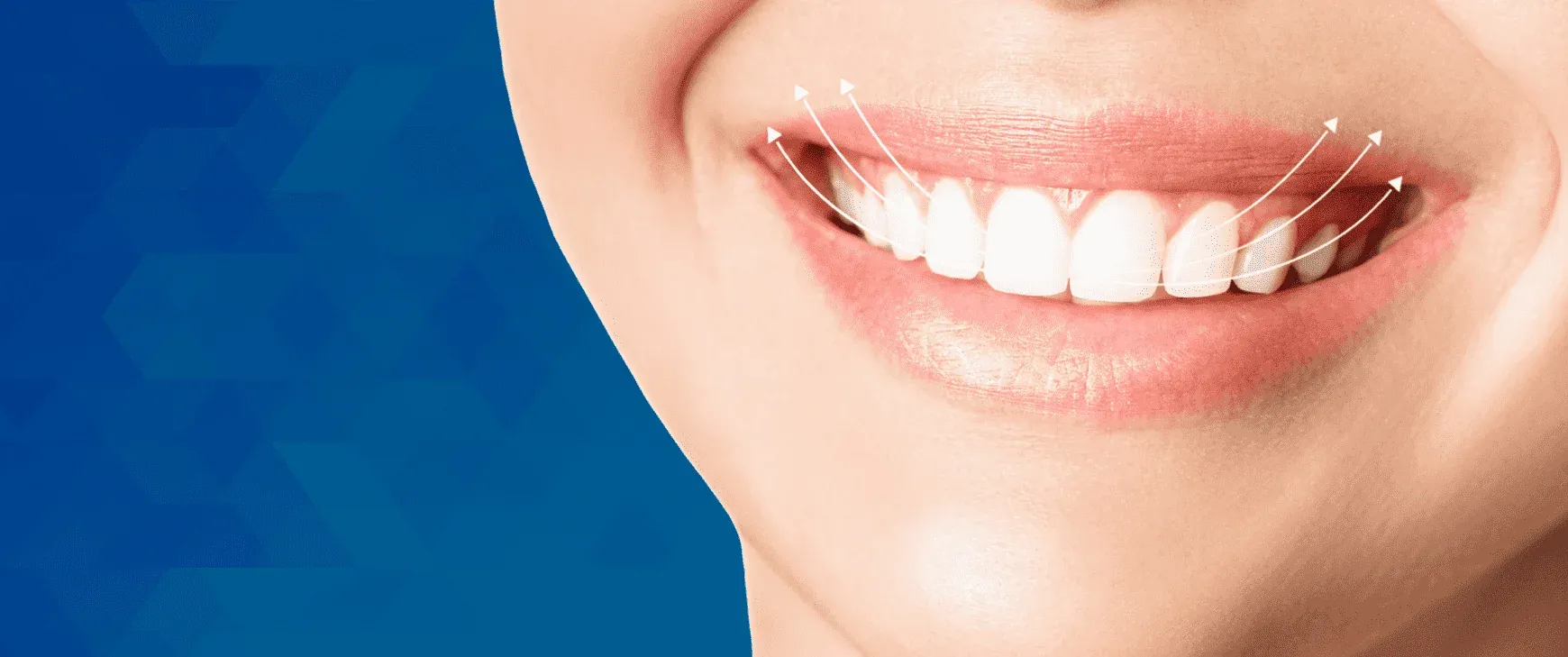
What is Bichectomy? How Is It Done?
Learn what bichectomy is, how it’s done, recovery time, risks, and who it suits—an easy guide to cheek slimming and facial contouring.
Bichectomy is a cosmetic surgical procedure designed to reduce fullness in the lower cheeks by removing the buccal fat pads. This operation has gained significant popularity among individuals seeking a more contoured, defined facial appearance. By reducing cheek volume, the mid-face appears slimmer and the cheekbones become more prominent. Understanding how the procedure works and who it is suitable for is essential before considering treatment.
Facial proportions play a major role in aesthetic balance. Some individuals naturally have thicker buccal fat pads, which can create a round or “baby face” look even when body fat percentage is low. Surgical removal of these fat pads provides a more sculpted contour without altering bone structure. The following sections explain the procedure in detail.
What Is Bichectomy and Why Is It Performed?
Bichectomy is a minor surgical procedure that removes a portion of the buccal fat pads located in the lower cheeks. These fat pads sit between facial muscles and contribute to facial fullness. When they are relatively large, they can create a rounder appearance that some patients may wish to refine. The procedure is primarily performed for aesthetic purposes rather than medical necessity.
The goal of bichectomy is to create a more defined facial contour. By reducing cheek volume, the jawline and cheekbones appear more prominent. This can enhance overall facial harmony and symmetry. Many patients choose this procedure to achieve a slimmer and sharper facial profile.
It is important to understand that the surgery does not change bone structure. Instead, it modifies soft tissue volume. The results are generally subtle yet noticeable, contributing to a more sculpted appearance rather than a dramatic transformation.
How Is Bichectomy Performed Step by Step?
Bichectomy is typically performed under local anesthesia, although sedation may be used depending on patient preference. The surgeon makes a small incision inside the mouth, usually near the upper molars. Because the incision is placed inside the oral cavity, there are no visible external scars. This makes the procedure particularly appealing for cosmetic purposes.
After the incision is made, gentle pressure is applied to expose the buccal fat pad. A controlled amount of fat tissue is carefully removed to ensure symmetry and avoid over-reduction. Precision is critical because excessive removal can create an unnatural or hollow appearance over time. The incision is then closed with dissolvable sutures.
The procedure usually takes less than one hour to complete. Patients can typically return home the same day. Swelling is expected during the first few weeks, and final results become more visible as the tissues heal and inflammation subsides.
Who Is a Good Candidate for Bichectomy?
Not everyone is an ideal candidate for bichectomy. Suitable candidates are generally healthy individuals with fuller lower cheeks who desire a more contoured facial appearance. Candidates should have realistic expectations about the outcome. A consultation with a qualified surgeon is essential to determine suitability.
Patients with naturally thin faces may not benefit from the procedure. Removing additional fat in such cases can create an overly hollow or aged look. Facial aging must also be considered, as natural fat loss occurs over time. Surgeons carefully evaluate facial proportions before recommending treatment.
Psychological readiness is equally important. Patients should seek the procedure for personal reasons rather than social pressure. A thorough assessment ensures that the expected benefits align with the patient’s long-term aesthetic goals.
What Is the Recovery Process After Bichectomy?
Recovery after bichectomy is generally straightforward, but patients should follow postoperative instructions carefully. Swelling and mild discomfort are common during the first week. Cold compresses and prescribed medications can help manage these symptoms. Most patients resume normal activities within a few days.
Because the incision is inside the mouth, oral hygiene is extremely important. Patients are usually advised to use antiseptic mouth rinses to reduce infection risk. Soft foods are recommended during the first few days to prevent irritation. Proper care promotes smooth healing.
Final results are not immediately visible due to swelling. It may take several weeks to a few months for the full contouring effect to appear. Patience is essential during the healing period. Gradual refinement of facial definition is part of the natural recovery process.
What Are the Risks and Potential Complications?

Although bichectomy is considered a safe procedure when performed by experienced surgeons, it still carries potential risks. As with any surgical intervention, infection and bleeding are possible. Following postoperative guidelines significantly reduces these risks. Careful surgical technique is also critical.
Over-removal of fat is one of the main aesthetic risks. If too much tissue is removed, the face may appear excessively hollow, especially as natural aging occurs. Therefore, conservative removal is generally recommended. A balanced approach ensures long-term satisfaction.
Temporary numbness or asymmetry may occur in rare cases. Most minor side effects resolve as healing progresses. Choosing a qualified and experienced surgeon greatly minimizes complications. Proper planning and technique are key factors in achieving optimal results.
How Long Do Bichectomy Results Last?
Bichectomy results are considered permanent because the buccal fat pads that are removed do not grow back. Once the excess fat tissue is surgically reduced, the facial contour change remains stable over time. However, natural aging continues to affect facial structure. Skin elasticity, collagen levels, and overall fat distribution may gradually change with age.
Although the removed fat does not return, significant weight gain can influence overall facial fullness. Even so, the specific buccal fat compartment that was reduced will not regenerate. This makes the procedure a long-term solution for individuals seeking more defined facial contours. Stability is one of the reasons many patients choose this surgery.
Long-term satisfaction depends on proper patient selection. When the procedure is performed conservatively and in harmony with facial proportions, the results can remain aesthetically pleasing for many years. A balanced approach ensures that the face continues to look natural over time.
At What Age Is Bichectomy Recommended?
Age is an important factor when considering bichectomy. The procedure is typically recommended for adults whose facial development is complete. Performing it too early may interfere with natural facial maturation. Most surgeons prefer patients to be in their early twenties or older.
Facial fat distribution changes naturally with age. Younger individuals often experience natural thinning of the face as they mature. For this reason, careful evaluation is required before recommending surgical fat removal. A thorough consultation helps determine whether the fullness is structural or temporary.
Older patients must also be evaluated carefully. Since facial volume naturally decreases with aging, removing additional fat can exaggerate signs of aging. A personalized assessment ensures that timing aligns with long-term aesthetic goals.
How Does Bichectomy Compare to Other Facial Contouring Procedures?
Bichectomy specifically targets the buccal fat pads, while other contouring procedures focus on different anatomical areas. For example, jawline fillers enhance bone definition without removing tissue. Chin augmentation modifies projection rather than reducing volume. Each technique addresses a unique aspect of facial balance.
Unlike injectable treatments, this surgery provides permanent structural change. Fillers may need periodic maintenance, whereas surgical fat removal produces lasting results. However, surgical intervention requires recovery time, while non-invasive treatments often involve minimal downtime.
The choice between procedures depends on the patient’s facial anatomy and aesthetic goals. Some individuals may benefit from a combination of treatments. A comprehensive facial analysis ensures that the most appropriate approach is selected.
Does Bichectomy Change Facial Expressions?
Many patients worry that removing cheek fat might affect facial expressions. The buccal fat pad sits between facial muscles but does not directly control muscle movement. When performed correctly, the surgery does not interfere with smiling or other facial expressions. Muscle function remains intact.
Subtle contour refinement may slightly alter how shadows and highlights appear during expressions. This can make cheekbones look more defined when smiling. However, the ability to express emotions remains unchanged. The goal is contour enhancement, not structural rigidity.
Proper surgical technique is essential to maintain natural movement. Overly aggressive fat removal can create excessive hollowing, which may visually exaggerate certain expressions. A conservative and balanced approach ensures a natural outcome.
What Should Patients Expect Before and After Bichectomy?

Before undergoing bichectomy, patients typically attend a detailed consultation. During this visit, facial proportions are evaluated and medical history is reviewed. The surgeon discusses realistic expectations and potential outcomes. Clear communication helps prevent dissatisfaction.
After the procedure, mild swelling and tightness in the cheek area are common. These effects gradually decrease over several weeks. Most patients notice initial contour changes within a month, but final results may take several months to fully emerge. Patience is essential during healing.
Lifestyle adjustments are usually minimal after recovery. Patients can return to normal activities quickly, although strenuous exercise may be temporarily restricted. Long-term satisfaction depends on following postoperative care instructions and maintaining stable body weight.
Is Bichectomy a Painful Procedure?
Bichectomy is generally not considered a painful procedure because it is performed under local anesthesia. During surgery, patients do not feel pain, only mild pressure or movement. After the anesthesia wears off, there may be moderate soreness and swelling. However, this discomfort is typically manageable with prescribed medication.
Most patients describe the postoperative sensation as similar to having dental work done. The cheeks may feel tight or slightly tender for several days. Proper use of cold compresses can significantly reduce swelling during the first 48 hours. Following medical instructions carefully improves comfort during recovery.
Pain levels vary depending on individual sensitivity and healing response. In most cases, discomfort decreases substantially within the first week. Because the incisions are inside the mouth, external bruising is minimal. Overall, recovery is usually smoother than many patients initially expect.
Can Bichectomy Be Combined with Other Cosmetic Procedures?
Bichectomy can be combined with other facial aesthetic procedures when appropriate. Many patients choose to enhance overall facial harmony by addressing multiple areas at once. Procedures such as chin augmentation, jawline contouring, or rhinoplasty may complement cheek slimming. A comprehensive treatment plan ensures balanced proportions.
Combining procedures may reduce overall recovery time compared to undergoing separate surgeries. However, patient safety and realistic expectations must guide decision-making. Surgeons evaluate facial anatomy carefully before recommending combined interventions. Each procedure should enhance, not overpower, natural features.
A personalized consultation is essential before combining treatments. The surgeon must assess skin quality, bone structure, and fat distribution. Proper planning ensures that all changes work harmoniously together. The ultimate goal is subtle refinement rather than dramatic alteration.
It may interest you --> Hollywood Smile Turkey
Does Bichectomy Affect Aging Over Time?
Bichectomy permanently reduces buccal fat volume, and this can influence how the face ages over time. As individuals grow older, natural fat loss and skin laxity occur. Removing too much fat early in life may accentuate hollowing in later years. For this reason, conservative removal is strongly recommended.
A balanced approach helps maintain youthful softness while improving contour. When performed thoughtfully, the procedure enhances facial definition without accelerating signs of aging. Surgeons carefully evaluate long-term facial changes before deciding how much tissue to remove. Long-term planning is a critical part of successful outcomes.
Aging is a natural biological process that continues regardless of surgery. Lifestyle factors such as sun exposure, nutrition, and skincare also play significant roles. Maintaining healthy habits supports lasting aesthetic results. Careful surgical planning ensures that contour refinement remains harmonious over time.
For your information --> Zirconium Crowns
How Much Does Bichectomy Cost?
The cost of bichectomy varies depending on geographic location, surgeon experience, and clinic standards. Prices may differ significantly between countries and cities. Factors such as anesthesia type and facility fees can also influence the final cost. Patients should prioritize safety and expertise over price alone.
Choosing a highly experienced surgeon may involve higher fees, but it often reduces the risk of complications. An improperly performed procedure can lead to asymmetry or excessive hollowing, which may require corrective surgery. Investing in quality care contributes to long-term satisfaction. Transparent consultation helps patients understand what is included in the price.
Patients should also consider the long-term nature of the procedure. Since results are permanent, there are no maintenance costs like those associated with fillers. A detailed cost breakdown during consultation ensures clarity. Financial planning should be part of the decision-making process.
For those who are interested --> Laminate Veneers
Is Bichectomy Worth It for Facial Contouring?
For individuals seeking a slimmer and more sculpted lower face, bichectomy can be a highly satisfying option. The procedure offers permanent contour refinement without external scars. Many patients report increased confidence after achieving improved facial definition. The psychological benefit can be significant when expectations are realistic.
However, the procedure is not suitable for everyone. Individuals with naturally thin faces or those experiencing early facial aging must be evaluated cautiously. A thorough consultation ensures that the anticipated results align with facial structure. Personal motivation and long-term goals should guide the decision.
Ultimately, whether the procedure is worthwhile depends on individual priorities. When performed conservatively by an experienced professional, it can deliver subtle yet impactful results. Careful planning and realistic expectations are essential for long-term satisfaction. A balanced approach ensures natural-looking enhancement rather than artificial change.
Click to learn --> implant
Doctor Profile

Author and Medical Review
Dr. Melike KENTKURANOral and Maxillofacial Surgery Specialist
View ProfileThis content has been evaluated in accordance with Hospitadent Medical Publication Board standards for medical accuracy, currency and patient information.
Our Awards
See All ›2019 – 2020
Health Tourism Champion
Since its founding, Hospitadent has provided oral and dental care to patients travelling from every continent for health tourism. In the Service Exporters' Association research of 2019 and 2020, we ranked first in the Dental Health Services category. Within the same report we placed 15th among all healthcare institutions in 2019 and moved up to 10th in 2020. With uncompromising customer satisfaction, Hospitadent remains the healthcare institution that treats the highest number of international oral and dental patients.
2013
TEMOS International Quality Certificate
Guided by dedicated international departments, Hospitadent welcomes patients from abroad without any language barriers, offering assistance with accommodation, city and Bosphorus tours, concierge guidance, treatment logistics and medication support to keep satisfaction at its peak. With the goal of carrying the same quality standards to both Turkish and foreign patients, we received the TEMOS "International Quality in Dental Care" certificate in 2013—an accreditation granted by the organization that evaluates and certifies worldwide patient service quality based on the "Made in Germany" quality seal.
2020
Turquality Brand Support Program
For 16 years, the Turquality Brand Support Program has helped Turkish products build and promote their image abroad. Dental Group Hospitadent earned the right to join this initiative, taking an important step on its branding journey. Being the first dental healthcare group in a program that includes only five hospitals from the healthcare sector proves not only the quality image we project, but also the high standards we uphold.
2018
Stevie Awards – Most Innovative Customer Service
The Stevie Awards, recognized worldwide for honoring outstanding organizations and leaders, is the only international business awards program. In 2018, Hospitadent became the first hospital in Turkey to win a Stevie Award by receiving the "Most Innovative Customer Service of the Year" prize. Signature experiences such as Smiling Center, Digital Smile Design and Dental SPA played a decisive role in earning this accolade.
2019 – 2020
Service Exporters Association Award
Serving dental tourists from all over the world since its foundation, Hospitadent was honored by the Service Exporters' Association in the Champions of Service Exports program, which celebrates the rising value of Turkey's service industries. Thanks to its contribution to the national economy, Hospitadent received a certificate of achievement and ranked 15th among general healthcare institutions in 2019 and 10th in 2020, continuing to lead oral and dental treatments with an unwavering focus on patient satisfaction.
2021
Great Place To Work® Certified
Based on the employee experience and satisfaction survey completed by our teams, GPTW Turkey evaluated Hospitadent and awarded us the "Great Place To Work® Certified" distinction. As the first and only dental hospital holding this leading workplace culture certificate, Hospitadent continues its journey toward many more achievements.