Teeth Scaling: Benefits, Side Effects & Complete Guide
What is teeth scaling and how does it protect your oral health? Discover the clinical steps, early warning signs of gum disease, and recovery tips.
Maintaining a radiant and healthy smile requires far more than just a quick daily brushing routine. While the visible surfaces of our teeth may appear clean and polished to the naked eye, a microscopic biological battle is constantly unfolding deep beneath the gumline. Every time we consume food or sugary beverages, a sticky, colorless film of bacteria begins to coat the enamel. If this biofilm is not entirely eradicated through meticulous home hygiene, it absorbs naturally occurring minerals from human saliva and calcifies into a rock-hard substance known as calculus or tartar. Once this hardened crust establishes a firm grip on the tooth structure, no amount of aggressive brushing or flossing can remove it. This stubborn barrier acts as a biological sanctuary for toxic anaerobic bacteria, which slowly begin to irritate the delicate soft tissues, triggering a cascade of inflammatory responses. To halt this destructive cycle and protect the foundation of the smile, dental professionals rely on a highly effective, non-surgical intervention designed to thoroughly debride the oral cavity and restore periodontal health to its optimal state.
What Exactly Is Teeth Scaling and Why Is It Necessary?
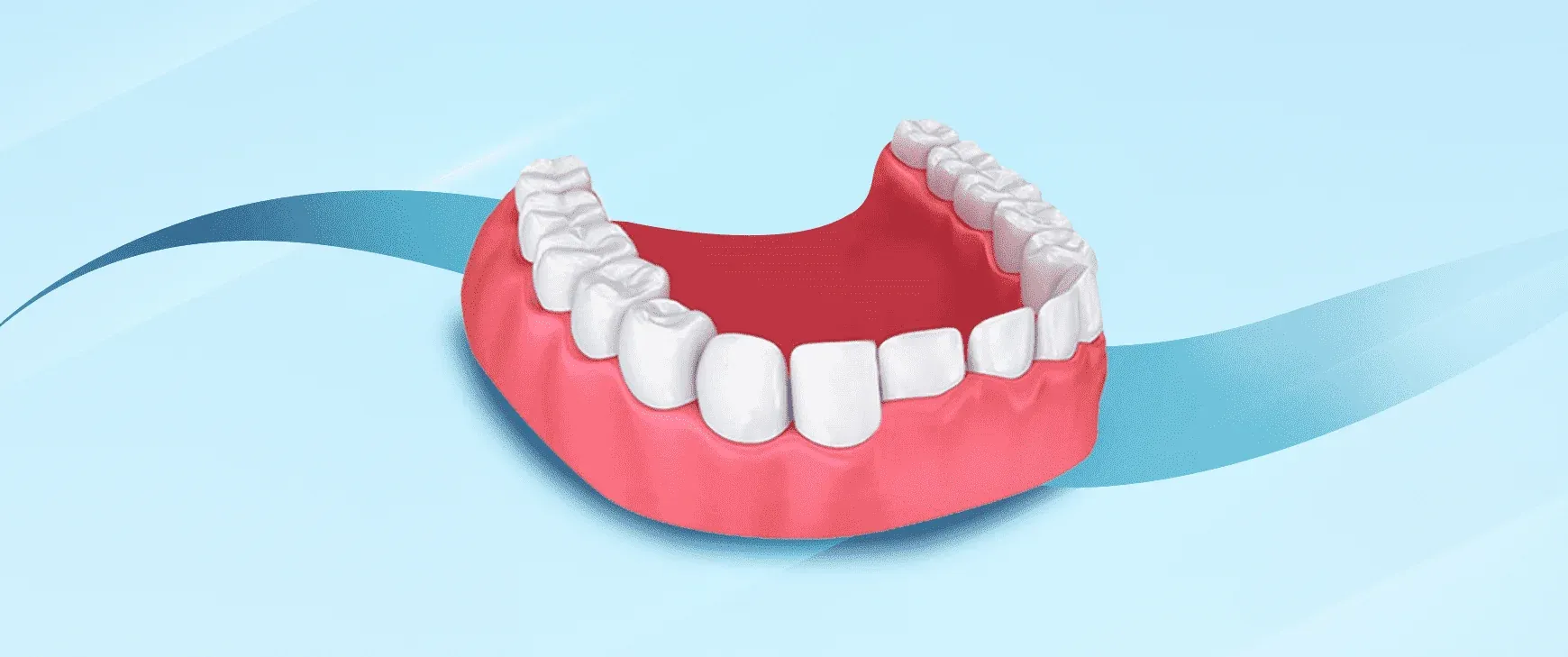
In advanced preventive dentistry, this procedure refers to the meticulous, professional removal of mineralized plaque, hard calculus, and bacterial toxins from the surfaces of the teeth. Unlike standard daily brushing, which only manages the soft, newly formed biofilm on the visible crowns, this clinical intervention targets the hardened deposits that cling stubbornly to the enamel and extend beneath the delicate gum margins. When these calcified barriers are left undisturbed, they create a chronic source of irritation that triggers an aggressive immune response, eventually leading to the breakdown of the surrounding bone and soft tissue. Therefore, routine teeth scaling becomes an absolute medical necessity to interrupt the bacterial lifecycle, remove the physical irritants, and provide the gum tissues with a clean, smooth environment that allows them to heal and reattach firmly to the root surfaces, preventing long-term tooth mobility.
How Does Plaque Turn Into Hard Dental Calculus?
Understanding the biological transition from soft plaque to indestructible tartar highlights exactly why home care alone is never enough to maintain perfect oral health over a lifetime.
The Accumulation of Bacterial Biofilm
The process begins mere hours after a meal. Oral bacteria feed on the residual fermentable carbohydrates left in the mouth, multiplying rapidly to form a highly organized, sticky matrix known as dental plaque. At this early stage, the biofilm is incredibly soft and vulnerable, meaning it can be easily swept away by the mechanical friction of a toothbrush bristle or a piece of dental floss before it causes any permanent structural harm.
The Mineralization and Hardening Phase
If the plaque is missed during daily hygiene routines—especially in hard-to-reach areas like the lingual surfaces of the lower front teeth—it undergoes a profound chemical transformation. The biofilm begins to absorb calcium and phosphate ions naturally present in human saliva. Within 48 to 72 hours, these minerals crystallize, turning the soft plaque into a porous, concrete-like substance called calculus. Once this hardening phase is complete, the deposit forms a permanent bond with the enamel that can only be shattered by specialized professional dental instruments.
Is the Professional Teeth Scaling Procedure Painful?
The fear of experiencing severe pain in the dental chair is a primary reason why many individuals delay or completely avoid their routine cleaning appointments. However, thanks to the evolution of modern dental technology and advanced desensitizing protocols, patients can undergo a thorough teeth scaling without feeling any sharp nerve pain. The procedure is typically performed using ultrasonic instruments that utilize high-frequency micro-vibrations and a cooling water spray to gently shatter the calculus, rather than relying on aggressive manual scraping. Patients will undoubtedly feel the physical pressure of the clinician's hand, the vibration of the tip against the enamel, and hear a high-pitched humming sound, but this does not translate to pain. For individuals who have highly sensitive gums, exposed tooth roots, or severe dental anxiety, the hygienist can easily apply a topical numbing gel or administer a mild local anesthetic to ensure the entire experience is completely comfortable and stress-free.
What Are the Earliest Warning Signs of Gum Disease?
Recognizing the clinical distress signals emitted by your body is vital to seeking timely professional intervention before irreversible bone loss occurs. The oral tissues are highly communicative when an infection begins to take hold. You should schedule an evaluation if you notice any of the following symptoms:
- Continuous bleeding from the gums while brushing, flossing, or biting into hard foods like apples, indicating active vascular inflammation.
- Persistent, chronic bad breath (halitosis) or a constant metallic taste in the mouth caused by the volatile sulfur compounds excreted by trapped bacteria.
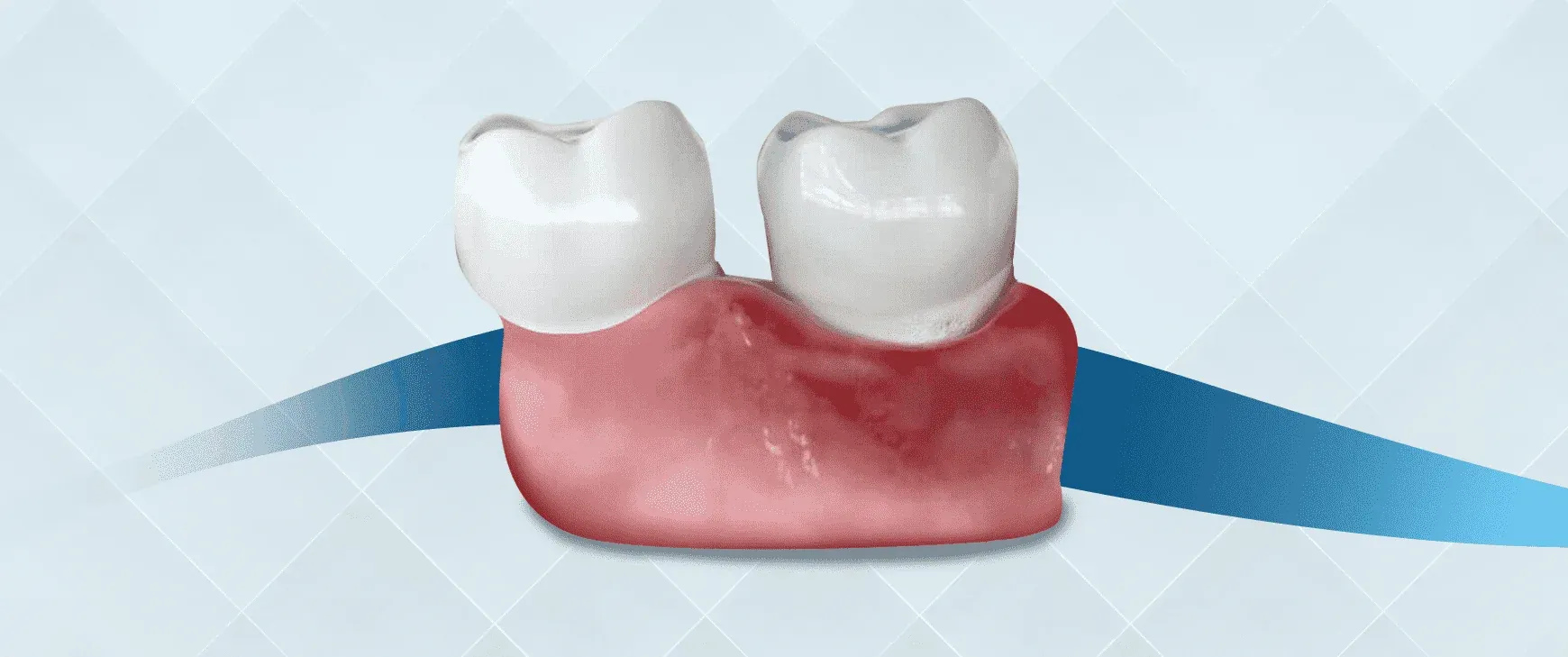
- Gum tissue that appears deep red, swollen, puffy, or feels tender to the touch, rather than exhibiting a healthy, firm, pale pink appearance.
- A noticeable recession of the gumline, making the teeth appear abnormally long and exposing the highly sensitive, yellowish root surfaces to hot and cold temperatures.
How Does Scaling Differ from Root Planing and Polishing?
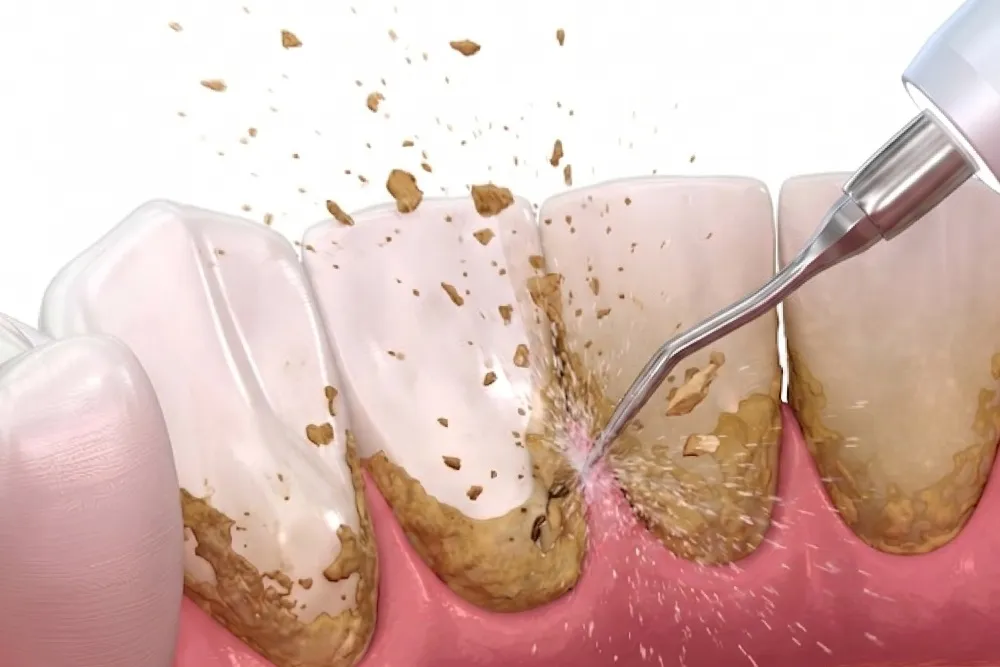
Patients frequently confuse the different terminology used during a comprehensive dental hygiene appointment, assuming that all cleaning procedures are identical. While they are performed in a continuous sequence, each step serves a highly specific mechanical and biological purpose. The initial phase focuses entirely on removing the bulky, calcified tartar deposits from the crowns of the teeth and just below the gumline using ultrasonic and hand instruments. Root planing, however, is a deeper, more advanced technique used exclusively when a patient has active periodontal disease; it involves scraping deep beneath the gums to smooth out the rough cementum layer on the tooth roots, preventing bacteria from clinging to the surface. Finally, polishing is the aesthetic finishing touch, utilizing a motorized rubber cup and a slightly gritty prophylactic paste to gently buff away superficial stains caused by coffee or tobacco, leaving the enamel brilliantly smooth and glossy.
Can Deep Teeth Scaling Reverse Gingivitis Completely?
Gingivitis is the absolute earliest, most superficial stage of periodontal disease, characterized by red, swollen, and easily bleeding gums. Because the bacterial infection is strictly confined to the soft mucosal tissues and has not yet penetrated the jawbone or destroyed the periodontal ligament fibers, the biological damage is entirely reversible. When a patient is diagnosed with this condition, an intensive teeth scaling session is universally recognized as the foundational step in any comprehensive gum treatment protocol. By mechanically stripping away the sharp, bacteria-laden tartar that is constantly irritating the gum margins, the primary source of the infection is completely eliminated. Once the teeth are immaculately clean, the body's immune system calms down, the fiery inflammation subsides, and the gums naturally shrink back tightly against the teeth. With renewed dedication to daily brushing and flossing at home, the patient can fully reverse the gingivitis and restore their oral cavity to perfect health within a matter of weeks.
What Are the Clinical Stages of the Cleaning Process?
Undergoing a professional dental prophylaxis is a highly structured, systematic medical procedure designed to ensure every single millimeter of the oral cavity is thoroughly disinfected and evaluated. The process typically unfolds through the following distinct stages:
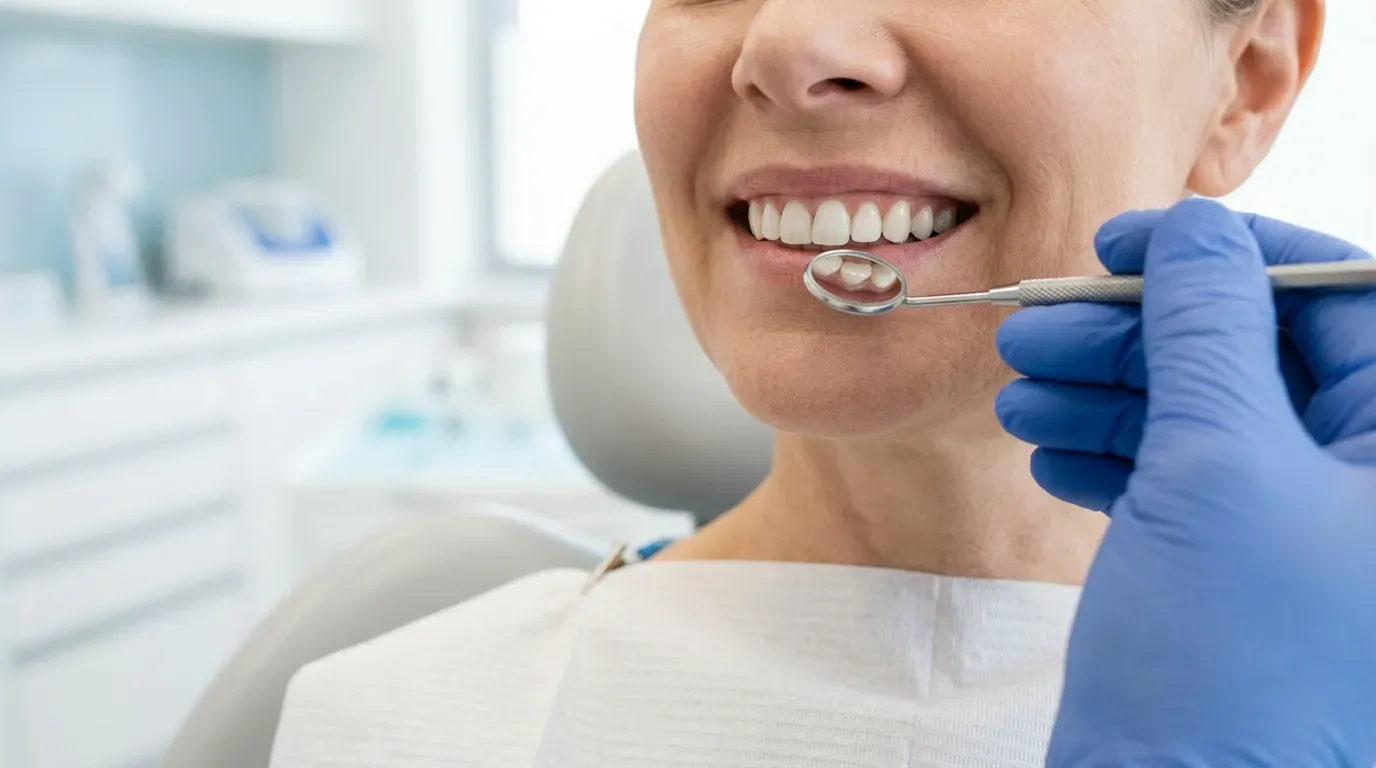
- Comprehensive Oral Examination: The hygienist begins by using a small mirror and a periodontal probe to inspect the gums for signs of inflammation, measure pocket depths, and check the teeth for any visible decay or structural damage.
- Ultrasonic Tartar Removal: An ultrasonic scaler is used to safely break up the large, rock-hard calculus deposits using high-frequency vibrations and a continuous stream of water to flush out the debris.
- Manual Hand Instrument Detailing: The clinician uses specialized, curved hand scalers and curettes to meticulously scrape away any tiny, remaining tartar fragments lodged in the tight crevices between the teeth.
- Professional Polishing and Flossing: The teeth are polished with a gritty fluoride paste to remove surface stains, followed by a professional flossing session to ensure zero abrasive paste or loose plaque remains trapped in the interdental spaces.
Why Is Routine Teeth Scaling Critical for Overall Health?
The human mouth is not a biologically isolated cavern; it is the primary gateway to the body's respiratory and digestive systems. The benefits of keeping this gateway immaculately clean extend far beyond the borders of the mouth, impacting your long-term systemic wellness.
The Oral-Systemic Health Connection
When thick layers of tartar are allowed to harbor massive colonies of anaerobic bacteria, the gums remain in a state of chronic, fiery inflammation. This prolonged immune response breaks down the mucosal barrier, allowing highly aggressive oral bacteria to enter the bloodstream directly through the bleeding gums. Once in the systemic circulation, these microbes travel throughout the body, triggering widespread systemic inflammation that has been clinically linked to severe complications, including poor blood sugar control in diabetic patients, premature births, and chronic respiratory infections.
Lowering the Risk of Cardiovascular Issues
Extensive cardiological research has demonstrated a direct correlation between advanced periodontal disease and an increased risk of heart attacks and strokes. The bacteria that escape the oral cavity can attach to the fatty plaques lining the interior walls of the coronary arteries, accelerating the buildup of arterial blockages and promoting dangerous blood clot formation. A simple, routine teeth scaling effectively eliminates this bacterial reservoir, actively lowering your systemic inflammatory burden and protecting your cardiovascular health.
How Should You Maintain Your Oral Hygiene at Home?
A professional clinical cleaning provides a flawless, fresh foundation, but preserving that pristine environment requires a disciplined, daily commitment to preventing the immediate return of bacterial biofilm. Patients must incorporate the following essential habits into their daily routine:
- Brushing the teeth thoroughly for a full two minutes, twice a day, using a soft-bristled toothbrush or a modern sonic brush paired with a high-quality fluoride toothpaste.
- Utilizing premium dental floss, specialized floss threaders, or plastic-coated interdental micro-brushes at least once a day to clear out the tight vertical spaces between the teeth where brush bristles simply cannot reach.
- Incorporating a therapeutic, alcohol-free antibacterial mouthwash to neutralize volatile sulfur compounds, reduce overall bacterial loads, and soothe the gum tissues after mechanical cleaning.
- Actively minimizing the consumption of sticky, highly processed sugary snacks and acidic carbonated beverages, which fuel bacterial acid production and accelerate plaque formation.
How Often Should You Schedule a Teeth Scaling Session?

The frequency of your professional cleaning appointments is never a one-size-fits-all medical decision; it is dictated entirely by your individual biological risk profile, the speed at which your body naturally accumulates tartar, and your history of gum disease. For the vast majority of patients who maintain excellent home hygiene, have a healthy immune system, and show absolutely no signs of active bone loss, dental professionals strongly recommend booking a preventive teeth scaling appointment every six months. This biannual schedule perfectly intercepts the tartar buildup before it has a chance to trigger meaningful inflammation. However, for individuals who have been previously diagnosed with advanced periodontitis, heavy smokers, pregnant women, or diabetic patients, a standard six-month interval is far too long. These high-risk groups are typically placed on a strict three-month periodontal maintenance schedule to continuously disrupt the aggressive bacterial colonies and safeguard their fragile bone levels.
What Happens If You Ignore Stubborn Tartar Buildup?
Choosing to avoid the dental chair out of fear or financial procrastination is a dangerous decision that guarantees the progressive, irreversible destruction of your smile. Because hardened tartar cannot be brushed away, avoiding a necessary cleaning allows the bacterial colonies to thrive and push deeper beneath the gumline. The initial gingivitis quickly morphs into advanced periodontitis, a chronic disease where the body's immune system begins to attack and dissolve its own alveolar bone in a desperate attempt to distance itself from the infection. As the supportive bone melts away, deep pathological pockets form around the tooth roots, trapping even more toxic debris. Without the rigid bone to anchor them, the teeth begin to loosen, shift out of alignment, and drift uncontrollably. Ultimately, ignoring the tartar buildup will result in spontaneous tooth loss, requiring massive, expensive surgical interventions and full mouth implant rehabilitations to restore your ability to chew and speak properly.
Can Frequent Teeth Scaling Cause Damage to Your Enamel?
One of the most persistent and damaging myths in preventive dentistry is the misconception that having your teeth professionally cleaned too often will eventually scrape away or thin out your natural protective enamel. This fear is entirely unfounded. Human enamel is the hardest, most heavily mineralized substance in the entire human body, significantly harder than the stainless steel hand instruments or the ultrasonic tips utilized by dental hygienists. Furthermore, the modern tools used during a routine teeth scaling do not rely on aggressive, destructive mechanical scratching; instead, the ultrasonic scalers utilize high-frequency micro-vibrations to gently shatter the brittle, porous calculus deposits, leaving the dense, smooth enamel completely unharmed. The safety of regular cleanings is one of the most thoroughly researched topics in dentistry, and the clinical consensus is absolute: the profound risks of leaving tartar on your teeth infinitely outweigh the zero risk of enamel damage from a professional cleaning.
When Is a More Advanced Surgical Approach Required?
While routine cleanings are highly effective for managing tartar above and slightly below the gumline, there comes a critical biological tipping point where non-surgical methods simply cannot reach the depths of the infection.
Addressing Deep Periodontal Pockets
When a patient neglects their oral hygiene for years, the bone loss creates deep periodontal pockets that exceed 5 or 6 millimeters in depth. At this extreme depth, the calcified tartar deposits are located completely out of sight on the deep root surfaces. A hygienist using standard scaling instruments is working blindly and cannot physically access or completely clear away the hardened bacterial crust hidden at the bottom of these deep craters.
The Transition to Surgical Intervention
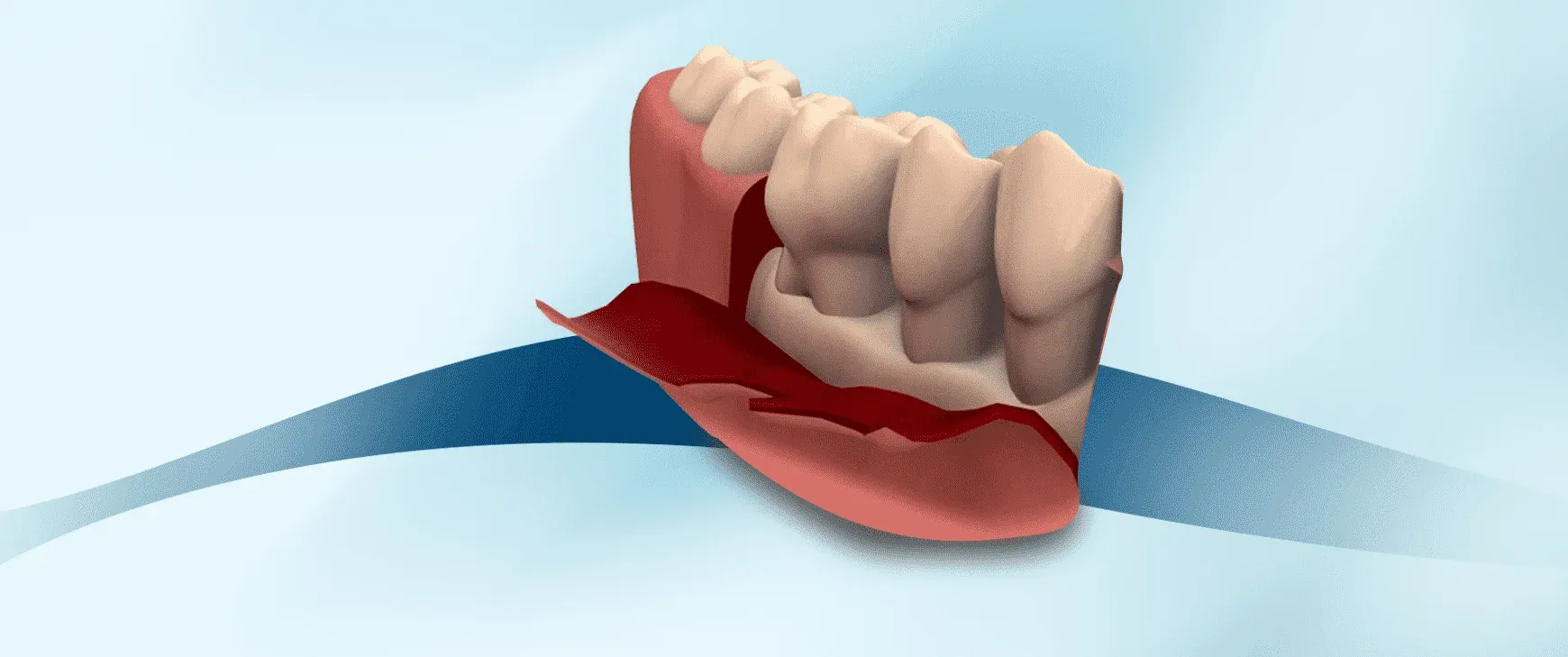
When standard debridement fails to resolve the fiery inflammation and the deep pockets remain, the periodontist must escalate the treatment plan. At this stage, a highly specialized surgical procedure known as curettage or a full flap surgery is required. During this advanced intervention, the clinician gently opens the gum tissue to gain direct visual access to the damaged bone, allowing them to thoroughly sterilize the deep root surfaces, place bone grafting materials if necessary, and suture the gums tightly back together to eliminate the pocket entirely.
Why Are Patients Combining Teeth Scaling with Dental Tourism?
When individuals require extensive multi-unit restorative treatments—such as full mouth dental implants, multiple root canals, or comprehensive cosmetic smile makeovers—the accumulative specialist fees can become a massive financial obstacle in Western countries. This economic reality has driven a massive increase in international dental tourism. For patients who are already planning on getting teeth done in Turkey to take advantage of the world-class surgical expertise and state-of-the-art clinical facilities, a comprehensive, preventive teeth scaling is usually included as the mandatory first step of their treatment plan. By ensuring the gums are perfectly healthy and free of any inflammatory tartar before the major surgical or cosmetic work begins, the Turkish specialists guarantee a sterile oral environment, significantly increasing the long-term success rate and aesthetic beauty of the final expensive restorations.
What Factors Influence the Cost of a Teeth Scaling Procedure?
The financial investment required to maintain a tartar-free smile is generally quite affordable and is universally recognized as the most cost-effective preventive measure in all of modern healthcare. However, the exact price of a comprehensive teeth scaling session depends on multiple clinical variables. If the patient has maintained excellent hygiene and only requires a standard, superficial prophylactic cleaning, the cost remains minimal and is fully covered by almost all dental insurance plans. Conversely, if the patient has avoided the dentist for a decade and requires a deep, full-mouth scaling and root planing procedure broken down into multiple quadrant sessions under local anesthesia, the fees will naturally be higher. Additionally, the integration of advanced technologies, such as laser-assisted bacterial reduction or the application of localized antibiotic gels within the gum pockets, will modestly increase the final investment, but this small cost pales in comparison to the immense surgical expenses required to replace lost teeth later in life.