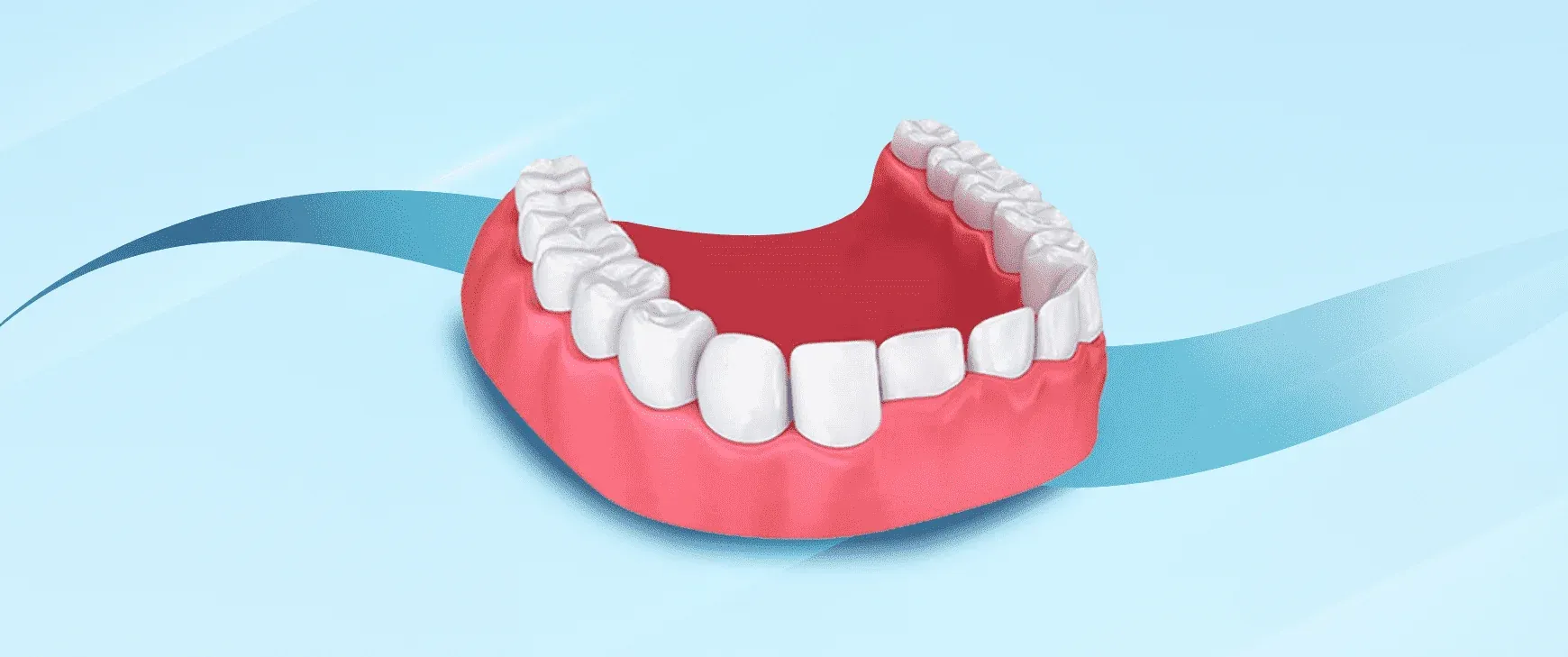
Gum Treatment: What It Is and Why It Matters
What is gum treatment? Why is it essential for oral and dental care? How is gum treatment done? Click and learn.
Healthy gums are the foundation of a strong, functional smile. When gum tissue becomes inflamed or infected — a condition commonly known as gum disease — it doesn't just cause discomfort. It can compromise the stability of your teeth, contribute to gum recession, and lead to more serious problems down the road. This guide explains why gum health matters, how to spot trouble early, and what the treatment and recovery process typically looks like.
Why Healthy Gums Matter
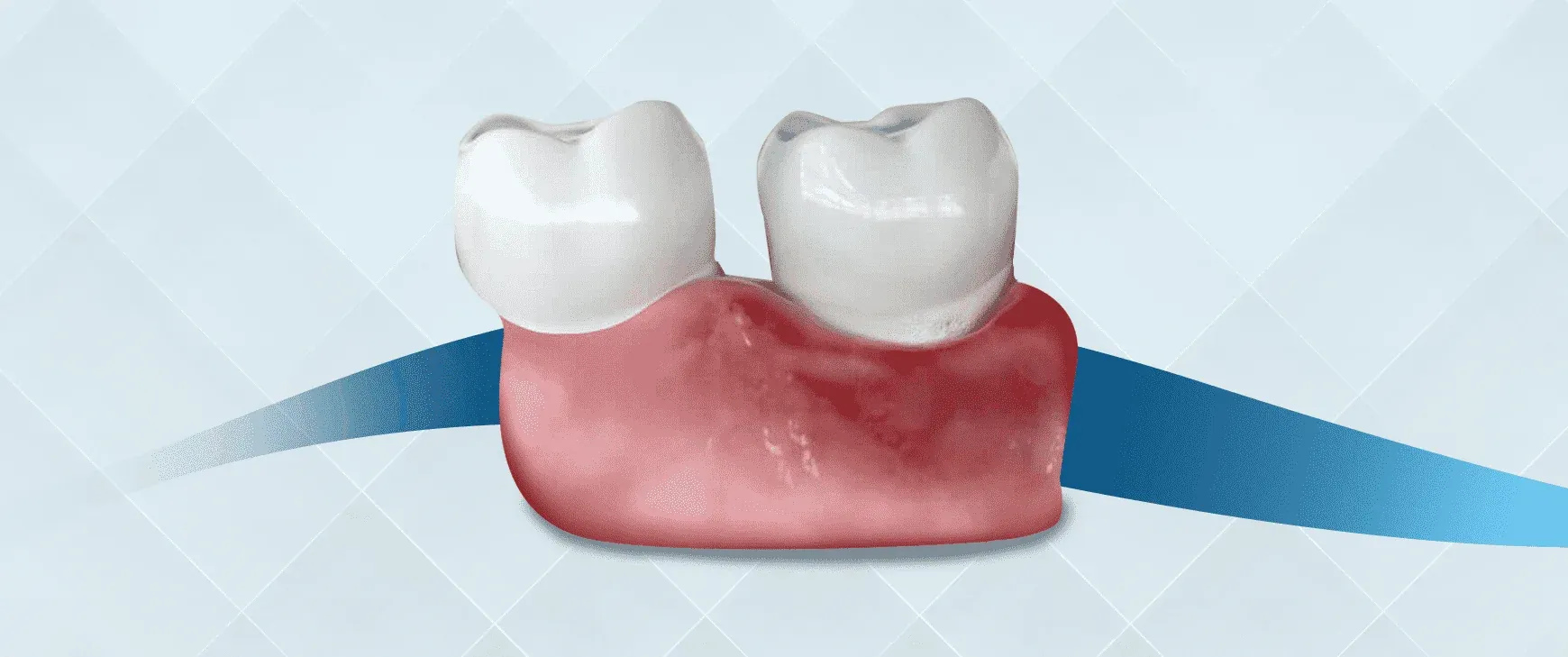
Your gums do more than frame your teeth — they anchor them. Proper gum function supports a stable bite, keeps teeth firmly in place, and contributes to overall oral comfort. When this tissue becomes inflamed, the infection can spread below the surface, gradually affecting the bone and connective structures that hold teeth in position.
Addressing the problem early helps stop that progression before irreversible damage sets in. It also improves the broader balance of your mouth: inflamed tissue tends to harbor bacteria that contribute to bad breath and general discomfort, so restoring gum health also means a cleaner, more comfortable mouth overall. Beyond the mouth itself, researchers have also linked untreated gum disease to broader health concerns, including cardiovascular issues and complications for people managing diabetes, which is one more reason gum health shouldn't be treated as a low priority. If you're also considering broader cosmetic work, note that a Hollywood Smile Turkey makeover typically requires healthy gums as a starting point — see our guide on pre-treatment dental health checks for details.
Catching issues early isn't just corrective — it's preventive. Patients who act on the first signs of trouble typically avoid the more complex, invasive procedures that come with advanced disease, such as deep scaling, gum surgery, or in severe cases, tooth loss and the need for restorative work to replace missing teeth.
Early Warning Signs to Watch For
Because the earliest stages of gum disease are often painless, many people don't realize anything is wrong until symptoms become harder to ignore. Recognizing these signs sooner leads to simpler treatment and better long-term outcomes:
- Bleeding gums, especially during brushing or flossing — healthy tissue shouldn't bleed easily
- Swelling, tenderness, or redness along the gumline
- Persistent bad breath or an ongoing bad taste in the mouth
- Gums pulling away from the teeth, exposing more of the tooth surface
- Looseness or sensitivity, particularly in more advanced stages
- Discomfort while chewing, which can indicate deeper tissue involvement
These symptoms can develop gradually, which is part of why routine dental checkups matter even when nothing feels obviously wrong — a dentist or hygienist can often spot early inflammation or pocketing around the teeth well before a patient notices anything themselves. If any of these sound familiar, a professional evaluation is the best next step — waiting typically allows the underlying issue to progress rather than resolve on its own, and early-stage gum disease is generally far easier and less costly to treat than advanced cases.

What Does the Process Involve?
There's no single procedure that applies to every patient — the right approach depends entirely on how advanced the condition is. In every case, though, the objective is the same: control the infection, calm the inflammation, and give the tissue the conditions it needs to heal.
- Mild, early-stage cases often respond well to a professional cleaning that clears plaque and tartar from above and below the gumline, paired with guidance on improving daily hygiene habits.
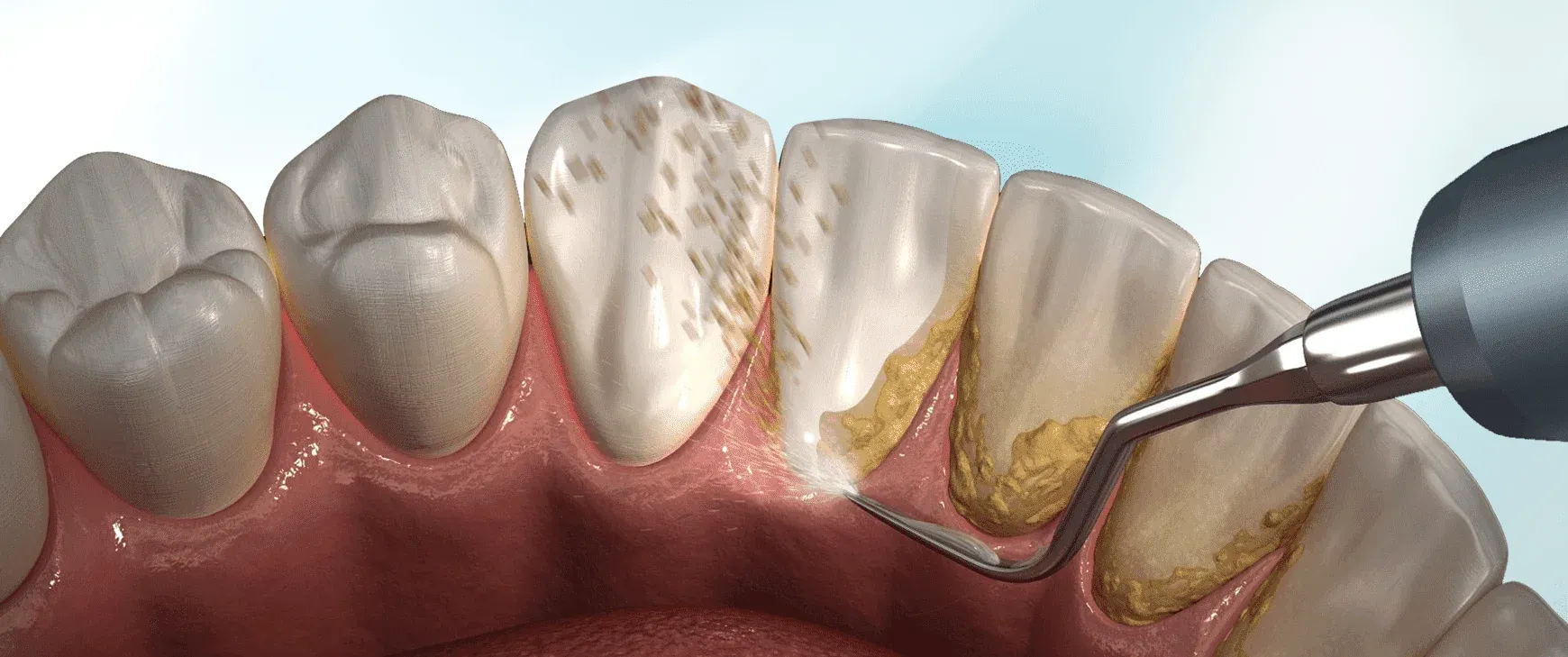
- More advanced cases typically call for deeper cleaning that targets bacteria and deposits lodged in periodontal pockets, along with smoothing the root surface so the tissue can reattach properly.
- Severe cases, including those where gum disease has already led to noticeable gum recession, may require a surgical approach to reduce pocket depth and rebuild healthy structure.
In some advanced cases, additional procedures such as bone or tissue grafting may also be recommended to help regenerate structures that have already been lost to the disease. Antibiotic therapy, whether applied directly to the affected pockets or prescribed orally, can also play a supporting role in controlling bacterial infection alongside these mechanical treatments. Recovery time and follow-up care likewise vary by procedure — a simple cleaning may require little more than a short adjustment period, while surgical treatment typically involves a more structured healing timeline with follow-up visits to monitor tissue response.
Because severity varies so much from patient to patient, the plan is always personalized — targeting the affected areas specifically while preserving as much healthy tissue as possible. Ongoing maintenance, including ongoing periodontal cleanings and consistent home care, is just as important as the initial treatment itself, since gum disease can recur without continued attention. For patients weighing cosmetic options alongside periodontal care, our smile design planning guide explains how the two often work together.
|
Severity |
Typical Approach |
Goal |
|
Mild, early-stage |
Professional cleaning above and below the gumline + hygiene guidance |
Remove plaque/tartar, prevent progression |
|
Advanced |
Deeper cleaning of periodontal pockets + root smoothing |
Eliminate bacteria, allow tissue reattachment |
|
Severe (with recession) |
Surgical approach |
Reduce pocket depth, rebuild healthy structure |
Protecting Your Teeth From Long-Term Damage
One of the biggest risks of leaving inflammation untreated is the gradual weakening of the structures that hold teeth in place — the tissue, ligaments, and bone that form your natural support system. Left unchecked, this damage can eventually make teeth unstable or loose, and in the most severe cases, it can lead to tooth loss altogether. When tooth loss occurs due to advanced periodontal destruction, patients often need advanced restorative options like a modern dental implant treatment to restore both function and aesthetics to their bite.
Clearing out the bacteria driving the inflammation allows the tissue to heal and tighten back around the teeth, often restoring full stability when caught early. Even in more advanced cases where some structural loss has already occurred, timely care can stabilize the condition and protect whatever bone and tissue remain — meaningfully lowering the risk of eventual tooth loss. This is why dentists consistently emphasize that the timing of treatment matters as much as the treatment itself: bone and connective tissue lost to advanced gum disease generally don't regenerate fully on their own, so intervening while the condition is still manageable offers the best chance of preserving a patient's natural teeth for the long term. Even in cases where some support has already been lost, stopping further progression can be the difference between keeping a tooth for years to come and eventually needing an extraction and replacement.
Comprehensive Oral Health Interventions
Addressing gum disease is frequently part of a broader, multi-disciplinary dental care plan. Periodontal inflammation rarely exists in complete isolation, as structural alignment issues and hard-tissue blockages often directly impact how effectively patients can clean their teeth at home. For instance, severely crowded or misaligned teeth create tight, overlapping spaces where food debris and bacterial plaque accumulate rapidly. These hard-to-reach crevices are almost impossible to clean thoroughly with routine brushing alone, creating a persistent environment for localized tissue inflammation and deep pocket formation.
To solve these underlying mechanical challenges, dental professionals often combine periodontal maintenance with orthodontic interventions. Undergoing a tailored braces treatment can realign crowded archways, eliminate overlapping traps, and establish optimal positioning for easier daily maintenance. Once teeth are properly aligned, plaque control becomes significantly more straightforward, reducing the risk of recurrent gum infections and long-term tissue recession over time.
Similarly, hard-tissue obstructions in the posterior region of the mouth can exacerbate localized periodontal disease. Partially erupted or misaligned wisdom teeth frequently create anatomical pockets where destructive bacteria multiply, leading to chronic swelling, severe localized pain, and damage to adjacent structures. In such scenarios, performing an impacted tooth extraction is often necessary to eliminate the bacterial sanctuary, relieve pressure on nearby molars, and allow the surrounding tissue to heal properly. Integrating these comprehensive procedures ensures that both hard and soft tissues remain stable and protected against long-term complications.
What to Expect During and After Care
Most procedures are designed to be as comfortable as possible. During the appointment, the focus is on thoroughly clearing infected areas and removing harmful bacteria; for deeper work, local anesthesia keeps the process comfortable, and most patients feel only mild pressure rather than significant pain.
Afterward, some temporary soreness or sensitivity is normal as the tissue heals — this usually fades within a few days. Mild swelling or sensitivity to hot and cold is also common during this window, and over-the-counter pain relief is often enough to manage any lingering discomfort. Sticking to a soft diet for the first day or two, avoiding the treated area when brushing too vigorously, and steering clear of smoking or alcohol during initial healing can all help support a smoother recovery.
You'll typically receive specific aftercare instructions to support healing and reduce the risk of reinfection. Sticking to those instructions, along with attending any follow-up visits, plays a major role in how well the results hold up. Follow-up appointments also give the dentist a chance to check how well the tissue is responding and to catch any early signs of recurrence before they become bigger problems. For general guidance on caring for restorations alongside periodontal health, see our aftercare guide.
How Long Does It Take to See Results?
Recovery timelines vary based on how advanced the condition was going in. For mild inflammation, noticeable improvement — less bleeding, calmer-looking tissue — can appear within days to a couple of weeks of a professional cleaning and better home care.
More advanced cases take longer: after deeper procedures, tissue needs time to reattach and settle, with firmness and freshness typically improving gradually over several weeks. In cases involving surgical treatment or grafting, full healing can take a few months, and the final results are often best assessed only after that longer-term settling period has passed. Staying consistent with home care during this window makes a real difference in the outcome, and skipping steps or reverting to old habits too soon can slow progress or allow inflammation to creep back in.
It's worth remembering that this isn't a one-and-done fix. Even once symptoms improve, keeping results depends on regular dental visits and daily plaque control — the ongoing habits matter as much as the initial procedure. Routine checkups also make it far easier to catch any early signs of returning inflammation, allowing small issues to be addressed quickly before they develop into the kind of advanced problem that's harder — and more costly — to treat.
|
Case Severity |
Time to Notice Improvement |
What Improves |
|
Mild inflammation |
Days to a couple of weeks |
Less bleeding, calmer tissue |
|
More advanced cases |
Several weeks (gradual) |
Tissue firmness, reattachment, freshness |
|
Severe (with recession) |
Surgical approach |
Reduce pocket depth, rebuild healthy structure |
Managing Discomfort
A common worry is how much this will hurt — and for most patients, the answer is: not much. Routine cleanings and early-stage care typically involve only slight pressure or sensitivity, especially if the tissue was already inflamed going in. For deeper work, local anesthesia keeps things comfortable throughout.
Afterward, mild, short-lived soreness is common as the area heals, and following your aftercare instructions helps that resolve faster. Weighed against the alternative — more painful, more invasive procedures if the problem is left to advance — the temporary discomfort is a small trade-off.
The Role of Home Care
Professional treatment clears out existing bacteria and buildup, but it's your daily habits that keep the problem from coming back. Without consistent home care, plaque reforms quickly and issues can resurface.
- Brush twice daily with proper technique, paying attention to the gumline
- Floss or use interdental tools to clean areas a toothbrush can't reach
- Follow any product recommendations — specialized brushes, interdental tools, or antimicrobial rinses — your provider suggests for your specific case
Consistency here does as much for long-term gum health as the procedure itself.
Why Bad Breath Often Improves After Treatment
Persistent bad breath is frequently tied to bacteria trapped below the gumline. Since treatment removes the plaque, tartar, and bacteria driving both inflammation and odor, many patients notice a real improvement in breath freshness once tissue starts healing.
That said, the improvement depends on keeping up with oral hygiene afterward — if plaque is allowed to build back up, the odor-causing bacteria can return with it. Regular brushing, flossing, and check-ups keep this benefit intact over time.
Why Follow-Up Visits Matter
Because relapse can happen quietly, without obvious symptoms, ongoing dental visits are essential for catching changes before they escalate. At these check-ups, your provider evaluates tissue health, pocket depth, and overall healing, and performs cleanings to clear anything that's built up despite good home care.
Patients recovering from more advanced treatment are often advised to schedule visits more frequently for a while, which meaningfully lowers the risk of the condition returning.
Gum Recession: What Treatment Can and Can't Do
Gum recession — where tissue pulls away from the tooth and exposes the root — is one of the most common long-term effects of untreated gum disease, and it's worth setting realistic expectations about what treatment can achieve. Treatment can't reliably regrow lost tissue, but it plays a key role in stopping the problem from getting worse.
By clearing the bacteria and reducing pocket depth that drive recession, treatment creates conditions that let the remaining tissue stabilize, protecting exposed root surfaces from further damage — including increased sensitivity and a higher risk of root decay. In select cases, more specialized approaches may be recommended to improve comfort and function. Early action is what makes the biggest difference here, since existing recession generally can't be reversed.
How Smoking Affects Recovery
Tobacco use is one of the biggest factors that can undermine an otherwise successful treatment. Smoking restricts blood flow to the gums, limiting the oxygen and nutrients the tissue needs to repair itself — which often means slower healing and less predictable results for smokers.
It can also mask the usual warning signs, like bleeding, making it harder to tell whether the tissue is actually improving or whether inflammation is quietly persisting beneath the surface. Cutting back or quitting significantly improves healing outcomes and helps results last longer.

Easing Tooth Sensitivity
Sensitivity often develops when receding, inflamed tissue exposes the root surface, which lacks the protective enamel that covers the rest of the tooth — leaving it more reactive to temperature and certain foods. Unlike the crown of the tooth, the root surface is covered only by a thinner layer called cementum, which offers far less protection against hot, cold, sweet, or acidic triggers. This is why patients with gum recession often notice sharp, fleeting discomfort when sipping something cold or eating something sugary, even if they've never experienced sensitivity before.
As inflammation subsides and tissue tightens back around the teeth, many patients notice this sensitivity ease. This happens because healthier, tighter tissue gradually covers more of the previously exposed root surface, reducing the amount of unprotected area in direct contact with external triggers. Reducing plaque and tartar along the way also cuts down on the bacterial irritation that contributes to discomfort, since ongoing bacterial buildup along the gumline can keep nerve endings in a heightened, reactive state even after the initial inflammation starts to improve.
In the meantime, some simple daily adjustments can also help manage discomfort. Switching to a toothpaste formulated for sensitive teeth, avoiding overly aggressive brushing that can further wear down exposed root surfaces, and being mindful of extremely hot, cold, or acidic foods and drinks can all make day-to-day life more comfortable while the tissue heals.
For persistent sensitivity, your provider may recommend additional protective measures to keep things comfortable day to day. These can include in-office desensitizing treatments, fluoride varnishes applied directly to exposed areas, or in some cases, minor restorative work to cover and protect particularly vulnerable root surfaces. If sensitivity doesn't improve within the expected healing window, or if it seems to be getting worse rather than better, it's worth flagging to your dentist, since this can sometimes indicate that additional treatment or a change in approach is needed to fully resolve the underlying issue.and being mindful of extremely hot, cold, or acidic foods and drinks can all make day-to-day life more comfortable while the tissue heals.
For persistent sensitivity, your provider may recommend additional protective measures to keep things comfortable day to day. These can include in-office desensitizing treatments, fluoride varnishes applied directly to exposed areas, or in some cases, minor restorative work to cover and protect particularly vulnerable root surfaces. If sensitivity doesn't improve within the expected healing window, or if it seems to be getting worse rather than better, it's worth flagging to your dentist, since this can sometimes indicate that additional treatment or a change in approach is needed to fully resolve the underlying issue.