Flap Treatment: Advanced Surgical Guide for Severe Gum Disease
What is a flap treatment in periodontics and how does it save your teeth? Explore the step-by-step surgical process, bone grafting, recovery tips, and costs.
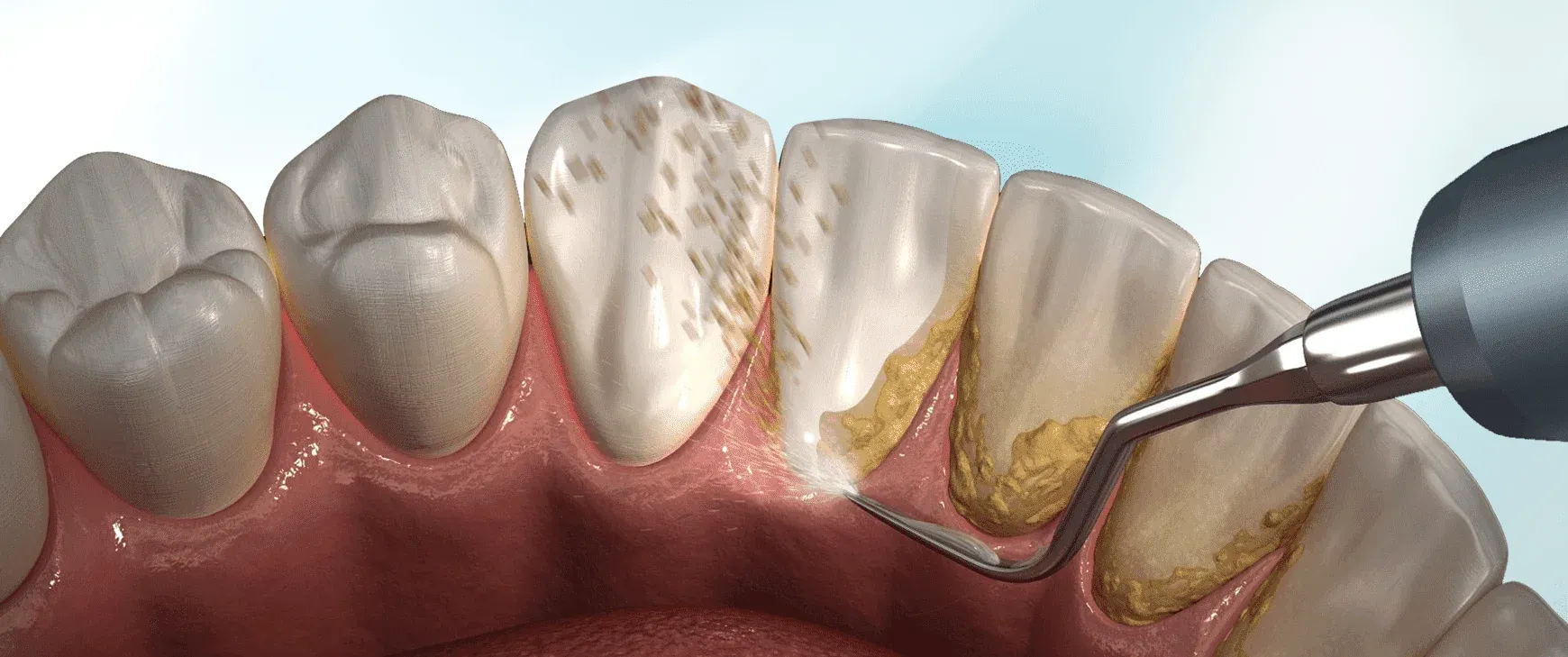
The health and long-term stability of the human dentition depend entirely on the integrity of its supporting structures, collectively known as the periodontium. While many people focus their daily oral hygiene routines on keeping the visible white crowns of their teeth free of cosmetic stains and surface cavities, the true battle against tooth loss takes place deep beneath the gumline. When soft bacterial plaque is left undisturbed along the margins of the gums, it reacts with minerals in human saliva to solidify into a hard, calcified crust known as calculus or tartar. This porous crust acts as an absolute sanctuary for destructive anaerobic bacteria, which emit toxic byproducts that irritate and inflame the delicate periodontal tissues. If this early inflammatory response is ignored, the body's immune system begins to destroy its own supporting bone and fibers, creating deep pathological gaps called periodontal pockets. When these pockets reach a critical depth where non-surgical methods can no longer access the root base, advanced surgical interventions are required to directly clean the bone.
What Exactly Is a Flap Treatment in Periodontics?
In advanced dental medicine, a flap treatment is a sophisticated, specialized surgical procedure designed to treat moderate to severe periodontal disease. The primary anatomical objective of this intervention is to gain direct, uncompromised visual and physical access to the deep roots of the teeth and the surrounding alveolar bone framework. This procedure is performed under local anesthesia by a specialized periodontist.
During the process, the clinician makes precise incisions along the gumline to carefully detach and lift a section of the gum tissue, creating a temporary "flap" that is gently folded back. Lifting this tissue exposes the hidden sub-gingival landscape, revealing the exact extent of the calcified tartar deposits and bone defects. The clinician then thoroughly debrides the area, eliminating the toxic bacterial reservoir, and smooths the root surfaces. Once the area is completely sterilized, the gum flap is repositioned tightly around the teeth and secured with micro-sutures, closing the deep entry pathways for new bacteria.
How Does Advanced Periodontitis Damage Your Oral Health?
Periodontal infections do not happen overnight; they are the result of a gradual, progressive biological breakdown that shifts from a reversible surface inflammation to an irreversible structural disease. Understanding this timeline highlights the clinical necessity of deep surgical intervention.
The Breakdown of the Junctional Epithelium
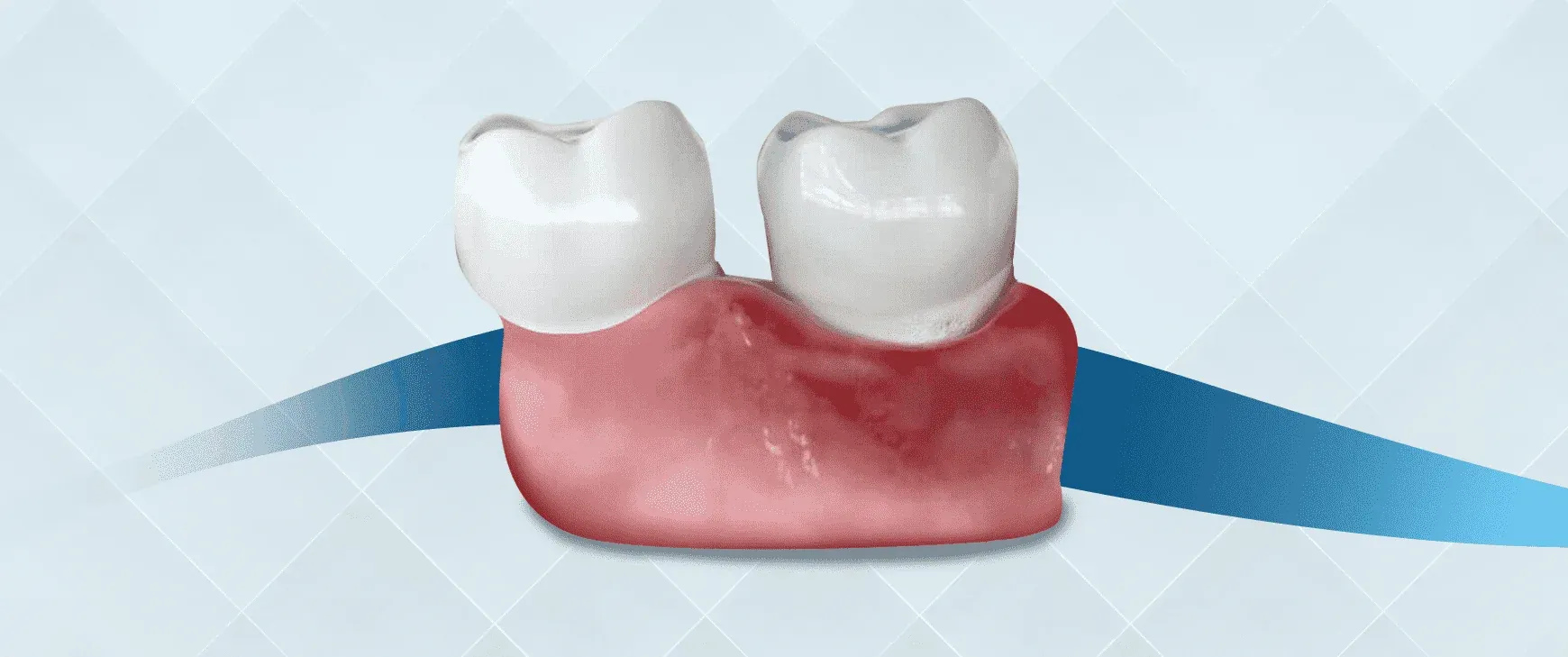
The journey of periodontal degeneration always begins with the accumulation of soft plaque. If left uncleaned, the bacteria irritate the gums, causing them to pull away from the tooth surface. This initial detachment breaks down the junctional epithelium, which is the biological collar that seals out bacteria. Once this seal is broken, the microbes plunge deeper into the tissues, safe from the reach of toothbrush bristles.
The Destruction of the Alveolar Bone Architecture
As the bacterial colony grows deeper, the chronic inflammatory response triggers the destruction of the periodontal ligament fibers and the alveolar bone. The body's immune cells, in an attempt to destroy the bacteria, inadvertently destroy the surrounding bone matrix. This causes the bone level to recede, creating deep pathological pockets that compromise the mechanical support of the teeth.
Why Is a Non-Surgical Scaling Insufficient for Deep Pockets?
Many patients question why they cannot simply receive a standard dental scaling when diagnosed with deep periodontal pockets. The answer relies on a fundamental difference in clinical depth and anatomical access. A standard dental cleaning or scaling is a superficial preventive treatment aimed at removing soft plaque and superficial tartar from the visible portions of the teeth above the gumline.
When a patient develops deep periodontal pockets that exceed 5 or 6 millimeters, the calcified tartar deposits attach themselves deep down along the roots of the teeth, completely hidden beneath the swollen gum tissues. At this depth, non-surgical instruments are working blindly, making it mechanically impossible to entirely clear away the microscopic bacterial biofilms. Attempting to treat advanced periodontitis with a surface cleaning is clinically ineffective, as it leaves the active bacterial factory undisturbed at the base of the tooth socket, which is why a surgical approach is required.
What Are the Main Symptoms of Advanced Gum Disease?
Recognizing the clinical signs of advancing periodontal infection is vital to seeking timely medical intervention before permanent bone loss occurs. Gums should never bleed during normal daily care; any sign of bleeding is an explicit distress signal from the oral tissues. The progression of severe periodontitis presents several clear, uncomfortable symptoms that parents and adults must look out for:
- Continuous bleeding from the gums during brushing, flossing, or even while chewing soft foods.
- Persistent, chronic bad breath (halitosis) or a constant metallic, bitter taste in the mouth caused by volatile sulfur compounds emitted by anaerobic bacteria.
- Visibly receding gums that make the teeth look abnormally long, exposing the yellowish, sensitive root surfaces.
- Localized swelling, tenderness, or a deep purulent discharge (pus) leaking from the gum margins when pressure is applied.
- A subtle loosening or shifting of the teeth, creating new gaps or changing how the upper and lower arches fit together when biting.
When Should a Clinician Choose a Flap Treatment over a Curettage?
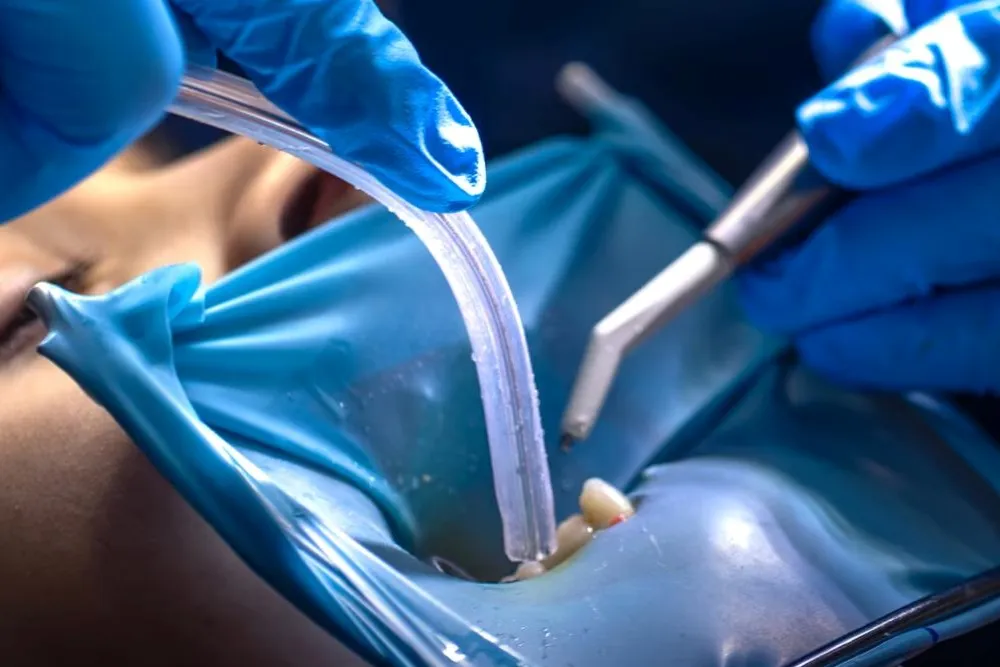
While both procedures are essential components of a comprehensive gum care plan, they target entirely separate levels of tissue degeneration. A standard curettage procedure is a non-surgical or minimally invasive treatment designed for moderate periodontal pockets, usually between 4 to 5 millimeters deep. During that procedure, the clinician works beneath the gum margin using hand instruments to scrape the pocket wall blindly, relying on tactile feedback.
However, when pocket depths exceed 6 millimeters, or when x-rays reveal complex, crater-like bone defects around the tooth roots, a blind approach is no longer effective. At this stage, a flap treatment becomes an absolute medical necessity. Instead of working blindly through a narrow pocket opening, the surgical reflection of the gum tissue allows the periodontist to physically see the entire root surface. This direct visualization ensures that every single speck of calcified calculus is eradicated, and it allows the clinician to perform advanced bone grafting or tissue regeneration techniques that are physically impossible during a closed approach.
What is the Step-by-Step Surgical Process of the Procedure?
One of the greatest benefits of this advanced periodontal procedure is its controlled, systematic execution. The treatment is typically split into quadrants or halves of the mouth over multiple appointments to ensure maximum patient comfort and thorough disinfection.
Preparation and Localized Numbing
Because the procedure requires working deep within highly sensitive, inflamed pocket spaces, local anesthesia is used to ensure the experience is completely pain-free. The clinician applies a topical numbing gel followed by targeted local injections to completely desensitize the gums, teeth, and bone structures in the specific quadrant being treated.
Flap Reflection and Mechanical Debridement
Once full numbness is confirmed, the periodontist utilizes a sequence of surgical incisions along the gum tissue. The gum is gently lifted back to create a clear flap, exposing the underlying roots and bone defects. Using a combination of ultrasonic scalers and area-specific hand curettes, the clinician completely removes the calcified tartar and infected granulation tissue from the root surfaces.
Bone Recontouring and Micro-Suturing
If the chronic infection has left behind sharp, irregular bone craters, the surgeon will gently smooth and recontour the bone architecture to facilitate better tissue adaptation. If the bone loss is severe, a bone graft material may be placed in the defect. Finally, the gum flap is repositioned tightly against the teeth and secured with precise micro-sutures to seal the area and initiate the healing process.
Is a Flap Treatment Procedure Painful?
No, thanks to modern local anesthesia protocols, the actual clinical procedure is completely, 100% free of pain and discomfort. Patients will feel the physical pressure of the clinician’s hand and hear the vibrations of the ultrasonic instruments, but they will not experience any sharp nerve pain or sifting sensations.
Once the local numbing wears off a few hours after the appointment, it is entirely normal to experience mild, generalized soreness, dull throbbing, or slight gum tenderness for the first 24 to 48 hours. This discomfort is a natural sign of the body's acute healing response and can be easily managed with over-the-counter or prescribed pain relievers. The teeth may also feel temporarily sensitive to cold liquids, as removing the calcified tartar shell exposes the root surfaces to the oral environment, but this sensitivity fades within a couple of weeks.
What Are the Immediate Post-Treatment Instructions for Patients?
To ensure the newly cleaned gum tissues can successfully reattach to the root surfaces without interruption, patients must adhere to strict post-operative behavioral guidelines at home. Proper maintenance during the first week dictates the long-term success of the treatment:
- Do not brush or floss the treated area on the night of the procedure; instead, use a prescribed antimicrobial chlorhexidine rinse to keep the mouth clean without disturbing the blood clot or the sutures.
- Avoid consuming hot drinks, alcoholic beverages, or smoking tobacco for at least 48 hours, as these factors disrupt blood circulation and delay tissue healing.
- Stick to a diet of soft, cool, or room-temperature foods (such as yogurt, smoothies, eggs, and pasta), avoiding hard, crunchy, or highly spicy items that can physically scratch the raw gums.
- Resume gentle brushing the following day using an ultra-soft bristle brush, moving the brush in a light, circular motion away from the gumline, taking extra care not to snag the delicate threads of the sutures.
Can Bone Grafting Be Combined with a Flap Treatment?
One of the greatest clinical advantages of utilizing a surgical approach to gum management is the ability to actively rebuild the supportive foundations that have been destroyed by long-term infection. When a periodontist lifts the gum tissue during a flap treatment, they frequently find deep, vertical craters in the bone surrounding the tooth root.
Instead of simply cleaning the space and closing the flap, the surgeon can pack these bone craters with sterile bone graft granules, which can be derived from human, animal, or synthetic sources. This material acts as a physical biological scaffold that encourages the body's natural bone-building cells to migrate into the area and generate new, dense bone matrix. To protect the graft while it heals, a specialized barrier membrane is placed over the granules, allowing the patient to regain lost bone support and dramatically increasing the long-term lifespan of the teeth.
How Do Periodontal Pockets Shrink After This Surgery?
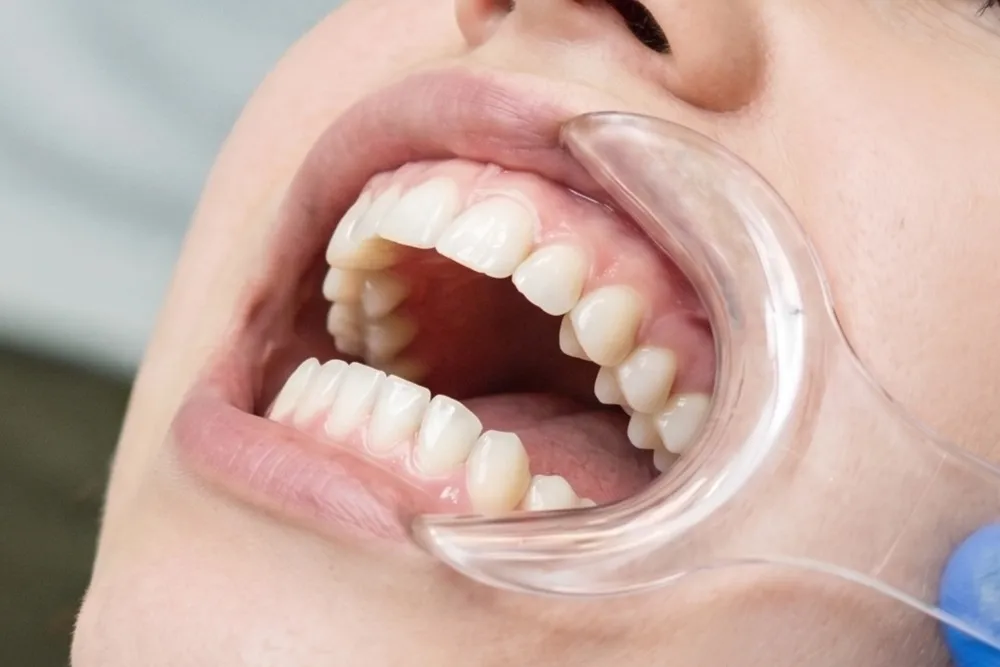
The ultimate clinical success of an advanced surgical intervention is measured by a significant reduction in the depth of the periodontal pockets during follow-up evaluations. This shrinkage occurs through a dual biological mechanism. First, as the toxic bacterial reservoir is eliminated, the chronic, fiery inflammation within the soft tissues subsides. The gums lose their swollen, puffy volume, naturally shrinking and tightening around the teeth.
Second, because the gum flap was intentionally repositioned and sutured tightly at a more apical (lower) level on the tooth root, the deep space is physically eliminated. This restructuring turns what was once a dangerous 7-millimeter pocket into a healthy, shallow 3-millimeter zone. This dramatic structural reduction changes the entire micro-environment of the mouth, making it impossible for dangerous anaerobic bacteria to gather and restart the bone-destroying cycle.
How to Properly Maintain the Results at Home?
Undergoing a successful surgical intervention completely resets your oral environment, eliminating the deep bacterial traps and restoring tissue attachment. However, it is crucial for patients to understand that a flap treatment is not a permanent, magical shield that prevents future cavities or gum infections. The long-term durability of the result depends heavily on a strict home care routine:
- Brush the teeth thoroughly twice a day for a full two minutes using an ultra-soft bristle brush and a specialized toothpaste formulated for gum health.
- Use a premium dental floss or a specialized floss threader once a day to clean the tight spaces between the teeth, making sure to slide the floss gently beneath the newly adapted gum margin.
- Incorporate plastic-coated interdental micro-brushes to clean any wider gaps near the tooth roots where the gums have matured and shifted.
- Use an oral water flosser on a low-to-medium setting to flush away loose food particles from around the gumline after heavy meals.
Why Is Professional Maintenance Crucial After a Flap Treatment?
Once a patient has completed a comprehensive deep surgical intervention, they are permanently placed on a specialized tracking schedule known as periodontal maintenance. This routine fully replaces standard six-month cleanings and is typically scheduled every three months.
- Immature Bacterial Disruption: Scientific microbiology studies have shown that after a deep surgical pocket cleaning, it takes approximately 90 days for harmful, bone-destroying anaerobic bacteria to fully reorganize, multiply, and reach a population density capable of causing new structural damage. By bringing the patient back every three months, the hygienist can disrupt these bacterial colonies while they are still immature and weak, stopping any relapse.
- Early Relapse Detection: During these vital appointments, the clinician uses specialized instruments to gently debride the sub-gingival spaces, checking for any localized increases in pocket depth or signs of bleeding.
- Enamel Re-Mineralization: The team reinforces proper flossing techniques and applies protective mineral treatments to keep the exposed root surfaces dense and resistant to decay, ensuring the patient’s smile remains structurally sound for life.
Why Consider Getting Teeth Done in Turkey for Advanced Periodontics?
When a patient suffers from generalized, advanced periodontitis across their entire mouth, their comprehensive gum treatment plan often demands multiple surgical debridements, extensive bone grafting, and ongoing specialist maintenance. In many Western countries, the specialist fees for advanced periodontics can be incredibly high, forcing many individuals to delay treatment due to financial constraints. This economic barrier has driven a massive increase in international dental tourism.
By opting for the route of getting teeth done in Turkey, patients can access elite dental networks that feature state-of-the-art surgical suites and board-certified periodontists. Turkish dental clinics maintain immaculate international hygiene standards and offer care packages that are significantly more affordable than those found in the UK or US. This cost-effective alternative allows patients to completely eradicate their oral infections and restore their gum health using premium medical supplies without facing financial stress.
Are There Any Cons or Side Effects to Consider?
This advanced periodontal surgery is universally recognized as one of the safest and most low-risk treatments in all of modern medicine, but it does introduce a few distinct physical changes that patients must be prepared for. The primary long-term side effect of a flap treatment is a visible change in the gumline. Because the swollen, inflamed gum tissue shrinks and tightens around the roots after the infection is removed, the gums will appear lower, exposing more of the natural tooth root.
This recession can make the teeth look slightly longer and can create small, open triangular gaps between the teeth near the gumline. This aesthetic shift is a natural sign of healing, indicating that the dangerous pocket has been successfully closed. Additionally, exposing the natural root surfaces can cause temporary sensitivity to hot and cold drinks, but this is easily managed with specialized desensitizing toothpastes and fades as the teeth adapt over a few weeks.
How Does Advanced Periodontitis Return If Ignored?
It is vital for patients to understand that periodontitis is a chronic, lifelong lifestyle disease; much like diabetes or hypertension, it can be successfully managed and fully controlled, but it is never permanently "cured." Undergoing a successful flap treatment completely resets the oral environment, eliminating the deep bacterial traps and restoring tissue attachment. However, if a patient completely neglects their oral hygiene or skips their regular three-month maintenance appointments, bacterial plaque will inevitably begin to accumulate along the gum margins once again.
Within a matter of weeks, the destructive anaerobic bacteria will recolonize the sub-gingival spaces, re-triggering the inflammatory cascade and causing the newly healed tissue attachments to snap open. This relapse can cause the pockets to rapidly reopen, leading to accelerated bone loss that is significantly more difficult to treat the second time around, emphasizing why ongoing tracking is essential.