What Is a Dental Filling? How Is It Done?
Learn what dental filling is, how it’s done, materials used, recovery time, and how to prevent cavities with early restorative treatment.
Cavities and minor tooth fractures are common dental problems that call for timely treatment, and a aesthetic filling is usually the most straightforward way to fix them. When the tooth structure is damaged but the inner pulp remains healthy, a dental filling is the restorative treatment dentists recommend most often. It restores a tooth's function, strength, and appearance after the decayed portion has been removed, and it remains one of the most frequently performed procedures in modern dentistry. Maintaining good oral health requires consistent habits, and understanding how tooth structure responds to decay helps patients make informed decisions about their dental care options.
How Does Tooth Decay Form?
Decay begins when bacteria produce acids that erode tooth enamel. Left untreated, it progresses into the dentin and can eventually reach the pulp. This is exactly why a dental filling placed early makes such a difference: it prevents further structural damage and avoids the need for more complex procedures such as a root canal treatment or a crown. Bacteria thrive on sugars left behind from food particles, producing corrosive acids that slowly break down the protective minerals in tooth enamel over time.
When this mineral loss continues without intervention, tiny openings or holes develop in the enamel surface, forming what is commonly known as a cavity. Once the enamel barrier is compromised, the decay process accelerates because the underlying layer, known as dentin, is softer and much more susceptible to acid destruction. Dentin contains tiny microscopic tubes that lead directly to the tooth's nerve center, which explains why tooth sensitivity often begins at this stage. Without prompt attention, the decay moves deeper into the tooth's living tissues, causing inflammation, severe discomfort, and potentially systemic infection risks that demand far more extensive dental interventions.
What Is a Dental Filling?
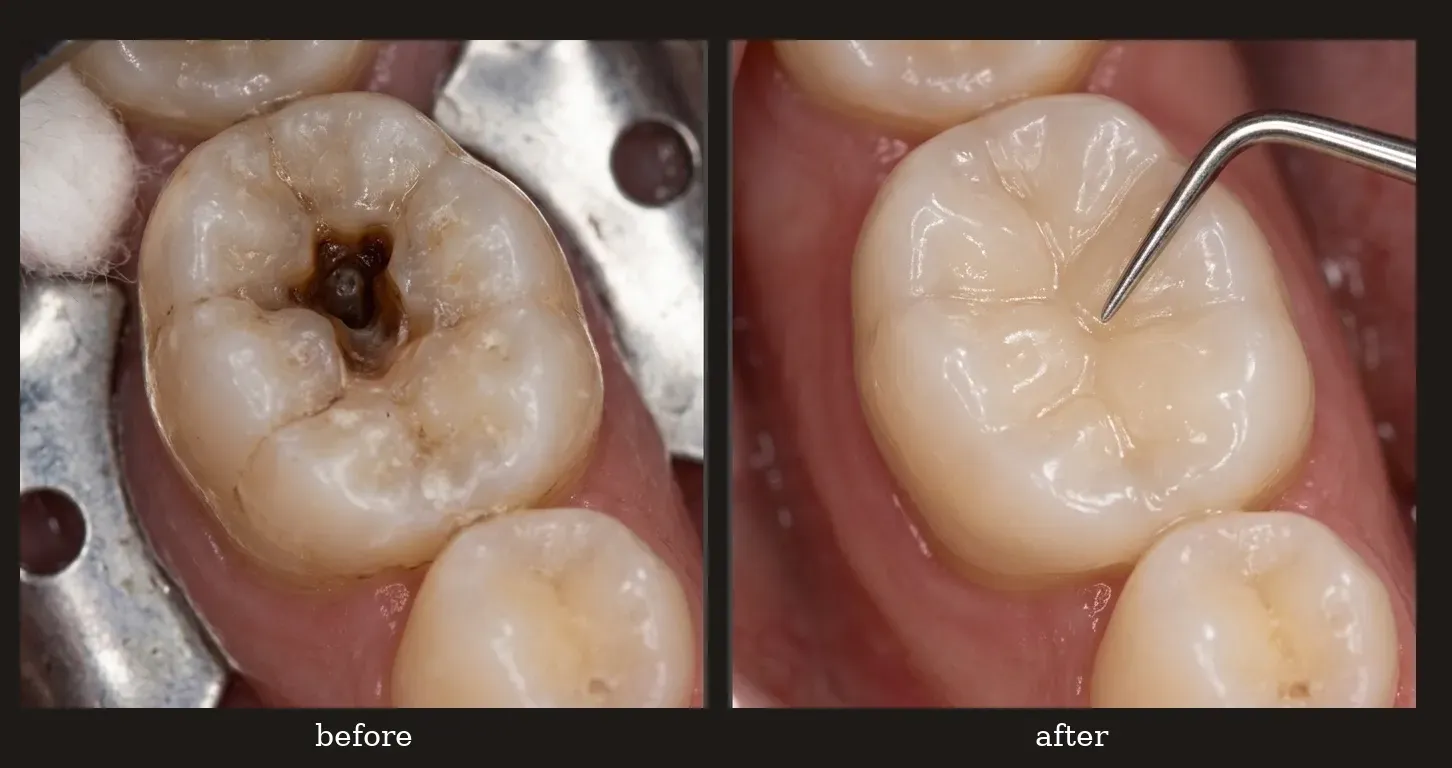
A dental filling is a restorative procedure used to repair teeth affected by decay, minor fractures, or wear. After the decayed tissue is removed, the resulting space is filled with a suitable material to restore the tooth's integrity. This keeps bacteria from re-entering and causing further damage, which is the main reason a dental filling is considered a preventive treatment as much as a restorative one. The restorative process not only halts ongoing destruction but also restores the original anatomical shape of the tooth so that normal chewing forces can be distributed evenly across the dental arch.
Tooth decay does not heal on its own. Once enamel is damaged, professional treatment is required, and in most cases a dental filling is all that's needed. Left untreated, the cavity enlarges and may reach the pulp, leading to infection and severe pain. A timely dental filling stops this progression and preserves the natural tooth, which is always the priority over more invasive alternatives. Preserving as much natural tooth structure as possible is a fundamental goal in modern dentistry because no artificial material can fully duplicate the unique biological properties and tactile feedback of natural enamel and dentin.
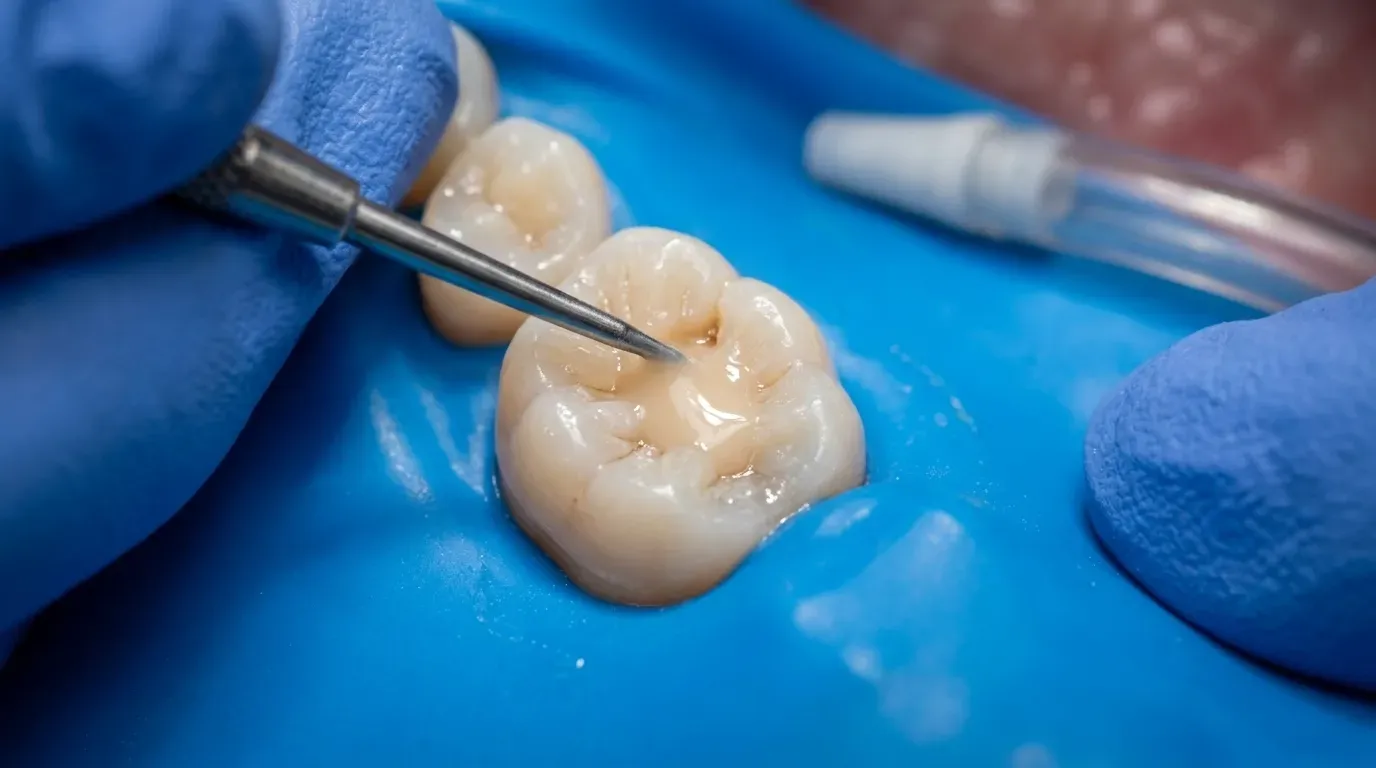
How Is the Dental Filling Procedure Done, Step by Step?
The dental filling process is straightforward and typically completed in a single visit. Understanding each phase of the procedure can significantly help relieve patient anxiety and build confidence in the treatment outcome.
|
# |
Stage |
Description |
|
1 |
Examination and X-ray |
Determines the depth and extent of the decay |
|
2 |
Local anesthesia |
The treatment area is fully numbed |
|
3 |
Removing decayed tissue |
Infected material is removed with specialized instruments |
|
4 |
Preparing the cavity |
The surface is shaped for the filling |
|
5 |
Placing the dental filling material |
The material is shaped and, if composite, cured with light |
|
6 |
Polishing |
The surface is smoothed for a natural feel |
During the initial diagnostic stage, digital radiographs allow dentists to evaluate regions hidden between adjacent teeth or beneath existing dental restorations. Once the clinician has a clear view of the tooth structure, local anesthesia is administered gently to ensure complete patient comfort throughout the session. Modern anesthetics work quickly to block nerve signals temporarily, allowing the dentist to work efficiently while the patient remains entirely relaxed.
After the decay is meticulously cleaned away, the remaining cavity preparation is disinfected and treated with specialized bonding agents. If composite materials are used, they are applied in fine layers and hardened using a blue light unit. This curing process creates strong chemical bonds directly with the surrounding tooth structure. Finally, the dentist carefully adjusts the bite mechanics and polishes the restoration surface to prevent food debris from adhering easily.
Once the dental filling has been polished, most patients can resume normal eating within a few hours, once the numbness from the anesthesia wears off.
Which Dental Filling Material Is Right for You?
Several materials are available for a dental filling, each with its own advantages, and the right choice depends on the location of the cavity and the patient's aesthetic priorities.
|
Material |
Advantages |
Disadvantages |
Best suited for |
|
Composite resin |
Matches natural tooth color, aesthetic |
Can wear over time, technique-sensitive |
Front teeth, visible areas |
|
Amalgam |
Very durable, resists chewing forces |
Less aesthetic (dark color) |
Back teeth |
|
Ceramic |
Superior aesthetics and strength |
Higher cost |
Areas needing high aesthetics |
|
Glass ionomer |
Releases fluoride, helps prevent decay |
Less durable than other options |
Small cavities, pediatric patients |
Composite resin is the most common choice for a dental filling today, mainly because it blends seamlessly with the surrounding tooth and plays an integral role in comprehensive cosmetic dentistry programs designed to restore smile harmony. These tooth-colored composites can be custom-matched to match your precise enamel shade, ensuring the restoration is virtually invisible when you speak or smile.
Amalgam fillings, while less common for visible teeth, are still widely used where strength matters more than appearance. Glass ionomer materials offer distinct benefits for patients prone to recurrent decay because they release protective fluoride ions continuously into neighboring tooth enamel. Ceramic restorations, often created as custom inlays or onlays, represent a premium choice that combines unmatched stain resistance with exceptional structural durability under heavy bite loads.
Is a Dental Filling Painful?
Many patients are apprehensive about discomfort during a dental filling procedure. In modern dentistry, however, getting a dental filling is generally painless. Local anesthesia fully numbs the treatment area, so patients usually feel only mild pressure rather than pain. Dental clinics utilize advanced techniques and topical numbing gels before administering local injections, rendering the preliminary steps virtually unnoticeable for most individuals.
Mild sensitivity can occur after a dental filling is placed. This is usually temporary and resolves within a few days. Avoiding very hot or cold foods during the first 24 hours can help minimize discomfort while the tooth settles around the new filling. If post-treatment sensitivity persists beyond two weeks or worsens when biting down, a brief visit to your dentist may be necessary to fine-tune the high spots on the new restoration.
How Long Does a Dental Filling Last?
The lifespan of a dental filling depends on the material used, oral hygiene habits, and chewing forces.
|
Material |
Average lifespan |
|
Composite resin |
5–10 years |
|
Amalgam |
10–15+ years |
|
Ceramic |
10–15 years |
|
Glass ionomer |
3–5 years |
Over time, a dental filling can wear down or develop small gaps, allowing bacteria in and causing secondary decay around the edges. Regular checkups help catch these issues before a new dental filling — or a more extensive procedure — becomes necessary. Daily mechanical stress from chewing, grinding habits like bruxism, and dietary acidity all play significant roles in determining how long your restoration remains intact.
Maintaining consistent brushing routines and flossing every day prevents plaque accumulation around restoration margins. During professional dental examinations, clinicians use specialized visual tools and dental probes to assess whether the seal surrounding an older filling remains tight or has begun to compromise. Catching minor breakdown early ensures that simple repairs can be made before deeper structures become vulnerable.
When Is a Dental Filling Enough, and When Is a Crown Needed?
A dental filling is generally recommended when the damage is limited to a small or moderate portion of the tooth. If enough healthy structure remains, a dental filling can effectively restore strength and function without more invasive work. A protective crown is typically reserved for teeth with more extensive structural loss, where a dental filling alone would not provide enough support against heavy biting forces. When decay consumes more than half of the tooth's natural width, placing a simple filling can leave the remaining enamel walls vulnerable to cracking under normal usage.
In situations where tooth structure is severely degraded or lost entirely, clinicians may discuss replacement options such as a modern dental implant treatment to fully restore function and jawbone integrity. Selecting the correct restorative strategy ensures long-term biomechanical stability, helping you avoid repeated dental interventions on the same tooth over short spans of time.
What to Do If a Dental Filling Falls Out or Fails
Even a durable dental filling can loosen or fall out over time, often due to biting hard foods, teeth grinding, or long-term wear. When a filling dislodges, the newly exposed interior layers of the tooth are left open to oral fluids and microbial contamination.
Symptoms:
- Sensitivity to hot, cold, or sweet temperatures
- Sharp edges felt by the tongue
- Food trapping between teeth during meals
- Throbbing pain when pressure is applied
Acting quickly when a dental filling falls out is important — delay can expose the inner tooth layers to bacteria. In most cases, replacing a dental filling promptly is a simple and inexpensive fix compared to the treatment needed once decay has spread further. Keeping the area clean by rinsing gently with warm salt water until you visit the dental office can help protect the bare tooth structure from irritation.
Is a Dental Filling Safe During Pregnancy?
When necessary, a dental filling is generally considered safe during pregnancy. Untreated decay can lead to infection, which may negatively affect overall health, so postponing a needed dental filling is not usually recommended. Properly administered local anesthesia is generally safe, and the second trimester is usually the most suitable time for a dental filling appointment because lying flat in the dental chair is most comfortable for the expectant mother during this phase.
Ways to Prevent the Need for a Dental Filling
- Brush twice daily with fluoride toothpaste to strengthen enamel against acid erosion
- Floss daily to clear bacterial plaque from tight spaces between adjacent teeth
- Limit sugary snacks and acidic drinks that nourish harmful decay-causing bacteria
- Drink water after meals to help wash away lingering debris and balance oral pH levels
- Get regular dental checkups and professional cleanings to catch problems in their earliest stages
Good prevention habits are the best way to avoid needing a dental filling in the first place — and they also extend the life of any dental filling you already have. Incorporating antibacterial mouth rinses and eating nutrient-dense foods rich in calcium and phosphorus further strengthens your teeth against ongoing acid challenges.
A dental filling is an effective, comfortable, and aesthetic solution for cavities and minor damage. Early diagnosis and regular dental checkups are the key to keeping a dental filling procedure simple and minimally invasive. Consulting a dentist promptly when you notice a suspicious symptom helps protect both your health and your treatment costs, and often means a straightforward dental filling is all you'll need for a healthy, functional smile.ent area, so patients usually feel only mild pressure rather than pain. Dental clinics utilize advanced techniques and topical numbing gels before administering local injections, rendering the preliminary steps virtually unnoticeable for most individuals.
Mild sensitivity can occur after a dental filling is placed. This is usually temporary and resolves within a few days. Avoiding very hot or cold foods during the first 24 hours can help minimize discomfort while the tooth settles around the new filling. If post-treatment sensitivity persists beyond two weeks or worsens when biting down, a brief visit to your dentist may be necessary to fine-tune the high spots on the new restoration.
Doctor Profile

This content has been evaluated in accordance with Hospitadent Medical Publication Board standards for medical accuracy, currency and patient information.
Our Awards
See All ›2019 – 2020
Health Tourism Champion
Since its founding, Hospitadent has provided oral and dental care to patients travelling from every continent for health tourism. In the Service Exporters' Association research of 2019 and 2020, we ranked first in the Dental Health Services category. Within the same report we placed 15th among all healthcare institutions in 2019 and moved up to 10th in 2020. With uncompromising customer satisfaction, Hospitadent remains the healthcare institution that treats the highest number of international oral and dental patients.
2013
TEMOS International Quality Certificate
Guided by dedicated international departments, Hospitadent welcomes patients from abroad without any language barriers, offering assistance with accommodation, city and Bosphorus tours, concierge guidance, treatment logistics and medication support to keep satisfaction at its peak. With the goal of carrying the same quality standards to both Turkish and foreign patients, we received the TEMOS "International Quality in Dental Care" certificate in 2013—an accreditation granted by the organization that evaluates and certifies worldwide patient service quality based on the "Made in Germany" quality seal.
2020
Turquality Brand Support Program
For 16 years, the Turquality Brand Support Program has helped Turkish products build and promote their image abroad. Dental Group Hospitadent earned the right to join this initiative, taking an important step on its branding journey. Being the first dental healthcare group in a program that includes only five hospitals from the healthcare sector proves not only the quality image we project, but also the high standards we uphold.
2018
Stevie Awards – Most Innovative Customer Service
The Stevie Awards, recognized worldwide for honoring outstanding organizations and leaders, is the only international business awards program. In 2018, Hospitadent became the first hospital in Turkey to win a Stevie Award by receiving the "Most Innovative Customer Service of the Year" prize. Signature experiences such as Smiling Center, Digital Smile Design and Dental SPA played a decisive role in earning this accolade.
2019 – 2020
Service Exporters Association Award
Serving dental tourists from all over the world since its foundation, Hospitadent was honored by the Service Exporters' Association in the Champions of Service Exports program, which celebrates the rising value of Turkey's service industries. Thanks to its contribution to the national economy, Hospitadent received a certificate of achievement and ranked 15th among general healthcare institutions in 2019 and 10th in 2020, continuing to lead oral and dental treatments with an unwavering focus on patient satisfaction.
2021
Great Place To Work® Certified
Based on the employee experience and satisfaction survey completed by our teams, GPTW Turkey evaluated Hospitadent and awarded us the "Great Place To Work® Certified" distinction. As the first and only dental hospital holding this leading workplace culture certificate, Hospitadent continues its journey toward many more achievements.
Patient Reviews
Experiences of our patients
Batoolie Ibrahim
Fixed my filling nice and Quick Look’s… Fixed my filling nice and Quick Look’s amazing. Our translator shahrazat our translator was so lovely and patient too
Niat Nuguse
Recommend I have been in the dentist chair more times than I care to count, and finally decided to go ahead with full treatment including fillings, crowns, and one implant. I also wanted to make it as cost-effective as possible. After meeting Sinan, the patient assistant in London, and having a full consultation and review of the treatments I needed, my mind was completely put at ease and I decided to move forward. Sinan was amazing—from his infectious smile to his outstanding hospitality. Aya, who was my translator, made everything run smoothly and even kept me company in the waiting room, which really meant a lot. A huge thank you to Dr. Necip for doing such an amazing job and for working hard and staying extra late to make sure everything was done perfectly. Happy with the care and result.
All reviews are from our real patients.