Teeth Whitening Guide: Professional Laser Methods & Safety
What is professional teeth whitening and how does it lift deep enamel stains? Learn about the application process, sensitivity tips, longevity, and costs.
A radiant, brilliant smile is one of the most powerful aspects of visual communication, instantly projecting confidence, vitality, and health. While the natural color of human teeth varies significantly from person to person, daily lifestyle habits and the natural aging process inevitably take a toll on the brightness of our enamel. Over time, the microscopic pores of our teeth accumulate stubborn stain particles from the foods and beverages we enjoy, transforming a bright smile into a dull, yellowish asset. To counteract this universal cosmetic challenge, cosmetic dentistry relies on highly advanced chemical and light-activated treatments designed to break down deep discoloration without compromising the underlying tooth structure. Understanding the science behind these professional treatments helps individuals navigate their options safely, achieving a luminous smile while avoiding the painful pitfalls of unregulated over-the-counter bleaching fads.
What Causes Deep Discoloration in Human Teeth?
To fully appreciate the efficacy of cosmetic bleaching, one must first explore the biological and behavioral factors that alter the color of our smile. Enamel stains are clinically divided into two primary categories based on their depth and origin.
Extrinsic Staining Factors
Extrinsic stains accumulate strictly on the outer surface of the enamel layer. They are primarily driven by regular consumption of deeply pigmented dark liquids such as black coffee, red wine, dark tea, and carbonated colas. Additionally, the combustion products of tobacco smoking introduce sticky tars and nicotine into the mouth, which rapidly form a dense, yellowish-brown film across all visible surfaces. Because these stains are superficial, they respond exceptionally well to mechanical cleanings and professional bleaching formulations.
Intrinsic Staining Factors
Intrinsic discoloration develops deep within the internal structure of the dentin layer beneath the enamel. This structural darkening can be caused by early childhood exposure to specific antibiotics like tetracycline during tooth formation, excessive systemic fluoride intake, or internal nerve trauma following an injury. Because these stains are locked beneath the translucent enamel shell, they are completely immune to standard abrasive toothpastes and require chemical oxidation to lighten.
What Exactly Is a Professional Teeth Whitening Treatment?
In advanced cosmetic dentistry, this procedure refers to the controlled application of high-concentration peroxides directly onto the dental arches to lift deep extrinsic and intrinsic stains. Unlike commercial bleaching kits found in retail stores, a professional teeth whitening session is fully supervised by a trained clinician, utilizing medical-grade hydrogen peroxide or carbamide peroxide gels.
The primary biochemical objective of this treatment is to allow the active oxygen molecules within the peroxide gel to penetrate the microscopic crystalline lattice of the enamel. Once inside, these highly reactive molecules target the dense, dark carbon rings responsible for the visible discoloration, breaking them down into simpler, light-reflecting chemical chains. This deep molecular oxidation lightens the overall shade of the dentin, resulting in a significantly brighter smile without changing or removing the natural hard tissue of the tooth.
How Does Laser Technology Accelerate the Bleaching Process?
While topical peroxide gels can whiten teeth on their own over an extended period, modern clinics utilize advanced light energy to maximize chemical efficiency in a fraction of the time. During an in-office laser session, the dentist paints the highly concentrated bleaching gel across the teeth and positions a specialized, high-intensity blue light or laser directly in front of the patient’s mouth.
The primary physics purpose of this laser energy is to act as a catalyst, rapidly heating the peroxide formulation and accelerating the chemical breakdown of the gel into active oxygen ions. This intense thermal activation allows the bleaching agents to flood the enamel pores instantly, lifting decades of stubborn coffee, wine, and tobacco stains within a single 45-minute clinical appointment. This accelerated protocol is an ideal choice for busy individuals seeking immediate, dramatic cosmetic transformations without the hassle of weeks of daily tray wear at home.
Teeth Whitening vs. Dental Veneers: Which Cosmetic Option Is Best For You?
When planning a total smile transformation, patients frequently face the choice of undergoing a chemical bleaching routine or investing in custom laboratory fabrications. While a professional teeth whitening treatment can work wonders on natural enamel, it possesses distinct clinical limitations that make alternative solutions necessary for certain smile profiles.
When Chemical Bleaching Fails
Chemical bleaching can only lighten natural tooth structure that has been darkened by external or lifestyle factors. It cannot alter the color of existing composite fillings, dark metal boundaries, or severe internal antibiotic graying. Furthermore, bleaching cannot correct structural imperfections such as chipped edges, asymmetric tooth sizes, or minor crowding gaps, meaning it is purely a shade-correcting tool for healthy, straight teeth.
The Power of Porcelain Veneers
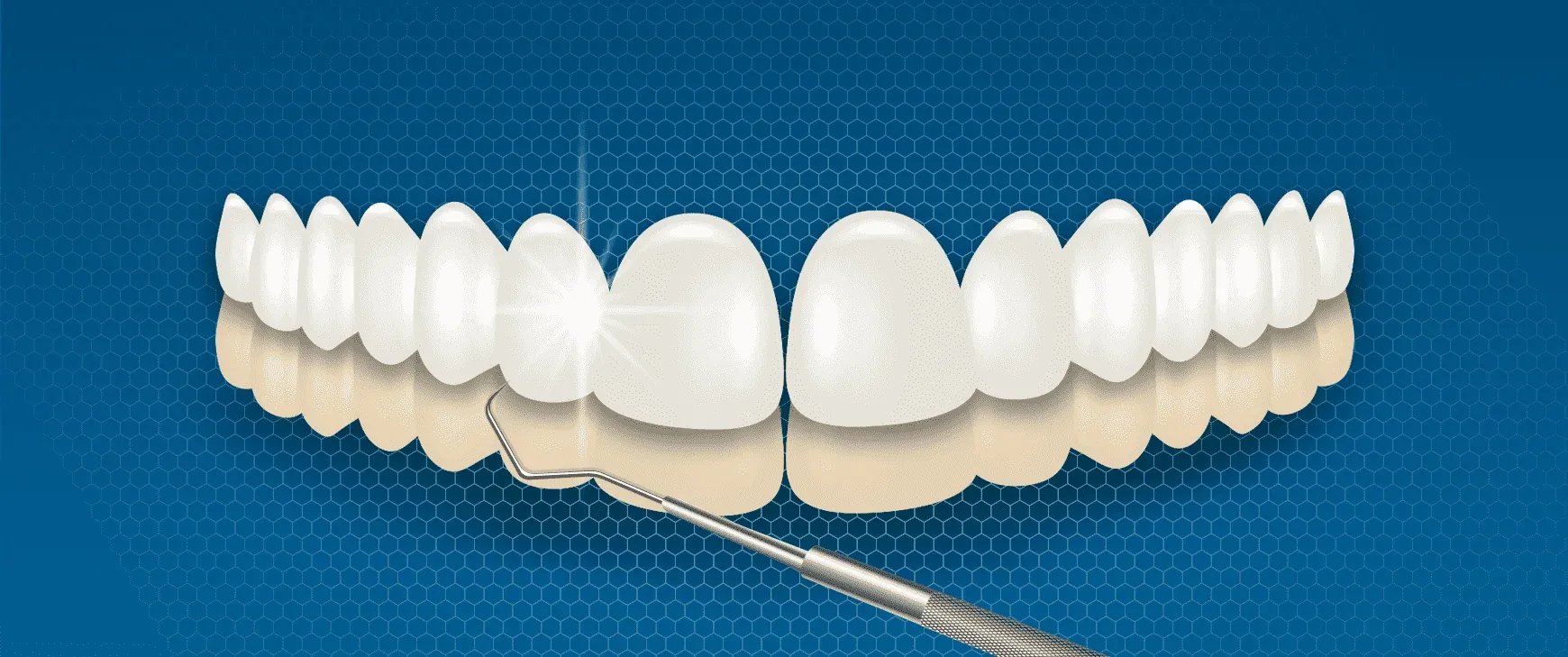
For patients dealing with intrinsic stains that refuse to budge, or those who want to reshape their entire smile line, custom porcelain veneers provide a flawless alternative. These ultra-thin, bespoke ceramic shells are permanently bonded onto the front surfaces of the teeth, completely masking severe discoloration while simultaneously correcting chips, gaps, and minor alignment issues for a perfectly symmetrical smile.
The Ultra-Conservative Lumineers Alternative
If the idea of minor enamel preparation makes you hesitant, modern cosmetic dentistry offers an incredibly conservative variation known as lumineers. These digital, contact-lens-thin veneers can frequently be applied directly over your natural teeth without any painful drilling or tooth reduction, providing a permanently white, Hollywood-ready transformation that never stains or fades over time.
Why Do Cosmetic Treatments Fail to Lighten Existing Restorations?
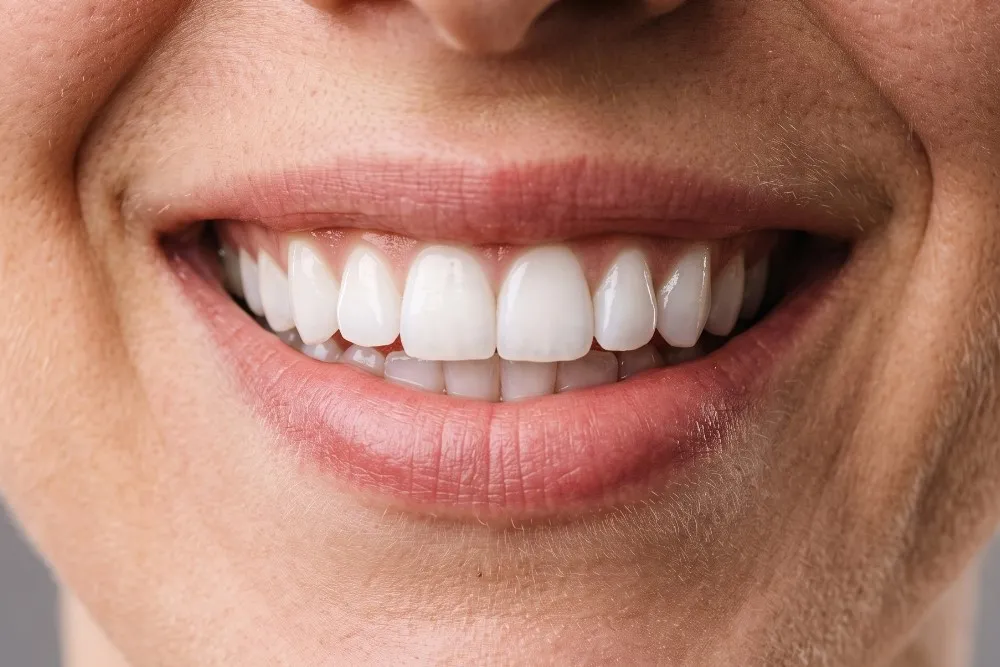
A very common and frustrating surprise for many dental patients is the realization that a professional teeth whitening treatment will not change the shade of any artificial dental work currently in their mouth. Modern bleaching gels are engineered exclusively to react with the organic mineral matrices found within natural human enamel and dentin.
Synthetic restorative materials—such as composite resins, acrylic bonding agents, and dental ceramics—possess a completely non-porous chemical structure that is entirely unaffected by oxygenation. If a patient undergoes an intense bleaching treatment while having visible front fillings or crowns, their natural teeth will lighten dramatically, while the restorations will remain their original dark color, creating an asymmetric look. To fix this, patients must coordinate their bleaching treatments beforehand, allowing the natural enamel to reach its peak brightness before replacing old front crowns with perfectly matched, modern zirconium crowns.
What Is the Step-by-Step Process of an In-Office Bleaching Session?
Undergoing a professional teeth whitening treatment in a clinical setting is a highly structured, systematic medical procedure designed to prioritize patient safety and maximize shade reduction:
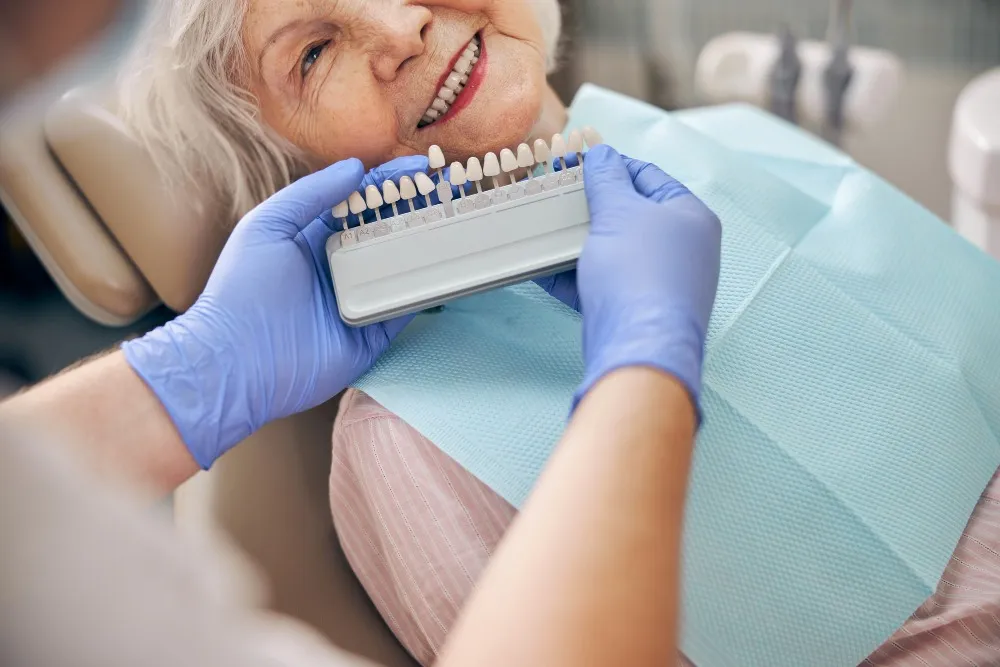
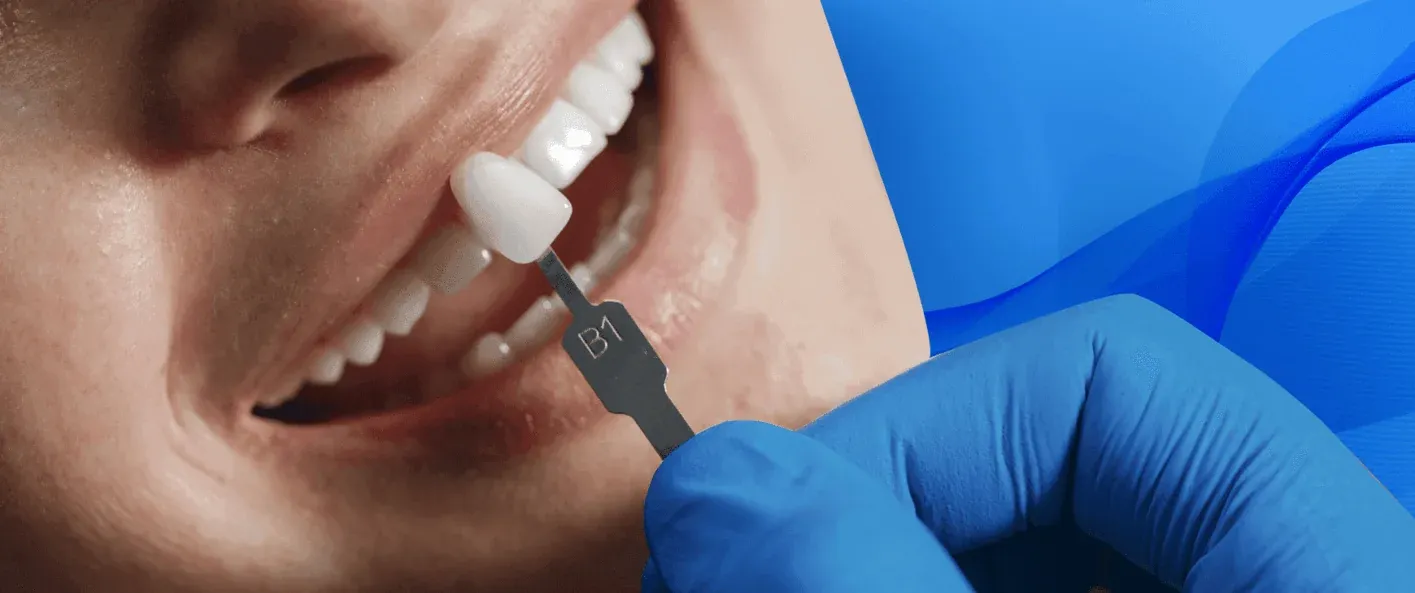
- Comprehensive Shade Evaluation: The dentist begins by cleaning the teeth to remove superficial plaque and uses a standardized dental shade guide to document the patient's current tooth color, taking clinical photos for comparison.
- Advanced Soft Tissue Isolation: Because medical-grade bleaching gels contain high peroxide concentrations that can cause chemical burns on soft tissues, the clinician applies a liquid resin barrier along the gums, drying it with a light to form a protective rubber dam.
- Gel Application and Laser Activation: The active bleaching gel is carefully painted onto the visible surfaces of the teeth, and a specialized laser or UV light is positioned over the mouth for a 15-minute cycle to trigger the oxidation process.
- Cycle Repetition and Rinsing: The old gel is carefully suctioned away, and a fresh layer is applied for up to three consecutive cycles within the same session. Once complete, the protective gum dam is removed, and the mouth is thoroughly flushed with water.
Is Teeth Whitening Safe for Your Natural Enamel?
Yes, when performed or directly supervised by a qualified dental professional, chemical bleaching is universally recognized as one of the safest, most thoroughly researched, and low-risk cosmetic treatments in all of modern medicine. One of the most persistent and damaging myths is the fear that bleaching gels act as an acid that eats away or thins out your natural protective enamel shell.
In reality, medical peroxide formulas utilize a neutral pH balance that targets only the organic stain compounds trapped within the enamel pores, leaving the inorganic calcium crystals completely untouched and structurally sound. The safety of professional treatments is an established scientific fact, making it infinitely superior to dangerous home remedies like brushing with abrasive charcoal or raw lemon juice, which can strip away your enamel permanently.
Why Do Teeth Feel Highly Sensitive After a Bleaching Treatment?
The most frequent and expected side effect of any effective teeth whitening treatment is a temporary increase in tooth sensitivity, particularly when consuming ice-cold water or hot liquids immediately following the appointment. To understand why this happens, one must look at the microscopic architecture of the tooth.
Natural enamel features thousands of microscopic pathways called dentin tubules that lead straight down to the vascular nerve center of the tooth. When peroxide gel removes the deep stain particles from these pathways, the tubules are left open and exposed to the oral environment, allowing thermal shifts to travel directly to the nerve. This sensitivity is entirely temporary; as natural minerals from your saliva naturally flow back into the open pathways, the tubules are resealed, and nerve comfort returns to normal within 24 to 48 hours.
What Are the Key Behavioral Guidelines Following the Treatment?
To ensure your newly brightened enamel maintains its radiant shade for as long as possible, you must strictly adhere to specific dietary and lifestyle rules for the first 48 hours following your appointment. During this initial window, the enamel pores remain slightly open and vulnerable, meaning they can absorb new stains faster than usual:
- Strictly Adhere to the "White Diet": Consume only pale, non-pigmented foods and liquids such as milk, water, white rice, chicken breast, peeled potatoes, and white pasta.
- Avoid Strongly Pigmented Liquids: Eliminate all black coffee, dark teas, red wines, soy sauces, balsamic vinegars, and bright berries from your kitchen.
- Completely Refrain from Smoking: Avoid smoking tobacco or vaping for at least 48 hours, as sticky nicotine residues can instantly sink into the open enamel pores.
- Avoid Extreme Thermal Shifts: Stick to lukewarm drinks and foods, avoiding ice-cold beverages or boiling hot soups that can trigger sudden nerve pain in sensitive tubules.
How Do Professional In-Office Treatments Compare to At-Home Bleaching Custom Trays?
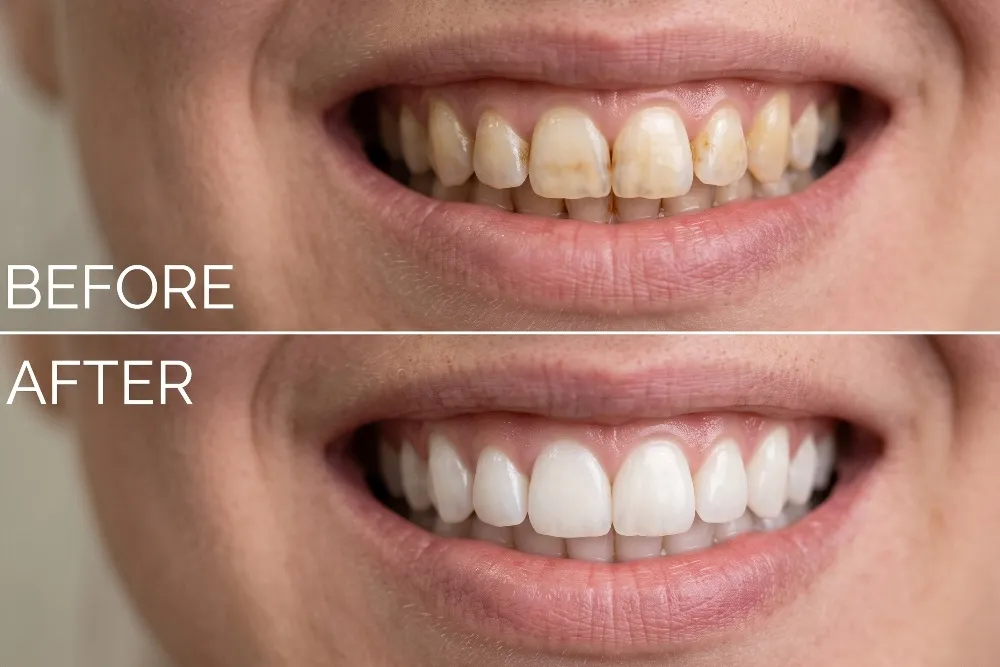
When seeking a brighter smile, patients must decide between an immediate in-office laser session and a take-home professional tray kit. Both methods offer distinct clinical advantages depending on your lifestyle and timeline.
- In-Office Professional Bleaching: This method delivers the fastest results possible, shifting your smile up to eight shades brighter within a single one-hour visit. Because the dentist manages high peroxide concentrations safely, it is the best option for individuals with an upcoming event who want immediate gratification.
- At-Home Custom Take-Home Trays: The dentist takes a digital scan of your jaw to fabricate perfectly fitted, flexible clear trays that match your teeth. You place a lower-concentration peroxide gel inside the trays and wear them for an hour every night for two weeks. This slower approach offers excellent shade stability and gives the patient complete control over the final brightness.
- Commercial Over-the-Counter Alternatives: Store-bought strips and generic trays utilization ill-fitting, universal shapes that often leak bleaching chemicals onto the gums, causing irritation while delivering uneven results.
How Long Do the Visual Results of Bleaching Last?
The aesthetic longevity of a successful teeth whitening session typically ranges from one to three years, but the real timeline is determined by your daily lifestyle choices and oral hygiene discipline. The treatment permanently oxidizes existing stains, but it cannot prevent new ones from accumulating over time if your habits remain unchanged.
If a patient continues to drink multiple cups of black coffee daily, smokes tobacco regularly, and brushes poorly, the enamel pores will quickly refill with new pigment molecules, causing the smile to dull down within a few months. Conversely, an individual who cuts back on staining drinks, rinses their mouth with water after meals, and maintains regular professional cleanings can enjoy a brilliant, bright smile for several years before needing a minor touch-up.
Are There Any Contraindications to Undergoing This Treatment?
While chemical bleaching is an exceptionally safe cosmetic procedure, there are several strict clinical situations where the application must be postponed or completely avoided to prevent severe dental damage:
- Patients who are suffering from active, untreated cavities, broken fillings, or exposed root surfaces, as the peroxide can leak into the inner pulp chamber, causing extreme pain.
- Individuals with severe, advanced periodontal disease characterized by bleeding gums and deep pockets, as the chemical can aggravate the delicate, raw tissues.
- Pregnant or lactating women, as a precautionary medical measure to avoid exposing the developing child to high chemical concentrations.
- Children and teenagers under the age of 16 whose teeth are still mineralizing and possess large nerve chambers that are highly prone to irreversible thermal trauma.
How to Successfully Prevent Future Enamel Staining at Home?
Once you have achieved your ideal level of brightness, protecting that investment requires a proactive commitment to daily oral hygiene. You do not have to completely give up coffee or tea; instead, incorporate smart habits to minimize stain absorption. Drink deeply pigmented liquids through a straw to bypass your front teeth entirely, and rinse your mouth thoroughly with plain water immediately after finishing a meal to wash away loose pigments before they settle into the enamel matrix.
Additionally, upgrade to a modern electric toothbrush equipped with an automated pressure sensor, and switch to a gentle, non-abrasive whitening toothpaste once or twice a week to polish away new surface stains before they turn into hard calculus.
Why Are International Patients Traveling to Istanbul for Cosmetic Dentistry?
When individuals require extensive multi-unit cosmetic transformations—such as combining professional bleaching sessions with structural repairs, premium veneers, or therapeutic care—the combined costs in Western countries can quickly become a significant financial hurdle. This high economic barrier has turned the historic city on the Bosporus into a premier global hub for high-end dental travel.
Choosing to access cosmetic care in Istanbul allows international patients to secure top-tier dental treatments at premier clinics that are equipped with the absolute latest digital smile design technologies and in-house laboratory facilities. Beholding highly trained cosmetic dentists who manage thousands of full-mouth restorations annually, international patients can achieve their dream aesthetic goals at a fraction of the cost found in Europe or the US, turning a stressful medical need into an affordable, high-quality, and deeply satisfying journey.
What Factors Directly Influence the Final Dental Implant Cost?
When calculating the total financial investment required for a comprehensive oral rehabilitation, patients must look at how separate cosmetic and surgical treatments interact to determine the overall budget. If a patient is replacing missing teeth while trying to brighten their remaining smile, several variables directly impact the final dental implant cost:
- The number of titanium posts required to establish a stable foundation across the jaw.
- The material selected for the final crown restorations, with monolithic zirconia offering the absolute best long-term color stability.
- The clinical necessity of pre-surgical bone grafting or sinus lift procedures to create a deep, secure socket.
- The coordination of cosmetic procedures like professional bleaching beforehand, ensuring the final permanent crowns are color-matched to your brightest possible natural shade.
Doctor Profile
This content has been evaluated in accordance with Hospitadent Medical Publication Board standards for medical accuracy, currency and patient information.
Our Awards
See All ›2019 – 2020
Health Tourism Champion
Since its founding, Hospitadent has provided oral and dental care to patients travelling from every continent for health tourism. In the Service Exporters' Association research of 2019 and 2020, we ranked first in the Dental Health Services category. Within the same report we placed 15th among all healthcare institutions in 2019 and moved up to 10th in 2020. With uncompromising customer satisfaction, Hospitadent remains the healthcare institution that treats the highest number of international oral and dental patients.
2013
TEMOS International Quality Certificate
Guided by dedicated international departments, Hospitadent welcomes patients from abroad without any language barriers, offering assistance with accommodation, city and Bosphorus tours, concierge guidance, treatment logistics and medication support to keep satisfaction at its peak. With the goal of carrying the same quality standards to both Turkish and foreign patients, we received the TEMOS "International Quality in Dental Care" certificate in 2013—an accreditation granted by the organization that evaluates and certifies worldwide patient service quality based on the "Made in Germany" quality seal.
2020
Turquality Brand Support Program
For 16 years, the Turquality Brand Support Program has helped Turkish products build and promote their image abroad. Dental Group Hospitadent earned the right to join this initiative, taking an important step on its branding journey. Being the first dental healthcare group in a program that includes only five hospitals from the healthcare sector proves not only the quality image we project, but also the high standards we uphold.
2018
Stevie Awards – Most Innovative Customer Service
The Stevie Awards, recognized worldwide for honoring outstanding organizations and leaders, is the only international business awards program. In 2018, Hospitadent became the first hospital in Turkey to win a Stevie Award by receiving the "Most Innovative Customer Service of the Year" prize. Signature experiences such as Smiling Center, Digital Smile Design and Dental SPA played a decisive role in earning this accolade.
2019 – 2020
Service Exporters Association Award
Serving dental tourists from all over the world since its foundation, Hospitadent was honored by the Service Exporters' Association in the Champions of Service Exports program, which celebrates the rising value of Turkey's service industries. Thanks to its contribution to the national economy, Hospitadent received a certificate of achievement and ranked 15th among general healthcare institutions in 2019 and 10th in 2020, continuing to lead oral and dental treatments with an unwavering focus on patient satisfaction.
2021
Great Place To Work® Certified
Based on the employee experience and satisfaction survey completed by our teams, GPTW Turkey evaluated Hospitadent and awarded us the "Great Place To Work® Certified" distinction. As the first and only dental hospital holding this leading workplace culture certificate, Hospitadent continues its journey toward many more achievements.