What are Porcelain Veneers? Why Are They Preferred?
Discover everything about porcelain veneers. Learn how they work, why they are preferred, and find affordable dental care options in Turkey today.
The quest for a flawless, radiant smile has revolutionized the field of cosmetic dentistry over the past few decades. Patients no longer have to settle for treatments that look artificial or require the aggressive shaving down of their natural, healthy teeth. Among the most advanced and highly demanded aesthetic solutions available today are porcelain veneers. This sophisticated cosmetic procedure has completely transformed the way dental professionals approach smile makeovers, offering a perfect blend of durability, natural translucency, and minimal invasiveness.
If you are looking in the mirror and wishing for a brighter, more symmetrical, and youthful smile, you have undoubtedly come across this term. However, with so much conflicting information available online, understanding exactly what this procedure entails can be overwhelming. In this comprehensive guide, we will explore everything you need to know about porcelain veneers. We will dive deep into how they work, why they are preferred over alternative materials, how long they last, and what you can expect from the treatment process from start to finish.
What Are Porcelain Veneers and How Do They Work?
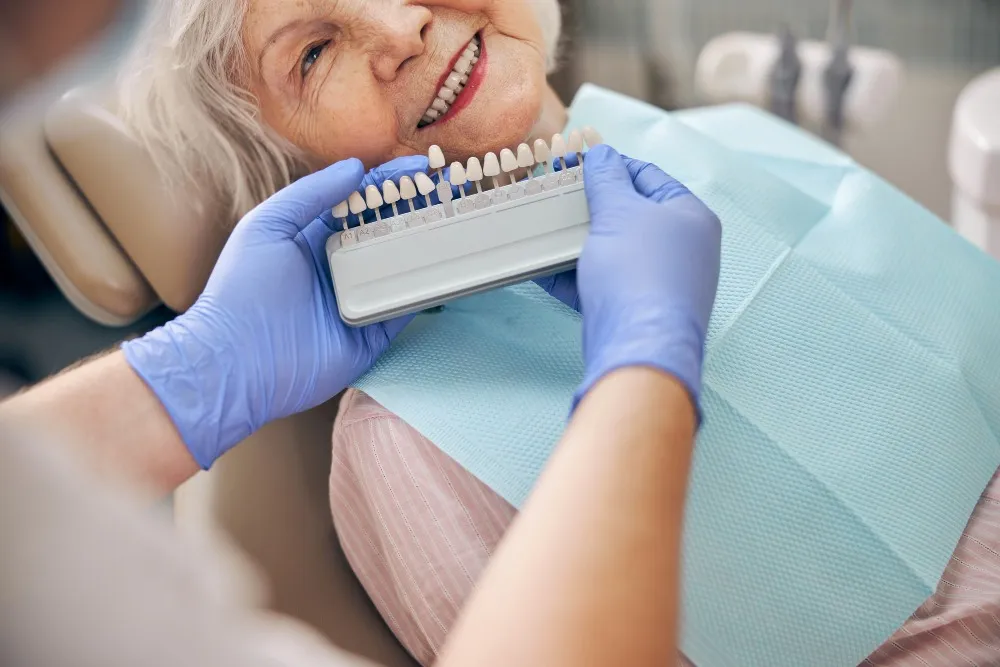
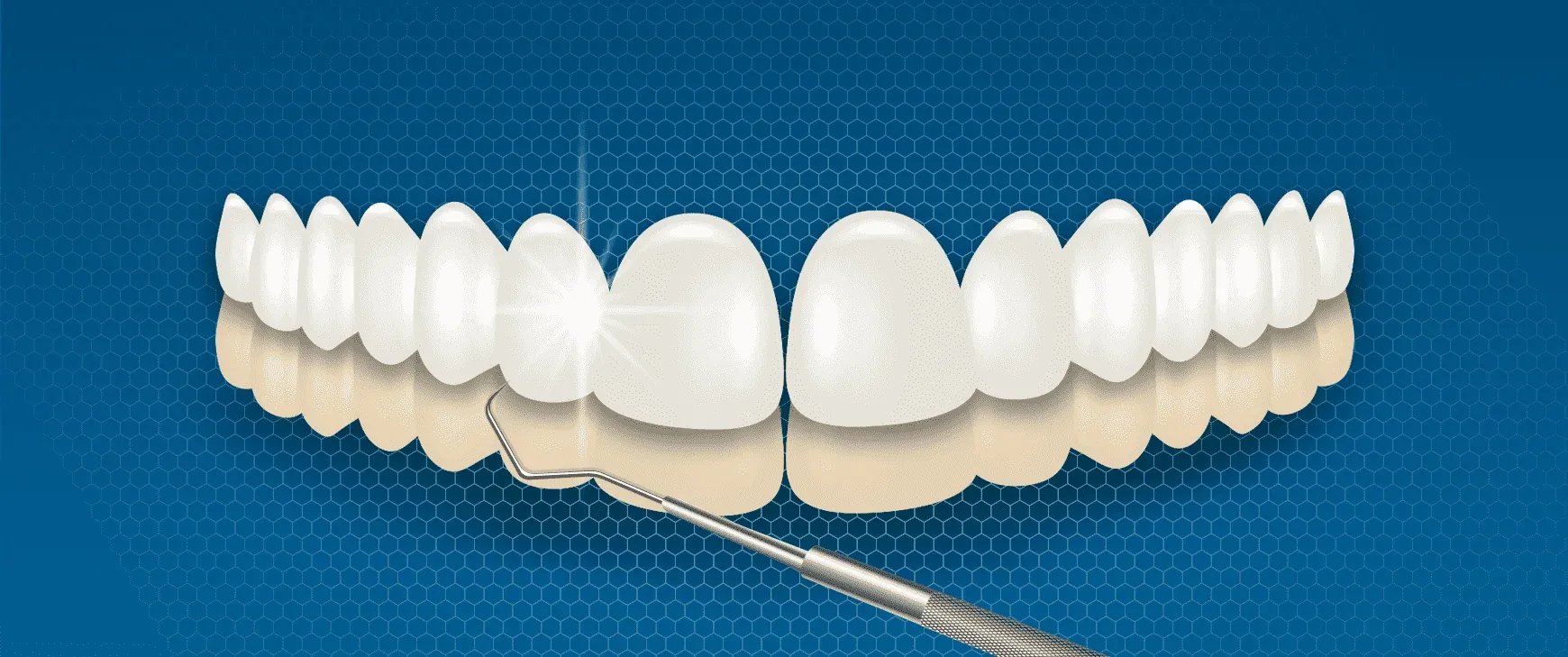
In the realm of modern cosmetic dentistry, porcelain veneers are ultra-thin, custom-made shells crafted from medical-grade ceramic materials. These delicate shells are designed to precisely cover the front surface of your natural teeth to instantly improve their color, shape, size, or length. Despite being incredibly thin—often measuring only 0.3 to 0.5 millimeters thick—they become exceptionally strong and resilient once they are permanently bonded to the sturdy structure of your natural tooth enamel.
The science behind how porcelain veneers work is based on advanced bonding technology. The ceramic material used is uniquely capable of mimicking the light-reflecting properties of natural human enamel, providing a depth and translucency that looks entirely lifelike. By adhering these custom-crafted shells directly to the facial surfaces of the teeth, dentists can completely mask underlying imperfections, resulting in a dramatic yet natural-looking smile transformation that can last for decades.
Why Do Patients Consistently Choose Porcelain Veneers?
When evaluating cosmetic dental options, patients have several choices, but porcelain veneers remain the gold standard. The preference for this specific treatment is backed by several distinct clinical and aesthetic advantages that other restorative materials simply cannot match. Patients consistently choose this option for the following primary reasons:
- Aesthetic Appeal: The ceramic material flawlessly mimics the light-reflecting and translucent qualities of real tooth enamel, ensuring the smile looks natural, not artificial or "chalky."
- Versatility: They act as a comprehensive solution, possessing the ability to mask stubborn intrinsic stains, close unsightly gaps, fix chips, and correct minor misalignments all in one single treatment protocol.
- Stain Resistance: Unlike natural teeth or porous composite resin, high-quality ceramic does not easily discolor. Patients can enjoy coffee, tea, and red wine without constantly worrying about staining their new smile.
- Biocompatibility: The ceramic materials used are highly tolerated by the gum tissues, heavily reducing the risk of inflammation or allergic reactions at the gum line.
What Is the Step-by-Step Process of Getting Porcelain Veneers?
Getting a smile makeover is not a one-size-fits-all procedure; it is a meticulously planned medical and artistic endeavor. To achieve the perfect result, dentists follow a strict, multi-step protocol. Understanding this workflow helps alleviate any anxiety you might have about the treatment. The journey to receiving porcelain veneers typically involves the following structured steps:
- Consultation & Design: Your dentist evaluates your bite, discusses your aesthetic goals, takes impressions or 3D digital scans, and creates a custom smile design tailored to your facial symmetry.
- Preparation: A minuscule amount of enamel (often just 0.3mm to 0.5mm) is gently buffed away from the front of the teeth to ensure a flush fit. Many modern techniques emphasize "minimal prep" to preserve tooth structure.
- Fabrication: The physical impressions or digital scans are sent to a master ceramist in a dental laboratory, who then hand-crafts or digitally mills your unique porcelain veneers.
- Bonding: Once the custom shells are ready, the dentist uses a specialized light-cured cement to permanently bond the ceramic to your teeth, making final adjustments to ensure a perfect bite.
How Long Do Porcelain Veneers Really Last?
One of the most frequently asked questions by patients considering a smile makeover concerns the longevity of the treatment. Because cosmetic dentistry is a significant investment of both time and money, patients want assurance that their new smile will endure. On average, high-quality porcelain veneers can last anywhere from 10 to 15 years, and with impeccable care, they frequently last over 20 years.
However, their lifespan is not guaranteed by the ceramic material alone; it heavily depends on the patient's daily habits and oral hygiene routine. While the porcelain itself cannot decay, the natural tooth structure underneath and the gum tissue surrounding it certainly can. Maintaining exceptional brushing and flossing habits, wearing a night guard if you grind your teeth, and attending biannual dental check-ups are absolutely crucial for maximizing the lifespan of your investment.
Which Is Better: Composite or Porcelain Veneers?
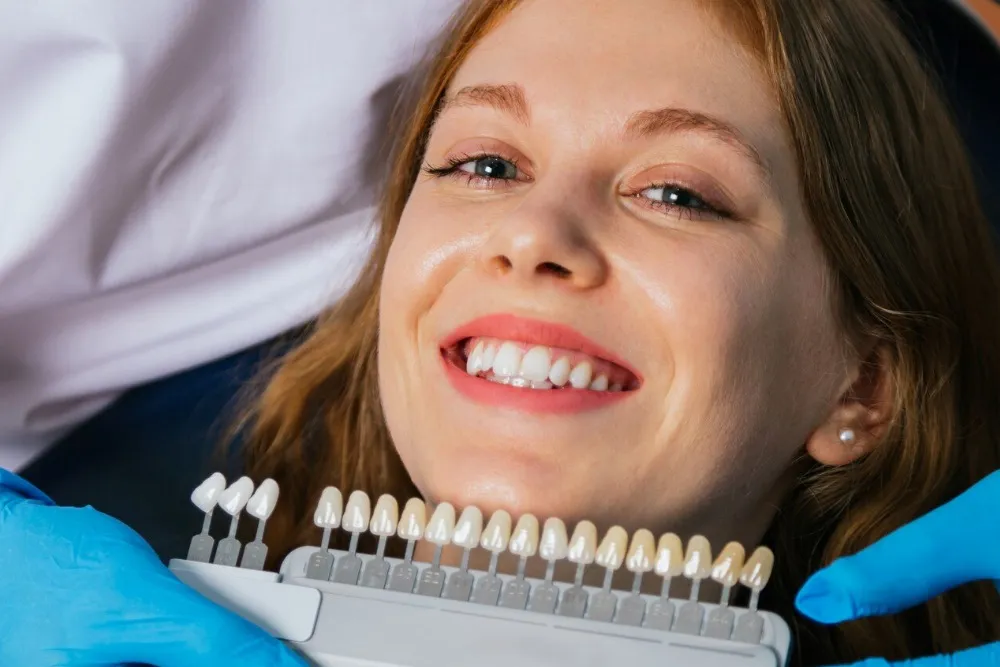
When looking to improve a smile, patients often weigh the options of composite resin bonding against porcelain veneers. Both treatments aim to correct aesthetic flaws, but they utilize entirely different materials, application techniques, and offer vastly different lifespans. Understanding these differences is key to making the right choice for your specific dental needs.
Composite bonding involves applying a tooth-colored resin directly to the tooth and shaping it by hand in a single visit. While it is more affordable and requires zero enamel removal, composite resin is highly porous. It will stain over time, lose its luster, and generally needs replacement every 3 to 5 years. In contrast, porcelain veneers are crafted in a lab, resist stains flawlessly, and maintain their brilliant shine for over a decade. For a permanent, top-tier aesthetic transformation, porcelain is undeniably the superior choice.
What Are the Expected Results of Porcelain Veneers Before and After?
The physical and emotional transformation that occurs after the application of cosmetic ceramics is often described by patients as life-changing. When you examine the results of porcelain veneers before and after, the visual difference is night and day, yet the outcome remains incredibly natural. Patients who have spent years hiding their smiles behind their hands suddenly find themselves smiling broadly and confidently in every photograph.
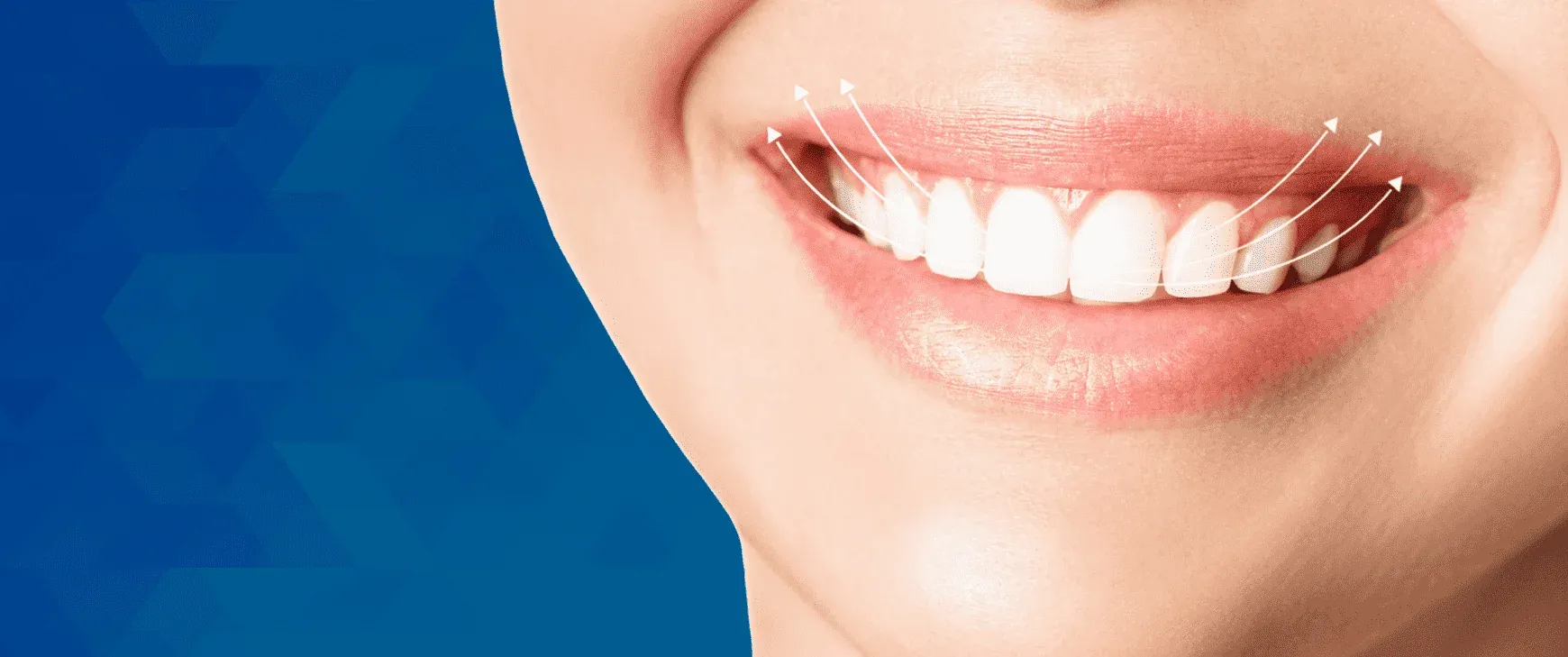
Before the procedure, teeth may look yellowed, worn down, unevenly spaced, or severely chipped. After the shells are bonded firmly in place, the smile is instantly rejuvenated. The teeth appear perfectly aligned, brilliantly white, and symmetrically balanced to complement the patient's facial features. The soft tissues of the gums adapt beautifully to the smooth ceramic margins, creating a seamless transition that makes it virtually impossible for observers to tell that dental work has been done.
How Much Do Porcelain Veneers Cost in the UK?
The financial aspect is a major consideration for anyone planning a cosmetic dental journey. Globally, the cost of top-tier cosmetic dentistry can be quite staggering, and the United Kingdom is no exception. In the UK, the price for a single, high-quality ceramic veneer typically ranges from £600 to £1,200, depending on the clinic's location and the dentist's expertise.
For a complete smile makeover requiring 10 to 20 veneers to achieve a full, broad smile, the total bill can quickly escalate to £10,000 or even £20,000. These high costs are driven by expensive laboratory fees, massive overhead costs for running a private clinic in the UK, and the extensive manual labor required by the master ceramist. Because purely cosmetic dentistry is not covered by the NHS, patients are forced to pay entirely out of pocket, prompting many to seek solutions abroad.
Why Are Porcelain Veneers in Turkey So Popular?
In response to the astronomical dental costs in their home countries, hundreds of thousands of patients annually are turning to dental tourism. Specifically, the demand for cosmetic dentistry in Turkey has skyrocketed, turning the country into a global hub for smile makeovers. This immense popularity is not solely due to the price; it is heavily backed by the exceptionally high standards of clinical care, advanced technology, and luxurious hospitality available.
Turkish dental clinics are heavily regulated, and the top-tier facilities operate with state-of-the-art CAD/CAM milling machines and 3D intraoral scanners. Patients are discovering that they do not have to compromise on quality to save money. By reviewing the Turkey teeth veneers price, international patients realize they can receive treatment from highly experienced, specialized cosmetic dentists who perform thousands of cases a year, often saving up to 70% compared to UK or US prices.
Do Celebrities Like Austin Butler Have Porcelain Veneers?
The concept of the "Hollywood Smile" did not emerge from nowhere; it is heavily rooted in the fact that the vast majority of actors, musicians, and influencers have undergone cosmetic dental enhancements. Patients often point to celebrities with incredibly perfect smiles, asking questions like, "Does Austin Butler have veneers?" The reality is that flawless, bright white, and perfectly proportioned teeth are rarely a product of pure genetics.
Celebrities rely heavily on their appearance, and porcelain veneers are the most effective way to guarantee a camera-ready smile. By masking slight imperfections, closing gaps, and ensuring the teeth reflect light beautifully on the red carpet, veneers provide that signature Hollywood aesthetic. Knowing that even the biggest stars rely on this exact procedure gives patients confidence that they too can achieve a flawless, celebrity-tier smile.
Are Porcelain Veneers Better Than Traditional Crowns?
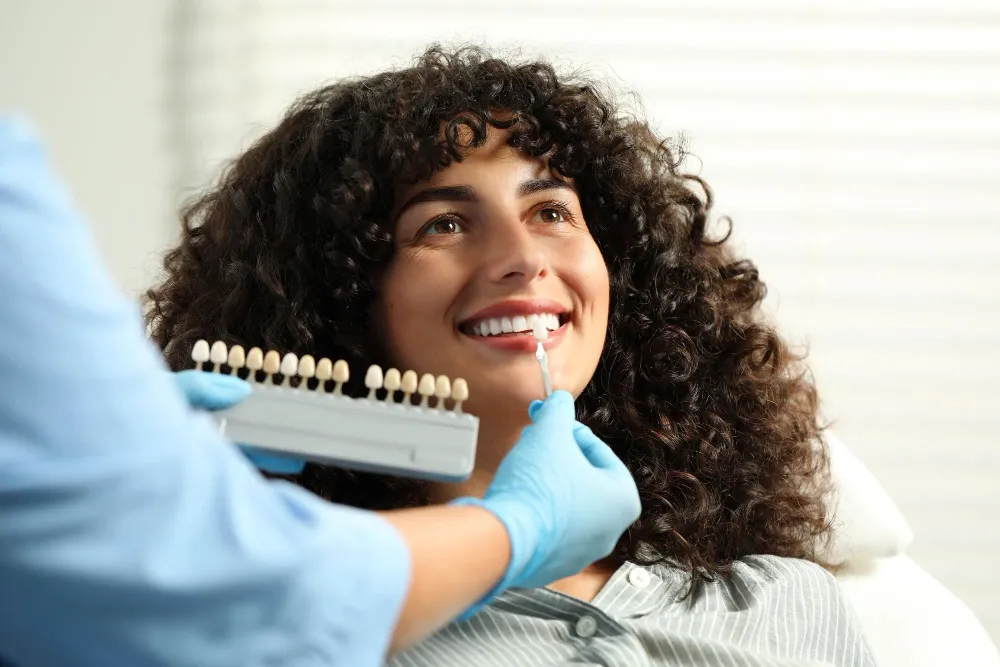
When deciding on a restorative treatment, it is vital to understand the difference between veneers and full dental crowns. While both improve the appearance of a tooth, their applications, invasiveness, and structural requirements are fundamentally different.
Enamel Preservation
The primary advantage of porcelain veneers is enamel preservation. A veneer is a conservative treatment that only requires the minimal removal of the front layer of the tooth. In contrast, placing a crown requires the dentist to aggressively shave down the entire circumference of the tooth, transforming it into a small peg. If the tooth is structurally healthy and the goal is purely cosmetic, destroying that much healthy enamel for a crown is highly discouraged.
Structural Differences
If a tooth has suffered severe decay, has undergone a root canal, or is heavily fractured, a veneer will not provide enough structural support. In those specific cases, teeth crowns Turkey offer the 360-degree protection necessary to save the tooth from extraction. Therefore, veneers are "better" for aesthetic enhancements on healthy teeth, while crowns are necessary for structurally compromised teeth.
Does Getting Porcelain Veneers Cause Pain?
Dental anxiety is a very real concern, and the fear of pain stops many people from pursuing the smile of their dreams. Fortunately, the application process for cosmetic ceramics is highly refined and associated with very minimal discomfort, making it a highly tolerable experience for the vast majority of patients.
The Preparation Phase
During the enamel preparation phase, the dentist uses a high-speed handpiece to buff away a fraction of a millimeter of tooth structure. To ensure the patient feels absolutely nothing, local anesthesia is administered to numb the teeth and surrounding gums. The patient remains completely comfortable, experiencing only slight vibrations and pressure rather than sharp pain.
The Final Bonding Phase
When the patient returns a few days later to have their permanent porcelain veneers bonded, the teeth may be slightly sensitive to air or cold water. However, this bonding phase often does not even require anesthesia. Once the permanent shells are cemented and the protective glaze seals the tooth, any temporary sensitivity typically subsides within a few days, leaving the patient completely pain-free.
Can Porcelain Veneers Fix Crooked or Misaligned Teeth?
Many patients who suffer from misaligned teeth dread the idea of wearing traditional metal braces or clear aligners for two to three years. In cosmetic dentistry, veneers are frequently referred to as "instant orthodontics" because of their incredible ability to instantly mask crooked teeth without actually moving the tooth roots.
By strategically preparing the enamel and varying the thickness of the ceramic shells, a cosmetic dentist can build out recessed teeth and bring protruding teeth into alignment visually. However, this approach has limitations. Porcelain veneers are excellent for correcting mild to moderate crowding or slight gaps. If a patient has severe skeletal bite issues or heavily rotated teeth, traditional orthodontics is still medically required before any cosmetic porcelain work can be safely applied.
How Do You Maintain and Clean Porcelain Veneers?
Once your comprehensive smile makeover is complete, protecting your financial and physical investment becomes your top priority. The beauty of this treatment is that it does not require complex, expensive, or highly specialized maintenance routines. You simply treat your new ceramic teeth exactly as you should treat your natural teeth.
To maintain the brilliant shine and structural integrity of your porcelain veneers, you must brush twice a day using a non-abrasive, gel-based toothpaste. Harsh whitening pastes with heavy grit can scratch the glaze on the porcelain over time. Flossing daily is non-negotiable; if your gums become inflamed and recede due to plaque buildup, the margins of your restorations will become visible and prone to decay. Finally, never use your new teeth as tools to open packages or bite your fingernails.
Who Is the Ideal Candidate for Porcelain Veneers?
While this treatment is a fantastic and transformative solution for the majority of people, it is not a universal fix for every single dental problem. A responsible, highly trained cosmetic dentist will thoroughly evaluate your overall oral health before approving you for this specific procedure.
Healthy Gums and Teeth
The absolute prerequisite for this treatment is a healthy foundation. Patients with severe, untreated gum disease (periodontitis) or active, deep cavities must have these biological issues fully treated and stabilized first. Inflamed, bleeding gums will compromise the bonding cement, leading to failure. The teeth must be healthy enough to support the ceramic shells permanently.
Adequate Enamel Volume
Because the ceramic must be bonded directly to the tooth, the patient must have an adequate amount of healthy enamel remaining. If a patient has suffered from extreme acid erosion or extreme teeth grinding that has destroyed the enamel layer and exposed the softer dentin, porcelain veneers will not bond securely. In such cases of severe wear, full coverage crowns are a safer and more predictable alternative.
How Does the Overall Cost of Porcelain Veneers Compare Globally?
Navigating the financial landscape of major dental work requires a broad, global perspective. As we have seen, the prices for cosmetic treatments in North America and Western Europe have become increasingly prohibitive for the average person. This high-cost environment has forced patients to look at international options, not just for smile makeovers, but for complete mouth rehabilitations.
When comparing prices globally, the savings become undeniably clear. A patient might find that the cost of a full set of cosmetic veneers in their home country is equivalent to the price of a luxury vehicle. Meanwhile, traveling abroad allows them to access elite dentistry for a fraction of that cost. This massive financial discrepancy applies to all major procedures. For instance, when patients research the All-on-Four implant cost internationally, they find the same dramatic 60% to 70% savings as they do with veneers, proving that world-class dental care is accessible if you know where to look.
Doctor Profile
Author and Medical Review
Dr. Jonathan CAN ATALAYProsthetic Dental Treatment Specialist
View ProfileThis content has been evaluated in accordance with Hospitadent Medical Publication Board standards for medical accuracy, currency and patient information.
Our Awards
See All ›2019 – 2020
Health Tourism Champion
Since its founding, Hospitadent has provided oral and dental care to patients travelling from every continent for health tourism. In the Service Exporters' Association research of 2019 and 2020, we ranked first in the Dental Health Services category. Within the same report we placed 15th among all healthcare institutions in 2019 and moved up to 10th in 2020. With uncompromising customer satisfaction, Hospitadent remains the healthcare institution that treats the highest number of international oral and dental patients.
2013
TEMOS International Quality Certificate
Guided by dedicated international departments, Hospitadent welcomes patients from abroad without any language barriers, offering assistance with accommodation, city and Bosphorus tours, concierge guidance, treatment logistics and medication support to keep satisfaction at its peak. With the goal of carrying the same quality standards to both Turkish and foreign patients, we received the TEMOS "International Quality in Dental Care" certificate in 2013—an accreditation granted by the organization that evaluates and certifies worldwide patient service quality based on the "Made in Germany" quality seal.
2020
Turquality Brand Support Program
For 16 years, the Turquality Brand Support Program has helped Turkish products build and promote their image abroad. Dental Group Hospitadent earned the right to join this initiative, taking an important step on its branding journey. Being the first dental healthcare group in a program that includes only five hospitals from the healthcare sector proves not only the quality image we project, but also the high standards we uphold.
2018
Stevie Awards – Most Innovative Customer Service
The Stevie Awards, recognized worldwide for honoring outstanding organizations and leaders, is the only international business awards program. In 2018, Hospitadent became the first hospital in Turkey to win a Stevie Award by receiving the "Most Innovative Customer Service of the Year" prize. Signature experiences such as Smiling Center, Digital Smile Design and Dental SPA played a decisive role in earning this accolade.
2019 – 2020
Service Exporters Association Award
Serving dental tourists from all over the world since its foundation, Hospitadent was honored by the Service Exporters' Association in the Champions of Service Exports program, which celebrates the rising value of Turkey's service industries. Thanks to its contribution to the national economy, Hospitadent received a certificate of achievement and ranked 15th among general healthcare institutions in 2019 and 10th in 2020, continuing to lead oral and dental treatments with an unwavering focus on patient satisfaction.
2021
Great Place To Work® Certified
Based on the employee experience and satisfaction survey completed by our teams, GPTW Turkey evaluated Hospitadent and awarded us the "Great Place To Work® Certified" distinction. As the first and only dental hospital holding this leading workplace culture certificate, Hospitadent continues its journey toward many more achievements.