What are Zirconium Crowns? How Are They Maintained?
What are zirconium crowns? What are their advantages? Are zirconia crowns better than porcelain or laminate crowns? Are they safe and durable? Click and learn.
The field of restorative and cosmetic dentistry has undergone a massive technological and material evolution over the last few decades. Among the most groundbreaking advancements that have transformed the way dentists restore damaged smiles is the introduction of zirconium crowns. For many years, patients who needed to restore a broken, severely decayed, or aesthetically unpleasing tooth had to rely on traditional metal-based restorations. While those older methods provided strength, they often compromised the natural look of the smile, leaving dark lines near the gums and looking distinctly artificial under certain lighting. Zirconium crowns have completely changed this paradigm by offering a restoration that is as exceptionally strong as metal but as beautiful and translucent as natural tooth enamel.
Today, zirconium crowns are widely considered the gold standard in dental restorations for both anterior (front) and posterior (back) teeth. They are engineered from zirconium dioxide, a highly durable type of crystal that is incredibly resistant to the immense chewing forces exerted by the human jaw. Beyond their structural integrity, these crowns are highly celebrated for their biocompatibility, meaning they integrate seamlessly with the human body without causing adverse immune reactions or gum discoloration. In this comprehensive guide, we will explore every intricate detail about zirconium crowns, from how the procedure works and their lifespan, to cost comparisons and daily maintenance requirements, ensuring you have all the necessary information before embarking on your smile makeover journey.
What Are Zirconium Crowns and How Do They Revolutionize Dentistry?
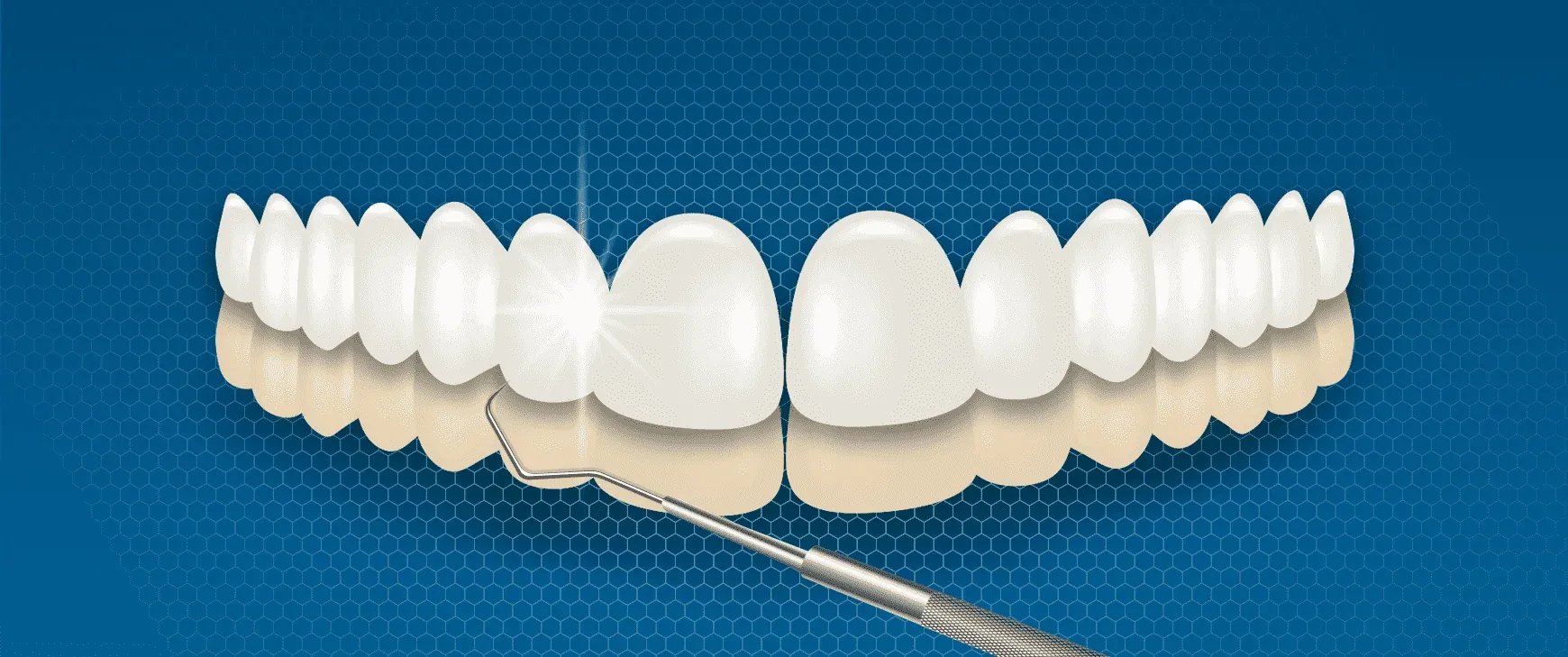
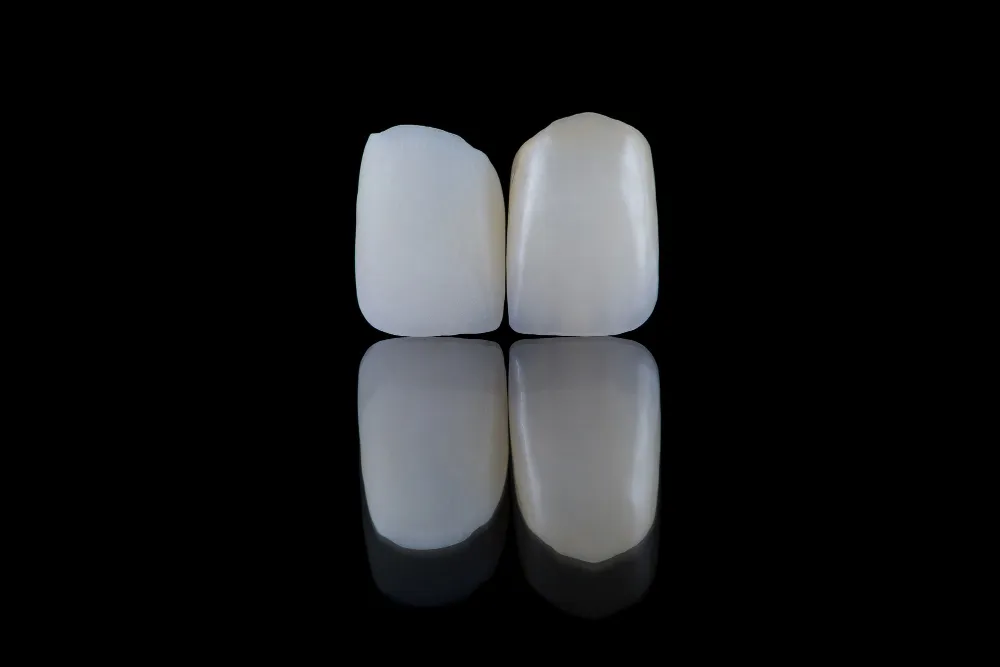
Zirconium crowns are advanced, custom-made dental caps designed to entirely encase a damaged or aesthetically flawed tooth. They are milled from a solid block of zirconia, which is a white, powdered metal oxide belonging to the titanium family. Because of its exceptional hardness and structural integrity, zirconia is often referred to as "ceramic steel" in the medical and industrial fields. When used in dentistry, it revolutionizes the restorative process by providing a metal-free solution that does not crack, chip, or wear down easily, even when subjected to extreme bite pressure.
The revolutionary aspect of zirconium crowns lies in their ability to combine unparalleled physical strength with highly customizable aesthetics. In the past, achieving a natural look meant sacrificing durability by using full porcelain, which was prone to fracturing on back molars. Conversely, achieving maximum strength meant using metal, which was visually unappealing. Zirconium bridges this gap flawlessly. With the advent of computer-aided design and manufacturing (CAD/CAM) technologies, these crowns can be digitally sculpted to perfectly match the precise color, shape, and light transmittance of your surrounding natural teeth, making them virtually indistinguishable from a real human tooth.
What Are the Main Features of Zirconium Crowns?
The skyrocketing popularity of zirconium crowns in modern dental clinics is not a coincidence; it is backed by a multitude of superior clinical features. When patients and dentists choose this material, they are benefiting from a highly engineered substance that outperforms older restorative options in almost every measurable category. Understanding these specific features helps clarify why they are so highly recommended for comprehensive smile rehabilitations.
The most prominent features that make zirconium crowns the premium choice include:
- Exceptional Durability: Zirconia possesses incredible flexural strength, making it highly resistant to the heavy grinding and chewing forces typically exerted by the posterior molars.
- Superior Aesthetics: The material allows light to pass through it similarly to natural tooth enamel, eliminating the dull, opaque look associated with older dental materials.
- High Biocompatibility: As a metal-free ceramic, it is exceptionally friendly to the human body, preventing allergic reactions and allowing the gum tissues to rest naturally against the crown margins.
- Zero Metal Underlay: Unlike traditional crowns, zirconium crowns will never expose a dark, grayish metallic line at the base of the tooth near the gumline over time.
- Stain Resistance: The highly polished, non-porous surface of the ceramic makes it incredibly resistant to stains caused by coffee, tea, red wine, and tobacco products.
- Low Thermal Conductivity: Zirconia acts as an excellent insulator, dramatically reducing the painful hot and cold sensitivity that patients often experience with metal-based restorations.
How Is the Zirconium Crown Procedure Performed?
Getting a new smile with zirconium crowns is a highly structured, precise, and minimally invasive medical procedure. Thanks to modern anesthetics and advanced digital scanning technology, the entire process is designed to maximize patient comfort while ensuring absolute clinical accuracy. The treatment is typically completed over the course of two to three appointments, depending on the technological capabilities of the dental clinic.
The Initial Consultation
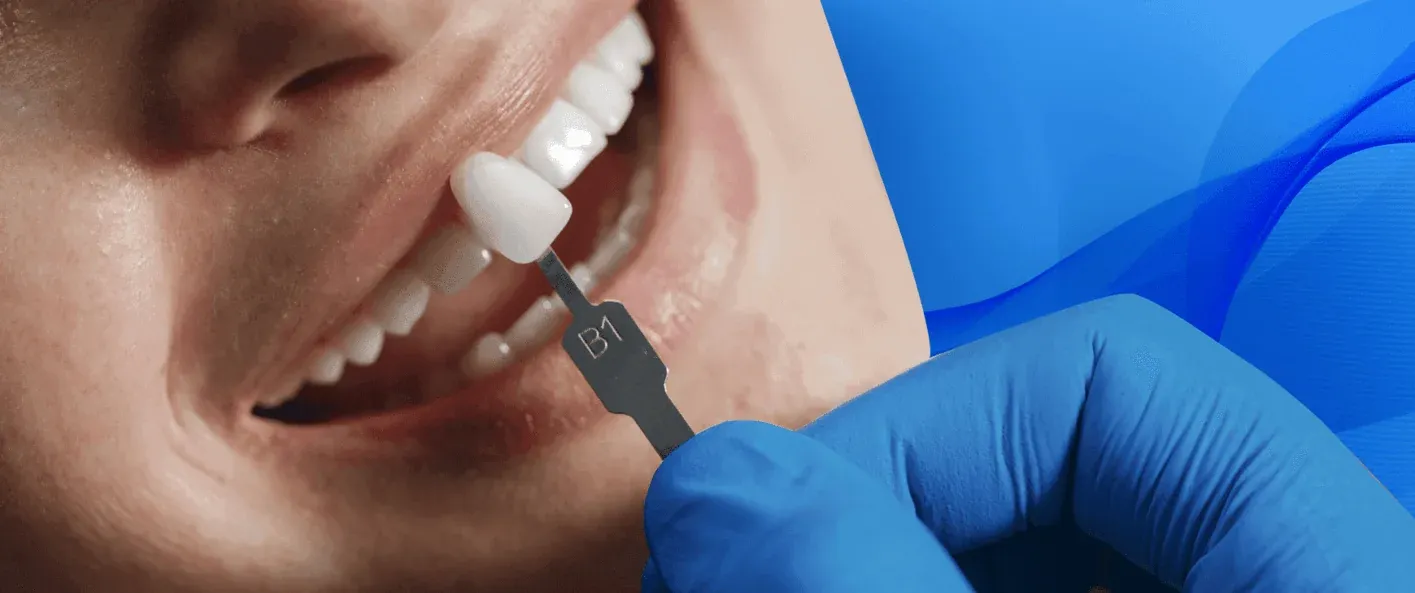
The journey always begins with a comprehensive oral examination. The dentist will take panoramic X-rays or 3D tomograms to evaluate the health of the tooth roots and the surrounding jawbone. If the underlying tooth structure is healthy enough to support a crown, the dentist will discuss your aesthetic goals, select the ideal shade for the new teeth using a digital colorimeter or shade guide, and map out a customized treatment plan.
Tooth Preparation and Impressions
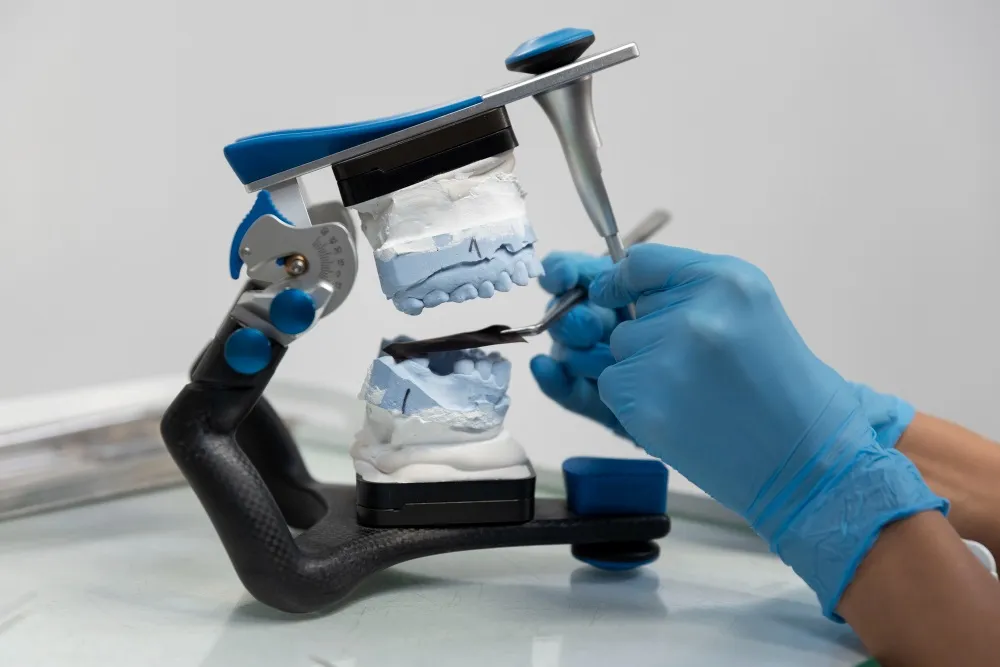
To ensure the new crown fits perfectly without looking bulky, a precise amount of enamel—usually about 1 to 2 millimeters—must be gently removed from the entire circumference of the tooth. This is performed under local anesthesia, guaranteeing a completely painless experience. Once the tooth is shaped, the dentist will take highly accurate impressions. In modern clinics equipped with digital dentistry tools, this is done using a handheld intraoral 3D scanner instead of uncomfortable, messy impression putty.
Final Placement and Adjustment
While the permanent zirconium crowns are being fabricated in the laboratory, the patient is fitted with temporary acrylic crowns to protect the prepared teeth. Once the final zirconia restorations are ready, the patient returns to the clinic. The temporary crowns are removed, and the dentist meticulously checks the fit, color, and bite alignment of the new crowns. If everything meets the clinical standards and the patient's aesthetic expectations, the zirconium crowns are permanently bonded to the natural teeth using a high-strength dental cement.
Who Is an Ideal Candidate for Zirconium Crowns?
While zirconium crowns are an incredibly versatile treatment, a thorough clinical evaluation is necessary to determine if they are the most appropriate solution for a patient's specific dental issues. They are essentially designed for patients whose teeth require robust structural reinforcement combined with high-end aesthetic improvement. If a tooth is fundamentally compromised but the root remains healthy, a crown is the perfect restorative tool.
You may be considered a highly ideal candidate for zirconium crowns if you present with any of the following clinical scenarios:
- Patients with teeth that are severely decayed and lack sufficient healthy enamel to hold a traditional filling securely.
- Individuals who have suffered traumatic dental injuries resulting in cracked, fractured, or largely chipped teeth.
- Patients who have undergone root canal therapy, which naturally leaves the treated tooth brittle, hollowed out, and highly susceptible to future breakage.
- Individuals dealing with severe, intrinsic tooth discoloration that cannot be resolved through professional chemical teeth whitening procedures.
- Patients looking to replace old, failing, or aesthetically unpleasing metal-supported crowns with a more natural-looking, modern alternative.
Are Zirconium Crowns Better Than Porcelain?
When patients begin researching cosmetic dental options, they frequently encounter a debate between full porcelain (such as lithium disilicate or e.max) and zirconium. Asking which is "better" often depends heavily on where the crown is being placed inside the mouth and the functional demands of the patient's bite. Full porcelain crowns are celebrated for their unmatched translucency, making them a breathtakingly beautiful option for the highly visible front teeth. However, standard porcelain lacks the immense tensile strength required to withstand heavy grinding forces.
This is where zirconium crowns take the lead. Zirconia is significantly stronger and more fracture-resistant than traditional porcelain. For molars and premolars that handle the brunt of our chewing mechanics, zirconia is unquestionably the superior, safer choice. Furthermore, recent advancements in dental materials have led to the creation of highly translucent zirconia blends. These modern blocks offer aesthetics that closely rival full porcelain, allowing dentists to confidently use zirconium crowns on both front and back teeth without sacrificing natural beauty.
What Is the Difference Between Zirconia Crowns and PFM?
For decades, Porcelain Fused to Metal (PFM) crowns were the standard procedure for restoring damaged teeth. PFM crowns consist of a dark metallic core for strength, which is then covered by a layer of tooth-colored porcelain. The primary difference between PFM and zirconium crowns lies entirely in this foundational substructure. Because PFM crowns have a metal base, they are completely opaque. They block light from passing through the tooth, often resulting in a dull, flat, or "chalky" appearance under harsh lighting conditions.
Moreover, as patients age and their gums naturally recede slightly, the dark metallic rim of a PFM crown frequently becomes visible at the gumline, creating an unsightly black or gray line. Zirconium crowns, being entirely metal-free, eliminate this aesthetic nightmare completely. The white crystalline structure of zirconia allows for dynamic light transmission, mimicking real enamel perfectly. Additionally, zirconia is inert and highly biocompatible, whereas the alloys used in PFM crowns can occasionally trigger localized allergic reactions and chronic gum inflammation.
Can Zirconium Crowns Be Used for a Dental Bridge?
Yes, zirconium crowns are absolutely ideal for constructing dental bridges. When a patient is missing one or more consecutive teeth, a dental bridge is utilized to close the gap. A traditional bridge requires the healthy teeth on either side of the gap (the abutment teeth) to be shaved down and capped with crowns, which are fused to a solid artificial tooth (the pontic) in the middle. The success of a bridge depends entirely on the material's ability to span the gap without flexing or breaking under pressure.
Because dental bridges must endure highly concentrated, complex chewing forces across an empty span, material strength is non-negotiable. Zirconium's extraordinary flexural strength makes it the perfect candidate for this demanding restorative architecture. A bridge made from zirconia will not warp, crack, or fracture, ensuring that the patient can confidently bite into tough foods. It provides a long-lasting, highly aesthetic replacement for missing teeth without the need for removable partial dentures.
How Much Do Zirconium Crowns Cost in the UK?
The financial aspect of undergoing a complete smile restoration is a major consideration for patients, especially those residing in the United Kingdom or other Western European countries. In the UK, cosmetic dental treatments are largely excluded from the National Health Service (NHS) coverage, meaning patients must seek these services from private dental clinics. Operating a private practice in the UK involves incredibly high overhead costs, expensive domestic laboratory fees, and premium material taxes, all of which are directly passed onto the consumer.
Consequently, the price of high-quality zirconium crowns in the UK can be staggeringly high. A single zirconia crown can range anywhere from £600 to over £1,200, depending on the clinic's location and the dentist's level of expertise. For a patient requiring a full smile makeover involving 10 to 20 crowns, the total cost can easily escalate to the price of a luxury automobile. These prohibitive costs often leave patients feeling priced out of the confident, healthy smile they desperately deserve.
Why Are Zirconium Crowns in Turkey Becoming So Popular?
Faced with astronomical dental bills in their home countries, hundreds of thousands of patients are annually turning to international dental tourism to achieve their aesthetic goals. Turkey has rapidly emerged as the premier global destination for high-end cosmetic dentistry. Patients are realizing that they can fly to Istanbul or Antalya, receive world-class dental care, enjoy a luxurious vacation, and still save a tremendous amount of money compared to domestic prices. Getting teeth crowns Turkey is no longer seen as a risky endeavor, but rather a smart, highly sought-after medical decision.
The soaring popularity is backed by the exceptional quality of care provided. Premium Turkish dental clinics operate under strict international accreditations and are equipped with the latest CAD/CAM milling technology, 3D intraoral scanners, and in-house ceramic laboratories. The dentists specializing in zirconium crowns in Turkey perform thousands of complex restorations every year, giving them a level of hands-on expertise and artistic mastery that easily rivals, and often surpasses, the most elite clinics found in London, New York, or Berlin.
How Does the Cost of Zirconium Crowns Compare Globally?
When evaluating the financial landscape of cosmetic dentistry globally, the price disparities are massive and undeniably in favor of dental tourism destinations. The lower cost of living, favorable foreign exchange rates, and heavily optimized clinic-laboratory workflows in Turkey allow top-tier dental centers to offer premium treatments at a fraction of the global average. This cost-efficiency applies to all major restorative procedures, enabling patients to undergo full-mouth rehabilitations that they could never afford back home.
For instance, patients researching complex, full-arch restorations will find that the All-on-Four implant cost in Turkey offers the same dramatic 60% to 70% savings as standalone crown procedures. Similarly, individuals looking into purely cosmetic enhancements will discover that the Turkey teeth veneers price is highly competitive, granting access to genuine E.max or zirconia materials without falling into massive medical debt. Ultimately, the global comparison proves that exceptional dental quality is absolutely accessible if you are willing to travel to the right clinic.
Do Zirconium Crowns Cause Any Allergic Reactions?
Biocompatibility is a critical factor when introducing any foreign material into the human body, especially in the highly sensitive environment of the oral cavity. With traditional metal-supported crowns, materials such as nickel, chrome, or beryllium alloys were frequently used for the core substructure. Unfortunately, a significant percentage of the population has underlying metal sensitivities. When these alloys are placed under the gums, they can trigger chronic allergic reactions, resulting in swollen, bleeding, and deeply purplish or inflamed gum tissues.
Zirconium crowns completely eliminate this medical concern. Because zirconia is a bio-inert ceramic crystal, it contains absolutely no metal allergens. It is highly tolerated by the human immune system and the delicate oral mucosa. In fact, zirconia is so safe and biologically compatible that it is routinely used in orthopedic medicine for artificial hip and knee joint replacements. When a zirconia crown is placed, the surrounding gums remain a healthy, vibrant pink, actively growing around the restoration just as they would around a natural, healthy tooth.
How Long Do Zirconium Crowns Really Last?
Because undergoing a complete smile makeover is a significant investment of both time and finances, patients understandably want assurance that their new teeth will stand the test of time. Due to the extraordinarily tough crystalline structure of zirconia, these restorations boast an incredibly impressive lifespan. On average, high-quality zirconium crowns are clinically documented to last between 15 to 20 years. In many cases, with meticulous maintenance, they can easily last a lifetime without needing replacement.
The Vital Role of Oral Hygiene
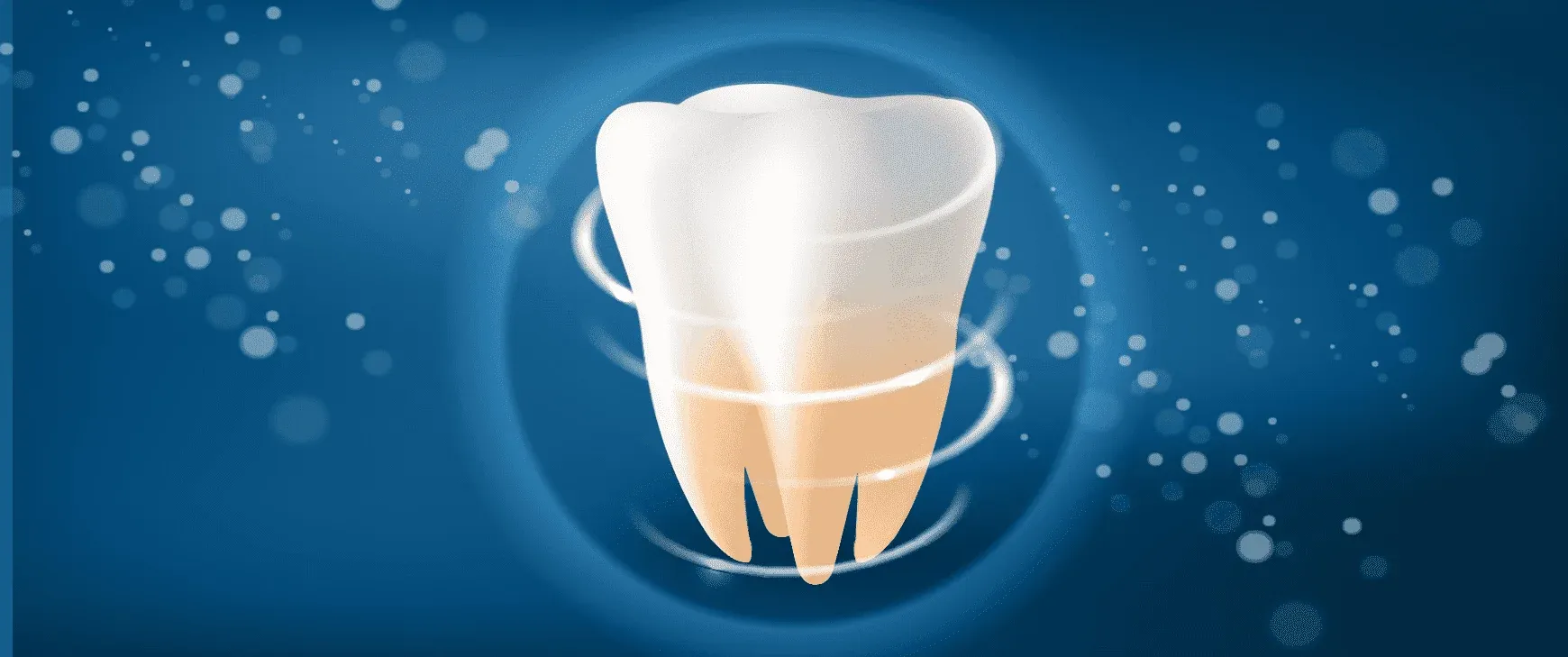
However, it is crucial to understand that while the zirconium material itself is impervious to decay and cavities, the natural tooth structure underneath the crown and the surrounding jawbone are not. The longevity of the crown is entirely dependent on the health of its foundation. If plaque is allowed to accumulate at the margin where the crown meets the gumline, bacteria can infiltrate underneath, causing severe root decay or periodontal (gum) disease, which will ultimately cause the crown to fail and fall out.
Night Guards and Bruxism Management
Another major factor influencing the lifespan of zirconium crowns is the management of bruxism, a common condition where patients unconsciously clench and grind their teeth during sleep. While zirconia is highly resistant to fracturing, the constant, immense pressure of grinding can eventually cause microscopic stress fractures or severely wear down the opposing natural teeth. Wearing a custom-fitted acrylic night guard while sleeping acts as a vital shock absorber, protecting both the ceramic crowns and the natural enamel from destructive nocturnal forces.
Can Zirconium Crowns Fix Crooked or Misaligned Teeth?
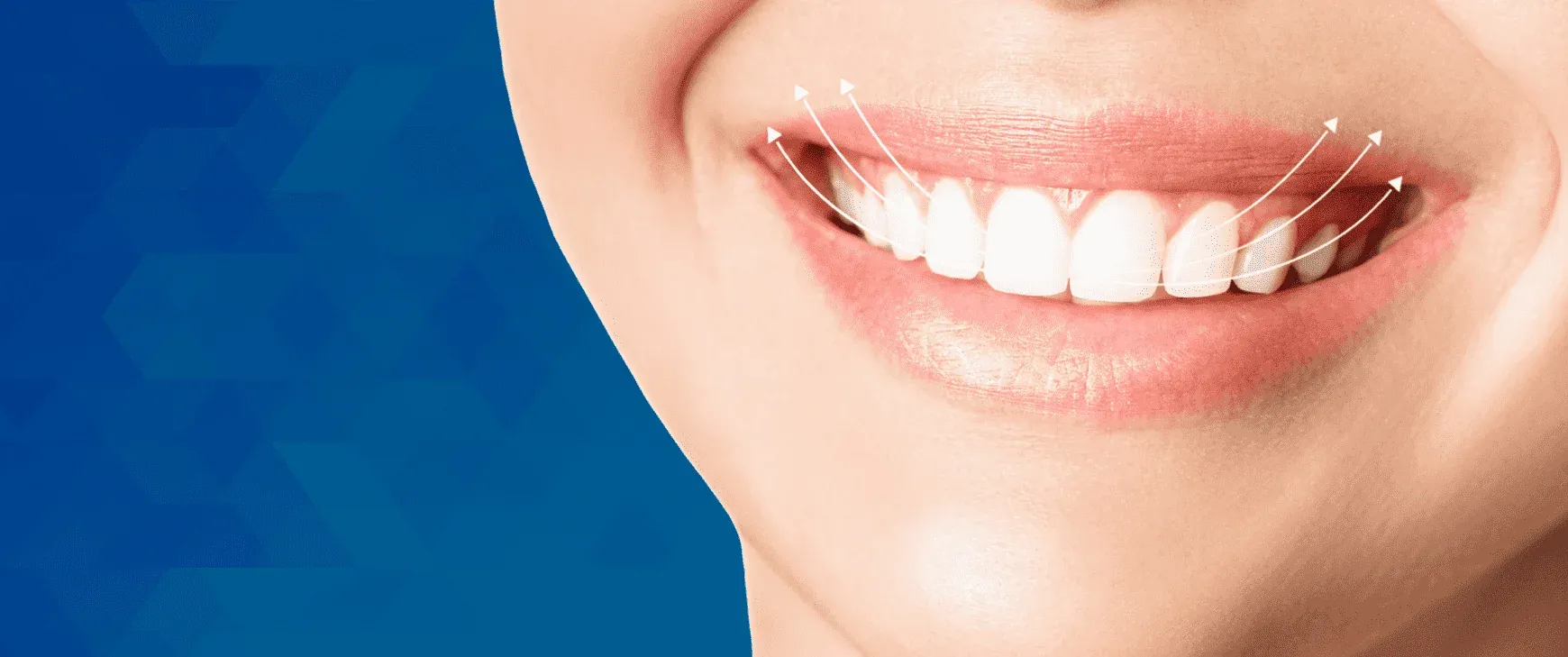
For adults who suffer from crooked or misaligned teeth, the prospect of wearing traditional metal brackets and wires for several years is highly unappealing. In modern cosmetic dentistry, zirconium crowns are frequently utilized as a highly effective form of "instant orthodontics." By strategically altering the preparation angles of the underlying teeth and adjusting the thickness of the zirconia shells, a skilled cosmetic dentist can visually bring protruding teeth backward and push recessed teeth forward.
This technique allows patients to bypass years of orthodontic treatment and walk out of the clinic with a perfectly straight, brilliantly white, and symmetrical smile in just a few days. However, this approach does have medical limitations. While it is phenomenal for correcting mild to moderate crowding, uneven lengths, and slight gaps, it is not suitable for severe skeletal malocclusions. If a patient's bite is deeply compromised or the teeth are severely rotated, traditional orthodontics or clear aligner therapy is still required before aesthetic crowns can be safely placed.
How Should You Clean and Maintain Your Zirconium Crowns?
One of the most appealing aspects of upgrading your smile with zirconium crowns is that they do not require any highly complex, expensive, or overly specialized daily maintenance routines. You simply treat your new ceramic restorations with the exact same level of care and respect that you would give to your natural, healthy teeth. Establishing a rigorous daily hygiene protocol is the absolute best way to protect your financial investment and ensure your smile remains brilliant for decades.
Choosing the Right Toothbrush and Paste
To keep the highly polished glaze of the zirconia intact, you must brush at least twice a day using a soft-bristled toothbrush. Hard bristles can irritate the delicate gum margins over time, leading to recession. Furthermore, avoid using highly abrasive, gritty "whitening" toothpastes containing baking soda or charcoal, as these harsh micro-particles can eventually scratch the smooth ceramic surface, causing it to lose its luster and making it more susceptible to plaque accumulation.
The Unbreakable Rule of Flossing
Brushing alone only cleans about 60% of the tooth surface. The absolute most critical area to keep spotless is the interdental space and the exact margin where the crown meets the gum tissue. Flossing meticulously every single day is non-negotiable. If traditional string floss is difficult to maneuver, utilizing interdental brushes or an electronic water flosser (oral irrigator) is highly recommended to flush out trapped food debris and destructive bacteria, thereby preventing gum disease and preserving the longevity of the zirconium crowns.
Are There Any Disadvantages or Risks Associated with Zirconium Crowns?
While zirconium crowns are widely celebrated as the pinnacle of restorative dental materials, it is important for patients to have a balanced understanding of potential clinical drawbacks. The primary concern with zirconia is ironically tied to its greatest strength: its extreme hardness. Because zirconia is so incredibly dense and tough, it has the potential to cause accelerated wear and tear on the opposing natural teeth if the crown's biting surface is not perfectly polished and adjusted by the dentist during placement.
Additionally, placing a crown requires the irreversible removal of healthy tooth enamel to create room for the cap. If a tooth only has minor aesthetic flaws, destroying significant healthy structure for a crown is generally considered overly aggressive; in such cases, minimally invasive laminate veneers would be a much safer, conservative choice. Lastly, high-quality zirconium crowns are notably more expensive than traditional PFM crowns or large composite fillings. However, when factoring in their unmatched durability, lifelike aesthetics, and biocompatibility, the vast majority of patients and dental professionals agree that the long-term benefits of zirconium drastically outweigh the initial financial investment.Rule of Flossing
Brushing alone only cleans about 60% of the tooth surface. The absolute most critical area to keep spotless is the interdental space and the exact margin where the crown meets the gum tissue. Flossing meticulously every single day is non-negotiable. If traditional string floss is difficult to maneuver, utilizing interdental brushes or an electronic water flosser (oral irrigator) is highly recommended to flush out trapped food debris and destructive bacteria, thereby preventing gum disease and preserving the longevity of the zirconium crowns.
Are There Any Disadvantages or Risks Associated with Zirconium Crowns?
While zirconium crowns are widely celebrated as the pinnacle of restorative dental materials, it is important for patients to have a balanced understanding of potential clinical drawbacks. The primary concern with zirconia is ironically tied to its greatest strength: its extreme hardness. Because zirconia is so incredibly dense and tough, it has the potential to cause accelerated wear and tear on the opposing natural teeth if the crown's biting surface is not perfectly polished and adjusted by the dentist during placement.
Additionally, placing a crown requires the irreversible removal of healthy tooth enamel to create room for the cap. If a tooth only has minor aesthetic flaws, destroying significant healthy structure for a crown is generally considered overly aggressive; in such cases, minimally invasive laminate veneers would be a much safer, conservative choice. Lastly, high-quality zirconium crowns are notably more expensive than traditional PFM crowns or large composite fillings. However, when factoring in their unmatched durability, lifelike aesthetics, and biocompatibility, the vast majority of patients and dental professionals agree that the long-term benefits of zirconium drastically outweigh the initial financial investment.
Doctor Profile
Author and Medical Review
Dr. Jonathan CAN ATALAYProsthetic Dental Treatment Specialist
View ProfileThis content has been evaluated in accordance with Hospitadent Medical Publication Board standards for medical accuracy, currency and patient information.
Our Awards
See All ›2019 – 2020
Health Tourism Champion
Since its founding, Hospitadent has provided oral and dental care to patients travelling from every continent for health tourism. In the Service Exporters' Association research of 2019 and 2020, we ranked first in the Dental Health Services category. Within the same report we placed 15th among all healthcare institutions in 2019 and moved up to 10th in 2020. With uncompromising customer satisfaction, Hospitadent remains the healthcare institution that treats the highest number of international oral and dental patients.
2013
TEMOS International Quality Certificate
Guided by dedicated international departments, Hospitadent welcomes patients from abroad without any language barriers, offering assistance with accommodation, city and Bosphorus tours, concierge guidance, treatment logistics and medication support to keep satisfaction at its peak. With the goal of carrying the same quality standards to both Turkish and foreign patients, we received the TEMOS "International Quality in Dental Care" certificate in 2013—an accreditation granted by the organization that evaluates and certifies worldwide patient service quality based on the "Made in Germany" quality seal.
2020
Turquality Brand Support Program
For 16 years, the Turquality Brand Support Program has helped Turkish products build and promote their image abroad. Dental Group Hospitadent earned the right to join this initiative, taking an important step on its branding journey. Being the first dental healthcare group in a program that includes only five hospitals from the healthcare sector proves not only the quality image we project, but also the high standards we uphold.
2018
Stevie Awards – Most Innovative Customer Service
The Stevie Awards, recognized worldwide for honoring outstanding organizations and leaders, is the only international business awards program. In 2018, Hospitadent became the first hospital in Turkey to win a Stevie Award by receiving the "Most Innovative Customer Service of the Year" prize. Signature experiences such as Smiling Center, Digital Smile Design and Dental SPA played a decisive role in earning this accolade.
2019 – 2020
Service Exporters Association Award
Serving dental tourists from all over the world since its foundation, Hospitadent was honored by the Service Exporters' Association in the Champions of Service Exports program, which celebrates the rising value of Turkey's service industries. Thanks to its contribution to the national economy, Hospitadent received a certificate of achievement and ranked 15th among general healthcare institutions in 2019 and 10th in 2020, continuing to lead oral and dental treatments with an unwavering focus on patient satisfaction.
2021
Great Place To Work® Certified
Based on the employee experience and satisfaction survey completed by our teams, GPTW Turkey evaluated Hospitadent and awarded us the "Great Place To Work® Certified" distinction. As the first and only dental hospital holding this leading workplace culture certificate, Hospitadent continues its journey toward many more achievements.