Lumineers Guide: Ultra-Thin, Drill-Free Smile Transformations
What are lumineers and how do they compare to traditional veneers? Discover the painless, no-drill process, lifespan, daily care tips, and costs.
Achieving a flawless, radiant smile has become one of the most popular goals in modern cosmetic dentistry. For decades, the process of reshaping or brightening teeth required structural adjustments that made many patients hesitant. Traditional cosmetic enhancements often meant losing a layer of natural enamel to create enough room for laboratory materials. However, advanced material science has introduced an ultra-conservative, contact-lens-thin alternative that offers dramatic aesthetic changes without permanent structural changes. This micro-ceramic technology has revolutionized smile transformations, allowing individuals to correct chips, gaps, and heavy discoloration completely pain-free. By eliminating the need for drilling, injections, and temporary teeth, this modern approach has opened the doors to aesthetic dentistry for thousands of individuals who prioritize preserving their natural tooth structure.
What Exactly Are Lumineers and How Do They Differ from Traditional Veneers?
In advanced aesthetic dentistry, this specialized cosmetic option refers to a proprietary brand of ultra-thin shell restorations crafted exclusively from a patented leucite-reinforced glass ceramic known as Cerinate. The primary structural objective of these micro-veneers is to mask superficial imperfections on the front surfaces of the teeth while preserving the natural enamel underneath.
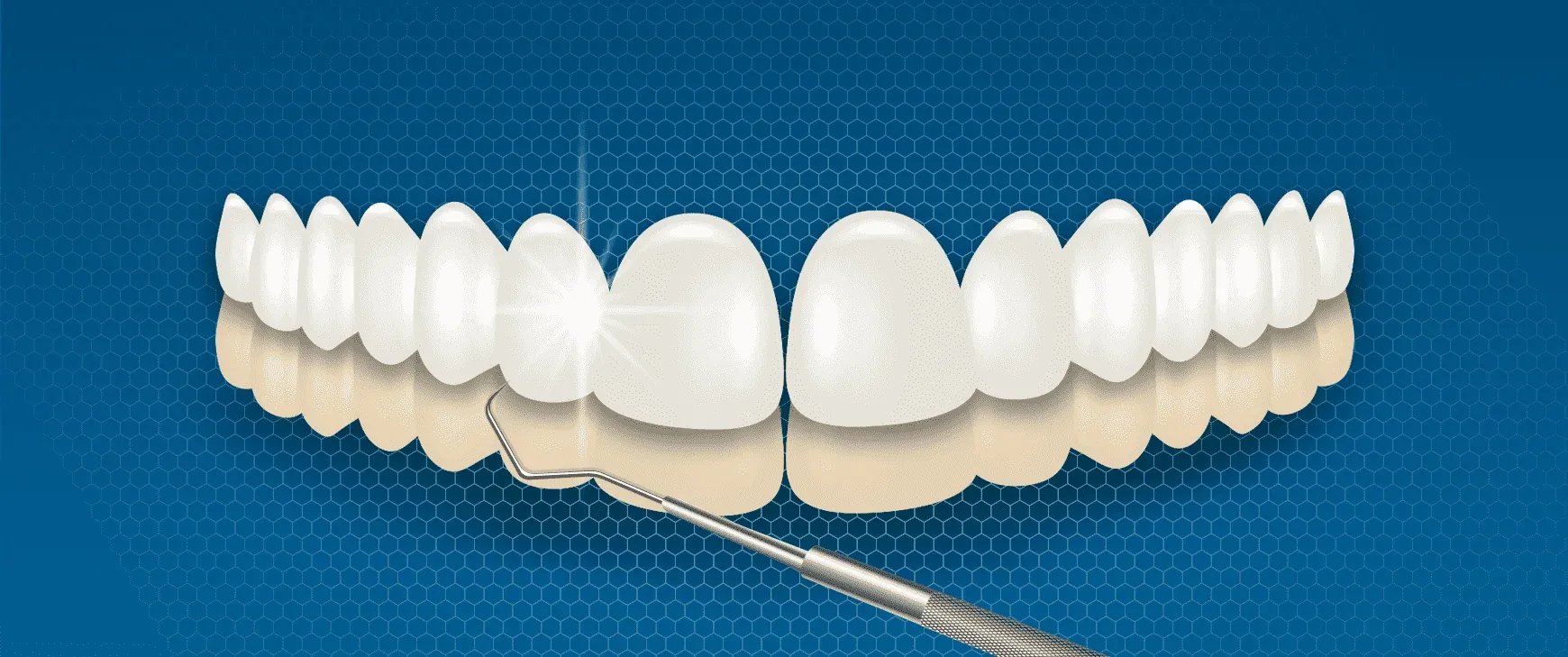
The defining clinical difference between these shells and traditional porcelain restorations lies entirely in their thickness. While a standard ceramic veneer measures approximately 0.5 to 1.0 millimeter in thickness, these specialized digital shells are engineered to be as thin as a contact lens, measuring a mere 0.2 millimeters. This microscopic profile completely eliminates the mandatory requirement for aggressive enamel reduction, making the entire procedure fully reversible and non-invasive.
Why Are Lumineers Considered a Non-Invasive Smile Transformation?
The true appeal of this micro-ceramic treatment stems from its entirely conservative, gentle application process. Understanding the clinical steps reveals why this method has shifted patient expectations globally:
No Painful Enamel Drilling
Traditional cosmetic dentistry requires a high-speed diamond bur to shave away a protective layer of healthy enamel from the front of each tooth. This preparation is necessary to prevent the final restorations from looking overly bulky or unnatural. Because lumineers are micro-thin, they can be bonded directly on top of the existing enamel without any structural drilling, fully preserving your natural tooth defense matrix.
No Local Anesthesia Injections
Because there is zero drilling or alteration of the natural hard tooth structures, the procedure does not irritate the internal nerve pathways of the teeth. Consequently, patients do not require any local numbing injections or painful shots throughout the clinical journey. This makes the treatment an absolute milestone for individuals who suffer from severe dental needle phobia.
No Temporary Restorations Needed
When teeth are ground down for traditional porcelain covers, they are left rough, sensitive, and visually unappealing, requiring the placement of temporary acrylic caps for a few weeks. With this ultra-thin approach, your natural teeth remain completely untouched and comfortable between appointments, completely eliminating the hassle and accidental detachment risks associated with provisional restorations.
What Cosmetic Blemishes Can Lumineers Successfully Correct?
While these contact-lens-thin ceramic shells are remarkably delicate, their optical properties allow cosmetic dentists to mask a wide range of aesthetic smile challenges. Dentists evaluate several specific clinical concerns that respond beautifully to this conservative treatment:
- Closing small, uneven gaps or spaces (diastemas) between the front teeth without the need for long orthodontic alignments.
- Masking moderate intrinsic tooth discoloration or permanent yellowish stains caused by regular coffee consumption or aging.
- Restoring the natural symmetry of the smile line by lengthening worn-down, chipped, or slightly fractured front enamel edges.
- Correcting the appearance of slightly misaligned, rotated, or minor crowded teeth, earning the treatment its nickname: "instant orthodontics."
- Refreshing old, dull, or slightly stained composite resin bondings that have lost their natural shine over time.
Who Is the Ideal Candidate for This Ultra-Thin Ceramic Treatment?
Determining whether a patient is a suitable candidate for this minimal-preparation cosmetic option requires a multi-faceted clinical and radiographic evaluation. Cosmetic specialists prioritize a lumineers approach under specific conditions:
- The patient possesses a naturally straight or only slightly misaligned dental arch with ample enamel thickness on the front surfaces.
- The individual does not suffer from chronic bruxism (severe night-time teeth grinding or clenching), as heavy friction can crack thin ceramics.
- The existing tooth discoloration is mild to moderate; extreme dark gray or tetracycline stains may bleed through the micro-thin ceramic layer.
- The patient maintains an excellent standard of baseline oral hygiene and has zero active cavities or untreated periodontal gum infections.
- The bite alignment is balanced, meaning the patient does not exhibit an extreme overbite or crossbite that would place heavy force on the front tips.
How Do Lumineers Compare to Traditional Porcelain Veneers?
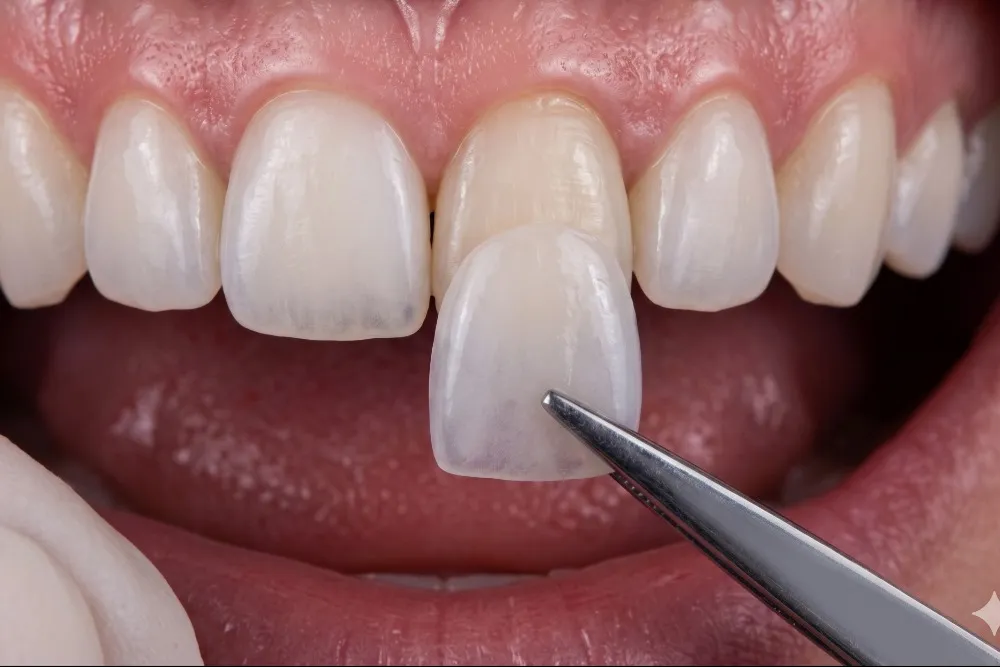
When planning a comprehensive smile overhaul, patients frequently compare these micro-thin shells with traditional porcelain veneers to understand which option aligns best with their biological goals. Traditional restorations are significantly thicker, which grants the laboratory technician more depth to build intricate translucent gradients and mask severe, dark gray internal discolorations.
However, this extra thickness requires the permanent removal of healthy enamel, making traditional options an irreversible, lifelong commitment. This micro-ceramic approach, by comparison, leaves the natural tooth completely intact beneath the glass shell. If you ever choose to remove the micro-covers decades later, your natural teeth remain healthy and unchanged, providing a level of conservative flexibility that traditional porcelain treatments simply cannot match.
What Is the Step-by-Step Process of Getting Lumineers?
Fabricating and placing a high-precision, custom set of ultra-thin restorations is a systematic, streamlined journey split across two comfortable clinical appointments:
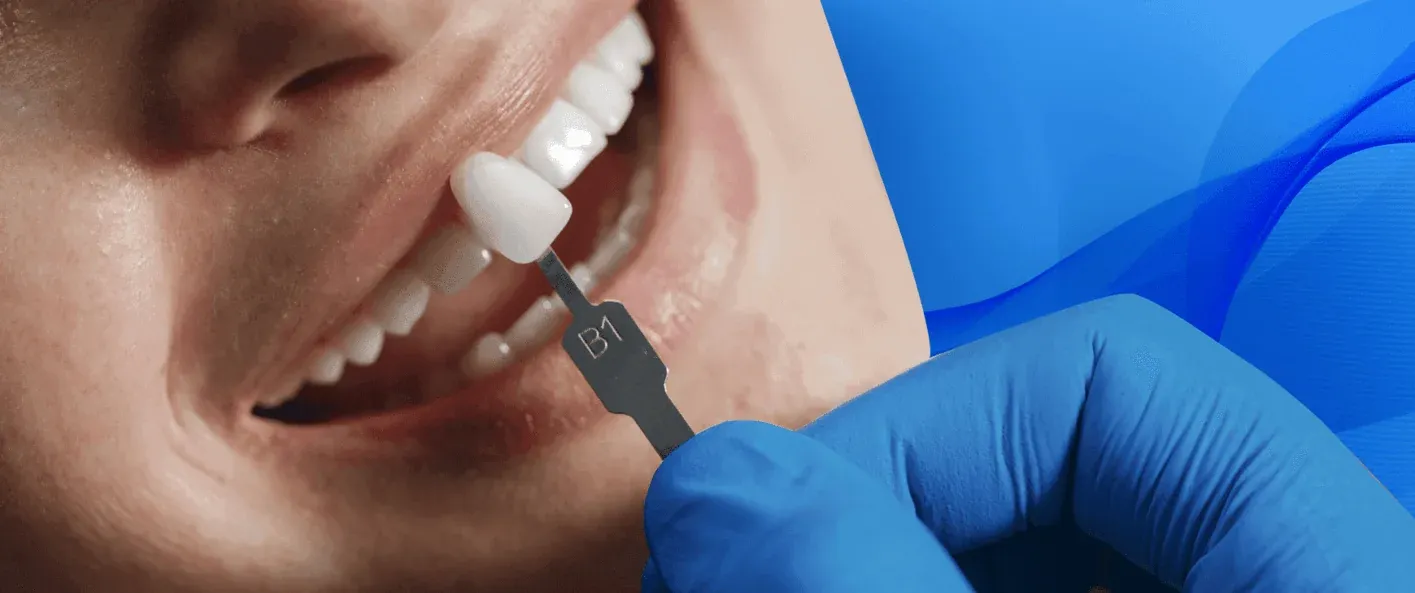
- The Initial Digital Scan: During the first visit, the cosmetic dentist thoroughly cleans the teeth and takes a precise intraoral 3D digital impression of your arches, avoiding the messy, gag-inducing trays of old dentistry. Digital photographs and shade records are taken and transmitted directly to the authorized laboratory.
- The Custom Laboratory Crafting: Over the next couple of weeks, master technicians utilize advanced computer-aided manufacturing to mill the Cerinate ceramic shells, adjusting the transparency and shade to match the patient's aesthetic expectations.
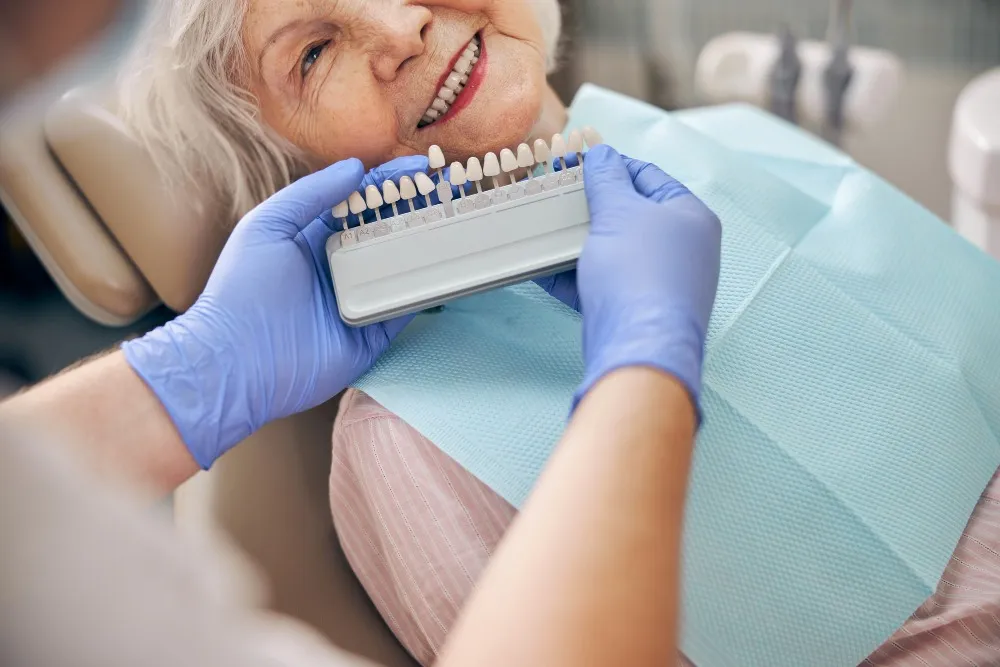
- The Final Bonding Phase: At the second appointment, the dentist tries the micro-shells in the mouth to verify the fit and bite alignment. The natural enamel is then lightly conditioned with a mild gel, and the ultra-thin plates are permanently fixed onto the teeth using a high-strength, light-cured adhesive resin, instantly transforming the smile.
Why Can Lumineers Help You Avoid Zirconium Crowns?
When teeth are chipped or mildly discolored, some clinics may recommend fully grinding the tooth down into a small peg to accommodate full-coverage crowns. Opting for full zirconium crowns is an excellent, highly durable therapeutic solution for teeth that are heavily decayed, root-canaled, or structurally broken.
However, sacrificing 60% to 70% of a healthy, intact tooth structure purely for a cosmetic color shift is a highly aggressive approach. By turning to a micro-thin shell treatment instead, you can successfully bypass this irreversible tissue sacrifice. The ultra-thin ceramic provides the exact same vibrant white color and symmetry of a full crown while leaving your natural enamel fully intact, preserving the structural longevity of your teeth for life.
How Many Years Do These Micro-Thin Shells Last?
Despite their contact-lens-thin profiles, these leucite-reinforced glass ceramic restorations are exceptionally durable once they are permanently bonded to the natural enamel. Clinical studies tracking long-term data demonstrate that these specialized micro-shells possess a functional lifespan of 15 to 20 years, or even longer when maintained properly.
The longevity of the treatment relies on a unique chemical phenomenon: while the ultra-thin ceramic sheet is brittle on its own, bonding it micromechanically to dense natural enamel transforms it into a unified, high-strength structure capable of easily resisting daily chewing forces. The glass surface is completely non-porous, meaning it is permanently immune to developing cavities and will never stain or dull from regular coffee, tea, or red wine consumption.
What Are the Most Important Daily Maintenance Rules?
To guarantee your new cosmetic transformation remains brilliantly bright, healthy, and secure for decades, you must implement a disciplined home hygiene routine. Neglecting your care can lead to plaque accumulation along the margins, compromising the result:
- Brush your teeth thoroughly twice a day for a full two minutes using a soft-bristled toothbrush and a non-abrasive gel toothpaste to avoid scratching the polished glaze.
- Use premium dental floss daily, sliding it gently between the micro-veneers to clear out plaque from the tight horizontal margins near the gumline.
- Strictly avoid using your front teeth as tools to bite tape, open plastic packaging, or chew on exceptionally hard ice cubes or fingernails.
- Wear a custom-fitted athletic mouthguard during contact sports and a soft nightguard if you show any tendency to grind your teeth under stress.
- Maintain your routine professional scaling appointments every six months to keep the surrounding gum tissues tight, firm, and fully supportive.
Why Are Material Limitations Critical to Consider Before Treatment?
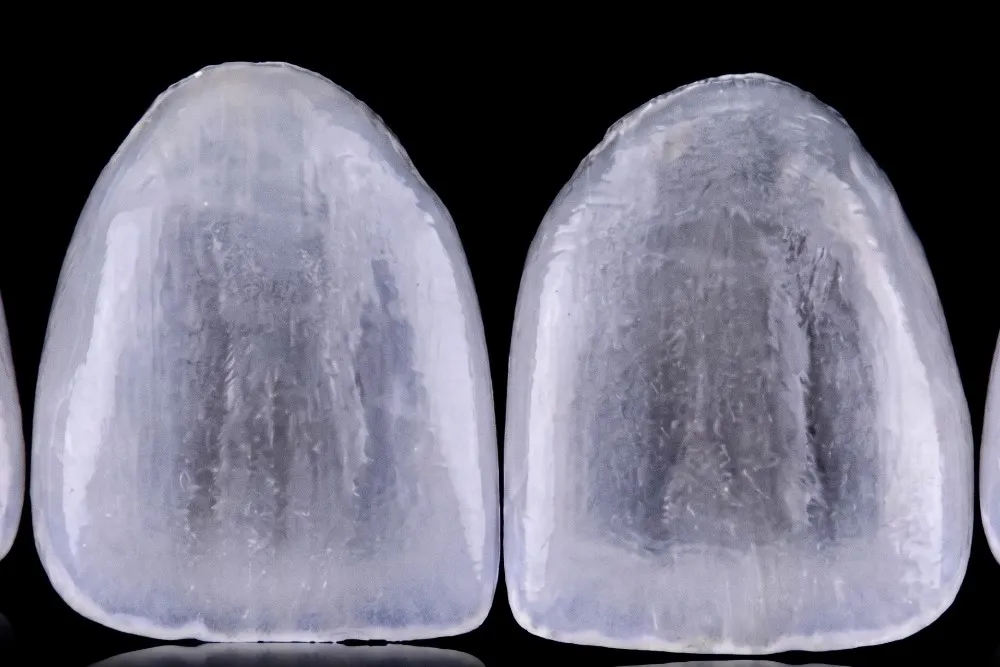
While the benefits of an ultra-thin, drill-free smile transformation are massive, this specialized micro-ceramic approach is not a universal solution for every single dental deformity. The primary material limitation of these 0.2-millimeter shells is their inherent translucency. Because the ceramic layer is exceptionally thin, it functions much like a semi-transparent frosted glass sheet.
If your underlying natural tooth structure is heavily darkened by severe tetracycline antibiotic graying, deep fluorosis mottling, or dark silver metal fillings, this micro-thin material may fail to completely mask the darkness. In these complex cases, attempting a drill-free path can result in an unnatural, grayish hue. To achieve a truly opaque, vibrant Hollywood white smile under these conditions, the extra depth provided by traditional restorations or full cosmetic restructuring becomes a medical necessity.
Can a Custom Set of Lumineers Pop Off Your Teeth?
A frequent concern among patients considering ultra-thin dental restorations is the fear that the contact-lens-thin plates might suddenly pop off or detach while chewing sticky candies or speaking publicly. Fortunately, modern dental adhesives are engineered with incredible micromechanical strength.
The bond formed between liquid resin cement and a natural, unground enamel surface is actually significantly stronger than the bond formed when cementing restorations onto underlying dentin layers. Once the curing light polymerizes the adhesive, the micro-shell becomes an integrated part of the tooth. Detachment is an exceptionally rare event, usually occurring only if the clinician allowed saliva contamination to ruin the field during bonding, or if the patient subjected the front edge to an extreme, unnatural twisting mechanical force.
What Are the Main Pros and Cons of This Procedure?
Evaluating the benefits and drawbacks of this conservative cosmetic method allows patients to form realistic expectations before committing to the transformation. The clinical profile of the treatment presents a distinct balance of features:
- Pro: Entirely non-invasive and painless procedure that completely eliminates the need for dental drills and numbing needles.
- Pro: The treatment is fully reversible; because your natural enamel is left unground, the plates can be removed safely if your goals ever change.
- Pro: Provides a permanently stain-proof surface that maintains its vibrant luster and color stability for up to two decades.
- Con: The micro-thin structure cannot mask extremely dark or severe internal tooth stains without looking overly thick.
- Con: Because no enamel is removed, the final teeth can occasionally feel slightly bulkier near the gumline during the first few days of adaptation.
Why Are Global Families Choosing Turkey for Advanced Cosmetic Dentistry?
When an individual requires a comprehensive smile makeover—such as placing multiple micro-veneers across both the upper and lower arches while coordinating teeth cleanings and alignment checks—the accumulative specialist fees can become a significant financial hurdle in Western nations. This economic reality has turned international dental travel into a highly popular, top-tier healthcare alternative.
By traveling to advanced clinics abroad, patients gain direct access to elite dental networks staffed by board-certified cosmetic specialists who manage thousands of full-mouth transformations annually. Operating under strict global hygiene and safety standards, these state-of-the-art facilities offer custom-milled restorations using premium certified global materials at a fraction of the cost found in the US or UK, allowing international families to fully secure their aesthetic goals without financial stress.
What Factors Dictate the Final Dental Implant Costs?
When planning a total smile overhaul, some patients must combine cosmetic enhancements for their front teeth with surgical solutions to replace missing back roots. When calculating your comprehensive budget, several essential elements directly dictate the final dental implant costs:
- The total number of titanium anchors required to build a completely secure structural foundation across the jaw.
- The prestige, historical tracking, and clinical research of the specific implant manufacturing brand chosen by the surgical team.
- The material selected to construct the permanent top crown, with solid monolithic zirconia offering the best long-term durability.
- The clinical necessity of pre-surgical preparatory procedures, such as a sinus lift or a localized bone graft to build up thin ridges.
How to Avoid Unregulated Imitation Shells Online?
Due to the massive global popularity of drill-free smile transformations, the market has unfortunately been flooded with cheap, unregulated "snap-on" or "DIY veneer" kits advertised online. These commercial products use generic, thick plastic templates that clip over your teeth without any professional customization. They trap food debris and harmful bacteria beneath the plastic wall, triggering rapid decay, severe gum infections, and permanent damage to your bite alignment within a matter of weeks.
To safeguard your health, it is vital to remember that true lumineers are highly sophisticated, medical-grade ceramic restorations that can only be legally ordered and installed by a licensed dental professional through an authorized laboratory, ensuring a biomechanically sound, safe, and beautiful result.
Doctor Profile

This content has been evaluated in accordance with Hospitadent Medical Publication Board standards for medical accuracy, currency and patient information.
Our Awards
See All ›2019 – 2020
Health Tourism Champion
Since its founding, Hospitadent has provided oral and dental care to patients travelling from every continent for health tourism. In the Service Exporters' Association research of 2019 and 2020, we ranked first in the Dental Health Services category. Within the same report we placed 15th among all healthcare institutions in 2019 and moved up to 10th in 2020. With uncompromising customer satisfaction, Hospitadent remains the healthcare institution that treats the highest number of international oral and dental patients.
2013
TEMOS International Quality Certificate
Guided by dedicated international departments, Hospitadent welcomes patients from abroad without any language barriers, offering assistance with accommodation, city and Bosphorus tours, concierge guidance, treatment logistics and medication support to keep satisfaction at its peak. With the goal of carrying the same quality standards to both Turkish and foreign patients, we received the TEMOS "International Quality in Dental Care" certificate in 2013—an accreditation granted by the organization that evaluates and certifies worldwide patient service quality based on the "Made in Germany" quality seal.
2020
Turquality Brand Support Program
For 16 years, the Turquality Brand Support Program has helped Turkish products build and promote their image abroad. Dental Group Hospitadent earned the right to join this initiative, taking an important step on its branding journey. Being the first dental healthcare group in a program that includes only five hospitals from the healthcare sector proves not only the quality image we project, but also the high standards we uphold.
2018
Stevie Awards – Most Innovative Customer Service
The Stevie Awards, recognized worldwide for honoring outstanding organizations and leaders, is the only international business awards program. In 2018, Hospitadent became the first hospital in Turkey to win a Stevie Award by receiving the "Most Innovative Customer Service of the Year" prize. Signature experiences such as Smiling Center, Digital Smile Design and Dental SPA played a decisive role in earning this accolade.
2019 – 2020
Service Exporters Association Award
Serving dental tourists from all over the world since its foundation, Hospitadent was honored by the Service Exporters' Association in the Champions of Service Exports program, which celebrates the rising value of Turkey's service industries. Thanks to its contribution to the national economy, Hospitadent received a certificate of achievement and ranked 15th among general healthcare institutions in 2019 and 10th in 2020, continuing to lead oral and dental treatments with an unwavering focus on patient satisfaction.
2021
Great Place To Work® Certified
Based on the employee experience and satisfaction survey completed by our teams, GPTW Turkey evaluated Hospitadent and awarded us the "Great Place To Work® Certified" distinction. As the first and only dental hospital holding this leading workplace culture certificate, Hospitadent continues its journey toward many more achievements.