What is Gingivitis? How Is It Treated?
What is gingivitis? How does it affect oral health? How is gingivitis treated? Does it go away on its own? Click and learn.
Gingivitis is often seen as a minor gum problem, but its impact on overall oral health can be far more significant than many people realize. It is the earliest stage of gum disease and develops when dental plaque accumulates along the gumline. If not properly managed, this inflammation can disrupt the natural balance of the oral environment and set the stage for more serious dental issues.
When gingivitis is present, the gums become swollen, red, and more prone to bleeding. This inflammation weakens the protective barrier that healthy gums normally provide around the teeth. As a result, bacteria can more easily penetrate deeper into the gum tissues, increasing the risk of further infection. Over time, this can compromise the stability of the teeth and negatively affect the supporting bone structure.
Gingivitis also influences daily oral hygiene habits. People experiencing gum sensitivity or bleeding may avoid brushing or flossing thoroughly, which allows even more plaque to accumulate. This creates a cycle in which poor oral hygiene worsens inflammation, and inflammation makes oral care more uncomfortable. Breaking this cycle early is essential for maintaining long-term oral health.
Beyond the mouth, chronic gum inflammation may contribute to bad breath and a persistent unpleasant taste. These symptoms can affect confidence and social interactions. Addressing gingivitis early helps restore gum health, supports effective oral hygiene routines, and protects the foundation of a healthy smile.
Early Warning Signs of Gingivitis You Should Not Ignore
One of the challenges with gingivitis is that its early symptoms are often subtle and easy to dismiss. Many people assume that mild gum bleeding or tenderness is normal, especially during brushing. However, these early warning signs are important indicators that the gums are reacting to bacterial buildup and should not be ignored.
The most common early sign of gingivitis is bleeding gums, particularly during brushing or flossing. Healthy gums do not bleed easily, so this symptom is often the first signal that inflammation is developing. Redness and swelling along the gumline may also appear, even if there is no pain. In some cases, the gums may look shiny or feel unusually soft to the touch.
Another early indicator is persistent bad breath that does not improve with brushing or mouthwash. Bacteria trapped in plaque release toxins that irritate the gums and contribute to unpleasant odors. A bad taste in the mouth, especially in the morning, can also be associated with gingivitis.
Recognizing these early signs allows for prompt intervention before the condition progresses. Simple measures such as professional dental cleaning and improved oral hygiene can often reverse gingivitis at this stage. Ignoring these warning signs increases the risk of more advanced gum disease that is harder to treat.
Common Causes of Gingivitis Beyond Poor Brushing
While inadequate brushing and flossing are major contributors to gingivitis, they are not the only factors involved. Several additional causes can increase the risk of gum inflammation, even in individuals who believe they are maintaining good oral hygiene. Understanding these factors helps create a more comprehensive prevention strategy.
Hormonal changes play a significant role in gum health. Periods such as puberty, pregnancy, and menopause can make gums more sensitive to plaque and bacteria. During these times, even small amounts of plaque can trigger inflammation, making gingivitis more likely to develop.
Lifestyle factors also contribute to gingivitis. Smoking and tobacco use reduce blood flow to the gums and impair the body’s ability to fight infection. Stress can weaken the immune response, making it harder for the body to control bacterial growth in the mouth. Certain medications that cause dry mouth can also increase plaque buildup by reducing saliva, which normally helps cleanse the teeth and gums.
Systemic health conditions, such as diabetes, can further increase the risk of gingivitis. Elevated blood sugar levels support bacterial growth and reduce healing capacity. Addressing these underlying factors alongside proper oral care is essential for effective gingivitis prevention and management.
The Difference Between Gingivitis and Advanced Gum Disease
Gingivitis is often confused with more advanced forms of gum disease, but there are important differences between these conditions. Understanding this distinction highlights why early treatment is so critical. Gingivitis is a reversible condition, while advanced gum disease can cause permanent damage.
In gingivitis, inflammation is limited to the gum tissue itself. The gums may bleed, swell, or appear red, but the bone and connective tissues that support the teeth remain intact. With proper oral hygiene and professional care, the gums can return to a healthy state without lasting effects.
Advanced gum disease, often referred to as periodontitis, occurs when inflammation spreads below the gumline. Bacteria begin to destroy the bone and connective tissues that anchor the teeth. This can lead to gum recession, tooth mobility, and eventually tooth loss. Unlike gingivitis, the damage caused by periodontitis cannot be fully reversed.
The transition from gingivitis to advanced gum disease is usually gradual and painless, which is why regular dental check-ups are so important. Early detection and treatment of gingivitis can prevent this progression and preserve both gum and bone health over the long term.
How Professional Dental Cleaning Helps Treat Gingivitis
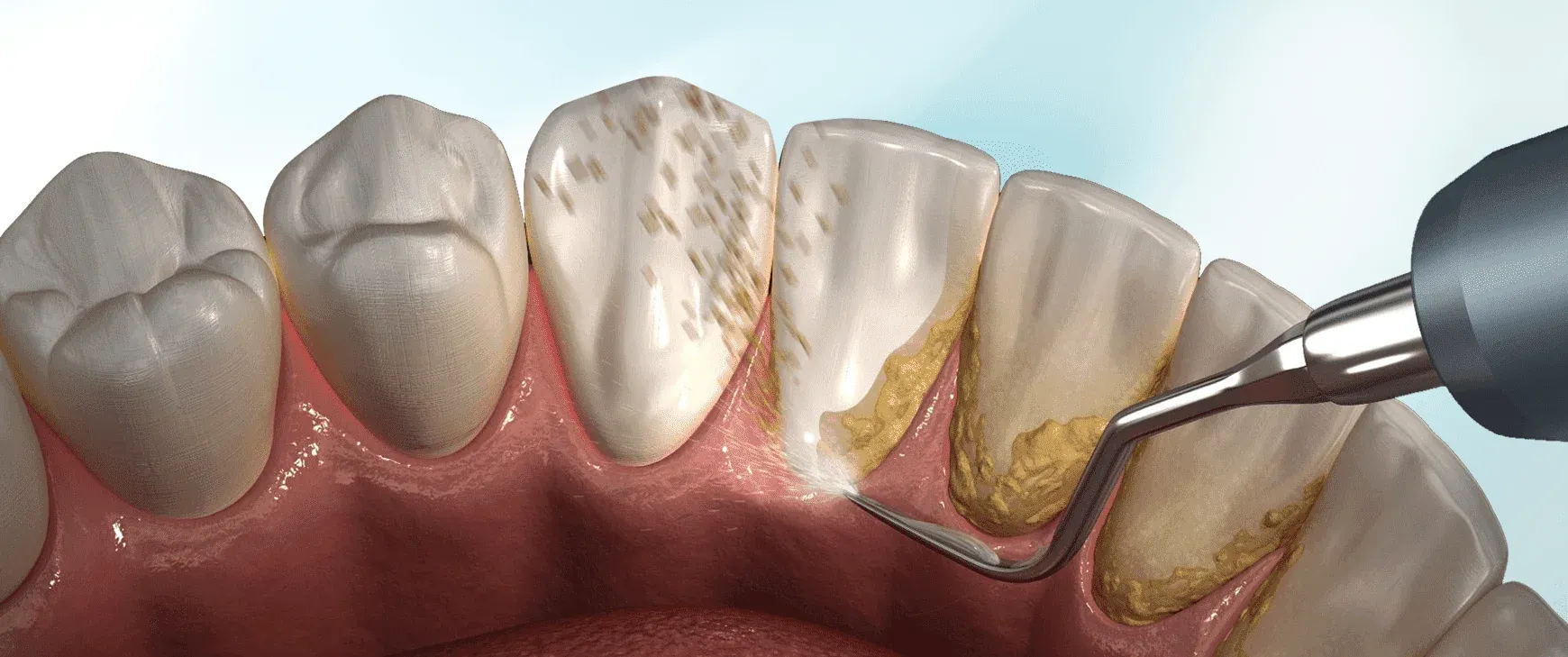
Professional dental cleaning plays a central role in the treatment of gingivitis. Even with careful brushing and flossing at home, plaque and tartar can accumulate in areas that are difficult to reach. These deposits provide a constant source of irritation for the gums and must be removed to allow healing.
During a professional cleaning, dental specialists use specialized instruments to remove plaque and hardened tartar from the teeth and along the gumline. This process reduces bacterial load and eliminates the toxins responsible for gum inflammation. Once these irritants are removed, the gums are able to recover and return to a healthier state.
Professional cleaning also allows dental professionals to assess gum health and identify areas that require extra attention. Patients receive personalized guidance on brushing techniques, flossing methods, and oral care products that best support gum health. This education is a key part of preventing gingivitis from returning.
Regular professional cleanings not only treat existing gingivitis but also help prevent its recurrence. Combined with consistent daily oral hygiene, professional care forms the foundation of long-term gum health and a confident, healthy smile.
Can Gingivitis Go Away on Its Own Without Treatment?
Many people wonder whether gingivitis can resolve on its own without any professional or at-home intervention. While gingivitis is considered the mildest form of gum disease, it does not typically disappear without changes in oral hygiene or dental care. The inflammation develops as a response to plaque buildup, and if plaque remains on the teeth and gumline, the irritation will continue.
In some cases, symptoms such as mild bleeding may seem to improve temporarily, especially if brushing habits change slightly. However, this does not mean the underlying cause has been eliminated. Plaque can harden into tartar, which cannot be removed by brushing alone. Once tartar forms, gingivitis will persist and often worsen without professional cleaning.
Ignoring gingivitis allows bacteria to remain active below the gumline. Over time, this can lead to more severe gum disease and irreversible damage. Early action is key, as gingivitis responds very well to proper treatment when addressed promptly.
Rather than waiting for symptoms to resolve, taking proactive steps such as improving daily oral hygiene and scheduling a dental visit offers the best chance for full recovery and long-term gum health.
How Diet and Nutrition Influence Gingivitis Risk

Diet and nutrition play a significant role in the development and progression of gingivitis. The foods consumed daily can either support gum health or contribute to inflammation and bacterial growth. A diet high in refined sugars and processed carbohydrates encourages plaque formation, providing bacteria with the fuel they need to thrive.
Frequent consumption of sugary snacks and acidic beverages increases the amount of plaque on tooth surfaces. This plaque irritates the gums and triggers inflammation. Over time, poor dietary habits can make gingivitis more persistent and difficult to control, even with regular brushing.
On the other hand, a balanced diet rich in vitamins and minerals supports the body’s natural defense mechanisms. Nutrients such as vitamin C play an important role in maintaining healthy gum tissue and supporting immune function. Adequate hydration also helps maintain saliva flow, which naturally cleanses the mouth and reduces bacterial buildup.
While diet alone cannot cure gingivitis, healthy nutritional choices can significantly reduce risk and support treatment outcomes. Combining good nutrition with proper oral hygiene creates a strong foundation for healthier gums.
Is Gingivitis Contagious or Transmissible?
A common concern among patients is whether gingivitis can be passed from one person to another. Gingivitis itself is not considered a contagious disease in the traditional sense. However, the bacteria that contribute to gum inflammation can be transferred through saliva, such as through kissing or sharing utensils.
While exposure to these bacteria does not guarantee the development of gingivitis, it may increase the risk, especially in individuals with poor oral hygiene or weakened immune systems. The presence of bacteria alone is not enough; gingivitis develops when plaque is allowed to accumulate and irritate the gums.
Maintaining good oral hygiene reduces the likelihood that transferred bacteria will cause inflammation. Regular brushing, flossing, and dental check-ups help control bacterial levels and protect gum health.
Understanding that gingivitis is primarily a hygiene-related condition emphasizes the importance of personal oral care habits. Preventive measures remain the most effective way to reduce risk, regardless of bacterial exposure.
How Long Does It Take to Reverse Gingivitis?
The timeline for reversing gingivitis depends on the severity of the condition and the consistency of treatment. In many cases, noticeable improvement can occur within one to two weeks after plaque and tartar are removed and proper oral hygiene is established.
Mild gingivitis often responds quickly to professional dental cleaning combined with improved brushing and flossing habits. Redness and bleeding typically decrease as the gums heal and inflammation subsides. Patients may notice that their gums feel firmer and less sensitive within a short period.
More persistent cases may require additional time and follow-up care. If plaque buildup has been present for an extended period, the gums may need several weeks to fully recover. Consistency is crucial, as skipping oral care routines can delay healing.
Although gingivitis is reversible, maintaining results requires ongoing effort. Continued attention to oral hygiene and regular dental visits help ensure that gum health remains stable over the long term.
Long-Term Consequences of Ignoring Gingivitis
Ignoring gingivitis can lead to serious long-term consequences for oral health. While the condition may begin with mild symptoms, ongoing inflammation gradually weakens the structures that support the teeth. Over time, this can allow the disease to progress into advanced gum disease.
As inflammation spreads below the gumline, bacteria begin to damage the bone and connective tissues. This process can result in gum recession, tooth mobility, and eventually tooth loss. Once this stage is reached, treatment becomes more complex and outcomes are less predictable.
Chronic gum inflammation may also affect overall well-being. Persistent oral infections place stress on the immune system and may contribute to systemic health concerns. Maintaining healthy gums is therefore an important part of overall health management.
Addressing gingivitis early helps prevent these complications and preserves natural teeth. Simple preventive measures and timely treatment offer lasting benefits and help avoid the long-term impact of untreated gum disease.
Can Stress and Lifestyle Habits Trigger Gingivitis?

Stress and daily lifestyle habits can significantly influence the development of gingivitis, even in individuals who maintain basic oral hygiene routines. Chronic stress affects the body’s immune response, making it harder to control bacterial growth in the mouth. When the immune system is weakened, gums become more vulnerable to inflammation caused by plaque accumulation.
High stress levels are often associated with habits that indirectly increase gingivitis risk. Skipping brushing sessions, neglecting flossing, or consuming more sugary and processed foods during stressful periods can accelerate plaque buildup along the gumline. Additionally, stress-related behaviors such as teeth grinding or clenching can irritate gum tissues and worsen inflammation.
Lifestyle factors like smoking and inadequate sleep further compound the problem. Smoking reduces blood flow to the gums, limiting their ability to heal and respond to infection. Poor sleep disrupts hormonal balance and immune regulation, which can make gum inflammation more persistent and difficult to reverse.
Managing stress through healthier routines, adequate rest, and consistent oral care can reduce the likelihood of gingivitis. While stress alone does not cause gum disease, it can act as a powerful trigger that intensifies existing risk factors.
Does Gingivitis Affect Children and Teenagers?
Gingivitis is often associated with adults, but it can also affect children and teenagers. In younger age groups, gum inflammation is commonly linked to inconsistent oral hygiene habits and increased plaque accumulation. Children may not brush thoroughly, and teenagers may neglect oral care due to busy schedules or lack of awareness.
Hormonal changes during puberty can make gums more sensitive to plaque and bacteria. As hormone levels fluctuate, gum tissues may respond more strongly to even small amounts of plaque, leading to redness, swelling, and bleeding. This makes adolescents particularly susceptible to gingivitis despite appearing otherwise healthy.
Orthodontic appliances such as braces can further increase the risk. Brackets and wires create additional surfaces where plaque can collect, making effective cleaning more challenging. Without proper guidance and regular dental check-ups, gingivitis can develop and persist.
Early detection and education are essential for preventing long-term gum problems in younger individuals. Teaching proper brushing and flossing techniques, combined with regular professional cleanings, helps protect gum health from an early age.
Can Gingivitis Return After Successful Treatment?
Even after successful treatment, gingivitis can return if preventive measures are not maintained. The condition is closely linked to plaque buildup, and plaque forms continuously on tooth surfaces. Without consistent oral hygiene, inflammation can reappear within a relatively short period.
Many patients experience improvement after professional cleaning and improved brushing habits, but gradually return to old routines. Skipping flossing, brushing too quickly, or delaying dental visits allows plaque to accumulate again along the gumline. This can trigger a new cycle of gum inflammation.
Certain risk factors may also increase the likelihood of recurrence. Smoking, uncontrolled systemic conditions, and ongoing dry mouth can make it harder to maintain healthy gums. In these cases, gingivitis may require closer monitoring and more frequent professional care.
Preventing recurrence depends on long-term commitment rather than short-term treatment. Regular dental check-ups, daily plaque control, and attention to lifestyle factors are essential for keeping gums healthy and preventing gingivitis from returning.
Doctor Profile

This content has been evaluated in accordance with Hospitadent Medical Publication Board standards for medical accuracy, currency and patient information.
Our Awards
See All ›2019 – 2020
Health Tourism Champion
Since its founding, Hospitadent has provided oral and dental care to patients travelling from every continent for health tourism. In the Service Exporters' Association research of 2019 and 2020, we ranked first in the Dental Health Services category. Within the same report we placed 15th among all healthcare institutions in 2019 and moved up to 10th in 2020. With uncompromising customer satisfaction, Hospitadent remains the healthcare institution that treats the highest number of international oral and dental patients.
2013
TEMOS International Quality Certificate
Guided by dedicated international departments, Hospitadent welcomes patients from abroad without any language barriers, offering assistance with accommodation, city and Bosphorus tours, concierge guidance, treatment logistics and medication support to keep satisfaction at its peak. With the goal of carrying the same quality standards to both Turkish and foreign patients, we received the TEMOS "International Quality in Dental Care" certificate in 2013—an accreditation granted by the organization that evaluates and certifies worldwide patient service quality based on the "Made in Germany" quality seal.
2020
Turquality Brand Support Program
For 16 years, the Turquality Brand Support Program has helped Turkish products build and promote their image abroad. Dental Group Hospitadent earned the right to join this initiative, taking an important step on its branding journey. Being the first dental healthcare group in a program that includes only five hospitals from the healthcare sector proves not only the quality image we project, but also the high standards we uphold.
2018
Stevie Awards – Most Innovative Customer Service
The Stevie Awards, recognized worldwide for honoring outstanding organizations and leaders, is the only international business awards program. In 2018, Hospitadent became the first hospital in Turkey to win a Stevie Award by receiving the "Most Innovative Customer Service of the Year" prize. Signature experiences such as Smiling Center, Digital Smile Design and Dental SPA played a decisive role in earning this accolade.
2019 – 2020
Service Exporters Association Award
Serving dental tourists from all over the world since its foundation, Hospitadent was honored by the Service Exporters' Association in the Champions of Service Exports program, which celebrates the rising value of Turkey's service industries. Thanks to its contribution to the national economy, Hospitadent received a certificate of achievement and ranked 15th among general healthcare institutions in 2019 and 10th in 2020, continuing to lead oral and dental treatments with an unwavering focus on patient satisfaction.
2021
Great Place To Work® Certified
Based on the employee experience and satisfaction survey completed by our teams, GPTW Turkey evaluated Hospitadent and awarded us the "Great Place To Work® Certified" distinction. As the first and only dental hospital holding this leading workplace culture certificate, Hospitadent continues its journey toward many more achievements.