Adequate saliva is a cornerstone of long-term oral stability, supporting clear speech, comfortable swallowing, early enzymatic digestion, and continuous tissue protection against oral pathogens. When salivary flow decreases significantly, individuals develop xerostomia, commonly referred to as persistent dry mouth. Uncovering the specific drivers of diminished lubrication is the crucial first step toward achieving lasting symptomatic relief and preserving dental integrity.
This comprehensive clinical guide breaks down the full range of dry mouth causes—from systemic disorders and prescription drugs to daily behavioral habits and age-related biological changes. Identifying these underlying mechanisms allows patients and oral healthcare providers to build targeted management plans that protect enamel, soothe sensitive tissues, and restore oral comfort.
Salivary Physiology and Protective Mechanisms
To understand how various triggers disrupt oral equilibrium, one must first look at how saliva is generated and how it safeguards the oral cavity. Salivary fluid is produced by three paired major glands—the parotid, submandibular, and sublingual glands—alongside hundreds of microscopic minor glands distributed throughout the lips, tongue, and mucosal linings. In a healthy adult, these tissues secrete approximately 0.5 to 1.5 liters of fluid daily.
Saliva is a complex biofluid containing essential enzymes, protective immunoglobulins, antibacterial proteins, and essential minerals such as calcium and phosphate. Its main biological functions include:
- Lubrication & Tissue Defense: Minimizes friction during speech and chewing, shielding delicate mucosal surfaces from mechanical trauma.
- Digestion & Taste Perception: Softens food boluses and initiates carbohydrate breakdown through salivary amylase while dissolving flavor molecules for taste receptors.
- Acid Neutralization & Cleansing: Buffers dietary acids, maintains safe intraoral pH levels, and continuously flushes away microbial plaque and debris.
When salivary flow declines, teeth lose their primary natural shield against acid erosion and bacterial decay. In these scenarios, preventive clinical treatments such as fluoride varnish become essential for strengthening compromised enamel and stopping aggressive decay before it spreads.
Pharmacological Causes of Xerostomia
Pharmaceutical side effects are the single most common cause of dry mouth in modern health care. Worldwide, more than 400 prescription and over-the-counter medications list oral dryness as a primary secondary reaction. Many of these agents exert an anticholinergic effect, blocking autonomic signals that tell salivary acinar cells to produce fluid.
Common Prescription Categories
- Antihypertensives & Beta-Blockers: Blood pressure therapies can lower systemic fluid availability or constrict capillary beds supplying salivary tissues.
- Antidepressants & Mood Stabilizers: Selective serotonin reuptake inhibitors (SSRIs) and tricyclic agents interrupt central neural pathways responsible for stimulating salivary output.
- Diuretics: Prescribed for fluid retention or cardiac conditions, diuretics encourage systemic fluid loss, directly reducing total salivary volume.
- Muscle Relaxants & Sedatives: These medications soothe neuromuscular activity while simultaneously dampening autonomic nervous system signals to salivary glands.
- Opioid Analgesics: Chronic use of strong pain relievers dampens central autonomic responsiveness, causing continuous dry mouth.
Non-Prescription (OTC) Triggers
Over-the-counter formulations frequently cause unsuspected salivary suppression. Popular antihistamines for allergies, decongestants for upper respiratory colds, and motion sickness tablets routinely dry out mucosal membranes. When patients combine multiple OTC products with prescription therapies—a practice known as polypharmacy—the cumulative effect can result in severe chronic xerostomia.
Systemic Conditions and Autoimmune Pathologies
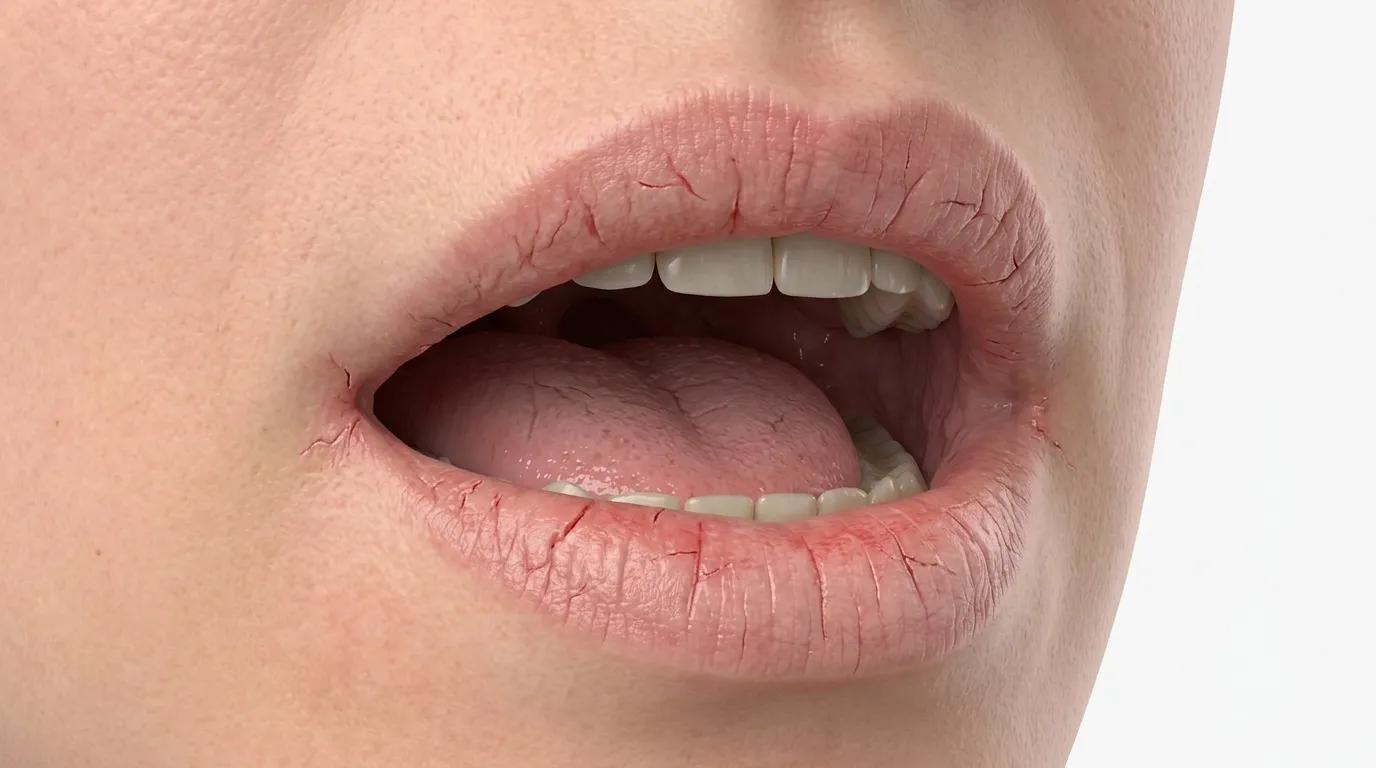
Systemic illnesses and autoimmune diseases represent another major structural cause of xerostomia. When systemic health is compromised, salivary gland architecture can suffer irreversible cellular damage or chronic autoimmune destruction. Reduced mucosal lubrication and compromised local immunity can also heighten tissue sensitivity, leaving the oral cavity susceptible to recurrent ulcerations and painful aphthous diseases.
Autoimmune Etiologies
- Sjögren’s Syndrome: A primary autoimmune disorder characterized by lymphocytic infiltration into exocrine glands. It destroys lacrimal and salivary tissues, causing profound, lifelong dryness of the eyes and mouth.
- Systemic Lupus Erythematosus & Rheumatoid Arthritis: Patients with generalized connective tissue diseases frequently develop secondary Sjögren's syndrome, leading to progressive oral dryness.
Endocrine and Metabolic Disruptions
- Uncontrolled Diabetes Mellitus: Elevated blood glucose levels trigger osmotic diuresis, drawing water out of body tissues and significantly decreasing salivary secretion.
- Thyroid Dysfunction: Both hypothyroidism and hyperthyroidism disrupt metabolic regulation and fluid balance, leading to chronically dry oral tissues.
Neurological Impairment and Infections
Neurological conditions that disrupt nerve signaling—such as Parkinson's disease, Alzheimer's, or post-stroke complications—can impair the brain signals that control salivary flow. Additionally, viral pathogens such as HIV, Hepatitis C, and mumps can directly invade glandular tissues, causing persistent structural inflammation.
Overview of Systemic and Pathological Triggers
|
Pathological Category |
Primary Condition |
Glandular Impact |
Severity Level |
|
Autoimmune |
Sjögren’s Syndrome |
Lymphocytic destruction of acinar cells |
High / Severe |
|
Metabolic |
Uncontrolled Diabetes |
Systemic dehydration via osmotic diuresis |
Moderate to High |
|
Oncological |
Head & Neck Radiation |
Radiation necrosis of glandular tissue |
Severe / Permanent |
|
Neurological |
Parkinson’s Disease |
Disrupted parasympathetic signaling |
Moderate |
|
Infectious |
Viral Infections (HIV) |
Direct tissue inflammation and scarring |
Variable |
Oncological Treatments and Salivary Gland Damage
Cancer therapies targeting the head, neck, or jaw are among the most severe causes of chronic dry mouth. Both radiation therapy and systemic chemotherapy can significantly impair glandular function.
- Head and Neck Radiation Therapy: Radiation beams aimed at tumors in the throat, oral cavity, or neck pass directly through major salivary glands. The fluid-secreting acinar cells are extremely sensitive to ionizing radiation. Depending on the cumulative dose, damaged acinar tissue is often replaced by permanent scar tissue, leading to irreversible dry mouth, severe difficulty swallowing (dysphagia), and widespread decay.
- Chemotherapeutic Agents: Cytotoxic cancer drugs alter the composition and flow rate of saliva during active treatment cycles. Although chemotherapy-induced dryness usually improves after treatment stops, the temporary lack of protection leaves patients vulnerable to oral mucositis and opportunistic fungal infections.
Lifestyle, Environmental, and Physiological Drivers
Not all cases of dry mouth stem from prescription drugs or systemic disease. Daily habits, environmental exposure, and emotional stress play key roles in daily salivary output.
- Inadequate Hydration: Simply failing to consume enough water throughout the day reduces overall body fluid levels. The brain prioritizes vital organ hydration over salivary output, causing immediate oral dryness.
- Nocturnal Mouth Breathing, Sleep Apnea & Bruxism: Individuals who sleep with their mouth open—due to nasal congestion, structural blockage, or sleep apnea—experience rapid evaporation of oral moisture. Furthermore, night-time jaw clenching and involuntary friction often require specialized teeth grinding treatment to protect enamel and prevent secondary joint strain.
- Tobacco, Alcohol, and Caffeine Use:Smoking and Vaping: Thermal heat and toxic chemical irritants in smoke impair mucosal health and glandular sensitivity.
- Alcohol Consumption: Alcohol acts as a systemic diuretic while stripping protective moisture from delicate oral mucosa.
- High Caffeine Intake: Caffeinated coffee, energy drinks, and teas have mild diuretic effects that can temporarily lower salivary volume.
- Stress and Anxiety: Acute emotional stress or panic activates the body's sympathetic ("fight-or-flight") response. This autonomic shift turns thin, fluid saliva into a thick, sticky mucus while significantly reducing total volume.
 Complications of Unmanaged Xerostomia
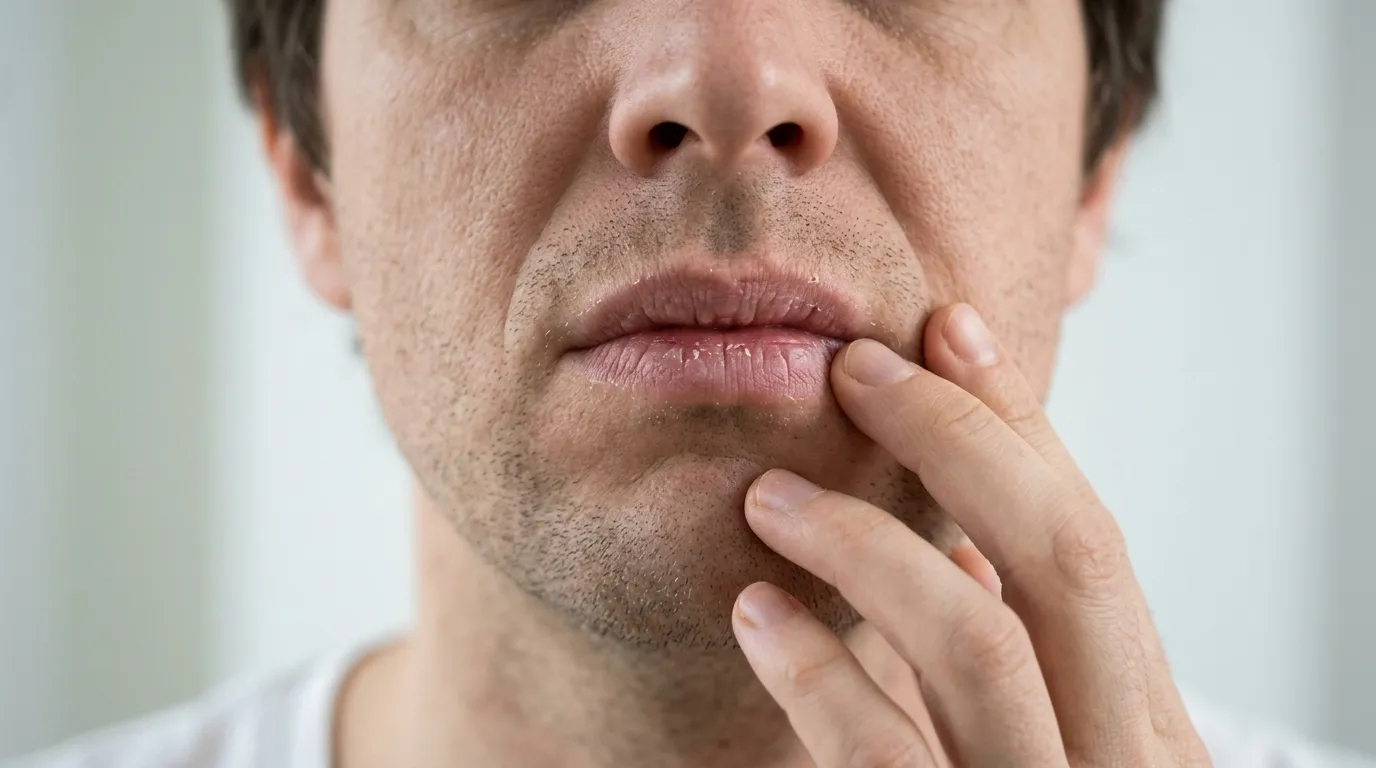
Ignoring ongoing oral dryness can trigger rapid deterioration throughout the mouth. Without the cleansing and buffering properties of healthy saliva, several severe complications develop:
Accelerated Dental Caries & Plaque Buildup: Saliva continuously buffers dietary acids and supplies remineralizing ions to protect enamel. Without adequate fluid, calcified bacterial deposits and plaque accumulate at an accelerated rate, making regular professional maintenance through teeth scaling crucial to prevent destructive gum diseases and root decay.
Chronic Halitosis (Bad Breath): When saliva fails to wash away shedding skin cells and food particles, anaerobic bacteria multiply on the tongue and soft tissues, releasing volatile sulfur compounds (VSCs). Individuals suffering from persistent mouth odor often benefit from bad breath treatment to clear underlying bacterial reservoirs.
Oral Thrush & Mucosal Pain: Protective antibacterial and antifungal proteins in saliva keep oral microflora balanced. Depleted levels allow Candida albicans to flourish, leading to painful oral candidiasis (thrush), cracking at the corners of the mouth (angular cheilitis), and raw, inflamed gums. Additionally, in patients recovering from complex oral or surgical extractions where the sinus floor has been compromised, receiving prompt sinus perforation treatment is vital to prevent ongoing bacterial entry and chronic sinusitis.
Diagnostic Evaluations for Identifying Root Causes
Pinpointing the exact cause of chronic xerostomia requires a systematic clinical assessment by a qualified dental practitioner or oral medicine specialist.
Diagnostic Protocol
- Medical & Medication Review: A comprehensive review of all current prescription drugs, OTC supplements, health diagnoses, and daily lifestyle factors.
- Visual Clinical Examination: Direct evaluation of mucosal moisture, absence of pooled saliva beneath the tongue, fissured tongue patterns, and cervical decay trends.
- Sialometric Flow Measurement: Quantitative testing of resting and stimulated salivary flow rates to measure actual output objectively.
- Laboratory & Autoimmune Panels: Blood tests checking for autoantibodies (Anti-SSA/Ro, Anti-SSB/La), antinuclear antibodies (ANA), fasting blood glucose levels, and thyroid function.
- Glandular Biopsy & Imaging: Salivary gland ultrasonography, sialography, or a minor salivary gland lip biopsy when autoimmune damage (e.g., Sjögren's syndrome) is suspected.
Effective Management and Therapeutic Strategies
While managing dry mouth depends on addressing the underlying medical cause, several universal strategies help protect oral tissues and maintain moisture.
Interprofessional Collaboration & Medication Adjustments
If prescription drugs are the primary trigger, dental teams consult with the prescribing physician to explore alternative options, adjust dosage schedules, or select medications with lower anticholinergic profiles.
Moisture Substitutes & Salivary Stimulation
- Xylitol Products: Sugar-free chewing gum or lozenges made with xylitol stimulate reflex salivation while inhibiting cavity-causing bacteria.
- Artificial Saliva Substitutes: Over-the-counter gels, sprays, and oral rinses containing carboxymethylcellulose coat delicate tissues to provide temporary physical lubrication.
- Prescription Sialagogues: For patients with remaining functional glandular tissue, prescription drugs such as pilocarpine or cevimeline can directly stimulate salivary gland output.
At-Home Prevention Practices
- Drink water consistently throughout the day and keep a glass at the bedside overnight.
- Use a cool-mist room humidifier to counteract dry indoor air while sleeping.
- Choose alcohol-free and SLS-free (sodium lauryl sulfate) toothpastes to prevent mucosal irritation.

Advanced Dental Care and Medical Tourism in Turkey
Over the last decade, Turkey has established itself as a premier destination for advanced dental treatment, specialized stomatology, complex oral rehabilitation, and aesthetic dentistry. Patients from around the globe visit Turkey to access state-of-the-art diagnostic facilities and accredited medical centers staffed by experienced oral specialists at costs significantly lower than in Western Europe or North America.
At the heart of this international healthcare hub is Istanbul, a world-renowned city combining rich historical heritage, vibrant culture, and cutting-edge medical infrastructure. Patients seeking care for complex xerostomia complications, full-mouth restorations, or cosmetic smile redesigns through a Hollywood Smile treatment plan can enjoy a memorable travel experience while receiving world-class dental care.