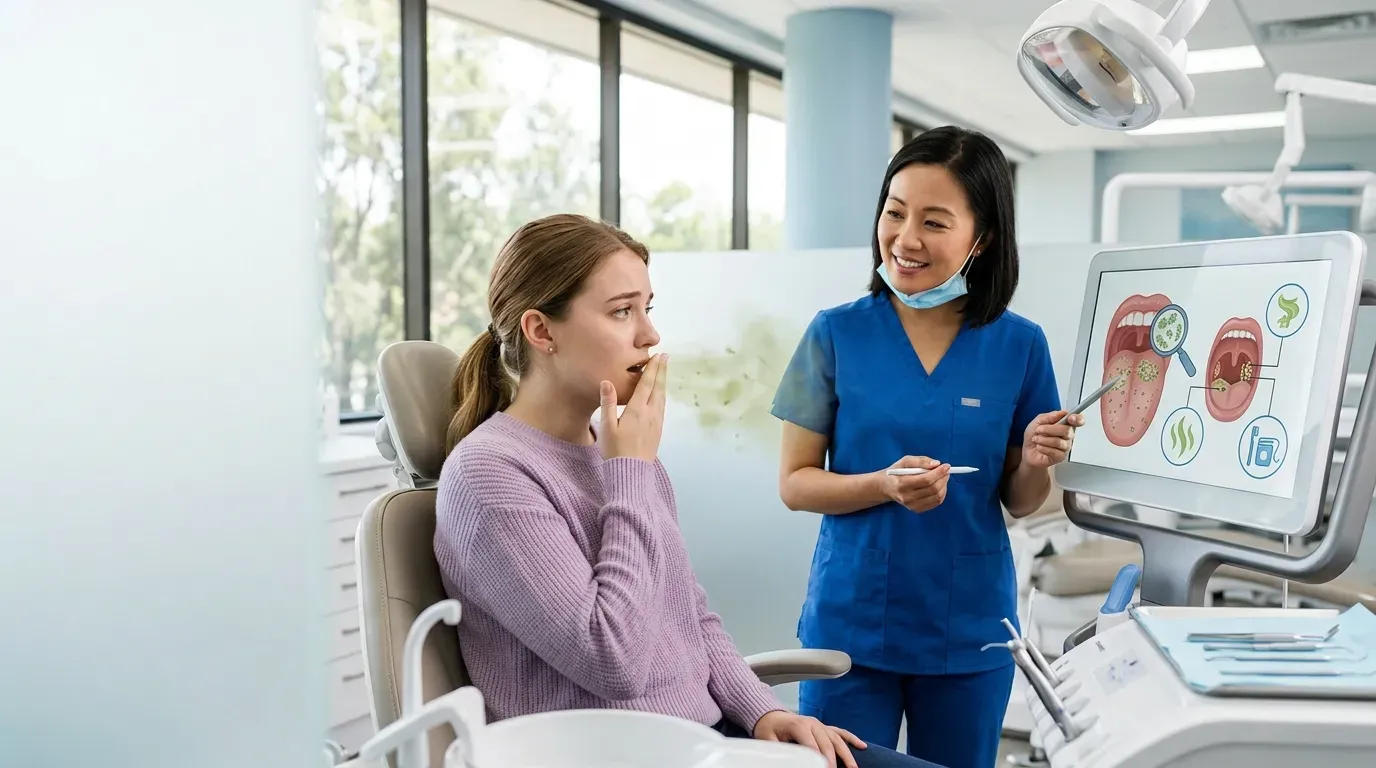
What's Teeth Grinding Treatment? How Is It Done?
Learn how professional teeth grinding treatment relieves chronic jaw pain, protects worn enamel, and stops nocturnal bruxism with custom night guards.
Chronic involuntary masticatory muscle hyperactivity represents a major functional challenge in modern clinical dentistry, affecting both children and adults during waking hours and deep sleep cycles. Clinically termed bruxism, habitual teeth grinding subjects the dental arches, periodontal ligaments, alveolar bone, and temporomandibular joints to extreme mechanical forces that far exceed normal chewing loads. Over time, persistent teeth grinding causes severe enamel attrition, painful micro-cracks across restorations, masseter muscle hypertrophy, and debilitating chronic facial pain. Implementing a targeted teeth grinding treatment protocol is essential for halting irreversible dental wear, decompressing inflamed jaw joints, and realigning neuromuscular reflexes. By combining modern clinical diagnostic tools, protective oral splints, pharmacotherapy, and restorative therapies, patients suffering from chronic teeth grinding can restore balanced oral function and achieve lasting relief from daily pain.
What Is Teeth Grinding and What Causes Involuntary Jaw Clenching?
Bruxism is defined as a repetitive masticatory muscle activity characterized by the clenching or grinding of the teeth and by the bracing or thrusting of the mandible. Clinicians categorize this condition into two distinct circadian manifestations: awake bruxism, which typically manifests as silent clenching driven by emotional stress, sustained concentration, or anxiety, and sleep bruxism, which is an unconscious, rhythmically active movement disorder occurring during sleep cycles. Both conditions generate destructive mechanical friction that leads to severe teeth grinding issues requiring professional evaluation.
The etiology of nocturnal teeth grinding is complex and multifactorial, involving central nervous system neurotransmission rather than purely mechanical dental factors alone. Sleep architecture studies indicate that rhythmic masticatory muscle contractions are often triggered by transient micro-arousals during lighter sleep phases, accompanied by autonomic cardiac acceleration. Psychological triggers such as chronic occupational stress, anxiety disorders, excessive caffeine consumption, nicotine use, and specific central nervous system medications can further aggravate the frequency and intensity of teeth grinding episodes.
What Are the Warning Signs That You Suffer from Teeth Grinding?
- Morning Jaw Muscle Fatigue: Waking up with intense soreness, stiffness, or tightness localized around the masseter and temporalis muscles.
- Flattened Incisal Edges and Occlusal Wear: Observable loss of natural tooth anatomy, smoothed biting surfaces, and exposed yellow dentin islands.
- Recurrent Temporal Headaches: Dull, aching tension headaches concentrated in the temple areas that develop upon waking or after stressful workdays.
- Audible Nocturnal Scraping Sounds: Loud clicking, grating, or scraping sounds reported by a sleep partner during your sleeping hours.
- Tongue Scalloping and Buccal Ridge Ridges: Indentations along the lateral borders of the tongue and raised white keratinized lines along the inner cheek mucosa.
How Does Chronic Teeth Grinding Damage Your Oral Health Over Time?
Severe Enamel Attrition and Abfraction
Enamel is the hardest biological substance in the human body, but it is fundamentally vulnerable to continuous mechanical attrition. Under the extreme loads produced by chronic teeth grinding, the protective outer enamel shell gradually wears down, exposing the softer, porous dentin underneath. Furthermore, excessive lateral forces cause flexural fatigue at the cervical margin, creating wedge-shaped notches called abfractions near the gumline.
Destruction of Restorative Work and Tooth Fractures
Porcelain crowns, composite fillings, and dental veneers are designed to withstand normal physiological mastication, not the crushing vertical and lateral loads of teeth grinding. Patients with unmanaged bruxism frequently experience chipped restorations, fractured cusp tips, recurrent debonding of bridges, and disastrous vertical root fractures that necessitate tooth extraction.
Periodontal Ligament Inflammation and Tooth Mobility
When teeth are subjected to excessive occlusal trauma, the periodontal ligament fibers that suspend the tooth roots within the alveolar bone become chronically inflamed. This traumatic injury widens the periodontal ligament space, leading to localized tooth hypermobility and accelerated alveolar bone resorption in patients with underlying periodontal disease.
Why Is an In-Depth Dental Examination Crucial for Proper Diagnosis?
Because the physical damage caused by nocturnal clenching develops insidiously over months or years, an early clinical assessment is essential to prevent permanent dentition destruction. Undergoing a comprehensive dental examination allows the clinician to map occlusal wear facets, palpate the masticatory musculature, and evaluate the range of mandibular motion.
During the clinical diagnostic appointment, the practitioner evaluates the temporomandibular joint for clicking, crepitation, and subluxation. Advanced diagnostic tools, such as digital intraoral scanners, capture 3D baseline models to track enamel loss over time. High-resolution digital imaging rules out bone loss or periapical pathology, ensuring that the clinician designs a targeted treatment strategy that addresses the precise mechanical triggers of your teeth grinding.
How Can Teeth Grinding Lead to Severe Sensitive Teeth?
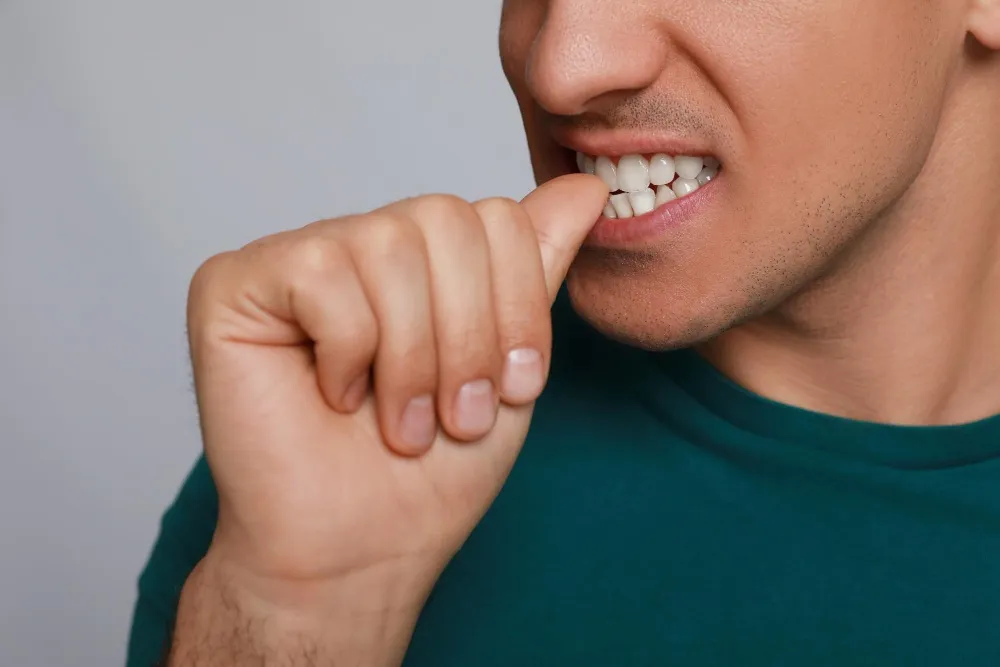
As the enamel layer is worn away by persistent friction, thousands of microscopic channels within the dentin—known as dentinal tubules—become exposed directly to the oral cavity. These fluid-filled tubules communicate directly with the sensory nerves of the pulp chamber. Consequently, patients suffering from chronic bruxism frequently develop excruciating sensitive teeth that react sharply to hot liquids, ice-cold water, acidic beverages, and cold air.
Moreover, the repetitive mechanical strain transmitted down the long axis of the tooth causes micro-pulpal inflammation, even in the absence of bacterial decay. This continuous traumatic stimulation lowers the sensory threshold of the pulpal nerves, making the dentition hypersensitive to routine daily chewing. Addressing the underlying teeth grinding is the primary prerequisite for successfully managing and eliminating dentin hypersensitivity permanently.
What Are the Most Effective Treatment Options for Teeth Grinding?
Because bruxism involves both physical habits and neurological components, clinical management requires a multi-layered therapeutic approach. The primary goals of therapy are to protect the physical structures of the teeth, decompress the temporomandibular joints, and reduce involuntary muscle hyperactivity. While severe teeth grinding cannot always be completely cured overnight, its destructive symptoms can be successfully managed through modern dental and medical interventions.
Clinicians customize therapy plans according to whether the patient clenches primarily during the daytime or grinds heavily during sleep. Effective treatment strategies range from custom-milled intraoral barrier splints and neuromodulator injections to dental bite equilibration, lifestyle modifications, and comprehensive restorative smile reconstructions.
How Does a Custom Night Guard Provide Protection from Teeth Grinding?
The frontline defense against nocturnal occlusal trauma is a professionally fabricated oral appliance. Wearing a custom-fitted night guard establishes an impermeable, smooth barrier between the maxillary and mandibular arches, completely preventing direct enamel-to-enamel abrasion during sleep.
Fabricated from rigid biocompatible acrylics or dual-laminate polymers, the appliance absorbs and redistributes heavy masticatory forces evenly across the entire dental arch. By introducing a smooth occlusal surface, the splint prevents teeth from interlocking, allowing the mandible to glide freely without placing rotational shear stress on individual roots. This mechanical protection preserves dental restorations, protects natural enamel, and prevents muscle exhaustion caused by nocturnal teeth grinding.
How Much Does Teeth Grinding Treatment Cost Internationally?
The financial investment required to manage bruxism depends on the chosen treatment modality, ranging from basic night splints and neuromuscular injections to comprehensive full-mouth restorations. Seeking treatment in international dental centers, especially in Turkey, provides outstanding economic savings, offering hospital-grade care and custom-milled appliances at a fraction of the cost found in the UK, USA, or Australia.
|
Country |
Custom Hard Night Splint |
Masseter Botox Therapy |
Typical Package Inclusions |
|
Turkey |
£110 – £190 / $140 – $240 |
£150 – £260 / $190 – $330 |
3D Digital Scan, Fitting & Consultation |
|
United Kingdom |
£350 – £600 |
£300 – £550 |
Appliance Only (Consultation Billed Separately) |
|
United States |
$500 – $1,000 |
$500 – $900 |
Appliance Only (Adjustments Billed Extra) |
|
Germany |
€320 – €550 |
€280 – €480 |
Standard Laboratory Splint Protocol |
|
Australia |
AU$550 – AU$950 |
AU$450 – AU$800 |
Clinical Procedure Only |
As detailed in the international pricing breakdown, traveling abroad allows patients to receive advanced, custom-milled oral appliances and therapeutic injections at substantial savings, backed by internationally accredited clinical workflows and specialized prosthodontic expertise.
Can Masseter Botox Injections Stop Chronic Teeth Grinding?
Botulinum toxin type A (Botox) has emerged as an exceptionally effective medical treatment for moderate to severe bruxism. When injected into targeted sites of the bilateral masseter and temporalis muscles, the neurotoxin temporarily inhibits the release of acetylcholine at the neuromuscular junction. This targeted chemical denervation reduces the maximum involuntary contraction power of the chewing muscles without impairing normal speech, smiling, or daytime eating function.
Patients typically experience a noticeable reduction in morning jaw tightness and temple headaches within seven to fourteen days after administration. Furthermore, by relaxing the overworked muscles, masseter injections alleviate the hyperactive grinding reflex, providing dramatic relief from chronic teeth grinding for approximately three to six months per session.
What Role Does Stress Management Play in Relieving Teeth Grinding?
- Mindfulness and Cognitive Behavioral Therapy: Practicing progressive muscle relaxation and cognitive therapy reduces underlying emotional triggers and daytime jaw clenching.
- Sleep Hygiene Optimization: Maintaining a consistent sleep schedule in a dark, quiet bedroom reduces micro-arousals that provoke nocturnal motor activity.
- Stimulant Elimination: Reducing or cutting out caffeine, alcohol, and nicotine before bedtime significantly lowers central nervous system excitability.
- Physiotherapy and Warm Compresses: Applying moist heat to the cheeks before sleep helps dilate local blood vessels and relax tense masticatory fibers.
- Biofeedback Training: Utilizing wearable daytime posture reminders trains patients to keep their lips together and teeth separated when resting.
How Does Orthodontics Correct Bite Problems Related to Teeth Grinding?
While central neurological factors drive sleep bruxism, local occlusal interferences can exacerbate jaw muscle strain. Premature occlusal contacts—where a single tooth touches prematurely during jaw closure—can force the mandible into an unnatural, strained pathway. This unstable occlusion triggers compensatory muscle contractions as the brain attempts to grind away the interfering enamel point.
Orthodontic realignment using clear aligners or fixed appliances establishes a stable, harmonious Class I occlusion with balanced anterior guidance. By ensuring that chewing forces are shared evenly across the dental arch and disengaging posterior teeth during lateral excursions, orthodontic treatment creates a physiologically stable bite that helps minimize functional teeth grinding triggers.
Can Restorative Dentistry Repair Enamel Damaged by Teeth Grinding?

Full-Mouth Rehabilitation and Vertical Dimension Restoration
In advanced cases where severe attrition has collapsed the vertical dimension of occlusion, the lower face can appear prematurely aged with folded lip corners. Restorative dentists use digital smile design protocols to carefully rebuild the lost tooth height across all quadrants using high-strength monolithic zirconia or lithium disilicate ceramic crowns.
Direct Composite Resin Bonding
For moderate wear, direct composite bonding provides a conservative, minimally invasive method to restore chipped incisal edges and worn canine guidance. The clinician sculpts aesthetic composite resins directly onto the enamel, rebuilding natural tooth contours and shielding the exposed dentin from teeth grinding friction.
Custom Ceramic Veneers and Onlays
Porcelain veneers and onlays replace lost enamel on visible front teeth and flattened posterior molars. By restoring the natural anatomy of canine cusps, restorative dentistry re-establishes canine-guided disclusion, which naturally signals the elevator chewing muscles to shut down during lateral grinding movements.
How Do Temporomandibular Joint (TMJ) Disorders Relate to Teeth Grinding?
The temporomandibular joint is a delicate, bilateral ginglymoarthrodial joint connecting the lower mandible to the temporal bone of the skull. Chronic clenching and lateral shearing forces compress the fibrocartilaginous articular disc inside the joint space, displacing it forward and causing painful clicking, popping, or locked jaw episodes.
Over time, this mechanical trauma induces micro-tears in the retrodiscal tissues, resulting in chronic synovitis, osteoarthritic flattening of the condylar head, and radiating facial pain. Controlling nocturnal teeth grinding through therapeutic oral splints and muscle-relaxing protocols is critical to decompressing the joint capsule and preventing irreversible degenerative TMJ damage.
What Are Common Self-Care Tips to Reduce Daytime Clenching?
Awake bruxism often occurs without the patient realizing it during moments of intense mental concentration, driving, or stressful work. Implementing conscious awareness strategies can break this habitual neuromuscular feedback loop during the day. The fundamental physiological resting posture of the oral cavity is encapsulated in the clinical phrase: "Lips together, teeth apart."
Under normal conditions, your upper and lower teeth should only make physical contact for an estimated total of fifteen to twenty minutes per day during active chewing and swallowing. Placing small reminder stickers on your computer screen, setting phone reminders, or resting the tip of your tongue against the roof of your mouth behind your front teeth can help keep your jaw muscles disengaged, actively stopping daytime teeth grinding.
Why Do International Patients Travel to Turkey for Bruxism Care?
Access to Board-Certified Prosthodontists and Oral Surgeons
Leading dental hospitals across Istanbul and Antalya feature highly trained dental specialists who complete rigorous five-year dental degrees followed by doctoral specialty programs in prosthodontics, TMJ rehabilitation, and maxillofacial surgery.
State-of-the-Art Digital Fabrication Infrastructure
Top Turkish clinics utilize cutting-edge CAD/CAM milling units and high-resolution 3D intraoral scanners, allowing custom hard splints and complex restorative crowns to be designed, fabricated, and adjusted with precision in just 24 to 48 hours.
Comprehensive All-Inclusive Treatment Packages
Medical tourism clinics in Turkey offer integrated care packages that combine diagnostic 3D imaging, specialist consultations, custom night splints, and therapeutic injections with private airport transfers and luxury hotel accommodations, providing world-class teeth grinding care in a relaxing environment.
Doctor Profile
Author and Medical Review
Dr. Jonathan CAN ATALAYProsthetic Dental Treatment Specialist
View ProfileThis content has been evaluated in accordance with Hospitadent Medical Publication Board standards for medical accuracy, currency and patient information.
Our Awards
See All ›2019 – 2020
Health Tourism Champion
Since its founding, Hospitadent has provided oral and dental care to patients travelling from every continent for health tourism. In the Service Exporters' Association research of 2019 and 2020, we ranked first in the Dental Health Services category. Within the same report we placed 15th among all healthcare institutions in 2019 and moved up to 10th in 2020. With uncompromising customer satisfaction, Hospitadent remains the healthcare institution that treats the highest number of international oral and dental patients.
2013
TEMOS International Quality Certificate
Guided by dedicated international departments, Hospitadent welcomes patients from abroad without any language barriers, offering assistance with accommodation, city and Bosphorus tours, concierge guidance, treatment logistics and medication support to keep satisfaction at its peak. With the goal of carrying the same quality standards to both Turkish and foreign patients, we received the TEMOS "International Quality in Dental Care" certificate in 2013—an accreditation granted by the organization that evaluates and certifies worldwide patient service quality based on the "Made in Germany" quality seal.
2020
Turquality Brand Support Program
For 16 years, the Turquality Brand Support Program has helped Turkish products build and promote their image abroad. Dental Group Hospitadent earned the right to join this initiative, taking an important step on its branding journey. Being the first dental healthcare group in a program that includes only five hospitals from the healthcare sector proves not only the quality image we project, but also the high standards we uphold.
2018
Stevie Awards – Most Innovative Customer Service
The Stevie Awards, recognized worldwide for honoring outstanding organizations and leaders, is the only international business awards program. In 2018, Hospitadent became the first hospital in Turkey to win a Stevie Award by receiving the "Most Innovative Customer Service of the Year" prize. Signature experiences such as Smiling Center, Digital Smile Design and Dental SPA played a decisive role in earning this accolade.
2019 – 2020
Service Exporters Association Award
Serving dental tourists from all over the world since its foundation, Hospitadent was honored by the Service Exporters' Association in the Champions of Service Exports program, which celebrates the rising value of Turkey's service industries. Thanks to its contribution to the national economy, Hospitadent received a certificate of achievement and ranked 15th among general healthcare institutions in 2019 and 10th in 2020, continuing to lead oral and dental treatments with an unwavering focus on patient satisfaction.
2021
Great Place To Work® Certified
Based on the employee experience and satisfaction survey completed by our teams, GPTW Turkey evaluated Hospitadent and awarded us the "Great Place To Work® Certified" distinction. As the first and only dental hospital holding this leading workplace culture certificate, Hospitadent continues its journey toward many more achievements.