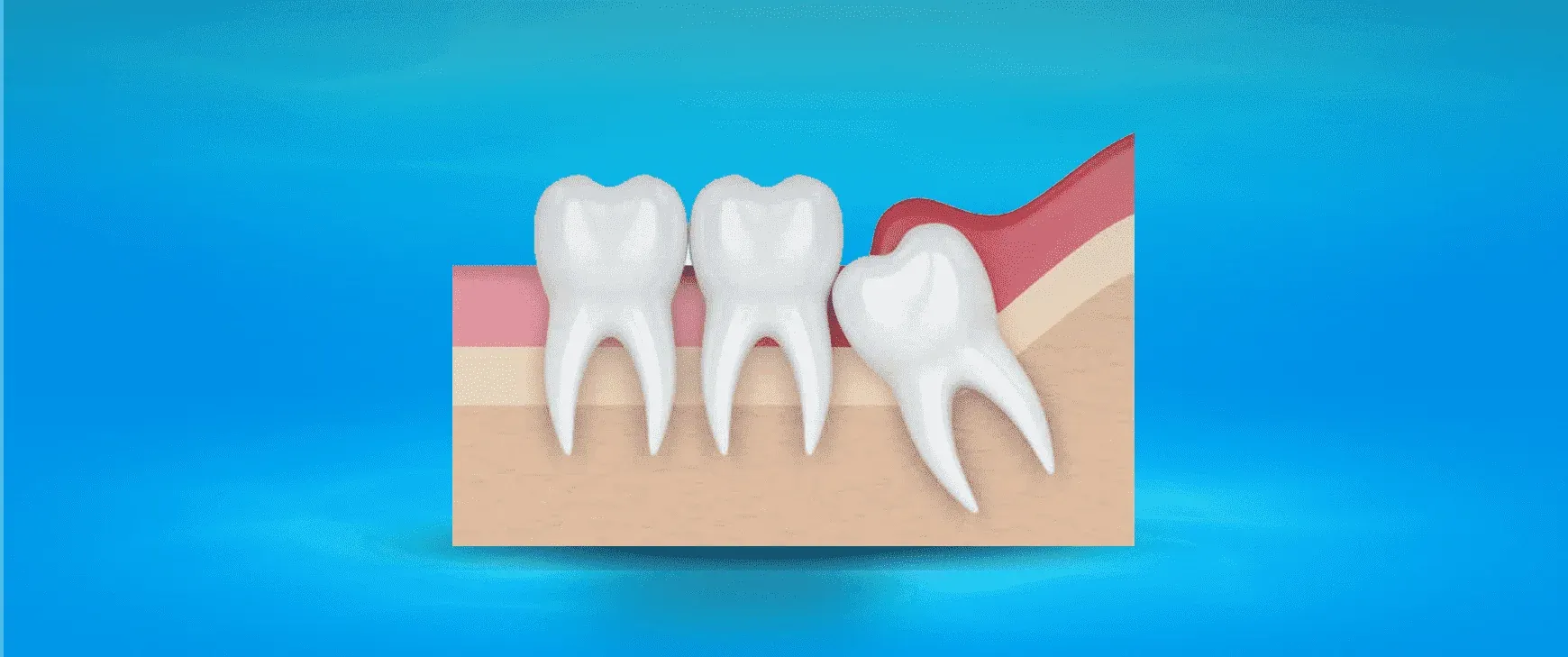
What is Dental Examination? How Is It Done?
Maintain optimal oral health with a routine dental examination. Discover what to expect and why regular checkups prevent costly dental issues.
Maintaining excellent oral health goes far beyond simply brushing your teeth twice a day. A professional dental examination is the cornerstone of preventive healthcare, ensuring that your teeth, gums, and entire mouth remain in optimal condition. Neglecting these routine checkups can lead to hidden decay, severe infections, and costly treatments down the road.
By understanding the importance of these diagnostic visits, patients can take proactive control over their oral hygiene. This comprehensive guide covers everything you need to know about the checkup process, how to prepare, and why prioritizing your oral health is one of the best investments you can make for your overall well-being.
What Is a Comprehensive Dental Examination?
A comprehensive dental examination is a thorough evaluation of your entire oral cavity, extending far beyond a quick glance at your teeth. Dentists use this dedicated time to assess the health of your gums, jawbone, tongue, and the soft tissues of your mouth. It serves as a baseline for your oral health, allowing professionals to track changes and identify potential issues before they become severe.
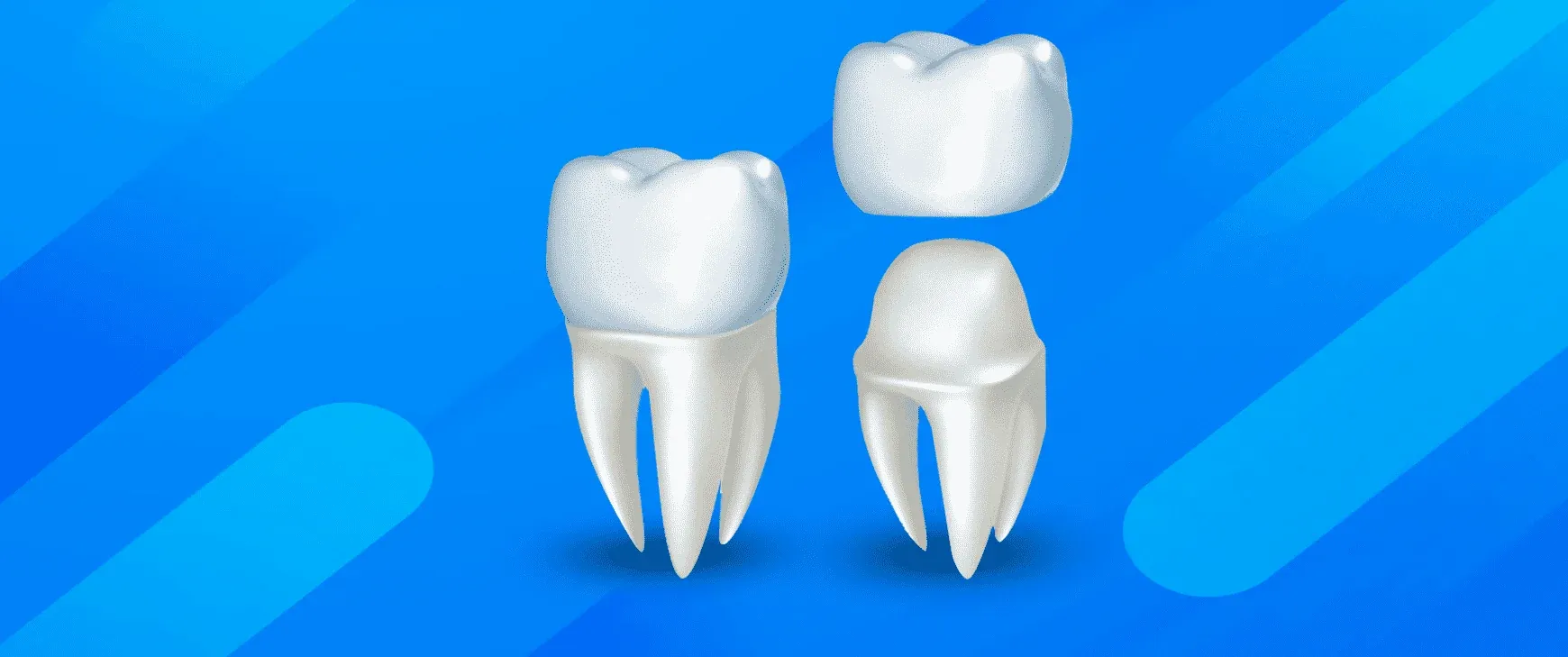
During this visit, the dentist is not only looking for cavities but also evaluating the structural integrity of previous dental work, such as old fillings, crowns, or bridges. This holistic approach ensures that no underlying pathology is missed, making the dental examination a vital diagnostic tool in modern dentistry.
Why Regular Dental Examination Appointments Are Crucial
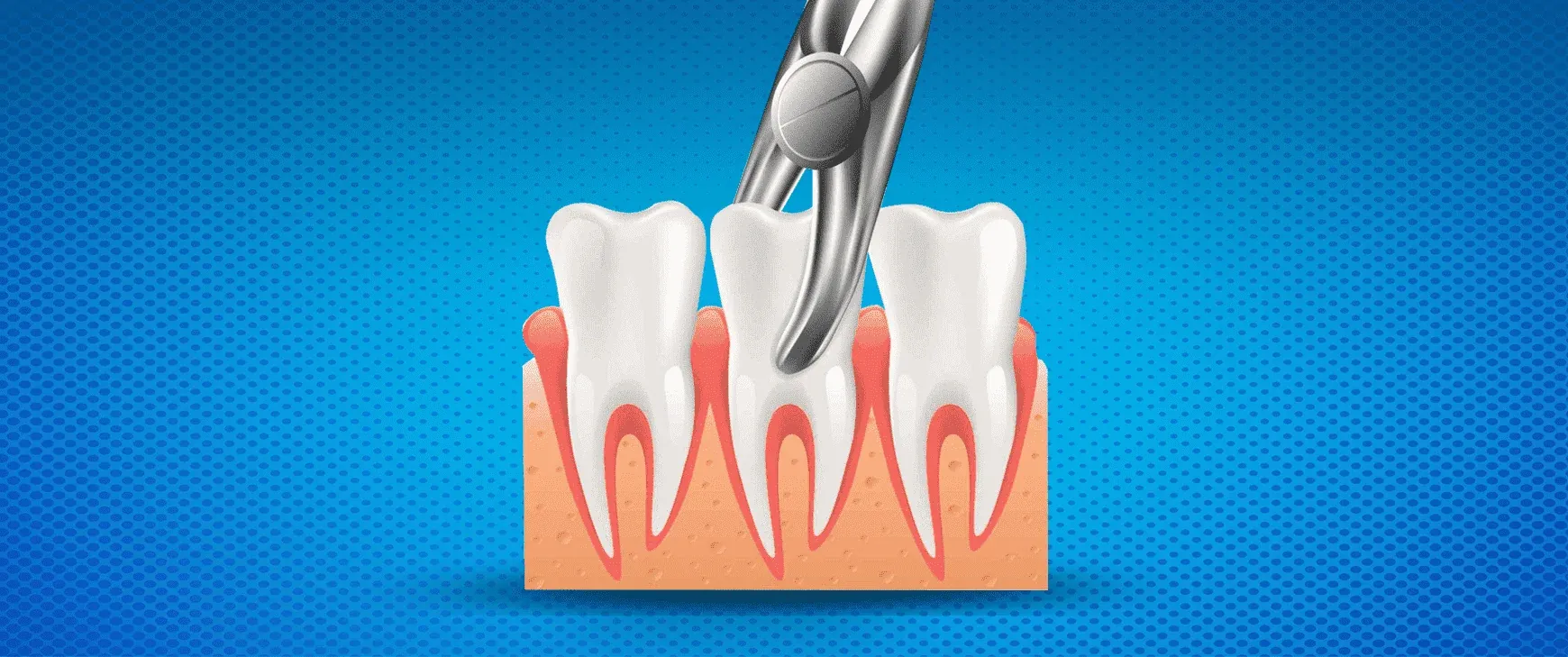
Preventive care is always more effective and affordable than restorative treatments. Regular dental examination appointments allow dentists to spot the earliest signs of enamel demineralization and gingivitis. By catching these issues early, interventions remain minimally invasive, sparing patients from complex procedures like root canals or extractions.
Furthermore, oral health is deeply connected to your systemic health. Bacteria from untreated oral infections can enter the bloodstream, potentially worsening conditions like cardiovascular disease and diabetes.
- Prevents tooth loss: Early detection of periodontal disease saves natural teeth.
- Saves money: Fixing a small cavity is much cheaper than replacing a lost tooth.
- Systemic health: A healthy mouth reduces the inflammatory burden on your entire body.
Step-by-Step: What to Expect During Your Dental Examination
Many patients experience anxiety simply because they do not know what happens once they sit in the dentist's chair. A standard dental examination follows a highly structured, clinical routine designed to evaluate every aspect of your oral health without causing discomfort. Understanding these steps helps demystify the process.
From the moment you open your mouth, the dentist uses specialized mirrors and explorers to check tooth surfaces and gum pockets. This is a gentle, systematic process that covers every quadrant of your mouth.
Medical History Review
Before looking at your teeth, the dentist will review your medical history. Current medications, allergies, and systemic conditions are discussed because they directly impact your oral health and treatment options.
Physical Evaluation
The physical phase involves tapping on teeth to check for sensitivity, measuring the depth of gum pockets, and visually inspecting the soft tissues for any abnormalities or signs of inflammation.
How Often Should You Schedule a Dental Examination?
The universally accepted guideline is to schedule a routine dental examination every six months. This biannual timeline is ideal for the average person, as it takes roughly six months for plaque to calcify into tartar and for early decay to become visible. However, this is not a one-size-fits-all rule.
Patients with a high risk of dental disease, such as heavy smokers, diabetics, pregnant women, or those with a history of severe periodontitis, may need to visit the clinic every three to four months. Your dentist will evaluate your unique risk factors and recommend a customized visit schedule tailored to your biological needs.
The Role of X-Rays and 3D Imaging Technologies
Visual inspections are limited to what the naked eye can see above the gumline. To look deeper, clinics utilize advanced radiography. Digital X-rays reveal decay hiding between teeth, bone loss in the jaw, and infections forming at the tips of tooth roots. These hidden dangers are impossible to diagnose without proper imaging.
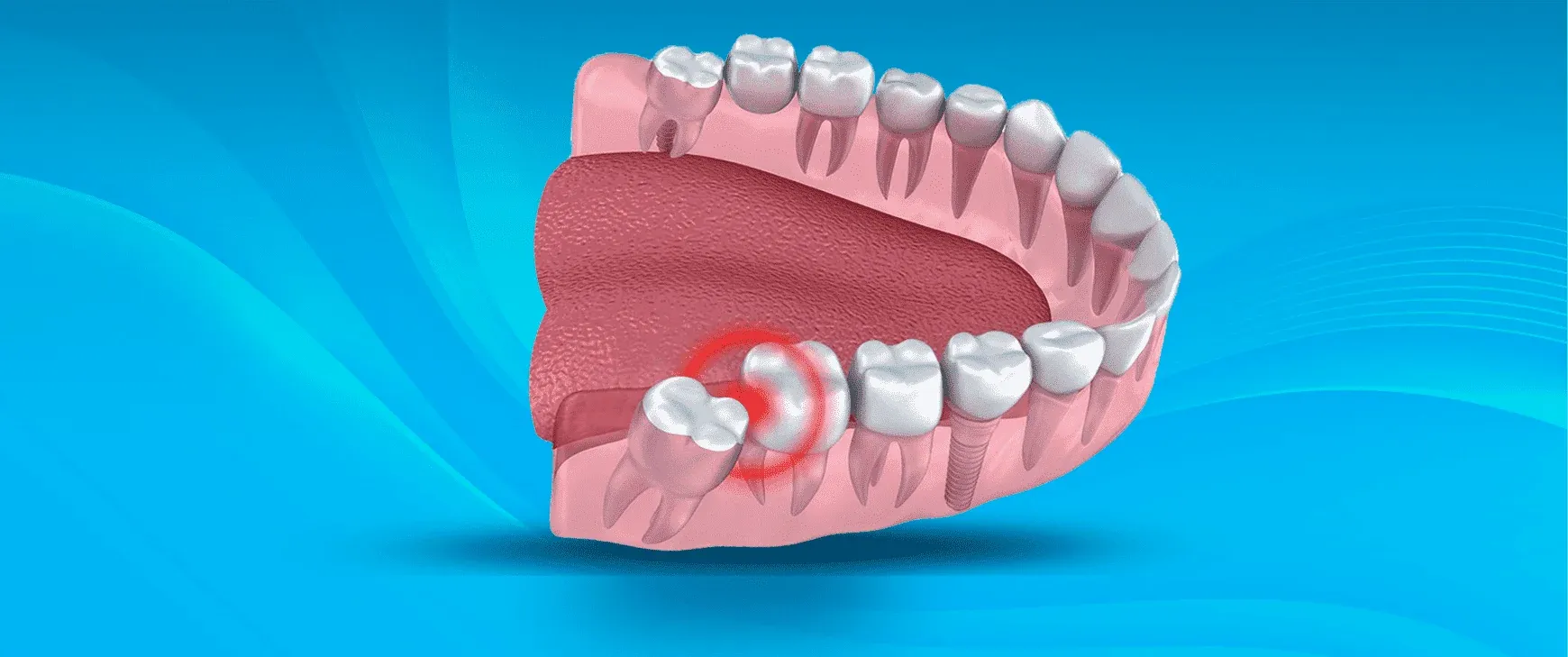
Modern facilities now incorporate panoramic X-rays and 3D Volumetric Tomography (CBCT) into their diagnostic routine. These high-tech tools provide a complete, multi-dimensional view of your facial anatomy, ensuring that impacted wisdom teeth, cysts, and nerve pathways are mapped out with microscopic precision.
Early Detection of Gum Disease and Oral Cancer
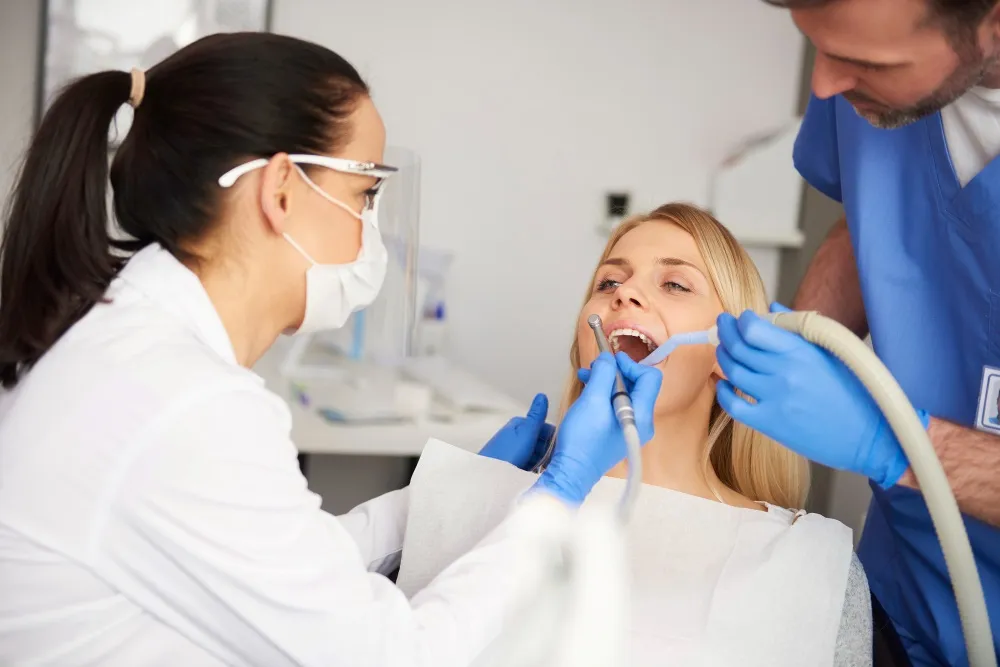
Periodontal disease is often referred to as a silent disease because it rarely causes pain in its early stages. During your checkup, the dentist measures the space between your teeth and gums using a periodontal probe. Deep pockets indicate active bone loss and require immediate therapeutic intervention to prevent tooth mobility.
Equally important is the oral cancer screening. The dentist carefully examines your tongue, the roof and floor of your mouth, the inside of your cheeks, and your throat for suspicious lesions, lumps, or discolorations. Detecting oral cancer in its earliest stages dramatically increases the success rate of life-saving treatments.
Routine Dental Examination for Children and Teens
Establishing good oral care habits starts at a very young age. Pediatric dentists recommend that a child's first dental examination should occur by their first birthday or when their first tooth erupts. These early visits acclimate the child to the clinical environment and help prevent early childhood caries, which are highly prevalent.
As children grow into their teenage years, the focus of the examination shifts toward monitoring the shedding of baby teeth and the eruption of permanent ones.
- Checking for cavities in deep grooves of molars.
- Applying protective fluoride varnishes and dental sealants.
- Monitoring jaw growth and identifying early signs of bite issues.
How to Prepare for Your First Dental Examination
Proper preparation can make your clinical visit significantly smoother and more productive. If you are visiting a new clinic for your first dental examination, be sure to gather your previous dental records, past X-rays, and a comprehensive list of any prescription medications or supplements you are currently taking.
On the day of your appointment, practice your normal oral hygiene routine. Brushing and flossing beforehand is not only polite but also removes loose food particles, allowing the dentist to see your enamel clearly. Do not stress if it has been years since your last visit; dentists are there to help, not to judge your current oral state.
Addressing Dental Anxiety Before Your Appointment
Dental fear, or odontophobia, is a globally recognized condition that prevents millions of people from seeking necessary care. It is completely normal to feel nervous about clinical sounds, smells, or the anticipation of pain. The most crucial step is to communicate this anxiety openly with your dentist before the checkup begins.
Today’s dental practices are designed to be soothing environments. Many clinics offer noise-canceling headphones, aromatherapy, and various levels of sedation—ranging from mild laughing gas to intravenous sedation—ensuring that you remain entirely relaxed and comfortable throughout the diagnostic process.
Costs and Inclusions of a Standard Dental Examination
Understanding the financial aspect of your healthcare helps eliminate unexpected surprises. A standard dental examination typically includes a comprehensive visual assessment, oral cancer screening, periodontal charting, and a set of routine diagnostic X-rays. At the end of the session, the dentist provides a detailed treatment plan outlining any required procedures.
For many patients facing high costs in their home countries, dental tourism has become a highly attractive alternative. Seeking care abroad allows patients to receive premium diagnostic services at a fraction of the cost. Patients save significantly while benefiting from world-class medical infrastructure and highly experienced specialists.
Professional Teeth Cleaning vs. Oral Checkups
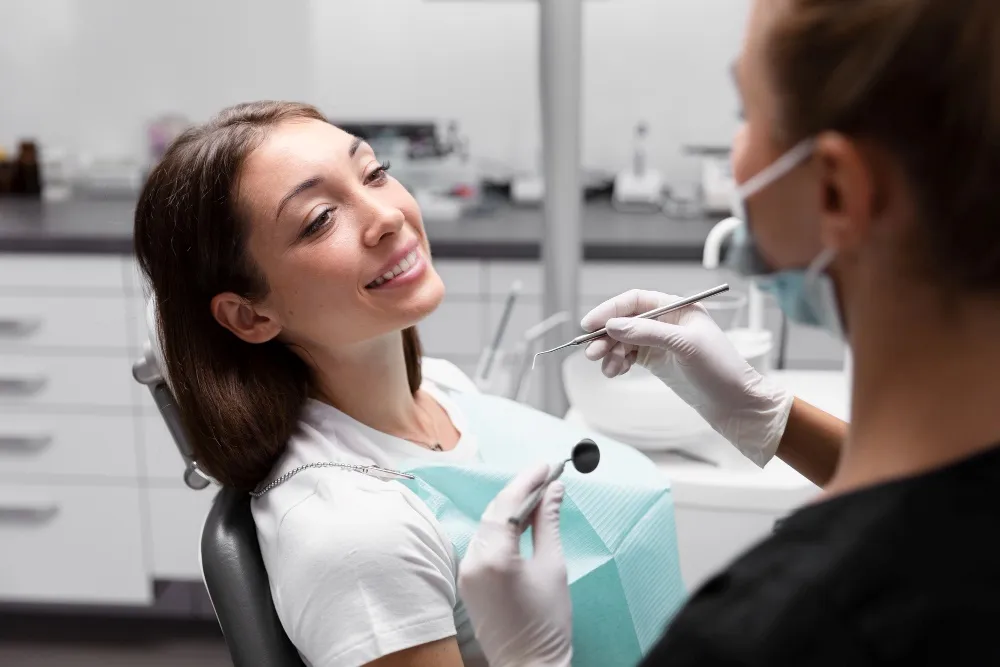
There is often confusion among patients regarding the difference between a checkup and a cleaning. The examination is purely diagnostic; it is the process of evaluating, diagnosing, and planning. The dentist is looking for diseases, structural damage, and assessing your overall oral pathology.
Conversely, professional teeth cleaning (scaling and polishing) is a preventive and therapeutic procedure usually performed during the same appointment. While brushing removes soft plaque, professional scaling is required to physically break down the hardened tartar calculus that clings to the enamel and inflames the gum tissue. Both steps are equally necessary.
Finding the Right Clinic for Your Needs
The accuracy of your diagnosis heavily depends on the expertise of the clinical team and the technology they utilize. When searching for a dental provider, look for centers that emphasize hygiene, possess modern imaging equipment, and house multiple specialists under one roof. This prevents you from being referred to different locations for different treatments.
Reading patient reviews and checking the clinic’s international accreditations can provide great peace of mind. For those looking to combine high-quality healthcare with exceptional service, choosing the best dental clinic in turkey is a guaranteed way to ensure that your oral health is evaluated by globally recognized experts.
Evaluating Orthodontic Needs During a Dental Examination
Beyond checking for cavities, the dentist pays close attention to your occlusion, which is how your upper and lower teeth fit together. Misaligned teeth, overbites, and underbites do not just cause aesthetic concerns; they create hard-to-clean areas that harbor bacteria and place uneven stress on the jaw joints, leading to severe TMJ disorders over time.
If an orthodontic issue is detected during your dental examination, the dentist will discuss modern solutions ranging from traditional braces to clear aligners. For patients seeking fast, affordable, and high-quality orthodontic care, opting for teeth straightening turkey provides access to cutting-edge alignment technologies and experienced orthodontists.
Cosmetic Consultations and Aesthetic Planning
A healthy mouth should also be a beautiful one. During routine checkups, dentists assess the aesthetic harmony of your smile. They take note of issues such as severe enamel discoloration, chipped edges, uneven gum lines, and gaps between teeth that might be affecting your self-confidence in social and professional settings.
If you express dissatisfaction with your appearance, the checkup seamlessly transitions into a cosmetic consultation. The dentist can utilize digital software to design a bespoke smile design plan, offering customized solutions like porcelain veneers, zirconia crowns, or professional whitening to give you the flawless smile you desire.
Post-Checkup Care and Maintaining Oral Hygiene at Home
The brief time you spend in the dental chair twice a year is only a fraction of the care your teeth require; the real work happens in your own bathroom. Following a checkup, your dentist will provide personalized advice on how to improve your daily routine based on what was observed during the examination. Following these instructions strictly is your best defense against decay.
If any treatments like fillings or deep cleanings were recommended, scheduling them promptly prevents the issues from worsening. Excellent home care combined with professional monitoring creates an unbreakable shield for your dental health.
Your Daily Hygiene Routine
Brush your teeth at least twice a day using a soft-bristled brush and fluoride toothpaste. Incorporate daily flossing to clean the tight interdental spaces, and consider using an antibacterial mouthwash to neutralize harmful acids and keep your breath fresh.
Dietary Choices for Strong Teeth
Minimize your intake of sugary snacks and highly acidic beverages like sodas and citrus juices, which rapidly erode enamel. Instead, drink plenty of water to stimulate saliva production and consume a diet rich in calcium and vitamins to keep your teeth and gums strong from the inside out.
Doctor Profile

This content has been evaluated in accordance with Hospitadent Medical Publication Board standards for medical accuracy, currency and patient information.
Our Awards
See All ›2019 – 2020
Health Tourism Champion
Since its founding, Hospitadent has provided oral and dental care to patients travelling from every continent for health tourism. In the Service Exporters' Association research of 2019 and 2020, we ranked first in the Dental Health Services category. Within the same report we placed 15th among all healthcare institutions in 2019 and moved up to 10th in 2020. With uncompromising customer satisfaction, Hospitadent remains the healthcare institution that treats the highest number of international oral and dental patients.
2013
TEMOS International Quality Certificate
Guided by dedicated international departments, Hospitadent welcomes patients from abroad without any language barriers, offering assistance with accommodation, city and Bosphorus tours, concierge guidance, treatment logistics and medication support to keep satisfaction at its peak. With the goal of carrying the same quality standards to both Turkish and foreign patients, we received the TEMOS "International Quality in Dental Care" certificate in 2013—an accreditation granted by the organization that evaluates and certifies worldwide patient service quality based on the "Made in Germany" quality seal.
2020
Turquality Brand Support Program
For 16 years, the Turquality Brand Support Program has helped Turkish products build and promote their image abroad. Dental Group Hospitadent earned the right to join this initiative, taking an important step on its branding journey. Being the first dental healthcare group in a program that includes only five hospitals from the healthcare sector proves not only the quality image we project, but also the high standards we uphold.
2018
Stevie Awards – Most Innovative Customer Service
The Stevie Awards, recognized worldwide for honoring outstanding organizations and leaders, is the only international business awards program. In 2018, Hospitadent became the first hospital in Turkey to win a Stevie Award by receiving the "Most Innovative Customer Service of the Year" prize. Signature experiences such as Smiling Center, Digital Smile Design and Dental SPA played a decisive role in earning this accolade.
2019 – 2020
Service Exporters Association Award
Serving dental tourists from all over the world since its foundation, Hospitadent was honored by the Service Exporters' Association in the Champions of Service Exports program, which celebrates the rising value of Turkey's service industries. Thanks to its contribution to the national economy, Hospitadent received a certificate of achievement and ranked 15th among general healthcare institutions in 2019 and 10th in 2020, continuing to lead oral and dental treatments with an unwavering focus on patient satisfaction.
2021
Great Place To Work® Certified
Based on the employee experience and satisfaction survey completed by our teams, GPTW Turkey evaluated Hospitadent and awarded us the "Great Place To Work® Certified" distinction. As the first and only dental hospital holding this leading workplace culture certificate, Hospitadent continues its journey toward many more achievements.