Dental Crowns: Types,Procedure, Benefits & Cost
What are dental crowns and how do they reinforce damaged teeth? Discover the zirconia, porcelain, and ceramic options, application phases, and care tips.
If your dentist has just recommended a crown, you're probably asking yourself: What Is a Dental Crown? It's one of the most common questions patients ask before a restorative procedure, and understanding the answer can make the whole process feel far less intimidating. Restorative dentistry offers numerous advanced techniques to rebuild damaged teeth, restore chewing functionality, and recreate a aesthetically pleasing smile. However, choosing the correct restoration requires a clear understanding of your tooth's specific structural needs.
What Is a Dental Crown?
A dental crown is a full-coverage, custom-fabricated cap that a dentist permanently fits over a damaged tooth, encasing it completely down to the gumline. Unlike a filling, which only patches a small cavity, a dental crown rebuilds the entire visible structure of a tooth — its shape, size, strength, and natural appearance — acting like a protective shell that lets you bite, chew, and smile with confidence again.
Think of a dental crown as an artificial layer of enamel. It wraps 360 degrees around the tooth, binding the remaining natural structure together and spreading chewing forces evenly across the root. This is what makes a dental crown so effective at preventing a weakened tooth from splitting or fracturing under everyday pressure. When a natural tooth undergoes severe trauma, large decay, or root canal therapy, its structural integrity is compromised. A full cap absorbs these mechanical stresses so your root stays safe beneath the gum level.
In short, if you're still asking yourself What Is a Dental Crown? , the simplest answer is this: it's the strongest, most complete way to bring a damaged tooth back to full function while simultaneously matching the shade and contours of your surrounding natural teeth.
When Do You Need a Dental Crown?
Not every damaged tooth needs a dental crown — many small cavities can still be treated with a simple composite filling. However, dentists typically recommend a dental crown when structural integrity is seriously threatened:
- A tooth has extensive decay that leaves too little healthy structure for a filling to support
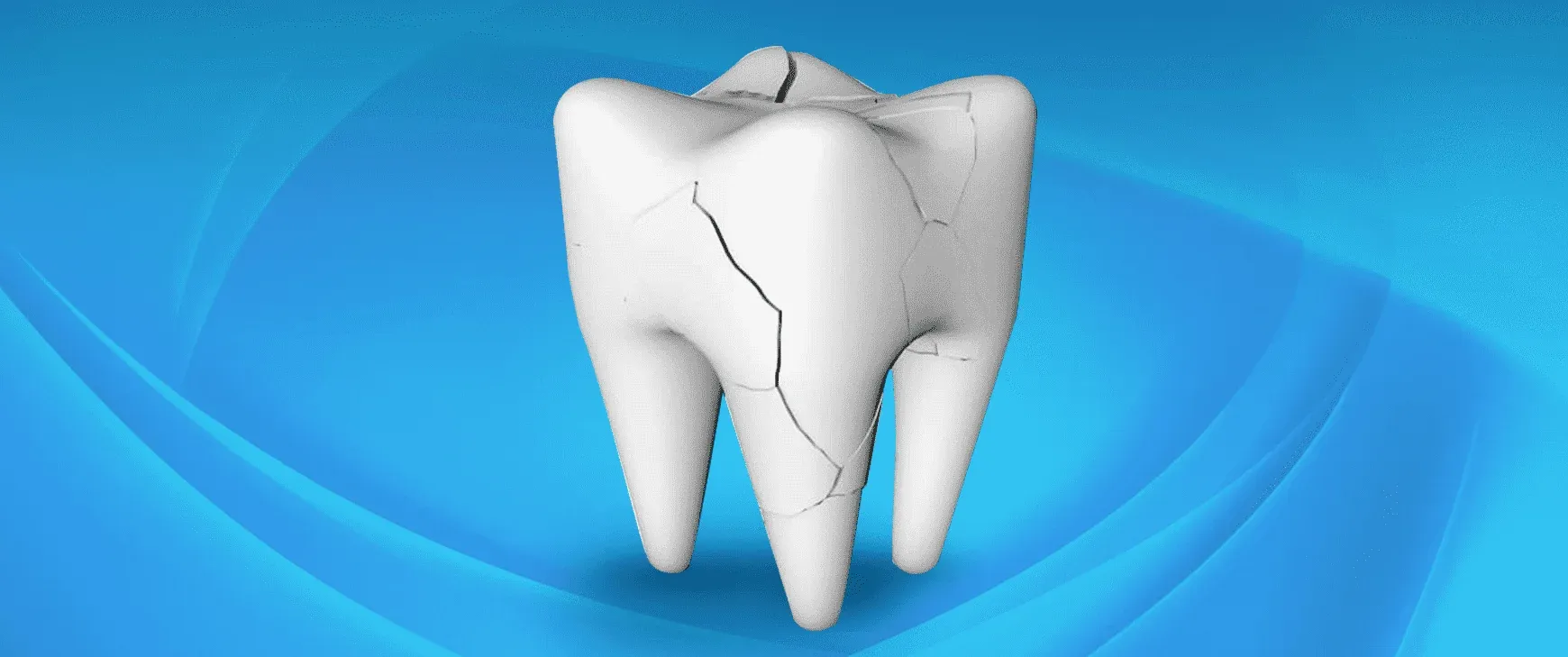
- The tooth has a deep crack or fracture that threatens to split further under daily chewing pressure
- A root canal has been performed, leaving the inner tooth hollowed out, brittle, and vulnerable to snapping
- A tooth is severely worn down from severe bruxism (nighttime teeth grinding) or age-related acid erosion
- A large old filling is failing, leaking, or cracking and needs to be replaced with a far more durable restoration
- You want to anchor a dental bridge securely or cover an artificial dental implant abutment
In each of these clinical scenarios, a dental crown provides the complete full-coverage reinforcement that a minor surface filling or cosmetic shell simply cannot deliver. Once you review these conditions, the fundamental question What Is a Dental Crown? answers itself clearly: it is the definitive restorative solution for severe structural tooth loss.
Dental Crown Materials: Which One Is Right for You?
Before comparing materials, it helps to revisit What Is a Dental Crown? in terms of what it's made from — because the material you choose directly affects how your crown looks, feels, withstands biting forces, and performs over many years.
Modern dentistry offers several premium dental crown materials, each engineered with unique strengths regarding durability, biocompatibility, and optical aesthetics.
Porcelain-Fused-to-Metal (PFM) Crowns
This traditional dental crown type uses a strong cast-metal alloy core covered with layers of hand-stacked ceramic porcelain. PFM crowns are known for their exceptional physical strength, making them a solid choice for back molars that endure heavy chewing load. However, because of the dark metal base underneath, a thin dark line can sometimes become visible near the gumline as natural gums recede over time.
E-Max (Glass Ceramic) Crowns
Made from lithium disilicate glass ceramic, E-Max dental crowns offer outstanding light translucency and can be precisely shade-matched to blend seamlessly with natural tooth enamel. This exceptional lifelike optical quality makes them a top dental crown option for front teeth, where aesthetics matter most.
Zirconia Crowns
Milled from a solid block of medical-grade zirconium dioxide ceramic, the zirconia dental crown is one of the strongest, most durable, and most biocompatible options available in contemporary dentistry today. Because high-translucency zirconia is completely metal-free, this type of dental crown never causes tissue irritation, metal allergies, or dark gumline discoloration — while allowing dentists to preserve more natural tooth structure during preparation. If you want to explore detailed clinical benefits or check zirconium crown prices 2026 options, evaluating material durability against long-term cost offers clear guidance for your investment.
When deciding on modern restorations, many patients find that zirconium crowns offer the ideal balance between extreme mechanical resistance and natural-looking translucency, making them suitable for both anterior aesthetic zones and heavy-load posterior molars.
Dental Crown vs. Veneer: What's the Difference?
Patients often confuse a dental crown with a cosmetic veneer, but these two popular treatments serve very different clinical and aesthetic purposes:
|
Dental Crown |
Veneer | |
|
Coverage |
Full 360° coverage of the tooth |
Thin shell on the front surface only |
|
Tooth reduction |
More substantial circumferentially |
Minimal enamel removal on front face |
|
Purpose |
Restores structural strength and function |
Cosmetic shape, color, and gap refinement |
|
Best for |
Decayed, fractured, or root-canaled teeth |
Healthy teeth with minor cosmetic flaws |
In short, a dental crown is a structural, functional restoration engineered for compromised teeth, while a veneer is a conservative cosmetic enhancement for structurally healthy teeth. For patients seeking a red-carpet smile transformation without heavy structural damage, custom laminate veneers offer a minimally invasive technique to fix minor gaps, stubborn staining, and asymmetrical tooth contours.
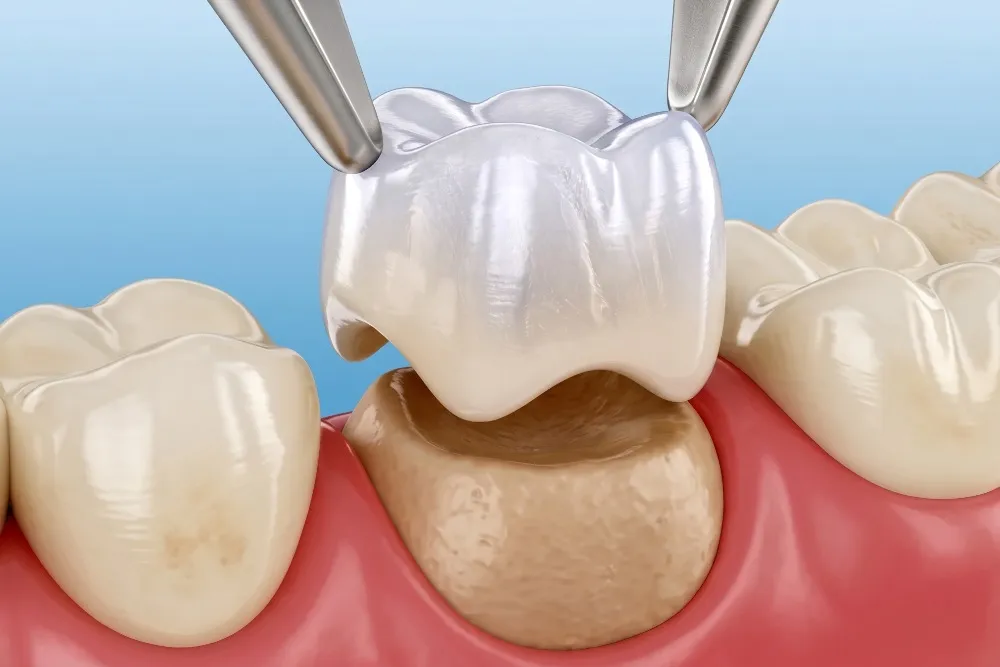
How Is a Dental Crown Placed? Step by Step
Getting a high-quality dental crown is a precise, systematic clinical process typically completed over two structured visits:
- Diagnostic Examination & Preparation – The dentist numbs the target area with local anesthesia to ensure zero discomfort. Next, the natural tooth is carefully reshaped, removing damaged outer enamel to create sufficient clearance for the new crown material.
- Digital Impressioning & Color Matching – Advanced 3D intraoral optical scanners or physical precision impressions capture every detail of your prepared tooth and bite alignment. Your dentist selects an exact shade match corresponding to neighboring teeth.
- Temporary Crown Fabrication – A custom temporary acrylic cap is placed over the prepared tooth using temporary cement, protecting vulnerable dentin and keeping your smile functional while the laboratory fabricates your permanent piece.
- Final Placement & Permanent Cementation – Once ready, the temporary cap is removed. The permanent dental crown is thoroughly evaluated for marginal fit, contact points, aesthetic color blending, and bite comfort before being bonded permanently with medical-grade resin cement.
Is Getting a Dental Crown Painful?
Thanks to modern dental techniques and local anesthetics, preparing a tooth for a dental crown is entirely pain-free. While you might feel light physical pressure or hear dental instrumentation, sharp sensations are completely blocked. Following procedure completion and anesthetic wear-off, minor gum sensitivity or mild temperature awareness is normal. This temporarily subsides within a few days once the tissue adapts around your newly fitted dental crown.
How Long Does a Dental Crown Last?
When supported by proper oral care and routine professional examinations, a high-grade dental crown frequently lasts 10 to 15 years, and often well past two decades. The advanced dental ceramics, zirconia, and metal alloys used in a modern dental crown are completely immune to biological tooth decay themselves — but the natural living root and gum line underneath remain vulnerable.
If plaque, food debris, and destructive bacteria build up along the micro-margin where the dental crown meets your natural tooth line, decay can slowly undermine the cement layer. Maintaining exceptional oral hygiene along these margins is the single most critical factor in ensuring your crown lasts a lifetime.
Can a Tooth Still Get a Cavity Under a Dental Crown?
Yes, absolutely. A widespread myth among dental patients is that capping a tooth with a dental crown makes it permanently invulnerable to future decay. While it is true that synthetic ceramic materials cannot rot or form cavities, the natural underlying root structure, dentin, and tooth margin remain organic tissue.
Inadequate daily brushing and flossing allow bacterial biofilm to collect along the margin where the crown edge meets the gumline. Over time, bacteria secrete acids that break down the protective dental cement seal, creating a hidden path into the natural tooth structure underneath. Because this underlying decay develops silently under the solid shell of the dental crown, it may go unnoticed without routine dental X-rays until significant structural damage occurs.
Caring for Your Dental Crown: Essential Daily Habits
Maintaining your dental crown requires simple, consistent habits that protect both the restoration and the natural tooth beneath it:
- Brush thoroughly twice daily: Use a soft-bristled toothbrush and fluoride toothpaste, giving dedicated attention to the gumline margin where the crown edge contacts natural tooth structure.
- Floss meticulously around the restoration: Slide dental floss gently between the crowned tooth and adjacent teeth every day to eliminate plaque accumulation and prevent interdental cavity formation.
- Avoid destructive biting habits: Do not use your crowned teeth as tools to open packages, and avoid biting directly into extremely hard items like ice cubes, unpopped popcorn kernels, or hard candy.
- Use a protective nightguard if you grind your teeth: Unconscious nocturnal bruxism exerts extreme pressure that can chip porcelain surfaces or weaken underlying cement bonds over time.
- Maintain regular professional dental visits: Visit your dental clinic every six months for professional cleanings and clinical checkups, enabling your dentist to evaluate the integrity of the crown seal using digital X-rays.
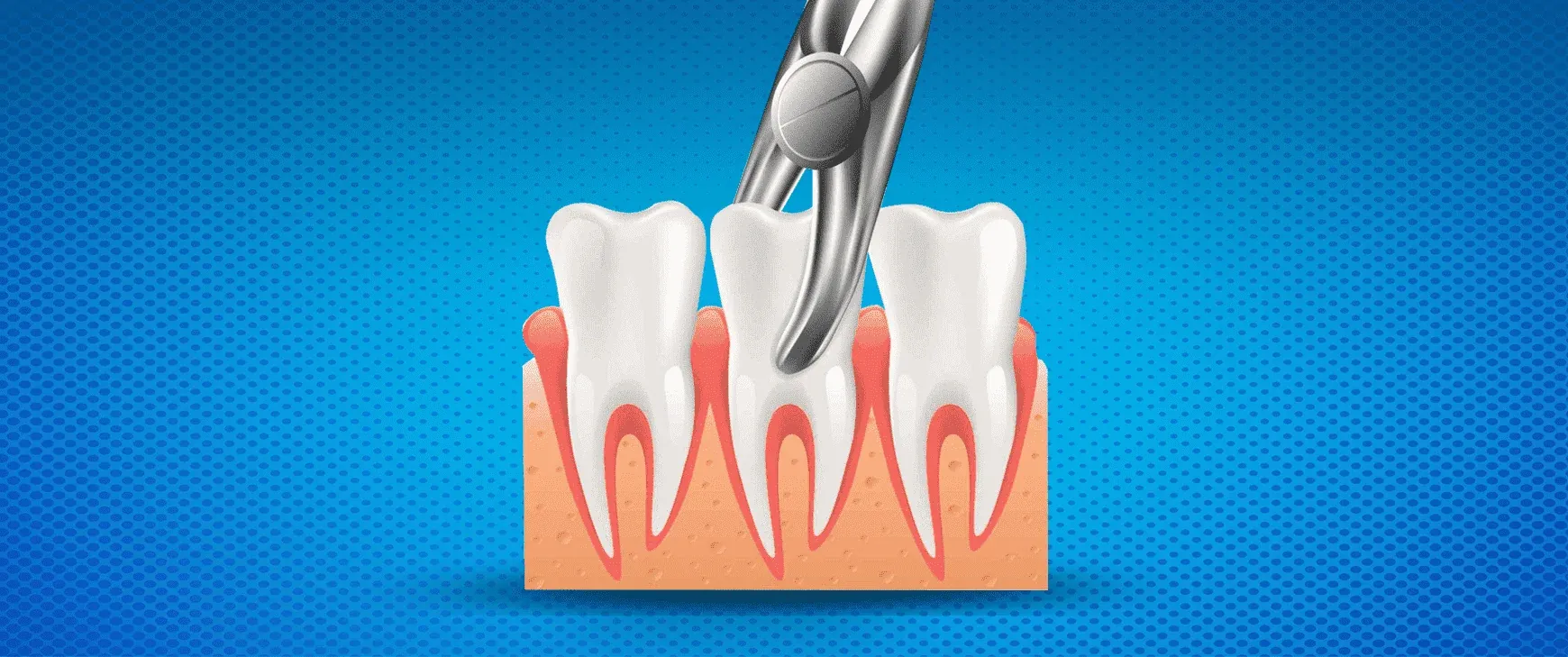
Dental Crown or Extraction? When a Tooth Can't Be Saved
Despite the incredible structural strength provided by a dental crown, certain severely damaged teeth cannot be saved. If a deep vertical root fracture extends down into the jawbone, or if severe decay has destroyed the sound tooth structure below the gumline, the tooth becomes clinically unsalvageable. In such advanced cases, dental extraction followed by a titanium dental implant becomes the necessary medical recommendation.
However, whenever a natural tooth root remains dense, healthy, and securely anchored in surrounding bone, saving it through root canal therapy followed by a full-coverage dental crown is always the preferred conservative clinical path. Preserving your natural root preserves natural periodontal ligaments and maintains proper jawbone density over time.
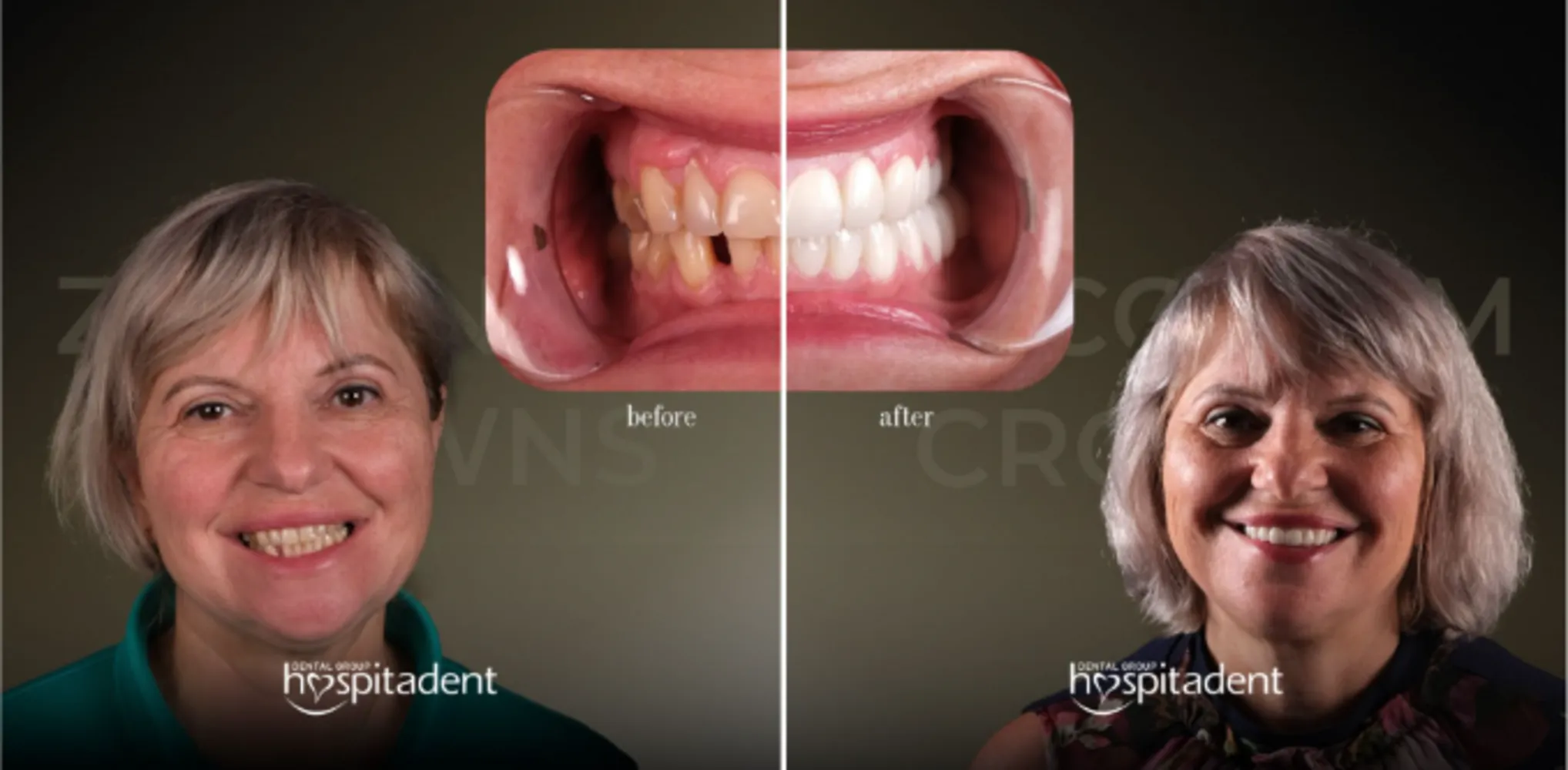
The Cost of a Dental Crown: Why Patients Travel Abroad
The financial investment required for high-grade dental crown treatments — particularly premium materials like monolithic zirconia or layer-cut E-Max ceramic — can be quite substantial in countries across Western Europe, the UK, and North America. For patients requiring full-mouth rehabilitation, multiple crowns, or comprehensive smile redesigns, domestic prices often become financially overwhelming.
Because of these significant cost differences, millions of international patients choose to travel abroad for specialized dental treatment. Destinations renowned for advanced health tourism offer state-of-the-art clinic infrastructure, highly experienced prosthodontists, and in-house digital CAD/CAM milling laboratories. This allows international patients to receive world-class dental crown restorations, personalized care packages, and complete smile transformations at a fraction of Western costs without ever compromising on material quality, safety standards, or clinical outcomes.
Doctor Profile
Author and Medical Review
Dr. Jonathan CAN ATALAYProsthetic Dental Treatment Specialist
View ProfileThis content has been evaluated in accordance with Hospitadent Medical Publication Board standards for medical accuracy, currency and patient information.
Our Awards
See All ›2019 – 2020
Health Tourism Champion
Since its founding, Hospitadent has provided oral and dental care to patients travelling from every continent for health tourism. In the Service Exporters' Association research of 2019 and 2020, we ranked first in the Dental Health Services category. Within the same report we placed 15th among all healthcare institutions in 2019 and moved up to 10th in 2020. With uncompromising customer satisfaction, Hospitadent remains the healthcare institution that treats the highest number of international oral and dental patients.
2013
TEMOS International Quality Certificate
Guided by dedicated international departments, Hospitadent welcomes patients from abroad without any language barriers, offering assistance with accommodation, city and Bosphorus tours, concierge guidance, treatment logistics and medication support to keep satisfaction at its peak. With the goal of carrying the same quality standards to both Turkish and foreign patients, we received the TEMOS "International Quality in Dental Care" certificate in 2013—an accreditation granted by the organization that evaluates and certifies worldwide patient service quality based on the "Made in Germany" quality seal.
2020
Turquality Brand Support Program
For 16 years, the Turquality Brand Support Program has helped Turkish products build and promote their image abroad. Dental Group Hospitadent earned the right to join this initiative, taking an important step on its branding journey. Being the first dental healthcare group in a program that includes only five hospitals from the healthcare sector proves not only the quality image we project, but also the high standards we uphold.
2018
Stevie Awards – Most Innovative Customer Service
The Stevie Awards, recognized worldwide for honoring outstanding organizations and leaders, is the only international business awards program. In 2018, Hospitadent became the first hospital in Turkey to win a Stevie Award by receiving the "Most Innovative Customer Service of the Year" prize. Signature experiences such as Smiling Center, Digital Smile Design and Dental SPA played a decisive role in earning this accolade.
2019 – 2020
Service Exporters Association Award
Serving dental tourists from all over the world since its foundation, Hospitadent was honored by the Service Exporters' Association in the Champions of Service Exports program, which celebrates the rising value of Turkey's service industries. Thanks to its contribution to the national economy, Hospitadent received a certificate of achievement and ranked 15th among general healthcare institutions in 2019 and 10th in 2020, continuing to lead oral and dental treatments with an unwavering focus on patient satisfaction.
2021
Great Place To Work® Certified
Based on the employee experience and satisfaction survey completed by our teams, GPTW Turkey evaluated Hospitadent and awarded us the "Great Place To Work® Certified" distinction. As the first and only dental hospital holding this leading workplace culture certificate, Hospitadent continues its journey toward many more achievements.
Patient Reviews
Experiences of our patients
Jasdev Chima
Have just visited Hospitadent in… Have just visited Hospitadent in Istanbul to get my teeth done. Had 20 crowns put in and they look fantastic, the process was smooth and painless and the staff were so welcoming, helpful and supportive, Dr Akif was awesome and he’s great at what he does my patient consultant Dr Sinan was extremely helpful throughout the process and my stay and massive thanks to Aya the translator who was present throughout my time and visits there and was very helpful which made everything more comfortable for me. Would definitely recommend to anyone looking to get their teeth done. Massive thank you to the team and staff.
Alastair Innes
Outstanding care From the very srart, all of the staff were kind, friendly and professional, after the consultation and plan , there was no pressure selling only good advie , the dental work was spread over several days with a day off in the middle I had 1 x implant, 1x bone graft, 4 replacement crowns, 1 x root extraction and a filling At all times the dentists and surgeons were calm , kind, gentle and proffessional The hospital / clinic is very modern , better than my local denist
All reviews are from our real patients.