What is an Impacted Tooth? How Is It Extracted?
Need an impacted tooth extraction? Learn about the symptoms, surgical process, and aftercare tips to ensure a safe, pain-free recovery.
Dental health is a complex field, and sometimes teeth do not develop or emerge as they naturally should. An impacted tooth is a common yet highly problematic condition that requires professional intervention to prevent long-term damage to your oral cavity. Left unaddressed, this hidden dental issue can lead to severe pain, structural shifts, and dangerous infections.
Understanding the mechanics, risks, and extraction processes associated with an impacted tooth is crucial for maintaining a healthy and functional bite. This comprehensive guide will explore every aspect of this condition, from the initial diagnostic phases to the post-operative recovery, ensuring you are fully prepared for your surgical journey.
What Exactly Is an Impacted Tooth and Why Does It Happen?
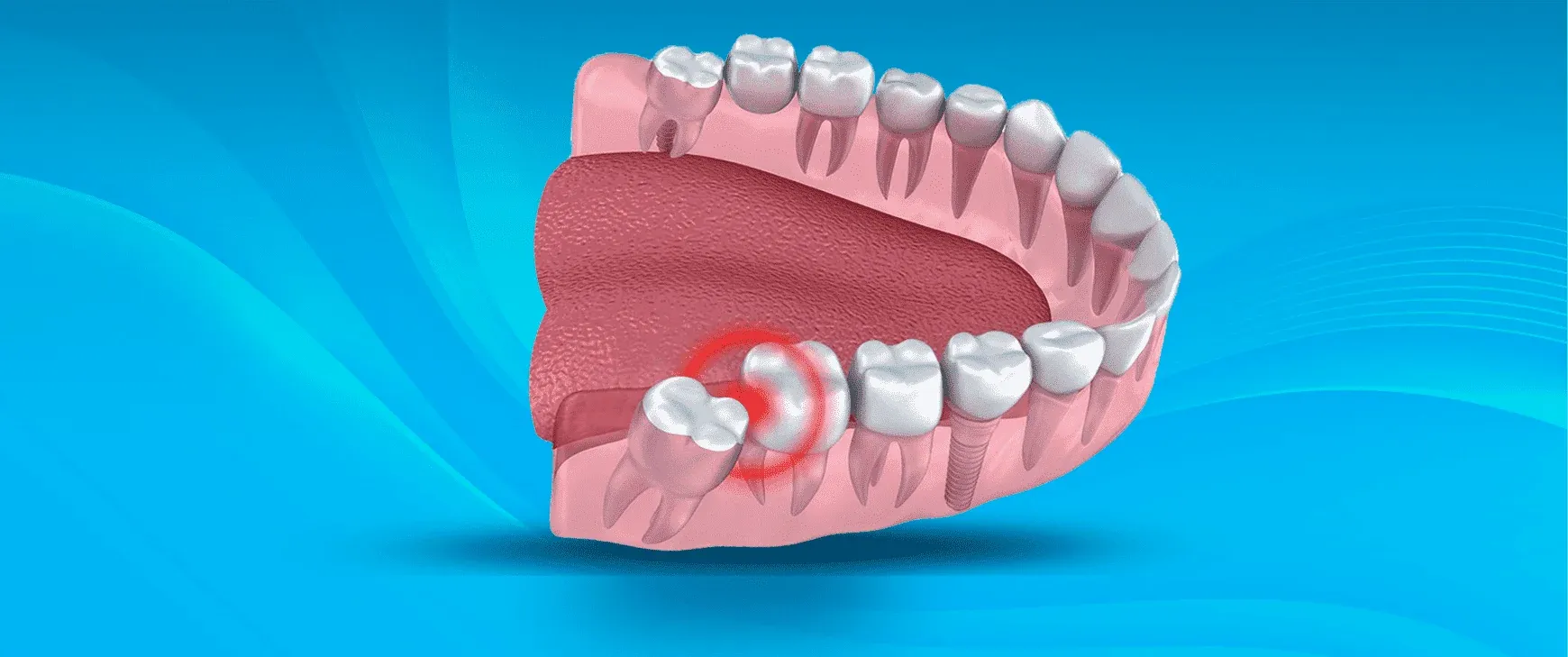
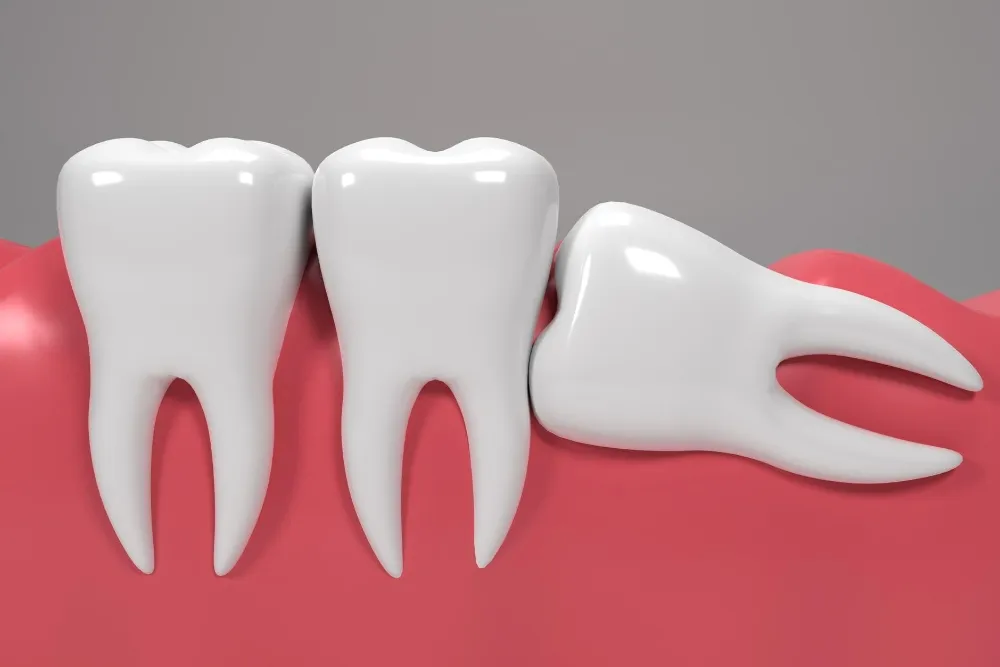
An impacted tooth is essentially a tooth that has failed to emerge fully through the gums into its expected, functional position. Instead of breaking through the tissue smoothly, it becomes blocked, trapped, or wedged against bone, fibrous tissue, or neighboring teeth. This condition prevents the tooth from serving its natural purpose in chewing or biting.
The primary reason this occurs is a lack of adequate space in the jawbone. Human jaws have become progressively smaller over thousands of years of evolution, leaving very little room for late-erupting teeth. Additionally, genetic factors, early loss of primary teeth, or an unusually dense layer of gum tissue can all contribute to a tooth becoming permanently stuck beneath the surface.
Common Symptoms and Signs of an Impacted Tooth
In its earliest stages, an impacted tooth might not present any visible signs or cause any immediate discomfort. Many patients are completely unaware they have a hidden problem until a dentist discovers it during a routine radiographic examination. However, as the tooth attempts to push through the bone or begins to press against adjacent roots, the clinical picture can change drastically.
When symptoms do arise, they are typically acute and highly uncomfortable. The pressure exerted by the trapped tooth triggers inflammation in the surrounding tissues, leading to localized pain that can radiate to the ear or jaw joint.
- Throbbing pain or tenderness in the back of the jaw.
- Red, swollen, or bleeding gums over the hidden tooth.
- A persistent bad taste in the mouth or chronic bad breath.
- Difficulty or severe stiffness when trying to open the mouth.
Which Teeth Are Most Likely to Become Trapped?
While theoretically, any tooth can fail to erupt properly, the third molars—commonly known as wisdom teeth—are overwhelmingly the most frequent culprits. Because they are the last teeth to develop and attempt to enter the oral cavity, usually between the ages of seventeen and twenty-five, they frequently find that all available space has already been occupied by the other permanent teeth.
The second most common teeth to suffer from this condition are the maxillary cuspids, also known as the upper canines. These teeth play a critical role in the bite mechanism and facial aesthetics. When upper canines fail to descend, orthodontists and oral surgeons must often work together to expose and guide them down, rather than simply extracting them like they would with a wisdom tooth.
The Serious Complications of Leaving an Impacted Tooth Untreated
Ignoring the presence of an impacted tooth is a risky decision that almost invariably leads to severe dental complications over time. Because the tooth is partially or fully encased in bone and tissue, it creates a highly unnatural biological environment. The sac that surrounds the developing tooth can fill with fluid, forming a cyst that slowly destroys the jawbone, nerves, and adjacent teeth.
Furthermore, if the tooth partially breaches the gum line, it creates a deep, un-cleanable pocket. Bacteria quickly colonize this dark, moist area, leading to pericoronitis—a painful and potentially dangerous bacterial infection. This localized infection can rapidly spread to the neck and throat if left without aggressive medical intervention.
Bone Loss and Periodontal Risks
The chronic inflammation caused by a trapped tooth constantly triggers the body’s immune response. Over years, this persistent inflammatory state degrades the alveolar bone supporting your healthy neighboring teeth, increasing the risk of premature tooth mobility and advanced periodontal disease.
Diagnostic Procedures: How Dental Professionals Spot Hidden Problems
Accurate diagnosis is the foundational step before any surgical intervention can be planned. Because the problematic tooth is usually buried deep within the jaw, visual clinical inspections are entirely insufficient. Dentists rely heavily on advanced imaging technologies to peer beneath the gum line and assess the orientation, depth, and anatomical risks associated with the trapped tooth.
A standard panoramic X-ray provides an excellent two-dimensional overview of the entire jaw, revealing the general position of the tooth. However, for complex extractions, a 3D Cone Beam Computed Tomography (CBCT) scan is often required. This 3D imaging allows the surgeon to see the exact proximity of the tooth roots to sensitive structures like the inferior alveolar nerve or the sinus cavities.
What to Expect During an Impacted Tooth Extraction Procedure
Facing oral surgery can be an intimidating prospect, but understanding the clinical workflow can significantly alleviate patient anxiety. Your journey begins with a comprehensive consultation where the oral surgeon evaluates your imaging, discusses your medical history, and formulates a precise surgical blueprint tailored to your specific anatomical needs.
On the day of the procedure, the primary focus is entirely on your comfort and safety. Once the anesthesia has taken full effect, the surgical team proceeds methodically, ensuring that the impacted tooth is removed with minimal trauma to the surrounding bone and soft tissues. The entire process is highly controlled and monitored continuously by the clinical staff.
Available Anesthesia Options for Oral Surgery Comfort
Modern dentistry prioritizes a painless and anxiety-free experience during complex extractions. The choice of anesthesia largely depends on the complexity of the extraction, the estimated duration of the surgery, and the patient's personal anxiety levels. Local anesthesia is standard; it completely numbs the extraction site, ensuring you feel pressure but absolutely no sharp pain during the work.
For patients who experience severe dental phobia or for cases involving the removal of multiple deeply buried teeth, stronger sedatives are utilized. Intravenous (IV) sedation places the patient in a state of deep relaxation, often resulting in no memory of the procedure itself. In the most complex maxillofacial cases, general anesthesia in a hospital-grade setting might be recommended to ensure total immobility and comfort.
Step-by-Step Guide to the Impacted Tooth Surgical Process
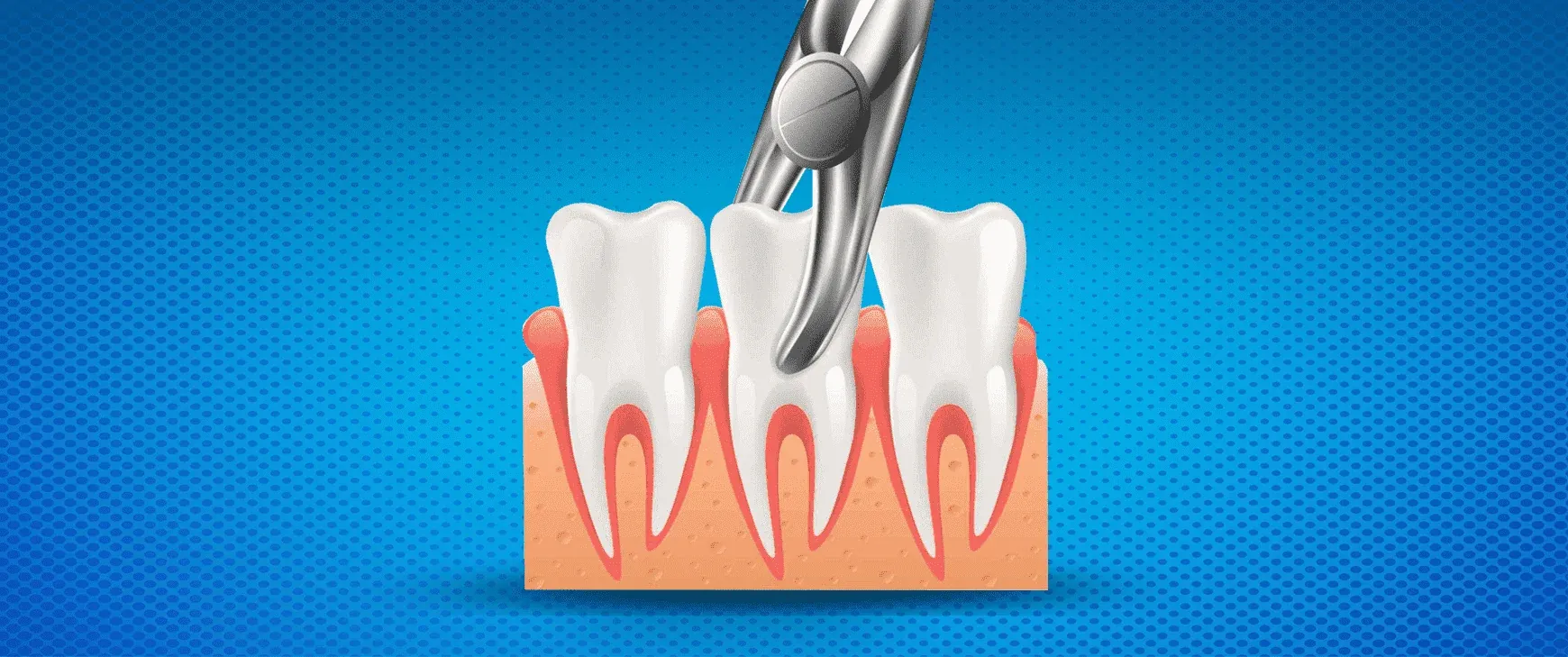
The actual removal of an impacted tooth is a precise surgical protocol that differs significantly from pulling a normally erupted tooth. Because the tooth is blocked by bone or gums, the surgeon must first gain access to it. This involves making a small, clean incision in the gum tissue to expose the hidden crown and the bone encasing it.
Once the tooth is visible, the surgeon may need to carefully remove a small amount of the overlying bone using a specialized surgical handpiece. To minimize trauma to the jaw, the tooth is frequently divided into smaller sections, allowing it to be extracted piece by piece rather than using excessive force.
- Administration of local anesthesia or IV sedation.
- Incision of the gingival tissue to expose the surgical site.
- Removal of any obstructing jawbone covering the tooth.
- Sectioning the tooth into fragments for easier, atraumatic removal.
- Thorough cleaning of the socket and placement of dissolving sutures.
Crucial Post-Operative Care Instructions for Rapid Healing
The success of an extraction is highly dependent on how diligently the patient follows post-operative care instructions at home. Immediately after the surgery, biting firmly on a sterile gauze pad is necessary to apply pressure and allow a stable blood clot to form in the empty socket. This blood clot is the foundation of the entire healing process and must be protected at all costs.
During the first forty-eight hours, rest is absolutely critical. Elevating your head while sleeping and avoiding any strenuous cardiovascular activities will prevent unnecessary increases in blood pressure, which could trigger secondary bleeding. Patients are strictly advised not to smoke, spit forcefully, or use drinking straws, as the suction can dislodge the fragile blood clot.
Pain Management and Swelling Reduction After an Impacted Tooth Removal

It is entirely normal to experience a moderate degree of swelling and discomfort once the clinical anesthesia wears off. Swelling is the body’s natural inflammatory response to surgical trauma and typically peaks around the second or third day post-operation before gradually subsiding. Applying an ice pack to the outside of the cheek in twenty-minute intervals during the first day is highly effective at minimizing this reaction.
To manage discomfort, your oral surgeon will likely prescribe specific painkillers or recommend a strict schedule of over-the-counter anti-inflammatory medications like ibuprofen. Taking these medications exactly as directed, before the pain becomes severe, keeps the discomfort at a manageable level. Antibiotics may also be prescribed if there was a pre-existing infection or if the surgery was exceptionally complex.
Dietary Restrictions: What to Eat Following Your Surgical Extraction
Nutrition plays a vital role in cellular repair, but eating the wrong foods can severely damage your surgical wounds. For the first few days, your diet must consist strictly of liquids and very soft foods that require zero chewing effort. Foods that are extremely hot in temperature should also be avoided, as heat can dissolve the healing blood clot and stimulate bleeding.
As the surgical site begins to close and tenderness decreases, you can gradually reintroduce more solid foods into your meals. However, you must continue to avoid crunchy, hard, or heavily seeded foods—like popcorn, nuts, or sesame seeds—for at least a week, as these small particles can easily become lodged in the healing socket and trigger a massive infection.
Recommended Soft Diet Menu
Stocking your pantry before your surgery makes the recovery phase much smoother. Ideal meal choices include lukewarm broths, smooth yogurt, applesauce, mashed potatoes, and blended protein shakes. These options provide necessary calories without endangering the fragile extraction site.
Warning Signs of Infection and When to Contact Your Dentist
While complications following oral surgery are relatively rare when instructions are followed, patients must remain vigilant for signs of an abnormal recovery. A condition known as "dry socket" occurs if the blood clot fails to form or is dislodged prematurely, exposing the underlying bone and nerves to the oral environment. This results in an excruciating, radiating pain that over-the-counter medications cannot touch.
Aside from dry socket, true bacterial infections require immediate clinical attention. If you experience a sudden spike in body temperature, notice foul-tasting pus draining from the surgical site, or if the swelling dramatically worsens after the fourth day, you must contact your surgical team immediately. Prompt antibiotic intervention is required to halt the infection.
How an impacted tooth Affects Your Jawbone and Bite Alignment
An impacted tooth does not simply sit passively in the jaw; it actively exerts continuous, microscopic pressure on the teeth adjacent to it. As it tries to erupt, it acts like a wedge, pushing the roots of healthy molars and causing a domino effect of crowding throughout the entire dental arch. This shifting can completely destroy a previously straight smile and ruin years of expensive orthodontic work.
Because of this destructive shifting, removing the trapped tooth is almost always a mandatory prerequisite before undergoing any major cosmetic restorations. Ensuring a stable, unmoving foundation is critical before investing in an aesthetic smile design, as ongoing pressure from a hidden tooth would eventually misalign the new restorations and compromise the cosmetic outcome.
Integrating Extraction with Comprehensive Orthodontic Treatments
Orthodontists and oral surgeons frequently collaborate when managing patients with severe crowding or trapped teeth. In many cases, extracting an impacted wisdom tooth creates the necessary space in the posterior jaw, allowing the orthodontist to move the remaining teeth backward and correct severe bite misalignments.
Conversely, if a crucial tooth like a canine is impacted, the goal is not extraction but rather strategic preservation. The oral surgeon will expose the hidden tooth and attach a small orthodontic bracket to it. The orthodontist then uses gentle, continuous tension over many months to slowly drag the impacted canine through the bone and into its rightful, functional position within the dental arch.
Why Choose an Expert for Your Impacted Tooth Surgery?
Surgical extractions of trapped teeth are technically demanding procedures that require a deep understanding of facial anatomy and maxillofacial surgical principles. Attempting to remove deeply embedded teeth without the proper tools, 3D imaging, or surgical expertise drastically increases the risk of permanent nerve damage, sinus perforation, and severe bone trauma. It is an operation that demands a highly skilled specialist.
- Because of the high costs associated with expert oral surgery in many Western countries, medical tourism has become an incredibly popular alternative. Many international patients look into getting teeth done in turkey to access world-class surgical expertise at a fraction of the cost. By choosing the best dental clinic in turkey, patients ensure that their complex surgeries are handled by internationally certified surgeons in state-of-the-art, fully equipped hospital environments.
Doctor Profile

Author and Medical Review
Dr. Melike KENTKURANOral and Maxillofacial Surgery Specialist
View ProfileThis content has been evaluated in accordance with Hospitadent Medical Publication Board standards for medical accuracy, currency and patient information.
Our Awards
See All ›2019 – 2020
Health Tourism Champion
Since its founding, Hospitadent has provided oral and dental care to patients travelling from every continent for health tourism. In the Service Exporters' Association research of 2019 and 2020, we ranked first in the Dental Health Services category. Within the same report we placed 15th among all healthcare institutions in 2019 and moved up to 10th in 2020. With uncompromising customer satisfaction, Hospitadent remains the healthcare institution that treats the highest number of international oral and dental patients.
2013
TEMOS International Quality Certificate
Guided by dedicated international departments, Hospitadent welcomes patients from abroad without any language barriers, offering assistance with accommodation, city and Bosphorus tours, concierge guidance, treatment logistics and medication support to keep satisfaction at its peak. With the goal of carrying the same quality standards to both Turkish and foreign patients, we received the TEMOS "International Quality in Dental Care" certificate in 2013—an accreditation granted by the organization that evaluates and certifies worldwide patient service quality based on the "Made in Germany" quality seal.
2020
Turquality Brand Support Program
For 16 years, the Turquality Brand Support Program has helped Turkish products build and promote their image abroad. Dental Group Hospitadent earned the right to join this initiative, taking an important step on its branding journey. Being the first dental healthcare group in a program that includes only five hospitals from the healthcare sector proves not only the quality image we project, but also the high standards we uphold.
2018
Stevie Awards – Most Innovative Customer Service
The Stevie Awards, recognized worldwide for honoring outstanding organizations and leaders, is the only international business awards program. In 2018, Hospitadent became the first hospital in Turkey to win a Stevie Award by receiving the "Most Innovative Customer Service of the Year" prize. Signature experiences such as Smiling Center, Digital Smile Design and Dental SPA played a decisive role in earning this accolade.
2019 – 2020
Service Exporters Association Award
Serving dental tourists from all over the world since its foundation, Hospitadent was honored by the Service Exporters' Association in the Champions of Service Exports program, which celebrates the rising value of Turkey's service industries. Thanks to its contribution to the national economy, Hospitadent received a certificate of achievement and ranked 15th among general healthcare institutions in 2019 and 10th in 2020, continuing to lead oral and dental treatments with an unwavering focus on patient satisfaction.
2021
Great Place To Work® Certified
Based on the employee experience and satisfaction survey completed by our teams, GPTW Turkey evaluated Hospitadent and awarded us the "Great Place To Work® Certified" distinction. As the first and only dental hospital holding this leading workplace culture certificate, Hospitadent continues its journey toward many more achievements.