What Is a Wisdom Tooth? How Is It Extracted?
Need a wisdom tooth extraction? Discover the early signs, step-by-step surgical process, and essential aftercare tips for a fast, pain-free recovery.
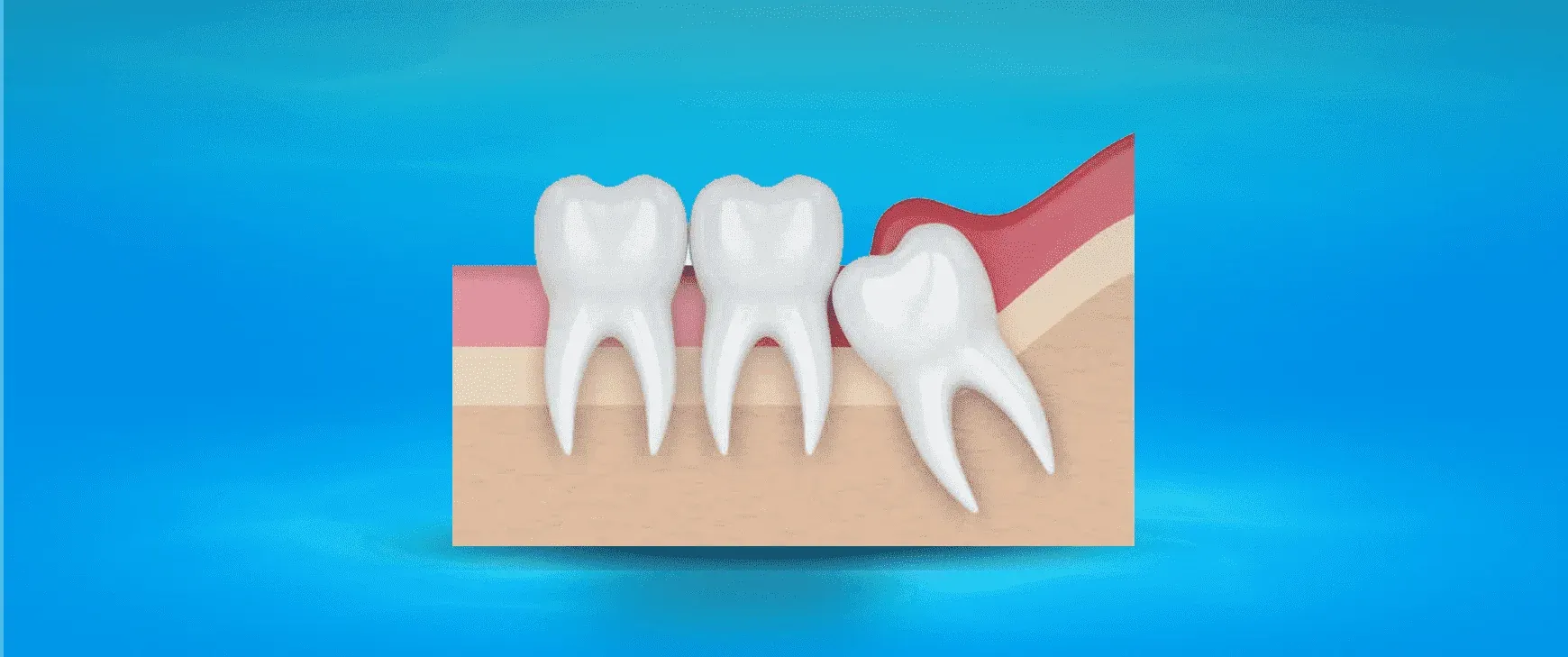
Developing third molars is a natural biological process during early adulthood, but it frequently brings significant clinical challenges. For the vast majority of patients, the modern human jaw simply lacks the necessary anatomical space to accommodate these late-arriving teeth. When there is insufficient room, a wisdom tooth can become trapped beneath the gums, causing excruciating pain and structural damage to the surrounding dental arch.
Addressing this issue promptly is a critical component of maintaining lifelong oral health. Delaying necessary surgical intervention often transforms a localized ache into a massive systemic infection or irreversible bone loss. This comprehensive guide details everything you need to know about third molar extractions, from identifying the early symptoms to ensuring a flawless, complication-free recovery.
What Exactly Is a Wisdom Tooth and Why Do We Have It?
A wisdom tooth, clinically referred to as a third molar, is the final set of teeth to develop and erupt in the human mouth. They typically begin to push through the gums between the ages of seventeen and twenty-five, a period traditionally associated with the onset of maturity, hence their common name. Historically, our human ancestors needed these robust, flat-surfaced molars to grind down a primitive diet consisting of raw roots, tough meats, and coarse leaves.
However, human evolution and the advent of cooked, softer foods have led to a gradual reduction in the size of our jawbones over thousands of years. Because our jaws are now significantly smaller, these four extra molars often find themselves with absolutely no room to emerge properly. This evolutionary mismatch is the primary reason why third molar impaction is considered a nearly universal modern dental phenomenon requiring clinical attention.
Common Signs That Your Wisdom Tooth Needs to Be Removed
Many patients harbor a problematic wisdom tooth without experiencing any visible symptoms during the early stages of its development. However, as the tooth actively attempts to push its way through the dense jawbone and overlying gum tissue, it creates intense localized pressure. The most frequent initial indicator is a dull, throbbing ache at the very back of the jaw, which can occasionally radiate upward toward the ear or down into the neck.
Beyond mere discomfort, visual and physical signs often manifest rapidly once the eruption process begins. If the tooth only partially breaches the surface, it creates a highly vulnerable flap of gum tissue that constantly traps food particles and destructive bacteria.
- Redness, severe swelling, and unexpected bleeding in the posterior gum tissues.
- A persistent, foul taste in the mouth or chronic bad breath that brushing cannot fix.
- Difficulty or sharp pain when attempting to open the mouth fully to speak or chew.
- Unexplained headaches or jaw stiffness upon waking up in the morning.
How Impacted Molars Affect Your Oral Health and Jawbone
When third molars fail to emerge and remain trapped beneath the gingival surface, they are clinically classified as impacted. This impaction does not mean the tooth remains dormant; rather, it often grows at severe, unnatural angles, sometimes pushing completely horizontally. This horizontal growth path drives the crown of the third molar directly into the delicate roots of the adjacent healthy second molars, causing severe structural root resorption and pain.
Furthermore, the developmental sac that encases the trapped molar can slowly fill with fluid, forming a destructive cyst deep within the jawbone. If left undiagnosed, this cyst will silently hollow out the surrounding alveolar bone and potentially damage the inferior alveolar nerve. Removing the wisdom tooth before these silent, catastrophic bone cysts develop is the primary goal of proactive maxillofacial surgery.
The Connection Between a Wisdom Tooth and Orthodontic Treatment
Orthodontic patients invest significant time and financial resources into achieving a perfectly aligned, straight smile. Unfortunately, the late eruption of a wisdom tooth can completely sabotage years of expensive and meticulous alignment work. As these massive molars try to force their way into an already crowded dental arch, they exert a domino effect of forward pressure, causing the beautifully straightened anterior teeth to overlap and shift out of place.
For this reason, orthodontists almost universally recommend the extraction of third molars either before initiating braces or immediately after the retention phase begins. Patients exploring options like braces prices in Istanbul should factor in the high likelihood of needing third molar extractions as part of their comprehensive alignment strategy. Clearing the posterior space guarantees that the newly straightened teeth remain perfectly stable for a lifetime.
Diagnostic Imaging and Preparation for Oral Surgery

Clinical visual inspections are entirely inadequate for diagnosing the position and risk factors of teeth that are completely submerged under bone and tissue. Modern dentistry relies heavily on advanced radiographic imaging to create a precise surgical roadmap before any incisions are made. A standard panoramic X-ray is the absolute minimum requirement, providing a wide, two-dimensional view of the entire upper and lower jaw architecture.
For more complex, deeply impacted cases, surgeons utilize 3D Cone Beam Computed Tomography (CBCT). This advanced scan provides a multi-dimensional view, allowing the doctor to measure the exact millimeter distance between the tooth roots and critical anatomical structures like the sinus floor or major facial nerves. This meticulous digital preparation ensures the surgical procedure is flawlessly executed with zero anatomical surprises.
Step-by-Step Guide to the Wisdom Tooth Extraction Procedure
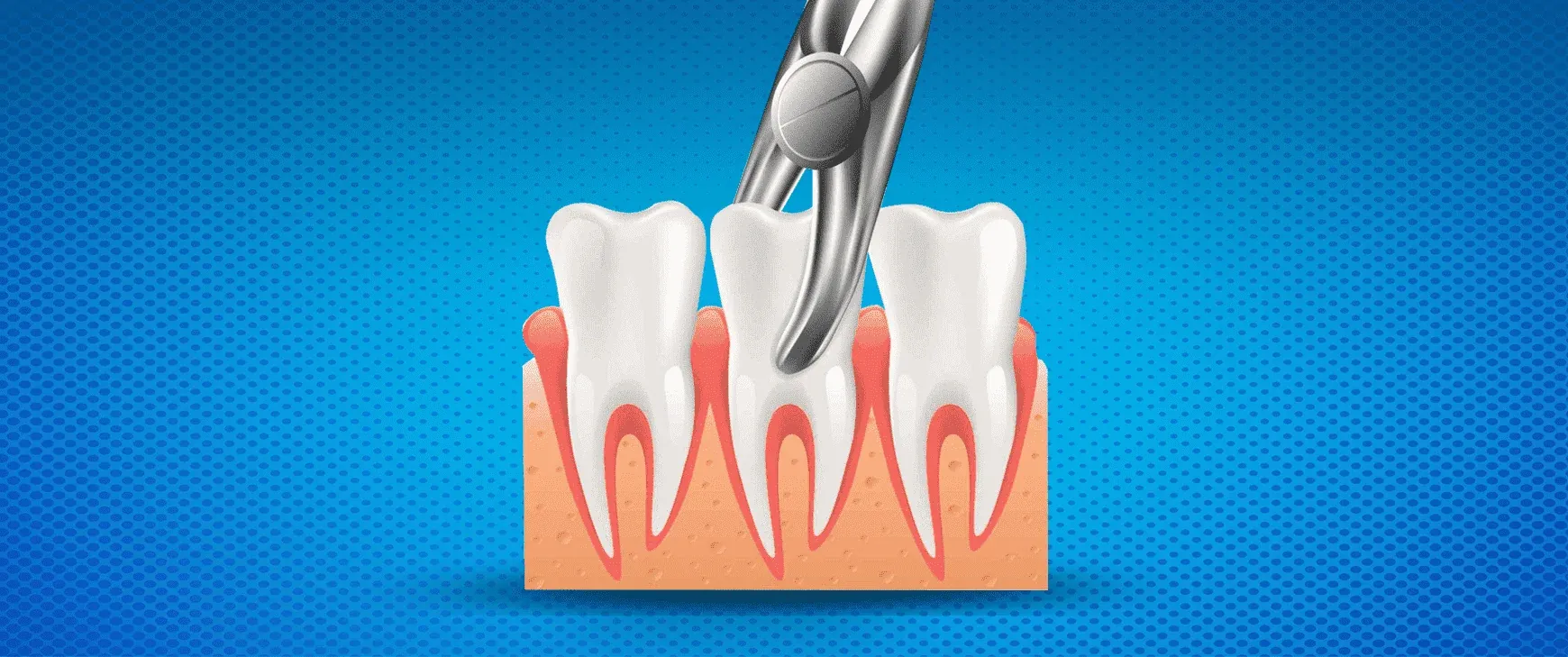
The surgical removal of an impacted wisdom tooth is a highly structured clinical protocol designed to minimize bone trauma and maximize patient safety. Once the patient is fully anesthetized and comfortable, the surgeon makes a precise, small incision in the gum tissue to expose the hidden crown and the surrounding alveolar bone. If the tooth is heavily encased, a specialized surgical handpiece is used to gently clear away a minimal amount of bone for access.
Instead of using brute force to pull a deeply wedged molar, expert surgeons employ a highly effective technique called sectioning. The tooth is carefully divided into smaller, manageable fragments, which are then extracted one by one. This atraumatic approach preserves the surrounding jawbone and drastically reduces post-operative swelling and recovery time.
Cleaning and Suturing the Socket
After the fragments are completely removed, the empty socket is meticulously flushed with sterile saline to remove any lingering debris or bone dust. Finally, dissolving sutures are placed to securely close the gum flap, promoting rapid primary healing and protecting the underlying blood clot from the oral environment.
Available Anesthesia Options for a Pain-Free Surgical Experience
The prospect of oral surgery triggers severe anxiety in many individuals, but modern pharmacological advancements have rendered the procedure entirely painless. For relatively straightforward extractions where the wisdom tooth has already fully erupted, profound local anesthesia is usually sufficient. This completely blocks all pain receptors in the surgical area, meaning the patient will feel dull pressure but absolutely no sharp sensations.
For highly anxious patients or those undergoing the simultaneous removal of four deeply impacted molars, intravenous (IV) sedation is the gold standard. Administered by a certified professional, IV sedation places the patient in a state of profound, twilight relaxation where they remain semi-conscious but typically retain zero memory of the surgery itself. This ensures maximum comfort and a completely stress-free clinical environment.
Immediate Post-Operative Care After Your Wisdom Tooth Removal
The success of the surgical extraction heavily depends on the patient’s strict adherence to home care instructions during the critical first forty-eight hours. Immediately following the procedure, the patient is instructed to bite down firmly on a sterile gauze pad for about thirty to forty-five minutes. This sustained pressure is absolutely vital for stopping the bleeding and allowing a stable, protective blood clot to form inside the empty socket.
During the first two days, elevating the head while sleeping and avoiding any strenuous physical exertion are mandatory requirements. Increased heart rates from heavy exercise will elevate blood pressure and can easily force the delicate blood clot out of the socket, triggering a secondary hemorrhage. Rest and absolute immobility of the surgical site are your best tools for a rapid biological recovery.
Managing Pain, Swelling, and Bleeding at Home
It is entirely normal to experience a moderate to severe degree of facial swelling and discomfort once the clinical anesthetics fully wear off. The body’s natural inflammatory response peaks around the third day post-surgery before beginning to naturally subside. To combat this, patients must apply cold compress ice packs to the outside of their cheeks in twenty-minute intervals strictly during the first twenty-four hours.
To keep pain levels manageable, the oral surgeon will prescribe a strict regimen of analgesics and anti-inflammatory medications. Taking these medications proactively, before the pain reaches an unbearable threshold, is the absolute key to maintaining comfort. Minor, intermittent blood oozing is also expected on the first day, but active, heavy bleeding should be addressed by applying a fresh, damp gauze pad and biting firmly.
Dietary Restrictions Following a Wisdom Tooth Surgery
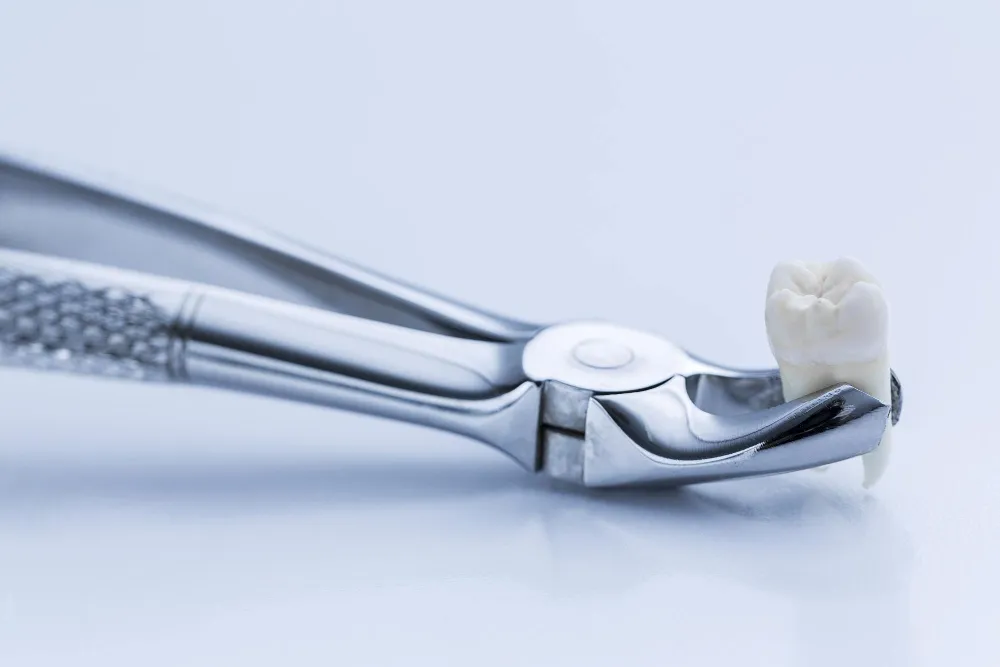
Proper nutrition is vital for cellular healing, but consuming the wrong types of foods can mechanically destroy the fragile surgical wounds. For the first three to four days, the patient must adhere strictly to a liquid or extremely soft food diet that requires absolutely zero chewing effort. Consuming hot liquids must also be actively avoided, as high temperatures can dissolve the stabilizing blood clot and reinitiate bleeding.
As the severe tenderness naturally decreases over the following week, semi-solid foods can be carefully reintroduced into the daily menu. However, patients must absolutely avoid any hard, crunchy, or heavily seeded items like popcorn, tortilla chips, or sesame buns. These small, rigid particles can easily become lodged deep within the healing sockets, causing massive irritation and severe bacterial infections.
- Consume lukewarm broths, smooth yogurts, and blended fruit smoothies.
- Avoid using drinking straws entirely; the suction force will instantly dislodge the blood clot.
- Chew strictly on the opposite side of the mouth if only one side was operated on.
- Stay highly hydrated to aid the systemic immune and healing response.
Understanding Dry Socket and How to Prevent It
Alveolar osteitis, universally known as dry socket, is the most notorious and intensely painful complication associated with a wisdom tooth extraction. It occurs when the foundational blood clot that forms in the surgical hole is either mechanically dislodged or fails to develop properly. When this clot goes missing, the underlying jawbone and highly sensitive nerve endings are left completely exposed to air, food, and oral fluids.
The resulting pain is excruciating, often radiating up to the ear, and cannot be managed effectively with standard over-the-counter painkillers. Preventing this traumatic condition requires avoiding all suction movements, such as smoking or using straws, and refraining from aggressive spitting or vigorous mouth rinsing during the first week of recovery.
Warning Signs of Infection After a Wisdom Tooth Extraction
While the mouth is a naturally bacteria-rich environment, severe infections following a sterile clinical extraction are relatively rare if post-operative hygiene is strictly maintained. However, patients must remain highly vigilant for specific clinical red flags that indicate an abnormal bacterial invasion of the surgical site. A sudden spike in systemic body temperature or chills is an immediate sign that the body is fighting a spreading infection.
Additionally, if the facial swelling begins to drastically increase rather than decrease after the fourth day, or if you notice foul-tasting, yellowish pus draining from the extraction site, urgent medical intervention is required. Patients exhibiting these aggressive symptoms must contact their surgical clinic immediately to be evaluated and placed on a targeted, strong antibiotic regimen to halt the bacterial spread.
Long-Term Recovery and Healing Timeline Expectations
The soft gingival tissue covering the surgical site generally closes and appears visually healed within two to three weeks following the extraction. By this time in the healing timeline after a wisdom tooth surgery, patients can usually return to their normal, unrestricted dietary habits and daily physical routines without any lingering discomfort. However, this surface-level healing is only the beginning of the complete biological recovery process.
Deep beneath the gums, the empty hole left in the jawbone takes significantly longer to completely fill in with dense, newly formed bone tissue. This intricate process of internal osseous regeneration can take anywhere from three to six months to completely finalize. Maintaining excellent daily oral hygiene during this extended period ensures the bone heals cleanly and solidly without chronic internal inflammation.
Why Traveling Abroad for a Wisdom Tooth Procedure Is Popular
The rising cost of complex oral surgery, particularly procedures requiring IV sedation and maxillofacial specialists, has made necessary dental care financially inaccessible for many patients in Western nations. Consequently, medical tourism has experienced a massive boom, offering a highly practical and economically viable solution for those needing urgent surgical interventions. Patients are increasingly looking globally to secure premium treatments without the devastating financial burden.
Turkey has emerged as a premier destination, providing access to internationally accredited hospital environments and elite surgical talent. Individuals seeking affordable dental care frequently travel to Istanbul to have their complex impactions managed safely. This allows patients to bypass lengthy domestic waiting lists and exorbitant out-of-pocket expenses while receiving top-tier medical attention.
How to Choose the Right Maxillofacial Surgeon for Your Needs
Surgically removing deeply impacted molars is not a standard procedure; it is a technically demanding operation that requires profound anatomical knowledge and specific maxillofacial surgical training. General dentists handle routine extractions, but teeth resting directly on vital facial nerves require the precise hands of an experienced specialist. Entrusting this task to an underqualified practitioner drastically increases the risk of permanent nerve damage and severe sinus complications.
When researching potential providers, patients should prioritize clinics equipped with in-house 3D CBCT imaging and dedicated surgical suites. Reading verified international patient reviews and confirming the surgeon's academic credentials provides immense peace of mind. By purposefully selecting the best dental clinic in turkey, patients ensure their complex extractions are performed with the highest global standards of clinical excellence and safety.
Doctor Profile

Author and Medical Review
Dr. Melike KENTKURANOral and Maxillofacial Surgery Specialist
View ProfileThis content has been evaluated in accordance with Hospitadent Medical Publication Board standards for medical accuracy, currency and patient information.
Our Awards
See All ›2019 – 2020
Health Tourism Champion
Since its founding, Hospitadent has provided oral and dental care to patients travelling from every continent for health tourism. In the Service Exporters' Association research of 2019 and 2020, we ranked first in the Dental Health Services category. Within the same report we placed 15th among all healthcare institutions in 2019 and moved up to 10th in 2020. With uncompromising customer satisfaction, Hospitadent remains the healthcare institution that treats the highest number of international oral and dental patients.
2013
TEMOS International Quality Certificate
Guided by dedicated international departments, Hospitadent welcomes patients from abroad without any language barriers, offering assistance with accommodation, city and Bosphorus tours, concierge guidance, treatment logistics and medication support to keep satisfaction at its peak. With the goal of carrying the same quality standards to both Turkish and foreign patients, we received the TEMOS "International Quality in Dental Care" certificate in 2013—an accreditation granted by the organization that evaluates and certifies worldwide patient service quality based on the "Made in Germany" quality seal.
2020
Turquality Brand Support Program
For 16 years, the Turquality Brand Support Program has helped Turkish products build and promote their image abroad. Dental Group Hospitadent earned the right to join this initiative, taking an important step on its branding journey. Being the first dental healthcare group in a program that includes only five hospitals from the healthcare sector proves not only the quality image we project, but also the high standards we uphold.
2018
Stevie Awards – Most Innovative Customer Service
The Stevie Awards, recognized worldwide for honoring outstanding organizations and leaders, is the only international business awards program. In 2018, Hospitadent became the first hospital in Turkey to win a Stevie Award by receiving the "Most Innovative Customer Service of the Year" prize. Signature experiences such as Smiling Center, Digital Smile Design and Dental SPA played a decisive role in earning this accolade.
2019 – 2020
Service Exporters Association Award
Serving dental tourists from all over the world since its foundation, Hospitadent was honored by the Service Exporters' Association in the Champions of Service Exports program, which celebrates the rising value of Turkey's service industries. Thanks to its contribution to the national economy, Hospitadent received a certificate of achievement and ranked 15th among general healthcare institutions in 2019 and 10th in 2020, continuing to lead oral and dental treatments with an unwavering focus on patient satisfaction.
2021
Great Place To Work® Certified
Based on the employee experience and satisfaction survey completed by our teams, GPTW Turkey evaluated Hospitadent and awarded us the "Great Place To Work® Certified" distinction. As the first and only dental hospital holding this leading workplace culture certificate, Hospitadent continues its journey toward many more achievements.