What Is Tooth Extraction and When Is It Necessary?
What is tooth extraction? How is it done? When does tooth extraction become necessary? Is it a painful process? Click and learn.
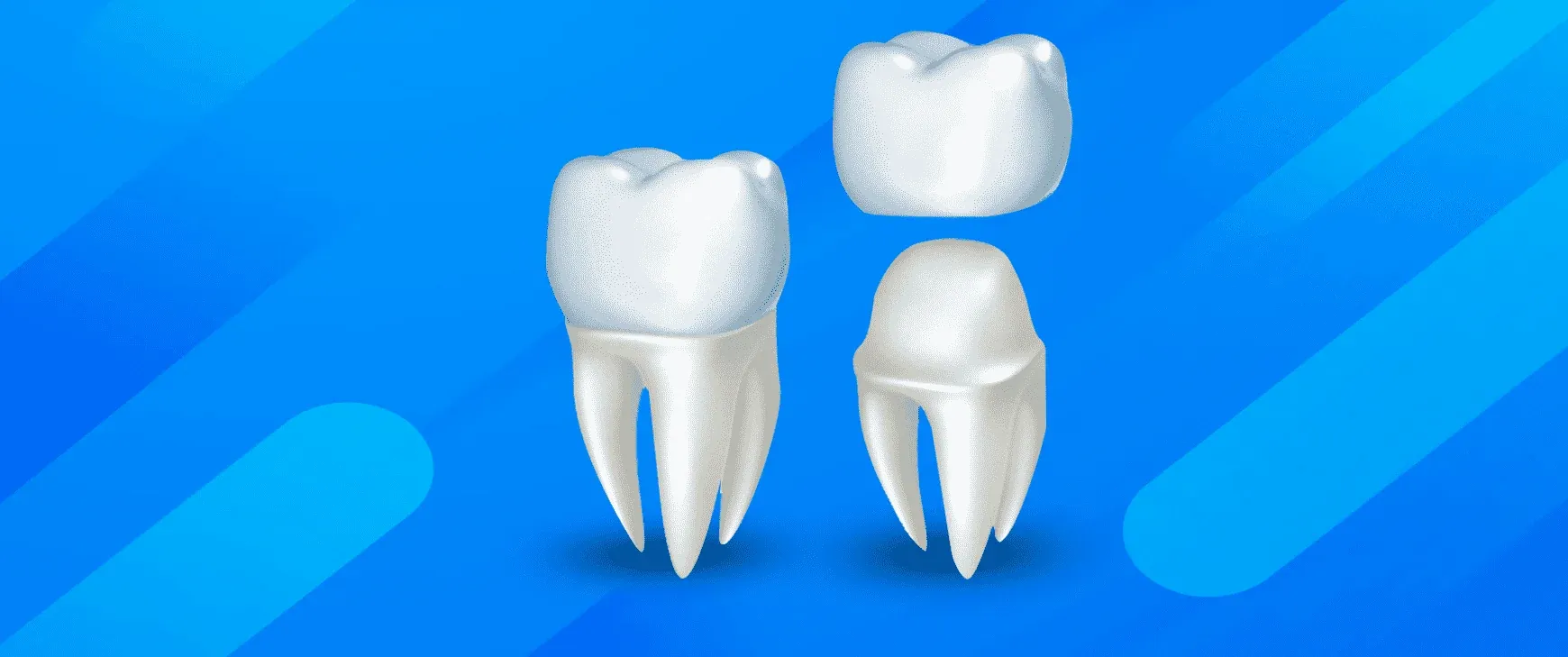
Tooth extraction is a dental procedure in which a tooth is removed from its socket in the jawbone. Although modern dentistry focuses on preserving natural teeth whenever possible, extraction becomes necessary in certain situations where keeping the tooth would compromise oral health. This procedure is carefully planned to minimize discomfort and protect surrounding tissues.
One of the most common reasons for tooth extraction is severe tooth decay that has damaged the tooth beyond repair. When infection reaches deep into the tooth and surrounding bone, extraction may be the safest option to prevent the spread of bacteria. Advanced gum disease is another major cause, as it can weaken the supporting structures of the tooth and lead to instability.
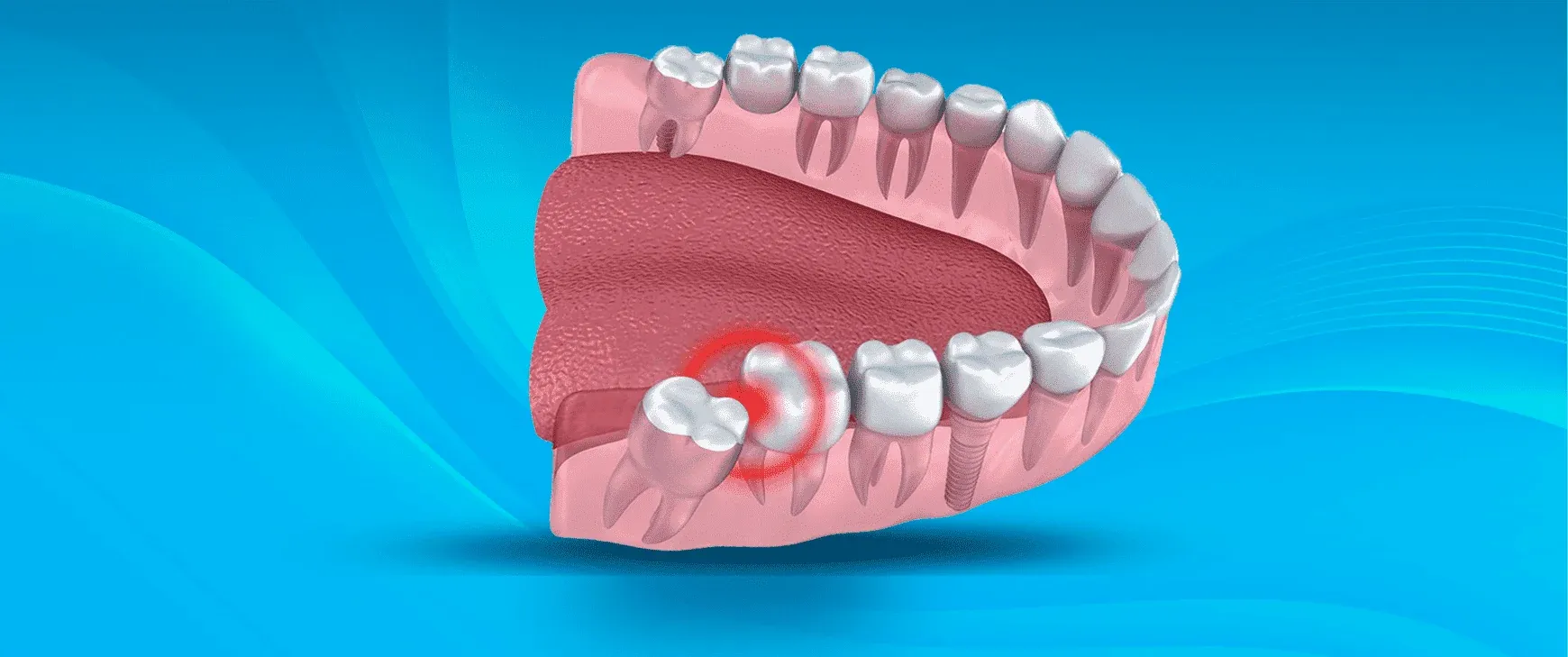
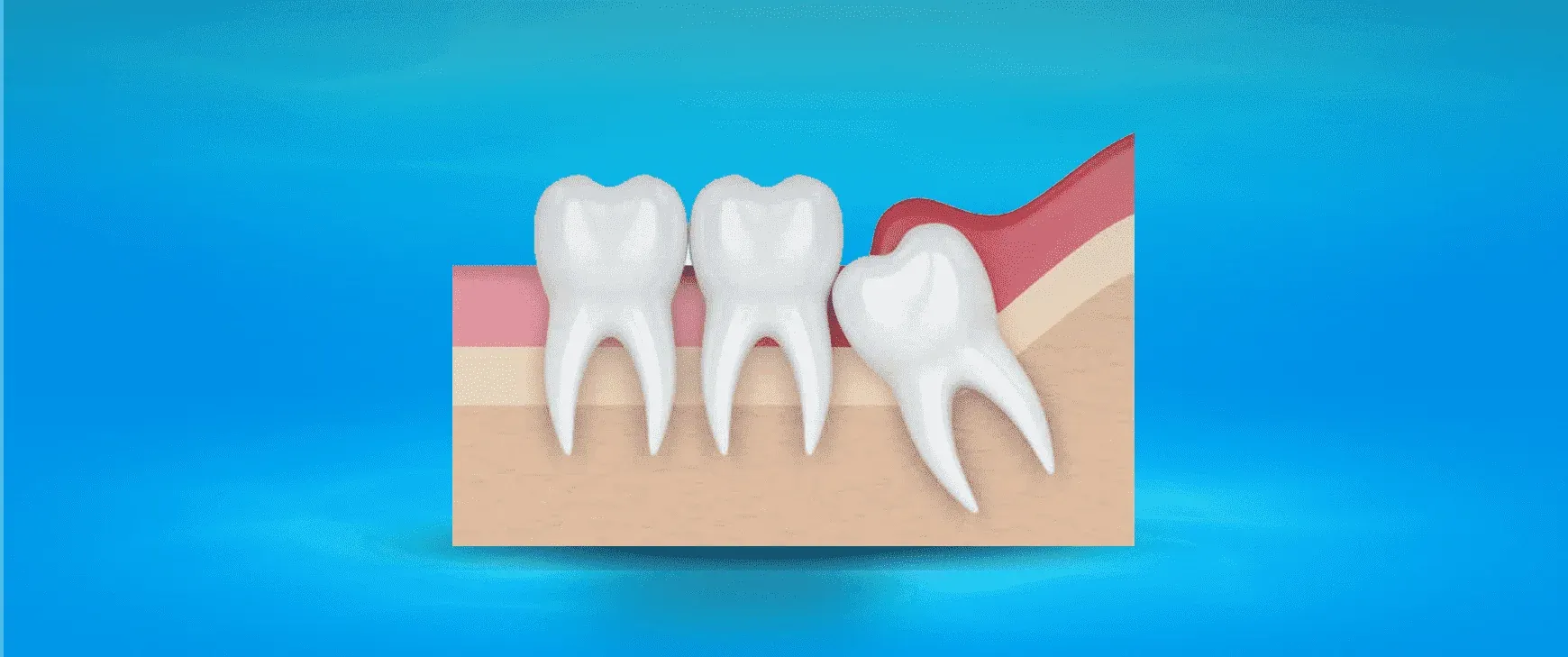
Tooth extraction may also be required for orthodontic reasons. In cases of severe crowding, removing one or more teeth can create enough space for proper alignment. Impacted teeth, such as wisdom teeth that cannot fully emerge, are also frequently extracted to prevent pain, infection, or damage to neighboring teeth.
While the idea of extraction can be intimidating, it is often a necessary step toward restoring oral health. When performed by experienced dental professionals, tooth extraction is a controlled and predictable procedure that helps protect long-term dental function.
Common Signs That Indicate You May Need a Tooth Extraction
Many patients delay seeking dental care because they are unsure whether their symptoms are serious enough to require tooth extraction. However, certain warning signs suggest that a tooth may no longer be salvageable and should be evaluated promptly by a dentist.
Persistent tooth pain that does not improve with treatment is one of the most common indicators. This pain may be sharp, throbbing, or constant and can radiate to the jaw or ear. Swelling of the gums or face, especially when accompanied by fever, may indicate infection that requires immediate attention.
Loose teeth in adults are another concerning sign. While some movement is normal in children, adult teeth should remain firmly in place. Loosening may result from advanced gum disease or bone loss and often signals the need for extraction. Repeated abscess formation or pus discharge around a tooth is also a strong indicator of serious infection.
Ignoring these symptoms can lead to complications that affect surrounding teeth and overall health. Early evaluation allows dentists to determine whether extraction is necessary or if alternative treatments are still possible.
Types of Tooth Extraction Procedures Explained
Tooth extraction procedures generally fall into two main categories: simple extraction and surgical extraction. The type of procedure performed depends on the condition of the tooth and its position in the mouth. Understanding this distinction helps patients know what to expect.
A simple extraction is performed when the tooth is fully visible above the gumline and can be removed easily. This procedure is commonly used for teeth that are damaged but accessible. Local anesthesia is used to numb the area, ensuring patient comfort throughout the process.
Surgical extraction is required for teeth that are not easily accessible, such as impacted wisdom teeth or teeth broken at the gumline. This procedure may involve making a small incision in the gum and, in some cases, removing a portion of bone. Although more complex, surgical extractions are routine procedures performed safely under appropriate anesthesia.
Both types of extraction are designed to minimize trauma and support proper healing. The choice of procedure ensures that the tooth is removed efficiently while protecting surrounding tissues.
Is Tooth Extraction Painful? What Patients Should Expect
Fear of pain is one of the most common concerns associated with tooth extraction. Thanks to modern dental techniques and anesthesia, the procedure itself is usually not painful. Dentists take careful steps to ensure that the area is fully numbed before extraction begins.
During the procedure, patients may feel pressure as the tooth is gently loosened and removed, but sharp pain should not occur. For surgical extractions, additional anesthesia or sedation options may be used to enhance comfort. Dental teams closely monitor patients throughout the process.
After the extraction, some discomfort or soreness is normal as the tissues begin to heal. This sensation is typically manageable and temporary. Swelling and mild pain usually peak within the first couple of days and gradually subside.
Clear aftercare instructions and appropriate pain management help ensure a smooth recovery. Most patients are pleasantly surprised by how manageable the experience is compared to their expectations.
How Dentists Prepare You for a Tooth Extraction

Proper preparation is essential for a safe and successful tooth extraction. Before the procedure, dentists conduct a thorough evaluation that includes reviewing medical history, taking dental X-rays, and assessing the condition of the tooth and surrounding bone.
This evaluation helps identify potential risks and determine the most appropriate extraction method. Patients are informed about the procedure, anesthesia options, and what to expect during recovery. Clear communication helps reduce anxiety and ensures informed consent.
In some cases, patients may receive instructions to adjust medications or avoid eating before the procedure, particularly if sedation will be used. These steps are important for patient safety and comfort.
By carefully preparing each patient, dentists create a controlled environment that supports effective extraction and smooth healing. Proper planning is a key factor in achieving successful outcomes.
What Happens After a Tooth Extraction?
After a tooth extraction, the body immediately begins the natural healing process. The empty socket fills with a blood clot, which plays a crucial role in protecting the underlying bone and nerve endings. This clot also serves as the foundation for new tissue growth. Proper care during this stage is essential to avoid complications and support smooth healing.
In the first 24 hours, mild bleeding, swelling, and discomfort are common. These symptoms are part of the body’s normal response to the procedure. Over the next few days, swelling gradually decreases and the gum tissue starts to close over the extraction site. Most patients can return to normal daily activities within a short period, provided aftercare instructions are followed.
Healing time varies depending on the complexity of the extraction and the patient’s overall health. Simple extractions often heal faster, while surgical extractions may require a longer recovery period. Smoking, poor oral hygiene, or ignoring care instructions can delay healing.
Understanding what to expect after extraction helps patients feel more confident and reduces unnecessary concern during recovery.
Tooth Extraction Aftercare Tips for Faster Healing
Proper aftercare is one of the most important factors in ensuring successful healing after a tooth extraction. Following the dentist’s instructions carefully helps protect the extraction site and reduces the risk of complications such as infection or dry socket.
Patients are usually advised to avoid rinsing vigorously, spitting, or using straws during the first 24 hours. These actions can dislodge the blood clot and interfere with healing. Applying cold compresses externally can help reduce swelling and discomfort during the initial phase.
Maintaining oral hygiene is still important, but care should be taken around the extraction area. Gentle brushing and avoiding direct contact with the socket help keep the mouth clean without disrupting healing. Soft foods are recommended for the first few days to prevent irritation.
By following these simple aftercare guidelines, patients can support faster recovery and reduce the likelihood of post-extraction problems.
Possible Complications After Tooth Extraction
While tooth extraction is generally safe, like any medical procedure, it carries some potential risks. Being aware of possible complications allows patients to recognize warning signs early and seek prompt care if needed.
One of the most well-known complications is dry socket, which occurs when the blood clot is lost or fails to form properly. This condition can cause significant pain and delay healing. Infection is another potential risk, often indicated by increasing pain, swelling, fever, or unpleasant discharge from the extraction site.
Excessive bleeding or prolonged swelling may also occur, particularly in patients with underlying health conditions or those who do not follow aftercare instructions. In rare cases, nearby teeth or nerves may be affected, especially during complex surgical extractions.
Most complications can be prevented with proper care and timely follow-up. Early communication with the dental team ensures that any issues are addressed before they become serious.
How Long Does It Take to Fully Recover From Tooth Extraction?
Recovery time after tooth extraction depends on several factors, including the type of extraction performed and individual healing capacity. For most simple extractions, initial healing occurs within one to two weeks. During this time, gum tissue closes over the socket and discomfort significantly decreases.
Bone healing takes longer than soft tissue healing. Even after the gums appear healed, the jawbone continues to remodel beneath the surface. This process can take several months but does not usually interfere with daily life or comfort.
Surgical extractions, such as impacted wisdom teeth removal, may require a longer recovery period. Swelling and tenderness may persist for a few extra days, but gradual improvement is expected. Following professional guidance helps keep recovery on track.
Patience is an important part of the healing process. Allowing the body adequate time to recover ensures optimal outcomes and prepares the mouth for any future dental treatments.
Tooth Extraction and Options for Replacing Missing Teeth
After a tooth extraction, many patients wonder whether the missing tooth needs to be replaced. While replacement is not always mandatory, leaving a gap can affect oral function and alignment over time. Adjacent teeth may shift into the empty space, leading to bite problems or difficulty cleaning.
Several tooth replacement options are available depending on individual needs. Dental implants offer a long-term solution by replacing both the tooth and its root. Bridges and removable dentures are alternative options that restore appearance and function in different ways.
Replacing a missing tooth can improve chewing efficiency, speech, and overall confidence. It also helps maintain jawbone structure and prevents unwanted tooth movement. The timing and method of replacement depend on healing progress and oral health status.
Discussing replacement options after extraction allows patients to make informed decisions that support long-term dental health and comfort.
Tooth Extraction for Orthodontic Treatment Purposes
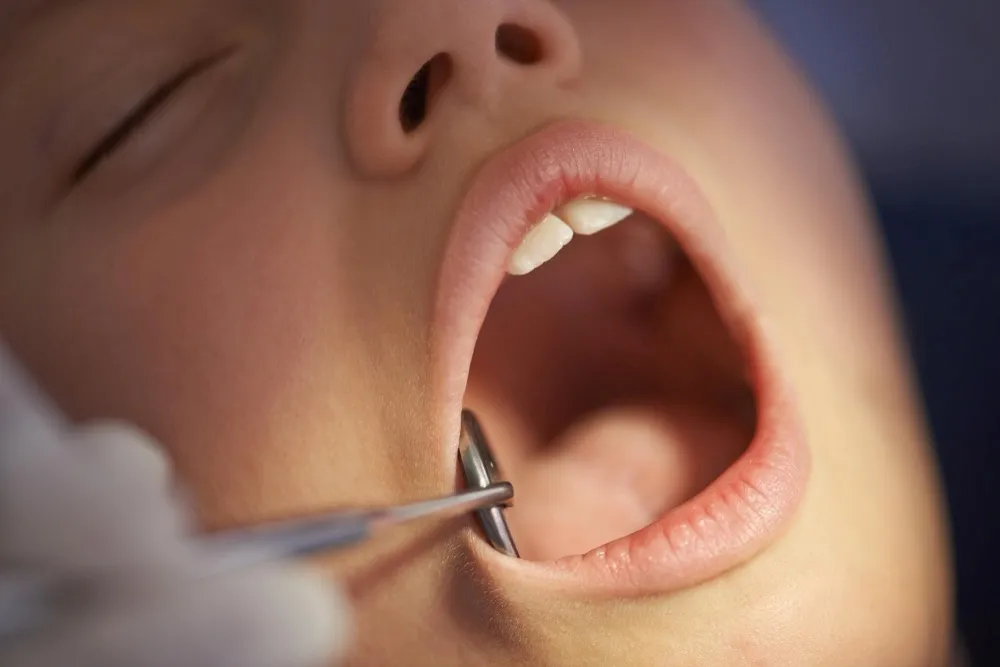
Tooth extraction is sometimes recommended as part of an orthodontic treatment plan. When the jaw does not have enough space to properly align all teeth, removing one or more teeth can create the necessary room for effective movement. This approach helps achieve balanced alignment and a stable bite.
Extractions for orthodontic reasons are carefully planned and are not taken lightly. Dentists and orthodontists evaluate jaw size, tooth position, and facial structure before making this decision. The goal is to improve both function and aesthetics without compromising oral health.
By creating space, tooth extraction allows braces or aligners to work more efficiently. Teeth can move into their ideal positions without excessive pressure, reducing treatment time and improving results. This controlled approach supports long-term stability after orthodontic treatment is completed.
Orthodontic extractions are a strategic step toward achieving a healthier, well-aligned smile rather than a sign of severe dental problems.
Tooth Extraction in Patients With Gum Disease
Advanced gum disease is one of the most common reasons for tooth extraction in adults. When gum disease progresses, it damages the tissues and bone that support the teeth. As a result, affected teeth may become loose and painful, making extraction the safest option.
In these cases, extraction helps eliminate a source of chronic infection. Removing severely compromised teeth allows surrounding tissues to heal and reduces bacterial load in the mouth. This step is often necessary to protect remaining teeth and prevent further bone loss.
After extraction, managing gum disease becomes more effective. Deep cleaning, improved oral hygiene, and ongoing periodontal care help stabilize oral health. Tooth replacement options may also be considered once gum health improves.
Extracting teeth affected by advanced gum disease is a protective measure aimed at preserving overall oral health and preventing further complications.
Can Tooth Extraction Affect Jawbone Health?
The jawbone relies on stimulation from tooth roots to maintain its strength and density. After a tooth extraction, the absence of this stimulation can lead to gradual bone loss in the area. This process, known as bone resorption, is a natural response to tooth loss.
Bone loss does not happen immediately but occurs over time if the missing tooth is not replaced. This can affect facial structure, bite alignment, and the stability of neighboring teeth. The extent of bone loss varies depending on individual factors and oral health status.
Dentists often discuss preventive options to preserve jawbone health after extraction. Certain treatments can help maintain bone volume and support future tooth replacement. Planning ahead is especially important for patients considering dental implants.
Understanding the relationship between tooth extraction and jawbone health helps patients make informed decisions about post-extraction care and long-term oral stability.
Tooth Extraction in Children and Adolescents
Tooth extraction in children and adolescents is approached with special consideration. In younger patients, extractions are often performed to address issues such as overcrowding, retained baby teeth, or impacted permanent teeth. These procedures support proper dental development and alignment.
Removing baby teeth that do not fall out naturally can allow permanent teeth to erupt correctly. In some cases, extractions guide jaw growth and reduce the need for more extensive orthodontic treatment later. Pediatric extractions are planned carefully to minimize impact on developing teeth.
Children generally heal faster than adults, and recovery from tooth extraction is often smooth with proper care. Dentists provide age-appropriate guidance to ensure comfort and reduce anxiety during the process.
When indicated, tooth extraction in children is a proactive step that supports healthy oral development and long-term dental health.
When to Contact Your Dentist After a Tooth Extraction
Knowing when to contact a dentist after tooth extraction is important for preventing complications. While mild pain, swelling, and discomfort are normal during recovery, certain symptoms require professional evaluation.
Persistent or worsening pain several days after extraction may indicate dry socket or infection. Excessive bleeding that does not subside, fever, or foul-tasting discharge from the extraction site should not be ignored. These signs suggest that healing is not progressing as expected.
Unusual numbness, difficulty opening the mouth, or increasing swelling may also require attention. Prompt communication with the dental team allows early intervention and prevents more serious issues.
Staying attentive to post-extraction symptoms and seeking help when needed ensures a safer recovery and supports long-term oral health.
Doctor Profile

Author and Medical Review
Dr. Melike KENTKURANOral and Maxillofacial Surgery Specialist
View ProfileThis content has been evaluated in accordance with Hospitadent Medical Publication Board standards for medical accuracy, currency and patient information.
Our Awards
See All ›2019 – 2020
Health Tourism Champion
Since its founding, Hospitadent has provided oral and dental care to patients travelling from every continent for health tourism. In the Service Exporters' Association research of 2019 and 2020, we ranked first in the Dental Health Services category. Within the same report we placed 15th among all healthcare institutions in 2019 and moved up to 10th in 2020. With uncompromising customer satisfaction, Hospitadent remains the healthcare institution that treats the highest number of international oral and dental patients.
2013
TEMOS International Quality Certificate
Guided by dedicated international departments, Hospitadent welcomes patients from abroad without any language barriers, offering assistance with accommodation, city and Bosphorus tours, concierge guidance, treatment logistics and medication support to keep satisfaction at its peak. With the goal of carrying the same quality standards to both Turkish and foreign patients, we received the TEMOS "International Quality in Dental Care" certificate in 2013—an accreditation granted by the organization that evaluates and certifies worldwide patient service quality based on the "Made in Germany" quality seal.
2020
Turquality Brand Support Program
For 16 years, the Turquality Brand Support Program has helped Turkish products build and promote their image abroad. Dental Group Hospitadent earned the right to join this initiative, taking an important step on its branding journey. Being the first dental healthcare group in a program that includes only five hospitals from the healthcare sector proves not only the quality image we project, but also the high standards we uphold.
2018
Stevie Awards – Most Innovative Customer Service
The Stevie Awards, recognized worldwide for honoring outstanding organizations and leaders, is the only international business awards program. In 2018, Hospitadent became the first hospital in Turkey to win a Stevie Award by receiving the "Most Innovative Customer Service of the Year" prize. Signature experiences such as Smiling Center, Digital Smile Design and Dental SPA played a decisive role in earning this accolade.
2019 – 2020
Service Exporters Association Award
Serving dental tourists from all over the world since its foundation, Hospitadent was honored by the Service Exporters' Association in the Champions of Service Exports program, which celebrates the rising value of Turkey's service industries. Thanks to its contribution to the national economy, Hospitadent received a certificate of achievement and ranked 15th among general healthcare institutions in 2019 and 10th in 2020, continuing to lead oral and dental treatments with an unwavering focus on patient satisfaction.
2021
Great Place To Work® Certified
Based on the employee experience and satisfaction survey completed by our teams, GPTW Turkey evaluated Hospitadent and awarded us the "Great Place To Work® Certified" distinction. As the first and only dental hospital holding this leading workplace culture certificate, Hospitadent continues its journey toward many more achievements.