What Causes Bad Breath? Everything You Need to Know
Bad breath, known among the public simply as "bad breath" and referred to in medical literature as halitosis, is a condition caused by the release of volatile sulfur compounds (VSCs)—primarily hydrogen sulfide and methyl mercaptan—from anaerobic bacteria living in the oral cavity. This unpleasant odor disturbs not only the person experiencing bad breath but also everyone around them, creating unseen barriers in personal and professional relationships. Because bad breath is so extraordinarily common, understanding halitosis, what triggers it, and how it can be treated is important for both oral health and overall clinical wellbeing.
Bad breath can affect a person's social life in serious and prolonged ways. People struggling with chronic bad breath often experience severe social pressure, loss of self-confidence, anxiety, and psychosocial stress. Many patients only visit the dentist because they feel deeply uncomfortable about their bad breath, or because friends, partners, and family members encourage them to seek help for their persistent halitosis. In fact, after tooth decay and gum inflammation, bad breath is the most common reason patients visit a dental professional worldwide.
In recent years, clinical research into halitosis has increased significantly across the global dental community. Thanks to advances in diagnostic dental technology, it is now possible to directly measure the hydrogen sulfide-producing bacteria and volatile organic compounds responsible for bad breath. Modern dental clinics equipped with the latest diagnostic devices can clearly identify the exact sources and underlying causes of bad breath in every patient, making halitosis diagnosis faster, more precise, and far more accurate than ever before.
What Causes Bad Breath?
So, what causes bad breath in the first place? Bad breath can develop for pathological or physiological reasons, and in many complex cases both factors combine to cause chronic halitosis. Understanding what causes bad breath is the absolute first step toward treating it effectively and permanently. Below are the most common causes of bad breath that clinical practitioners observe on a daily basis:
- Gum Disease: Intraoral infections and advanced gum disease (such as periodontitis and gingivitis) are among the leading causes of bad breath. When harmful bacteria build up deep along the gumline and inside periodontal pockets, they continuously release malodorous sulfur compounds that create persistent bad breath that normal brushing cannot resolve.
- Certain Foods and Beverages: Onions, garlic, spices, dairy products, tobacco, and alcohol are well-known triggers of bad breath. People who regularly consume these foods or make a habit of using tobacco and alcohol products frequently experience halitosis due to both oral residue and bloodstream absorption that releases odor through lungs.
- Poor Oral Hygiene: People who do not brush their teeth regularly or neglect interdental cleaning are far more prone to tooth decay, which in turn leads to chronic bad breath. Neglecting comprehensive oral hygiene is one of the simplest yet most widespread causes of halitosis across all age groups.
- Dry Mouth (Xerostomia): Certain medications, mouth-breathing habits, and salivary gland disorders reduce saliva production over time. Since natural saliva cleanses the mouth and neutralizes acids produced by plaque, a decrease in saliva flow can result in dry mouth and, consequently, severe bad breath.
Beyond these everyday causes, bad breath can sometimes be an early warning sign of more serious systemic health conditions, including chronic lung infections, diabetes mellitus, kidney failure, tonsillitis, tonsil stones, gastroesophageal reflux, stomach and intestinal disorders, tooth decay, cleft palate, liver and metabolic disorders, and even oral cancers. Because halitosis can point to a serious underlying medical disease, it is essential to identify the exact cause of bad breath and treat it properly through professional diagnosis rather than simply masking the odor with commercial mints or temporary sprays.
Common Causes of Bad Breath at a Glance
|
Cause |
Typical Trigger |
Recommended Action |
|
Gum Disease |
Bacterial buildup along the gumline |
Professional periodontal treatment |
|
Certain Foods |
Onion, garlic, alcohol, tobacco |
Reduce intake, brush after meals |
|
Poor Oral Hygiene |
Infrequent brushing/flossing |
Brush twice daily, floss daily |
|
Dry Mouth |
Medications, dehydration |
Hydration, saliva-stimulating products |
|
Tongue Coating |
Bacteria on tongue surface |
Daily tongue scraping |
|
Underlying Disease |
Diabetes, kidney/liver issues, sinus infection |
Medical evaluation and treatment |
How to Get Rid of Bad Breath
The good news is that bad breath originating from the mouth can be treated successfully in almost 100 percent of clinical cases. The most important step in treating halitosis is maintaining excellent oral hygiene and eliminating bacterial reservoirs. To effectively get rid of bad breath, it is strongly recommended to:
- Brush your teeth regularly, at least twice a day for two full minutes using a soft-bristled toothbrush.
- Use dental floss or interdental brushes daily to remove food particles and bacterial plaque stuck between teeth.
- Treat gum disease (gingivitis or periodontitis) as soon as early symptoms like bleeding or redness appear.
- Quit smoking and avoid nicotine products, since tobacco is a primary contributor to severe, chronic bad breath and oral tissue degradation.
- Avoid acidic foods and drinks that damage enamel, strip away protective mineral layers, lead to tooth sensitivity requiring specialized sensitive dental treatment, and ultimately worsen bad breath by creating rough surfaces for bacteria to adhere to.
To prevent bad breath from returning, dental calculus (tartar) should be professionally cleaned by a dentist every six months. Decayed teeth requiring a precise dental filling and poorly fitted dental prostheses should be repaired or replaced promptly, since both can trap food debris, harbor anaerobic bacteria, and cause severe bad breath. Patients with ongoing gum problems should be examined thoroughly by a periodontist, a dedicated specialist in gum disease, to ensure that halitosis does not become a permanent, long-term issue.
Bad breath is much more than just an embarrassing social inconvenience — it is a significant clinical indicator that can affect a person's mental wellbeing, social life, and, in some cases, signal a more serious underlying systemic disease. For this reason, anyone experiencing persistent bad breath should visit a qualified dentist for a proper diagnostic assessment and custom treatment plan tailored to their specific oral profile.
Does Everyone Experience Bad Breath?
Bad breath is an extremely common human condition documented worldwide across all cultures and age groups. Clinical statistics indicate that around 50 percent of adults experience noticeable bad breath, particularly right after waking up in the morning — a natural physiological phenomenon often referred to as "morning breath." This occurs because salivary flow drastically decreases during sleep, allowing naturally present bacteria to proliferate and break down cellular debris without interference.
Studies also show that chronic bad breath is roughly three times more common in men than in women, which researchers often attribute to varying rates of dental attendance, smoking habits, and daily oral hygiene routines. Despite how widespread halitosis is, a relatively small percentage of individuals actually seek professional clinical treatment specifically for their bad breath. This is largely because many individuals are simply unaware that they have bad breath in the first place, a psychological phenomenon known as olfactory adaptation, where a person becomes desensitized to their own mouth odor. Conversely, some patients suffer from "halitophobia" or pseudo-halitosis—a persistent fear of having bad breath even when no objective odor is present.
How Is Bad Breath Diagnosed?
Diagnosing bad breath doesn't always require complicated or invasive testing, but it does benefit immensely from modern clinical technology. Modern dental clinics use specialized diagnostic devices, such as a halitometer (gas chromatography apparatus), to measure the exact level of hydrogen sulfide, methyl mercaptan, and dimethyl sulfide compounds in a patient's exhaled breath. This objective measurement technology allows dentists to confirm the presence of halitosis, pinpoint its precise anatomical or biological source, and design a targeted treatment plan — whether the bad breath stems from deep pulp inflammation requiring a root canal treatment, active gum disease, chronic dry mouth, or a non-oral systemic issue requiring a medical referral.
Home Remedies That Can Help With Bad Breath
While a clinical dentist visit is essential for treating the root cause of persistent bad breath, there are also numerous everyday habits and preventive routines that can help keep bad breath under control between routine checkups.
- Drinking plenty of fresh water throughout the day keeps the mucosal lining of the mouth moist, stimulates saliva production, and physically helps wash away the bacteria and microscopic food debris that cause bad breath.
- Chewing sugar-free gum, especially types containing xylitol, can stimulate natural saliva flow, which neutralizes harmful oral acids and naturally reduces bad breath after meals.
- Scraping the tongue with an ergonomic tongue cleaner or soft tongue brush is another simple but extremely effective way to remove the thick bacterial coating (tongue biofilm) that often contributes to bad breath, since a massive portion of the odor-producing bacteria responsible for halitosis live on the posterior surface of the tongue rather than between the teeth.
- Using alcohol-free mouth rinses prevents mucosal dehydration while reducing bacterial counts, ensuring that the oral environment remains balanced without causing secondary dry mouth.
Herbal approaches such as chewing fresh parsley, mint leaves, fennel seeds, or cloves are popular home remedies for temporary bad breath relief, though they only mask the odor temporarily through aromatic oils rather than treating the underlying biological cause of halitosis. For long-lasting, definitive results, these natural remedies should always be combined with proper daily brushing, meticulous flossing, and regular professional dental visits rather than used as a complete substitute for expert medical treatment.
Bad Breath in Children
Bad breath is certainly not limited to adults — children of all ages can experience halitosis too. In younger children, bad breath is frequently linked to poor brushing habits, an unnoticed foreign object lodged in the nasal passage, enlarged tonsils accumulating debris, or recurring sinus infections. In these pediatric cases, bad breath usually resolves rapidly once the underlying issue, such as removing the nasal obstruction or clearing the infection with medical care, is fully addressed.
Furthermore, early childhood caries (cavities) can harbor vast bacterial colonies that emit strong odors. Parents who notice persistent bad breath in their child should consult a specialized pediatric dentist (pedodontist) to evaluate the child's oral health, check for early cavities, and ensure that correct brushing techniques are established early in life to prevent chronic halitosis from developing.
Products That Help Manage Bad Breath
A wide variety of commercial and therapeutic dental products are specifically formulated to help control bad breath, including antibacterial mouthwashes, fluoride toothpastes, interdental brushes, and dedicated tongue scrapers. Mouthwashes containing active ingredients such as chlorhexidine, cetylpyridinium chloride (CPC), or zinc compounds are particularly effective at neutralizing volatile sulfur compounds and reducing the hydrogen sulfide-producing bacteria responsible for severe bad breath.
However, it's crucial to remember that mouthwash alone cannot permanently cure halitosis if the underlying cause — such as deep-seated gum disease, neglected tartar buildup, or damaged teeth needing a custom dental crown to smooth out bacterial traps — is left untreated by a dental professional. The most effective long-term strategy for managing bad breath always combines high-quality daily oral hygiene products with regular professional dental cleanings and comprehensive clinical evaluations.
The Link Between Diet and Bad Breath
Diet plays a foundational role in both causing and preventing bad breath. Foods high in refined sugars and sticky carbohydrates feed the oral bacteria responsible for producing malodorous compounds, while crunchy, fibrous fruits and vegetables like apples, celery, and carrots can help clean the surface of teeth naturally through mechanical action and stimulate beneficial salivary secretion to reduce bad breath.
Additionally, extreme low-carbohydrate or ketogenic diets have been directly associated with a distinct metabolic type of bad breath, widely known as "keto breath." This happens when the body enters ketosis and releases acetone—a specific byproduct of fat breakdown—through the lungs into exhaled breath. Staying properly hydrated, balancing nutrient intake, and avoiding excessive reliance on sulfur-rich foods are simple yet powerful steps to prevent bad breath from developing in everyday life.
Understanding Volatile Sulfur Compounds (VSCs) in Halitosis
To truly understand how bad breath forms on a microscopic level, one must look at volatile sulfur compounds (VSCs). These gases are the primary chemical culprits behind offensive oral odors. The predominant VSCs involved in intra-oral halitosis are hydrogen sulfide, methyl mercaptan, and dimethyl sulfide. These compounds are produced as metabolic byproducts when gram-negative anaerobic bacteria degrade sulfur-containing amino acids (such as cysteine and methionine) found in human saliva, exfoliated oral epithelium, serum, and food remnants stuck between teeth.
When these bacteria breakdown proteins, they release volatile gases that readily evaporate into exhaled air. Methyl mercaptan, in particular, has a very low odor threshold, meaning even minuscule concentrations can result in noticeable and unpleasant bad breath. Clinical interventions targeted at bad breath often focus on disrupting these anaerobic bacterial biofilms, reducing protein sources through deep cleaning, and chemically neutralizing VSCs using active zinc and chlorhexidine formulation products.
Periodontal Health and Its Direct Impact on Halitosis
Periodontal health is inextricably linked to the severity of chronic bad breath. In a healthy mouth, the space between the tooth and the gum tissue (the gingival sulcus) is shallow, typically measuring between 1 to 3 millimeters. This shallow space is easy to clean with routine daily brushing and flossing, leaving little room for destructive bacteria to hide.
However, when plaque and tartar are allowed to accumulate, the gums become inflamed—a condition known as gingivitis. If left unmanaged, gingivitis can progress to periodontitis, causing the supporting bone to deteriorate and creating deep "periodontal pockets." These dark, oxygen-deprived pockets provide the absolute ideal environment for anaerobic, sulfur-producing bacteria to multiply unchecked. The fluid inside these pockets (gingival crevicular fluid) contains high levels of proteins that these bacteria feed on, continuously pumping high levels of volatile sulfur gases into the mouth and generating persistent, heavy bad breath that standard oral hygiene tools simply cannot reach or eliminate.
Medical Conditions Outside the Mouth Causing Bad Breath
While approximately 85 to 90 percent of all halitosis cases originate directly inside the oral cavity, roughly 10 to 15 percent of bad breath cases stem from extra-oral or systemic medical conditions. Identifying whether bad breath is oral or extra-oral is a crucial phase of comprehensive diagnostic evaluation.
Extra-oral causes of bad breath include:
- Upper Respiratory Tract Issues: Chronic sinusitis, post-nasal drip, nasal polyps, and chronic tonsillitis are major extra-oral contributors to bad breath. Mucus dripping down the back of the throat serves as a rich protein source for odor-producing bacteria located on the back of the tongue.
- Gastrointestinal Disorders: While less common than oral causes, severe gastroesophageal reflux disease (GERD), Zenker's diverticulum, gastric ulcers, and infection with Helicobacter pylori can allow malodorous stomach gases to escape into the esophagus and exit through the mouth as bad breath.
- Kidney and Liver Diseases: End-stage renal disease can cause a distinct ammonia-like or fishy breath odor (uremic fetor) due to urea buildup in saliva. Similarly, severe liver failure produces a characteristic sweet, musty breath odor known as fetor hepaticus.
- Uncontrolled Diabetes: Diabetic ketoacidosis occurs when the body cannot utilize glucose and instead breaks down fat rapidly, producing high levels of ketones that give the breath a distinctive fruity, sweet, or acetone-like odor.
When a thorough dental examination reveals no oral explanation for chronic bad breath, the dentist will refer the patient to a medical specialist, such as an ENT specialist, gastroenterologist, or endocrinologist, to investigate these broader systemic pathways.
The Importance of Regular Professional Cleanings
No matter how diligent an individual is with their home brushing and flossing routine, microscopic soft plaque gradually hardens over time into a calcified substance known as dental calculus or tartar. Once tartar forms on the enamel and under the gumline, it cannot be removed with a standard toothbrush or dental floss. This rough, calcified deposit acts like a sponge for bacterial colonies, continuously releasing foul sulfur gases and accelerating gum deterioration.
Professional dental cleanings (prophylaxis) performed every six months utilize ultrasonic scaling instruments and fine hand tools to thoroughly strip away tartar deposits from every surface of the teeth. By eliminating these calcified bacterial strongholds, professional cleanings drastically cut down on bacterial load, protect the gums from periodontal recession, and provide the ultimate foundation for fresh, long-lasting breath.
Psychological Effects and Halitophobia
The psychological toll of bad breath can be surprisingly severe and debilitating. Because oral odor is intimately connected to social interaction, personal space, and physical intimacy, individuals who believe they have bad breath often develop significant social anxiety, avoid close proximity with colleagues, cover their mouths while speaking, or withdraw from social events entirely.
In extreme cases, patients may develop halitophobia (also known as delusional halitosis or olfactory reference syndrome). Individuals with halitophobia harbor an unshakeable belief that their breath smells foul, despite objective medical measurements confirming that no odor exists. They may misinterpret normal human gestures—such as someone stepping back, crossing their arms, or touching their nose—as evidence that their bad breath is offending others. Treating halitophobia requires a sensitive, empathetic clinical approach that combines objective halitometer readings with psychological support and reassurance.
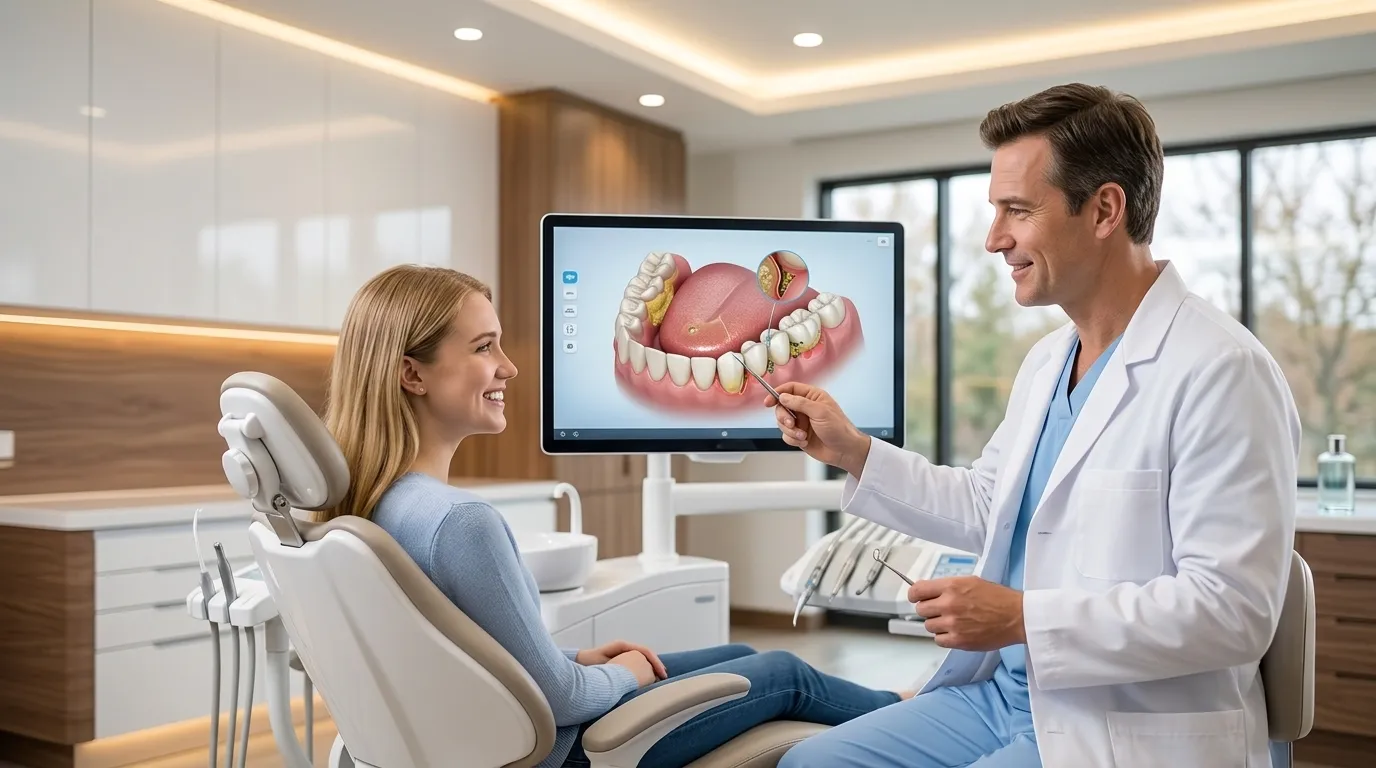
In conclusion, bad breath, or halitosis, is one of the most common and multifaceted oral health complaints in modern dentistry, affecting a massive portion of the global population at various points in life. While bad breath is often linked to simple, easily manageable causes like dietary choices, temporary dry mouth, or minor gaps in daily brushing, it can occasionally serve as a crucial clinical warning sign for active periodontal disease, structural oral decay, or serious systemic medical conditions.
The absolute best way to defend against persistent bad breath is through a comprehensive approach: consistent daily brushing and flossing, regular tongue scraping, staying well-hydrated, maintaining routine dental checkups every six months, and seeking prompt clinical care for any emerging gum issues or structural enamel damage. If you or a family member are struggling with persistent, unexplained bad breath, do not hesitate to schedule a professional consultation with an experienced dentist — with modern diagnostic tools and individualized clinical treatment, bad breath can almost always be completely resolved, restoring both your oral health and your social confidence. obstruction or clearing the infection with medical care, is fully addressed.
Furthermore, early childhood caries (cavities) can harbor vast bacterial colonies that emit strong odors. Parents who notice persistent bad breath in their child should consult a specialized pediatric dentist (pedodontist) to evaluate the child's oral health, check for early cavities, and ensure that correct brushing techniques are established early in life to prevent chronic halitosis from developing.
Products That Help Manage Bad Breath
A wide variety of commercial and therapeutic dental products are specifically formulated to help control bad breath, including antibacterial mouthwashes, fluoride toothpastes, interdental brushes, and dedicated tongue scrapers. Mouthwashes containing active ingredients such as chlorhexidine, cetylpyridinium chloride (CPC), or zinc compounds are particularly effective at neutralizing volatile sulfur compounds and reducing the hydrogen sulfide-producing bacteria responsible for severe bad breath.
However, it's crucial to remember that mouthwash alone cannot permanently cure halitosis if the underlying cause — such as deep-seated gum disease, neglected tartar buildup, or open tooth decay — is left untreated by a dental professional. The most effective long-term strategy for managing bad breath always combines high-quality daily oral hygiene products with regular professional dental cleanings and comprehensive clinical evaluations.
The Link Between Diet and Bad Breath
Diet plays a foundational role in both causing and preventing bad breath. Foods high in refined sugars and sticky carbohydrates feed the oral bacteria responsible for producing malodorous compounds, while crunchy, fibrous fruits and vegetables like apples, celery, and carrots can help clean the surface of teeth naturally through mechanical action and stimulate beneficial salivary secretion to reduce bad breath.
Additionally, extreme low-carbohydrate or ketogenic diets have been directly associated with a distinct metabolic type of bad breath, widely known as "keto breath." This happens when the body enters ketosis and releases acetone—a specific byproduct of fat breakdown—through the lungs into exhaled breath. Staying properly hydrated, balancing nutrient intake, and avoiding excessive reliance on sulfur-rich foods are simple yet powerful steps to prevent bad breath from developing in everyday life.
Understanding Volatile Sulfur Compounds (VSCs) in Halitosis
To truly understand how bad breath forms on a microscopic level, one must look at volatile sulfur compounds (VSCs). These gases are the primary chemical culprits behind offensive oral odors. The predominant VSCs involved in intra-oral halitosis are hydrogen sulfide, methyl mercaptan, and dimethyl sulfide. These compounds are produced as metabolic byproducts when gram-negative anaerobic bacteria degrade sulfur-containing amino acids (such as cysteine and methionine) found in human saliva, exfoliated oral epithelium, serum, and food remnants stuck between teeth.
When these bacteria breakdown proteins, they release volatile gases that readily evaporate into exhaled air. Methyl mercaptan, in particular, has a very low odor threshold, meaning even minuscule concentrations can result in noticeable and unpleasant bad breath. Clinical interventions targeted at bad breath often focus on disrupting these anaerobic bacterial biofilms, reducing protein sources through deep cleaning, and chemically neutralizing VSCs using active zinc and chlorhexidine formulation products.
Periodontal Health and Its Direct Impact on Halitosis
Periodontal health is inextricably linked to the severity of chronic bad breath. In a healthy mouth, the space between the tooth and the gum tissue (the gingival sulcus) is shallow, typically measuring between 1 to 3 millimeters. This shallow space is easy to clean with routine daily brushing and flossing, leaving little room for destructive bacteria to hide.
However, when plaque and tartar are allowed to accumulate, the gums become inflamed—a condition known as gingivitis. If left unmanaged, gingivitis can progress to periodontitis, causing the supporting bone to deteriorate and creating deep "periodontal pockets." These dark, oxygen-deprived pockets provide the absolute ideal environment for anaerobic, sulfur-producing bacteria to multiply unchecked. The fluid inside these pockets (gingival crevicular fluid) contains high levels of proteins that these bacteria feed on, continuously pumping high levels of volatile sulfur gases into the mouth and generating persistent, heavy bad breath that standard oral hygiene tools simply cannot reach or eliminate.
Medical Conditions Outside the Mouth Causing Bad Breath
While approximately 85 to 90 percent of all halitosis cases originate directly inside the oral cavity, roughly 10 to 15 percent of bad breath cases stem from extra-oral or systemic medical conditions. Identifying whether bad breath is oral or extra-oral is a crucial phase of comprehensive diagnostic evaluation.
Extra-oral causes of bad breath include:
When a thorough dental examination reveals no oral explanation for chronic bad breath, the dentist will refer the patient to a medical specialist, such as an ENT specialist, gastroenterologist, or endocrinologist, to investigate these broader systemic pathways.
The Importance of Regular Professional Cleanings
No matter how diligent an individual is with their home brushing and flossing routine, microscopic soft plaque gradually hardens over time into a calcified substance known as dental calculus or tartar. Once tartar forms on the enamel and under the gumline, it cannot be removed with a standard toothbrush or dental floss. This rough, calcified deposit acts like a sponge for bacterial colonies, continuously releasing foul sulfur gases and accelerating gum deterioration.
Professional dental cleanings (prophylaxis) performed every six months utilize ultrasonic scaling instruments and fine hand tools to thoroughly strip away tartar deposits from every surface of the teeth. By eliminating these calcified bacterial strongholds, professional cleanings drastically cut down on bacterial load, protect the gums from periodontal recession, and provide the ultimate foundation for fresh, long-lasting breath.
Psychological Effects and Halitophobia
The psychological toll of bad breath can be surprisingly severe and debilitating. Because oral odor is intimately connected to social interaction, personal space, and physical intimacy, individuals who believe they have bad breath often develop significant social anxiety, avoid close proximity with colleagues, cover their mouths while speaking, or withdraw from social events entirely.
In extreme cases, patients may develop halitophobia (also known as delusional halitosis or olfactory reference syndrome). Individuals with halitophobia harbor an unshakeable belief that their breath smells foul, despite objective medical measurements confirming that no odor exists. They may misinterpret normal human gestures—such as someone stepping back, crossing their arms, or touching their nose—as evidence that their bad breath is offending others. Treating halitophobia requires a sensitive, empathetic clinical approach that combines objective halitometer readings with psychological support and reassurance.
In conclusion, halitosis, is one of the most common and multifaceted oral health complaints in modern dentistry, affecting a massive portion of the global population at various points in life. While bad breath is often linked to simple, easily manageable causes like dietary choices, temporary dry mouth, or minor gaps in daily brushing, it can occasionally serve as a crucial clinical warning sign for active periodontal disease, structural oral decay, or serious systemic medical conditions.
The absolute best way to defend against persistent bad breath is through a comprehensive approach: consistent daily brushing and flossing, regular tongue scraping, staying well-hydrated, maintaining routine dental checkups every six months, replacing missing teeth through modern dental implant treatment, and seeking prompt clinical care for any emerging gum issues. If you or a family member are struggling with persistent, unexplained bad breath, do not hesitate to schedule a professional consultation with an experienced dentist — with modern diagnostic tools and individualized clinical treatment, bad breath can almost always be completely resolved, restoring both your oral health and your social confidence.
Doctor Profile

This content has been evaluated in accordance with Hospitadent Medical Publication Board standards for medical accuracy, currency and patient information.
Our Awards
See All ›2019 – 2020
Health Tourism Champion
Since its founding, Hospitadent has provided oral and dental care to patients travelling from every continent for health tourism. In the Service Exporters' Association research of 2019 and 2020, we ranked first in the Dental Health Services category. Within the same report we placed 15th among all healthcare institutions in 2019 and moved up to 10th in 2020. With uncompromising customer satisfaction, Hospitadent remains the healthcare institution that treats the highest number of international oral and dental patients.
2013
TEMOS International Quality Certificate
Guided by dedicated international departments, Hospitadent welcomes patients from abroad without any language barriers, offering assistance with accommodation, city and Bosphorus tours, concierge guidance, treatment logistics and medication support to keep satisfaction at its peak. With the goal of carrying the same quality standards to both Turkish and foreign patients, we received the TEMOS "International Quality in Dental Care" certificate in 2013—an accreditation granted by the organization that evaluates and certifies worldwide patient service quality based on the "Made in Germany" quality seal.
2020
Turquality Brand Support Program
For 16 years, the Turquality Brand Support Program has helped Turkish products build and promote their image abroad. Dental Group Hospitadent earned the right to join this initiative, taking an important step on its branding journey. Being the first dental healthcare group in a program that includes only five hospitals from the healthcare sector proves not only the quality image we project, but also the high standards we uphold.
2018
Stevie Awards – Most Innovative Customer Service
The Stevie Awards, recognized worldwide for honoring outstanding organizations and leaders, is the only international business awards program. In 2018, Hospitadent became the first hospital in Turkey to win a Stevie Award by receiving the "Most Innovative Customer Service of the Year" prize. Signature experiences such as Smiling Center, Digital Smile Design and Dental SPA played a decisive role in earning this accolade.
2019 – 2020
Service Exporters Association Award
Serving dental tourists from all over the world since its foundation, Hospitadent was honored by the Service Exporters' Association in the Champions of Service Exports program, which celebrates the rising value of Turkey's service industries. Thanks to its contribution to the national economy, Hospitadent received a certificate of achievement and ranked 15th among general healthcare institutions in 2019 and 10th in 2020, continuing to lead oral and dental treatments with an unwavering focus on patient satisfaction.
2021
Great Place To Work® Certified
Based on the employee experience and satisfaction survey completed by our teams, GPTW Turkey evaluated Hospitadent and awarded us the "Great Place To Work® Certified" distinction. As the first and only dental hospital holding this leading workplace culture certificate, Hospitadent continues its journey toward many more achievements.