Fluoride Varnish: Benefits, Safety, & Expert Guide for All Ages
What is fluoride varnish and how does it protect your teeth? Learn about the painless application process, pediatric safety, and treatments for sensitivity.
Preserving the structural integrity of natural enamel represents the primary objective of modern preventive dentistry, requiring targeted clinical interventions alongside daily oral hygiene routines to combat progressive demineralization. While mechanical tooth brushing and interdental flossing clear away superficial bacterial deposits, the modern diet introduces persistent acid challenges that steadily dissolve the protective hydroxyapatite crystal matrix of the tooth. To counteract this biochemical breakdown, professional dental practitioners rely on localized mineral therapies designed to chemically reinforce and harden vulnerable tooth structures. Among the safest, most efficient, and clinically validated preventive solutions utilized in contemporary practice is fluoride varnish, which establishes an immediate, highly concentrated mineral reservoir directly on the enamel surface. This therapeutic resin adheres firmly to moist dental tissues, slowly releasing active ions that penetrate porous subsurface layers and arrest early-stage carious activity before cavitation can take place. Whether applied as a frontline defense upon the eruption of primary dentition in infants or administered to adults suffering from cervical dentin hypersensitivity, this non-invasive intervention has reshaped conservative caries prevention. By understanding how topical lacquers interact with oral tissues, clinicians and patients can optimize long-term dental preservation strategies across every stage of life.
What Exactly Is Fluoride Varnish and How Is It Formulated?
In contemporary dental practice, this topical material is formulated as a highly concentrated, medically approved lacquer containing sodium fluoride, typically suspended in a natural resin or synthetic colophony base with fast-drying alcohol carriers. Unlike early-generation foams or chemical solutions that demanded prolonged application times and cumbersome mouth trays, this professional material is painted directly onto isolated tooth surfaces using a fine applicator brush. The central objective of this material is to provide prolonged contact between concentrated active ions and the outermost porous layers of natural dental enamel.
Upon coming into contact with natural oral fluids, the solvent base evaporates rapidly while the hydrophobic resin matrix sets into a firm, sticky coating that clings tenaciously to the dental anatomy for several hours. This physical adhesion allows the mineral reservoir to remain undisturbed by tongue friction or immediate salivary rinsing, driving mineral exchange deep into the crystal lattice. Because the clinical procedure eliminates all requirements for surgical drilling or local anesthesia, it serves as a comfortable, stress-free milestone for young pediatric patients and dental-phobic individuals alike.
How Does Fluoride Varnish Work on a Microscopic Level?
The Process of Enamel Remineralization
When the topical lacquer coats the enamel, it releases concentrated ions that migrate into microscopic sub-surface pores, actively replacing calcium and phosphate building blocks previously stripped away by bacterial acids.
Conversion into Acid-Resistant Fluorapatite
Natural enamel consists primarily of hydroxyapatite, which dissolves rapidly when oral acidity drops below a critical pH threshold of 5.5; the incorporation of fluoride chemically converts this structure into fluorapatite, which withstands severe acid challenges down to a pH of 4.5.
Inhibition of Bacterial Glycolysis
Beyond structural changes, active ions diffuse through bacterial cell membranes to block crucial enzymes like enolase, drastically suppressing the ability of plaque microorganisms to ferment carbohydrates into destructive organic acids.
Is Fluoride Varnish Safe for Infants, Toddlers, and Children?
Clinical trials and pediatric dental associations globally affirm that this professional preventive lacquer is exceptionally safe and strongly recommended for pediatric patients as soon as primary teeth erupt. Young children and infants lack the motor coordination required to spit out conventional pastes and rinses, making them susceptible to swallowing excess liquids. In contrast, the resin base of this professional lacquer hardens instantaneously upon contact with moisture, eliminating the hazard of material swallowing.
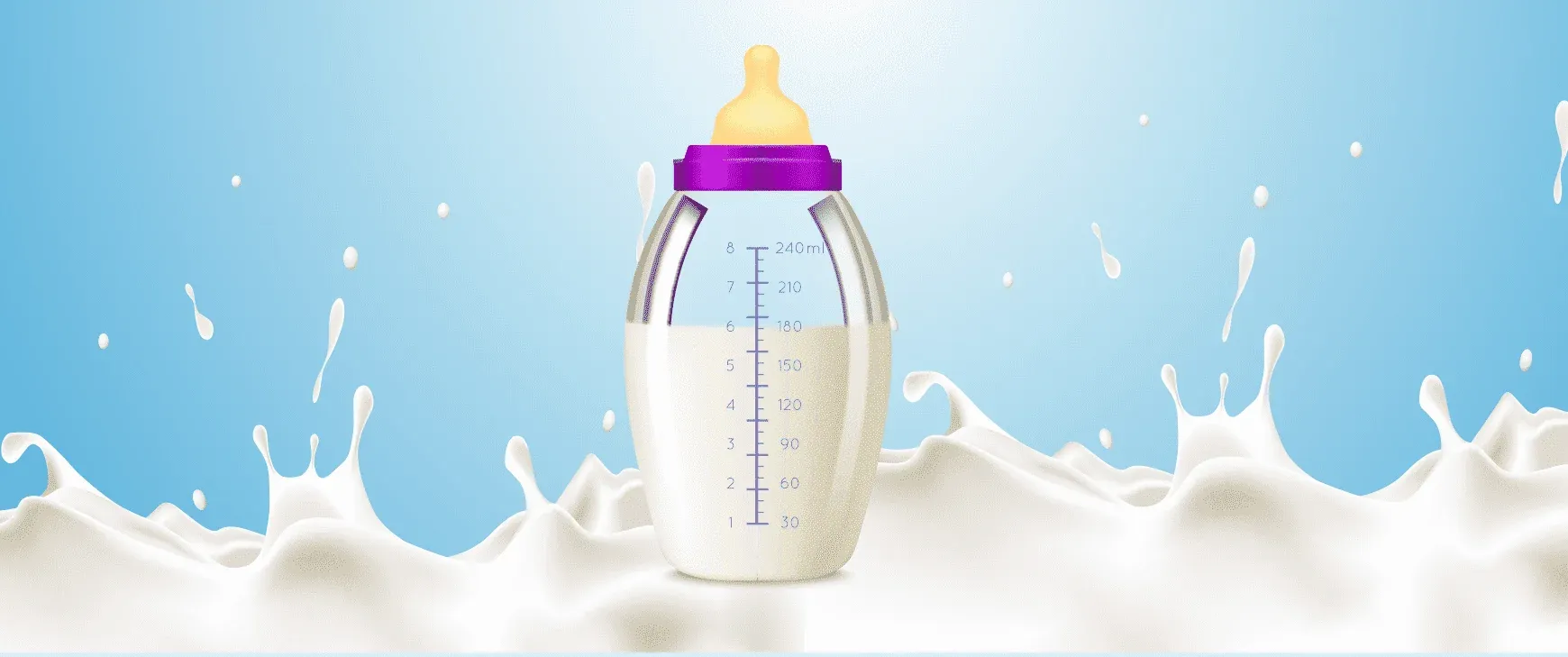
Because the material remains physically bound to the enamel surfaces, systemic absorption is negligible, preventing gastrointestinal irritation or systemic toxicity. Pediatric clinicians routinely administer this topical preventive shield during early developmental visits to arrest initial demineralization caused by prolonged bedtime feeding habits. When dietary sugars pool around maxillary anterior teeth during sleep, applying this targeted protective layer actively neutralizes the progression of baby bottle tooth decay and protects delicate primary crowns.
Can Fluoride Varnish Reverse Incipient and Early-Stage Cavities?
Patients frequently inquire whether an emerging carious lesion can truly be repaired without mechanical drilling and surgical restorations. The answer depends on the depth and structural stage of the bacterial invasion. When an acid attack manifests solely as a non-cavitated, chalky white spot along the cervical margin, localized mineral therapies can arrest the lesion and guide mineral ions back into the demineralized enamel framework.
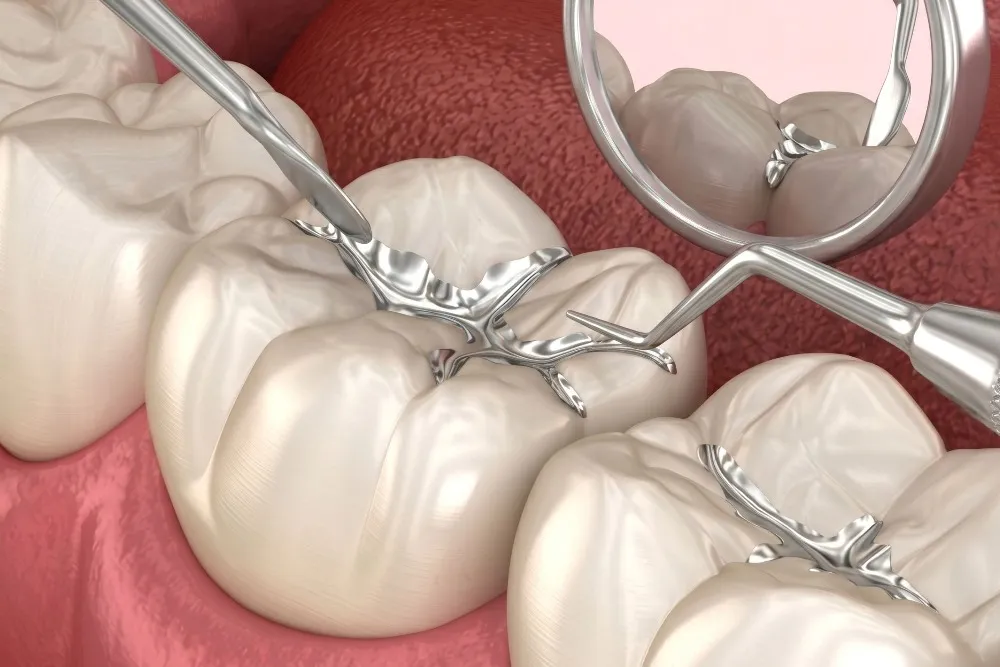
The intense mineral bath hardens the softened outer shell, halting further bacterial infiltration. However, if structural decay has progressed past the enamel-dentin junction to create an open macroscopic cavitation, topical lacquers can no longer regenerate lost anatomical tissue. In these advanced stages of cavitation, restorative therapies such as composite bonding, indirect crowns, or protective fissure sealant procedures are required to seal anatomical grooves and restore functional chewing form.
What Are the Early Signs That a Child Needs This Treatment?
Active parental monitoring is crucial for detecting early mineral dissolution before extensive structural breakdown triggers clinical pain. Pediatric specialists assess distinct behavioral patterns and physical signs to identify young patients who require prompt topical mineral intervention:
- Presence of dull, chalky white lines or opaque patches along the gingival margin, signaling early enamel demineralization.
- Frequent consumption of fermentable snacks, fruit juices, or sticky processed foods between meals throughout the day.
- Visible plaque accumulation on maxillary incisors resulting from inconsistent tooth brushing habits.
- Enamel hypoplasia, developmental defects, or naturally thin enamel layers that make newly erupted primary teeth porous and fragile.
- High historical caries rates in parents or older siblings, reflecting elevated bacterial transmission within the family unit.
- Orthodontic appliances or habits such as mouth breathing that dry out oral tissues and reduce natural salivary protection.
Comparative Cost Analysis: Turkey vs. US, UK, and Europe
Preventive and restorative dental procedures exhibit substantial pricing differences across international borders due to regional operating expenses, labor overhead, and clinical laboratory costs. The following comparative table highlights average pricing for primary preventive treatments across the United States, the United Kingdom, continental Europe, and Turkey:
|
Preventive Treatment |
United States (USD) |
United Kingdom (GBP) |
Europe (EUR) |
Turkey (USD) |
|
Fluoride Varnish (Full Arch) |
$40 – $80 |
£30 – £60 |
€35 – €70 |
$15 – $30 |
|
Dental Fissure Sealant (Per Tooth) |
$45 – $95 |
£35 – £70 |
€40 – €80 |
$20 – $35 |
|
Topical Fluoride Gel/Foam Session |
$30 – $55 |
£25 – £45 |
€30 – €50 |
$15 – $25 |
|
Silver Diamine Fluoride (Per Tooth) |
$50 – $100 |
£40 – £80 |
€45 – €85 |
$25 – $45 |
How Is Fluoride Varnish Applied Step-by-Step in a Dental Clinic?
Dental professionals favor this protective therapy because of its efficient, comfortable, and predictable application protocol. The entire clinical sequence is completed in a few minutes without patient discomfort:
- Substrate Cleaning: The clinician gently cleans the tooth surfaces with a soft prophy cup or cotton gauze to remove food debris and gross plaque; surgical drying is unnecessary because moisture triggers setting.
- Unit-Dose Dispensing: The clinician opens a single-use blister pack containing a pre-measured quantity of sodium fluoride lacquer, ensuring precise dosage tailored to age.
- Precision Coating: Using a flexible micro-applicator brush, the dentist paints an ultra-thin layer of lacquer over all surfaces, focusing on cervical margins and interproximal areas.
- Moisture Polymerization: The patient closes their mouth, allowing natural saliva to wash over the teeth; the resin sets into a smooth, slightly sticky film that adheres firmly to the enamel.
What Are the Essential Post-Treatment Instructions for Patients?
Restricting Hard and Crunchy Foods
Patients should consume only soft foods at cool or room temperature for the rest of the day, avoiding hard, crunchy, or sticky snacks that could mechanically peel the resin coating from the enamel.
Avoiding Thermal and Alcoholic Exposure
Hot beverages, hot soups, and alcohol-based mouth rinses must be strictly avoided for at least 4 to 6 hours, as heat and alcohol dissolve the carrier matrix prematurely.
Postponing Tooth Brushing and Flossing
Mechanical oral hygiene should be avoided until the following morning to maximize contact time between the mineral reservoir and the porous tooth structure.
Can Adults Benefit from Professional Fluoride Varnish Applications?
While public health initiatives emphasize preventive pediatric care, adults derive extensive therapeutic benefits from localized mineral coatings. As patients age, gingival recession caused by mechanical toothbrush abrasion, history of periodontal disease, or physiological changes exposes root surfaces. Because root cementum and dentin have higher organic content and dissolve at higher pH levels than enamel, exposed roots are susceptible to aggressive decay.
Applying this concentrated protective coating over exposed roots occludes open dentinal tubules, reducing hypersensitivity to thermal stimuli like ice water or hot coffee. Adults experiencing xerostomia from medication use, autoimmune disorders, or head-and-neck radiation therapy face high caries risks due to diminished salivary buffering. Regular clinical applications provide a vital mineral defense that maintains hard-tissue stability.
Fluoride Varnish vs. Gels and Foams: Which Preventive Method Is Superior?
For decades, conventional in-office preventive therapy relied on acidulated phosphate fluoride gels and foams delivered in disposable trays that patients held in their mouths for four minutes. While these systems deposit minerals, they carry distinct clinical disadvantages compared to modern lacquers. Fluid foams often trigger gag reflexes in anxious pediatric patients, leading to material swallowing, nausea, and stomach discomfort.
In contrast, modern lacquer formulas set upon salivary contact within seconds, eliminating ingestion risks. Furthermore, tray-delivered gels are rapidly washed away by saliva within minutes after the patient leaves the clinic. The hydrophobic resin base of a professional lacquer remains bonded to the enamel structure for hours, providing prolonged ion release that yields superior remineralization results.
How Often Should Fluoride Varnish Be Reapplied for Optimal Results?
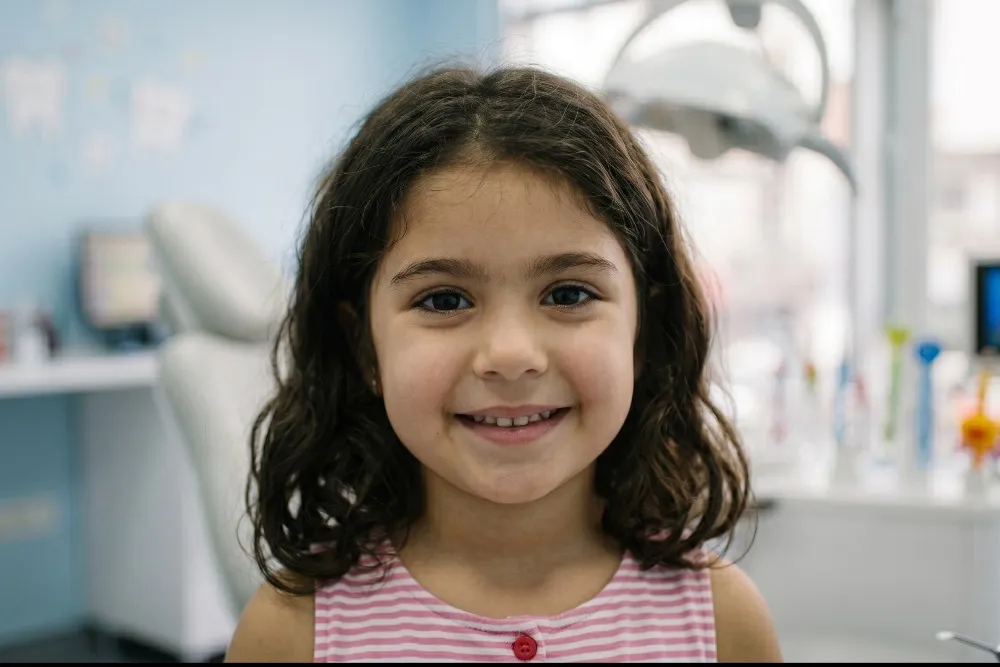
The frequency of clinical reapplication is dictated by each patient's individual dental caries risk assessment. For low-risk pediatric and adult patients who maintain consistent oral hygiene, consume low-sugar diets, and exhibit no active demineralization, semi-annual applications during routine dental checkups maintain adequate protection.
However, for individuals classified as high-risk—such as toddlers with early childhood lesions, patients undergoing fixed orthodontic appliance therapy, or adults with xerostomia—clinicians recommend repeating applications every three months. This quarterly regimen maintains high fluorapatite saturation on tooth surfaces, neutralizing aggressive bacterial attacks before irreversible tissue destruction can occur.
Does the Application of Fluoride Varnish Cause Dental Fluorosis?
Dental fluorosis is a developmental condition characterized by diffuse white lines or structural enamel mottling, occurring exclusively when young children ingest excessive fluoride over extended developmental periods while permanent crowns mineralize beneath the gums. Parents occasionally worry that the high concentration in professional lacquers might trigger this cosmetic issue.
Extensive clinical studies demonstrate that topical lacquers do not cause dental fluorosis. Because the lacquer sets instantly on the tooth surface and is administered only two to four times per year in controlled micro-doses, systemic ingestion is negligible. The therapy exerts a localized topical action on erupted teeth without altering the mineralization of unerupted permanent teeth.
What Are the Clinical Contraindications to Using This Protective Lacquer?
- Ulcerative Gingivitis and Stomatitis: The presence of widespread open mucosal ulcerations or soft-tissue lesions warrants postponing treatment to prevent burning sensations.
- Known Colophony/Rosin Allergies: Patients with documented contact allergies to natural tree resins or adhesive ingredients should not receive resin-based products.
- Systemic Febrile Illness: Children experiencing acute systemic viral or respiratory infections should reschedule to avoid distress during application.
- Immediate Prior Ingestion of High-Dose Supplements: Application should be coordinated carefully if high-dose prescription systemic fluoride therapies were ingested that morning.
Why Consider Getting Teeth Done in Turkey for Comprehensive Dentistry?
When patients require comprehensive multidisciplinary oral rehabilitation—such as pediatric full-mouth dental restoration under general anesthesia combined with advanced adult aesthetic and reconstructive therapies—treatment costs in Western countries can create substantial financial obstacles. This economic disparity leads international patients to seek specialized clinical care abroad.
Choosing the option of getting teeth done in Turkey allows families to receive care at accredited hospital facilities equipped with advanced diagnostic technologies and led by credentialed specialists. Turkish dental institutions operate under rigorous medical safety protocols using FDA-approved dental materials. Because clinical overhead and operating expenses are lower in Turkey, patients receive full preventive therapies, pediatric care, and complex restorative procedures at lower costs, combining medical visits with comfortable travel arrangements.
How Can Patients and Families Maintain Strong Enamel at Home?
Brushing with Fluoride Toothpaste Twice Daily
Maintaining daily mechanical cleaning removes metabolic plaque films; children under three require a grain-of-rice smear, while older individuals use a pea-sized amount brushed for two minutes.
Daily Interproximal Plaque Disruption
Toothbrushes cannot reach tight interdental contact points, making daily flossing essential to prevent proximal caries that topical coatings alone cannot fully protect against.
Minimizing Dietary Sugar and Acid Frequency
Reducing between-meal snacking on processed starches and acidic sodas prevents sustained drops in oral pH, allowing the salivary mineral balance to keep enamel resilient throughout life.
Doctor Profile
This content has been evaluated in accordance with Hospitadent Medical Publication Board standards for medical accuracy, currency and patient information.
Our Awards
See All ›2019 – 2020
Health Tourism Champion
Since its founding, Hospitadent has provided oral and dental care to patients travelling from every continent for health tourism. In the Service Exporters' Association research of 2019 and 2020, we ranked first in the Dental Health Services category. Within the same report we placed 15th among all healthcare institutions in 2019 and moved up to 10th in 2020. With uncompromising customer satisfaction, Hospitadent remains the healthcare institution that treats the highest number of international oral and dental patients.
2013
TEMOS International Quality Certificate
Guided by dedicated international departments, Hospitadent welcomes patients from abroad without any language barriers, offering assistance with accommodation, city and Bosphorus tours, concierge guidance, treatment logistics and medication support to keep satisfaction at its peak. With the goal of carrying the same quality standards to both Turkish and foreign patients, we received the TEMOS "International Quality in Dental Care" certificate in 2013—an accreditation granted by the organization that evaluates and certifies worldwide patient service quality based on the "Made in Germany" quality seal.
2020
Turquality Brand Support Program
For 16 years, the Turquality Brand Support Program has helped Turkish products build and promote their image abroad. Dental Group Hospitadent earned the right to join this initiative, taking an important step on its branding journey. Being the first dental healthcare group in a program that includes only five hospitals from the healthcare sector proves not only the quality image we project, but also the high standards we uphold.
2018
Stevie Awards – Most Innovative Customer Service
The Stevie Awards, recognized worldwide for honoring outstanding organizations and leaders, is the only international business awards program. In 2018, Hospitadent became the first hospital in Turkey to win a Stevie Award by receiving the "Most Innovative Customer Service of the Year" prize. Signature experiences such as Smiling Center, Digital Smile Design and Dental SPA played a decisive role in earning this accolade.
2019 – 2020
Service Exporters Association Award
Serving dental tourists from all over the world since its foundation, Hospitadent was honored by the Service Exporters' Association in the Champions of Service Exports program, which celebrates the rising value of Turkey's service industries. Thanks to its contribution to the national economy, Hospitadent received a certificate of achievement and ranked 15th among general healthcare institutions in 2019 and 10th in 2020, continuing to lead oral and dental treatments with an unwavering focus on patient satisfaction.
2021
Great Place To Work® Certified
Based on the employee experience and satisfaction survey completed by our teams, GPTW Turkey evaluated Hospitadent and awarded us the "Great Place To Work® Certified" distinction. As the first and only dental hospital holding this leading workplace culture certificate, Hospitadent continues its journey toward many more achievements.