Fissure Sealant: Complete Guide to Protective Molar Coatings
What is a fissure sealant and how does it prevent cavities? Learn about the painless application process, long-term benefits, and costs for children.
Maintaining excellent oral hygiene is a lifelong commitment that begins the moment a child’s first teeth cut through the gums. While brushing and flossing are the absolute cornerstones of daily home care, certain anatomical features of the human dentition require extra clinical reinforcement to stay completely cavity-free. The chewing surfaces of the back teeth—specifically the premolars and molars—are inherently high-risk zones for decay due to their complex, jagged topology. These teeth feature deep grooves, pits, and valleys that easily trap microscopic food particles and sticky bacterial plaque. Because these grooves are often narrower than a single bristle of a standard toothbrush, cleaning them out entirely at home is practically impossible, even for the most meticulous brushers. To address this biological vulnerability, modern preventive dentistry relies on a highly effective, non-invasive barrier technology. This protective approach acts as a shield, sealing off these microscopic traps and drastically lowering the incidence of dental caries throughout childhood and adolescence.
What Exactly Is a Fissure Sealant?
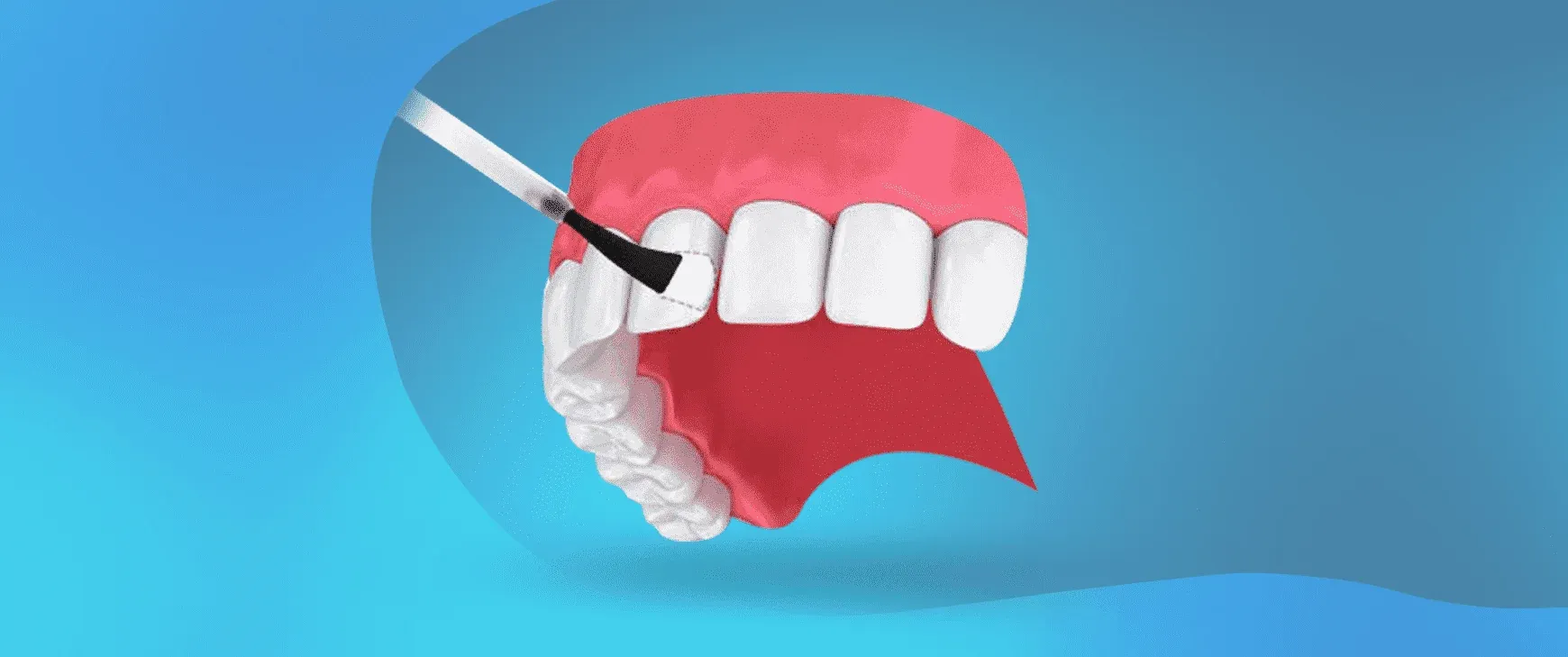
In clinical pediatric and restorative dentistry, this procedure refers to the application of a thin, biocompatible, medical-grade plastic or resin coating directly onto the occlusal (chewing) surfaces of the back teeth. The primary anatomical objective of this treatment is to fill in the deep pits and grooves, turning a highly irregular, jagged tooth surface into a smooth, easily cleanable plane. By flowing into these deep microscopic valleys, the material bonds micromechanically to the enamel structure, creating an impervious physical barrier.
This barrier deprives oral bacteria of the oxygen and nutrients they need to colonize the area, effectively halting the demineralization process before it can even begin. It is classified as an absolute frontline preventive intervention. Unlike traditional fillings, this treatment requires absolutely no drilling, cutting, or removal of the natural hard tooth structure, making it a entirely conservative and pain-free option for maintaining long-term dental health.
Why Are the Chewing Surfaces of Molars So Vulnerable to Decay?
The structural design of human molars is perfectly optimized for grinding down complex food groups, but this exact anatomy makes them highly susceptible to decay. Understanding the microscopic landscape of a molar explains why mechanical intervention is so frequently necessary.
The Microscopic Geometry of Pits and Fissures
The pits and fissures on a molar are formed during childhood development when the separate lobes of the tooth crown fuse together in the jawbone. Often, this fusion is incomplete, leaving deep, microscopic crevices that plunge down toward the dentin layer. These crevices can be up to four times narrower than a single toothbrush bristle. Consequently, while a child may brush diligently, the bristle simply glides over the top of the groove, leaving the plaque packed deeply inside the tooth.
The Inmaturity of Newly Erupted Enamel
When permanent molars first erupt around the ages of six and twelve, their outer enamel layer is not yet fully mineralized. This newly erupted enamel is relatively soft and highly porous compared to the mature enamel of an adult, making it significantly more vulnerable to the corrosive lactic acids produced by oral bacteria. During these first few years post-eruption, providing a protective coating is absolutely critical to give the enamel time to mature safely without being structurally compromised by cavities.
Who Can Benefit Most from This Preventive Treatment?
While this treatment is widely recognized as a gold-standard pediatric intervention, its clinical benefits extend across a much broader demographic than most people realize. Dentists evaluate several patient profiles to determine who stands to gain the most from this highly protective treatment:
- Children between the ages of 6 and 14 who have newly erupted permanent first and second molars that possess deep, retentive groove patterns.
- Toddlers whose primary (baby) molars exhibit deep fissures, especially if the child shows an inherent susceptibility to early childhood caries.
- Teens and young adults who are undergoing orthodontic treatments with fixed braces, as brackets and wires create extensive plaque traps across the entire mouth.
- Adults who suffer from chronic dry mouth (xerostomia) due to medications or medical conditions, as the lack of protective saliva drastically increases decay risks on all tooth surfaces.
- Bariatric or gastric reflux patients whose oral cavities are frequently exposed to highly destructive stomach acids, requiring extra enamel shields.
At What Age Should Children Get a Fissure Sealant?
Timing is absolutely everything when it comes to maximizing the clinical efficacy of preventive dental coatings. The ideal clinical window for application is immediately after the tooth has fully broken through the gum tissue and erupted into the oral cavity, well before acid-producing bacteria have a chance to settle into the deep grooves. The first permanent molars typically erupt around the age of 6, creating the first critical treatment window.
The second permanent molars emerge around the age of 12, opening the second major window. However, pediatric dentists also assess primary teeth; if a toddler shows early signs of baby bottle tooth decay or has highly irregular primary molars, sealing them around age 3 or 4 is highly recommended. Waiting too long increases the risk that microscopic, sub-clinical decay will become trapped underneath the material, which defeats the entire preventive purpose of the procedure.
How Does the Application Process Work Step-by-Step?
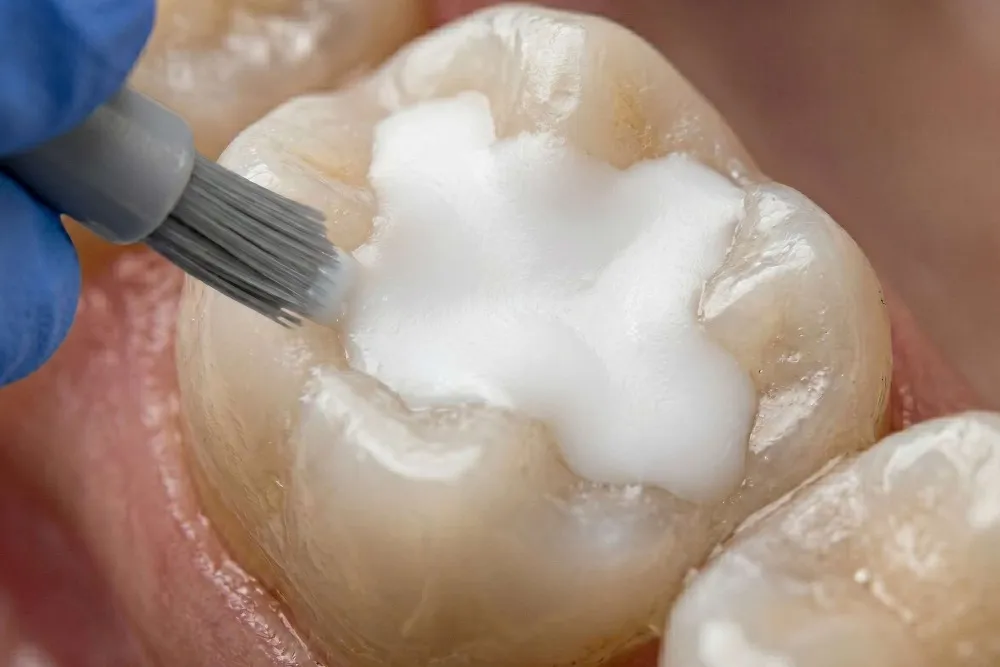
One of the greatest benefits of this preventive procedure is its absolute simplicity and comfort. The entire process takes only a few minutes per tooth and is completely non-invasive. Understanding each clinical phase helps alleviate any anxiety a child or parent might feel before the appointment:
- Thorough Surface Prophylaxis: The dentist or dental hygienist uses a rotating prophy brush with a special oil-free paste to scrub the tooth, ensuring all trapped food debris and plaque are entirely removed from the grooves.
- Isolating and Drying the Tooth: The tooth must be kept completely dry throughout the procedure. The clinician isolates the area using cotton rolls or a dental dam, and uses a gentle stream of air to remove all moisture.
- Enamel Conditioning (Etching): A mild, blue-colored phosphoric acid etching gel is applied to the chewing surface for about 15 seconds. This microscopic conditioning roughens the enamel surface, creating tiny pores that allow the coating material to grip the tooth strongly.
- Rinsing and Re-Drying: The blue etching gel is thoroughly rinsed away with water, and the tooth is dried once again. At this stage, the etched enamel will look slightly dull and chalky white.
- Material Application and Curing: The liquid resin material is painted into the fissures using a tiny applicator tip, allowing it to flow deep into the valleys. A special blue ultraviolet curing light is then held over the tooth for about 20-30 seconds to instantly polymerize and harden the plastic coating.
Is the Procedure Completely Pain-Free?
Yes, the procedure is completely, 100% free of pain and discomfort. Because the treatment involves only the outermost enamel layer of the tooth—which does not contain any nerve endings—there is absolutely no need for local anesthesia injections (numbing shots). There is no vibration from high-speed dental drills, no cutting of the tooth structure, and no scraping of sensitive tissues.
The most a child will experience is the mild, slightly sour taste of the conditioning gel if it touches the tongue, and the cool sensation of the water rinse and air spray. Many pediatric dentists present the curing light as a "magic blue flashlight" that freezes the paint, transforming what could be a scary medical visit into a fun, interactive educational experience. This pain-free nature makes it an excellent tool for building clinical trust with anxious young patients.
How Long Do Fissure Sealants Last on the Teeth?
When applied under strict moisture control conditions by an experienced clinician, these protective coatings are remarkably durable and can easily protect a tooth for up to 5 to 10 years. Over this decade, the material withstands the massive mechanical forces generated by daily chewing and grinding. However, they are subject to normal wear and tear over time.
During routine six-month checkups, the dentist will physically inspect the integrity of the coatings using a dental explorer tool to ensure they have not cracked, chipped, or worn away. If a portion of the material has been dislodged due to sticky foods or heavy grinding, the dentist can easily clean the exposed groove and reapply a fresh layer of resin right over the old one, restoring the protective shield within a matter of minutes.
Can Adults Benefit From This Treatment?
While public health campaigns almost exclusively target school-aged children, adults can absolutely benefit from this proactive enamel shield. If an adult has deep, narrow fissures that have somehow managed to stay completely free of cavities and fillings into their twenties or thirties, sealing them is a highly smart preventive strategy.
As we age, our saliva production naturally declines due to stress, systemic diseases, or daily medications, which strips away the mouth's natural acid-neutralizing defenses. Adults who are starting extensive orthodontic work or those who struggle to brush their back teeth due to a strong gag reflex are ideal candidates. Investing in a conservative coating is infinitely more practical and cost-effective than waiting for a deep cavity to form, which would require a multi-surface composite filling or a root canal down the road.
What is the Difference Between Resin and Glass Ionomer Materials?
When planning the procedure, dentists choose between two primary types of dental materials based on the child's age, cooperation levels, and the eruption stage of the tooth. Both materials offer distinct clinical advantages.
Resin-Based Sealants
Resin materials are the traditional and most widely used option. They are highly fluid, allowing them to penetrate deep into the narrowest grooves, and they offer superior mechanical strength and wear resistance over the long term. However, resin materials are highly hydrophobic, meaning the tooth must be kept perfectly dry during application. If a child salivates excessively or the tooth is only partially erupted, a resin coating can easily fail and detach.
Glass Ionomer Sealants
Glass ionomer materials are moisture-tolerant, making them the absolute best choice for young children who struggle to stay still or for molars that are still partially covered by gum tissue. While they are slightly less wear-resistant than resin, glass ionomers have a unique biochemical superpower: they constantly release high doses of fluoride directly into the surrounding enamel. This continuous fluoride treatment actively hardens the tooth structure chemically while providing a temporary mechanical shield.
Fissure Sealant vs. Traditional Dental Fillings: What's the Difference?
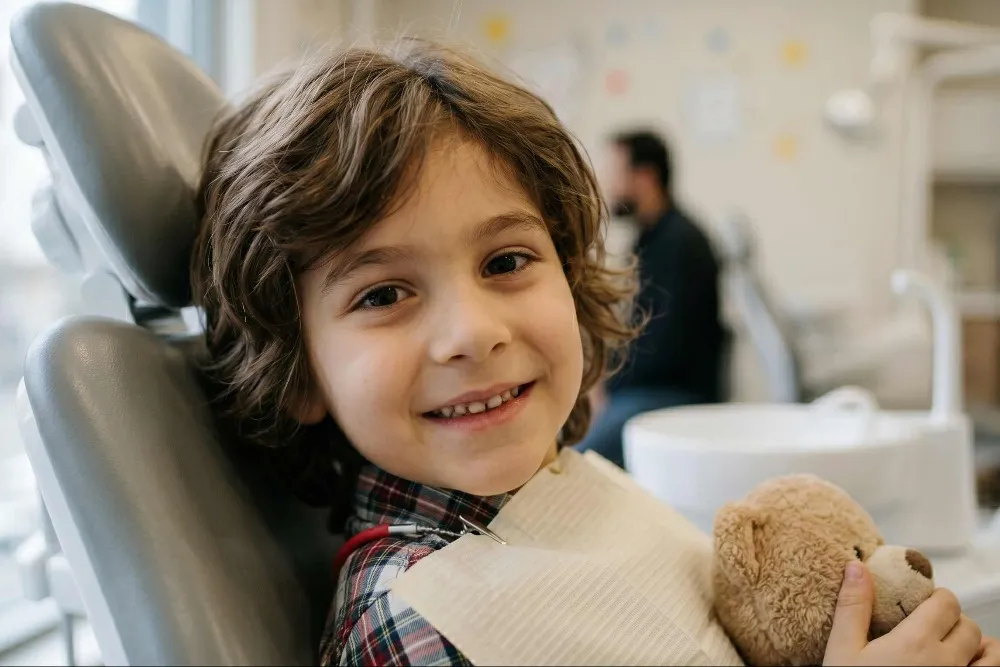
It is quite common for patients to confuse these two treatments since they both involve placing a tooth-colored material onto a molar, but they serve completely opposite clinical purposes. A traditional dental filling is a reactive, therapeutic treatment used after a cavity has already formed, drilled through the enamel, and destroyed a portion of the tooth structure. The dentist must use a high-speed drill to cut away the infected, decayed tissue, shaping a cavity wall to hold the composite filling in place.
On the other hand, a plastic protective coating is a entirely proactive, preventive intervention applied to a completely healthy, cavity-free tooth. No drilling is involved, no natural tooth structure is sacrificed, and the material sits comfortably on top of the enamel rather than replacing lost tissue. Fillings are permanent structural replacements, whereas coatings are temporary protective layers designed to safeguard the tooth during its most vulnerable developmental years.
Do Fissure Sealants Contain BPA?
A common question raised by health-conscious parents is whether the resin materials used in dental coatings release Bisphenol A (BPA), a chemical compound that has raised concerns regarding endocrine disruption. It is true that many resin dental materials contain chemical derivatives that can break down into trace, microscopic amounts of BPA immediately after being cured by the dental light.
However, extensive scientific reviews by international health organizations, including the ADA and FDA, have conclusively shown that the amount of BPA exposure from dental coatings is infinitesimal—substantially lower than the amount of BPA a child absorbs daily from breathing normal dust or eating from plastic food containers. To eliminate even this trace exposure, modern dental manufacturers have developed entirely BPA-free pediatric resins. Furthermore, dentists wipe the sealed tooth with a damp cotton ball immediately after curing, a simple step that removes 95% of the uncured surface compounds, ensuring the procedure remains completely safe.
Can a Cavity Get Trapped Underneath the Coating?
One of the most frequent apprehensions parents have is the fear that a dentist might accidentally seal over an existing, undetected cavity, allowing it to grow silently beneath the plastic layer. Fortunately, decades of clinical research have thoroughly debunked this concern. Before any coating is applied, the dentist utilizes high-magnification loupes, digital x-rays, and sometimes laser cavity detection aids to ensure the fissures are entirely healthy.
However, even if a microscopic, early-stage lesion is inadvertently covered, scientific studies have shown that sealing the groove cuts off the bacteria's access to oxygen and fermentable carbohydrates. Deprived of their food source, the trapped bacteria instantly become dormant and can no longer produce the lactic acids necessary to progress the cavity. Rather than causing harm, an intact coating effectively freezes the decay in its tracks, preserving the tooth structure.
Why Choose Affordable Dental Care in Turkey for Preventive Dentistry?
When a family has multiple children who all require comprehensive preventive dental plans—including multiple dental coatings, professional deep cleanings, and orthodontic evaluations—the accumulative costs in Western countries can become a significant financial hurdle. This financial reality has made international dental travel an increasingly popular option for families seeking top-tier care without the exorbitant price tag.
By opting for affordable dental care in Turkey, parents can access world-class pediatric dental clinics that are equipped with the absolute latest dental technologies. Turkish clinics maintain strict international sterilization protocols and employ highly specialized pedodontists who are fluent in English. Families can combine an enjoyable Mediterranean vacation with comprehensive, cost-effective dental treatments for their children, ensuring their smiles are fully protected using premium materials at a fraction of the cost found in the US or UK.
Are There Any Cons or Side Effects to Consider?
This preventive procedure is universally recognized as one of the safest and most low-risk treatments in all of modern medicine, with virtually zero negative side effects. The only minor adjustment a child might notice is a slight change in how their bite feels immediately after the appointment. Because a thin layer of plastic has been added to the tops of their teeth, the teeth may feel "high" or different for the first 24 to 48 hours.
This sensation disappears rapidly as normal chewing forces naturally smooth down the excess material within a couple of days. The only true "con" is that they require regular monitoring; if a coating chips and the patient misses their routine dental checkups, bacteria can sneak into the exposed gap, allowing a cavity to form undetected. Therefore, they are not a substitute for regular professional evaluations.
How to Maintain Sealed Teeth at Home?
It is crucial for parents and children to understand that getting protective coatings does not mean the teeth are suddenly invincible or immune to all cavities. The material only protects the specific grooved chewing surfaces that it directly covers. The smooth side walls of the molars and the highly vulnerable interdental spaces between the teeth remain completely exposed to bacterial attacks.
Therefore, a strict home hygiene routine must be maintained without any slacking. Children must continue to brush twice a day for a full two minutes using a fluoridated toothpaste, and they must floss daily between the molars to prevent interproximal cavities. Limiting the consumption of sticky, sugary candies like gummy bears or caramels is also important, as these dense treats can physically grip the resin and pull it off the tooth, leaving the fissures unprotected once again.
Doctor Profile

This content has been evaluated in accordance with Hospitadent Medical Publication Board standards for medical accuracy, currency and patient information.
Our Awards
See All ›2019 – 2020
Health Tourism Champion
Since its founding, Hospitadent has provided oral and dental care to patients travelling from every continent for health tourism. In the Service Exporters' Association research of 2019 and 2020, we ranked first in the Dental Health Services category. Within the same report we placed 15th among all healthcare institutions in 2019 and moved up to 10th in 2020. With uncompromising customer satisfaction, Hospitadent remains the healthcare institution that treats the highest number of international oral and dental patients.
2013
TEMOS International Quality Certificate
Guided by dedicated international departments, Hospitadent welcomes patients from abroad without any language barriers, offering assistance with accommodation, city and Bosphorus tours, concierge guidance, treatment logistics and medication support to keep satisfaction at its peak. With the goal of carrying the same quality standards to both Turkish and foreign patients, we received the TEMOS "International Quality in Dental Care" certificate in 2013—an accreditation granted by the organization that evaluates and certifies worldwide patient service quality based on the "Made in Germany" quality seal.
2020
Turquality Brand Support Program
For 16 years, the Turquality Brand Support Program has helped Turkish products build and promote their image abroad. Dental Group Hospitadent earned the right to join this initiative, taking an important step on its branding journey. Being the first dental healthcare group in a program that includes only five hospitals from the healthcare sector proves not only the quality image we project, but also the high standards we uphold.
2018
Stevie Awards – Most Innovative Customer Service
The Stevie Awards, recognized worldwide for honoring outstanding organizations and leaders, is the only international business awards program. In 2018, Hospitadent became the first hospital in Turkey to win a Stevie Award by receiving the "Most Innovative Customer Service of the Year" prize. Signature experiences such as Smiling Center, Digital Smile Design and Dental SPA played a decisive role in earning this accolade.
2019 – 2020
Service Exporters Association Award
Serving dental tourists from all over the world since its foundation, Hospitadent was honored by the Service Exporters' Association in the Champions of Service Exports program, which celebrates the rising value of Turkey's service industries. Thanks to its contribution to the national economy, Hospitadent received a certificate of achievement and ranked 15th among general healthcare institutions in 2019 and 10th in 2020, continuing to lead oral and dental treatments with an unwavering focus on patient satisfaction.
2021
Great Place To Work® Certified
Based on the employee experience and satisfaction survey completed by our teams, GPTW Turkey evaluated Hospitadent and awarded us the "Great Place To Work® Certified" distinction. As the first and only dental hospital holding this leading workplace culture certificate, Hospitadent continues its journey toward many more achievements.