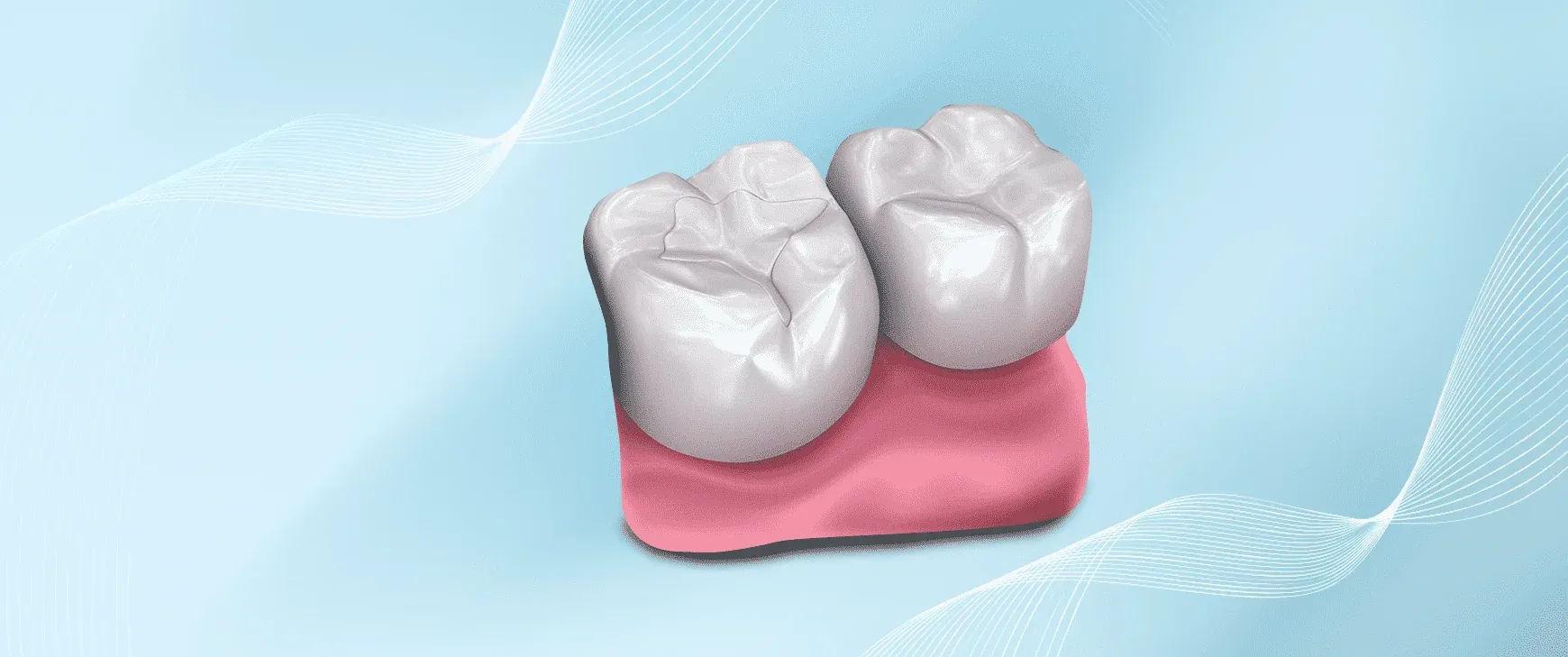
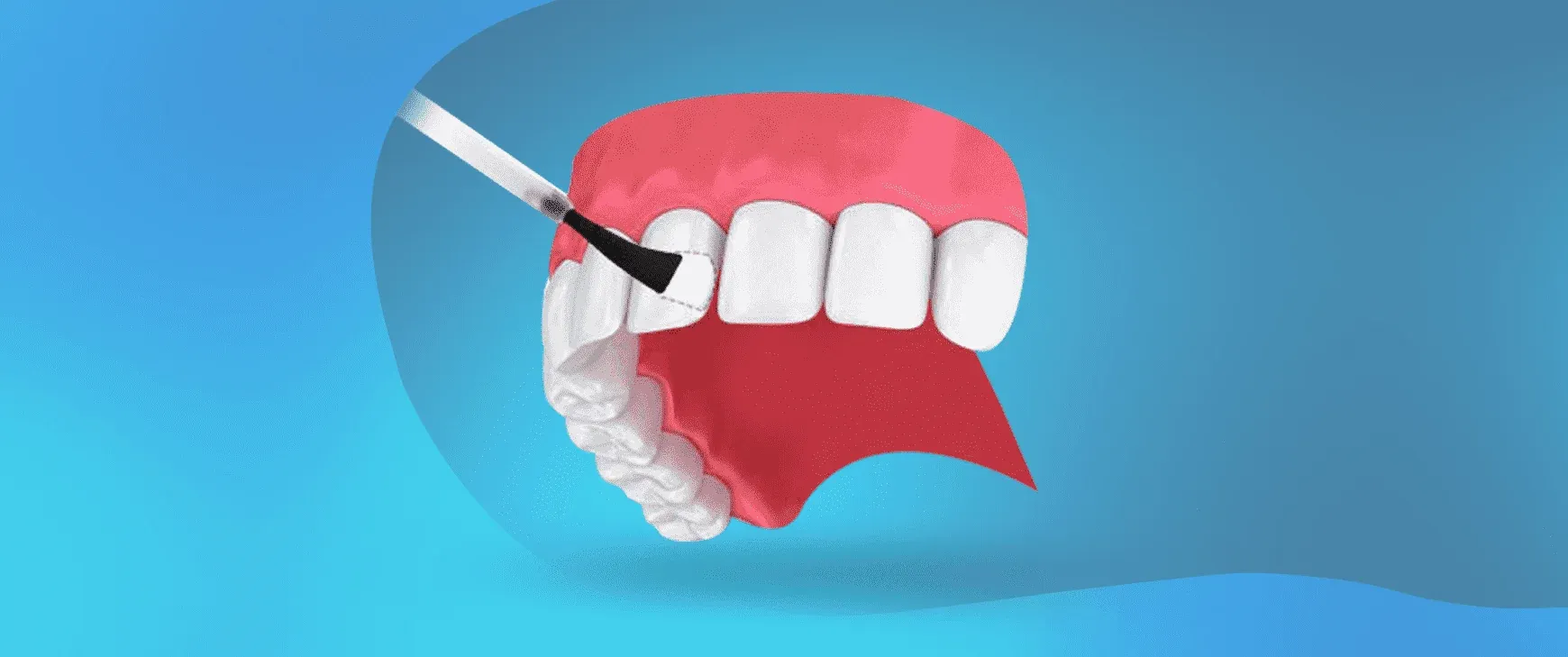
Space Maintainers: Complete Guide to Pediatric Placeholder Treatment
What is a placeholder treatment in pediatric dentistry? Discover how space maintainers prevent overcrowding, protect jaw development, and save teeth.
The comprehensive development of a child's oral cavity follows a carefully timed sequence where every primary tooth holds a specific structural position. While these temporary teeth are destined to fall out naturally, losing them prematurely to trauma, infection, or aggressive structural breakdown can disrupt the entire alignment of the dental arches. The surrounding teeth naturally lean, tilt, and slide into any vacant area, narrowing the gap intended for the underlying adult dentition. To defend against this structural collapse, pediatric dentists utilize specialized appliances designed to act as architectural scaffolds. This preventive technique keeps the jaw development balanced, eliminating the need for invasive orthodontic or surgical tracking down the line.
What Is a Space Maintainer and What Is Its Main Purpose?
In modern pediatric dentistry, this device is a highly specialized, custom-fabricated appliance engineered to preserve the exact horizontal gap left behind by a prematurely lost primary tooth. These devices are typically constructed from high-grade stainless steel, acrylic resins, or a combination of both materials, completely customized to match the unique dimensions of the toddler's jaw.
The primary biological purpose of using a space maintainer is to provide a mechanical counterforce against the natural, forward-shifting tendencies of the human dentition. By propping the surrounding teeth open, it prevents them from encroaching on the vacant socket. This simple mechanical protection ensures that the permanent adult tooth building beneath the gums retains a clear, unobstructed path to erupt normally when its biological clock triggers, maintaining natural facial aesthetics and a balanced bite.
Why Are Primary Molars So Crucial for Architectural Guidance?
Many parents fall into the trap of assuming that because primary teeth are short-term structures, their premature loss carries no major medical consequences. This misconception can severely impact a child's facial development.
Keeping the Dental Arch Wide and Balanced
Primary molars occupy a significant portion of the dental arch length. The mechanical forces transmitted through these back teeth during daily chewing actively stimulate the surrounding alveolar bone cells, signaling the jaw to widen, expand, and grow normally. When a primary molar disappears early, this vital bone stimulation stops, which can lead to localized narrowing of the jaw architecture.
Serving as Natural Guides for Adult Premolars
Permanent adult premolars grow directly beneath the roots of primary molars. The dissolving roots of the temporary tooth provide a biochemical and physical roadmap that guides the adult crown straight up through the bone. Without a steady space maintainer to secure this pathway, the adult tooth is left drifting blindly, often turning sideways or becoming completely trapped inside the bone lattice.
How Does Early Tooth Loss Cause Severe Orthodontic Overcrowding?
When an infant or toddler loses a primary tooth years before the permanent successor is ready to replace it, the surrounding teeth do not remain stationary. The mouth experiences a continuous forward pressure known as mesial drift. Without a fixed space maintainer to hold the gap open, the molar situated directly behind the empty space will naturally tip forward and slide into the open area.
Simultaneously, the teeth in front of the gap can shift backward under the pressure of chewing. Within a few months, a gap that was originally wide enough for a full adult tooth can shrink to half its size. When the permanent premolar or canine tries to emerge years later, it finds its designated spot completely blocked, forcing it to erupt crookedly outside the normal arch alignment, leading to profound malocclusion.
What Are the Different Types of Space Maintainer Devices?
Pediatric clinicians divide these space-saving appliances into separate categories based on their mechanical design, materials, and how they are retained inside the oral cavity:
- Fixed Band-and-Loop Appliance: The most frequently utilized fixed unilateral option, featuring a custom stainless steel band cemented around a stable molar next to the gap, with a stiff wire loop spanning the empty socket to touch the next healthy tooth.
- Crown-and-Loop Variation: A specialized fixed design chosen when the anchoring tooth is heavily broken down by decay and requires a full pediatric crown; the wire loop is pre-welded directly onto the crown surface.
- Lingual Holding Arch: A fixed bilateral appliance designed for the lower jaw when multiple baby molars are missing on both sides; it connects the back molars with a supportive wire that wraps around the interior of the lower front teeth.
- Nance and Transpalatal Arches: Sturdy bilateral fixed maintainers engineered exclusively for the upper jaw, using a structural wire running across the palate to keep the entire upper molar arch from collapsing inward.
- Removable Pediatric Appliances: Acrylic devices that closely resemble orthodontic retainers, often incorporating prosthetic teeth to restore aesthetics and chewing efficiency for older, highly cooperative toddlers.
How Does Aggressive Decay Trigger the Need for Space Maintenance?
Neglecting early childhood oral care is a primary reason why toddlers end up needing a mechanical space maintainer down the road. When rampant, aggressive cavities like baby bottle tooth decay are left completely unaddressed, they rapidly dissolve the hard outer enamel and eat into the soft, vascular nerve center of the primary tooth.
The resulting bacteria travel down the root canals and leak into the surrounding jawbone, forming a painful, systemic bone abscess. If the family delays treatment until the tooth crown is completely hollowed out and structural preservation is impossible, a baby root canal is no longer viable, and a surgical extraction becomes necessary. This extraction immediately triggers the urgent clinical need for a space maintainer to prevent the surrounding dental arch from collapsing.
Can Mineral Therapies Help Avoid Premature Extractions?
The most practical way to avoid needing a mechanical space maintainer is to keep your child's primary teeth strong, dense, and fully intact through aggressive preventive therapies. Incorporating a routine fluoride treatment during your toddler's regular six-month checkup is an incredibly effective strategy for hardening vulnerable enamel against decay.
The professional application of a highly concentrated sodium fluoride varnish works by infusing essential mineral ions directly into the microscopic crystalline structure of the teeth. This remineralization process repairs early acid erosion, stopping cavities in their tracks before they can penetrate deep into the pulpal tissues. By keeping the natural teeth healthy and intact, parents can avoid the painful infections that necessitate extractions, eliminating the need for space maintenance altogether.
Is a Space Maintainer Necessary for Every Missing Tooth?
No, the placement of a space maintainer is not an automated response to every single missing baby tooth. Dentists utilize detailed digital x-rays and clinical tracking to judge whether an intervention is genuinely required. For instance, if a child loses a primary upper front tooth (an incisor) early due to a playground fall, a space maintainer is rarely indicated because the anterior segment of the human jaw does not suffer from rapid mesial drift.
Furthermore, if a dental radiograph reveals that the roots of the underlying permanent tooth are already well-formed and the tooth is biologically scheduled to break through the gums within three to four months, the dentist will simply observe the area rather than cementing an unnecessary device. The appliance becomes a clinical necessity only when a primary back molar is lost several years before its adult replacement is ready to emerge.
How Can a Custom Space Maintainer Prevent the Need for Braces?
Investing in a timely space maintainer during early childhood is one of the single most cost-effective ways to minimize or completely eliminate the need for long, expensive orthodontic work during adolescence. By acting as a constant architectural guardian, the appliance ensures the dental arch develops to its full natural length.
Eliminating the Threat of Permanent Tooth Impaction
When space maintainers keep bone pathways wide open, permanent adult premolars can erupt vertically into their correct spots. Without this structural preservation, adult teeth can become severly deflected, remaining deeply trapped or impacted inside the dense jawbone, which requires complex surgical exposure by an oral surgeon to fix.
Avoiding Multi-Phase Complex Orthodontics
If a toddler's jaw collapses due to unpreserved gaps, the child will develop an extreme malocclusion (bad bite). Correcting this later in life requires a multi-phase orthodontic blueprint, often involving palatal expanders, surgical extractions of permanent adult teeth, and years of fixed braces. A simple, low-cost space maintainer prevents this developmental damage from happening.
What is the Fitting Process for a Custom Space Maintainer?
Fabricating and placing a fixed space maintainer is an entirely gentle, pain-free clinical experience that requires zero dental drilling and no numbing injections. The entire procedure is split into two brief, highly comfortable appointments:
- The Impression and Sizing Phase: During the initial visit, the dentist cleans the teeth next to the empty socket and selects an appropriate pre-sized stainless steel band, checking the fit around the anchoring molar. The clinician then takes a digital scan or a soft physical impression of the child's jaw. This 3D geometric blueprint is sent to a specialized dental laboratory, where a technician welds the custom wire loop to mirror the child's exact anatomy.
- The Cementation and Delivery Phase: A week later, the child returns for the final fitment. The dentist slides the custom appliance onto the anchoring molar to verify that the loop touches the opposite tooth perfectly without interfering with the child's biting movements. Once satisfied, the interior of the metal ring is lined with a biocompatible glass ionomer cement, pressed onto the tooth, and dried instantly using a specialized blue ultraviolet curing light to lock the space maintainer into place permanently.
How to Care for a Space Maintainer at Home?
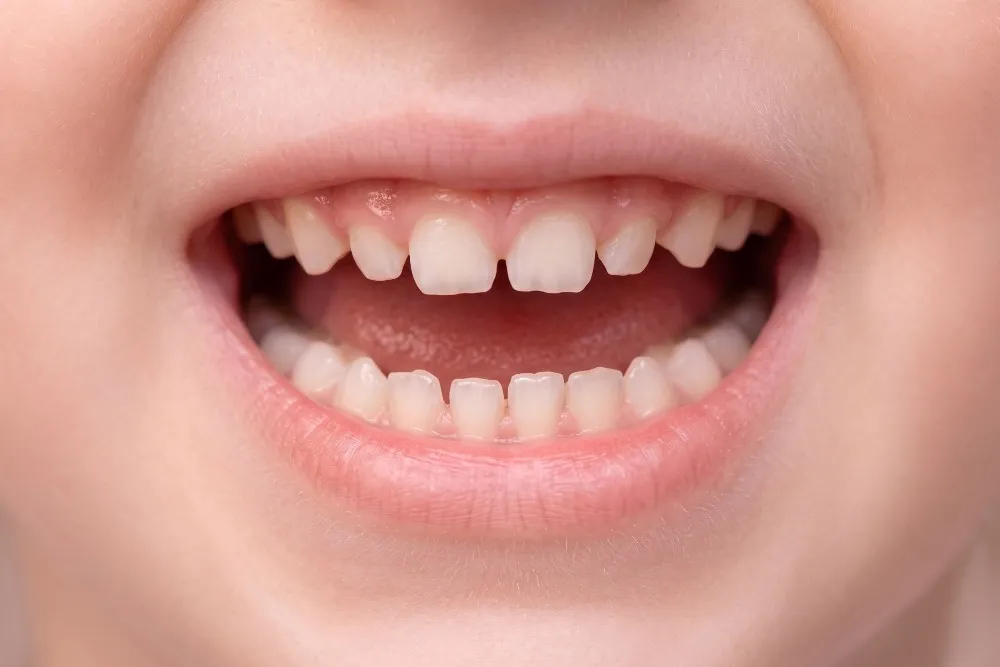
Once a fixed space maintainer is securely cemented inside your child's mouth, both the parents and the toddler must commit to specific, daily cleaning habits. Neglecting care can lead to rapid plaque buildup around the metal wires, triggering gum disease and new cavities.
- Brush the teeth thoroughly twice a day, making sure to angle the brush bristles to clean completely underneath the wire loops and all around the metal bands.
- Utilize a specialized interdental brush or thin floss threaders to gently clear out food debris trapped between the appliance wire and the soft gum tissue.
- Strictly ban sticky, highly chewy, or hard treats like taffy, caramels, or chewing gum from the child's diet, as these dense candies can easily warp the wires or snap the cement bond.
- Instruct the toddler to never pick at the wire framework with their fingers, pens, or toys, as manual bending will distort the appliance and harm the supporting molar.
Can a Cavity Form Underneath the Metal Bands?
A very common concern among parents is whether a hidden cavity can sneak underneath the metal rings of a fixed space maintainer, destroying the tooth from within. Fortunately, the medical-grade cements used in modern pediatric dentistry are specifically engineered to prevent this exact issue.
Clinicians utilize advanced glass ionomer cements to lock the bands onto the supporting molars. This smart material creates an airtight, chemical seal that completely prevents microscopic saliva, sugars, and oral bacteria from leaking beneath the metal perimeter. Furthermore, glass ionomer cements naturally excrete trace amounts of fluoride ions straight into the covered enamel for months after placement. This continuous mineral bath hardens the underlying tooth structure, keeping the supporting molar fully protected from decay throughout the duration of the treatment.
When and How Is the Device Safely Removed?
A fixed space maintainer is a time-bound medical tool that is carefully removed once its specific mission is completed. The progression of the underlying permanent tooth is continuously tracked during routine six-month checkups through physical exams and digital x-rays. The ideal window for removal is when the white crown of the adult premolar has successfully cut through the bone and begins to visibly peek through the gums inside the metal wire loop.
At this point, the adult tooth has safely claimed its natural spot in the arch, and the appliance is no longer needed. To remove the device, the pediatric dentist uses a specialized pair of band-removing pliers. The tool applies gentle, safe mechanical leverage to easily break the glass ionomer cement bond, lifting the band off the molar without causing any discomfort. The remaining cement is polished smooth, leaving the natural tooth perfectly healthy.
Why Seek Affordable Dental Care in Turkey for Pediatric Dentistry?
When a young child suffers from advanced early childhood decay, their treatment plan often demands multiple advanced procedures—such as several pediatric root canals, white zirconia crowns, and custom placeholder devices—performed under conscious sedation or general anesthesia. In many Western countries, the cumulative cost of this specialized care can be financially overwhelming for families.
By choosing to access affordable dental care in Turkey, parents can secure top-tier treatments at premier dental networks without facing financial strain. Turkish dental hospitals operate under strict international safety guidelines and utilize premium, globally certified materials. With highly trained pediatric pedodontists who speak fluent English, families can combine an enjoyable family trip with exceptional, cost-effective oral care that fully restores their child's dental alignment and health.
Are There Any Operational Risks with a Space Maintainer?
While these appliances are highly safe and widely recommended, they do introduce a few minor operational risks that parents must actively look out for. The most frequent issue is accidental loosening; if a toddler frequently bites down on hard ice or pens, the glass ionomer cement can develop micro-fractures, causing the metal band to subtly wobble.
If this happens and goes unnoticed, saliva and bacteria can leak into the loose gap, leading to rapid decay on the supporting molar. Additionally, if a child completely ignores their brushing habits, the gum tissue directly beneath the wire loop can become swollen, hypertrophic, and painful. These risks are easily avoided by maintaining strict brushing routines at home and ensuring the child never misses their routine six-month dental evaluations.
What Happens If an Appliance Is Completely Ignored?
Completely ignoring a cemented space maintainer or skipping regular dental checkups can transform a helpful preventive tool into a serious clinical complication. As a child grows, their jawbone naturally expands, and their teeth shift to make room for new growth. If an appliance is left in the mouth long past its expiration date, it can act as a literal restraint, physically blocking the natural expansion of the dental arch.
Furthermore, if the underlying permanent tooth tries to erupt but the metal wire is still blocking its path, the adult tooth will be forced to deflect, erupting sideways through the gums or remaining dangerously impacted inside the bone. In severe cases, the constant upward pressure from the adult tooth can cause the roots of the neighboring healthy molars to resort and resorb, causing permanent damage to the surrounding dentition.
Doctor Profile

This content has been evaluated in accordance with Hospitadent Medical Publication Board standards for medical accuracy, currency and patient information.
Our Awards
See All ›2019 – 2020
Health Tourism Champion
Since its founding, Hospitadent has provided oral and dental care to patients travelling from every continent for health tourism. In the Service Exporters' Association research of 2019 and 2020, we ranked first in the Dental Health Services category. Within the same report we placed 15th among all healthcare institutions in 2019 and moved up to 10th in 2020. With uncompromising customer satisfaction, Hospitadent remains the healthcare institution that treats the highest number of international oral and dental patients.
2013
TEMOS International Quality Certificate
Guided by dedicated international departments, Hospitadent welcomes patients from abroad without any language barriers, offering assistance with accommodation, city and Bosphorus tours, concierge guidance, treatment logistics and medication support to keep satisfaction at its peak. With the goal of carrying the same quality standards to both Turkish and foreign patients, we received the TEMOS "International Quality in Dental Care" certificate in 2013—an accreditation granted by the organization that evaluates and certifies worldwide patient service quality based on the "Made in Germany" quality seal.
2020
Turquality Brand Support Program
For 16 years, the Turquality Brand Support Program has helped Turkish products build and promote their image abroad. Dental Group Hospitadent earned the right to join this initiative, taking an important step on its branding journey. Being the first dental healthcare group in a program that includes only five hospitals from the healthcare sector proves not only the quality image we project, but also the high standards we uphold.
2018
Stevie Awards – Most Innovative Customer Service
The Stevie Awards, recognized worldwide for honoring outstanding organizations and leaders, is the only international business awards program. In 2018, Hospitadent became the first hospital in Turkey to win a Stevie Award by receiving the "Most Innovative Customer Service of the Year" prize. Signature experiences such as Smiling Center, Digital Smile Design and Dental SPA played a decisive role in earning this accolade.
2019 – 2020
Service Exporters Association Award
Serving dental tourists from all over the world since its foundation, Hospitadent was honored by the Service Exporters' Association in the Champions of Service Exports program, which celebrates the rising value of Turkey's service industries. Thanks to its contribution to the national economy, Hospitadent received a certificate of achievement and ranked 15th among general healthcare institutions in 2019 and 10th in 2020, continuing to lead oral and dental treatments with an unwavering focus on patient satisfaction.
2021
Great Place To Work® Certified
Based on the employee experience and satisfaction survey completed by our teams, GPTW Turkey evaluated Hospitadent and awarded us the "Great Place To Work® Certified" distinction. As the first and only dental hospital holding this leading workplace culture certificate, Hospitadent continues its journey toward many more achievements.