Baby Bottle Tooth Decay: Causes, Symptoms & Prevention
What is baby bottle tooth decay and how does it develop? Discover the early symptoms, effective prevention tips, and treatment options for toddlers.
The journey of parenting is filled with countless milestones, from a baby's first smile to the appearance of their very first tooth. However, this exciting period of growth also introduces new responsibilities regarding oral hygiene. One of the most severe yet preventable dental issues affecting infants and toddlers today is early childhood caries, commonly known as baby bottle tooth decay. This condition can develop as soon as a child's teeth erupt, often starting in the upper front teeth and rapidly progressing if left unchecked. It is a common misconception that primary teeth do not matter because they will eventually fall out. In reality, a child's temporary teeth are foundational for their long-term health, speech development, permanent tooth alignment, and overall well-being. Understanding why this aggressive form of decay happens, how to recognize its early signs, and what steps to take for prevention is essential for every parent aiming to secure a lifetime of healthy smiles for their little one.
What Exactly Is Baby Bottle Tooth Decay?
In clinical pediatric dentistry, this condition refers to a specific and highly aggressive pattern of dental caries that occurs in infants and toddlers. It primarily targets the primary maxillary incisors (the upper front teeth), while the lower front teeth are often protected by the position of the tongue during feeding. The disease is characterized by rapid destruction of the enamel, the hard outer shell of the tooth, eventually invading the inner dentin and pulpal tissues if intervention is not sought.
The biological mechanism behind this condition relies heavily on prolonged, frequent exposure of a child’s teeth to liquids containing fermentable carbohydrates. When a baby falls asleep with a bottle containing milk, formula, juice, or sweetened water, the liquid pools around the upper teeth for hours. This creates an ideal environment for acid-producing bacteria to colonize the oral cavity, leading to rapid demineralization of the vulnerable primary tooth structure. It is classified as early childhood caries (ECC) and remains a leading cause of tooth loss and chronic pain in pediatric populations worldwide.
Why Do Primary Teeth Matter So Much?
Many parents mistakenly assume that because primary teeth are temporary, losing them prematurely to cavities is not a significant medical concern. This misconception can lead to severe developmental delays and lifelong oral health challenges. Primary teeth serve several vital biological and physiological functions that dictate a child’s overall growth.
Facilitating Proper Nutrition and Digestion
Primary teeth are necessary for chewing and grinding food. When a child suffers from widespread cavities, eating becomes a painful chore. This can cause toddlers to refuse solid foods, fresh fruits, or vegetables, restricting their diet to soft, often carbohydrate-heavy alternatives. Consequently, this can result in nutritional deficiencies, weight loss, or childhood obesity.
Enabling Normal Speech and Articulation
The upper front teeth play an indispensable role in helping children learn how to pronounce specific syllables and sounds, such as "t," "d," "s," and "th." When these teeth are lost or severely decayed during the formative years of language acquisition, it can lead to speech impediments, lisping, or long-term articulation difficulties that require intensive speech therapy to correct.
Acting as Natural Space Maintainers
Primary teeth act as physical space maintainers and guides for the permanent teeth growing inside the jawbone underneath them. If a primary tooth is extracted too early due to infection, the neighboring teeth will naturally drift, tilt, and shift into the vacant gap. This leaves no room for the permanent tooth to erupt properly, leading to severe crowding, impaction, and a guaranteed need for complex orthodontic treatments later in life.
How Does Baby Bottle Tooth Decay Develop?
The initiation of dental caries requires a distinct combination of biological factors: a susceptible tooth surface, acid-producing microflora, and a constant food source for those microflora. When an infant is born, their oral cavity is naturally sterile, but it quickly becomes colonized by bacteria, most notably Streptococcus mutans, often transferred from the mother or caregiver through shared utensils or kissing.
The process accelerates significantly when the child’s dietary habits involve constant grazing or sleeping with a bottle. The sugars in milk or formula are broken down by Streptococcus mutans, which excretes lactic acid as a byproduct. This acid drops the pH level in the mouth below the critical threshold of 5.5, causing minerals to leach out of the enamel. Because a baby's saliva flow decreases dramatically during sleep, the mouth loses its natural rinsing and acid-neutralizing defense mechanism, allowing the acid to attack the teeth undisturbed for hours at a time.
What Are the Early Symptoms to Watch For?
Recognizing the earliest stages of enamel demineralization can save a toddler from undergoing painful, invasive dental treatments. Parents must actively lift their child's lips and inspect the teeth under good lighting at least once a week. The progression of early childhood caries follows a predictable path that can be easily identified if you know what to look for:
- The appearance of dull, chalky white spots or bands running along the gumline of the upper front teeth, indicating initial calcium and mineral loss.
- A transition of these white lesions into light brown or yellowish spots, showing that the decay has officially breached the enamel shell and entered the softer dentin layer.
- Dark brown or black pitting on the tooth surface, accompanied by visible chipping or structural breakage of the tooth crown.
- Swelling, redness, or small pimple-like bumps (fistulas) on the gum tissue directly above the affected teeth, which signals a deep root infection or abscess.
- Changes in the child's behavior, such as unexplained fussiness during meals, crying when consuming cold or warm liquids, or completely avoiding hard foods.
Is Putting a Baby to Sleep with a Bottle Dangerous?

Yes, leaving a baby in their crib with a bottle at naptime or bedtime is single-handedly the most dangerous and common catalyst for early childhood caries. When an infant drinks from a bottle while awake, their swallowing reflex is fully active, and the continuous flow of saliva helps wash away sugars from the mouth. However, as the baby drifts off to sleep, their swallowing reflex slows down, and saliva production drops to nearly zero.
If the bottle contains milk, baby formula, breast milk, fruit juice, or sugar water, the liquid continues to drip out of the nipple, pooling into a stagnant reservoir that completely submerges the upper teeth. The bacteria present in the oral cavity feast on these sugars all night long, producing a continuous stream of destructive acid. Even natural sugars found in breast milk and cow's milk contain lactose, which is highly fermentable and destructive when left on tooth surfaces for extended periods.
Can Fruit Juices Trigger Baby Bottle Tooth Decay?
Many well-meaning parents replace soda or sweet tea with 100% fruit juice, believing it is a entirely healthy option for their toddler. While fruit juice contains vitamins, it is also naturally loaded with extremely high concentrations of fructose, a simple sugar that oral bacteria metabolize with ease. Furthermore, juices are inherently acidic, meaning they deliver a double blow to a toddler's mouth by providing both the fuel for bacteria and a direct acid attack on the enamel.
Pediatric health organizations strongly recommend avoiding all fruit juices for infants under the age of one. For toddlers between the ages of one and three, juice should be strictly limited to no more than four ounces per day and should always be served in a regular open cup during a meal, rather than a sippy cup throughout the day. Constant sipping from a cup extends the duration of the acid attack, turning what should be a temporary exposure into a multi-hour cycle of erosion.
What Is the Role of Saliva in Preventing Cavities?
Saliva is the human body's most potent, natural defense mechanism against the development of dental caries. It performs several critical biochemical functions that actively protect the enamel from destruction. Saliva acts as a constant mechanical rinsing agent, washing away loose food debris, sugar residues, and planktonic bacteria from the tooth surfaces after eating.
Beyond mechanical cleaning, saliva has a high buffering capacity due to the presence of bicarbonate ions, which neutralize the acids produced by oral bacteria and bring the mouth's pH back to a safe, neutral level. Furthermore, saliva is rich in calcium, phosphate, and fluoride ions. When the teeth undergo minor acid damage, saliva delivers these essential minerals back into the porous crystal lattice of the enamel, a natural repair process known as remineralization. When saliva flow drops during sleep, this defensive shield disappears, leaving the teeth incredibly vulnerable to decay.
How Can Parents Prevent Baby Bottle Tooth Decay?
Preventing early childhood caries requires a dedicated, proactive routine that shifts as the child grows. It is a daily commitment to dietary monitoring and rigorous oral hygiene practices that must begin long before the first tooth even cuts through the gums.
Infancy and Pre-Eruption Hygiene
Even before your baby sprouts their very first tooth, oral care must begin. After every feeding, parents should take a clean, damp washcloth or a soft piece of medical gauze wrapped around their index finger and gently wipe down the baby's gums. This simple habit removes plaque, prevents the buildup of milk films, cleanses the oral tissues, and gets the infant completely accustomed to having their mouth cleaned from a very early age.
Post-Eruption Brushing Protocols
The very moment that first primary tooth becomes visible in the mouth, it is susceptible to cavities and must be brushed. Parents should use a pediatric toothbrush with ultra-soft bristles specifically designed for an infant's small mouth. Brushing should be performed twice a day—once in the morning and once right before bedtime—to ensure no food particles or sugars remain on the teeth while the child sleeps.
Correct Fluoride Dosing Guidelines
Fluoride is highly effective for strengthening developing enamel, but using the correct amount is crucial to avoid a cosmetic condition known as fluorosis. For children under the age of three, parents should use a tiny smear of fluoridated toothpaste, no larger than a single grain of rice. Once the child reaches the age of three and can reliably spit out the excess paste, the dose can be safely increased to a pea-sized amount.
What Treatment Options Are Available for Toddlers?
If a child is diagnosed with baby bottle tooth decay, the treatment plan chosen by the pediatric dentist will depend entirely on how deeply the infection has penetrated the tooth structures. Dentistry today focuses heavily on tooth preservation and minimally invasive techniques whenever possible.
Silver Diamine Fluoride (SDF) Therapy
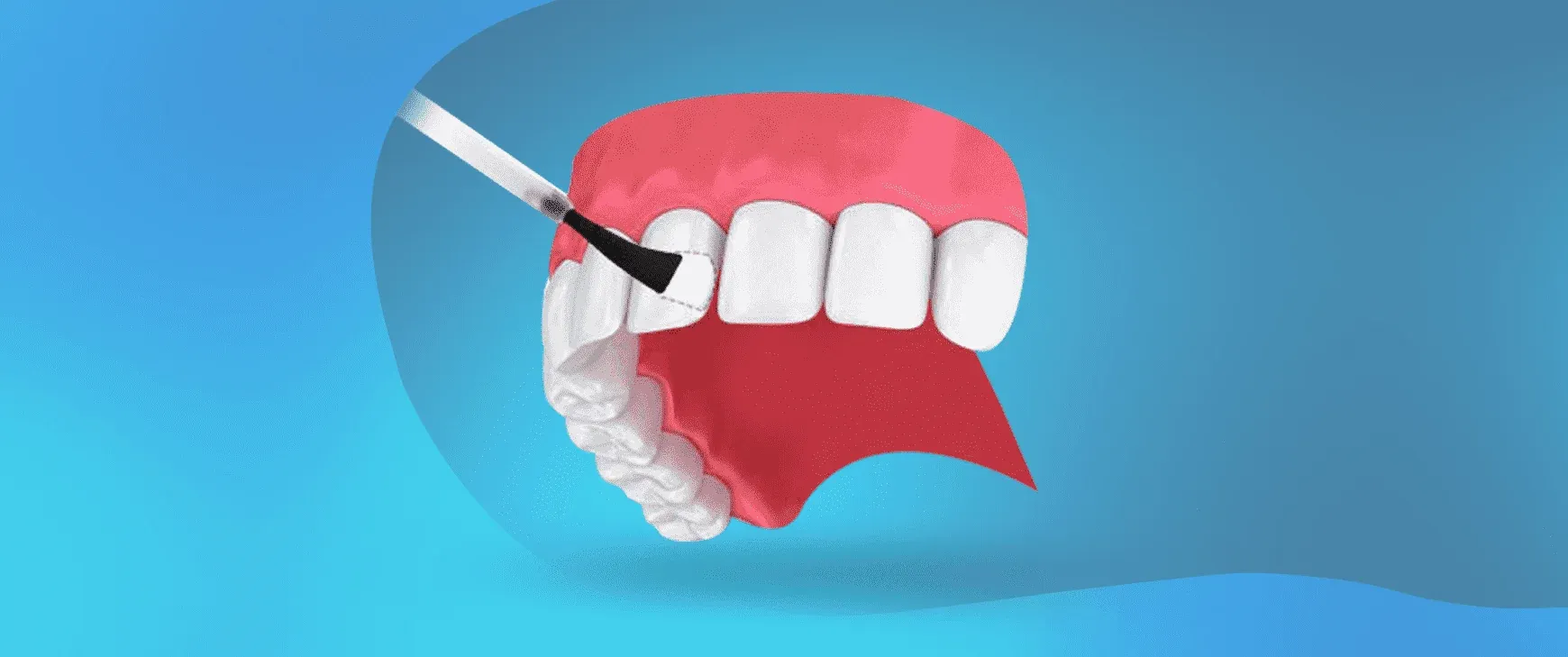
For very young children who cannot tolerate traditional dental drilling, or for early-stage lesions, dentists may apply Silver Diamine Fluoride. SDF is a clear liquid that can be painted directly onto the decayed area without any drilling or anesthesia. The silver ions act as a powerful antimicrobial agent that kills the bacteria, while the fluoride remineralizes the structure, effectively freezing and arresting the cavity's progression. It does, however, turn the decayed part of the tooth permanently black, which is why it is often used as a temporary management solution until the child is older.
Pediatric Fillings and Crowns
When the decay has created deep cavities but the tooth nerve is still healthy, the dentist will remove the infected tissue and place a tooth-colored composite filling. If the structural damage is extensive and the tooth is at risk of fracturing, the dentist will shape the remaining tooth and place a pediatric crown. These crowns are usually made of stainless steel for back teeth or white zirconia for front teeth, fully restoring the child's ability to chew and speak normally.
Baby Root Canals (Pulpotomy) and Extractions
If the bacteria have breached the inner core of the tooth and infected the nerve, a pulpotomy, or a baby root canal, becomes necessary. During this procedure, the infected part of the nerve is removed, the inside of the tooth is sterilized and medicated, and a crown is placed over it. If the tooth is destroyed beyond repair or an abscess has formed deep within the jawbone, the tooth must be extracted to protect the child's developing permanent teeth and prevent systemic infection.
Can Breastfeeding Cause Early Childhood Caries?

This is a topic that undergoes a great deal of discussion among pediatricians, lactation consultants, and pediatric dentists. Breast milk itself is a natural, nutrient-dense fluid that contains elements that actively fight off certain bacteria. Studies show that breast milk alone does not significantly cause dental caries. However, when breast milk is combined with other sources of carbohydrates and sugars from solid foods or juices, its cariogenic potential increases.
The risk rises drastically with "at-will" or on-demand nighttime breastfeeding once the child's primary teeth have erupted. If a toddler sleeps in the parental bed and nurses continuously throughout the night, the milk can still pool around the upper incisors. Just like formula, breast milk contains lactose, which can be broken down into enamel-destroying acids if left sitting on teeth without the protective rinsing effect of daytime saliva flow.
When Should a Child First Visit the Dentist?
According to leading international pediatric dental societies, a child should have their very first dental checkup by their first birthday, or within six months after their first tooth erupts—whichever milestone comes first. This first visit is often referred to as a "Well-Baby Checkup" and focuses primarily on parental education, risk assessment, and familiarizing the child with the clinical environment.
During this initial visit, the dentist will examine the baby’s mouth to check for proper jaw development, tissue health, and any early signs of demineralization. It is also an opportunity for parents to ask questions about teething, pacifier habits, thumb sucking, and proper feeding practices. Establishing a dental home early ensures that any potential developmental anomalies are caught in their infancy and helps the child build a positive, fear-free relationship with dental care that lasts into adulthood.
What Are Fissure Sealants and How Do They Help?
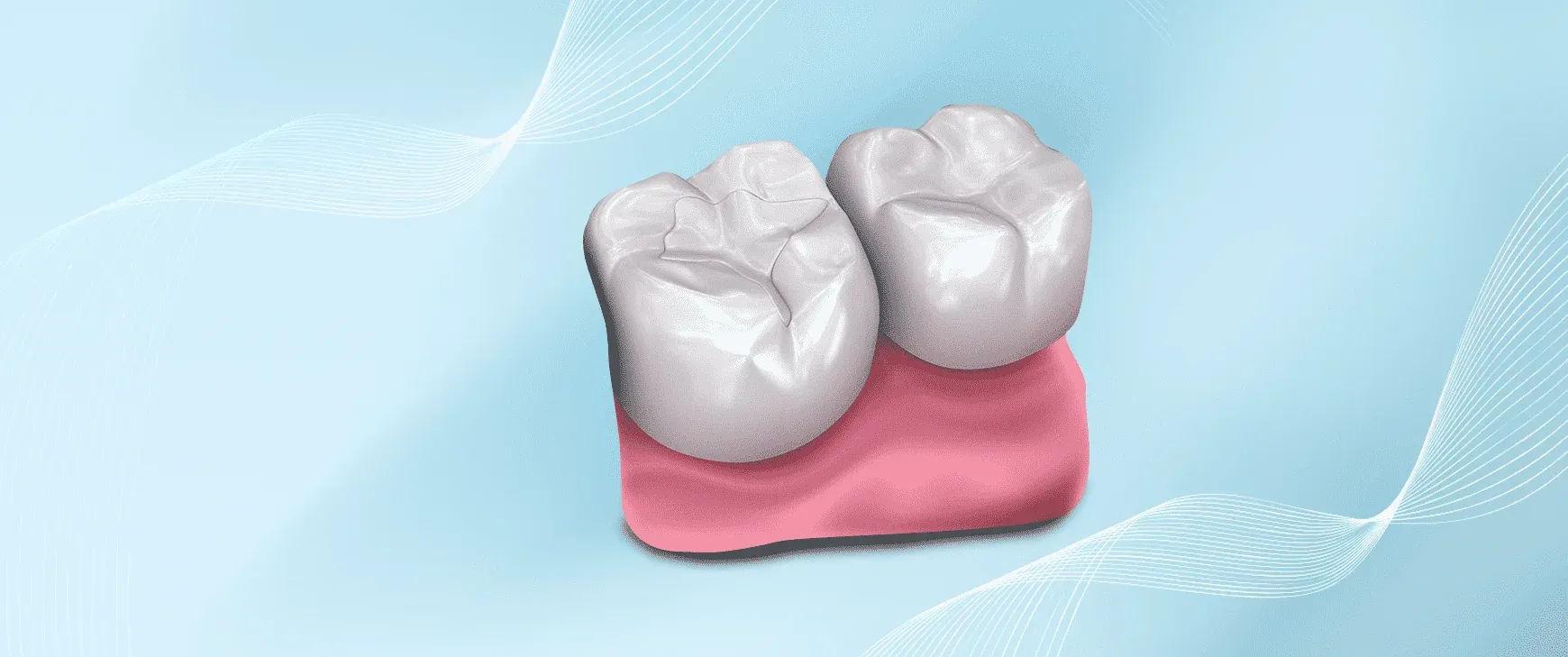
As children grow and their primary molars begin to erupt around the age of two, the chewing surfaces of these back teeth present a unique challenge for cavity prevention. These molars contain deep grooves, pits, and fissures that are completely natural but can be incredibly narrow—often narrower than a single toothbrush bristle. Food particles and bacteria get packed into these microscopic valleys, making them prime targets for decay.
To protect these vulnerable surfaces, dentists highly recommend the application of a fissure sealant. A sealant is a thin, medical-grade plastic protective coating that is painted directly onto the chewing surfaces of the molars. It bonds quickly into the deep grooves, acting as a smooth, impervious physical barrier that seals out food and bacteria. The application process is entirely painless, requires no drilling or numbing, and can reduce the risk of decay in primary molars by up to 80%, providing an invaluable shield during the cavity-prone toddler years.
How Does Professional Fluoride Application Work?
While daily brushing with a small smear of fluoridated toothpaste is crucial for home care, young children with a high risk of decay often require stronger clinical interventions. During a routine checkup, a pediatric dentist may recommend a professional fluoride treatment. This treatment involves the application of a highly concentrated fluoride varnish or gel directly onto all surfaces of the child's teeth.
The clinical varnish is a sticky substance, often fruit-flavored, that is painted on with a tiny brush. It sets immediately upon contact with saliva, allowing it to adhere to the enamel for several hours. This extended contact allows the calcium and phosphate in the enamel to absorb the fluoride ions deeply, transforming the tooth's outer mineral crystals into a much harder, more acid-resistant compound called fluorapatite. This quick, non-invasive office procedure provides long-lasting structural protection, safely halting early demineralization in its tracks.
Why Should Families Consider Pediatric Dental Care in Turkey?
When a toddler suffers from advanced early childhood caries, the treatment often requires extensive work, including multiple crowns, root canals, or extractions under general anesthesia or conscious sedation. In many Western countries, advanced pediatric dental care can be incredibly expensive, causing significant financial stress for families. This financial barrier is a primary reason why many parents look toward international dental tourism options.
Turkey has established itself as a premier global hub for advanced dentistry, offering access to world-class pediatric specialists and state-of-the-art hospitals. Families can secure top-tier, affordable dental care in Turkey, where treatment costs are significantly lower than in the US or UK without compromising on quality or safety. Turkish dental clinics are equipped with the latest technology, and many pediatric specialists speak fluent English, providing a comforting, high-quality, and cost-effective solution for restoring a child's smile without financial strain.
What Are the Long-Term Consequences of Childhood Decay?
The ramifications of ignoring baby bottle tooth decay extend far beyond temporary oral discomfort. If left untreated, the chronic infection can easily travel down the root canal of the primary tooth and leak into the surrounding alveolar jawbone. This creates a painful abscess that can damage the permanent tooth bud developing directly underneath, causing the adult tooth to erupt with malformed, weak, or permanently stained enamel.
Furthermore, severe early tooth loss alters the entire alignment of the dental arches, leading to profound orthodontic crowding that requires years of expensive corrective care. Psychologically, children with decayed, discolored, or missing front teeth often experience a severe lack of self-esteem, leading to social withdrawal, hesitation to smile or speak in school, and early onset social anxiety. Investing time and effort into early childhood oral care is a vital component of protecting your child's physical, social, and emotional future.
Doctor Profile

This content has been evaluated in accordance with Hospitadent Medical Publication Board standards for medical accuracy, currency and patient information.
Our Awards
See All ›2019 – 2020
Health Tourism Champion
Since its founding, Hospitadent has provided oral and dental care to patients travelling from every continent for health tourism. In the Service Exporters' Association research of 2019 and 2020, we ranked first in the Dental Health Services category. Within the same report we placed 15th among all healthcare institutions in 2019 and moved up to 10th in 2020. With uncompromising customer satisfaction, Hospitadent remains the healthcare institution that treats the highest number of international oral and dental patients.
2013
TEMOS International Quality Certificate
Guided by dedicated international departments, Hospitadent welcomes patients from abroad without any language barriers, offering assistance with accommodation, city and Bosphorus tours, concierge guidance, treatment logistics and medication support to keep satisfaction at its peak. With the goal of carrying the same quality standards to both Turkish and foreign patients, we received the TEMOS "International Quality in Dental Care" certificate in 2013—an accreditation granted by the organization that evaluates and certifies worldwide patient service quality based on the "Made in Germany" quality seal.
2020
Turquality Brand Support Program
For 16 years, the Turquality Brand Support Program has helped Turkish products build and promote their image abroad. Dental Group Hospitadent earned the right to join this initiative, taking an important step on its branding journey. Being the first dental healthcare group in a program that includes only five hospitals from the healthcare sector proves not only the quality image we project, but also the high standards we uphold.
2018
Stevie Awards – Most Innovative Customer Service
The Stevie Awards, recognized worldwide for honoring outstanding organizations and leaders, is the only international business awards program. In 2018, Hospitadent became the first hospital in Turkey to win a Stevie Award by receiving the "Most Innovative Customer Service of the Year" prize. Signature experiences such as Smiling Center, Digital Smile Design and Dental SPA played a decisive role in earning this accolade.
2019 – 2020
Service Exporters Association Award
Serving dental tourists from all over the world since its foundation, Hospitadent was honored by the Service Exporters' Association in the Champions of Service Exports program, which celebrates the rising value of Turkey's service industries. Thanks to its contribution to the national economy, Hospitadent received a certificate of achievement and ranked 15th among general healthcare institutions in 2019 and 10th in 2020, continuing to lead oral and dental treatments with an unwavering focus on patient satisfaction.
2021
Great Place To Work® Certified
Based on the employee experience and satisfaction survey completed by our teams, GPTW Turkey evaluated Hospitadent and awarded us the "Great Place To Work® Certified" distinction. As the first and only dental hospital holding this leading workplace culture certificate, Hospitadent continues its journey toward many more achievements.