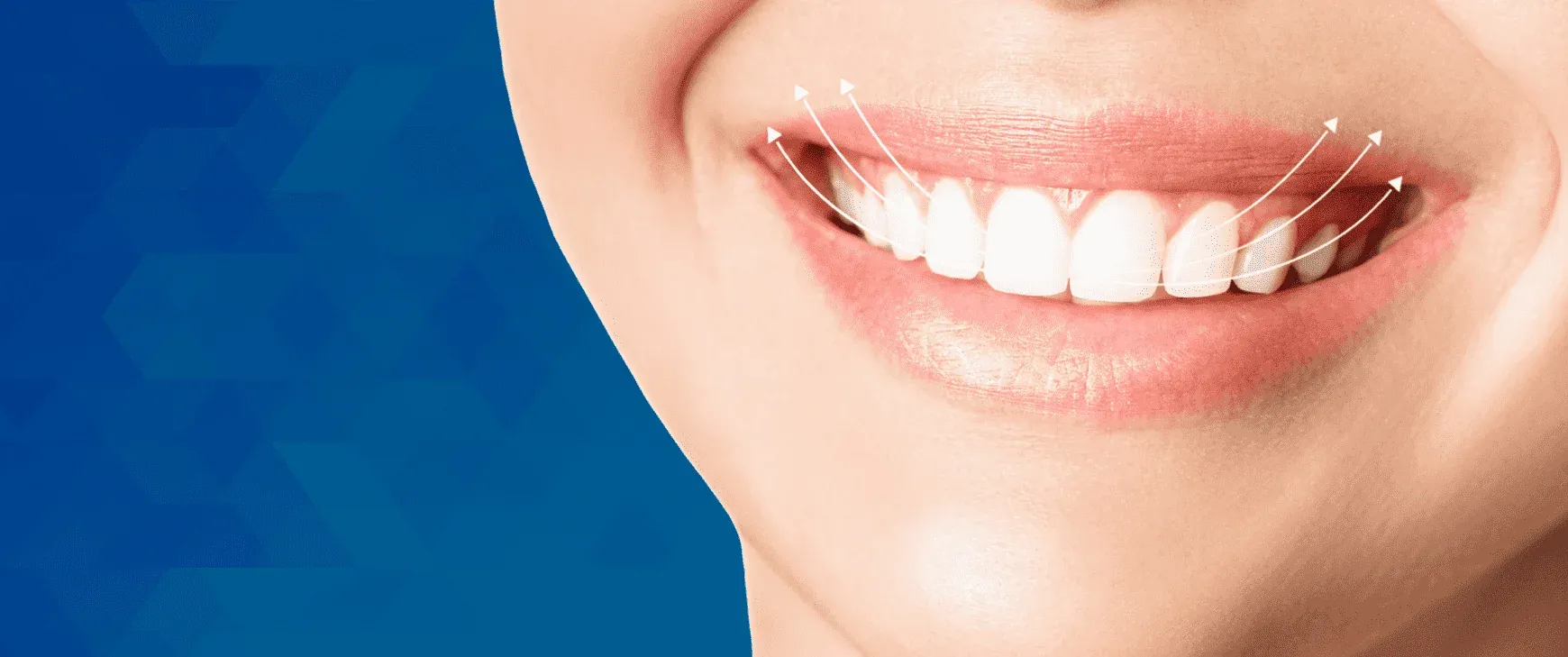
What is Digital Dentistry and Smile Design?
Discover how digital dentistry transforms treatments with CAD/CAM, 3D printing, and same-day restorations for your perfect smile design.
The world of oral healthcare is currently undergoing one of the most profound and exciting transformations in its entire history, driven by rapid advancements in medical technology. For decades, traditional dental procedures were often associated with physical discomfort, multiple lengthy appointments, and significant waiting times while external laboratories fabricated restorations. Today, these outdated, manual methods are being rapidly replaced by computer-aided, highly efficient, and exceptionally precise technological systems. At the very center of this monumental shift is digital dentistry, a comprehensive approach that completely reimagines not only the equipment used in the clinic but the overall philosophy of patient care and treatment planning.
In the modern medical era, the ultimate quality of oral healthcare is largely defined by how seamlessly a clinic can integrate these advanced technologies into their daily clinical workflows. Patients today actively demand procedures that are faster, virtually painless, and aesthetically predictable before any physical treatment even begins. To meet and exceed these high expectations, forward-thinking professionals are heavily investing in digital dentistry infrastructure. But what exactly does this technological revolution entail? How does it fundamentally differ from the conventional methods we have known for years, and what tangible, life-changing benefits does it offer to the patient sitting in the dental chair? Let us deeply explore the fascinating depths of this innovative ecosystem, the core devices it utilizes, and its remarkable impact on modern oral health.
What Is The Meaning Of Digital Dentistry?
Conceptually, digital dentistry refers to the extensive use of advanced software programs, computer-aided hardware devices, and high-resolution digital sensors to plan, diagnose, design, and seamlessly manufacture dental treatments. It effectively replaces traditional hand tools, messy chemical materials, and manual laboratory techniques that have been the industry standard for over a century. This field encompasses a wide range of technological systems capable of capturing and processing microscopic anatomical details with a level of micrometer precision that far exceeds normal human visual capabilities.
The primary objective of integrating these systems is not to replace the dentist's expertise, but rather to elevate the practitioner's diagnostic and restorative abilities to an extraordinary, superhuman level through the use of digital assistants. In a true digital dentistry environment, patient data does not travel as physical plaster models or fragile impressions; instead, it moves instantaneously through secure cloud networks as digital files. This dynamic digital workflow allows clinics to collaborate with global laboratories in real-time, store patient records flawlessly for decades, and instantly recreate any past restoration with a simple click of a button.
What Is The Difference Between Digital Dentistry And Traditional Dentistry?
The most striking and impactful difference between digital dentistry and traditional dentistry lies in the absolute speed, patient comfort, and drastically reduced margin of error during the data collection and manufacturing phases. In the traditional method, taking an impression of a patient's mouth involves filling a large metal or plastic tray with a thick, putty-like chemical substance (such as alginate or silicone) and pressing it hard against the patient's teeth. The patient must sit still while this material cures, often triggering severe gag reflexes, anxiety, and a feeling of suffocation. Once hardened, this physical mold is mailed to a dental laboratory, initiating a weeks-long waiting period characterized by temporary crowns and multiple follow-up visits.
Conversely, within the streamlined workflows of digital dentistry, the patient's oral cavity is scanned in a matter of minutes using a compact, specialized laser camera. There is absolutely no messy putty, no physical plaster casting, and zero shipping delays. The highly accurate three-dimensional virtual impression appears instantly on the clinic's computer screen. Traditional errors caused by the physical expansion of plaster, the shrinkage of impression materials, or the slight trembling of a technician's hand are entirely eliminated in the digital realm. Computerized systems operate with near-zero error margins, ensuring that every mechanical and human-induced variable is neutralized.
What Is The Role Of A Digital Dentist?
In this newly established technological ecosystem, the daily role of a dental professional has evolved far beyond being just a traditional clinician who drills teeth and fills cavities. A modern practitioner utilizing digital dentistry is a multifaceted professional who successfully blends deep anatomical knowledge with computer engineering precision and 3D modeling expertise. They must be highly proficient in operating sophisticated software interfaces and overseeing automated robotic manufacturing processes. The dentist no longer just looks at a single tooth; they analyze the patient's entire facial symmetry, jaw movements, and muscle dynamics holistically on a digital canvas.
These advanced specialists must constantly merge the massive amounts of data provided by technological devices with their own clinical experience and artistic vision. For instance, while an artificial intelligence algorithm might suggest an mathematically ideal crown shape, it is the digital dentist who intricately modifies this virtual design to match the patient’s unique biting habits and aesthetic desires. Ultimately, digital dentistry does not remove the human element from the equation; rather, it empowers the dentist with an army of flawless digital tools to make safer, more functional, and aesthetically superior clinical decisions.
What Are The Core Technologies In Digital Dentistry?
What truly separates a cutting-edge modern clinic from a conventional dental office is its comprehensive inventory of advanced technological hardware. The digital dentistry ecosystem is supported by several core technologies, each playing a vital role at different stages of the patient journey. When these standalone devices communicate and integrate flawlessly with one another, they create a closed-loop system known as a digital workflow.
This technological revolution is fundamentally built upon several indispensable pieces of equipment that define how modern treatments are executed. The core technologies driving this digital transformation include:
- Intraoral Scanners: Small, handheld wand cameras that capture highly accurate 3D images of the teeth and gums in mere minutes, completely replacing uncomfortable physical molds and messy putty.
- CAD/CAM Technology: A powerful combination of software (Computer-Aided Design) and hardware (Computer-Aided Manufacturing) that allows dentists to digitally design and robotically mill custom dental restorations right in the office.
- 3D Printing: Additive manufacturing devices used to quickly and precisely create physical models of a patient's mouth, surgical guides for implant placement, and various orthodontic appliances.
- Digital Imaging (CBCT): Advanced radiography systems that replace traditional film X-rays with high-resolution, three-dimensional views of the teeth, jawbone, and nerve pathways while significantly reducing radiation exposure.
How Do Intraoral Scanners Eliminate The Need For Goop?
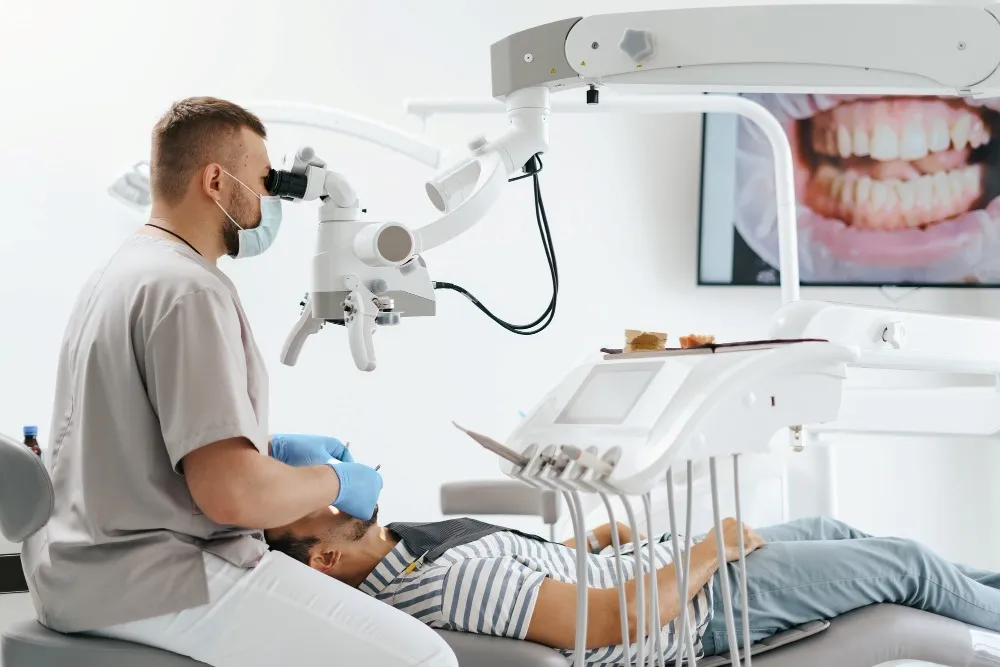
For countless patients worldwide, the most anxiety-inducing part of sitting in the dental chair is not the drill or the needle, but the suffocating, sticky impression materials used to take dental molds. One of the greatest revolutions in patient comfort brought about by digital dentistry is the total elimination of this unpleasant "goop" through the use of intraoral scanners. These sleek, pen-sized optical devices map the entire oral cavity without requiring any foul-tasting chemicals to be forced into the patient's mouth.
During the scanning procedure, the dentist gently glides the digital camera over the surfaces of the teeth. The scanner captures thousands of high-definition images per second, instantly stitching them together to create a dynamic, full-color 3D model on a nearby monitor. Because there is no bulky tray or setting material involved, the dreaded gag reflex is practically non-existent. Patients can breathe comfortably, swallow naturally, and even take a break if needed, making digital dentistry an absolute blessing for individuals with dental phobias or sensitive reflexes.
What Is CAD/CAM Technology In Dental Restorations?
CAD/CAM technology represents the pinnacle of industrial computer-aided systems brilliantly adapted for medical dental applications. Through this technology, the entire lifecycle of designing and creating a dental restoration can be completed entirely within the clinic walls, completely bypassing the need for an external dental laboratory. Often referred to as the manufacturing heart of the digital dentistry workflow, CAD/CAM enables the creation of flawless, permanent teeth in a matter of hours rather than weeks.
In the past, fabricating a porcelain crown involved tedious manual layering, firing, and polishing by a technician. Today, sophisticated robotic milling units handle this process with heavy-duty industrial precision. Solid blocks of highly durable materials, such as zirconia, glass ceramics (like e.max), or composite resins, are intricately carved by diamond-tipped burs to match the exact specifications dictated by the software.
The Computer-Aided Design (CAD) Process
The CAD phase begins immediately after the intraoral scan is completed. The dentist opens the 3D virtual model in specialized design software. The intelligent program analyzes the neighboring teeth and the opposing jaw to automatically propose an ideal anatomical shape for the missing or damaged tooth. The dentist then fine-tunes this virtual proposal, adjusting the chewing cusps, contact points, and overall morphology with a few clicks of a mouse to ensure perfect harmony with the patient's natural bite.
The Computer-Aided Manufacturing (CAM) Process
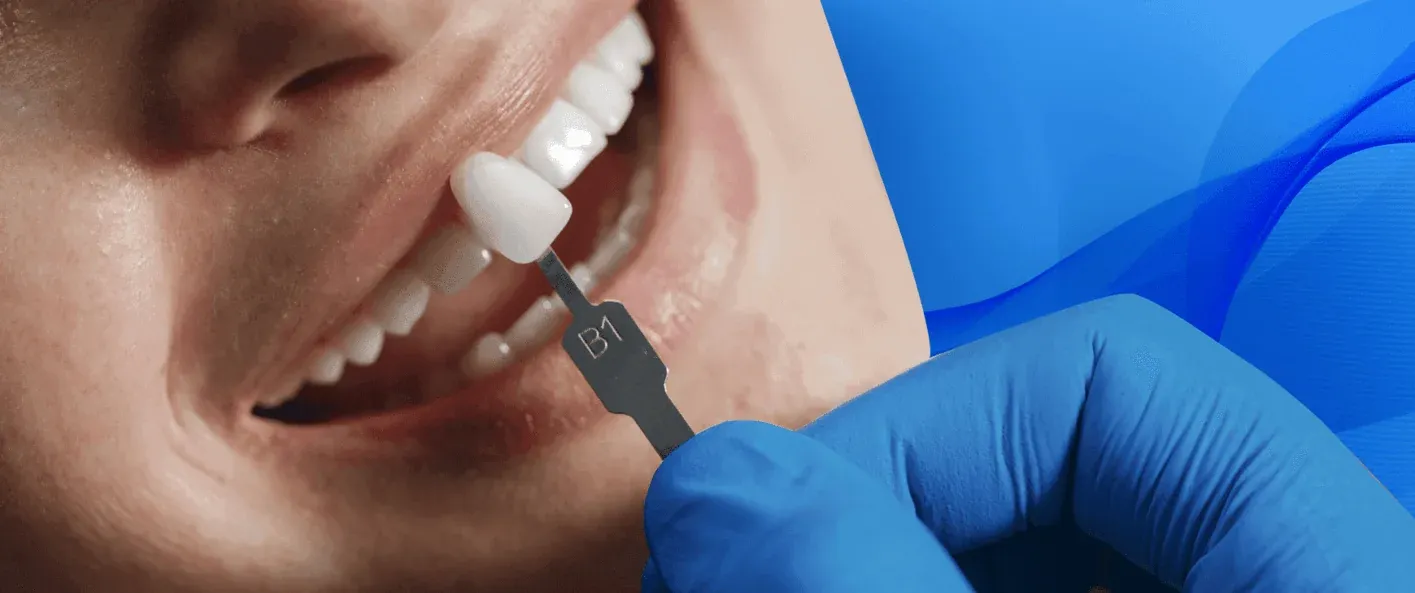
Once the digital design is finalized and approved, the data is sent wirelessly to the CAM milling machine located in the clinic. A block of porcelain or zirconia, carefully selected to match the patient's natural tooth color, is secured inside the chamber. Within 10 to 15 minutes, robotic diamond drills sculpt the block into the exact replica of the designed tooth. The restoration is then polished, glazed, and permanently cemented into the patient's mouth with unparalleled precision.
How Does 3D Printing Change The Way Dental Models Are Made?
While CAD/CAM systems operate through a subtractive method—carving a tooth out of a solid block—3D printing technology utilizes an additive manufacturing approach, building objects layer by microscopic layer using liquid light-cured resins. 3D printers have created a massive paradigm shift in digital dentistry, particularly in the rapid and cost-effective production of auxiliary treatment materials. The traditional, fragile plaster models poured by hand have now been entirely replaced by highly durable, accurately printed resin models.
Beyond simple study models, 3D printing is actively utilized to fabricate a wide array of crucial clinical tools. It is used to print clear aligners for orthodontic treatments, custom night guards for patients who grind their teeth (bruxism), and highly precise surgical guides required for complex implant surgeries. The ability to print dozens of different models within a few hours directly inside the clinic drastically speeds up treatment timelines and opens the door to truly personalized, on-demand dental care.
Why Is CBCT Digital Imaging Crucial For Oral Surgery?
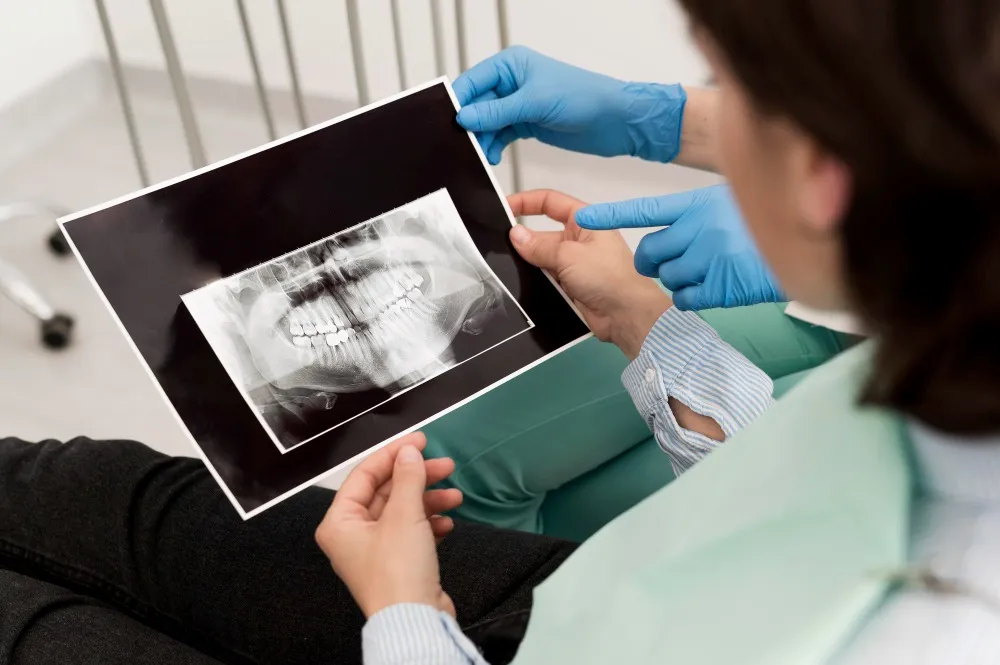
The foundation of any safe, successful, and predictable surgical operation—especially in the realm of dental implantology—relies entirely on the accurate analysis of the patient's underlying bone structure. Traditional two-dimensional panoramic X-rays have severe limitations; they only show the height of the bone and provide absolutely no information regarding bone thickness, density, or the exact three-dimensional location of critical anatomical structures. This is where digital dentistry introduces CBCT (Cone Beam Computed Tomography) devices, generating an exact 3D replica of the patient's skull.
Thanks to CBCT technology, the exact routing of the mandibular nerve canals, the depth and volume of the sinus cavities, and the precise density of the jawbone can be mapped in millimeters. Compared to traditional hospital-grade medical CT scans, CBCT emits significantly lower doses of radiation while providing incredibly detailed dental views. This allows the oral surgeon to perform virtual implant placement simulations on a computer screen long before the actual surgery, completely eliminating the element of surprise during the operation.
What Are The Key Benefits Of Digital Dentistry For Patients?
The continuous integration of advanced technology in the clinic does much more than simply make the dentist's job easier; its most profound and measurable impact is seen directly in the patient's overall treatment experience. Digital dentistry actively eliminates the traditional negative elements associated with sitting in a dental chair—such as pain, anxiety, wasted time, and clinical uncertainty—offering massive, life-changing advantages.
With the total abandonment of manual processes and the adoption of seamless digital integration, patients now enjoy a radically improved standard of care. The most notable and transformative key benefits include:
- Same-Day Treatments: Because physical molds do not need to be shipped to outside labs, procedures like crowns, veneers, and bridges can often be designed, milled, and cemented in a single visit.
- No More Goop: Digital optical scanners eliminate the unpleasant gag reflex, breathing difficulties, and general discomfort heavily associated with traditional chemical impression materials.
- Pinpoint Precision: Digital mapping and robotic milling drastically minimize human error, resulting in restorations and implants that fit more naturally, accurately, and comfortably without requiring endless adjustments.
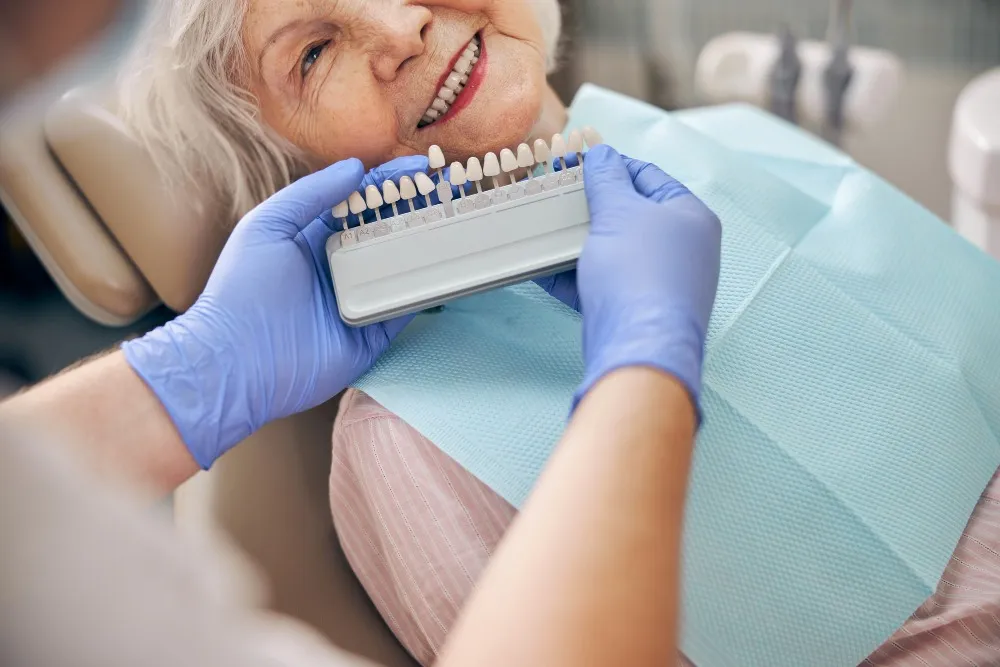
- Visualizing the Result: Advanced software allows patients to see a high-definition digital preview of their new smile, providing peace of mind and realistic expectations before the actual dental work even begins.
How Are Same-Day Treatments Achieved In Modern Clinics?
In today's fast-paced urban lifestyle, time is often considered just as valuable as financial resources. Traditionally, receiving a porcelain crown or veneer required the patient to visit the clinic at least three or four times over several weeks, forcing them to endure fragile, sensitive temporary teeth while waiting for the lab. The most striking advantage of the digital dentistry concept is the "Same-Day Treatment" protocol, which condenses this entire weeks-long ordeal into a single, efficient appointment.
This incredible time-saving feat is achieved through the use of in-house CAD/CAM systems like CEREC. The workflow is incredibly rapid: immediately after the tooth is prepared, it is scanned optically (taking about 3 minutes). The dentist then designs the new tooth on the software (about 5 minutes), and the CAM milling machine carves it from a solid block (about 12 minutes). After a quick firing and glazing process in a specialized furnace (15 minutes), the patient can walk out of the clinic with a permanent, flawlessly aesthetic tooth in just over an hour.
How Does Digital Dentistry Ensure Pinpoint Precision In Implants?
The human eye and hand, regardless of how experienced, inherently possess a certain margin of error. During traditional impression taking, saliva can distort the mold, air bubbles can form in the plaster, and a technician's brush stroke can be slightly off. These tiny discrepancies result in a final porcelain tooth that does not fit perfectly, leaving microscopic gaps that eventually lead to bacterial leakage, decay, and gum disease. Digital dentistry completely shatters this chain of human-induced errors, offering unparalleled precision.
This exactness, often referred to as pinpoint precision, adds years to the lifespan of dental restorations and surgical outcomes. Because scanners map the mouth at the micron level, the resulting crowns or veneers interlock with the natural tooth structure like a flawless puzzle piece.
Achieving Perfect Crown Margins
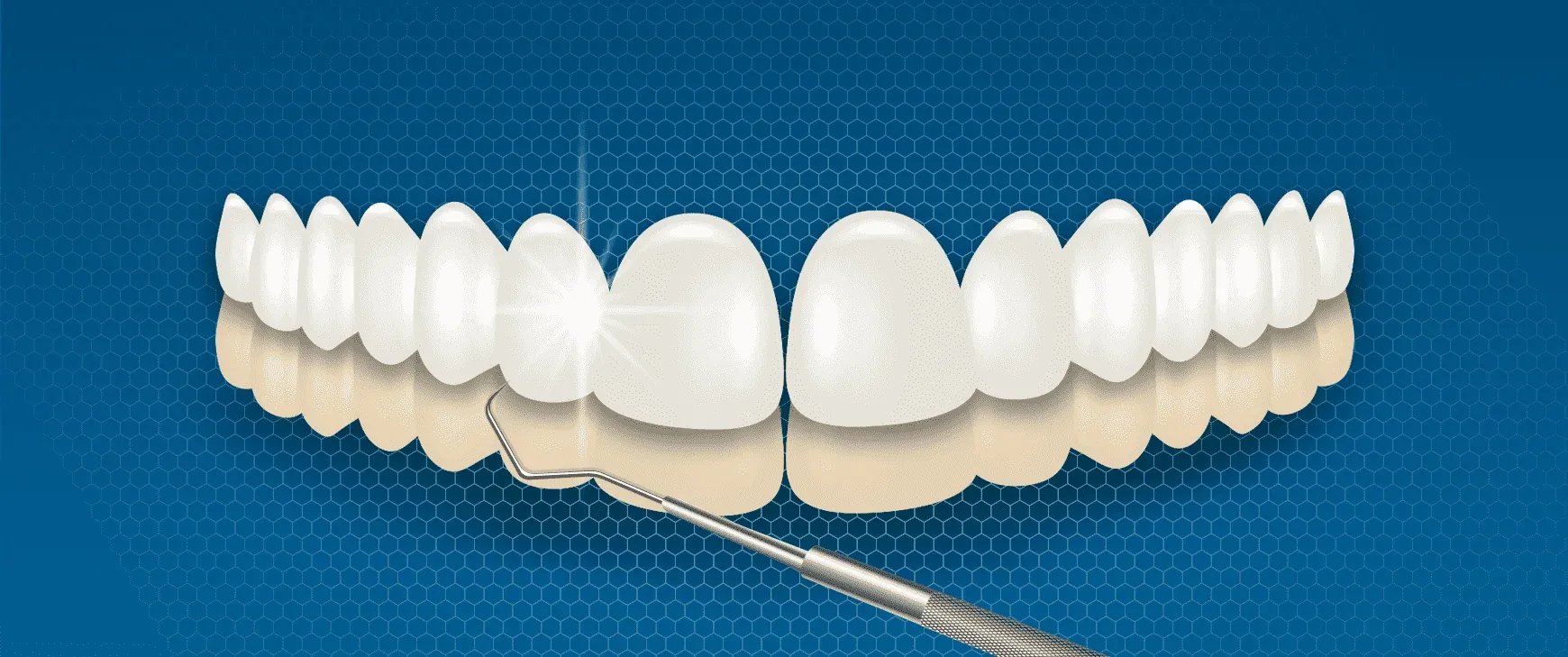
Digital systems utilize complex algorithms to automatically detect the finish line (margin) of a prepared tooth, prompting the dentist to verify it on a magnified screen. This ensures that the final crown sits perfectly flush with the gum line without causing excessive pressure, totally preventing long-term issues like gum recession, bleeding, or the unsightly dark lines often seen around old crowns.
Utilizing Surgical Guides For Implants
In implant surgery, precision is a matter of absolute clinical safety. By merging 3D intraoral scans with CBCT bone data, dentists use digital dentistry to design and 3D-print custom surgical guides. These guides snap over the patient's teeth during surgery, directing the implant drill at the exact predetermined angle and depth. This ensures the implant is placed flawlessly into the densest bone, avoiding nerves entirely and allowing for a minimally invasive, often stitch-free surgery.
What Is Digital Smile Design And How Can You Visualize The Result?
One of the biggest anxieties patients face when considering cosmetic dentistry is the fear of the unknown: "What if the new teeth don't suit my face?" Digital dentistry completely eradicates this valid concern through the revolutionary concept of Digital Smile Design (DSD). This software-driven approach allows you to see, analyze, and physically test-drive your final smile in three dimensions before the dentist ever touches your natural teeth with a drill.
The DSD process is highly interactive and begins in a dedicated photo studio. High-resolution photographs and dynamic videos of the patient speaking and smiling are captured. These visual records are then seamlessly integrated with the patient's 3D intraoral scans within the DSD software, turning the dentist into a digital facial architect.
Comprehensive Facial And Dental Analysis
Within the software, the dentist carefully analyzes the patient's pupillary line, the curvature of the lower lip, facial symmetry, and skin tone. The length, width, and overall morphology of the proposed new teeth are digitally shaped according to the mathematical rules of the "golden ratio." This ensures that instead of applying a generic set of white teeth, a highly customized smile is engineered to perfectly complement the individual's unique character and facial anatomy.
Creating Mock-Up Previews For Patients
Once the digital design is complete, a 3D printer creates a physical model of the new smile. The dentist uses this model to create a temporary silicone mold, filling it with a temporary tooth-colored resin and placing it directly over the patient's unprepared teeth. When the patient looks in the mirror, they see a highly realistic physical preview (mock-up) of their future smile. At this stage, the patient can request changes, such as slightly rounder edges or longer central incisors, and the digital design is instantly revised to guarantee 100% patient satisfaction.
Why Is Getting Teeth Done In Turkey Ideal For Digital Dentistry?
In recent years, patients from all corners of the globe seeking flawless, technologically advanced dental treatments have confidently turned their compass toward Turkey. As a shining star in global health tourism, the elite dental clinics in the country are fully equipped with the exact same—and often newer—intraoral scanners, CAD/CAM milling units, and CBCT imaging systems found in the most prestigious practices in Europe and North America. For international patients, the concept of getting teeth done in Turkey is no longer just a geographical journey; it represents an incredibly fast, highly comfortable, and world-class medical experience driven by state-of-the-art technology.
Turkish clinics heavily leverage the "same-day treatment" advantages inherent in digital dentistry. What would typically take weeks of waiting in their home countries is expertly condensed into a matter of days. While advanced zirconia crowns, e.max veneers, and complex implant prosthetics are rapidly manufactured in-house using digital workflows, patients have the wonderful opportunity to relax and explore the rich cultural and touristic beauties of Turkey.
How Do Clinics Offer Affordable Dental Care In Turkey Using Tech?
There is a common misconception that utilizing advanced medical technology automatically inflates the cost of treatment. However, the reality is quite the opposite. Digital dentistry dramatically streamlines the entire clinical workflow. By virtually eliminating the reliance on expensive external laboratories, cutting out global shipping costs, and preventing the need for costly remakes due to manual errors, the clinic's overhead is significantly optimized. This incredible boost in clinical efficiency directly translates into substantial financial savings for the patient.
When compared to the exorbitant pricing models found in the US or UK, patients seeking affordable dental care in Turkey will find that digitally equipped clinics offer the ultimate alternative. Not only are the raw materials (such as global brands of titanium and zirconia) of the highest FDA and CE-approved quality, but the sheer speed and efficiency of digital production allow patients to receive flawless, long-lasting dental makeovers at a fraction of the cost they would pay back home.
How To Find The Best Dental Clinic In Turkey For Your Needs?
A successful digital transformation relies on much more than simply purchasing expensive equipment; the true quality of care is determined by the clinician's depth of knowledge, their digital design talent, and the clinic's ability to maintain a seamless integrated workflow. Therefore, when choosing a medical center for your dental holiday, it is absolutely vital to look past shiny advertisements and focus heavily on the clinic's underlying technological infrastructure, such as whether they have an in-house CAD/CAM lab and their own 3D tomography devices.
If your ultimate expectation is flawless aesthetics combined with lifelong functional durability, your search for the best dental clinic in Turkey must prioritize institutions that explicitly offer Digital Smile Design and can showcase an extensive portfolio of digital dentistry case studies (before and after records). Always remember that no matter how advanced the technology gets, the true miracle of a perfect smile is ultimately crafted by the visionary digital dentist who transforms those digital pixels into a customized work of art.
Doctor Profile
Author and Medical Review
Dr. Jonathan CAN ATALAYProsthetic Dental Treatment Specialist
View ProfileThis content has been evaluated in accordance with Hospitadent Medical Publication Board standards for medical accuracy, currency and patient information.
Our Awards
See All ›2019 – 2020
Health Tourism Champion
Since its founding, Hospitadent has provided oral and dental care to patients travelling from every continent for health tourism. In the Service Exporters' Association research of 2019 and 2020, we ranked first in the Dental Health Services category. Within the same report we placed 15th among all healthcare institutions in 2019 and moved up to 10th in 2020. With uncompromising customer satisfaction, Hospitadent remains the healthcare institution that treats the highest number of international oral and dental patients.
2013
TEMOS International Quality Certificate
Guided by dedicated international departments, Hospitadent welcomes patients from abroad without any language barriers, offering assistance with accommodation, city and Bosphorus tours, concierge guidance, treatment logistics and medication support to keep satisfaction at its peak. With the goal of carrying the same quality standards to both Turkish and foreign patients, we received the TEMOS "International Quality in Dental Care" certificate in 2013—an accreditation granted by the organization that evaluates and certifies worldwide patient service quality based on the "Made in Germany" quality seal.
2020
Turquality Brand Support Program
For 16 years, the Turquality Brand Support Program has helped Turkish products build and promote their image abroad. Dental Group Hospitadent earned the right to join this initiative, taking an important step on its branding journey. Being the first dental healthcare group in a program that includes only five hospitals from the healthcare sector proves not only the quality image we project, but also the high standards we uphold.
2018
Stevie Awards – Most Innovative Customer Service
The Stevie Awards, recognized worldwide for honoring outstanding organizations and leaders, is the only international business awards program. In 2018, Hospitadent became the first hospital in Turkey to win a Stevie Award by receiving the "Most Innovative Customer Service of the Year" prize. Signature experiences such as Smiling Center, Digital Smile Design and Dental SPA played a decisive role in earning this accolade.
2019 – 2020
Service Exporters Association Award
Serving dental tourists from all over the world since its foundation, Hospitadent was honored by the Service Exporters' Association in the Champions of Service Exports program, which celebrates the rising value of Turkey's service industries. Thanks to its contribution to the national economy, Hospitadent received a certificate of achievement and ranked 15th among general healthcare institutions in 2019 and 10th in 2020, continuing to lead oral and dental treatments with an unwavering focus on patient satisfaction.
2021
Great Place To Work® Certified
Based on the employee experience and satisfaction survey completed by our teams, GPTW Turkey evaluated Hospitadent and awarded us the "Great Place To Work® Certified" distinction. As the first and only dental hospital holding this leading workplace culture certificate, Hospitadent continues its journey toward many more achievements.