How Is Jaw Fracture Treatment Done?
Learn about jaw fracture treatment, symptoms, and the recovery process. Find affordable, expert dental care in Turkey for complex facial trauma cases.
Jaw fracture treatment is a critical, highly complex process following severe facial trauma because it drastically affects both your daily physiological function and your overall facial aesthetic appearance. A jaw fracture is never just a simple broken bone; it is a major structural failure that can directly impact essential, life-sustaining functions such as speaking clearly, chewing food properly, swallowing, and maintaining a correct bite alignment. Because the maxillofacial region is densely packed with crucial nerves, blood vessels, and joint mechanisms, early diagnosis and a meticulously planned jaw fracture treatment approach play a monumental role in ensuring a healthy, complication-free recovery. The comprehensive details regarding the specific causes, diagnostic protocols, surgical and non-surgical treatments, and complete recovery guidelines are explained extensively below to guide you safely through this challenging medical journey.
What Is a Jaw Fracture and How Does It Happen?
A jaw fracture, clinically referred to as a mandibular or maxillary fracture, is a severe disruption of the structural bone continuity in the lower jaw or upper jaw. This type of trauma is most commonly caused by a blunt force impact to the facial skeleton. The lower jaw (mandible) is particularly vulnerable because of its prominent, outward position on the face and its distinct U-shape, which tends to concentrate mechanical forces upon direct impact. Frequent and well-documented causes of a jaw fracture include high-speed motor vehicle accidents, severe falls from significant heights, aggressive sports-related injuries, and intentional physical assaults.
Because the jawbone is a foundational component of the entire facial architecture, a jaw fracture is rarely evaluated in strict isolation. Surgeons must carefully assess the surrounding anatomical tissues, including facial muscles, cranial nerves, and major blood vessels. When planning jaw fracture treatment, the exact anatomical location, the trajectory of the traumatic force, and the overall severity of the bone break are heavily taken into account. Some fractures appear as simple, non-displaced hairline cracks, while others may be heavily comminuted, meaning the bone has completely shattered into multiple dangerous, loose fragments. Depending on the extreme nature of the trauma, severe tooth displacement, profound soft tissue lacerations, and deep intraoral injuries may also occur simultaneously, requiring immediate and highly specialized medical attention.
What Are the Symptoms of a Jaw Fracture?
The clinical symptoms of a jaw fracture can vary widely depending on the specific type, exact location, and overall severity of the structural break. However, because the jaw is constantly in motion during basic daily activities, the signs of a fracture are usually immediate, intensely painful, and impossible to ignore. Identifying these symptoms early is absolutely crucial for seeking prompt medical intervention. Common warning signs that strongly indicate a jaw fracture include:
- Severe localized pain: Intense, throbbing pain that sharply increases during any jaw movement, such as speaking, chewing, or attempting to swallow liquids.
- Limited mouth opening (Trismus): An absolute inability to open the mouth fully due to extreme muscle spasms, severe inflammation, or physical structural bone displacement.
- Malocclusion (Bite misalignment): A noticeable, highly uncomfortable change in how the teeth meet, where the upper and lower dental arches no longer fit together correctly.
- Facial swelling and bruising: Immediate, heavy swelling, deep tissue bruising, and acute tenderness along the jawline, directly under the chin, or around the lips and cheeks.
- Intraoral bleeding: Deep lacerations on the gums, mucosal tissues, or aggressively dislodged teeth causing persistent, bright red bleeding inside the mouth.
- Nerve paresthesia: A distinct tingling, numbness, or complete loss of sensation in the lower lip, chin, or lower teeth, indicating severe nerve compression or traumatic severing of the inferior alveolar nerve.
How Is a Jaw Fracture Diagnosed?
The accurate and timely diagnosis of a jaw fracture is the absolute foundational step before any medical or surgical intervention can actively begin. It requires a seamless combination of expert clinical evaluation and state-of-the-art radiographic imaging to fully understand the scope of the facial trauma.
Detailed Clinical Examination
First, the maxillofacial surgeon or emergency trauma physician will thoroughly assess the patient’s complete trauma history and current physical complaints. The clinical examination involves gently and methodically palpating the jawline to feel for obvious bone step-offs, unnatural mobility, or grinding sounds (crepitus) when the jaw moves. The doctor will carefully examine jaw movements, total mouth opening capacity, and the critical bite relationship. They will also meticulously check for deep intraoral lacerations, mobile teeth, and any signs of severe nerve damage by testing the sensory feedback on the patient's lips and chin.
Advanced Imaging Techniques
Radiographic imaging plays an undeniably major role in confirming the clinical diagnosis and precisely planning the jaw fracture treatment. A standard panoramic X-ray is usually the very first line of diagnostic defense, providing a broad, two-dimensional view of the entire mandible and maxilla. However, for a more complex, multi-layered jaw fracture, CT scans (Computed Tomography) and three-dimensional Cone Beam CT imaging techniques are absolutely indispensable. These highly advanced imaging methods help determine the exact spatial location, angle, and specific displacement condition of the fracture. They clearly show whether the fracture is a single, clean line or violently multi-fragmented, which directly dictates the safest and most effective surgical approach.
How Is Jaw Fracture Treatment Performed?
Jaw fracture treatment is a highly customized and strictly regulated medical process. It is meticulously planned based on the specific fracture type, the anatomical location, the degree of bone displacement, and the patient’s overall physiological health status. The primary, overarching objective is to restore the natural biomechanical function of the jaw, achieve perfect bite alignment, and maintain optimal facial aesthetics.
Conservative Treatment Approaches
In some minor, completely non-displaced cases of a jaw fracture, invasive open surgery may not be required at all. Conservative methods may be highly preferred by the medical trauma team. In such specific scenarios, the treatment focuses entirely on immobilizing the jaw to allow the body's natural bone healing mechanisms to take over. This might involve a strict soft-diet protocol or, in some specific instances, wiring the upper and lower jaws together (maxillomandibular fixation) for a period of several weeks. Limiting jaw movement aggressively and consistently supports proper, uninterrupted bone union.
Surgical Interventions
In more severe, widely displaced, or multi-fragmented cases of a jaw fracture, open surgical intervention becomes an absolute, undeniable medical necessity. During the operation, the oral and maxillofacial surgeon will make precise incisions, often exclusively from inside the mouth to avoid any external visible facial scarring, to safely expose the broken bones. The bone fragments are then manually and perfectly repositioned into their correct, original anatomical alignment. Once aligned flawlessly, they are rigidly stabilized using medical-grade titanium mini-plates and screws. This internal fixation allows patients to open and close their mouths much sooner than traditional jaw-wiring methods.
Is Surgery Always Necessary in Jaw Fracture Treatment?
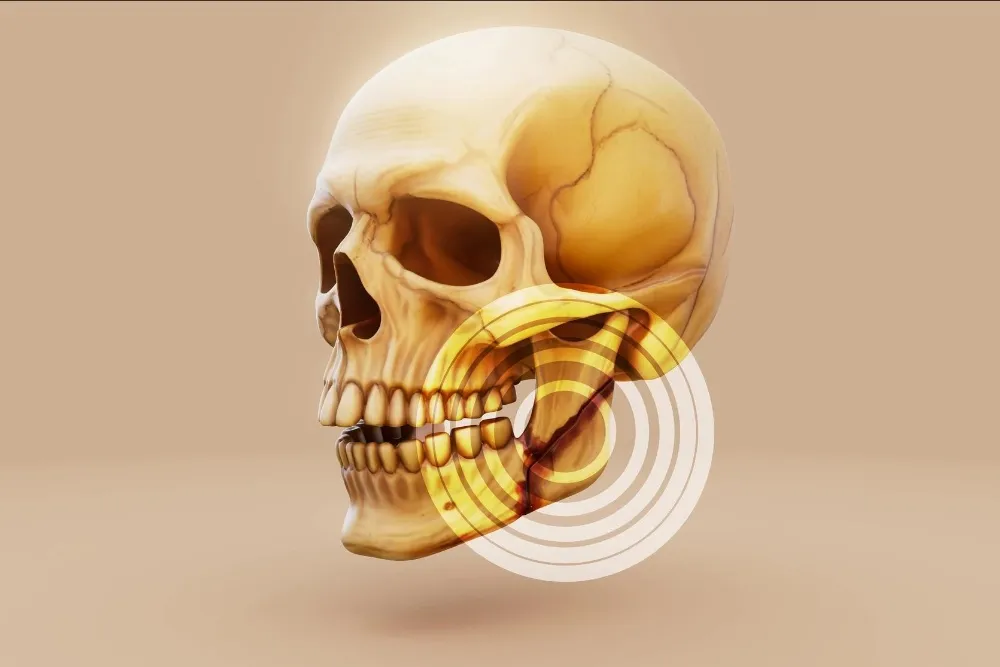
A very common and highly debated question among facial trauma patients is whether surgery is the absolute only path forward to achieve healing. The medical reality is that whether surgery is needed depends entirely on the specific biomechanical characteristics of the jaw fracture itself. Stable fractures without any structural displacement—meaning the broken ends of the bone still line up perfectly—may be successfully managed with strict conservative follow-up, dietary restrictions, and highly supportive, non-invasive treatment.
However, when bone fragments have violently shifted, rotated out of their natural place, or completely shattered, surgery becomes completely unavoidable. The definitive medical decision to proceed with surgery is typically based on whether the patient's bite alignment (occlusion) is disrupted and exactly how significant the functional loss is. If the teeth do not meet properly, the patient will indefinitely suffer from chronic pain, joint degradation, and severe malnutrition. The surgical procedures utilized within jaw fracture treatment aim to rigidly stabilize the bone in the absolute correct position so that the body can heal the gap with strong, permanent new bone tissue.
How Long Does Jaw Fracture Treatment Take?
The total duration of jaw fracture treatment and the subsequent functional rehabilitation phase depends heavily on the initial severity of the trauma, the anatomical location of the fracture, and the specific medical method utilized to fix it. Mild, non-displaced fractures managed conservatively may heal relatively faster, often showing significant clinical stability within four to six weeks. Conversely, highly complex cases requiring extensive reconstructive surgery and multiple plates can take significantly longer to fully resolve.
Biological bone healing usually begins within the first few weeks, creating a soft primary callus, and continues to mineralize, calcify, and physically strengthen over several consecutive months. In patients who undergo surgical jaw fracture treatment, an initial intense healing period of about two to three weeks is followed by a structured, long-term follow-up regimen. During this critical window, avoiding excessive mechanical strain and strictly following all recommended physical restrictions are essential for proper, complication-free recovery.
How Should Nutrition Be After a Jaw Fracture?
Proper, nutrient-dense nutrition after a jaw fracture is arguably one of the most vitally important components of the entire healing process. Because the jaw must be kept as stable and immobile as mechanically possible, the physical act of chewing must be severely restricted, and in many severe cases, completely eliminated for several weeks. In the early stages of jaw fracture treatment, patients are generally placed on a strict liquid or ultra-pureed diet to prevent any bone shifting.
Foods such as nutrient-rich broths, blended high-protein soups, protein shakes, smoothies, and very soft yogurts are highly recommended by surgical dietary teams. Hard, crunchy, or chewy foods—like nuts, tough meats, crisp apples, or crusty breads—must be absolutely avoided, as the physical force required to break them down can easily displace the healing bone fragments and entirely ruin the delicate surgical repair.
A highly suitable, calorie-dense diet during jaw fracture treatment helps prevent destructive mechanical stress on the healing bone while actively fueling the body's powerful regenerative engines. Adequate protein, calcium, and vitamins proactively support rapid bone repair. As jaw movement is gradually and safely allowed by the surgeon, the diet can be slowly transitioned back to soft chewable foods.
Is Pain Normal After Jaw Fracture Treatment?
Experiencing pain after a jaw fracture and the subsequent jaw fracture treatment is entirely normal, especially in the very first few days following the initial facial trauma or the invasive surgical intervention. The human jawbone is heavily surrounded by a dense, complex network of highly sensitive cranial nerves and robust facial muscles. Severe pain related to the blunt force trauma and the surgical treatment itself is generally expected, but it tends to decrease predictably over time with proper pharmacological management.
After surgery, localized pain may also be a direct biological result of the body's natural inflammatory response and soft tissue healing mechanisms. The intensity of this pain can vary wildly based on the vast scope of the procedure, the number of incisions made, and the individual patient's innate pain tolerance threshold. Surgeons typically prescribe specific, strong analgesics and anti-inflammatory medications to keep the patient comfortable and well-rested.
Regular clinical follow-ups help the medical team accurately assess how the pain is progressing. If the pain suddenly spikes, persists for an unusually long time, or appears together with additional alarming symptoms such as severe swelling or a high fever, immediate further medical evaluation is strictly necessary to rule out dangerous infections.
When Do Speaking and Chewing Return to Normal?
Regaining the fundamental physiological ability to speak clearly and comfortably chew solid foods is a gradual, incredibly step-by-step process. Speaking and chewing typically improve incrementally as the biological healing of the jaw fracture progresses. In the very early post-operative period, significant functional limitations are completely expected, especially when jaw movement must be medically restricted or the jaws are temporarily wired shut.
This forced immobilization can make speaking eloquently and chewing anything solid virtually impossible at first. The massive muscles of mastication (chewing muscles) may also atrophy slightly or become very stiff and painful due to prolonged disuse. As deep bone healing advances and jaw movement is finally allowed in a controlled, highly therapeutic way, oral function improves week by week.
In many complex cases, specific physical rehabilitation and gentle jaw-stretching exercises may be heavily recommended by the maxillofacial surgeon or a dedicated physical therapist. These targeted physical exercises help the stiff jaw muscles adapt, break down internal scar tissue, and support a much smoother, faster functional recovery.
Are Plates and Screws Used in Jaw Fracture Treatment?
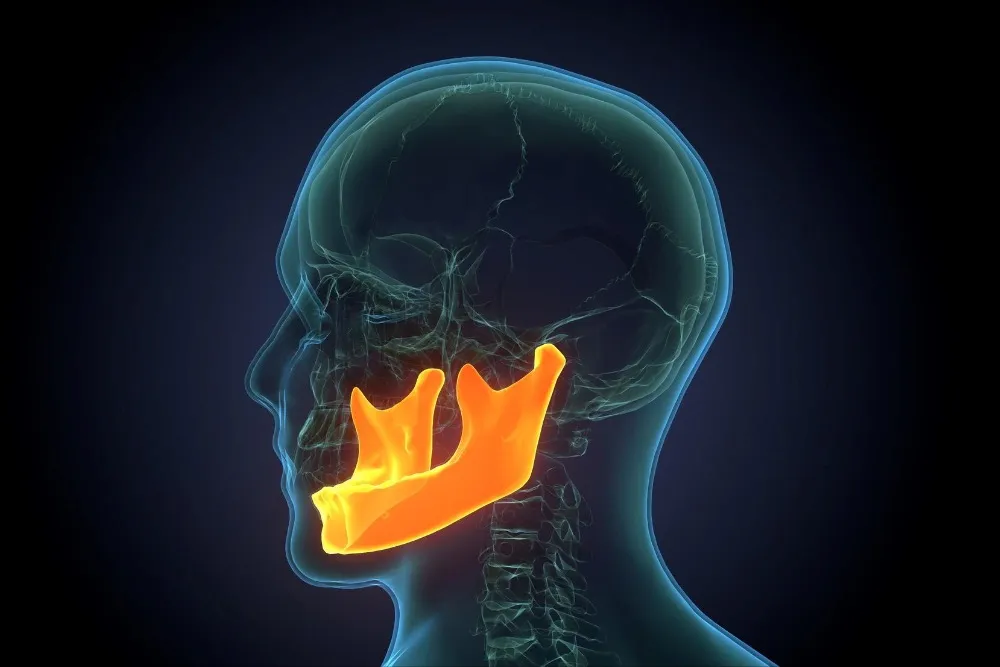
Yes, medical-grade titanium plates and screws are exceptionally common and represent the definitive global gold standard when rigid surgical stabilization of a jaw fracture is required. This specific surgical technique is known universally as Open Reduction and Internal Fixation (ORIF). These rigid, metallic materials act as a strong internal cast; they help effectively lock the shattered or displaced bone fragments in their exact, anatomically correct position during the critical weeks of the healing phase.
By providing absolute, unyielding mechanical stability, these plates and screws allow the bone to unite properly without shifting out of alignment. The plates and screws used in modern jaw fracture treatment are typically manufactured from biocompatible titanium, a material that the human immune system does not reject or react to negatively. In the vast majority of adult trauma cases, these fixation systems seamlessly integrate with the healing bone and do not ever need to be surgically removed later.
If the devastating facial trauma resulted in the violent loss of multiple permanent teeth alongside the bone fracture, patients might later aggressively explore advanced restorative options once the underlying jawbone has completely and successfully healed. In such cases, treatments like full dental implants in one day become a highly viable and life-changing option to completely restore the patient's smile and chewing efficiency.
What Should Be Considered After Jaw Fracture Treatment?
After undergoing extensive jaw fracture treatment, the patient's daily habits and absolute adherence to strict medical advice play a monumentally important role in the overall success of the final recovery. The actual surgery might be over, but the biological healing has just begun. Avoiding any movements, habits, or actions that mechanically strain the fragile, healing jaw is absolutely essential.
To definitively ensure a smooth, complication-free recovery and to achieve the best possible long-term outcome, patients must strictly adhere to the following crucial post-operative considerations:
- Strict dietary compliance: Stick exclusively to the medically prescribed liquid or pureed diet. Chewing hard foods will apply disastrous mechanical torque to the healing bone, potentially bending or breaking the delicate internal titanium plates.
- Impeccable oral hygiene: Maintaining pristine oral cleanliness is critical. Use prescribed antimicrobial mouthwashes and ultra-soft-bristled brushes to keep the surgical incision sites completely free of food debris and dangerous bacteria, vastly reducing the risk of deep, necrotic bone infections.
- Limit jaw movement: Actively avoid sudden, wide mouth openings. Do not yawn excessively wide, shout loudly, or engage in any strenuous physical activities or contact sports that could result in a secondary, catastrophic impact to the healing face.
- Seek expert rehabilitative care: Choosing a highly reputable facility, such as the best dental clinic in Turkey, ensures you receive world-class post-operative care instructions, routine monitoring, and personalized physical therapy tailored specifically to your complex surgical case.
- Medication adherence: Take all prescribed antibiotics completely to definitively prevent infection, and use pain relievers exactly as directed by the surgeon to manage swelling and physical discomfort.
What Happens If Jaw Fracture Treatment Is Delayed or Ignored?
Choosing to casually ignore a jaw fracture or significantly delaying professional jaw fracture treatment is a highly dangerous, reckless medical decision that can rapidly lead to catastrophic, completely irreversible functional and aesthetic consequences. The human jawbone will aggressively attempt to heal itself regardless of its structural position. If the broken bone fragments are left displaced, they will permanently fuse together in the wrong anatomical alignment—a severely debilitating condition medically known as malunion.
If a jaw fracture is severely neglected, the patient is highly likely to experience a rapid cascade of severe, life-altering complications, including the following:
- Permanent bite disorders (Malocclusion): The upper and lower teeth will no longer align correctly, making chewing food highly inefficient, incredibly painful, and deeply damaging to the remaining healthy teeth over time.
- Chronic facial pain and TMJ disorders: An improperly healed jaw places immense, unnatural, destructive stress on the temporomandibular joint (TMJ), leading to chronic, lifelong jaw pain, severe clicking, locking, and severe osteoarthritis of the joint.
- Facial asymmetry and deformity: The structural collapse of the unsupported bone can lead to a visibly crooked jawline, sunken facial features, and severe aesthetic deformities that drastically impact the patient's psychological well-being and self-esteem.
- Severe bone infections (Osteomyelitis): Open fractures that expose the bone to raw oral bacteria without prompt medical treatment can lead to deep, necrotic bone infections that are incredibly difficult, and sometimes impossible, to fully cure without removing large sections of the jaw.
The Recovery Process After Jaw Fracture Treatment
The overarching recovery after complex jaw fracture treatment is a long, demanding marathon, not a quick, effortless sprint. It comprehensively encompasses both the biological, cellular union of the fractured bone tissue and the gradual, highly therapeutic return of normal, painless jaw function.
Initial Healing Phase
In the highly critical first few weeks post-surgery, patients will inevitably experience notable facial swelling, dark tissue bruising, and localized, sharp tenderness. This is the body's acute inflammatory response rushing necessary blood and regenerative healing cells to the trauma site. During this initial phase, the bone is highly fragile and physically vulnerable. Patients must rely heavily on liquid diets and strict pain management. Fortunately, these acute, uncomfortable symptoms generally decrease significantly by the end of the second or third week. As the bone heavily begins to form a soft primary callus, the jaw becomes slightly more stable.
Long-Term Rehabilitation
As the long months progress, the soft callus slowly hardens into solid, mature, calcified bone. Jaw movement becomes much more controlled and significantly less painful. Extreme mental patience is vitally important during this long-term rehabilitation phase. Because heavy rehabilitation can be a long, financially draining journey requiring multiple specialized visits, many international trauma patients actively seek affordable dental care in Turkey to sustainably manage the high costs of extensive reconstructive surgeries and their necessary, ongoing follow-up treatments. Regular radiographic monitoring ensures the bone heals completely and structurally correctly, allowing the patient to eventually return to a fully normal life.
Is Jaw Fracture Treatment Different in Children and Adults?
Yes, the clinical and surgical approach to jaw fracture treatment can differ significantly between pediatric patients and adults due to fundamental, unavoidable biological differences in bone anatomy, bone density, and overall healing capacities. In young children, the skeletal bones are much more porous, highly flexible, and incredibly rich in blood supply. This biological reality means that pediatric jaw fractures—often presenting as "greenstick" fractures where the bone bends and cracks but does not completely separate—often heal much faster and with fewer complications than in adults.
However, because children are still in a highly active, sensitive stage of physical growth and development, treating their facial fractures requires extreme surgical caution. Surgeons must be incredibly careful not to physically damage the underlying permanent tooth buds hidden deep in the jawbone, or the active growth centers (such as the condylar head). Damaging these vital anatomical areas can lead to severe facial growth abnormalities and distinct developmental asymmetry later in life. Therefore, conservative, highly non-surgical approaches are heavily preferred in children.
In adult patients, the jaw bone is deeply dense and brittle, meaning heavy fractures are much more likely to be clean breaks or completely shattered fragments. Biological bone healing naturally takes much longer, and rigid surgical intervention using internal titanium hardware is required much more frequently. When planning jaw fracture treatment, the surgeon meticulously factors in the patient's exact age to safely tailor the recovery protocol.
Can Jaw Fracture Treatment Cause Permanent Damage?
A very common and highly understandable fear among severe facial trauma patients is whether their face and jaw will ever function or look exactly the same again. When jaw fracture treatment is performed correctly, swiftly, and by highly trained maxillofacial specialists, the risk of permanent, debilitating damage is generally very low. Proper surgical alignment and rigid mechanical fixation of the bone fragments allow the jaw's complex mechanics and aesthetic facial contours to be restored to a very large extent.
However, the actual risk of permanent damage is directly correlated to the initial, brutal severity of the trauma itself, rather than the medical treatment provided. If the traumatic impact severely crushed the bone into microscopic dust or completely severed major facial nerves, complete sensory recovery might be biologically impossible. Some patients may heavily experience mild, lingering sensory changes, such as a slight tingling or deep numbness in the lower lip, which may persist stubbornly for months or even become entirely permanent.
Furthermore, delayed or wildly inadequate treatment drastically skyrockets the terrifying risk of permanent bite disorders, TMJ arthritis, and severe facial asymmetry. With immediate surgical evaluation, rigorous regular follow-ups, and a flawless, customized treatment plan, the likelihood of permanent damage is thoroughly minimized, absolutely ensuring the best possible quality of life post-injury.