Bad breath, medically known as halitosis, refers to an unpleasant odor originating from the oral cavity, nasal passages, or upper digestive tract. It is one of the most common complaints presented in general dental practice. While an occasional episode of bad breath is a minor social inconvenience, chronic breath odor can severely impact self-esteem, personal relationships, and quality of life. The reassuring reality is that halitosis is rarely permanent; once its primary origin is identified through clinical evaluation, it can be systematically treated and eliminated.
When investigating what causes unpleasant breath odors, clinicians frequently trace the origin to bacterial activity within the oral cavity. Decayed teeth, progressive gum disease, poor oral hygiene, oral infections, and deteriorating restorations represent the primary causes. Distinguishing between temporary, physiological bad breath and chronic, pathological halitosis forms the foundational step toward achieving lasting freshness and robust oral health.
Understanding Halitosis: Physiological vs. Pathological Bad Breath
To address breath issues effectively, it is essential to understand that not all bad breath shares the same origin or clinical significance. Oral health specialists categorize halitosis into two main types: physiological halitosis and pathological halitosis.
Physiological Halitosis refers to transient, temporary breath odor caused by natural bodily processes or external factors rather than disease. Classic examples include "morning breath," which occurs due to decreased salivary flow during sleep, or temporary odor from consuming pungent foods such as garlic, onions, or spices. Physiological halitosis is short-lived, easily manageable through routine brushing or hydration, and does not indicate underlying tissue damage.
Pathological Halitosis, in contrast, is persistent and unresolvable by basic brushing or commercial mints alone. Pathological breath odor stems from an underlying clinical condition—most commonly within the oral cavity (oral pathological halitosis) or, less frequently, within the upper respiratory tract, sinuses, gastrointestinal system, or metabolic processes (extra-oral pathological halitosis). Identifying and treating the root cause of pathological bad breath requires professional intervention.
How Common Is Bad Breath?
Halitosis is an exceptionally widespread concern affecting populations globally across all age demographics. Epidemiological studies indicate that approximately 30% to 50% of adults experience persistent or recurring bad breath at some stage in their lives. Despite its high prevalence, many individuals suffer silently due to social embarrassment.
Because bad breath is so common, individuals frequently rely on temporary solutions such as scented mouthwashes, breath sprays, aromatic gums, or throat lozenges. While these products may temporarily mask unpleasant smells, they fail to address the underlying biological factors, such as volatile sulfur compounds produced by oral bacteria. Modern dentistry emphasizes that persistent bad breath should never be ignored or merely masked; it serves as an early warning signal of active oral issues that require direct care.
The Biological Mechanism Behind Oral Malodor
Understanding how bad breath develops at a microscopic level clarifies why targeted treatment is so vital. The primary drivers of oral malodor are anaerobic, Gram-negative bacteria that inhabit the anatomical crevices of the oral cavity. These micro-organisms thrive in low-oxygen environments, particularly deep within periodontal pockets, between adjacent teeth, and inside the microscopic papillae located on the surface of the tongue.
These anaerobic bacteria metabolize organic substances found in leftover food debris, shed cells, mucus, and proteins within saliva. As they break down sulfur-containing amino acids, they release volatile sulfur compounds (VSCs). The principal volatile sulfur compounds responsible for foul mouth odor include:
- Hydrogen Sulfide (H₂S): Associated with the characteristic smell of rotten eggs.
- Methyl Mercaptan (CH₃SH): Produces a pungent cabbage-like odor and contributes to tissue irritation.
- Dimethyl Sulfide ((CH₃)₂S): Contributes a sweetish or cabbage-like odor, frequently associated with extra-oral origins.
When bacterial populations expand unchecked due to poor oral hygiene, active dental decay, or gum inflammation, VSC production escalates significantly, resulting in noticeable bad breath.
What Causes Bad Breath? Primary Oral Factors
Clinical research consistently reveals that approximately 80% to 90% of all halitosis cases originate directly within the oral cavity. When patients ask what causes bad breath, dental professionals analyze several key intra-oral structures and conditions:

1. Poor Oral Hygiene and Plaque Accumulation
When dental plaque—a sticky film of bacterial colonies—is not regularly removed through brushing and interdental cleaning, it hardens into calculus (tartar). Tartar creates a rough surface that attracts even more plaque, creating an ideal breeding ground for odor-producing bacteria along the gumline and between teeth.
2. Bacterial Coating on the Tongue
The dorsal surface of the tongue features thousands of tiny papillae that create a vast surface area full of deep grooves and crypts. Bacterial biofilm, dead cells, and micro-debris easily collect in these microscopic grooves, especially toward the back of the tongue. Tongue coating is recognized as one of the single greatest contributors to oral malodor.
3. Periodontal Disease (Gingivitis and Periodontitis)
Inflammatory gum conditions are heavily linked with severe, chronic halitosis. In gingivitis, inflamed gums bleed easily and harbor bacterial plaque. If allowed to progress to periodontitis, the supporting bone and tissue break down, forming deep pockets around the tooth roots. These dark, oxygen-deprived periodontal pockets harbor high concentrations of anaerobic bacteria that continuously emit volatile sulfur compounds.
4. Dental Caries (Tooth Decay)
Open cavities provide sheltered, hard-to-clean spaces where food particles collect and decompose under bacterial action. As decay penetrates enamel and dentin, the breakdown of organic tooth tissue produces localized foul odors that cannot be brushed away.
5. Dry Mouth (Xerostomia)
Saliva serves as the mouth's natural cleansing agent. It continuously rinses away food particles, neutralizes bacterial acids, and contains antimicrobial enzymes that keep bacterial populations balanced. When salivary flow decreases, bacterial activity increases dramatically. Xerostomia can result from dehydration, mouth breathing, advancing age, stress, or as a side effect of common medications.
What Causes Bad Breath in the Morning?
Morning breath is a widespread phenomenon experienced by almost everyone. During sleep, physiological salivary secretion drops significantly. Combined with hours of continuous inactivity in the oral cavity, this reduced saliva flow allows anaerobic bacteria to flourish, break down accumulated proteins, and release elevated levels of volatile sulfur compounds.
For most individuals, morning breath is completely normal and dissipates quickly following routine morning oral hygiene, thorough tongue cleaning, and adequate hydration. However, if severe morning odor persists long after brushing, or if it is accompanied by a persistent dry feeling, it may indicate chronic nocturnal mouth breathing, salivary gland dysfunction, or an underlying oral infection requiring professional evaluation.
What Causes Bad Breath That Won't Go Away?
Persistent or chronic bad breath—the type that remains noticeable despite rigorous brushing, commercial mouth rinses, and breath mints—almost always points to an unaddressed structural or microbiological issue inside the mouth or body. Chronic halitosis is not a hygiene failure on its own; it is often a sign that active medical or dental treatment is required.
Common culprits behind unrelenting bad breath include untreated periodontal pockets, hidden interdental cavities, chronic sinus infections, tonsilloliths (tonsil stones), or defective dental restorations. Attempting to mask persistent malodor with alcohol-based mouthwashes can actually exacerbate the condition by further drying out delicate oral tissues, accelerating bacterial growth.
Do Worn Fillings Cause Bad Breath?
Yes, deteriorating or defective dental restorations are an extremely frequent yet widely overlooked cause of localized halitosis. Over time, dental fillings can experience material wear, micro-chipping, or structural breakdown due to chewing forces, bruxism (teeth grinding), or age. When the structural integrity of a filling degrades, microscopic gaps or overhangs form between the restorative material and the surrounding natural tooth structure.
These compromised margins act as traps for micro-debris and bacterial plaque that standard toothbrushes and dental floss cannot reach. As bacteria break down trapped organic matter within these hidden crevices, secondary decay develops beneath the existing restoration, generating a persistent, foul odor. Receiving a high-quality dental filling to replace cracked or leaky restorations completely eliminates these bacterial traps, seals the tooth structure, and resolves the associated malodor.
Extra-Oral Causes of Bad Breath
While the vast majority of halitosis cases originate in the oral cavity, approximately 10% to 20% stem from systemic conditions, metabolic pathways, or non-oral anatomical structures. When a comprehensive dental examination confirms a healthy mouth, dentists collaborate with medical specialists to explore extra-oral causes:
- Respiratory Tract Conditions: Chronic sinusitis, post-nasal drip, nasal polyps, tonsillitis, and tonsil stones are leading extra-oral causes of breath odor.
- Gastrointestinal Disorders: Severe gastroesophageal reflux disease (GERD), Helicobacter pylori infections, or hiatal hernias can allow gastric acids and malodorous gases to travel upward into the oral cavity.
- Systemic and Metabolic Diseases: Uncontrolled diabetes mellitus can produce a fruity or acetone-like breath odor caused by ketoacidosis. Advanced kidney dysfunction may cause an ammonia-like breath odor, while severe liver disease can produce a sweet, musty odor.
How Do Dentists Find Out What Causes Bad Breath?
Diagnosing the exact origin of halitosis requires a methodical diagnostic evaluation. Because multiple factors can contribute to breath odor simultaneously, dentists utilize structured clinical assessments to pinpoint the primary source:
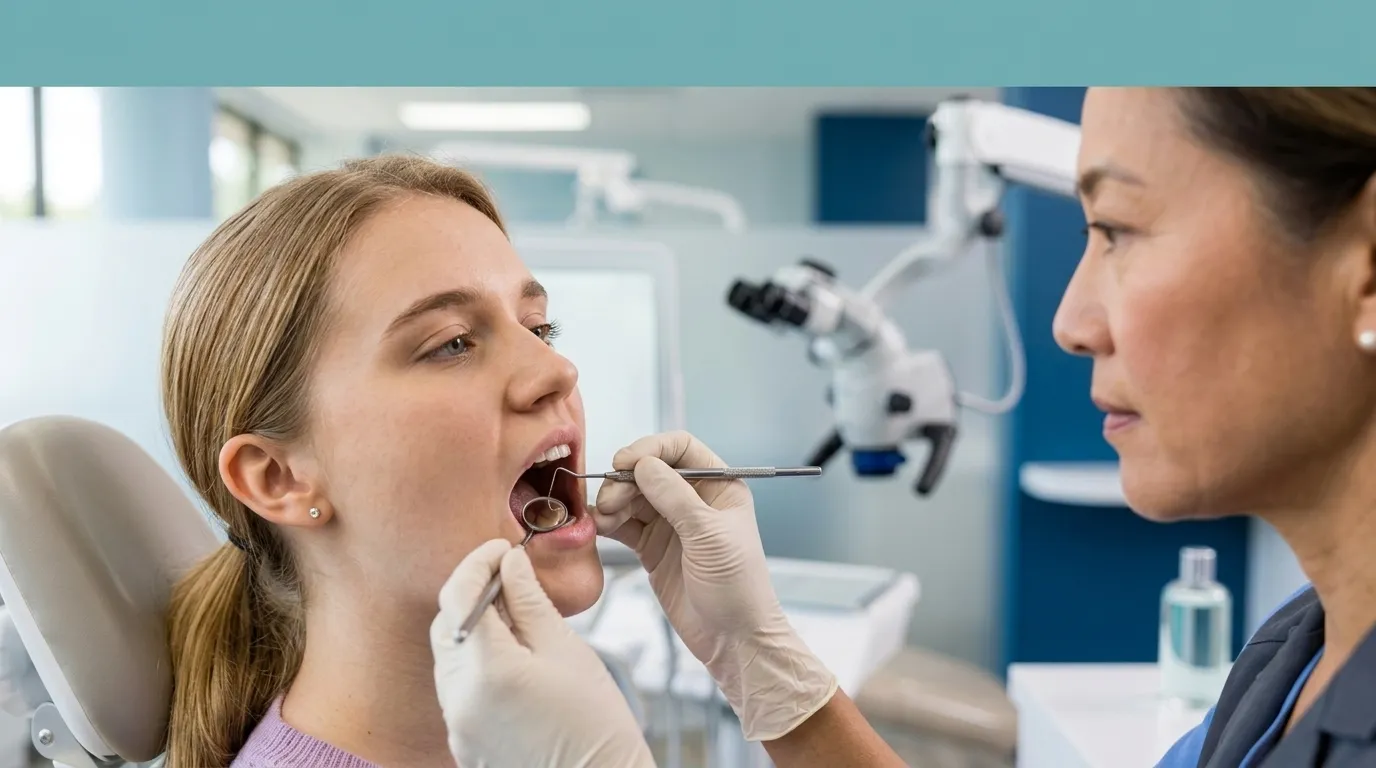
- Comprehensive History: Reviewing medical conditions, daily prescription medications, dietary patterns, smoking habits, and the timeline of the breath odor.
- Intra-Oral Examination: Detailed physical inspection of teeth, gums, tongue, oral mucosa, and existing restorations to identify cavities, plaque accumulation, inflammation, or failing fillings.
- Periodontal Probing: Measuring the depth of space between the gums and teeth to check for hidden periodontal pockets where anaerobic bacteria accumulate.
- Organoleptic Assessment: Sensory evaluation where a clinician evaluates the character and intensity of exhaled air from both the mouth and nose.
- Instrumental Measurement: Utilizing specialized diagnostic technologies to obtain objective quantitative data regarding breath composition.
What Is a Halitosis Test?
A halitosis test is an objective clinical diagnostic procedure used to measure the exact concentration of volatile sulfur compounds and other odor-causing gases in a patient's breath. Quantitative testing provides precise numerical baselines that aid in accurate diagnosis and allow clinicians to measure treatment progress over time.
Key technologies used in professional halitosis evaluations include:
- Halimeter: A portable electronic sensor that measures total volatile sulfur compounds in parts per billion (ppb). Readings above specific thresholds confirm pathological halitosis.
- Gas Chromatography: Advanced devices capable of isolating and measuring specific gases separately to determine whether the origin is oral, respiratory, or systemic.
- BANA Test: A rapid chairside assay that detects specific anaerobic bacteria associated with periodontal disease and strong oral malodor.
What Should I Do Before a Halitosis Test?
To ensure diagnostic accuracy and prevent false readings during a halitosis test, patients must follow specific preparation guidelines prior to their appointment. Standard pre-test instructions typically instruct patients to refrain from:
- Ingesting garlic, onions, or heavily seasoned meals for 48 hours before testing.
- Consuming alcoholic beverages or using tobacco products for at least 12 to 24 hours prior to evaluation.
- Using scented mouthwashes, breath sprays, mints, or chewing gum on the day of the examination.
- Using perfumed soaps, colognes, or scented cosmetics immediately before the test.
- Eating, drinking (except plain water), or brushing teeth within two to three hours of the appointment.
How Is Bad Breath Treated?
Effective management of halitosis depends on targeting the precise underlying cause rather than temporarily disguising the odor. Because nearly 90% of cases stem from intra-oral sources, the primary treatment strategy begins in the dental clinic. Patients seeking comprehensive professional care can explore dedicated options like bad breath treatment to target the root cause of malodor effectively.
Key therapeutic steps in professional treatment include:
- Professional Dental Cleaning: Removing tartar, plaque, and bacterial biofilms from tooth surfaces and below the gumline eliminates the primary reservoir of odor-producing bacteria.
- Periodontal Therapy: Deep scaling and root planing clean deep periodontal pockets to restore healthy gum contours.
- Restorative Interventions: Repairing open cavities, sealing leaky margins, and replacing broken or worn fillings removes structural traps where food and bacteria decompose.
- Tongue Debridement Protocols: Instructing patients in mechanical tongue scraping using specialized ergonomic tongue scrapers significantly reduces bacterial load on the dorsal tongue surface.
- Targeted Antimicrobial Rinses: Recommending non-alcohol oral rinses containing active ingredients such as chlorhexidine, CPC, or zinc ions to neutralize odor compounds.
Can Bad Breath Be Cured?
Yes, in the vast majority of cases, bad breath can be completely cured or effectively controlled long-term. When halitosis originates from oral conditions—such as bacterial accumulation, tooth decay, or worn fillings—proper dental care and updated oral hygiene habits resolve the issue quickly and permanently.
When bad breath is linked to extra-oral or systemic health issues, such as chronic sinus infections, acid reflux, or metabolic imbalance, resolving the breath odor requires treating the underlying medical condition through coordinated interdisciplinary care.
How Long Does Bad Breath Treatment Take?
The timeline for resolving bad breath varies according to its underlying cause and the required clinical treatments:
- Oral Hygiene and Plaque Issues: Noticeable improvement often occurs within 24 to 48 hours after initiating thorough mechanical oral hygiene, tongue scraping, and recommended antimicrobial rinses.
- Dental Restorations and Caries: Replacing defective restorations or filling open cavities typically resolves localized malodor immediately upon completion of the dental procedure.
- Periodontal Disease: Treating moderate to severe gum disease usually involves multiple appointments over several weeks, followed by a healing period.
- Extra-Oral Medical Conditions: Treating sinus, gastric, or metabolic causes depends on the specific medical therapy plan under a physician's guidance.
How to Prevent Bad Breath: Daily Habits
Preventing the recurrence of bad breath requires maintaining a consistent, thorough daily oral care routine paired with healthy lifestyle choices. Dental experts recommend the following core practices:
- Brush Thoroughly Twice Daily: Clean all tooth surfaces using a soft-bristled toothbrush and fluoride toothpaste for two minutes every morning and night.
- Clean the Tongue Daily: Incorporate a dedicated tongue scraper or soft toothbrush to clean from the back of the tongue forward, removing bacterial coating.
- Floss Interdentally Every Day: Use dental floss or interdental brushes daily to remove trapped food debris and plaque from between teeth where standard toothbrush bristles cannot reach.
- Maintain Optimal Hydration: Drink adequate water throughout the day to stimulate natural saliva production and keep oral tissues moist.
- Replace Dental Restorations When Recommended: Have worn fillings or cracked crowns evaluated regularly by a dentist and replaced promptly when structural integrity declines.
- Schedule Regular Checkups: Visit a dental clinic every six months for routine professional cleanings and examinations to detect early decay or gum inflammation before malodor develops.
Key Takeaways
- Halitosis is a highly prevalent, treatable condition that originates within the oral cavity in 80% to 90% of cases.
- Volatile sulfur compounds (VSCs) produced by anaerobic bacteria on the tongue, in periodontal pockets, and inside cavities are the primary chemical source of oral malodor.
- Deteriorating restorations and leaky margins create sheltered bacterial traps; replacing them restores complete oral integrity and freshness.
- Objective diagnostic tests, such as gas chromatography and Halimeter evaluations, precisely quantify breath gases to guide targeted care.
- A combined approach of professional dental care, daily tongue scraping, interdental cleaning, and proper hydration ensures reliable, long-term prevention.
oximately 10% to 20% stem from systemic conditions, metabolic pathways, or non-oral anatomical structures. When a comprehensive dental examination confirms a healthy mouth, dentists collaborate with medical specialists to explore extra-oral causes:
Doctor Profile

This content has been evaluated in accordance with Hospitadent Medical Publication Board standards for medical accuracy, currency and patient information.
Our Awards
See All ›2019 – 2020
Health Tourism Champion
Since its founding, Hospitadent has provided oral and dental care to patients travelling from every continent for health tourism. In the Service Exporters' Association research of 2019 and 2020, we ranked first in the Dental Health Services category. Within the same report we placed 15th among all healthcare institutions in 2019 and moved up to 10th in 2020. With uncompromising customer satisfaction, Hospitadent remains the healthcare institution that treats the highest number of international oral and dental patients.
2013
TEMOS International Quality Certificate
Guided by dedicated international departments, Hospitadent welcomes patients from abroad without any language barriers, offering assistance with accommodation, city and Bosphorus tours, concierge guidance, treatment logistics and medication support to keep satisfaction at its peak. With the goal of carrying the same quality standards to both Turkish and foreign patients, we received the TEMOS "International Quality in Dental Care" certificate in 2013—an accreditation granted by the organization that evaluates and certifies worldwide patient service quality based on the "Made in Germany" quality seal.
2020
Turquality Brand Support Program
For 16 years, the Turquality Brand Support Program has helped Turkish products build and promote their image abroad. Dental Group Hospitadent earned the right to join this initiative, taking an important step on its branding journey. Being the first dental healthcare group in a program that includes only five hospitals from the healthcare sector proves not only the quality image we project, but also the high standards we uphold.
2018
Stevie Awards – Most Innovative Customer Service
The Stevie Awards, recognized worldwide for honoring outstanding organizations and leaders, is the only international business awards program. In 2018, Hospitadent became the first hospital in Turkey to win a Stevie Award by receiving the "Most Innovative Customer Service of the Year" prize. Signature experiences such as Smiling Center, Digital Smile Design and Dental SPA played a decisive role in earning this accolade.
2019 – 2020
Service Exporters Association Award
Serving dental tourists from all over the world since its foundation, Hospitadent was honored by the Service Exporters' Association in the Champions of Service Exports program, which celebrates the rising value of Turkey's service industries. Thanks to its contribution to the national economy, Hospitadent received a certificate of achievement and ranked 15th among general healthcare institutions in 2019 and 10th in 2020, continuing to lead oral and dental treatments with an unwavering focus on patient satisfaction.
2021
Great Place To Work® Certified
Based on the employee experience and satisfaction survey completed by our teams, GPTW Turkey evaluated Hospitadent and awarded us the "Great Place To Work® Certified" distinction. As the first and only dental hospital holding this leading workplace culture certificate, Hospitadent continues its journey toward many more achievements.