Preserving natural dentition is one of the fundamental objectives of modern restorative dental medicine, preventing unnecessary extractions and maintaining jawbone density. When deep bacterial infection, trauma, or extensive decay reaches the innermost vascular chamber of a tooth, a specialized endodontics treatment serves as the definitive clinical approach to eliminate microbial pathogens, resolve severe pain, and salvage the anatomical tooth structure. Modern endodontic therapies utilize high-magnification operating microscopes, rotary nickel-titanium instrumentation, and computerized 3D diagnostic imaging to perform root canal procedures with exceptional clinical accuracy. Undergoing a timely endodontics treatment protects the integrity of the dental arch, restores healthy masticatory function, and provides a safe, highly predictable pathway to lifelong oral health.
What Is Endodontics Treatment and Why Is It Necessary?
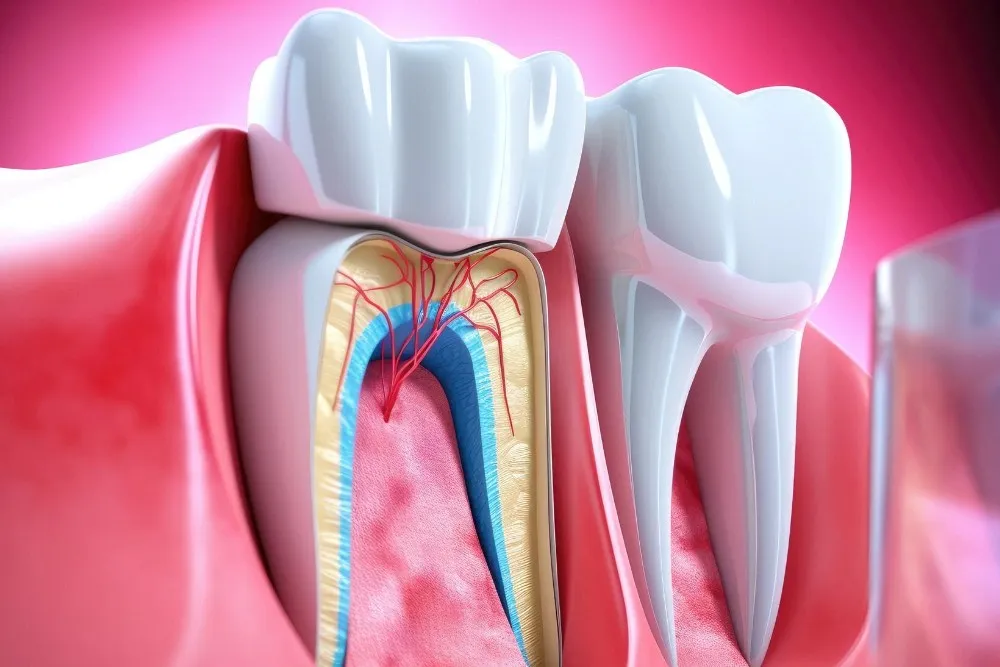
Endodontics is the specialized branch of dentistry that focuses on the etiology, diagnosis, prevention, and treatment of diseases affecting the dental pulp and surrounding periapical tissues. The dental pulp consists of living connective tissue, blood vessels, and nerve bundles housed within the central pulp chamber and root canal system. When opportunistic bacteria penetrate this sterile internal chamber through deep cavities or micro-cracks, an inflammatory response known as pulpitis develops, leading to pulp necrosis if left unaddressed. Receiving an endodontics treatment allows clinicians to access this internal space, thoroughly clean infected necrotic tissue, and sterilize the canals to preserve the biological tooth.
Without timely clinical intervention, necrotic pulp tissue acts as a breeding ground for anaerobic bacteria, allowing microbial toxins to migrate through the apical foramen into the surrounding periapical bone. This progression leads to periapical periodontitis, agonizing dental abscesses, systemic swelling, and progressive alveolar bone loss. A prompt endodontics treatment halts this destructive biological process immediately, eradicating the reservoir of infection, relieving acute discomfort, and stabilizing the tooth within its socket.
What Does an Endodontics Treatment Include from Diagnosis to Restoration?
Comprehensive Diagnostic Assessment and Imaging
The initial phase involves clinical pulp sensibility testing, periodontal probing, percussion assessments, and high-resolution digital periapical radiography or 3D cone-beam computed tomography (CBCT). These diagnostic tools allow the specialist to map the exact root anatomy, identify hidden canal curvatures, evaluate periapical lesions, and plan the most conservative treatment pathway.
Chemo-Mechanical Root Canal Preparation
Following local anesthesia and absolute isolation with a rubber dam, the endodontist creates a conservative access cavity through the coronal enamel and dentin. Microscopic operating systems and flexible nickel-titanium rotary files are used to remove necrotic pulp tissues and sculpt the internal canal walls. Copious irrigation with antibacterial solutions, such as sodium hypochlorite, dissolves organic remnants and neutralizes microbial biofilms.
Three-Dimensional Obturation and Hermetic Sealing
Once the root canal system is completely sterilized, dried, and shaped, it is filled with a biocompatible thermoplastic material called gutta-percha combined with an epoxy-resin or bio-ceramic sealer. This three-dimensional obturation creates an airtight, hermetic barrier that permanently blocks bacterial reinfection and stabilizes the apical zone.
Is Endodontics Treatment Safe and How Are Infection Risks Managed?
Extensive clinical research confirms that contemporary endodontic therapy represents one of the safest and most predictable procedures in modern healthcare, boasting clinical success rates exceeding 95% over longitudinal tracking periods. Modern endodontic protocols adhere to strict biological principles, hospital-grade sterilization cycles, and sterile barrier techniques that prevent cross-contamination during surgery. The primary standard in every endodontics treatment is the mandatory use of a rubber dam isolation system, which shields the operative site from saliva contamination and prevents accidental ingestion of irrigation liquids.
Furthermore, the integration of biocompatible hydraulic bio-ceramic sealers has elevated safety benchmarks. These calcium silicate-based materials promote natural hydroxyapatite formation along the root canal walls, stimulating periodontal tissue healing without triggering inflammatory reactions. Advanced electronic apex locators and digital imaging reduce radiographic radiation exposure while ensuring that instruments remain strictly within the anatomical boundaries of the root canal during an endodontics treatment.
Endodontics Treatment vs Tooth Extraction: Which Option Is Better for You?
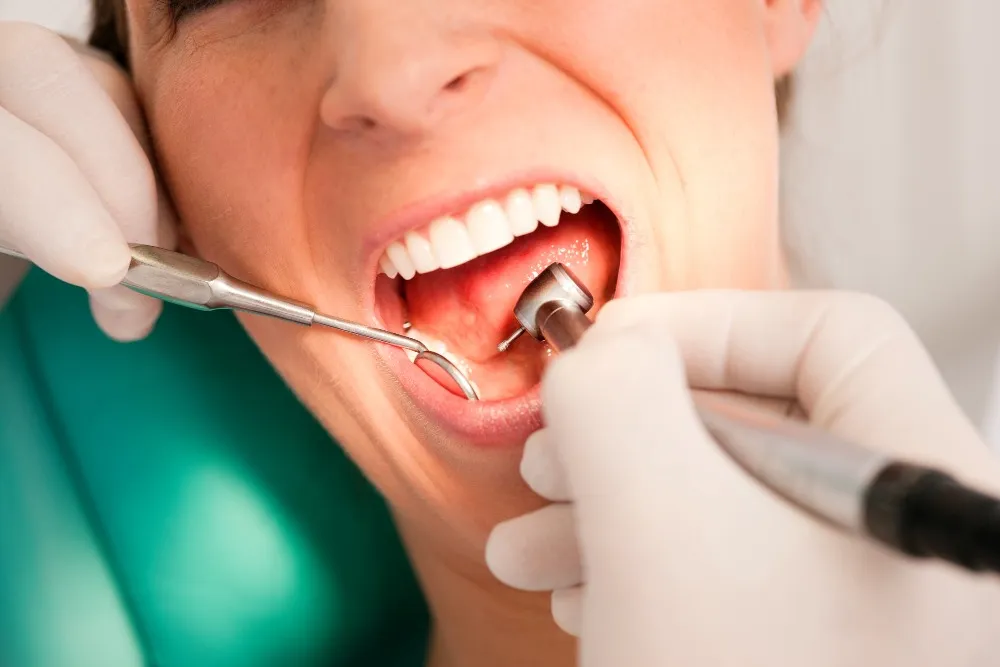
Whenever biologically feasible, conserving the natural tooth through an endodontics treatment is clinically superior to tooth extraction. Natural tooth roots maintain their surrounding periodontal ligament fibers, which contain vital proprioceptive sensory receptors that regulate biting forces and provide natural tactile feedback during chewing. Extracting a compromised tooth eliminates this sensory feedback and triggers gradual alveolar bone resorption in the edentulous area.
While prosthetic solutions like titanium dental implants and fixed bridges are reliable restorative methods, they involve longer treatment timelines, higher cumulative costs, and surgical interventions. In contrast, saving a biological tooth through an endodontics treatment maintains natural arch alignment, prevents adjacent teeth from tipping or drifting into open spaces, and preserves the natural gingival architecture far more conservatively than prosthetic replacements.
How Much Does Endodontics Treatment Cost in Turkey vs Abroad?
The total financial cost of endodontic therapy varies depending on the anatomical complexity of the tooth, the number of root canals present, and the geographic location of the dental center. Thanks to favorable exchange rates, lower operational expenses, and competitive medical tourism structures, Turkey has become a leading destination where patients access premium dental care at 60% to 75% lower costs than in the UK or the US.
|
Country |
Anterior Root Canal |
Molar Root Canal |
Typical Package Inclusions |
|
Turkey |
£90 – £150 / $120 – $190 |
£140 – £230 / $180 – $300 |
Digital Scans, CBCT, Anesthesia & Follow-up |
|
United Kingdom |
£350 – £600 |
£650 – £1,100 |
Procedure Only (Diagnostics Billed Separately) |
|
United States |
$600 – $1,100 |
$1,000 – $1,800 |
Procedure Only (CBCT & Core Buildup Extra) |
|
Germany |
€300 – €550 |
€600 – €1,050 |
Treatment Only (Crown Billed Separately) |
|
Australia |
AU$650 – AU$1,100 |
AU$1,200 – AU$2,000 |
Treatment Only |
As illustrated in the comparative pricing table, undergoing an endodontics treatment abroad delivers outstanding cost savings while ensuring access to board-certified endodontists, dental operating microscopes, and internationally accredited clinical protocols.
What Are the Warning Signs That You Need an Endodontics Treatment?
- Spontaneous Throbbing Toothache: Persistent, unprovoked pain that worsens at night or intensifies when lying down.
- Prolonged Thermal Hypersensitivity: Sharp pain triggered by hot or cold liquids that lingers long after the thermal stimulus is removed.
- Pain During Mastication: Tenderness and sharp discomfort when chewing food or applying light pressure to the affected tooth.
- Localized Gum Swelling or Fistula: Formation of a recurrent pimple-like bump (sinus tract) on the gums releasing fluid.
- Unexplained Tooth Discoloration: Darkening, graying, or internal bruising of the tooth crown caused by necrotic pulp breakdown.
How Does Root Canal Therapy Relate to Endodontics Treatment?
While the terms are often used interchangeably, it is clinically helpful to understand that standard root canal treatment represents the primary surgical and therapeutic procedure performed within the broader medical discipline of endodontics. Endodontics encompasses the entirety of pulpal diagnosis, emergency pain management, vital pulp therapy, internal bleaching, surgical apicoectomies, and complex retreatment protocols.
When an infection is localized within the root canals, performing a root canal procedure eliminates the bacterial biofilm, sterilizes the complex apical branching, and seals the internal root structure. Therefore, this therapy functions as the central clinical component of any comprehensive endodontics treatment plan designed to restore structural health to a severely diseased or necrotic tooth.
Can Trauma and Tooth Fractures Require an Endodontics Treatment?
Physical impacts to the oral cavity resulting from vehicular collisions, falls, or athletic accidents can disrupt the delicate blood supply entering the apical foramen of a tooth. When a tooth suffers sudden structural trauma, internal pulp ischemia or acute pulpal necrosis can develop even if no visible outer damage is evident on the enamel.
Furthermore, when physical trauma causes a severe tooth fracture that exposes the underlying red vascular pulp chamber directly to the oral environment, oral bacteria immediately contaminate the internal tissue. In such urgent cases, an emergency endodontics treatment is mandatory to remove the contaminated pulp, alleviate trauma-induced neurogenic pain, and stabilize the root structure before restorative rebuilding.
Why Is a Permanent Dental Filling or Crown Required After Treatment?
Following the completion of an endodontic procedure, the tooth is devoid of its internal vascular nourishment and cellular moisture, making the remaining dentin more brittle over time. Furthermore, the structural loss caused by previous decay and endodontic access leaves the tooth vulnerable to vertical coronal fractures under everyday chewing forces. To ensure long-term clinical survival, immediate coronal restoration is essential.
In anterior teeth with minimal loss of marginal ridges, placing a direct bonded dental filling using high-strength composite resin can restore cosmetic and functional integrity. However, for premolars and molars that bear heavy occlusal forces, placing a custom full-coverage ceramic or zirconia crown after completing an endodontics treatment is clinically mandatory to provide 360-degree structural protection and prevent microleakage.
Does the Procedure for Endodontics Treatment Cause Pain?
A widespread misconception is that endodontic therapy is an agonizingly painful experience; however, modern restorative dentistry has rendered this treatment virtually painless. The acute pain often associated with root canal problems originates from the active bacterial infection and intraosseous pressure within the inflamed pulp, not the clinical procedure itself. An endodontics treatment serves to permanently eliminate that severe pain.
Prior to beginning instrumentation, the endodontist administers modern local anesthetics to completely numb the targeted tooth, surrounding alveolar bone, and periodontal ligaments. Patients feel only slight pressure and vibration during canal shaping. After the appointment, any mild post-operative inflammation around the periapical tissue can be managed easily with mild over-the-counter anti-inflammatory medications.
What Are the Step-by-Step Recovery Guidelines After Treatment?
- Avoid Chewing on the Treated Tooth: Refrain from biting hard foods on the treated side until the permanent restoration or crown is placed.
- Manage Post-Operative Tenderness: Take prescribed non-steroidal anti-inflammatory drugs (NSAIDs) to alleviate mild periapical ligament sensitivity.
- Maintain Meticulous Oral Hygiene: Continue gentle twice-daily brushing and daily interdental flossing around the temporary filling.
- Report Persistent Swelling: Contact your endodontist promptly if you experience severe throbbing pain, increasing facial swelling, or an uneven bite.
- Complete Coronal Restoration: Schedule the placement of your permanent crown or composite filling within several weeks to prevent coronal leakage.
What Is Endodontic Retreatment and When Is It Indicated?
Persistent Microorganisms in Complex Canal Anatomy
Human root canal systems contain complex microscopic morphology, including lateral canals, apical deltas, isthmuses, and curved branches. If extremely narrow accessory canals remain uninstrumented during an initial procedure, persistent bacteria can proliferate and cause secondary periapical inflammation years later.
Delayed Restoration and Coronal Microleakage
If the final coronal restoration is delayed or if a composite filling fractures, saliva carrying bacteria can seep past the temporary seal and re-contaminate the gutta-percha filling. This coronal leakage compromises the apical seal, necessitating endodontic retreatment to re-sterilize the canals.
Procedural Retreatment Protocol
During endodontic retreatment, the clinician carefully removes the previous gutta-percha filling, searches for previously missed canals using dental operating microscopes, irrigates with advanced disinfecting solutions, and places a new hermetic bio-ceramic seal to support healing.
What Advanced Technologies Are Used in Modern Endodontic Care?
Endodontic specialty practice has been transformed by technological innovations that maximize clinical precision. Operating dental microscopes provide high-intensity illumination and up to 20x optical magnification, allowing specialists to visualize calcified canal entrances, locate micro-fractures, and navigate complex internal anatomy that remains invisible to the naked eye. This level of magnification ensures every endodontics treatment is conducted with conservative tissue preservation.
In addition, modern endodontists utilize continuous-rotation and reciprocating nickel-titanium file systems that navigate curved canals without causing ledge formation or root perforations. Ultrasonic irrigation activation systems generate acoustic microstreaming, driving antibacterial disinfectants deep into microscopic dentinal tubules. These technological standards ensure that an endodontics treatment achieves exceptional disinfection even in anatomically challenging teeth.
How Long Does an Endodontically Treated Tooth Last?
With precise clinical execution, a hermetic apical seal, and a prompt full-coverage crown restoration, an endodontically treated tooth can last for decades or an entire lifetime. Clinical studies demonstrate that properly restored root-canal-treated teeth exhibit survival rates comparable to titanium dental implants over 10 to 20-year observational periods.
The long-term longevity of the restored tooth depends primarily on the quality of the coronal restoration and the patient's daily oral hygiene habits. Maintaining clean tooth margins through daily brushing, interdental flossing, and attending bi-annual dental check-ups prevents recurrent cervical decay and protects the investment made in your endodontics treatment.
Why Do International Patients Travel to Turkey for Dental Care?
Access to Board-Certified Endodontic Specialists
Turkish dental clinics feature highly educated dental specialists who complete five years of dental school followed by three to five years of specialized doctoral training in endodontology, ensuring adherence to global clinical standards.
State-of-the-Art Clinical Infrastructure
Leading dental hospitals across Istanbul and Antalya are furnished with the latest diagnostic technology, including in-house 3D CBCT imaging, high-magnification dental microscopes, and CAD/CAM same-day crown milling systems for immediate post-endodontic restorations.
All-Inclusive Medical Tourism Packages
International clinics in Turkey provide seamless medical travel packages that include bilingual patient coordinators, private airport transfers, luxury hotel accommodations, and flexible scheduling that allows complex treatments to be completed comfortably during a short visit.
Doctor Profile

This content has been evaluated in accordance with Hospitadent Medical Publication Board standards for medical accuracy, currency and patient information.
Our Awards
See All ›2019 – 2020
Health Tourism Champion
Since its founding, Hospitadent has provided oral and dental care to patients travelling from every continent for health tourism. In the Service Exporters' Association research of 2019 and 2020, we ranked first in the Dental Health Services category. Within the same report we placed 15th among all healthcare institutions in 2019 and moved up to 10th in 2020. With uncompromising customer satisfaction, Hospitadent remains the healthcare institution that treats the highest number of international oral and dental patients.
2013
TEMOS International Quality Certificate
Guided by dedicated international departments, Hospitadent welcomes patients from abroad without any language barriers, offering assistance with accommodation, city and Bosphorus tours, concierge guidance, treatment logistics and medication support to keep satisfaction at its peak. With the goal of carrying the same quality standards to both Turkish and foreign patients, we received the TEMOS "International Quality in Dental Care" certificate in 2013—an accreditation granted by the organization that evaluates and certifies worldwide patient service quality based on the "Made in Germany" quality seal.
2020
Turquality Brand Support Program
For 16 years, the Turquality Brand Support Program has helped Turkish products build and promote their image abroad. Dental Group Hospitadent earned the right to join this initiative, taking an important step on its branding journey. Being the first dental healthcare group in a program that includes only five hospitals from the healthcare sector proves not only the quality image we project, but also the high standards we uphold.
2018
Stevie Awards – Most Innovative Customer Service
The Stevie Awards, recognized worldwide for honoring outstanding organizations and leaders, is the only international business awards program. In 2018, Hospitadent became the first hospital in Turkey to win a Stevie Award by receiving the "Most Innovative Customer Service of the Year" prize. Signature experiences such as Smiling Center, Digital Smile Design and Dental SPA played a decisive role in earning this accolade.
2019 – 2020
Service Exporters Association Award
Serving dental tourists from all over the world since its foundation, Hospitadent was honored by the Service Exporters' Association in the Champions of Service Exports program, which celebrates the rising value of Turkey's service industries. Thanks to its contribution to the national economy, Hospitadent received a certificate of achievement and ranked 15th among general healthcare institutions in 2019 and 10th in 2020, continuing to lead oral and dental treatments with an unwavering focus on patient satisfaction.
2021
Great Place To Work® Certified
Based on the employee experience and satisfaction survey completed by our teams, GPTW Turkey evaluated Hospitadent and awarded us the "Great Place To Work® Certified" distinction. As the first and only dental hospital holding this leading workplace culture certificate, Hospitadent continues its journey toward many more achievements.