What is Dental Spa? What Does It Include?
Discover dental spa care: relaxing, low-stress dentistry with soothing ambiance for anxious patients, plus comfort benefits, safety, and visits.
Modern oral healthcare continues to evolve beyond purely mechanical tooth restorations, recognizing that patient psychology, sensory perception, and emotional well-being dictate clinical compliance and treatment success. A contemporary dental spa is an innovative clinical model designed to deliver advanced dental procedures within an immersive, tranquil, and low-stress environment while maintaining sterile medical protocols and clinical excellence. For millions of individuals worldwide who experience debilitating anxiety, white-coat hypertension, or dental phobia, entering a typical clinic with sterile chemical odors, sharp metallic sounds, and harsh fluorescent illumination triggers severe anticipatory distress. In sharp contrast, a specialized dental spa replaces these negative sensory inputs with soothing aromatherapy, warm ambient lighting, noise-canceling auditory therapy, and ergonomic massage chairs. This paradigm shift bridges the gap between restorative oral surgery and holistic personal wellness. By transforming clinical appointments into serene personal care experiences, patients achieve superior diagnostic outcomes and maintain optimal oral health without psychological trauma.
What Is a Dental Spa and How Does It Redefine Patient Care?
A specialized wellness-based dental practice bridges the gap between high-precision clinical dentistry and the tranquil atmosphere of an upscale wellness resort. Unlike traditional practices centered entirely around surgical efficiency, this concept structures the operatory environment to minimize sensory overload. Clinical instruments, syringes, and sharp handpieces remain discreetly hidden from the patient's field of view until actively needed, preventing visual anxiety spikes.
The core philosophy of this treatment model rests on physiological stress reduction. Fear triggers the sympathetic nervous system, accelerating heart rate, elevating blood pressure, and increasing muscular guarding. By incorporating soothing elements such as heated neck wraps, paraffin hand treatments, noise-canceling headphones, and virtual reality relaxation visors, a dental spa dampens sympathetic arousal and stimulates parasympathetic relaxation. Patients remain physiologically stable, facilitating smoother procedures and fostering long-term trust between clinicians and individuals.
What Are the Key Advantages of Visiting a Dental Spa Practice?
- Substantial Anxiety Alleviation: Multisensory relaxation strategies diminish procedural apprehension, panic episodes, and generalized dental avoidance.
- Reduced Pain Perception: Lowering emotional stress naturally raises individual pain thresholds, making minor procedures feel virtually imperceptible.
- Maximized Physical Relaxation: Ergonomic memory-foam dental chairs equipped with integrated lumbar massage alleviate neck and back fatigue during extensive appointments.
- Elimination of Hospital Odors: Medical antiseptic odors are neutralized using therapeutic essential oil diffusers such as lavender, eucalyptus, and sweet orange.
- Enhanced Doctor-Patient Communication: Relaxed patients articulate functional concerns and aesthetic goals more openly, leading to aligned treatment outcomes.
How Does the Architectural Design of a Dental Spa Differ from Traditional Clinics?
The physical layout of an integrative relaxation dental facility is intentionally engineered to evoke hospitality rather than institutional surgery. Waiting areas eliminate rigid plastic seating and harsh overhead spotlights in favor of architectural lounge seating, soft recessed LED illumination, cascading indoor water features, and curated botanical installations. Acoustically engineered wall panels isolate operatory sounds, ensuring that high-speed handpieces or ultrasonic scalers do not disturb waiting visitors.
Inside the treatment suites, clinical cabinetry integrates sleek natural wood finishes, warm stone countertops, and ceiling-mounted entertainment monitors displaying soothing nature documentaries. Operatory air undergoes high-efficiency particulate air (HEPA) filtration combined with subtle molecular scent neutralizing systems to ensure complete medical sterility without lingering chemical odors. This intentional ambient architecture systematically reassures patients from the moment they cross the clinic threshold.
Sensory Comfort Elements: How Sound, Scent, and Touch Soothe Anxiety
Auditory Masking and Acoustic Soundscapes
Clinics utilize specialized active noise-canceling wireless headphones paired with curated binaural beats, ambient nature audio, or personal streaming music services. This acoustic barrier masks the high-frequency vibration of drills, suction tips, and mechanical ultrasonic instruments that commonly trigger visceral fight-or-flight reflexes.
Therapeutic Aromatherapy and Olfactory Distraction
Medical-grade diffusers disperse hypoallergenic, natural essential plant oils throughout operatories. Scents such as true lavender (Lavandula angustifolia) and bergamot act directly upon the central limbic system, clinically reducing salivary cortisol levels and dampening systemic anticipatory stress markers.
Tactile Comfort and Deep Pressure Stimulation
Patients are provided with weighted microfleece blankets, heated cervical neck pillows, and warming paraffin wax hand mitts during treatments. Deep pressure touch stimulation promotes endogenous endorphin and serotonin synthesis, physically grounding the body and easing skeletal muscle tension.
Comparing Traditional Dental Practices and Modern Dental Spa Facilities

Understanding the fundamental distinctions between traditional operatory setups and hospitality-driven dental wellness centers assists individuals in selecting the ideal clinical setting for their specific physiological and psychological needs. While both practice types deliver regulated medical treatments, their environmental frameworks and patient engagement philosophies differ drastically across multiple dimensions.
The comparative table below outlines the core operational, sensory, and clinical parameters contrasting conventional dental practices with advanced relaxation-centered facilities:
|
Operational & Sensory Dimension |
Traditional Dental Practice |
Modern Dental Spa Center |
|
Environmental Lighting |
Direct, cool fluorescent ceiling fixtures |
Dimmable, warm architectural ambient lighting |
|
Acoustic Management |
Exposed mechanical turbine and suction noises |
Active noise cancellation, soundproofing, ambient music |
|
Patient Seating & Ergonomics |
Standard vinyl dental chairs |
Heated memory-foam chairs with lumbar massage |
|
Olfactory Profile |
Noticeable eugenol, acrylic, and disinfectant odors |
Neutralized air infused with natural essential oils |
|
Anxiety Management Strategies |
Primarily pharmacological sedatives if requested |
Integrated multisensory therapy alongside clinical care |
|
Patient Appointment Flow |
Fast-paced clinical turnover |
Dedicated relaxation buffer times before and after treatment |
Can a Dental Spa Effectively Overcome Severe Odontophobia?
Odontophobia—an irrational, overwhelming fear of dental procedures—affects approximately ten to fifteen percent of the global adult population, frequently causing patients to delay emergency interventions until extensive structural infection occurs. For these individuals, stepping into an aggressive clinical space induces uncontrollable panic attacks, nausea, and tachycardia. In a dental spa, fear triggers are neutralized through graduated exposure and empathetic patient pacing.
Clinicians practicing within this framework utilize specialized behavioral communication strategies, including the classic tell-show-do technique and agreed-upon non-verbal stop signals, empowering the patient with absolute control over treatment pacing. When severe phobias cannot be managed through ambient sensory therapies alone, practices coordinate advanced pharmacological options such as nitrous oxide, oral anxiolytics, or intravenous conscious sedation. Combining pharmacosedation with tranquil ambient surroundings ensures that even the most apprehensive individuals complete critical oral rehabilitation completely free of stress.
How Relaxation Dentistry Enhances Long-Term Oral Health Outcomes
The clinical benefits of physiological calm extend beyond subjective patient satisfaction. When a patient experiences intense dental distress, their masticatory muscles, tongue, and cervical spine contract reflexively. This muscular guarding restricts surgical access, increases involuntary jaw closure, and raises the likelihood of accidental soft tissue lacerations from rotating burs. A relaxed patient resting comfortably in a dental spa remains motionless, allowing the oral surgeon to perform intricate restorative procedures with superior micron-level accuracy.
Furthermore, psychological stress accelerates intraoperative bleeding by elevating arterial blood pressure, which impairs the adhesive bonding chemistry of composite resins and glass ionomers. Maintaining calm hemodynamic stability ensures a dry, controlled surgical field, promoting optimal osseointegration and durable restorations. By transforming appointments into positive, reassuring experiences, patients break the destructive cycle of dental avoidance and maintain consistent biannual preventive cleanings throughout their lives.
Which Clinical Procedures Are Compatible with a Dental Spa Setting?
- Preventive Hygiene and Ultrasonic Scaling: Routine prophylaxis, airflow polishing, and subgingival plaque debridement accompanied by heated massage therapy.
- Micro-Invasive Restorative Dentistry: Composite tooth fillings, porcelain inlays, onlays, and ceramic bonding placed under peaceful sensory isolation.
- Advanced Periodontal Therapy: Deep quadrant scaling, root planing, and soft-tissue laser pocket debridement performed with local topical anesthetic gels.
- Precision Endodontic Treatments: Rotary root canal therapies completed efficiently while the patient rests comfortably with virtual reality entertainment headsets.
- Comprehensive Implant Rehabilitations: Placing surgical fixtures to secure an implant within dedicated surgical suites optimized for quiet, sterile tranquility.
Transforming Comprehensive Aesthetic Transformations: Smile Design in a Dental Spa
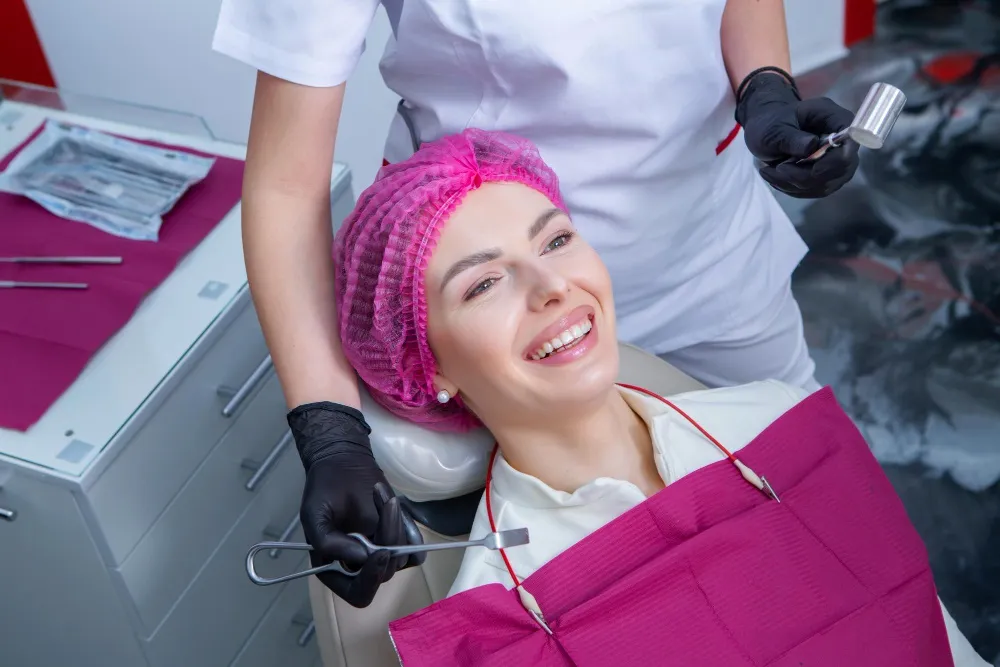
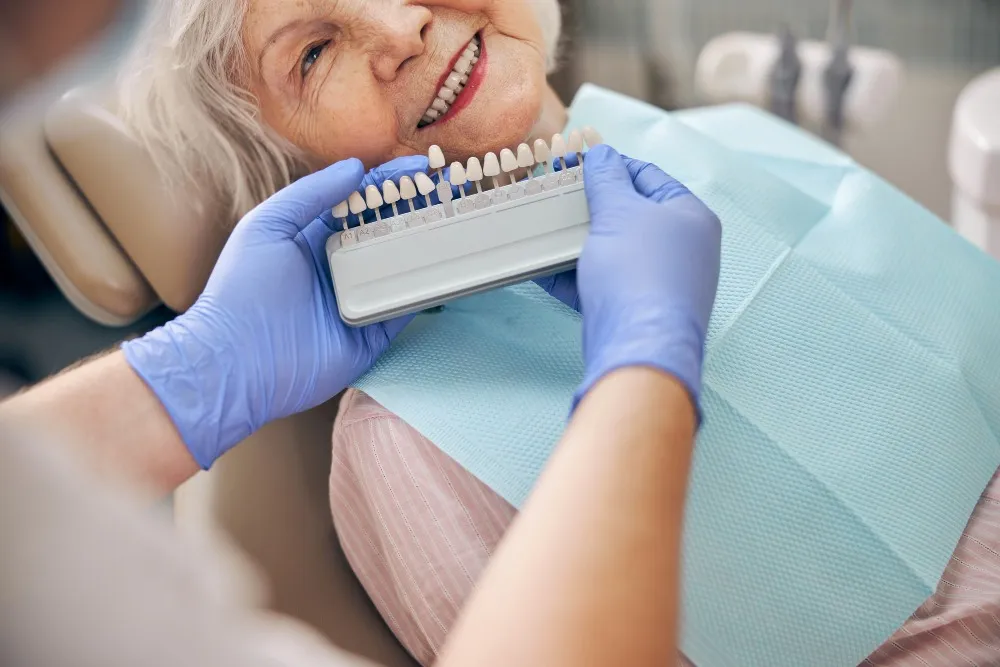
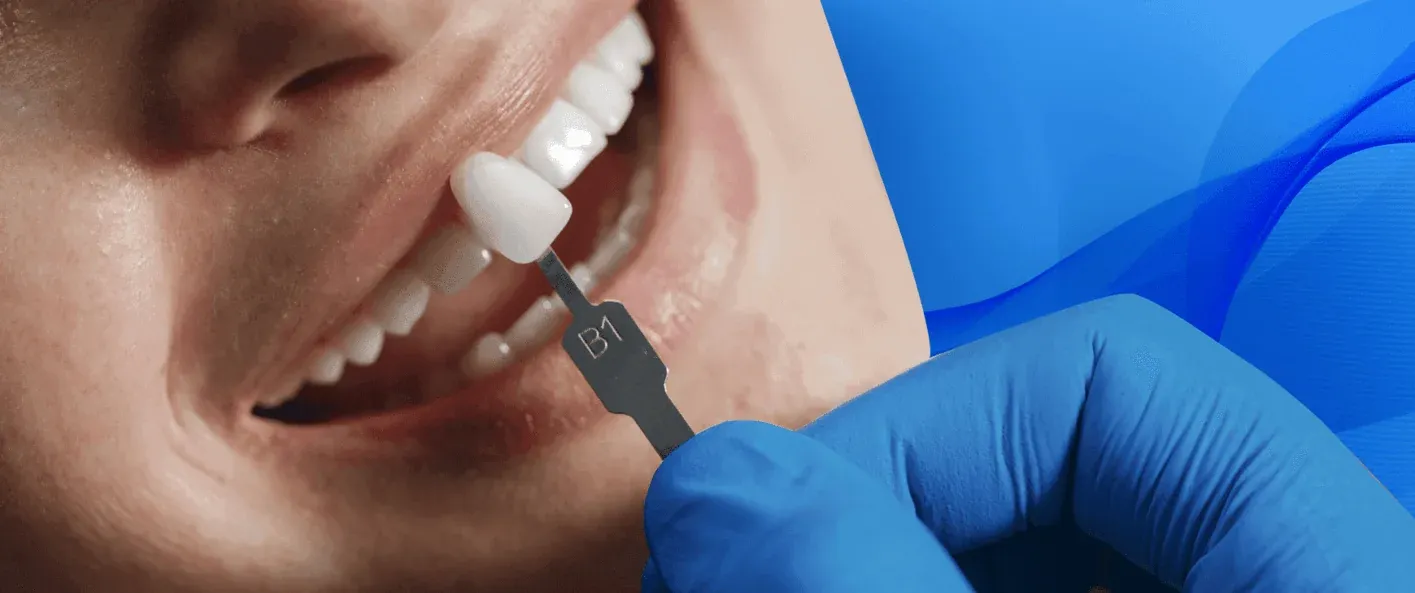
Elective cosmetic smile makeovers involve extensive multi-hour appointments dedicated to shade matching, facial photography, tooth preparation, and meticulous ceramic veneer bonding. Enduring extended chair times in conventional rigid settings causes severe physical fatigue and emotional irritability, compromising the patient's aesthetic satisfaction. Performing detailed smile design protocols in an ambient wellness facility transforms grueling appointments into pampering aesthetic sessions.
Patients relax in memory-foam chairs with refreshing paraffin hand treatments while cosmetic specialists evaluate facial symmetry, gingival scalloping, and tooth phonetics on high-definition digital monitors. The absence of rushed clinical pressure enables deep, collaborative consultations between the patient and prosthodontist. Patients undergoing full-mouth veneers or an extensive Hollywood Smile Turkey transformation remain composed, validating dynamic mock-ups without mental exhaustion.
Pediatric Dentistry Adaptations: Creating Positive Child Experiences
Playful and Welcoming Transition Zones
Pediatric reception areas integrate interactive digital media, child-friendly tactile play modules, and vibrant, cheerful design elements that demystify clinical healthcare, framing visits as positive adventures.
Sensory Adaptation and Friendly Terminology
Pediatric specialists substitute intimidating technical vocabulary with engaging euphemisms (e.g., "sleepy water" for local anesthetic, "whistling straw" for high-volume suction) alongside gentle, child-tailored visual entertainment visors.
Positive Reinforcement and Long-Term Habit Formation
Concluding appointments with natural fruit-flavored fluoride applications, celebratory wellness certificates, and non-sugar rewards establishes resilient oral hygiene habits that prevent adult dental phobias.
Sterilization and Clinical Safety Standards in a Dental Spa
A frequent misconception regarding relaxation-centered dental practices is that hospitality-focused aesthetics compromise medical hygiene. In truth, an accredited dental spa adheres to identical—and frequently superior—infection control protocols compared to traditional hospitals. Medical sterilization takes place within centralized, glass-enclosed sterilization centers equipped with class-B autoclaves, ultrasonic instrument baths, and biological spore test tracking.
Every single handpiece, bur, and diagnostic explorer undergoes strict multi-stage mechanical washing, pouch bagging, and thermal vacuum sterilization under pressure. Treatment suites feature hospital-grade surface disinfectants wiped between every patient visit, continuous waterline disinfection systems preventing bacterial biofilm accumulation, and specialized medical air purifiers circulating hospital-clean air. Wellness amenities seamlessly overlay these rigorous sterile foundations without interfering with patient safety.
Is a Dental Spa Appointment Pain-Free? Examining Anesthetic Integration
While environmental comfort features significantly alleviate psychological apprehension, they do not replace pharmacologic local anesthesia during invasive restorative or surgical procedures. Pain is both a neurochemical impulse and a subjective emotional interpretation; high stress amplifies cerebral pain signaling. By maintaining patient serenity, a dental spa lowers systemic pain perception, ensuring that conventional local anesthetics function with peak physiological efficacy.
Practitioners utilize advanced computerized local anesthetic delivery systems that inject buffered anesthetic solution at precise, controlled rates below the human pain threshold, eliminating the stinging sensation of traditional syringes. Prior to needle insertion, deeply penetrating flavored topical numbing gels desensitize the mucosa. When this painless clinical precision combines with immersive auditory distraction, patients experience treatments with zero physical discomfort.
How to Prepare for an Upcoming Dental Spa Appointment
- Disclose Specific Sensory Sensitivities: Inform the clinical team in advance regarding any allergies to botanical essential oils, latex, or specialized fragrances.
- Select Personal Media Preferences: Bring personal mobile devices or request specific streaming audio playlists and ambient visual programs prior to seating.
- Wear Comfortable, Unrestrictive Clothing: Opt for soft, loose-fitting attire that allows uninhibited blood circulation and deep diaphragm breathing during extended visits.
- Avoid High Caffeine Intake: Limit excessive consumption of coffee, energy drinks, or stimulants on treatment mornings to maintain a resting heart rate.
Why Medical Tourism for Dental Wellness Is Gaining Global Traction
The global dental tourism landscape has matured dramatically over the past decade. Discerning patients from the United Kingdom, Western Europe, and North America routinely travel abroad not merely to access affordable reconstructive dental treatments, but to experience world-class holistic care. Countries like Turkey have established cutting-edge dental hospitals that merge sophisticated maxillofacial surgical infrastructure with 5-star hospitality, luxury private transportation, and comprehensive multilingual patient concierges.
In destination wellness clinics, patients undergo complete full-mouth implant rehabilitations, orthodontic alignments, or porcelain veneer placements while staying in tranquil boutique wellness resorts. The substantial cost savings realized from favorable operational economics allow clinics to invest in high-end sensory amenities, cutting-edge digital robotics, and premium European ceramic materials. This synergy between luxury hospitality and surgical mastery makes international dental wellness retreats an exceptionally attractive choice for the global community.
Patient Recovery and Post-Operative Aftercare Support
Dedicated Post-Treatment Recovery Lounges
Following surgical interventions, patients relax in private recovery rooms equipped with reclining seating, chilled botanical eye compresses, and quiet lighting while local anesthetics stabilize.
Nutritious Post-Care Wellness Refreshments
Practices provide chilled, nutrient-rich botanical smoothies, anti-inflammatory cold-pressed juices, and herbal teas designed to soothe oral tissues without disturbing developing blood clots.
Proactive Digital Follow-Up Protocols
Dedicated patient coordinators maintain contact via secure digital channels, monitoring recovery milestones, managing prescribed medications, and scheduling virtual review consultations.
Selecting the Best Dental Spa Practice for Your Needs
When selecting a premier relaxation-centered dental clinic, patients must verify that the facility upholds uncompromised clinical accreditation alongside its hospitality amenities. The treating dentists should hold advanced specialty degrees in prosthodontics, periodontics, or oral surgery, complemented by specialized certifications in conscious sedation and patient anxiety management. Examining real patient testimonials and authentic before-and-after photographic portfolios provides objective validation of clinical consistency.
State-of-the-art clinics such as Hospitadent embody this modern synthesis, combining advanced digital dentistry—including 3D cone beam tomography, computer-guided surgical navigation, and CAD/CAM milling—with compassionate patient care. By selecting a dental spa that balances medical excellence with sensory relaxation, you take control of your oral health in a safe, tranquil environment, stepping forward toward a lifetime of radiant, healthy smiles.
Doctor Profile
This content has been evaluated in accordance with Hospitadent Medical Publication Board standards for medical accuracy, currency and patient information.
Our Awards
See All ›2019 – 2020
Health Tourism Champion
Since its founding, Hospitadent has provided oral and dental care to patients travelling from every continent for health tourism. In the Service Exporters' Association research of 2019 and 2020, we ranked first in the Dental Health Services category. Within the same report we placed 15th among all healthcare institutions in 2019 and moved up to 10th in 2020. With uncompromising customer satisfaction, Hospitadent remains the healthcare institution that treats the highest number of international oral and dental patients.
2013
TEMOS International Quality Certificate
Guided by dedicated international departments, Hospitadent welcomes patients from abroad without any language barriers, offering assistance with accommodation, city and Bosphorus tours, concierge guidance, treatment logistics and medication support to keep satisfaction at its peak. With the goal of carrying the same quality standards to both Turkish and foreign patients, we received the TEMOS "International Quality in Dental Care" certificate in 2013—an accreditation granted by the organization that evaluates and certifies worldwide patient service quality based on the "Made in Germany" quality seal.
2020
Turquality Brand Support Program
For 16 years, the Turquality Brand Support Program has helped Turkish products build and promote their image abroad. Dental Group Hospitadent earned the right to join this initiative, taking an important step on its branding journey. Being the first dental healthcare group in a program that includes only five hospitals from the healthcare sector proves not only the quality image we project, but also the high standards we uphold.
2018
Stevie Awards – Most Innovative Customer Service
The Stevie Awards, recognized worldwide for honoring outstanding organizations and leaders, is the only international business awards program. In 2018, Hospitadent became the first hospital in Turkey to win a Stevie Award by receiving the "Most Innovative Customer Service of the Year" prize. Signature experiences such as Smiling Center, Digital Smile Design and Dental SPA played a decisive role in earning this accolade.
2019 – 2020
Service Exporters Association Award
Serving dental tourists from all over the world since its foundation, Hospitadent was honored by the Service Exporters' Association in the Champions of Service Exports program, which celebrates the rising value of Turkey's service industries. Thanks to its contribution to the national economy, Hospitadent received a certificate of achievement and ranked 15th among general healthcare institutions in 2019 and 10th in 2020, continuing to lead oral and dental treatments with an unwavering focus on patient satisfaction.
2021
Great Place To Work® Certified
Based on the employee experience and satisfaction survey completed by our teams, GPTW Turkey evaluated Hospitadent and awarded us the "Great Place To Work® Certified" distinction. As the first and only dental hospital holding this leading workplace culture certificate, Hospitadent continues its journey toward many more achievements.