What's the Role of Sedation and General Anesthesia in Dentistry?
Learn how sedation and general anesthesia ensure safe, painless, and anxiety-free oral surgeries while comparing international procedure costs.
Dental anxiety, acute surgical phobia, and complex anatomical procedures present significant challenges in modern oral healthcare, often causing patients to delay vital treatments. In contemporary clinical practice, utilizing sedation and general anesthesia plays a transformative role in delivering painless, stress-free, and safe dental care. Whether addressing extreme needle phobia, extensive full-mouth oral surgery, or severe pediatric behavioral hurdles, pharmacological management allows clinicians to carry out intricate interventions comfortably. By bridging the critical gap between patient comfort and surgical efficiency, modern sedation and general anesthesia protocols ensure that individuals undergo necessary dental care without experiencing fear, physiological distress, or traumatic clinical memories.
What Is the Difference Between Sedation and General Anesthesia?
Understanding the pharmacological continuum of nervous system depression is vital when evaluating clinical options for oral surgery. Dental sedation encompasses varying degrees of reduced awareness where the patient retains independent physiological reflexes, normal cardiorespiratory function, and the ability to respond to verbal commands. In contrast, under general anesthesia, the patient undergoes a medically induced state of unconsciousness characterized by total absence of sensation, loss of protective airway reflexes, and temporary amnesia.
During procedures involving conscious sedation, the central nervous system is calmed using oral, inhalational, or intravenous pharmacological agents, leaving the airway naturally open and stable. Conversely, when choosing between sedation and general anesthesia for invasive hospital-grade operations, general anesthesia requires artificial airway maintenance through endotracheal intubation or laryngeal mask ventilation managed by a dedicated physician anesthesiologist, providing complete immobility throughout extensive surgical procedures.
What Are the Different Levels of Sedation Used in Dentistry?
Minimal Inhalational Sedation (Nitrous Oxide)
Often referred to as laughing gas, nitrous oxide combined with oxygen is administered through a comfortable nasal hood. This technique induces rapid mild relaxation, elevates the pain threshold, and reduces anticipatory anxiety. It wears off completely within minutes of breathing pure oxygen, allowing patients to drive home safely immediately after their appointment.
Moderate Oral Conscious Sedation
Administered via prescription benzodiazepines taken orally prior to the procedure, moderate oral sedation produces a state of deep relaxation and drowsiness. While patients remain awake and capable of responding to tactile and verbal cues, they typically experience anterograde amnesia, having little to no memory of the procedure once the medication metabolizes.
Deep Intravenous (IV) Sedation
Administered directly into the bloodstream through a peripheral cannula, IV sedation allows the clinician to titrate sedative dosages in real time with high precision. Patients enter a twilight sleep state where they breathe independently but remain largely unaware of their surroundings, making it ideal for lengthy or complex surgical sessions.
Who Is the Ideal Candidate for Sedation and General Anesthesia?
- Severe Dental Anxiety and Dental Phobia: Patients experiencing debilitating fear, panic attacks, or elevated heart rates when anticipating dental intervention.
- Hyperactive Gag Reflexes: Individuals whose involuntary palatal or pharyngeal gagging prevents the placement of intraoral mirrors, impression trays, or surgical handpieces.
- Extensive Multi-Quadrant Oral Surgeries: Candidates undergoing complex procedures such as full-arch reconstructions, impacted bone-resecting surgeries, or sinus floor augmentations.
- Special Needs and Cognitive Challenges: Children, adolescents, or adult patients with neurological, physical, or developmental conditions who cannot cooperate safely in a standard dental chair.
- Local Anesthetic Resistance: Patients with active localized tissue acidosis from acute infections or biological resistance to common amide local anesthetics.
How Does Sedation and General Anesthesia Improve Complex Oral Surgeries?
The success of advanced dental reconstructions depends heavily on patient immobility, hemodynamic stability, and adequate operative time. When dentists carry out multi-unit bone grafting or full-mouth restorations, patient fatigue and jaw muscle tension can compromise clinical precision. Utilizing sedation and general anesthesia eliminates involuntary patient movement, controls salivary flow, and minimizes muscular resistance, providing the surgeon with an optimal operative field.
Furthermore, physiological stress during lengthy surgeries can trigger endogenous epinephrine release, resulting in hypertensive spikes and increased intraoperative bleeding. By administering sedation and general anesthesia, cardiovascular stress responses are blunted, keeping blood pressure and heart rates within stable physiological parameters. This stability minimizes blood loss, reduces post-operative edema, and accelerates soft tissue healing.
Can Tooth Extraction Procedures Be Performed Under Anesthesia?
Surgical removal of deeply impacted third molars, ankylosed roots, or severely damaged teeth represents one of the most common applications for pharmacological anxiety management. Performing a surgical tooth extraction under deep IV sedation or general anesthesia shields the patient from the distressing sounds, vibrations, and bone-recontouring pressures associated with oral surgery.
Rather than enduring multiple nerve-wracking visits under local anesthesia alone, patients needing multiple extractions across all four quadrants can have their entire surgical treatment completed in a single session. This approach significantly shortens the overall recovery period, minimizes anticipatory stress, and ensures that the patient experiences no painful memories of the extraction process.
How Does Anesthesia Facilitate Extensive Dental Implants Placement?
Rehabilitating an edentulous dental arch using advanced implant protocols requires millimeter precision, meticulous flap reflection, and surgical osteotomy preparation. In cases requiring sinus lifts, zygomatic fixtures, or multiple dental implants, maintaining complete patient relaxation is essential for optimal surgical outcomes.
Applying sedation and general anesthesia during full-mouth implant procedures allows the surgical team to focus entirely on precision angulation, depth management, and primary bone stability. Patients wake up with their surgical phase completed and temporary prostheses in place, completely bypassing the physical strain of sitting open-mouthed for several consecutive hours.
Is Sedation and General Anesthesia Recommended for Root Canal Treatment?
Endodontic procedures often evoke fear due to outdated misconceptions regarding root canal pain. However, when patients present with severe dental abscesses, acute irreversible pulpitis, or hyper-sensitive pulpal nerve tissues, achieving profound local anesthesia can occasionally be challenging due to tissue acidosis around the infected root apices.
In such challenging clinical scenarios, undergoing a complex root canal treatment alongside conscious sedation ensures complete analgesia and patient comfort. The sedative medications diminish central nervous system pain transmission, allowing the specialist to comfortably navigate calcified root canals, locate microscopic accessory branches, and disinfect complex apical deltas without causing distress.
How Much Does Sedation and General Anesthesia Cost in Turkey vs Abroad?
The financial investment required for dental anesthesia varies according to the duration of the surgery, the qualifications of the medical team, and the clinical facility used. International dental hospitals in Turkey provide world-class surgical facilities and board-certified anesthesiologists at 65% to 80% lower costs than clinics in the UK, USA, or Western Europe.
|
Country |
IV Sedation (Per Hour) |
General Anesthesia (2-3 Hours) |
Typical Package Inclusions |
|
Turkey |
£120 – £220 / $150 – $280 |
£350 – £650 / $450 – $800 |
Physician Anesthesiologist, Monitoring & Recovery |
|
United Kingdom |
£350 – £600 |
£1,200 – £2,400 |
Anesthesia Only (Facility Fee Extra) |
|
United States |
$500 – $950 |
$1,800 – $3,800 |
Anesthesiologist Fee Only (OR Billed Extra) |
|
Germany |
€300 – €550 |
€1,100 – €2,200 |
Standard Hospital Sedation Protocol |
|
Australia |
AU$450 – AU$850 |
AU$1,600 – AU$3,400 |
Clinical Anesthesia Care Only |
As detailed in the international pricing breakdown, traveling abroad allows patients to undergo complex dental rehabilitations with sedation and general anesthesia at accessible rates, backed by accredited medical infrastructure and physician-led anesthesia teams.
What Are the Essential Safety Protocols and Pre-Op Requirements?
Pre-Anesthetic Medical Assessment
Every patient scheduled for deep sedation or general anesthesia undergoes a rigorous health evaluation. The medical team reviews chronic systemic conditions, evaluates the patient's ASA physical status classification, screens for sleep apnea risks, and reviews current medications to prevent dangerous pharmacological cross-interactions.
Strict Pre-Operative Fasting Guidelines (NPO Orders)
To eliminate the risk of pulmonary aspiration during anesthesia, patients must strictly follow fasting guidelines. Clear liquids may generally be consumed up to two hours before arrival, while solid foods, dairy products, and heavy meals must be avoided for at least six to eight hours prior to treatment.
Continuous Intraoperative Vital Sign Monitoring
Throughout surgical procedures, clinical protocols mandate continuous multi-parameter monitoring. Automated equipment tracks electrocardiogram (ECG) rhythms, blood pressure, peripheral oxygen saturation (SpO2), heart rate, and end-tidal carbon dioxide (capnography) to guarantee patient stability.
What Role Does Sedation Play in Managing Severe Pediatric Dental Anxiety?
Treating extensive tooth decay in young children presents unique emotional, physical, and behavioral challenges. Young children often lack the developmental maturity to sit through complex restorative or surgical appointments involving local anesthetic needles and dental handpieces.
For extensive childhood dental rehabilitation, utilizing pediatric sedation and general anesthesia provides a compassionate, trauma-free environment. Treating pediatric patients under general anesthesia allows the pediatric dentist to restore multiple decayed teeth, place stainless steel crowns, and perform pulp therapies in one comprehensive visit, preventing medical trauma and preserving positive attitudes toward dental care in the future.
What Are the Best Post-Operative Recovery Guidelines After Anesthesia?
- Mandatory Escort Requirement: Patients receiving deep sedation or general anesthesia must have a responsible adult companion drive them home and monitor them.
- Rest and Avoid Strenuous Tasks: Avoid operating motor vehicles, signing legal documents, or engaging in intense physical exercise for twenty-four hours.
- Gentle Progressive Hydration: Begin by sipping room-temperature water or clear broths, gradually advancing to soft, nutrient-rich foods as nausea subsides.
- Take Prescribed Analgesics Early: Begin taking recommended post-operative pain relievers before local anesthesia wears off to stay ahead of surgical discomfort.
- Monitor the Operative Site: Keep head elevated on pillows and avoid vigorous mouth spitting to protect surgical blood clots and minimize facial swelling.
What Are the Potential Risks and Side Effects of Dental Anesthesia?
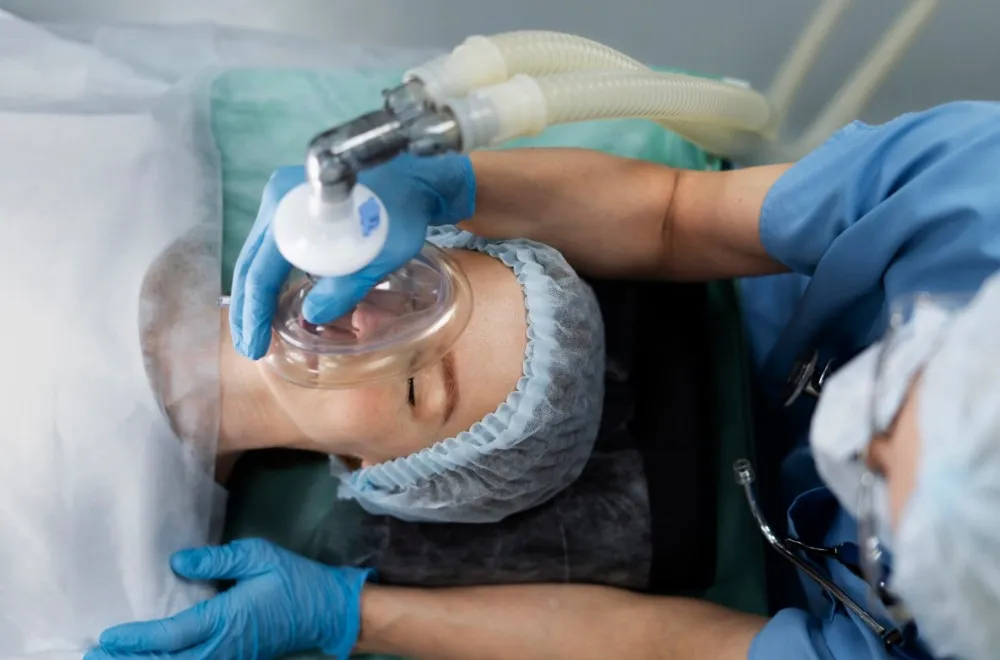
While modern anesthesia protocols are remarkably safe when performed by trained professionals, understanding potential side effects ensures patients are fully informed. The most common minor side effects following sedation and general anesthesia include transient dizziness, mild nausea, drowsiness, dry mouth, and slight shivering during emergence from anesthesia.
More significant adverse events, such as allergic drug reactions, respiratory depression, or laryngospasms, are extremely rare in accredited facilities. Leading dental hospitals mitigate these risks by employing board-certified anesthesiologists equipped with advanced airway instrumentation, emergency reversal agents, and full resuscitation infrastructure.
Can Medically Compromised Patients Receive Sedation and General Anesthesia Safely?
Individuals living with cardiovascular disease, controlled hypertension, diabetes, or neurological disorders often experience heightened medical vulnerability when undergoing stressful surgical procedures. Severe dental anxiety can trigger elevated catecholamine release, placing dangerous strain on the cardiovascular system.
Under careful medical management, administered sedation and general anesthesia can provide a safer environment for medically compromised patients by eliminating stress-induced physiological spikes. Dedicated anesthesiologists adjust drug selections and dosages specifically for the patient's systemic profile, ensuring stable cardiovascular and metabolic function throughout the appointment.
How Long Does It Take to Completely Recover from Sedation?
The time needed to clear sedative agents from the body varies based on the pharmacological drugs used, metabolic rate, and procedure duration. With mild nitrous oxide, recovery is virtually instantaneous, with baseline cognitive function returning within five minutes after cessation of the gas.
Following IV sedation or general anesthesia, patients spend approximately thirty to sixty minutes in a specialized post-anesthesia care unit (PACU) until protective reflexes and vital signs normalize. While individuals feel alert enough for discharge shortly thereafter, subtle cognitive slowing and residual drowsiness can persist for twelve to twenty-four hours, requiring rest until the medications are fully cleared.
Why Do International Patients Travel to Turkey for Sedated Dental Care?
Board-Certified Physician Anesthesiologists
In accredited Turkish dental hospitals, general anesthesia is administered exclusively by medical doctors specialized in anesthesiology and intensive care rather than general dentists, ensuring high clinical safety standards.
Fully Equipped Hospital-Grade Operating Theaters
Top surgical clinics in Istanbul and Antalya feature hospital-standard operating rooms, advanced HEPA filtration, modern anesthesia workstations, and comprehensive recovery wards matching Western European healthcare standards.
Integrated All-Inclusive Medical Tourism Services
International patients receive comprehensive healthcare packages combining expert oral surgery and specialized anesthesia care with bilingual patient coordinators, private VIP airport transfers, and luxury hotel accommodations for a seamless, comfortable journey.
Doctor Profile
Author and Medical Review
Dr. Melike KENTKURANOral and Maxillofacial Surgery Specialist
View ProfileThis content has been evaluated in accordance with Hospitadent Medical Publication Board standards for medical accuracy, currency and patient information.
Our Awards
See All ›2019 – 2020
Health Tourism Champion
Since its founding, Hospitadent has provided oral and dental care to patients travelling from every continent for health tourism. In the Service Exporters' Association research of 2019 and 2020, we ranked first in the Dental Health Services category. Within the same report we placed 15th among all healthcare institutions in 2019 and moved up to 10th in 2020. With uncompromising customer satisfaction, Hospitadent remains the healthcare institution that treats the highest number of international oral and dental patients.
2013
TEMOS International Quality Certificate
Guided by dedicated international departments, Hospitadent welcomes patients from abroad without any language barriers, offering assistance with accommodation, city and Bosphorus tours, concierge guidance, treatment logistics and medication support to keep satisfaction at its peak. With the goal of carrying the same quality standards to both Turkish and foreign patients, we received the TEMOS "International Quality in Dental Care" certificate in 2013—an accreditation granted by the organization that evaluates and certifies worldwide patient service quality based on the "Made in Germany" quality seal.
2020
Turquality Brand Support Program
For 16 years, the Turquality Brand Support Program has helped Turkish products build and promote their image abroad. Dental Group Hospitadent earned the right to join this initiative, taking an important step on its branding journey. Being the first dental healthcare group in a program that includes only five hospitals from the healthcare sector proves not only the quality image we project, but also the high standards we uphold.
2018
Stevie Awards – Most Innovative Customer Service
The Stevie Awards, recognized worldwide for honoring outstanding organizations and leaders, is the only international business awards program. In 2018, Hospitadent became the first hospital in Turkey to win a Stevie Award by receiving the "Most Innovative Customer Service of the Year" prize. Signature experiences such as Smiling Center, Digital Smile Design and Dental SPA played a decisive role in earning this accolade.
2019 – 2020
Service Exporters Association Award
Serving dental tourists from all over the world since its foundation, Hospitadent was honored by the Service Exporters' Association in the Champions of Service Exports program, which celebrates the rising value of Turkey's service industries. Thanks to its contribution to the national economy, Hospitadent received a certificate of achievement and ranked 15th among general healthcare institutions in 2019 and 10th in 2020, continuing to lead oral and dental treatments with an unwavering focus on patient satisfaction.
2021
Great Place To Work® Certified
Based on the employee experience and satisfaction survey completed by our teams, GPTW Turkey evaluated Hospitadent and awarded us the "Great Place To Work® Certified" distinction. As the first and only dental hospital holding this leading workplace culture certificate, Hospitadent continues its journey toward many more achievements.