How Do Lingual Braces Treatment Work?
Contemporary orthodontic engineering offers remarkable options for individuals who demand complete discretion while correcting complex malocclusions, bite misalignments, and crowded dental arches. For image-conscious adults, public speakers, and working professionals, choosing lingual braces represents the ultimate invisible orthodontic solution. Unlike conventional appliances attached to the outer facial enamel, this advanced technique places custom-engineered brackets onto the inner lingual and palatal surfaces of the teeth. By positioning the entire biomechanical framework behind the dental arch, lingual braces remain completely concealed from view during talking, laughing, and smiling. Patients undergoing therapy with lingual braces achieve comprehensive structural correction, balanced occlusion, and refined dental aesthetics without compromising their personal or professional appearance throughout the entire treatment timeline.
What Are Lingual Braces and How Do Hidden Appliances Work?
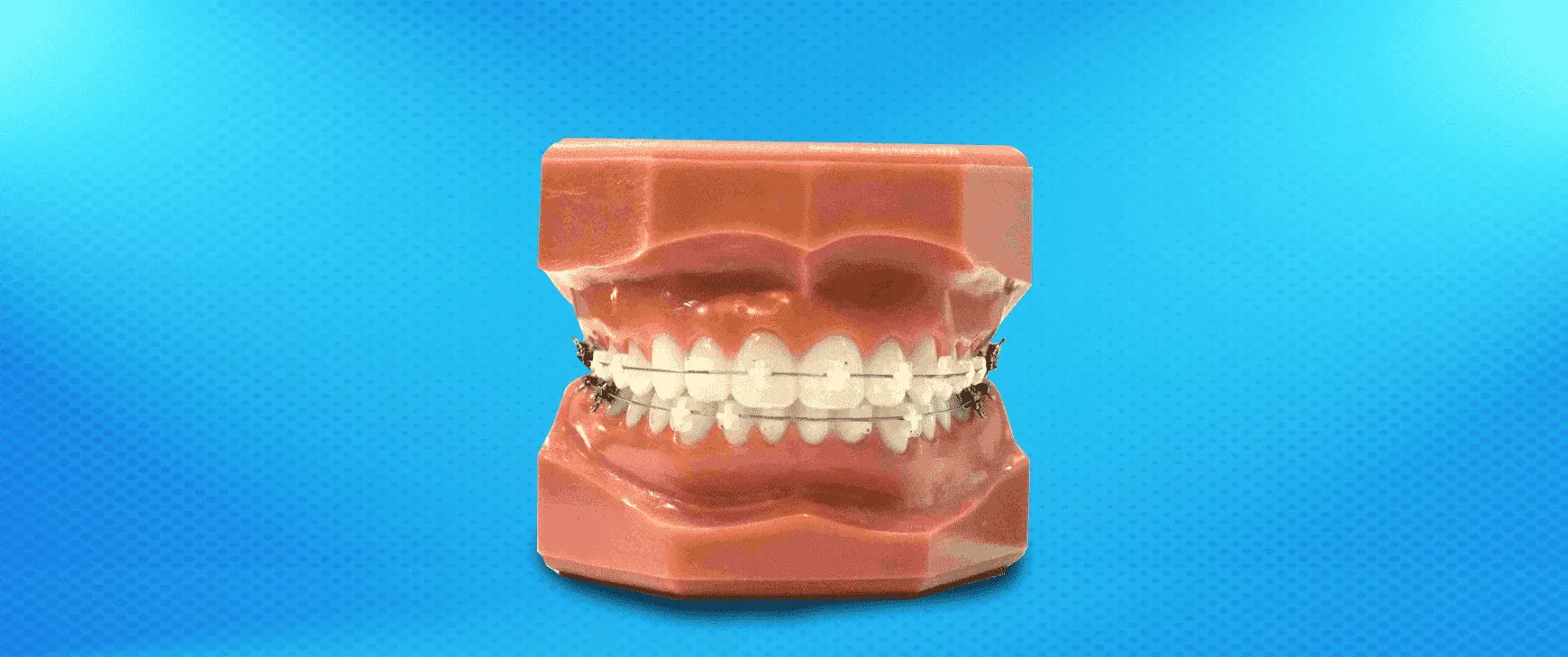
The biomechanical mechanism of custom lingual appliances follows the fundamental principles of cellular bone remodeling utilized in fixed orthodontics. However, their structural configuration is uniquely engineered to operate from the posterior surface of the dentition. Each bracket used in lingual braces is custom-cast or robotically milled to conform precisely to the irregular lingual morphology of each individual tooth. An orthodontic archwire, pre-bent by computer-guided robotic systems to match the planned arch form, connects the brackets to deliver controlled physiological forces.
Because the brackets are positioned closer to the center of resistance of each tooth root, lingual braces provide exceptional mechanical leverage for specific tooth movements. As the tensioned archwire seeks to regain its pre-programmed geometry, it exerts targeted pressure on the periodontal ligament. This mechanical force activates osteoclasts to resorb bone in areas of pressure and stimulates osteoblasts to generate new bone in areas of tension, guiding the dentition safely into ideal alignment.
Why Do Adult Patients Prefer Lingual Braces Over Other Systems?
The foremost benefit of choosing this therapeutic pathway is total, uncompromising visual invisibility. While ceramic systems and clear plastic trays are aesthetically discreet, they remain visible at close conversational distances. With lingual braces, the brackets, archwires, and ligature clips are entirely hidden behind the teeth, ensuring that colleagues, clients, and friends cannot detect ongoing orthodontic therapy.
In addition to unmatched aesthetics, lingual braces eliminate the risk of visible enamel decalcification on the front surfaces of the teeth. If an orthodontic patient struggles with oral hygiene around bracket margins, traditional appliances can leave permanent white spot lesions on the visible enamel. With lingual appliances, any minor enamel demineralization remains confined to the lingual surfaces where it remains completely hidden from sight.
How Are Custom Lingual Brackets Manufactured and Applied?
Precision 3D Optical Scanning and CAD Modeling
The treatment workflow begins with high-definition intraoral digital impressions. Because lingual tooth surfaces present complex anatomical variations, standard stock brackets cannot be used effectively. Specialized computer-aided design software generates a three-dimensional virtual setup of the patient's teeth, modeling the planned tooth movements stage by stage.
Robotic Bracket Casting and Wire Customization
Using the finalized digital setup, specialized dental laboratories manufacture low-profile brackets cast from gold alloys or medical-grade cobalt-chromium. Robotic bending machines shape custom titanium or nickel-titanium archwires with precise second- and third-order bends tailored to the patient's lingual anatomy.
Indirect Bonding and Archwire Insertion
To ensure absolute placement accuracy, the fabricated brackets are fitted into custom transfer trays. Under complete moisture isolation, the orthodontist uses indirect bonding techniques to cement the entire set of brackets simultaneously onto the lingual enamel. The custom archwire is then ligated into the slots, initiating active tooth alignment.
How Do Lingual Braces Compare to Traditional Metal Braces?
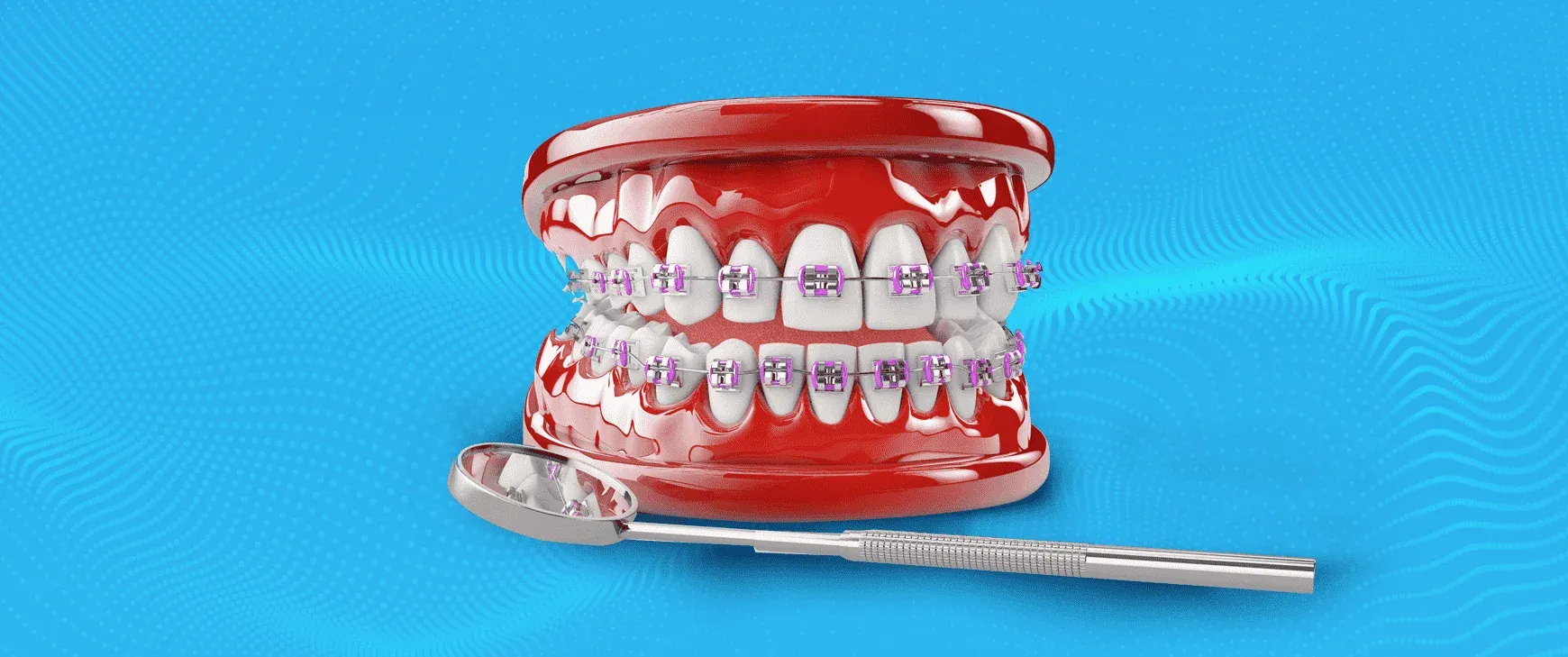
When evaluating fixed orthodontic systems, comparing posterior appliances with conventional buccal hardware highlights notable differences in visibility, comfort, and mechanics. Traditional metal braces attach directly to the front enamel, making them noticeable but offering straightforward adjustments and immediate accessibility for clinicians.
In contrast, lingual braces provide complete cosmetic camouflage while treating severe bite discrepancies with high clinical accuracy. However, because the inner lingual surfaces are close to the tongue, patients with lingual hardware require an initial adjustment period to adapt their speech and swallowing mechanics. Conventional buccal appliances, while visible, interact primarily with the buccal mucosa and lips rather than the tongue.
Who Is the Ideal Candidate for Treatment with Lingual Braces?
- Image-Conscious Working Professionals: Corporate executives, media presenters, legal professionals, and client-facing specialists seeking 100% invisible correction.
- Wind Instrument Musicians and Athletes: Individuals playing brass or woodwind instruments and contact sports players who must avoid outer lip trauma from buccal brackets.
- Patients with Complex Bite Discrepancies: Severe overbites, deep bites, and extraction cases requiring superior vertical intruding forces.
- Individuals Resistant to Removable Systems: Patients who prefer fixed appliances rather than remembering to wear clear trays for twenty-two hours daily.
- Healthy Periodontal Foundation: Adult and teenage candidates with mature permanent teeth, healthy bone support, and committed oral hygiene habits.
Lingual Braces vs Clear Aligners: Which Orthodontic Method Wins?
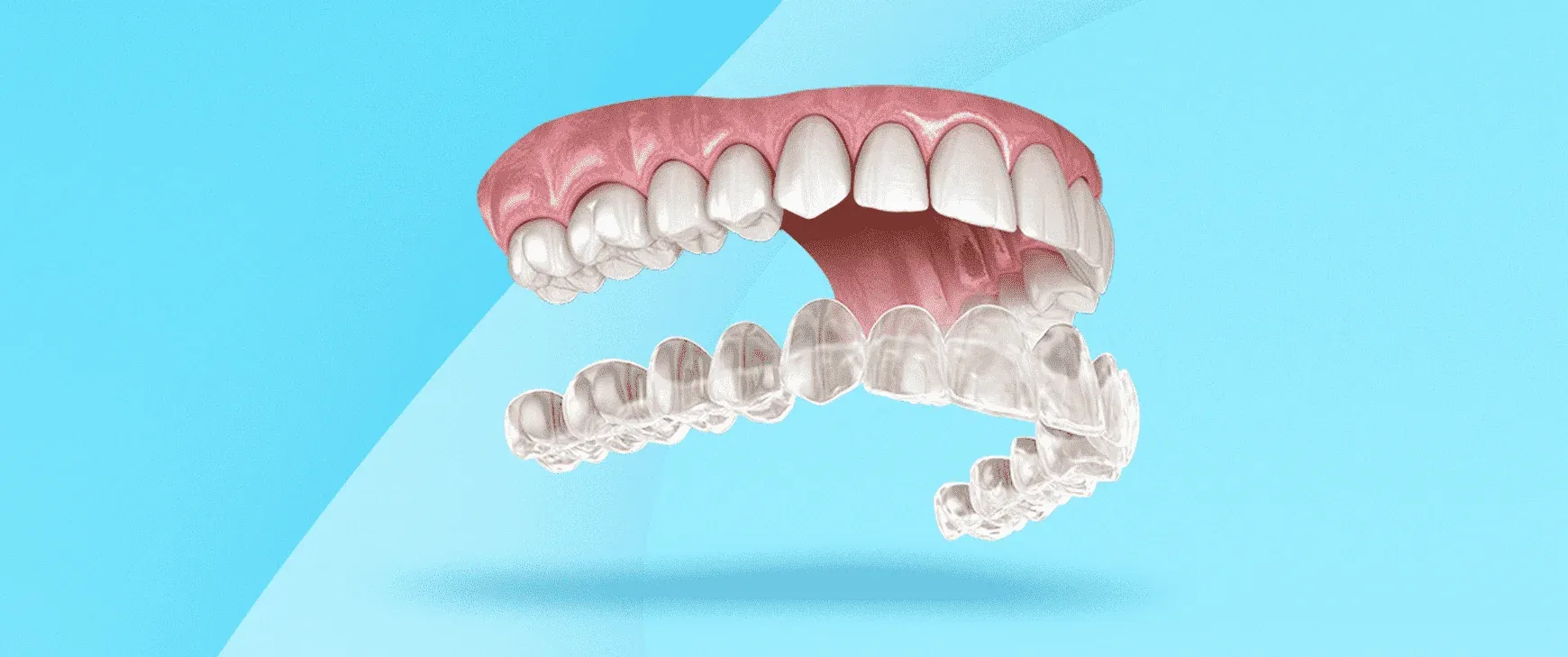
Aesthetic orthodontics is largely dominated by custom lingual brackets and transparent aligner systems. While removable clear aligners provide the convenience of being removable during eating and brushing, their clinical success depends heavily on patient discipline. If trays are removed for extended intervals, tooth movement stalls and treatment plans derail.
Conversely, fixed lingual braces apply continuous mechanical force twenty-four hours a day without requiring daily compliance. Furthermore, when resolving severe root rotations, significant premolar extractions, or large vertical discrepancies, fixed lingual appliances provide greater three-dimensional torque control than plastic aligners, ensuring predictable clinical results in challenging anatomical situations.
How Much Do Lingual Braces Cost Internationally Compared to Turkey?
The total investment for custom lingual orthodontics is higher than standard appliances due to the proprietary robotic manufacturing, gold-alloy casting, and specialized doctor training required. Choosing international dental clinics, particularly in Turkey, offers exceptional cost efficiency without compromising material quality or clinical standards.
|
Country |
Single Arch Lingual |
Full Mouth Lingual Braces |
Standard Package Inclusions |
|
Turkey |
£1,800 – £2,600 |
£3,200 – £4,800 |
3D Scans, Custom Robotics, Adjustments & Transfers |
|
United Kingdom |
£3,800 – £5,500 |
£6,500 – £10,000 |
Treatment Only (Diagnostics Extra) |
|
United States |
$5,000 – $7,500 |
$8,500 – $13,500 |
Treatment Only (Retainers Extra) |
|
Germany |
€4,200 – €6,000 |
€7,000 – €11,500 |
Standard Adjustment Protocol |
|
Australia |
AU$6,000 – AU$8,500 |
AU$10,000 – AU$16,000 |
Clinical Treatment Only |
As detailed in the international cost comparison table, choosing lingual braces in Turkey delivers major financial savings while utilizing genuine, certified systems such as Incognito or WIN, supported by experienced specialist orthodontists.
How Does Lingual Braces Treatment Affect Speech and Pronunciation?
Because lingual appliances are positioned directly in the area where the tongue articulates to produce speech sounds, patients frequently experience a temporary lisp during the initial days of treatment. Sounds such as "s", "th", and "d" require tongue contact against the palatal surfaces of the upper incisors, which may feel obstructed at first.
Fortunately, the human tongue adapts quickly to structural changes within the oral cavity. By practicing speech exercises, reading books aloud, and speaking actively during the first two weeks, most patients overcome the speech alteration within seven to fourteen days. Modern computer-milled lingual braces feature ultra-slim profiles that minimize tongue interference compared to early-generation lingual systems.
What Are the Best Oral Hygiene Practices for Lingual Braces?
- Utilize a Specialized End-Tuft Brush: Clean the tight spaces surrounding lingual brackets where standard toothbrushes cannot reach.
- Daily Water Flossing: Use a pressurized water flosser to dislodge trapped food particles and plaque from beneath the lingual archwires.
- Thread Floss with an Orthodontic Threader: Clean interproximal contacts daily using waxed dental floss or superfloss beneath the contact points.
- Antibacterial Fluoride Mouthwash: Rinse twice daily with an alcohol-free fluoride solution to prevent enamel demineralization.
- Inspect with an Anti-Fog Dental Mirror: Check lingual tooth surfaces under good lighting to confirm complete plaque removal after brushing.
Can Lingual Braces Effectively Fix Severe Bite Misalignments?
A common misconception is that invisible orthodontics is limited to minor cosmetic corrections. In reality, lingual appliances offer powerful mechanical advantages when managing complex dental malocclusions. Because lingual brackets are bonded close to the vertical axis of the teeth, they are effective at intruding anterior teeth to correct severe deep overbites.
Furthermore, in cases involving premolar extractions, lingual appliances provide controlled bodily retraction of the anterior segment, preventing unwanted tipping. When paired with temporary anchorage devices (TADs) or intermaxillary elastics, lingual braces manage severe Class II, Class III, and transverse crossbite discrepancies with high clinical predictability.
What Foods Should Be Avoided While Wearing Lingual Appliances?
Adjusting your diet is essential to protect the adhesive bond of your hidden appliances. Because the brackets are attached to the inner surfaces of the teeth, biting into hard or fibrous foods can generate heavy shearing forces that dislodge the hardware or distort the precision archwires.
Patients should cut whole fruits, crunchy vegetables, and crusty bread into small, bite-sized pieces before chewing. Avoiding sticky candies like caramels and chewing gum protects the delicate clips and keeps lingual braces functioning properly without causing emergency clinical visits for rebonding.
How Long Does Treatment with Lingual Braces Usually Take?
Mild Cosmetic Alignment (6 to 12 Months)
Patients with minor anterior crowding, small interdental spaces, or mild orthodontic relapse can complete treatment within six to twelve months. Focused social-six lingual systems target only the front teeth, delivering fast cosmetic results.
Moderate Crowding and Arch Expansion (12 to 18 Months)
Cases requiring transverse expansion of the dental arch, rotation of premolars, or moderate space closure typically require twelve to eighteen months of treatment to achieve stable functional occlusion.
Complex Extraction and Bite Correction (18 to 24+ Months)
Severe skeletal malocclusions, heavy crowding requiring extractions, or significant vertical bite corrections generally span eighteen to twenty-four months, allowing adequate time for cellular bone remodeling and root uprighting.
How Do Lingual Braces Compare to Modern Invisalign Turkey Packages?

International patients exploring aesthetic orthodontic care frequently evaluate whether fixed lingual systems or transparent aligners best suit their travel schedule. Choosing invisalign Turkey protocols provides the flexibility of remote monitoring, as patients take multiple aligner sets home and attend virtual checkups.
Conversely, lingual braces require regular in-person adjustment appointments every four to six weeks to tighten archwires and place active ligatures. For international travelers who can schedule periodic visits to Turkey or who relocate temporarily, lingual appliances provide reliable, continuous force delivery that does not rely on daily aligner compliance.
What Discomfort Should You Expect During the First Two Weeks?
The initial adaptation phase involves minor soft tissue soreness as the lateral borders of the tongue adjust to the presence of metallic brackets. In addition, the continuous mechanical tension applied to the periodontal ligaments induces mild dental tenderness when chewing, which typically peaks during the first forty-eight hours.
Applying orthodontic relief wax or silicone barriers over the bracket profiles prevents tongue irritation and ulceration during this transition. Consuming a soft diet including yogurt, soups, fish, and purees reduces chewing discomfort, allowing patients with lingual braces to adapt comfortably within ten to fourteen days.
Why Are Retainers Essential After Completing Lingual Orthodontics?
Preventing Biological Relapse
Following bracket debonding, the surrounding periodontal collagen fibers and alveolar bone require time to stabilize around the newly positioned roots. Retainers prevent teeth from drifting back toward their original positions under natural masticatory forces.
Bonded Fixed Retainers
Because patients who select lingual braces prioritize aesthetics, custom-bonded lingual retaining wires are commonly placed behind the front teeth to provide permanent, invisible stabilization.
Removable Clear Night Retainers
In addition to fixed wires, transparent thermoformed retainers (such as Essix or Vivera) are worn overnight to stabilize the transverse arch width and maintain optimal bite relationships long term.
Why Choose Turkey for Your Lingual Orthodontic Journey?
Board-Certified Specialist Orthodontists
Orthodontic specialists in Turkey complete five years of dental school followed by four to six years of postgraduate doctoral training, with specialized certifications in custom lingual bracket mechanics and CAD/CAM systems.
Advanced Digital Clinical Infrastructure
Leading dental hospitals across Istanbul and Antalya feature state-of-the-art 3D intraoral scanners, digital cephalometric diagnostics, and cleanroom indirect bonding facilities that adhere to European clinical standards.
Comprehensive All-Inclusive Healthcare Packages
International clinics provide integrated dental tourism packages that combine orthodontic care with VIP airport transfers, luxury hotel accommodations, and dedicated multilingual patient coordinators, ensuring a smooth and stress-free treatment experience.