How Metal Braces Improves Overall Dental Alignment
How metal braces improves overall dental alignment? What kind of processes are included in metal braces treatment? Click and learn.
Orthodontic treatments have transformed millions of smiles across the globe, providing reliable solutions for misaligned teeth, crowded dental arches, and irregular bite relationships. Among the wide range of orthodontic appliances available in contemporary dental practice, traditional metal braces remain the most proven, versatile, and biomechanically effective treatment method for both children and adults. By applying continuous, controlled physiological pressure over time, these fixed systems guide the roots of the teeth into optimal anatomical positions within the jawbone. Investing in metal braces not only creates an aesthetically pleasing and balanced smile but also significantly restores functional mastication, protects enamel from uneven attrition, and promotes lifelong periodontal health.
What Are Metal Braces and How Do They Straighten Teeth?
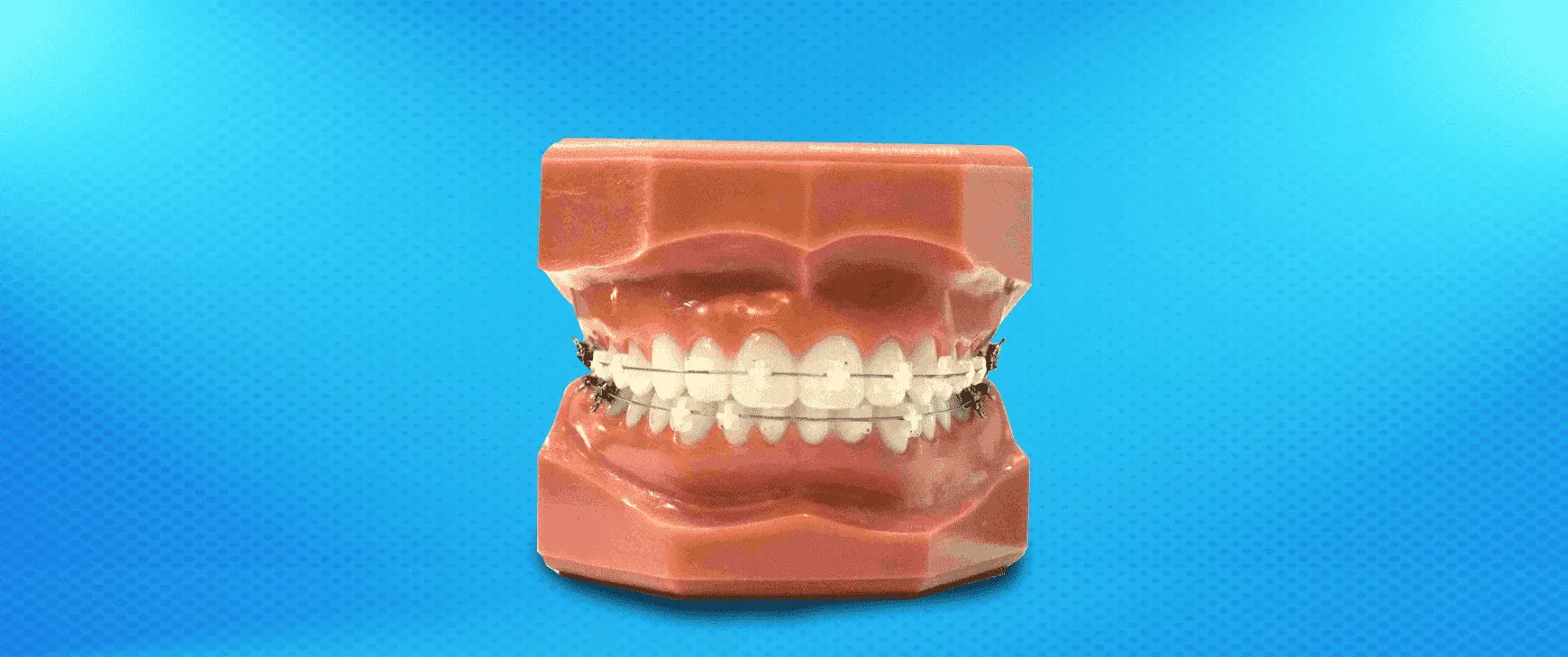
Modern fixed orthodontic appliances consist of high-grade surgical stainless steel or titanium brackets attached to the buccal surface of each individual tooth. When undergoing treatment with metal braces, an elastic or thermal nickel-titanium archwire is threaded through the precision slots of the brackets. This archwire acts as an active guide track, delivering continuous, low-magnitude forces that stimulate biological bone remodeling within the alveolar process.
As the archwire attempts to recover its original preformed arch shape, it exerts gentle tension on the periodontal ligament surrounding each tooth root. This mechanical stimulation activates specialized osteoclasts to resorb bone in the direction of compression, while osteoblasts generate new bone tissue in the area of tension. Through this continuous cellular response, metal braces systematically guide crowded, rotated, or spaced teeth into harmonious alignment with structural stability.
How Have Modern Metal Braces Evolved in Design and Comfort?
Miniaturized Low-Profile Bracket Designs
Contemporary orthodontic engineering has drastically reduced the physical dimensions of stainless steel brackets. Modern brackets feature low-profile, contoured silhouettes with ultra-smooth edges, which minimize friction against the inner cheeks and lips, dramatically reducing soft tissue irritation compared to older generations of appliances.
Advanced Self-Ligating Technology
In addition to conventional systems that use elastic ties, modern clinics frequently utilize self-ligating brackets equipped with built-in sliding doors. This mechanism holds the archwire securely with lower frictional resistance, enabling smoother tooth movement and often reducing the total chair time required during adjustment appointments.
Customized Thermal Archwires
State-of-the-art archwires are now manufactured using heat-activated copper-nickel-titanium alloys. These innovative wires respond to body temperature inside the oral cavity, maintaining a steady, gentle level of force that maximizes patient comfort and enhances the efficiency of cellular bone remodeling.
Who Is the Ideal Candidate for Metal Braces?
Because fixed stainless steel systems provide complete three-dimensional control over crown and root positions, they can treat virtually every type of orthodontic malocclusion. Candidates for metal braces include young children undergoing interceptive phase-two orthodontics, teenagers navigating full dentition alignment, and adult patients requiring complex structural corrections.
These appliances are particularly ideal for patients presenting with severe dental crowding, impacted canine teeth, significant open bites, deep overbites, or skeletal crossbites. Unlike removable options, fixed metal braces do not rely on patient compliance for daily wear time, making them an excellent choice for individuals who want guaranteed, continuous orthodontic movement without worrying about lost or forgotten aligners.
Metal Braces vs Clear Braces: What Are the Key Differences?
When selecting the most appropriate orthodontic appliance, patients frequently compare traditional stainless steel systems with tooth-colored ceramic alternatives. While aesthetic clear braces utilize translucent polycrystalline alumina brackets to blend naturally with tooth enamel, stainless steel brackets offer superior material ductility and structural toughness.
Ceramic materials are inherently more brittle, which can make them slightly more prone to chipping under heavy masticatory forces. In contrast, durable metal braces withstand high chewing loads without fracturing, making them especially suitable for correcting severe posterior bite discrepancies. Furthermore, metal brackets generate less surface friction with the archwire, which can lead to slightly faster sliding mechanics during the initial alignment phase of treatment.
How Long Does Treatment with Metal Braces Usually Take?
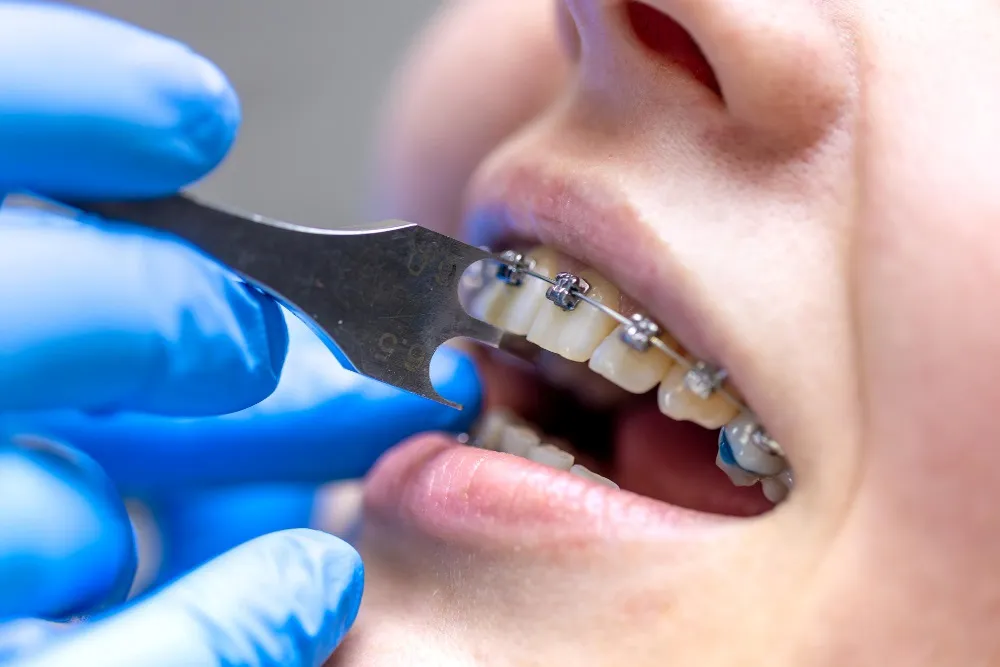
The total duration of orthodontic therapy depends on the biological severity of the malocclusion, bone density, and patient compliance. On average, comprehensive treatment with metal braces lasts between twelve and twenty-four months. Mild spacing or minor anterior tooth crowding can often be resolved in nine to twelve months, whereas complex extraction cases or skeletal discrepancies may take up to thirty months.
Consistent attendance at scheduled adjustment appointments every four to six weeks is vital to ensure steady progress. Missing clinical visits, consuming forbidden sticky foods that detach brackets, or neglecting elastics wear can prolong the active phase of treatment with metal braces. Following all clinical recommendations helps ensure teeth move efficiently along their planned trajectories.
What Are the Primary Advantages of Choosing Metal Braces?
- Unmatched Biomechanical Strength: Surgical stainless steel withstands intense masticatory forces without cracking or breaking during treatment.
- Comprehensive Treatment Capability: Capable of resolving severe crowding, deep bites, crossbites, and complex root torque movements.
- Cost-Effective Orthodontic Care: Represents the most economical and widely accessible fixed orthodontic solution available in modern clinics.
- Non-Compliance Dependent: Being permanently bonded, metal braces work continuously 24/7 without relying on patient memory.
- Customizable Aesthetic Ties: Children and teens can personalize their appliances with colorful ligature bands at every adjustment visit.
How Much Do Metal Braces Cost Compared to Other Countries?
The financial investment required for orthodontic care varies widely across different regions of the world due to operational overheads, laboratory expenses, and clinical service fees. Traditional metal braces remain the most budget-friendly fixed appliance, offering significant cost advantages over lingual brackets and clear aligners.
|
Country |
Metal Braces (Full Case) |
Ceramic / Clear Braces |
Typical Package Inclusions |
|
Turkey |
£1,100 – £1,700 |
£1,400 – £2,200 |
Consultation, 3D Scans, Adjustments & Retainers |
|
United Kingdom |
£2,200 – £3,800 |
£3,200 – £5,000 |
Treatment Only (Diagnostics Billed Separately) |
|
United States |
$3,000 – $5,500 |
$4,000 – $7,500 |
Treatment Only (X-Rays & Retainers Extra) |
|
Germany |
€2,500 – €4,200 |
€3,500 – €5,800 |
Standard Monthly Adjustments Only |
|
Australia |
AU$4,000 – AU$7,000 |
AU$5,500 – AU$9,000 |
Treatment Only |
As illustrated in the comparative table, undergoing orthodontic therapy abroad offers remarkable financial efficiency. Patients seeking premium clinical outcomes often combine their treatments with travel, benefiting from affordable packages without compromising material standards.
What Is the Step-by-Step Installation Process for Metal Braces?
Comprehensive Diagnostic Assessment
The orthodontic workflow begins with panoramic radiographs, lateral cephalometric analysis, and 3D digital intraoral scans. The clinician evaluates bone support, facial symmetry, and root angulations to map out the precise positioning for each bracket before placing metal braces.
Tooth Preparation and Enamel Conditioning
The enamel surfaces are cleaned, polished, and dried completely using dental retractors. A mild etching gel is applied to create microscopic microporosities on the enamel, ensuring the composite adhesive forms a strong micromechanical bond with the tooth.
Bracket Placement and Archwire Engagement
Adhesive resin is applied to the back of each stainless steel bracket and positioned onto the facial center of the tooth. A high-intensity curing light hardens the cement within seconds. The initial flexible archwire is then inserted into the bracket slots and secured with ligature bands.
How Do Metal Braces Compare to Lingual Braces and Clear Aligners?
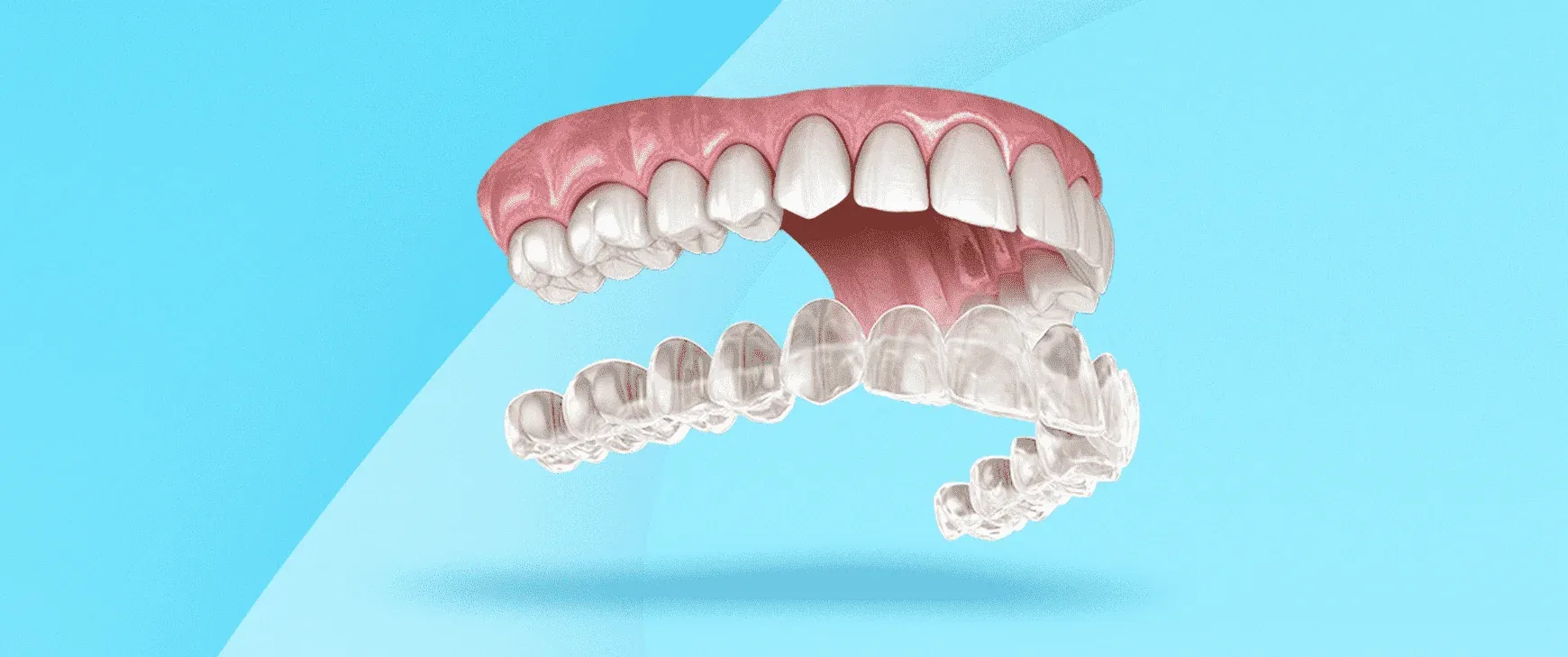
When reviewing modern teeth-straightening alternatives, patients evaluate aesthetic preferences alongside biomechanical performance. Removable systems such as invisalign Turkey offer near-invisibility and the convenience of removal during meals, though they demand strict compliance to be effective.
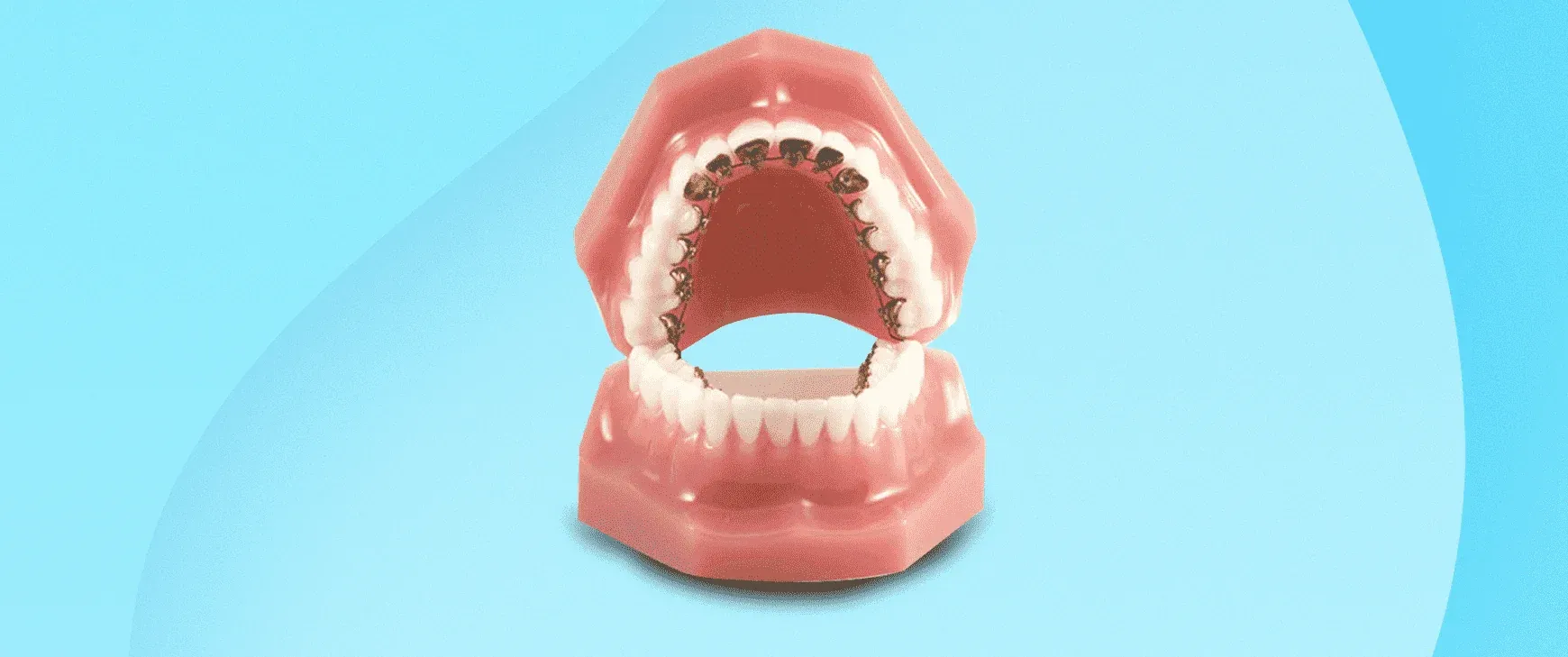
On the other hand, customized lingual braces are attached to the lingual surfaces of the teeth, making them completely hidden from outside view. However, lingual appliances can initially cause temporary speech alterations and tongue irritation. Conventional metal braces remain the most straightforward, durable, and universally applicable solution, delivering high clinical predictability across complex malocclusions.
What Foods Should Be Avoided While Wearing Metal Braces?
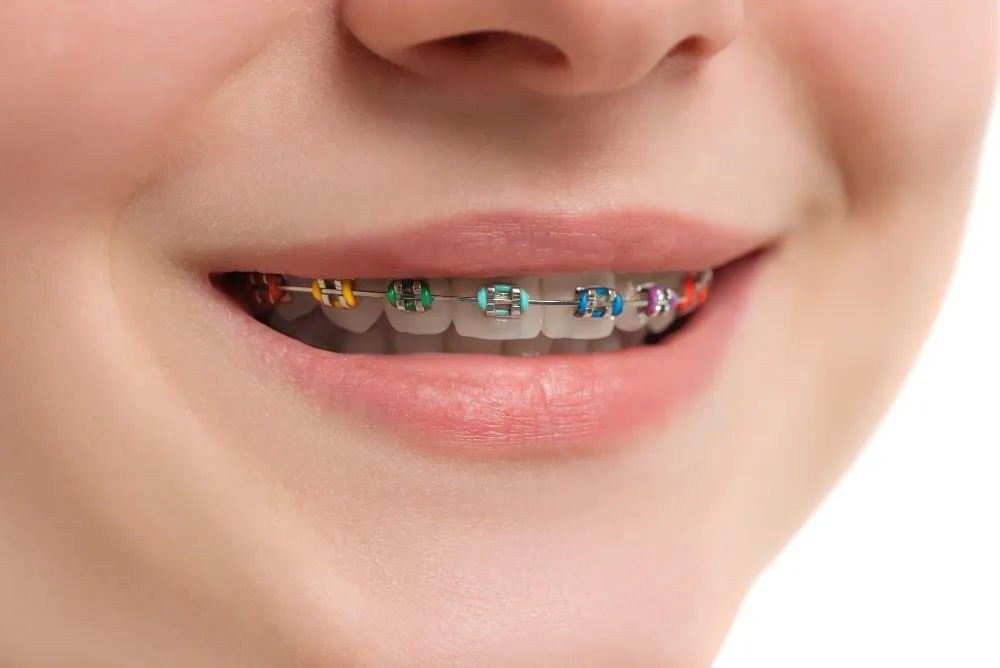
Adopting proper dietary habits is crucial for protecting fixed orthodontic appliances throughout treatment. Chewing hard, sticky, or crunchy foods generates excessive shearing forces that can break adhesive bonds, pop brackets off enamel surfaces, or distort archwires. Every broken bracket interrupts active tooth movement and can delay overall treatment progress.
Dense foods like raw carrots, apples, and crusty bread should be sliced into small, bite-sized portions and chewed with the back molars. Avoiding sticky candies protects the brackets and keeps metal braces working smoothly without unnecessary emergency clinic visits.
- Avoid hard, sticky sweets like toffee, chewing gum, and caramels that can pull wires out of bracket slots.
- Never bite directly into whole apples, raw carrots, or corn on the cob with your front teeth.
- Refrain from chewing on ice cubes, hard nutshells, popcorn kernels, or pen caps.
- Cut tough meats and crusty pizza crusts into small portions before eating.
- Limit sugary snacks and carbonated drinks to prevent plaque buildup and enamel demineralization around brackets.
How to Manage Soreness and Discomfort During Treatment?
Experiencing mild tenderness after the initial placement of metal braces or following routine adjustment appointments is a completely normal biological reaction. As the archwire begins exerting pressure on the periodontal ligament, temporary localized inflammation allows the tooth roots to move through the alveolar bone.
This soreness typically peaks within twenty-four to forty-eight hours and subsides within three to five days. Sticking to a soft diet consisting of yogurt, soups, smoothies, and mashed potatoes helps minimize biting pressure during this transition. Applying medical-grade orthodontic relief wax over any bracket edges that rub against the cheeks prevents soft tissue irritation while oral tissues adapt to the metal braces.
What Are the Best Oral Hygiene Practices for Metal Braces?
Maintaining diligent oral hygiene is essential during orthodontic therapy, as brackets, bands, and archwires create numerous areas where food particles and plaque accumulate. If plaque is left undisturbed around bracket margins, bacteria produce acids that cause enamel demineralization, resulting in permanent white spot lesions once the appliances are removed.
Patients should brush thoroughly after every meal using a soft-bristled orthodontic toothbrush and fluoride toothpaste. Incorporating interdental brushes, specialized orthodontic floss, or a pulsating water flosser helps clean beneath the archwires and between teeth, ensuring gingival tissues remain healthy throughout treatment with metal braces.
Can Adults Benefit from Treatment with Metal Braces?
While orthodontic care is frequently associated with childhood and adolescence, healthy teeth can be moved at any age. Adult patients increasingly choose metal braces to correct long-standing bite issues, relieve chronic jaw strain, eliminate crowding, or prepare their dentition for dental implants and crowns.
Because adult alveolar bone is fully dense and facial growth has ceased, adult tooth movement may take slightly longer than in teenagers. However, modern low-profile stainless steel brackets provide efficient biomechanical force delivery, proving that metal braces deliver exceptional cosmetic and functional results regardless of patient age.
Why Do Retainers Matter After Completing Metal Braces Treatment?
Preventing Biological Orthodontic Relapse
Once active orthodontic movement ends and brackets are removed, teeth remain susceptible to shifting. The periodontal ligament fibers and surrounding alveolar bone require time to reorganize and solidify around the updated root positions. Retainers hold the teeth securely, preventing unwanted relapse.
Custom Removable Retainers
Removable retainers, such as clear vacuum-formed trays or traditional acrylic Hawley retainers, fit over the dental arches. Patients typically wear them full-time for the first three to six months, gradually transitioning to nighttime wear as directed by their orthodontist.
Fixed Bonded Lingual Retainers
In cases with a higher risk of rotational relapse, clinicians often bond a thin wire behind the anterior teeth. This fixed lingual retainer provides continuous, invisible stabilization without requiring daily management from the patient.
Can Metal Braces Fix Complex Jaw Discrepancies and Severe Bites?
Stainless steel fixed appliances offer exceptional precision when correcting severe malocclusions and complex skeletal bite discrepancies. When combined with intermaxillary elastics, expanders, or temporary anchorage devices (TADs), metal braces effectively correct severe Class II overbites, Class III underbites, anterior open bites, and deep crossbites.
Because metal brackets are bonded securely to the enamel, the specialist maintains complete control over individual root torque, crown tipping, and arch coordination. This level of control makes metal braces the gold standard for complex orthodontic cases, ensuring a stable, functional bite and an aesthetically pleasing smile for years to come.
Doctor Profile

This content has been evaluated in accordance with Hospitadent Medical Publication Board standards for medical accuracy, currency and patient information.
Our Awards
See All ›2019 – 2020
Health Tourism Champion
Since its founding, Hospitadent has provided oral and dental care to patients travelling from every continent for health tourism. In the Service Exporters' Association research of 2019 and 2020, we ranked first in the Dental Health Services category. Within the same report we placed 15th among all healthcare institutions in 2019 and moved up to 10th in 2020. With uncompromising customer satisfaction, Hospitadent remains the healthcare institution that treats the highest number of international oral and dental patients.
2013
TEMOS International Quality Certificate
Guided by dedicated international departments, Hospitadent welcomes patients from abroad without any language barriers, offering assistance with accommodation, city and Bosphorus tours, concierge guidance, treatment logistics and medication support to keep satisfaction at its peak. With the goal of carrying the same quality standards to both Turkish and foreign patients, we received the TEMOS "International Quality in Dental Care" certificate in 2013—an accreditation granted by the organization that evaluates and certifies worldwide patient service quality based on the "Made in Germany" quality seal.
2020
Turquality Brand Support Program
For 16 years, the Turquality Brand Support Program has helped Turkish products build and promote their image abroad. Dental Group Hospitadent earned the right to join this initiative, taking an important step on its branding journey. Being the first dental healthcare group in a program that includes only five hospitals from the healthcare sector proves not only the quality image we project, but also the high standards we uphold.
2018
Stevie Awards – Most Innovative Customer Service
The Stevie Awards, recognized worldwide for honoring outstanding organizations and leaders, is the only international business awards program. In 2018, Hospitadent became the first hospital in Turkey to win a Stevie Award by receiving the "Most Innovative Customer Service of the Year" prize. Signature experiences such as Smiling Center, Digital Smile Design and Dental SPA played a decisive role in earning this accolade.
2019 – 2020
Service Exporters Association Award
Serving dental tourists from all over the world since its foundation, Hospitadent was honored by the Service Exporters' Association in the Champions of Service Exports program, which celebrates the rising value of Turkey's service industries. Thanks to its contribution to the national economy, Hospitadent received a certificate of achievement and ranked 15th among general healthcare institutions in 2019 and 10th in 2020, continuing to lead oral and dental treatments with an unwavering focus on patient satisfaction.
2021
Great Place To Work® Certified
Based on the employee experience and satisfaction survey completed by our teams, GPTW Turkey evaluated Hospitadent and awarded us the "Great Place To Work® Certified" distinction. As the first and only dental hospital holding this leading workplace culture certificate, Hospitadent continues its journey toward many more achievements.