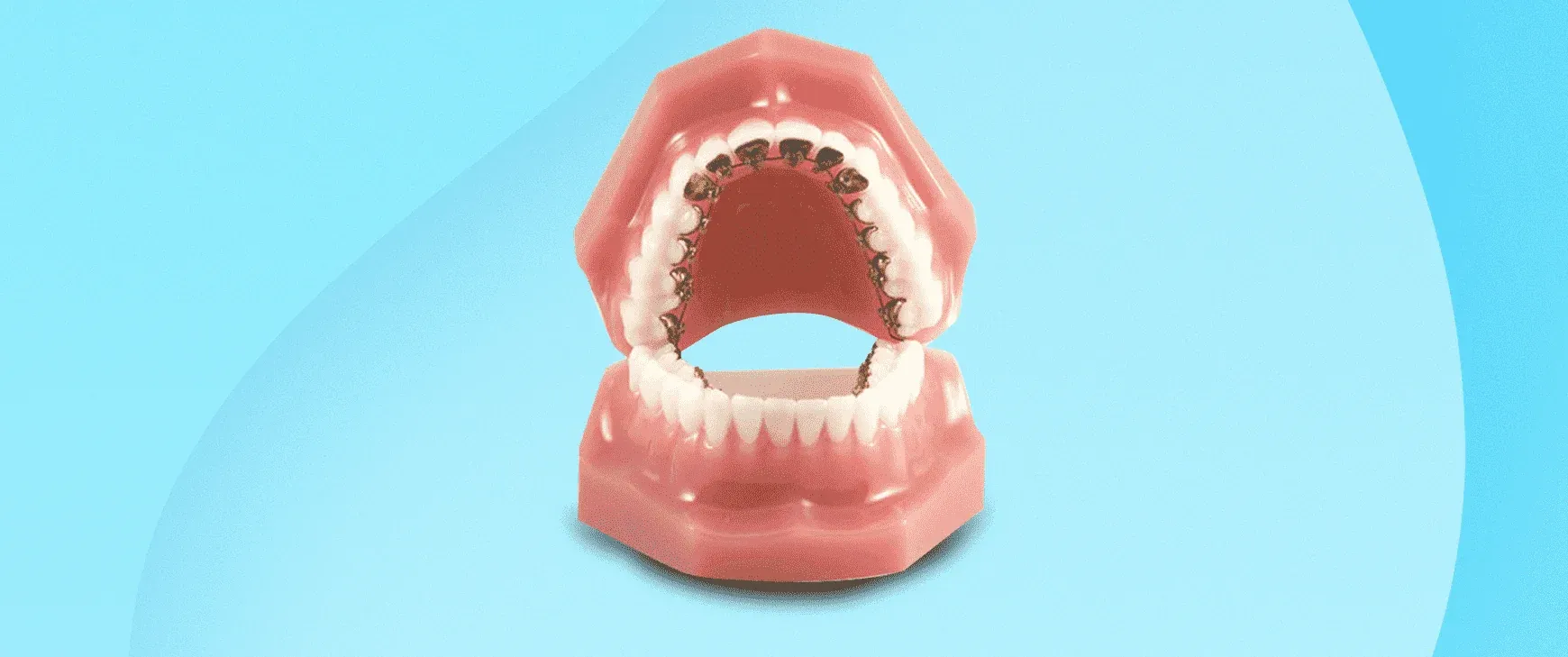
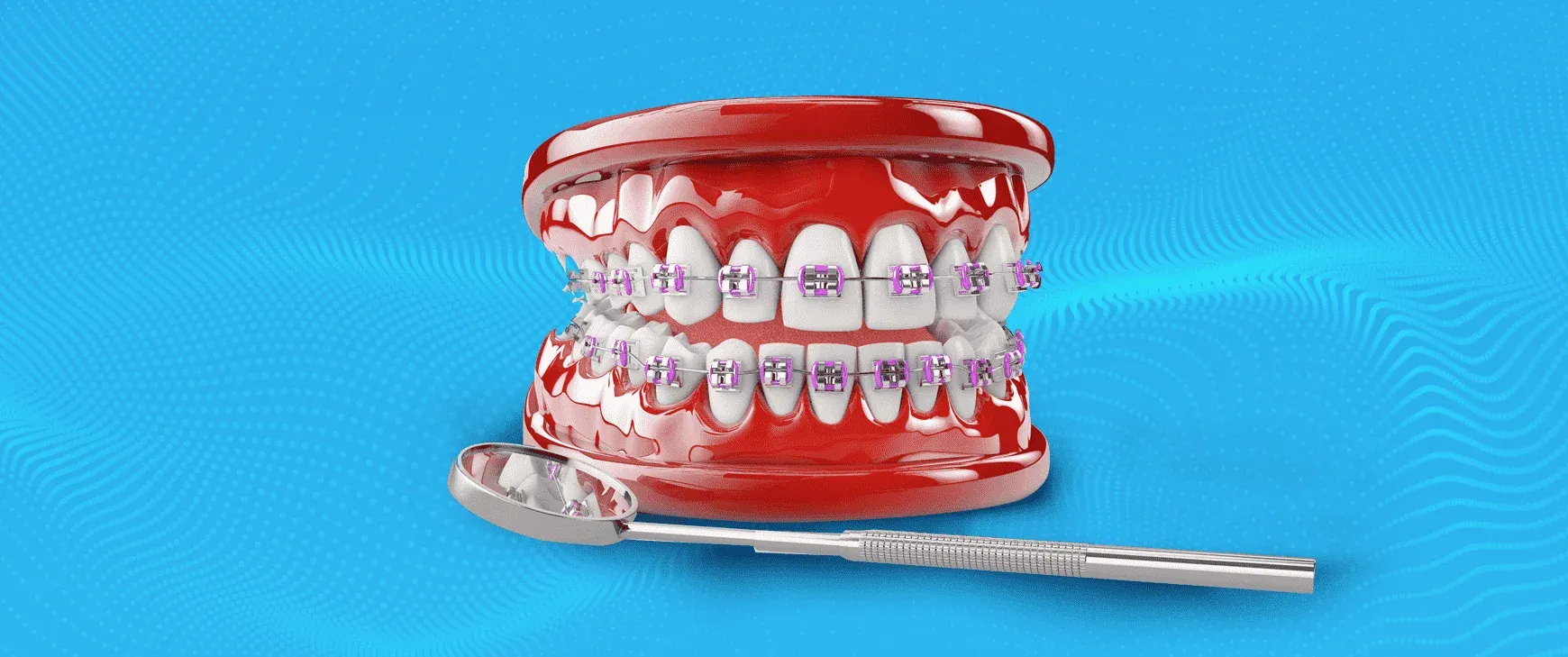
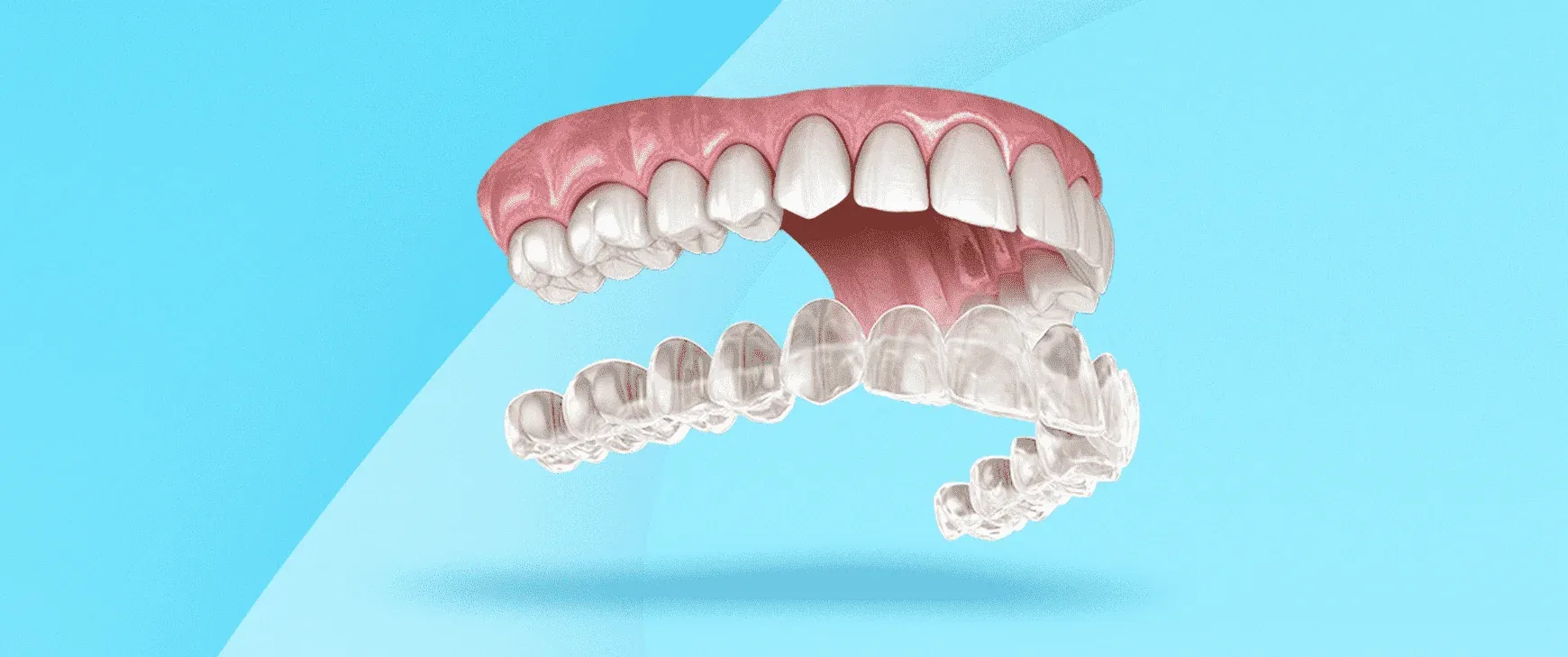
What is Clear Braces Treatment? How Is It Done?
Transform your smile discreetly with clear braces. Discover the benefits, cost, and process of aesthetic orthodontic treatment for all ages.
Achieving a straight, healthy smile has become far more accessible and aesthetically pleasing thanks to rapid innovations in modern orthodontics. For many teenagers and working adults, traditional metallic systems present visual concerns that often delay necessary dental corrections. Choosing clear braces provides an ideal clinical solution by combining the proven biomechanical strength of fixed orthodontic appliances with translucent, tooth-colored materials that blend naturally with dental enamel. This innovative approach allows patients undergoing clear braces therapy to straighten misaligned teeth, close unwanted gaps, and correct complex bite discrepancies without drawing unwanted attention to their ongoing orthodontic care.
What Are Clear Braces and How Do Ceramic Brackets Work?
Ceramic orthodontic appliances utilize the same biomechanical principles as conventional metal systems, using continuous, controlled physical forces to guide tooth roots through the alveolar bone. Instead of noticeable stainless steel brackets, the components of clear braces are manufactured from polycrystalline or monocrystalline alumina. These high-grade ceramic materials mimic the natural shade and light translucency of biological tooth enamel, making the orthodontic hardware virtually invisible from a normal conversational distance.
The brackets are bonded directly onto the facial surface of each tooth using specialized composite resin adhesives. An orthodontic archwire, which can be coated in tooth-colored aesthetic resin, is threaded through the bracket slots and secured with clear or frosted elastic ligatures. As the archwire gradually attempts to return to its pre-engineered parabolic form, it exerts gentle tension that stimulates cellular bone remodeling, allowing clear braces to align the dental arch with extreme precision.
Clear Braces vs Metal Braces: What Are the Key Structural Differences?
Aesthetic Integration and Visual Camouflage
The most evident distinction lies in visual appearance. Stainless steel brackets create high visual contrast against white enamel, whereas clear braces offer subtle cosmetic integration. This discreet quality makes ceramic systems particularly popular among working professionals, university students, and image-conscious individuals who wish to maintain a mature, understated appearance during treatment.
Material Density and Structural Brittleness
While modern polycrystalline ceramics offer immense compressive hardness, they possess higher structural brittleness than ductile medical-grade stainless steel. This mechanical characteristic means clear braces require careful handling to prevent bracket wing fractures when biting into dense foods. Orthodontists design ceramic brackets with slightly rounded, reinforced profiles to balance aesthetic subtlety with clinical durability.
Friction Levels and Biomechanical Movement
Traditional metal brackets produce lower surface friction along stainless steel archwires, allowing slightly faster initial sliding mechanics in severe extraction cases. However, modern clear braces feature micro-polished bracket slots or integrated metal slot liners that significantly minimize frictional resistance, ensuring treatment speeds closely match those of metal appliances.
Who Is the Ideal Candidate for Clear Braces Treatment?
Evaluating clinical suitability for aesthetic fixed appliances involves assessing oral hygiene, dental development, and the nature of the malocclusion. Generally, clear braces are suitable for mature adolescents and adult patients who have a full set of permanent teeth. Because ceramic brackets are more rigid than steel, candidates must exhibit a commitment to dietary care and regular maintenance visits.
Ideal candidates include individuals with moderate to severe dental crowding, spacing issues, crossbites, and deep overbites who prefer fixed appliances over removable aligners. Patients who might forget to wear removable trays for the mandatory twenty-two hours daily find that fixed clear braces provide continuous, non-compliant tooth movement, guaranteeing that clinical timelines remain on schedule without relying on daily self-discipline.
How Long Does Clear Braces Treatment Usually Take to Complete?
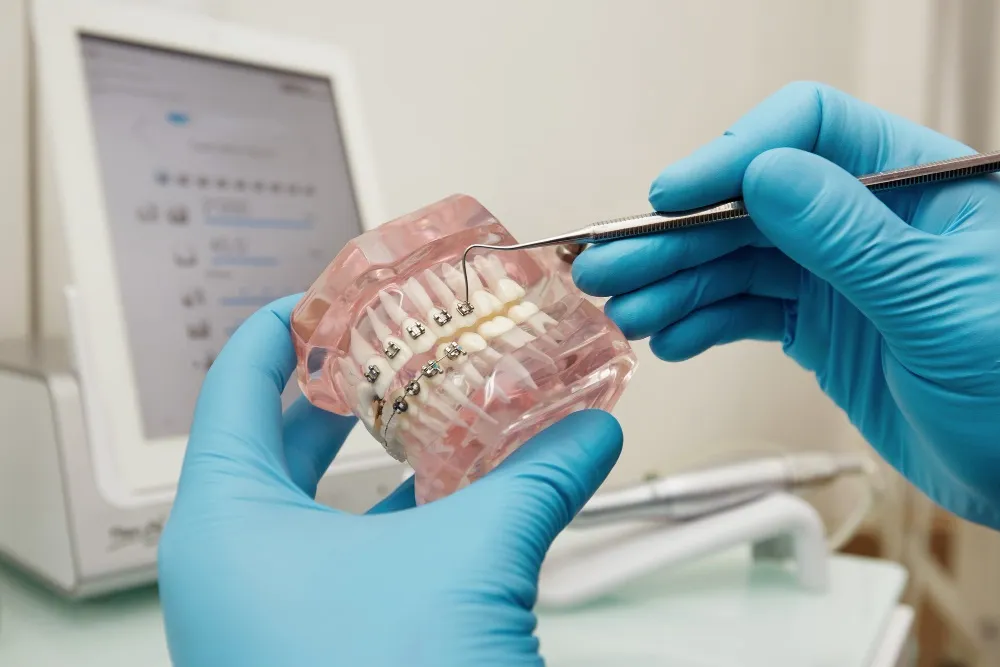
Treatment duration varies depending on the complexity of the patient's orthodontic diagnosis, biological bone density, and individual cellular turnover rates. On average, standard clear braces treatment lasts between twelve and twenty-four months. Mild anterior cosmetic crowding can often be resolved in as little as nine to twelve months, whereas comprehensive cases requiring premolar extractions or severe bite adjustments take longer.
It is important to understand that the ceramic material itself does not slow down biological tooth movement. The speed of orthodontic progression is determined by bone biology, periodontal health, and consistent attendance at scheduled adjustment appointments. Following all clinical instructions regarding intermaxillary elastics ensures that clear braces achieve optimal results within the estimated timeframe.
What Are the Main Benefits of Choosing Clear Braces for Adults?
- Unobtrusive Aesthetic Appearance: Translucent ceramic brackets blend naturally with tooth enamel, providing a subtle look during business meetings and social events.
- Continuous Biomechanical Force: Being permanently fixed to the teeth, clear braces apply uninterrupted force without the risk of forgotten or lost trays.
- Comprehensive Malocclusion Correction: Ceramic brackets effectively resolve severe rotations, deep vertical bites, and complex root torque movements.
- High Resistance to Chemical Staining: High-density ceramic brackets do not absorb pigments from coffee, tea, or everyday foods.
- Hypoallergenic and Biocompatible: Completely nickel-free ceramic materials eliminate the risk of allergic reactions in patients sensitive to base metals.
How Much Do Clear Braces Cost Compared to Other Countries?
Financial planning is an essential consideration for anyone embarking on orthodontic care. Because advanced ceramic engineering involves higher manufacturing costs than basic stainless steel, clear braces generally carry a modest premium over traditional metal options. However, global prices vary significantly depending on the clinic's geographical location, doctor expertise, and local operating costs.
|
Country |
Traditional Metal Braces |
Clear Braces (Ceramic) |
Standard Inclusions |
|
Turkey |
£1,200 – £1,800 |
£1,500 – £2,400 |
Consultation, 3D Imaging, Adjustments & Retainers |
|
United Kingdom |
£2,500 – £4,000 |
£3,500 – £5,500 |
Treatment Only (Diagnostics Billed Separately) |
|
United States |
$3,500 – $6,000 |
$4,500 – $8,000 |
Treatment Only (X-Rays & Retainers Extra) |
|
Germany |
€2,800 – €4,500 |
€3,800 – €6,000 |
Standard Adjustments Only |
|
Australia |
AU$4,500 – AU$7,500 |
AU$6,000 – AU$9,500 |
Treatment Only |
As outlined in the comparison table, international dental hubs offer substantial financial advantages. Patients researching global treatment standards frequently review braces prices in Istanbul to explore cost-effective orthodontic options that maintain high clinical standards.
What Is the Step-by-Step Installation Process for Ceramic Appliances?
Comprehensive Diagnostic Assessment
The orthodontic process begins with full-mouth panoramic radiography, lateral cephalometric analysis, and 3D digital intraoral scanning. The specialist evaluates root morphology, skeletal jaw relationships, and facial aesthetics to design a personalized treatment plan for clear braces installation.
Enamel Conditioning and Preparation
The teeth are cleaned, polished, and isolated using gentle cheek retractors to keep the bonding field completely dry. A mild conditioning gel is applied to the outer enamel to create a clean microscopic surface texture, ensuring maximum adhesion for the dental cement.
Bracket Placement and Light Polymerization
The orthodontist places a measured amount of light-cured composite adhesive onto the base of each ceramic bracket, positioning it with millimeter precision on the tooth surface. A high-intensity blue curing light polymerizes the resin in seconds, locking the clear braces securely into place before the aesthetic archwire is inserted.
Do Clear Braces Stain or Discolor Over Time?
A common concern among orthodontic patients is whether ceramic hardware will lose its visual appeal during treatment. Modern polycrystalline ceramic brackets are non-porous and highly resistant to chemical staining, meaning they will not absorb colors from foods or beverages. The brackets retain their original translucent shade from the day of placement until the conclusion of treatment.
However, the small transparent elastic ligatures used to secure the archwire to the brackets can absorb pigments from turmeric, black coffee, red wine, and curry. Fortunately, these elastic ties are replaced during routine adjustment visits every four to six weeks. By maintaining good oral hygiene and limiting heavily pigmented foods, patients wearing clear braces can keep their appliances looking clean throughout treatment.
Clear Braces vs Clear Aligners: Which Option Straightens Teeth Better?
Comparing aesthetic fixed brackets to transparent removable aligners depends on individual clinical needs and lifestyle preferences. While clear aligners offer the convenience of being removable for meals, their success relies entirely on patient discipline. Patients considering modern invisalign Turkey protocols appreciate their removable nature, yet complex root uprighting or significant skeletal corrections may benefit more from fixed biomechanics.
Fixed clear braces provide orthodontists with precise, three-dimensional control over root torque and extrusion without requiring daily patient compliance. For complex malocclusions involving severe crowding, impacted canines, or major bite discrepancies, fixed ceramic brackets deliver reliable, predictable outcomes through continuous, measured force application.
Are There Dietary Restrictions While Wearing Ceramic Appliances?

Protecting orthodontic hardware requires thoughtful dietary adjustments throughout treatment. Because ceramic materials are brittle under intense point-load pressure, biting directly into hard, dense, or chewy foods can dislodge brackets or fracture ceramic wings. Preventing bracket breakages is essential, as every repair visit can interrupt the planned force application and lengthen treatment time.
Hard foods such as whole apples, raw carrots, and crusty bread should be cut into bite-sized pieces and chewed carefully with the back molars. Avoiding sticky candies and hard items protects the adhesive bond and keeps clear braces functioning smoothly throughout the alignment process.
- Avoid hard, sticky sweets such as toffees, caramels, and hard candies that can pull wires out of alignment.
- Never bite directly into whole raw fruits, corn on the cob, or hard crusts using your front teeth.
- Refrain from chewing on ice cubes, popcorn kernels, hard nutshells, or pens.
- Cut dense meats and fibrous vegetables into small portions before chewing.
- Rinse your mouth with water after consuming staining beverages like coffee, tea, and dark fruit juices.
How to Manage Discomfort and Soreness During Treatment?
Experiencing mild tenderness after the initial placement of clear braces or following routine wire adjustments is a normal biological response. As the archwire begins exerting pressure on the periodontal ligament, a mild inflammatory reaction occurs within the surrounding tissues, allowing the teeth to move through the alveolar bone.
This sensitivity typically peaks within the first twenty-four to forty-eight hours and resolves within three to five days. Eating a soft diet consisting of yogurt, smoothies, warm soups, and mashed potatoes helps minimize biting pressure during this transitional period. Applying orthodontic relief wax over any bracket edges that rub against the inner cheeks prevents localized mucosal irritation until soft tissues adapt to the clear braces.
Essential Oral Hygiene Practices for Orthodontic Patients
Maintaining excellent oral hygiene is vital when wearing fixed appliances, as brackets and archwires create areas where food particles and bacterial plaque can accumulate. If plaque remains around bracket margins, oral bacteria produce acids that can demineralize enamel, resulting in permanent white spot lesions once the appliances are removed.
Patients should brush their teeth thoroughly after every meal using a soft-bristled orthodontic toothbrush and fluoride toothpaste. Complementing daily brushing with interdental brushes, superfloss, or a water flosser cleans under the archwires and between tight contacts, keeping gum tissues healthy and resilient throughout clear braces treatment.
Why International Patients Travel to Turkey for Teeth Straightening?
The high cost of comprehensive private orthodontic care in many Western countries has driven interest in international dental tourism. Modern Turkish dental clinics are equipped with advanced diagnostic tools, including 3D cone-beam computed tomography (CBCT) and digital intraoral scanners, offering high-quality treatment within well-regulated clinical environments.
International travelers often combine aesthetic dental care with vacation experiences, exploring comprehensive teeth straightening turkey packages that include clinical treatment, hotel accommodations, and dedicated patient support. This combination of affordability, modern technology, and experienced orthodontists makes clear braces in Turkey an attractive option for patients worldwide.
What Is the Importance of Wearing Retainers After Clear Braces?
Preventing Biological Orthodontic Relapse
Once active tooth movement is complete and the brackets are safely removed, the newly positioned teeth remain vulnerable to shifting. The periodontal ligament fibers and surrounding alveolar bone require several months to reorganize and stabilize around the updated root positions. Retainers hold the teeth firmly in place, preventing natural biological relapse.
Removable Clear Retainer Protocols
Custom-milled transparent retainers, such as Essix or Vivera models, fit comfortably over the dental arches. Patients typically wear these retainers full-time for the first three to six months, transitioning to nighttime wear as bone remodeling solidifies.
Fixed Bonded Lingual Retainers
In cases with a high risk of relapse, orthodontists often bond a thin, customized wire to the back of the anterior teeth. This fixed lingual wire provides continuous, invisible stabilization without requiring daily management from the patient.
Can Clear Braces Correct Severe Jaw Discrepancies and Complex Bites?
A common misconception is that aesthetic ceramic appliances are limited to minor cosmetic corrections. In reality, modern clear braces provide the same biomechanical control as metal brackets. When combined with auxiliary appliances, intermaxillary elastics, and temporary anchorage devices (TADs), ceramic brackets can manage complex malocclusions, including severe open bites, Class II overbites, and Class III underbites.
Because the brackets are firmly bonded to the enamel, the orthodontist can exert precise three-dimensional control over root angulation, crown tipping, and arch expansion. This structural predictability ensures that clear braces deliver excellent functional and aesthetic outcomes across a wide range of orthodontic complexities.
Doctor Profile
This content has been evaluated in accordance with Hospitadent Medical Publication Board standards for medical accuracy, currency and patient information.
Our Awards
See All ›2019 – 2020
Health Tourism Champion
Since its founding, Hospitadent has provided oral and dental care to patients travelling from every continent for health tourism. In the Service Exporters' Association research of 2019 and 2020, we ranked first in the Dental Health Services category. Within the same report we placed 15th among all healthcare institutions in 2019 and moved up to 10th in 2020. With uncompromising customer satisfaction, Hospitadent remains the healthcare institution that treats the highest number of international oral and dental patients.
2013
TEMOS International Quality Certificate
Guided by dedicated international departments, Hospitadent welcomes patients from abroad without any language barriers, offering assistance with accommodation, city and Bosphorus tours, concierge guidance, treatment logistics and medication support to keep satisfaction at its peak. With the goal of carrying the same quality standards to both Turkish and foreign patients, we received the TEMOS "International Quality in Dental Care" certificate in 2013—an accreditation granted by the organization that evaluates and certifies worldwide patient service quality based on the "Made in Germany" quality seal.
2020
Turquality Brand Support Program
For 16 years, the Turquality Brand Support Program has helped Turkish products build and promote their image abroad. Dental Group Hospitadent earned the right to join this initiative, taking an important step on its branding journey. Being the first dental healthcare group in a program that includes only five hospitals from the healthcare sector proves not only the quality image we project, but also the high standards we uphold.
2018
Stevie Awards – Most Innovative Customer Service
The Stevie Awards, recognized worldwide for honoring outstanding organizations and leaders, is the only international business awards program. In 2018, Hospitadent became the first hospital in Turkey to win a Stevie Award by receiving the "Most Innovative Customer Service of the Year" prize. Signature experiences such as Smiling Center, Digital Smile Design and Dental SPA played a decisive role in earning this accolade.
2019 – 2020
Service Exporters Association Award
Serving dental tourists from all over the world since its foundation, Hospitadent was honored by the Service Exporters' Association in the Champions of Service Exports program, which celebrates the rising value of Turkey's service industries. Thanks to its contribution to the national economy, Hospitadent received a certificate of achievement and ranked 15th among general healthcare institutions in 2019 and 10th in 2020, continuing to lead oral and dental treatments with an unwavering focus on patient satisfaction.
2021
Great Place To Work® Certified
Based on the employee experience and satisfaction survey completed by our teams, GPTW Turkey evaluated Hospitadent and awarded us the "Great Place To Work® Certified" distinction. As the first and only dental hospital holding this leading workplace culture certificate, Hospitadent continues its journey toward many more achievements.