Snoring Treatment
Braces treatment is one of the most effective methods for correcting misaligned teeth and achieving proper dental alignment. When teeth are crowded, spaced unevenly, or positioned incorrectly, they can affect not only appearance but also oral function. Braces apply controlled pressure over time, gradually guiding teeth into healthier and more balanced positions.
Proper alignment improves how upper and lower teeth fit together when biting and chewing. This balanced bite reduces uneven pressure on certain teeth, which can otherwise lead to enamel wear, fractures, or jaw discomfort. By distributing bite forces evenly, braces treatment supports long-term tooth stability and comfort.
Beyond function, improved alignment makes daily oral hygiene easier. Straight teeth are simpler to brush and floss thoroughly, reducing the risk of plaque buildup in hard-to-reach areas. This lowers the likelihood of cavities and gum disease, contributing to better overall oral health.
Correcting alignment through braces treatment is not just a cosmetic improvement. It creates a healthier oral structure that supports teeth, gums, and jaw joints over the long term.
Common Dental Problems That Braces Treatment Can Correct
Braces treatment is designed to address a wide range of orthodontic issues that can affect both children and adults. One of the most common problems is crowding, where there is insufficient space for teeth to align properly. Crowded teeth can overlap or twist, making oral hygiene difficult and increasing the risk of decay.
Spacing issues are another frequent concern. Gaps between teeth may develop due to missing teeth, jaw size discrepancies, or natural tooth movement. Braces help close these spaces in a controlled way, improving both appearance and bite stability.
Braces treatment is also effective for correcting bite problems such as overbite, underbite, crossbite, and open bite. These conditions can interfere with chewing, speech, and jaw comfort. Left untreated, bite problems may contribute to jaw pain or uneven tooth wear.
By addressing these issues early or at any age, braces treatment helps create a more balanced bite and a healthier oral environment, reducing the need for complex dental procedures in the future.
What to Expect During the Braces Treatment Process
Understanding the braces treatment process helps patients feel more confident and prepared. The journey typically begins with a detailed orthodontic evaluation, where dental alignment, bite, and jaw structure are carefully assessed. Based on this assessment, a personalized treatment plan is created.
Once braces are placed, patients may experience mild pressure or soreness during the first few days. This sensation is normal and indicates that the braces are beginning to move the teeth. As the mouth adapts, discomfort usually decreases, and daily activities return to normal.
Throughout treatment, regular follow-up appointments are essential. During these visits, adjustments are made to maintain steady tooth movement. These check-ups allow progress to be monitored and ensure that teeth are moving safely and efficiently.
Braces treatment is a gradual process that requires patience. However, each adjustment brings teeth closer to their ideal positions, making the final results well worth the commitment.
How Long Does Braces Treatment Usually Take?
The duration of braces treatment varies depending on the complexity of the dental issues being corrected. Some patients may complete treatment in as little as one year, while others may require two years or more. Factors such as age, degree of misalignment, and bite problems all influence treatment length.
Mild spacing or alignment issues often require shorter treatment times. More complex cases involving significant crowding or bite correction typically take longer. Consistency in attending appointments and following orthodontic instructions also plays a crucial role in keeping treatment on track.
Patient cooperation is especially important. Wearing recommended appliances, avoiding foods that can damage braces, and maintaining good oral hygiene all contribute to efficient progress. Missed appointments or broken brackets can delay treatment.
While the timeline may seem long, braces treatment is carefully planned to ensure safe and lasting results. Rushing the process can compromise outcomes, so a steady and controlled approach is essential for success.
Is Braces Treatment Only for Teenagers or Also for Adults?
Braces treatment is often associated with teenagers, but it is equally effective for adults. Many adults choose braces to correct long-standing alignment issues or bite problems that were not addressed earlier in life. Advances in orthodontic technology have made treatment more accessible and comfortable for all age groups.
Adult braces treatment follows the same biological principles as treatment in younger patients. Teeth can move at any age, provided the gums and supporting bone are healthy. Adults may require slightly longer treatment times, but the results are just as rewarding.
For adults, braces treatment often provides benefits beyond aesthetics. Correcting alignment can reduce jaw discomfort, improve chewing efficiency, and make oral hygiene easier. These improvements contribute to better long-term dental health.
Choosing braces as an adult is a proactive step toward improved oral function and confidence. Age is not a barrier to achieving a healthier, well-aligned smile.
Different Types of Braces Used in Orthodontic Treatment
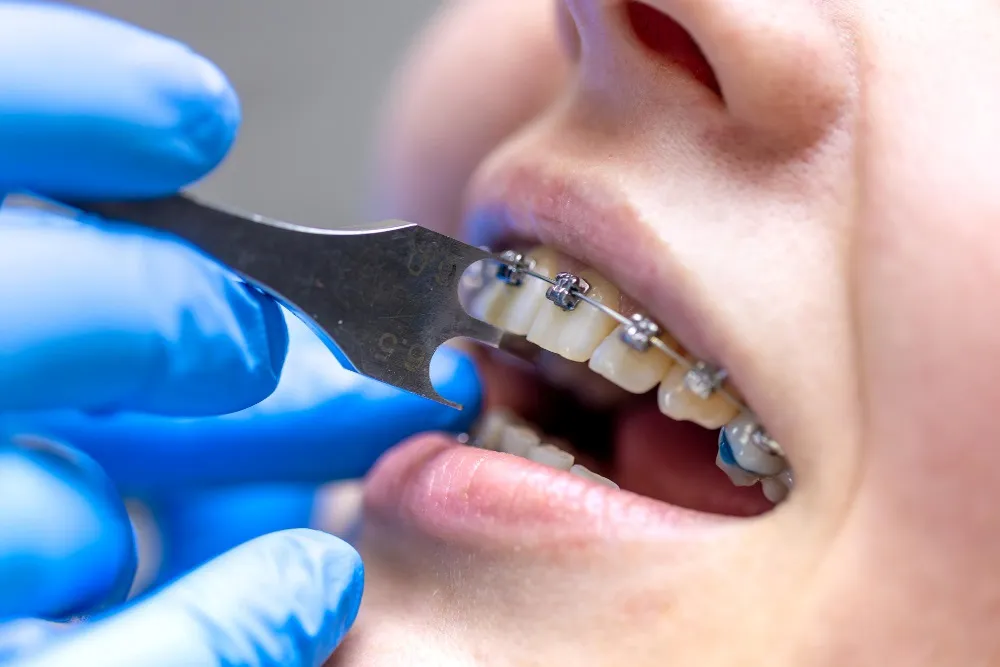
Braces treatment is not limited to a single type of appliance. Today, several different braces options are available, allowing treatment to be tailored to individual needs and preferences. Traditional metal braces remain one of the most commonly used and effective choices. They are durable, highly efficient, and suitable for correcting even complex orthodontic problems.
Ceramic braces function similarly to metal braces but use tooth-colored brackets that blend more naturally with the teeth. This option is often preferred by patients who want a less noticeable appearance while still benefiting from fixed braces. Lingual braces, which are placed on the inner surfaces of the teeth, offer another discreet alternative, although they may require an adjustment period.
In some cases, orthodontic treatment may involve clear aligner systems rather than traditional braces. These removable aligners gradually move teeth into position and are popular among adults seeking flexibility. The most suitable option depends on alignment needs, lifestyle, and treatment goals.
Selecting the right type of braces is an important part of achieving successful results. A personalized orthodontic evaluation ensures that the chosen appliance provides both comfort and effective tooth movement.
How Braces Treatment Affects Daily Life and Comfort
Many patients worry about how braces treatment will impact their daily routines. While there is an adjustment period, most people adapt quickly and continue their normal activities without major disruption. Initial discomfort is common, especially after braces are placed or adjusted, but it typically subsides within a few days.
Speaking may feel slightly different at first as the mouth adjusts to the braces. This usually resolves as the tongue and lips adapt. Eating habits may also change temporarily, with softer foods being more comfortable in the early stages. Over time, patients learn which foods are easier to manage and how to eat comfortably with braces.
Braces require some additional attention to oral hygiene. Brushing and flossing may take a bit longer, but these habits become routine with practice. Maintaining clean teeth and braces helps prevent irritation and supports healthy treatment progress.
Overall, braces treatment becomes a manageable part of daily life. With proper care and patience, discomfort is minimal compared to the long-term benefits of improved dental alignment.
The Importance of Oral Hygiene During Braces Treatment
Maintaining good oral hygiene is especially important during braces treatment. Brackets and wires create additional surfaces where food particles and plaque can accumulate. Without careful cleaning, this buildup can lead to cavities, gum inflammation, and staining around the brackets.
Brushing after meals helps remove food debris and reduce plaque formation. Using proper techniques and tools, such as orthodontic toothbrushes or interdental cleaners, improves access to difficult areas around brackets and wires. Flossing remains essential for cleaning between teeth where brushes cannot reach.
Neglecting oral hygiene during braces treatment can slow progress and cause unnecessary complications. Gum inflammation may make adjustments uncomfortable and affect tooth movement. In severe cases, treatment may need to be paused until oral health improves.
Consistent hygiene habits protect both teeth and gums throughout the treatment process. Good oral care ensures that once braces are removed, the teeth are not only straight but also healthy.
Braces Treatment and Its Impact on Speech and Chewing
Braces treatment can temporarily affect speech and chewing as the mouth adjusts to the presence of orthodontic appliances. In the early stages, some patients notice slight changes in pronunciation or a feeling of tightness when chewing. These effects are usually short-lived.
As teeth begin to move, chewing patterns may change. Foods that were previously easy to bite into may feel different, especially right after adjustments. Choosing softer foods during these periods can help minimize discomfort and allow the mouth to adapt more comfortably.
Speech changes are generally mild and improve as the tongue and lips adapt to the braces. Practicing normal speech and reading aloud can speed up this adjustment process. Most patients regain full comfort within a short time.
Over the course of treatment, chewing efficiency often improves as bite alignment becomes more balanced. The temporary adjustments lead to long-term improvements in oral function and comfort.
Why Follow-Up Appointments Are Crucial in Braces Treatment
Follow-up appointments are a critical component of successful braces treatment. These visits allow orthodontists to monitor progress and make precise adjustments that guide teeth into their correct positions. Without regular follow-ups, treatment can become less efficient or even stall.
During these appointments, wires may be tightened or replaced, and brackets are checked for stability. Small changes made at each visit contribute to steady and controlled tooth movement. This careful monitoring helps prevent complications and ensures that treatment stays on schedule.
Follow-up visits also provide an opportunity to address patient concerns. Discomfort, broken brackets, or hygiene challenges can be managed promptly, reducing the risk of delays. Regular communication with the orthodontic team supports a smoother treatment experience.
By attending all scheduled appointments, patients play an active role in their treatment success. Consistent follow-up care is essential for achieving optimal alignment and long-lasting results.
Does Braces Treatment Cause Tooth Pain or Sensitivity?
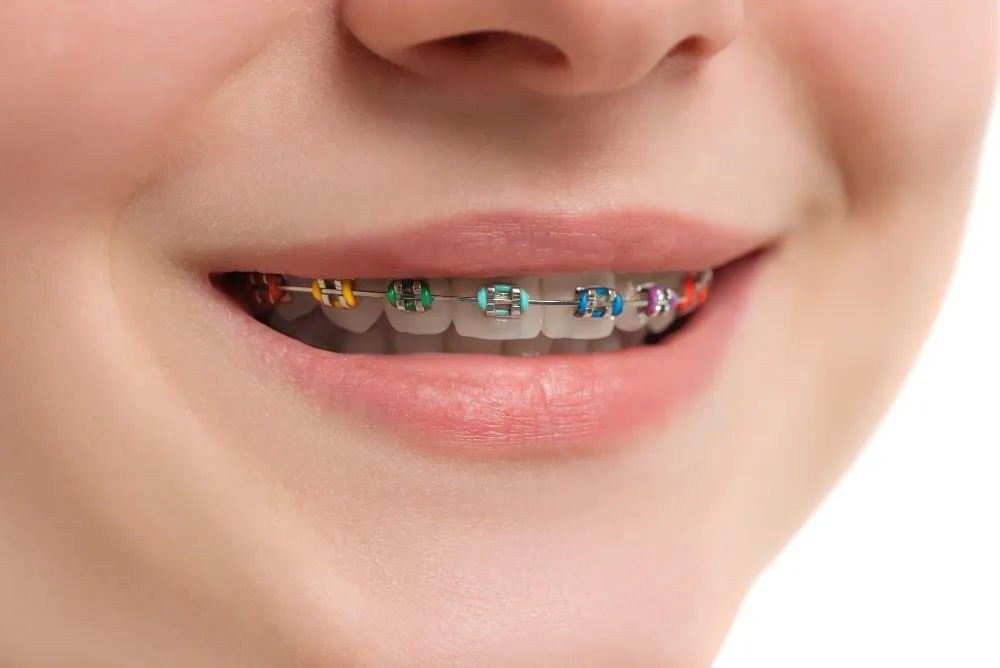
Tooth pain or sensitivity is a common concern for patients considering braces treatment. Mild discomfort is normal, especially during the first few days after braces are placed or adjusted. This sensation occurs because controlled pressure is being applied to move the teeth into new positions, which temporarily affects the surrounding tissues.
The discomfort is usually described as soreness or pressure rather than sharp pain. It tends to peak within the first 24 to 72 hours and gradually decreases as the mouth adapts. Most patients find that the sensation becomes more manageable with each adjustment over time.
Sensitivity may also occur when eating hard or cold foods during the early stages of treatment. Choosing softer foods and following orthodontic recommendations helps reduce discomfort. Over-the-counter pain relief may be suggested if needed.
Although temporary sensitivity is part of the process, it is a sign that the braces are working. This short-term discomfort leads to long-term improvements in dental alignment and oral comfort.
What Foods Should Be Avoided During Braces Treatment?
Dietary adjustments play an important role in protecting braces and ensuring smooth treatment progress. Certain foods can damage brackets, bend wires, or become stuck in orthodontic appliances, increasing the risk of delays or discomfort.
Hard foods such as nuts, ice, and hard candies should be avoided, as they can break brackets or wires. Sticky foods like chewing gum, caramel, and toffee are also problematic because they cling to braces and are difficult to remove. These foods increase plaque buildup and can lead to hygiene issues.
Crunchy foods such as popcorn or raw vegetables should be eaten with caution or prepared in smaller, softer pieces. Cutting foods into bite-sized portions helps reduce pressure on the braces. Choosing braces-friendly alternatives protects appliances and supports consistent treatment progress.
Following dietary guidelines reduces the risk of damage and helps maintain oral health throughout braces treatment. Small changes in eating habits contribute significantly to successful outcomes.
Braces Treatment Aftercare and the Role of Retainers
The completion of braces treatment does not mark the end of orthodontic care. After braces are removed, retainers play a crucial role in maintaining the results. Teeth naturally tend to shift back toward their original positions, and retainers help prevent this movement.
Retainers may be removable or fixed, depending on individual needs. Removable retainers are typically worn full-time at first and then gradually reduced to nighttime use. Fixed retainers are bonded to the back of the teeth and provide continuous support without daily removal.
Proper retainer use ensures that the time and effort invested in braces treatment are preserved. Skipping retainer wear can allow teeth to shift, compromising alignment and bite correction. Consistency is essential during this phase.
Long-term retention is a key part of orthodontic success. Following retainer instructions helps maintain a straight, healthy smile for years to come.
How Braces Treatment Boosts Confidence and Self-Esteem
Beyond physical alignment, braces treatment can have a powerful impact on confidence and self-esteem. Many patients feel self-conscious about crowded or misaligned teeth, which can affect how they smile, speak, and interact socially.
As teeth gradually move into alignment, patients often notice positive changes in their appearance. These improvements can lead to increased self-confidence and a greater willingness to smile. Feeling comfortable with one’s smile can influence both personal and professional interactions.
The psychological benefits of braces treatment extend beyond aesthetics. Improved oral function, easier hygiene, and reduced discomfort contribute to overall well-being. Patients often report feeling more confident not only about their smile but also about their oral health.
Achieving a well-aligned smile through braces treatment is an investment in both physical and emotional well-being. The results can positively influence quality of life long after treatment is complete.
Why Early Orthodontic Evaluation Improves Braces Treatment Outcomes
Early orthodontic evaluation plays a significant role in achieving successful braces treatment outcomes. Identifying alignment or bite issues at an early stage allows for timely intervention, which can simplify treatment and reduce overall duration.
In children and adolescents, early evaluation helps guide jaw growth and create space for incoming teeth. Addressing problems early may prevent more complex orthodontic issues later. Even if immediate treatment is not required, monitoring growth provides valuable insight for future planning.
For adults, early evaluation ensures that any existing dental or gum issues are addressed before braces treatment begins. This preparation supports smoother tooth movement and reduces the risk of complications.
Whether for children or adults, early orthodontic assessment sets the foundation for effective braces treatment. Proactive planning leads to better results, improved comfort, and long-term dental health.