Aesthetic fillings, also known as tooth-colored or composite fillings, are one of the most widely used solutions in modern cosmetic and restorative dentistry. Unlike traditional metal fillings, aesthetic fillings are bonded directly to the tooth and cured with a special light, blending seamlessly with the surrounding enamel. This comprehensive guide answers the most common questions patients ask about dental fillings — what they are, how they are applied, how long they last, maintenance guidelines, potential alternatives, and what they cost — so you know exactly what to expect before your appointment.
What Are Aesthetic Fillings?
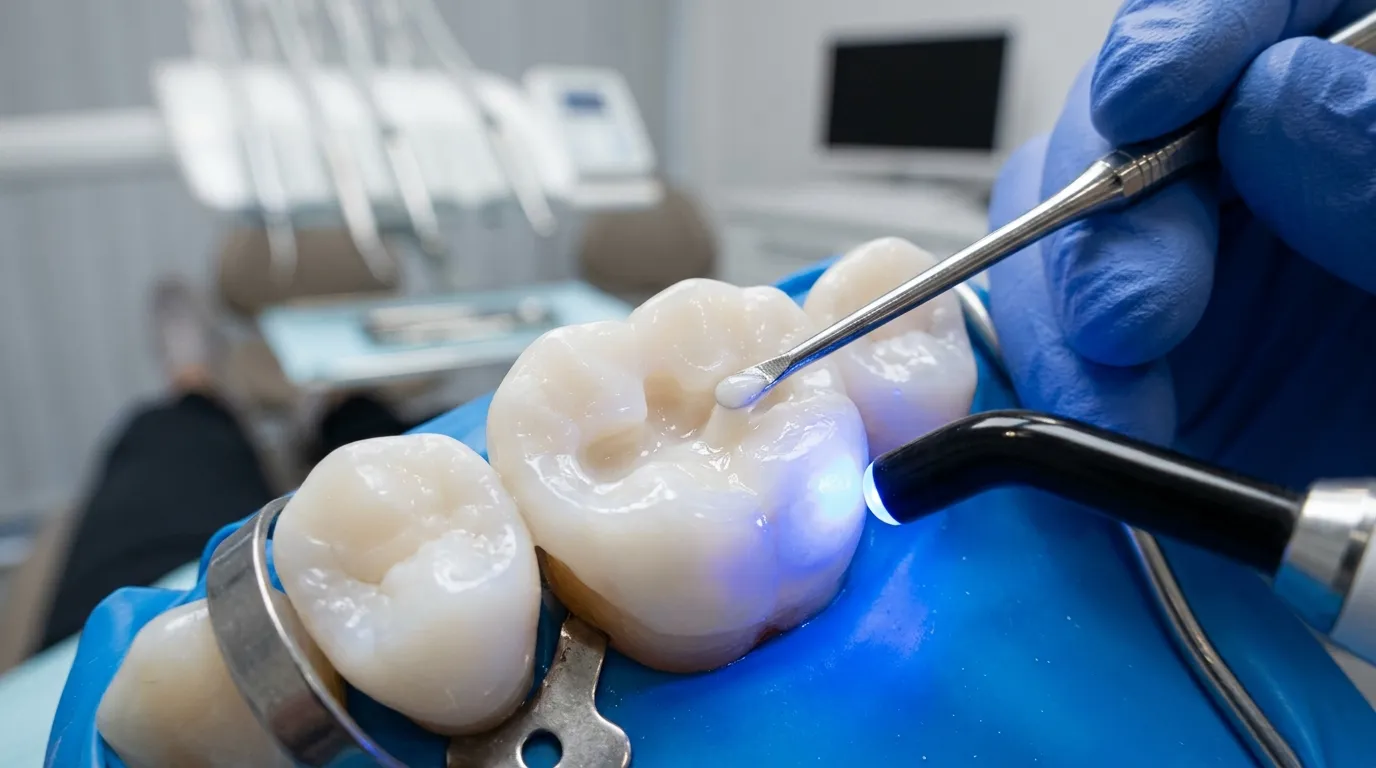
Aesthetic fillings are tooth-colored restorations designed to repair damaged, decayed, or discolored teeth while preserving a completely natural appearance. Constructed primarily from advanced composite resins—a mixture of non-toxic glass, quartz, or ceramic micro-particles embedded in a resin matrix—these materials can be precisely shaded and shaped to mimic real tooth structure. Unlike traditional amalgam or metallic options, aesthetic fillings bond chemically to the natural tooth structure. The material is applied directly to the prepared tooth surface and hardened using a specialized curing light, which allows aesthetic fillings to bond tightly to the remaining healthy tooth structure.
Because the shade of aesthetic fillings can be matched closely to the patient's natural tooth color using standard VITA shade guides, the result is a restoration that is virtually impossible to distinguish from surrounding natural teeth. This aesthetic harmony is a major reason aesthetic fillings have become the preferred choice over older, more visible filling materials. Beyond basic cavity restoration, modern dental composite technology allows practitioners to achieve ideal translucency, surface luster, and texture, making them ideal for both front (anterior) and back (posterior) teeth.
How Are Aesthetic Fillings Applied?
The application process for aesthetic fillings is carefully planned to prioritize minimal invasiveness and maximize longevity. The step-by-step clinical procedure typically includes:
- Initial Evaluation and Shade Selection: Before starting any clinical work, the dentist uses a shade guide under natural or color-corrected lighting to match the exact shade, translucency, and undertones of your natural enamel.
- Local Anesthesia (If Needed): If treatment involves deeper decay near sensitive pulp tissues, a localized anesthetic is administered to ensure a completely painless procedure.
- Removal of Decay and Tooth Preparation: The affected area is gently cleaned, and decay or old damaged material is removed. Because composite resin bonds chemically to enamel and dentin, far less healthy tooth structure needs to be removed compared to traditional metal restorations.
- Etching and Bonding Agent Application: A mild acid gel (etchant) is applied for a few seconds to create microscopic pores in the enamel and dentin. A specialized bonding agent is then brushed onto the surface and light-cured, creating a strong mechanical and chemical link between the natural tooth and the filling material.
- Layering the Composite Resin: The composite resin is applied incrementally in thin layers. Each layer is meticulously shaped and then cured using a high-intensity curing light for 20 to 40 seconds to ensure deep polymerization and durability.
- Occlusal Adjustment and Polishing: Once the final layer is hardened, the dentist checks your bite using articulating paper to confirm that your teeth come together comfortably. Finally, high-grit polishing burs and pastes are used to smooth the surface, giving the restoration a glassy, stain-resistant finish.
This layer-by-layer application is part of what makes aesthetic fillings so versatile — the dentist can build up the material gradually, shaping and adjusting it before the final cure, which allows for precise control over the finished contour and appearance of the restoration.
When Are Aesthetic Fillings Used?
Aesthetic fillings aren't limited to treating cavities alone — they are used across a wide range of cosmetic and restorative situations. In contemporary clinical practice, dental composites offer a multi-functional solution suitable for various conditions:
- Repairing decayed or broken teeth: Restoring both function and structural integrity in a single visit after cleaning away dental caries.
- Removing permanent discoloration: Masking stubborn internal stains or enamel hypoplasia that professional teeth whitening alone cannot correct.
- Closing gaps between teeth: Utilizing composite bonding to close diastemas (gaps) without requiring lengthy orthodontic aligner or bracket treatments.
- Lengthening worn teeth: Restoring height to teeth that have been eroded by bruxism (teeth grinding) or natural acid wear.
- Reshaping teeth as part of a personalized smile design: Harmonizing uneven, pointed, or chipped edges as part of comprehensive cosmetic dentistry treatment plans.
- Replacing old metallic amalgams: Exchanging unsightly grey or black metal fillings for clean, invisible tooth-colored composite restorations.
This range of uses is one of the biggest advantages of aesthetic fillings: the same basic composite material and bonding technique can address both a functional problem, like a cavity, and a purely cosmetic concern, like a chipped edge or an uneven smile line.
Are Aesthetic Fillings Harmful to Teeth or Gums?
No — aesthetic fillings are considered a conservative, minimally invasive, and biocompatible treatment option. Because aesthetic fillings require only minimal removal of tooth structure compared to some other restorative options, they don't cause harm to surrounding teeth or delicate gum tissue when applied correctly. Modern composite resins are completely free from mercury and heavy metal compounds, making them a safe choice for health-conscious patients.
The bonding process used for aesthetic fillings is specifically designed to reinforce the tooth's natural structure rather than weaken it. By forming a tight micromechanical lock with the enamel and dentin, composite fillings effectively seal out bacteria, preventing recurrent marginal decay. Proper isolation techniques during placement (such as using a dental dam) ensure that etching gels and adhesives remain strictly on the tooth, leaving the adjacent gum tissue healthy and irritation-free.
How Do Aesthetic Fillings Compare to Other Dental Treatments?
Understanding where composite resin fillings sit within the hierarchy of dental care helps patients make informed decisions about their oral health. While aesthetic fillings excel at repairing mild-to-moderate decay or minor chips, more extensive damage may necessitate alternative or complementary procedures:
- Aesthetic Fillings vs. Inlays and Onlays: When a cavity or fracture impairs more than half of a tooth's chewing surface, a standard direct composite filling may not provide adequate structural strength. In such cases, indirect ceramic inlays or onlays custom-crafted in a dental laboratory offer superior longevity and load resistance.
- Aesthetic Fillings vs. Dental Crowns: If a tooth has suffered structural damage, extensive decay, or structural weakness following a major infection, a direct filling may be insufficient. In these situations, placing a protective crown fully encases the visible portion of the tooth, providing 360-degree strength and protection.
- Aesthetic Fillings vs. Root Canal Therapy: If tooth decay reaches deep into the internal dental pulp, causing severe pain or infection, a simple surface filling is no longer enough. The patient will first require a root canal treatment to eliminate bacteria from the root canals, after which the tooth is sealed and built back up with a sturdy aesthetic restoration or crown.
- Aesthetic Fillings vs. Dental Implants: In severe cases where a tooth cannot be saved by fillings, endodontic therapy, or crowns due to catastrophic structural failure, extraction becomes necessary. To replace missing teeth permanently from root to crown, a modern dental implant treatment offers the most stable, lifelike solution available.
How Should You Care for Teeth With Aesthetic Fillings?
Aesthetic fillings need a bit of everyday awareness to stay in optimal condition over many years. Biting down on hard items or using teeth for non-masticatory tasks — such as biting fingernails, chewing ice, cracking nuts, or opening plastic packaging — can place extreme point pressure on composite restorations, leading to chipping or premature wear. Avoiding these habits protects both the restoration and your natural enamel.
Beyond avoiding excessive bite forces, caring for teeth with aesthetic fillings is essentially identical to maintaining natural healthy teeth:
- Brush twice daily: Use a soft-bristled toothbrush and non-abrasive fluoride toothpaste to prevent microscopic scratches on the filling surface.
- Floss daily: Clean thoroughly between teeth to eliminate plaque accumulation at the margins of the filling.
- Limit staining foods and beverages: Coffee, red wine, dark teas, and tobacco products can gradually stain composite surfaces over time. Rinsing with water after consumption helps maintain clarity.
- Attend routine dental check-ups: Bi-annual dental examinations allow your clinician to check edge integrity, inspect for wear, and perform quick surface polishes as needed.
There's no complex or special routine required specifically for maintaining aesthetic fillings — consistent, high-quality oral hygiene coupled with regular preventive visits is all that is needed.
How Long Do Aesthetic Fillings Last?
When applied according to proper clinical technique and maintained with diligent oral hygiene, aesthetic fillings typically last between five and ten years, with many lasting even longer. Over time, the surface of aesthetic fillings can develop minor microscopic roughness or absorb surface pigments, particularly with regular consumption of coffee, tea, berries, or red wine. Fortunately, this is usually easy to address: aesthetic fillings that have picked up surface stains can often be restored to their original brightness with a quick clinical polishing session using specialized finishing pastes, rather than requiring complete replacement.
The total lifespan of aesthetic fillings depends on several key factors:
- Location in the mouth: Fillings on front teeth experience lower chewing pressure than large molar restorations exposed to heavy grinding forces.
- Size of the restoration: Smaller, conservative fillings surrounded by strong natural enamel tend to outlast very large restorations.
- Bite alignment and bruxism: Patients who grind or clench their teeth at night put higher strain on restorations. Using a custom night guard helps extend filling lifespan significantly.
- Dietary and oral hygiene habits: Low-sugar diets and regular brushing/flossing preserve the biological bond between the tooth and composite material.
What Are the Advantages of Aesthetic Fillings?
Aesthetic fillings offer several distinct benefits that explain why they have become the universal standard in modern restorative dentistry:
Natural appearance: The most significant advantage of aesthetic fillings is how closely they can be matched to the patient's natural tooth shade, clarity, and texture, making them practically invisible to the human eye.
Short treatment time: Most aesthetic fillings can be completed in a single dental appointment, eliminating the waiting periods, temporary restorations, and secondary visits required by laboratory-fabricated restorations.
Preservation of healthy tooth structure: Because composite material bonds micro-mechanically to enamel and dentin, dentists do not need to cut away healthy parts of the tooth to create mechanical retentive grooves, keeping the natural tooth strong and intact.
Immediate functionality: Because composite fillings are instantly cured using specialized LED light equipment, patients can eat and drink normally almost immediately following treatment once localized numbing wears off.
Seamless repairability: If an aesthetic filling ever chips or wears down over time, it can often be repaired directly in the clinic by adding fresh composite material without needing to strip away the existing restoration completely.
Key Takeaways
Aesthetic fillings offer a versatile, minimally invasive, and natural-looking way to repair damaged teeth or improve the overall appearance of a smile, often in a single short visit. From treating early decay to closing small gaps and refining tooth symmetry, aesthetic fillings combine the structural benefits of traditional restorative options with an exquisite cosmetic finish that integrates naturally with your smile. With basic care — avoiding excessive biting forces, wearing protection against bruxism, and maintaining diligent daily oral hygiene — most aesthetic fillings provide years of reliable, natural-looking performance, making them one of the most practical and popular options in contemporary dentistry.
- Suitable for all age groups: Aesthetic fillings can be used safely across a wide range of patients, from young children needing pediatric tooth repair to seniors seeking restorative and cosmetic improvements.
- More economical than many complex procedures: Compared to extensive options like full porcelain veneers or ceramic crowns, aesthetic fillings deliver outstanding visual results at a highly accessible price point.
- Biocompatible and mercury-free: Composite materials do not expand or contract drastically with temperature changes, protecting internal tooth tissue from structural stress.
How Long Does It Take to Apply Aesthetic Fillings?
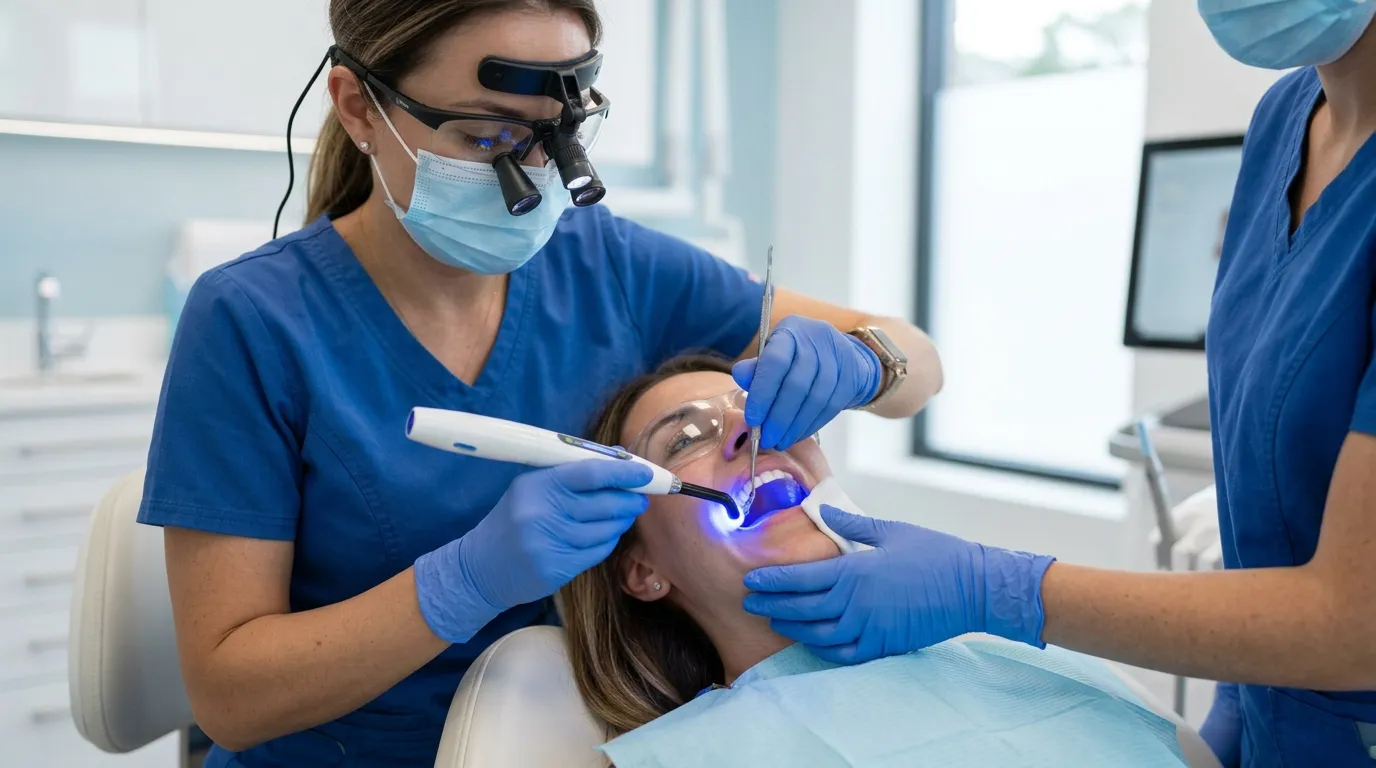
One of the practical advantages of aesthetic fillings is how efficiently they can be completed. Depending on the size, position, and depth of the cavity or fracture, applying aesthetic fillings typically takes anywhere from 20 to 60 minutes per tooth. Because aesthetic fillings do not require laboratory fabrication like crowns or veneers, the entire treatment sequence—including decay removal, chemical bonding, composite placement, light curing, bite adjustment, and final polishing—is finished during a single comfortable appointment.
Are Aesthetic Fillings Expensive Compared to Other Fillings?
The cost of aesthetic fillings depends on several individual factors, including the size of the cavity, the tooth involved (molars often require more material and precise sculpting than front incisors), and the specific composite material selected. In general, aesthetic fillings are remarkably cost-effective. While composite resins may carry a slight premium over traditional amalgam metal fillings due to the advanced materials and skilled technique required, the aesthetic and conservative benefits far outweigh the minor cost difference. Compared to major restorative interventions, aesthetic fillings remain one of the most affordable ways to restore both the function and beauty of your teeth.
Doctor Profile

Published: 26.07.2026 · Updated: 28.07.2026
Corporate verification: Hospitadent Tıbbi Yayın Kurulu
This content has been evaluated in accordance with Hospitadent Medical Publication Board standards for medical accuracy, currency and patient information.
Our Awards
See All ›2019 – 2020
Health Tourism Champion
Since its founding, Hospitadent has provided oral and dental care to patients travelling from every continent for health tourism. In the Service Exporters' Association research of 2019 and 2020, we ranked first in the Dental Health Services category. Within the same report we placed 15th among all healthcare institutions in 2019 and moved up to 10th in 2020. With uncompromising customer satisfaction, Hospitadent remains the healthcare institution that treats the highest number of international oral and dental patients.
2013
TEMOS International Quality Certificate
Guided by dedicated international departments, Hospitadent welcomes patients from abroad without any language barriers, offering assistance with accommodation, city and Bosphorus tours, concierge guidance, treatment logistics and medication support to keep satisfaction at its peak. With the goal of carrying the same quality standards to both Turkish and foreign patients, we received the TEMOS "International Quality in Dental Care" certificate in 2013—an accreditation granted by the organization that evaluates and certifies worldwide patient service quality based on the "Made in Germany" quality seal.
2020
Turquality Brand Support Program
For 16 years, the Turquality Brand Support Program has helped Turkish products build and promote their image abroad. Dental Group Hospitadent earned the right to join this initiative, taking an important step on its branding journey. Being the first dental healthcare group in a program that includes only five hospitals from the healthcare sector proves not only the quality image we project, but also the high standards we uphold.
2018
Stevie Awards – Most Innovative Customer Service
The Stevie Awards, recognized worldwide for honoring outstanding organizations and leaders, is the only international business awards program. In 2018, Hospitadent became the first hospital in Turkey to win a Stevie Award by receiving the "Most Innovative Customer Service of the Year" prize. Signature experiences such as Smiling Center, Digital Smile Design and Dental SPA played a decisive role in earning this accolade.
2019 – 2020
Service Exporters Association Award
Serving dental tourists from all over the world since its foundation, Hospitadent was honored by the Service Exporters' Association in the Champions of Service Exports program, which celebrates the rising value of Turkey's service industries. Thanks to its contribution to the national economy, Hospitadent received a certificate of achievement and ranked 15th among general healthcare institutions in 2019 and 10th in 2020, continuing to lead oral and dental treatments with an unwavering focus on patient satisfaction.
2021
Great Place To Work® Certified
Based on the employee experience and satisfaction survey completed by our teams, GPTW Turkey evaluated Hospitadent and awarded us the "Great Place To Work® Certified" distinction. As the first and only dental hospital holding this leading workplace culture certificate, Hospitadent continues its journey toward many more achievements.