Pre-prosthetic oral surgery plays a foundational role in restorative and implant dentistry, ensuring that the underlying hard and soft tissues of the mouth provide a stable, comfortable, and anatomically sound foundation for future restorations. Among the most critical surgical procedures performed prior to denture placement or implant insertion, alveoloplasty involves the surgical recontouring, smoothing, and reshaping of the alveolar bone ridge following tooth extractions or trauma. When teeth are removed, the residual bony sockets frequently leave behind sharp edges, irregular anatomical undercuts, or prominent bony spicules that can interfere with prosthetic retention and cause significant mucosal pain. By undergoing a precise alveoloplasty procedure, patients establish a smooth, well-rounded alveolar contour that distributes occlusal loads evenly, accelerates tissue healing, and guarantees optimal comfort and longevity for removable or fixed dental prostheses.
What Is Alveoloplasty and Why Is It Performed?
The alveolar process is the specialized portion of the maxilla and mandible that forms the structural sockets supporting the natural teeth. When single or multiple teeth are extracted due to severe periodontal disease, extensive caries, or physical trauma, the surrounding bone does not always resorb into a smooth, uniform surface. An alveoloplasty is indicated to modify the architectural contours of this residual ridge, eliminating sharp bony projections, high crestal ridges, and uneven bone levels that would otherwise prevent the proper adaptation of a dental prosthesis.
Beyond standard pre-prosthetic preparation, this surgical intervention addresses anatomical discrepancies caused by congenital irregularities, severe localized bone remodeling, or trauma. Without performing an alveoloplasty, any removable full or partial denture placed directly over uneven bone would create localized pressure points. These mechanical pressure zones lead to severe mucosal ulcerations, chronic tissue inflammation, poor prosthetic suction, and accelerated uneven bone resorption over time.
What Are the Main Indications for Alveoloplasty in Oral Surgery?
- Preparation for Complete or Partial Dentures: Creating a uniform, rounded alveolar ridge to ensure optimal suction, stability, and comfortable retention of removable prostheses.
- Smoothing Sharp Post-Extraction Sockets: Eliminating jagged bony margins, interdental crests, or prominent bone spicules immediately after tooth removal.
- Correction of Severe Undercuts: Reshaping bulbous bony overhangs that mechanically prevent the smooth path of insertion for fixed bridges or removable appliances.
- Facilitating Dental Implant Placement: Leveling knife-edge alveolar ridges to create sufficient crestal bone width for precise titanium implant placement.
- Eliminating Chronic Mucosal Pain: Relieving localized soreness caused by thin oral mucosa rubbing against underlying sharp bony projections during mastication.
How Is an Alveoloplasty Performed Step-by-Step?
Anesthesia and Incision Design
The surgical protocol begins with the administration of local anesthesia to achieve complete sensory blockade across the targeted quadrant. The oral surgeon then designs a precise crestal incision along the alveolar ridge, complemented by conservative releasing incisions if necessary. A full-thickness mucoperiosteal flap is carefully elevated using a periosteal elevator to expose the underlying cortical bone completely.
Bone Recontouring and Smoothing
Using specialized surgical instruments such as rongeur forceps, rotary surgical burs with continuous sterile saline irrigation, and double-ended bone files, the clinician systematically recontours the jagged margins. The surgeon reduces sharp interdental septa, flattens prominent bony ledges, and refines the crest until an even, rounded contour is established during the alveoloplasty.
Debridement, Repositioning, and Suturing
The surgical field is copiously flushed with sterile saline solution to eliminate all microscopic bone dust and debris. The mucoperiosteal flap is repositioned, trimmed of any excess hyperplastic tissue, and approximated with continuous or interrupted resorbable sutures to achieve primary, tension-free wound closure.
What Are the Different Types of Alveoloplasty Procedures?
Surgical approaches to ridge recontouring are classified based on the clinical timing of the surgery and the specific anatomical technique employed. The most common variation is primary or immediate alveoloplasty, which is performed simultaneously at the time of single or multiple tooth extractions. In this approach, the surgeon utilizes the existing open extraction sockets to reduce the interdental and interradicular bony septa before closing the soft tissue.
In contrast, a secondary or radical alveoloplasty is performed as an independent pre-prosthetic surgical intervention months or years after tooth extraction, once initial healing has occurred but left behind severe undercuts or irregularities. Another specialized approach is the intraseptal or Dean's alveoloplasty, where the interdental bone is removed and the outer labial cortical plate is gently fractured and compressed inward, preserving the periosteal attachment and cortical bone height while reducing excessive labial prominence.
How Does Alveoloplasty Benefit Patients Getting Dental Implants?
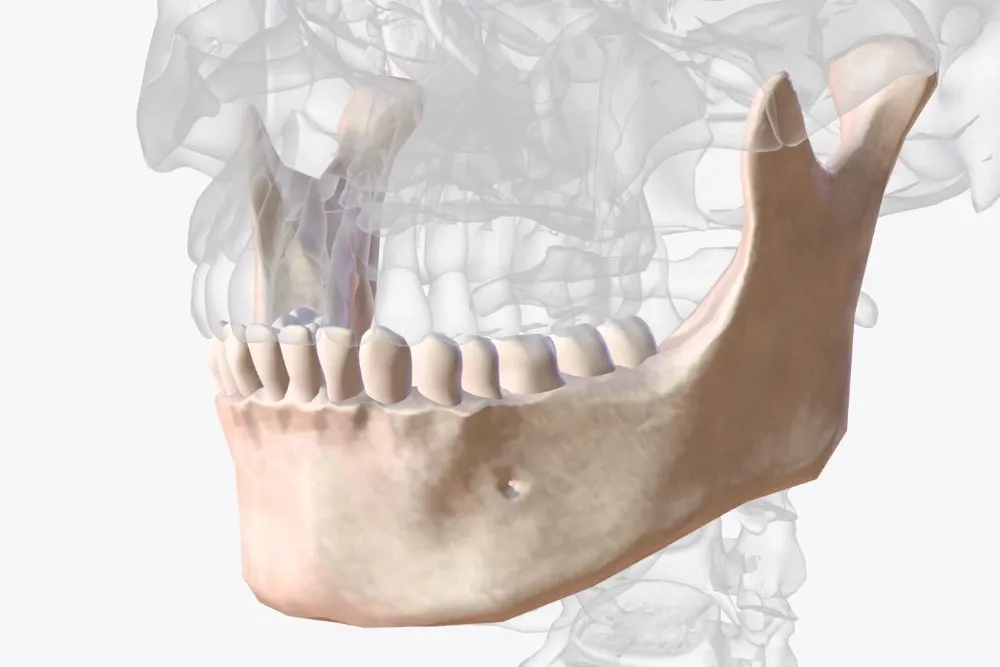
Successful implant dentistry requires adequate horizontal and vertical bone dimensions, as well as a harmonious emergence profile for the final crown restorations. When an alveolar ridge heals with a narrow, knife-edge morphology, placing an implant directly can result in thread exposure or suboptimal implant angulation. Performing an alveoloplasty allows the surgeon to level the sharp crest, creating a wider, stable platform of dense bone capable of housing the full diameter of the implant body.
Furthermore, in full-arch immediate-load implant reconstructions, such as All-on-4 or All-on-6 protocols, an alveoloplasty is routinely performed to establish a flat, uniform restorative plane across the entire arch. This deliberate vertical reduction provides adequate restorative space for the prosthetic titanium framework, acrylic base, and denture teeth, preventing mechanical fractures and ensuring that the transition line between the prosthesis and natural gums remains completely hidden beneath the patient's lip line.
Alveoloplasty vs Alveolectomy: What Is the Difference?
While the terms are occasionally confused in clinical discussions, alveoloplasty and alveolectomy refer to distinct surgical objectives in pre-prosthetic surgery. An alveolectomy involves the extensive, radical surgical removal and excision of a substantial portion of the alveolar bone, typically performed to eliminate large osseous pathology, severe skeletal deformities, or extreme maxillary vertical excess.
Conversely, an alveoloplasty focuses primarily on conservative bone modification, recontouring, and smoothing rather than large-scale bone reduction. The central clinical goal of modern alveoloplasty is to preserve as much natural bone volume and cortical height as possible while simply eliminating sharp prominences and undercuts to optimize prosthetic comfort and load distribution.
How Much Does an Alveoloplasty Cost Compared Internationally?
The cost of pre-prosthetic surgical recontouring varies widely depending on the number of quadrants or teeth involved, whether it is performed concurrently with extractions, and the geographic location of the surgical center. International dental hubs like Turkey provide substantial financial advantages, offering surgical care by maxillofacial specialists at 65% to 80% lower costs than providers in the UK, USA, or Australia.
|
Country |
Cost (Per Quadrant) |
Full Arch Recontouring |
Standard Package Inclusions |
|
Turkey |
£90 – £160 / $120 – $200 |
£300 – £550 / $380 – $700 |
3D Imaging, Anesthesia, Surgery & Follow-up |
|
United Kingdom |
£350 – £650 |
£1,100 – £2,000 |
Procedure Only (Diagnostics Billed Separately) |
|
United States |
$500 – $900 |
$1,500 – $3,200 |
Procedure Only (Scans & Sedation Extra) |
|
Germany |
€300 – €550 |
€950 – €1,800 |
Standard Surgical Fee Only |
|
Australia |
AU$550 – AU$1,000 |
AU$1,800 – AU$3,500 |
Treatment Only |
As demonstrated in the comparison table, traveling abroad for pre-prosthetic surgery provides significant financial savings while ensuring access to advanced surgical theaters, 3D CBCT diagnostics, and board-certified oral surgeons.
Why Is a Thorough Clinical Dental Examination Crucial Before Surgery?
Precise surgical planning requires a comprehensive pre-operative evaluation to identify anatomical challenges and determine the exact volume of bone modification required. Conducting a detailed dental examination with three-dimensional cone-beam computed tomography (CBCT) allows the surgeon to visualize cortical bone density, assess ridge contours, and map the precise location of adjacent anatomical structures.
Crucially, pre-surgical diagnostic imaging protects vital landmarks, including the inferior alveolar nerve canal, the mental foramen in the mandible, and the maxillary sinus cavities in the upper jaw. By evaluating soft tissue thickness and underlying osseous morphology beforehand, the oral surgeon can execute a minimally invasive alveoloplasty that avoids nerve impingement while creating an ideal foundation for prosthetic restorations.
Can Severe Teeth Grinding or Occlusal Trauma Affect Alveolar Bone?
Chronic functional and parafunctional forces exert profound mechanical stress on the alveolar housing of the teeth. Patients who suffer from unmanaged chronic teeth grinding (bruxism) often subject their dentition to excessive lateral and vertical forces, which can lead to vertical bone resorption, localized osseous exostoses, and irregular bony tori along the buccal and lingual cortical plates.
When teeth compromised by severe bruxism require extraction, the remaining alveolar process frequently presents irregular bony ledges and pronounced cortical thickening. In these complex restorative situations, performing an alveoloplasty is vital to re-establish a uniform contour, eliminate traumatic bone spurs, and ensure that future fixed or removable prostheses are supported by a smooth, physiologically balanced osseous base.
How Does Alveoloplasty Aid in Complex Jaw Trauma and Fracture Healing?
High-impact facial accidents, sports injuries, or vehicular collisions can result in severe alveolar comminution and segmental bone displacement. In complex cases involving a traumatic jaw fracture, restoring the continuity of the basal bone is the primary surgical priority, but the residual alveolar crest often heals with displaced cortical fragments and jagged margins.
Once the fracture site has achieved bony union and structural stability, a secondary alveoloplasty is frequently indicated to refine the irregular crestal architecture. By smoothing displaced bony edges and leveling vertical step deformities resulting from the healed trauma, the oral surgeon prepares the damaged arch for functional dental rehabilitation, whether through bone grafting, dental implants, or bridge prostheses.
What Are the Best Post-Operative Care Guidelines After Alveoloplasty?
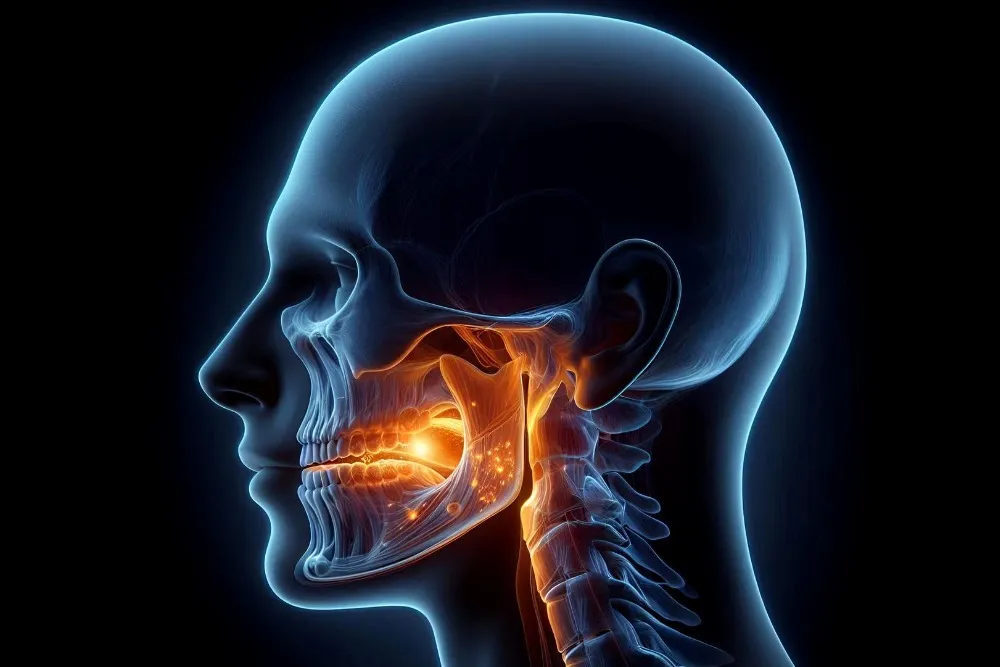
- Maintain Gentle Gauze Pressure: Bite firmly on the sterile gauze pack placed over the surgical site for 45 to 60 minutes to promote stable blood clot formation.
- Apply Cold Compresses Intermittently: Place an ice pack on the outside of the face for 15 minutes on and 15 minutes off during the first 24 hours to minimize swelling.
- Adhere to a Soft Diet: Consume room-temperature, nutrient-rich soft foods such as smoothies, purees, soups, and yogurts, avoiding hard, crunchy, or hot items.
- Avoid Suction Forces: Refrain from using drinking straws, smoking, or vigorous rinsing for at least 48 to 72 hours to prevent disturbing the surgical blood clot.
- Maintain Gentle Oral Hygiene: Resume gentle tooth brushing away from the surgical site, and begin warm salt-water rinses after 24 hours to keep the tissues clean.
What Are the Potential Complications and Risks of Alveoloplasty?
Post-Operative Hemorrhage and Hematoma Formation
Minor oozing is common during the initial 24 hours, but excessive bleeding can occur if patients engage in vigorous rinsing or strenuous physical activity. Persistent capillary bleeding is managed by applying direct pressure with a damp sterile gauze or black tea bag containing natural tannic acid.
Surgical Site Infection and Dehiscence
Bacterial contamination can lead to localized wound infection, characterized by increasing pain, persistent fever, and purulent discharge. In some cases, poor tissue handling or excessive tension can cause suture line dehiscence, exposing the underlying bone and requiring clinical irrigation and topical antimicrobial management.
Temporary Sensory Nerve Paresthesia
Because the mental nerve and incisive nerves lie close to the operative field in the premolar and anterior regions, surgical flap retraction or bone filing can occasionally cause transient nerve irritation. This can result in mild temporary numbness or tingling in the lower lip and chin, which typically resolves as local inflammation subsides.
How Long Is the Recovery Period After an Alveoloplasty?
The biological timeline for healing following ridge recontouring occurs in distinct soft tissue and hard tissue stages. Initial soft tissue epithelialization over the incision line is typically achieved within 7 to 14 days, at which point non-resorbable sutures are removed and general post-operative soreness subsides completely.
However, the complete remodeling and cortical mineralization of the surgically modified bone beneath the mucosa requires approximately 4 to 8 weeks. During this consolidation period, the newly rounded bone establishes a dense, stable cortical plate. While immediate temporary dentures can often be relined with soft materials and worn shortly after surgery, final prosthetic impressions or implant placement are generally scheduled after 6 to 8 weeks of undisturbed osseous healing.
Does the Alveoloplasty Procedure Cause Pain or Discomfort?
The surgical procedure itself is completely painless, as modern local anesthetics provide profound numbness across the bone and soft tissues throughout the operation. Patients seeking additional anxiety management can also choose conscious sedation or general anesthesia for multi-quadrant procedures, ensuring a comfortable, stress-free surgical experience.
Following the dissipation of local anesthesia, patients typically experience mild to moderate soreness, localized tightness, and facial swelling that peaks within 48 hours. This expected inflammatory response is easily managed with prescribed non-steroidal anti-inflammatory drugs (NSAIDs) or mild analgesics, with most individuals returning to non-strenuous daily routines within two to three days following their alveoloplasty.
Why Do International Patients Travel to Turkey for Oral Surgery?
Access to Board-Certified Maxillofacial Specialists
Oral surgery procedures in Turkey are conducted by highly qualified oral and maxillofacial surgeons who complete five years of dental school followed by rigorous 4- to 6-year doctoral specialty residency programs in surgical reconstruction and implantology.
Modern Hospital-Grade Surgical Facilities
Leading dental centers across Istanbul, Antalya, and Izmir are furnished with advanced clinical equipment, including 3D dental tomographs, piezoelectric bone surgery units, and fully sterile surgical suites that meet European medical quality standards.
Comprehensive All-Inclusive Service Packages
International clinics provide seamless healthcare packages that combine expert surgical treatment with dedicated multilingual patient coordinators, private VIP airport transfers, and 4- or 5-star hotel accommodations, making complex surgical journeys completely stress-free.
Doctor Profile

Author and Medical Review
Dr. Melike KENTKURANOral and Maxillofacial Surgery Specialist
View ProfileThis content has been evaluated in accordance with Hospitadent Medical Publication Board standards for medical accuracy, currency and patient information.
Our Awards
See All ›2019 – 2020
Health Tourism Champion
Since its founding, Hospitadent has provided oral and dental care to patients travelling from every continent for health tourism. In the Service Exporters' Association research of 2019 and 2020, we ranked first in the Dental Health Services category. Within the same report we placed 15th among all healthcare institutions in 2019 and moved up to 10th in 2020. With uncompromising customer satisfaction, Hospitadent remains the healthcare institution that treats the highest number of international oral and dental patients.
2013
TEMOS International Quality Certificate
Guided by dedicated international departments, Hospitadent welcomes patients from abroad without any language barriers, offering assistance with accommodation, city and Bosphorus tours, concierge guidance, treatment logistics and medication support to keep satisfaction at its peak. With the goal of carrying the same quality standards to both Turkish and foreign patients, we received the TEMOS "International Quality in Dental Care" certificate in 2013—an accreditation granted by the organization that evaluates and certifies worldwide patient service quality based on the "Made in Germany" quality seal.
2020
Turquality Brand Support Program
For 16 years, the Turquality Brand Support Program has helped Turkish products build and promote their image abroad. Dental Group Hospitadent earned the right to join this initiative, taking an important step on its branding journey. Being the first dental healthcare group in a program that includes only five hospitals from the healthcare sector proves not only the quality image we project, but also the high standards we uphold.
2018
Stevie Awards – Most Innovative Customer Service
The Stevie Awards, recognized worldwide for honoring outstanding organizations and leaders, is the only international business awards program. In 2018, Hospitadent became the first hospital in Turkey to win a Stevie Award by receiving the "Most Innovative Customer Service of the Year" prize. Signature experiences such as Smiling Center, Digital Smile Design and Dental SPA played a decisive role in earning this accolade.
2019 – 2020
Service Exporters Association Award
Serving dental tourists from all over the world since its foundation, Hospitadent was honored by the Service Exporters' Association in the Champions of Service Exports program, which celebrates the rising value of Turkey's service industries. Thanks to its contribution to the national economy, Hospitadent received a certificate of achievement and ranked 15th among general healthcare institutions in 2019 and 10th in 2020, continuing to lead oral and dental treatments with an unwavering focus on patient satisfaction.
2021
Great Place To Work® Certified
Based on the employee experience and satisfaction survey completed by our teams, GPTW Turkey evaluated Hospitadent and awarded us the "Great Place To Work® Certified" distinction. As the first and only dental hospital holding this leading workplace culture certificate, Hospitadent continues its journey toward many more achievements.