Full Mouth Implants:Cost & Recovery
What is a full mouth implant treatment and how does it compare to dentures? Discover the All-on-4 and All-on-6 processes, materials, lifespans, and costs.
Losing multiple teeth or facing severe oral deterioration can significantly impact your confidence, speech, chewing ability, and overall quality of life. Traditional tooth replacement options, such as conventional removable dentures, often fall short when it comes to long-term stability, comfort, and aesthetic appeal. Fortunately, modern restorative dentistry offers full mouth implant treatment as a permanent, revolutionary solution designed to completely reconstruct your smile. This full-arch restoration strategy utilizes strategically placed titanium posts anchored directly into the jawbone, providing an ultra-stable foundation for an entire row of natural-looking custom teeth.
Whether you are suffering from advanced periodontal disease, widespread tooth decay, or total edentulism, full mouth implant treatment provides a permanent alternative that restores up to 90% of natural bite force while preventing progressive jawbone loss. In this extensive guide, we will explore everything you need to know about this transformation—from treatment techniques, candidate requirements, and step-by-step procedures to material choices, international cost comparisons, expert opinions, and why Turkey has become the world's leading destination for complete oral rehabilitation.
What Is Full Mouth Implant Treatment?
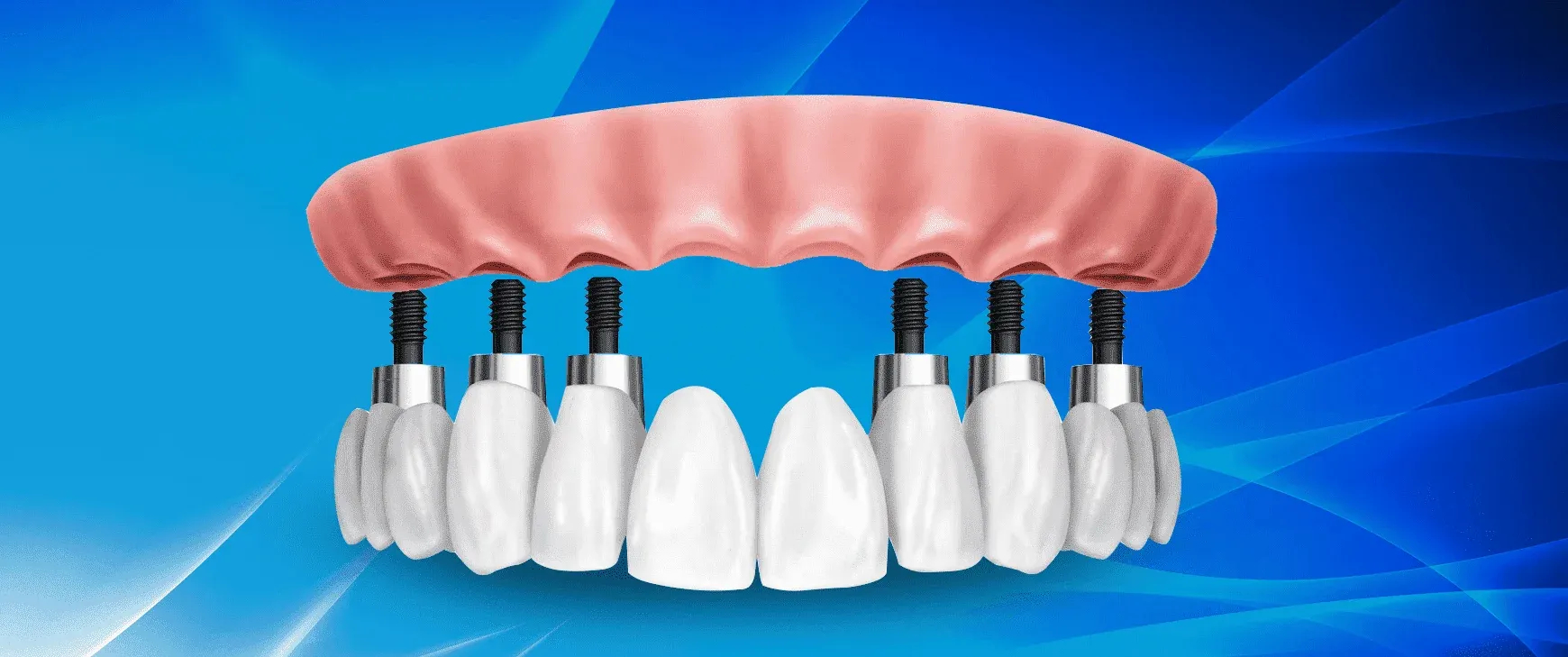
Full mouth implant treatment is a specialized full-arch oral reconstruction procedure designed to replace missing teeth across the upper jaw, lower jaw, or both arches simultaneously. Rather than inserting an individual implant root for every single missing tooth—which is surgically invasive and financially impractical—oral surgeons strategically position four, six, or eight implants per arch. These strategically anchored posts distribute occlusal forces evenly across the jaw, supporting a custom-crafted fixed prosthetic bridge.
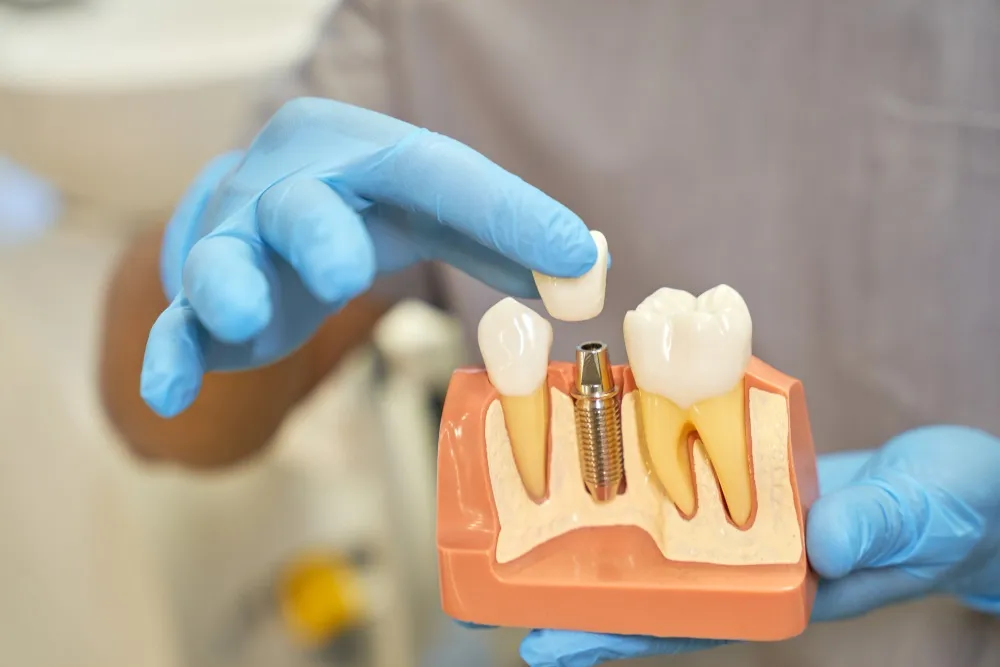
Unlike traditional removable dentures that rest directly on the delicate gum tissue and rely on suction or messy adhesives, full mouth implant treatment creates a fixed, non-removable solution that feels and functions just like natural teeth. The underlying titanium implant posts integrate directly with the bone tissue through a biological process known as osseointegration, preventing the bone resorption that naturally occurs following tooth loss.
Primary Architectural Approaches: All-on-4, All-on-6, and All-on-8
Depending on your specific jawbone volume, facial structure, bite force demands, and systemic health, implant specialists utilize distinct full-arch surgical protocols to achieve maximum stability.
The All-on-4 Protocol
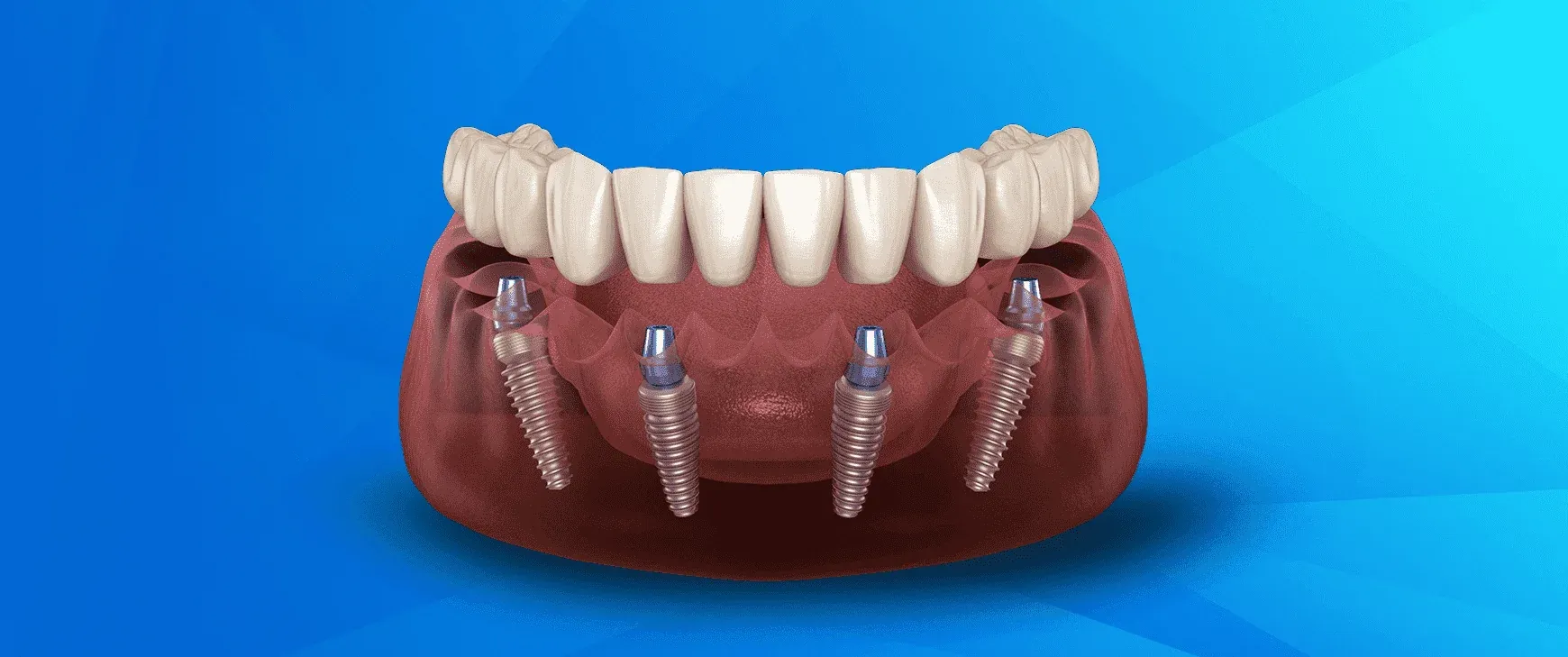
The all on 4 implant method is a revolutionary approach specifically engineered for patients with moderate bone loss who wish to avoid extensive bone grafting procedures. In this protocol, four implants are placed per arch: two straight implants in the front (anterior region) and two tilted at angles up to 45 degrees in the back (posterior region). The angled posterior implants utilize dense anterior bone and bypass critical anatomical structures such as the maxillary sinus cavity in the upper jaw and the inferior alveolar nerve in the lower jaw.
The All-on-6 Protocol
For patients who possess adequate jawbone density and require greater load-bearing distribution, the all on 6 implant technique provides additional vertical support. Placing six implants along the arch creates a wider distribution triangle, reducing stress on individual implant posts and increasing the overall rigid stability of the permanent fixed bridge.
Comparative Overview of Full-Arch Options
|
Feature / Criteria |
All-on-4 Method |
All-on-6 Method |
All-on-8 Method |
Traditional Removable Dentures |
|
Number of Implants per Arch |
4 Implants |
6 Implants |
8 Implants |
0 Implants |
|
Bone Graft Requirement |
Minimal / Rarely needed |
Moderate / Case dependent |
Highly likely required |
None |
|
Bite Force Restoration |
70% – 80% |
85% – 95% |
Up to 98% |
15% – 25% |
|
Fixation Type |
Screw-retained (Fixed) |
Screw-retained (Fixed) |
Screw-retained (Fixed) |
Removable (Rests on gums) |
|
Jawbone Preservation |
High |
Very High |
Maximum |
None (Accelerates loss) |
|
Palatal Coverage (Upper Arch) |
Open Palate (Natural) |
Open Palate (Natural) |
Open Palate (Natural) |
Full acrylic roof coverage |
|
Lifespan of Implants |
Lifetime |
Lifetime |
Lifetime |
N/A (Denture lasts 5 yrs) |
Candidates for Full Mouth Implant Surgery
While full mouth implant treatment is an ideal solution for comprehensive oral restoration, determining whether a patient is a suitable candidate requires thorough clinical evaluation.
Who Is an Ideal Candidate?
- Patients with Terminal Dentition: Individuals with multiple loose, failing, or severely decayed teeth that cannot be salvaged by conventional restorative methods.
- Fully Edentulous Patients: Individuals missing all teeth in one or both arches who are dissatisfied with unstable removable dentures.
- Patients with Adequate Bone Quality: Individuals who have sufficient jawbone depth and width to support titanium posts, or who are candidates for bone augmentation.
- Good Overall Systemic Health: Patients without uncontrolled chronic illnesses that severely impair wound healing or bone integration.
Factors Requiring Special Pre-Surgical Management
- Uncontrolled Diabetes: Elevated blood glucose levels can impede tissue healing and increase the risk of implant failure. Diabetes must be stabilized prior to surgery.
- Heavy Tobacco Use: Smoking restricts blood flow to soft tissues and elevates the risk of peri-implantitis. Patients are encouraged to quit or reduce smoking significantly before undergoing surgery.
- Severe Bruxism (Teeth Grinding): Intense clenching forces can strain implant components. Custom nightguards and heavy-duty restoration materials like monolithic zirconia are utilized to mitigate this risk.
- Active Periodontal Infection: Any ongoing soft tissue infection must be thoroughly treated before placing surgical implants.
Step-by-Step Treatment Journey
Undergoing full mouth implant treatment is a structured multi-stage medical journey combining advanced 3D digital planning, precision oral surgery, and customized prosthetic artistry.
Stage 1: Digital Consultation and Comprehensive Planning
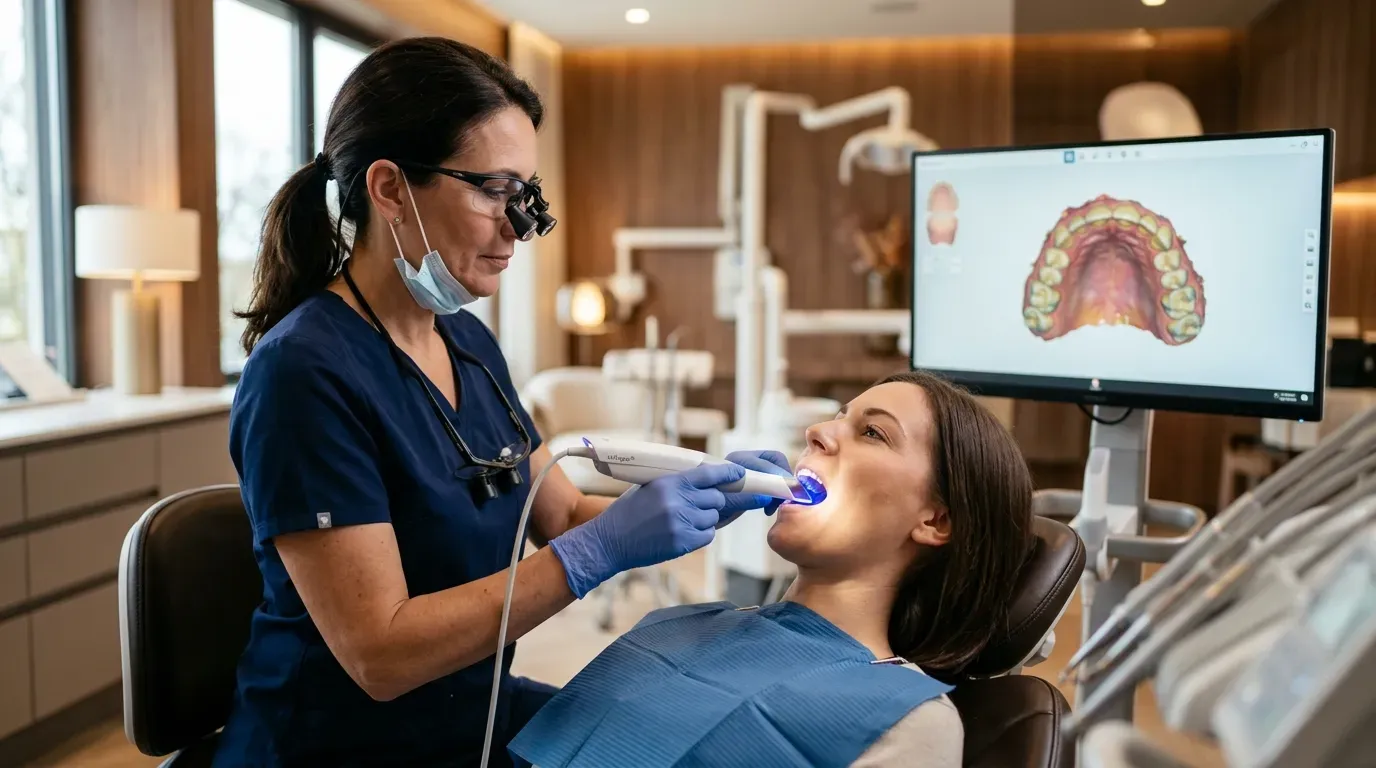
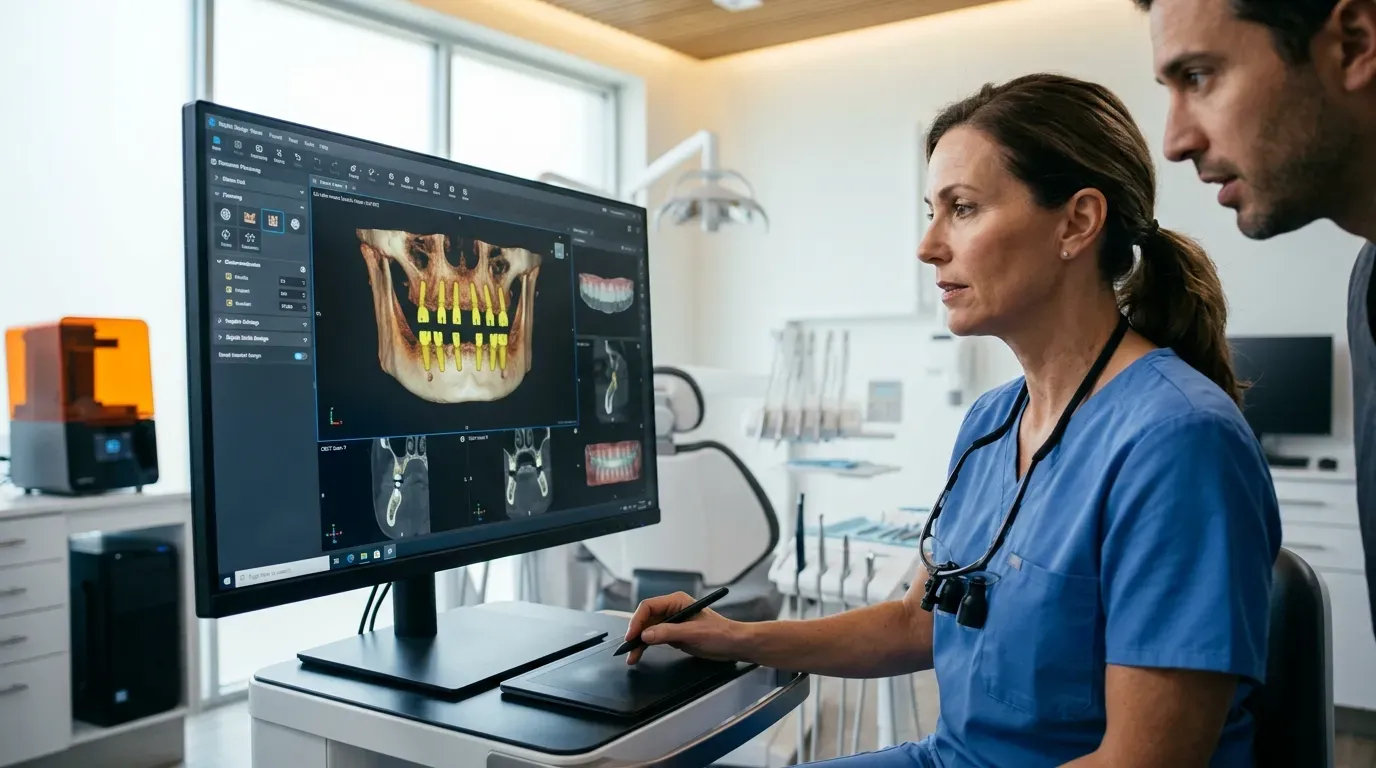
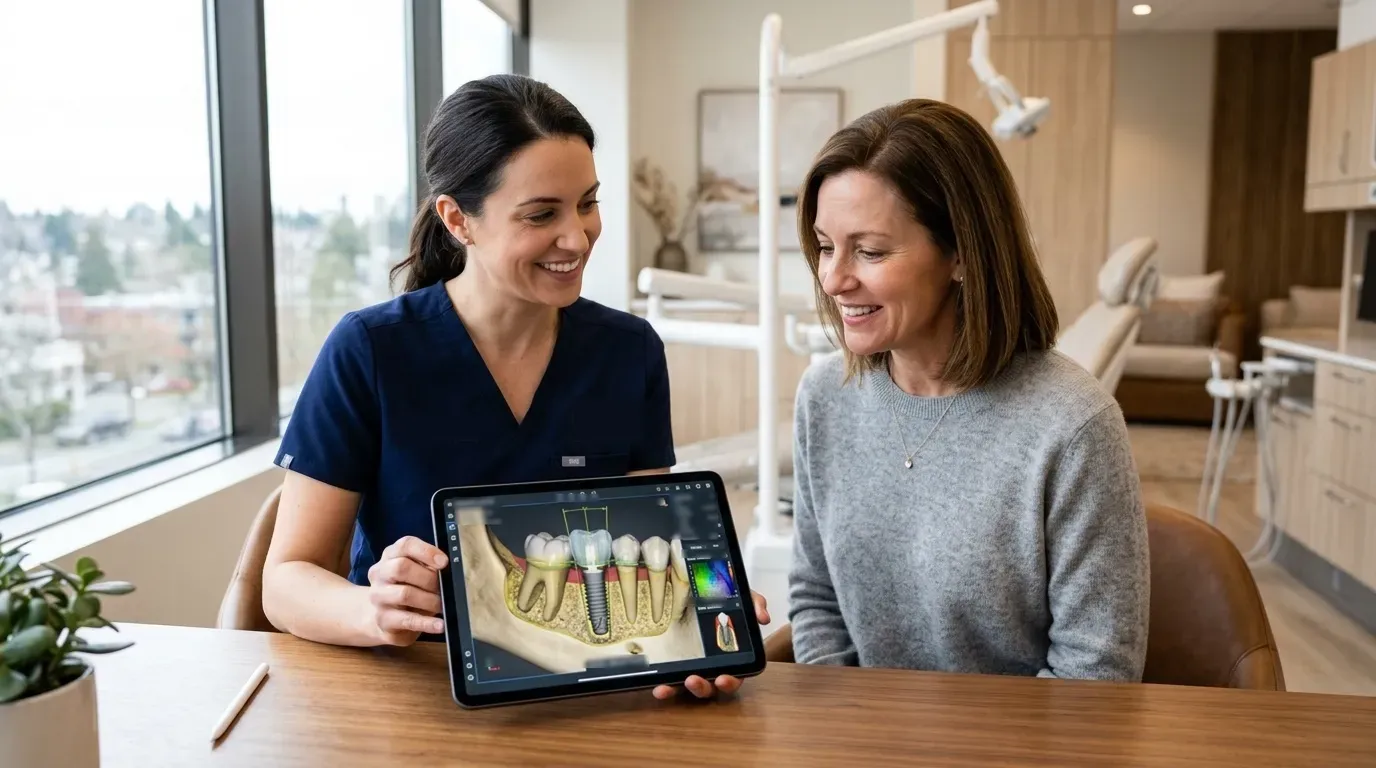
The treatment begins with high-resolution 3D Cone Beam Computed Tomography (CBCT) scanning and intraoral digital scanning as part of modern digital dentistry and smile design. These technologies allow the surgical team to map nerve channels, assess bone density, measure sinus cavities, and digitally simulate the precise depth, angle, and position of every implant post before entering the operating room.
Stage 2: Surgical Procedure and Immediate Placement
Under local anesthesia, conscious IV sedation, or general anesthesia, the oral surgeon removes any remaining compromised teeth, cleans the surgical sites, and prepares the bone channels. The biocompatible titanium implants are then precisely driven into position. If required, localized bone grafting or sinus floor elevation is performed during the same surgical session.
Stage 3: Immediate Provisional Restoration
In many full mouth implant treatment cases, a provisional (temporary) fixed bridge is attached to the newly placed implants on the same day or within 48 to 72 hours. This allows the patient to walk out of the clinic with a complete, functioning set of teeth while the permanent bone integration takes place.
Stage 4: Osseointegration Period
Over the next 3 to 6 months, a vital biological fusion called osseointegration occurs. Bone cells grow around and lock onto the microscopic topography of the titanium implant surface, transforming the implants into permanent artificial roots capable of enduring heavy chewing loads.
Stage 5: Final Custom Prosthetic Fabrication
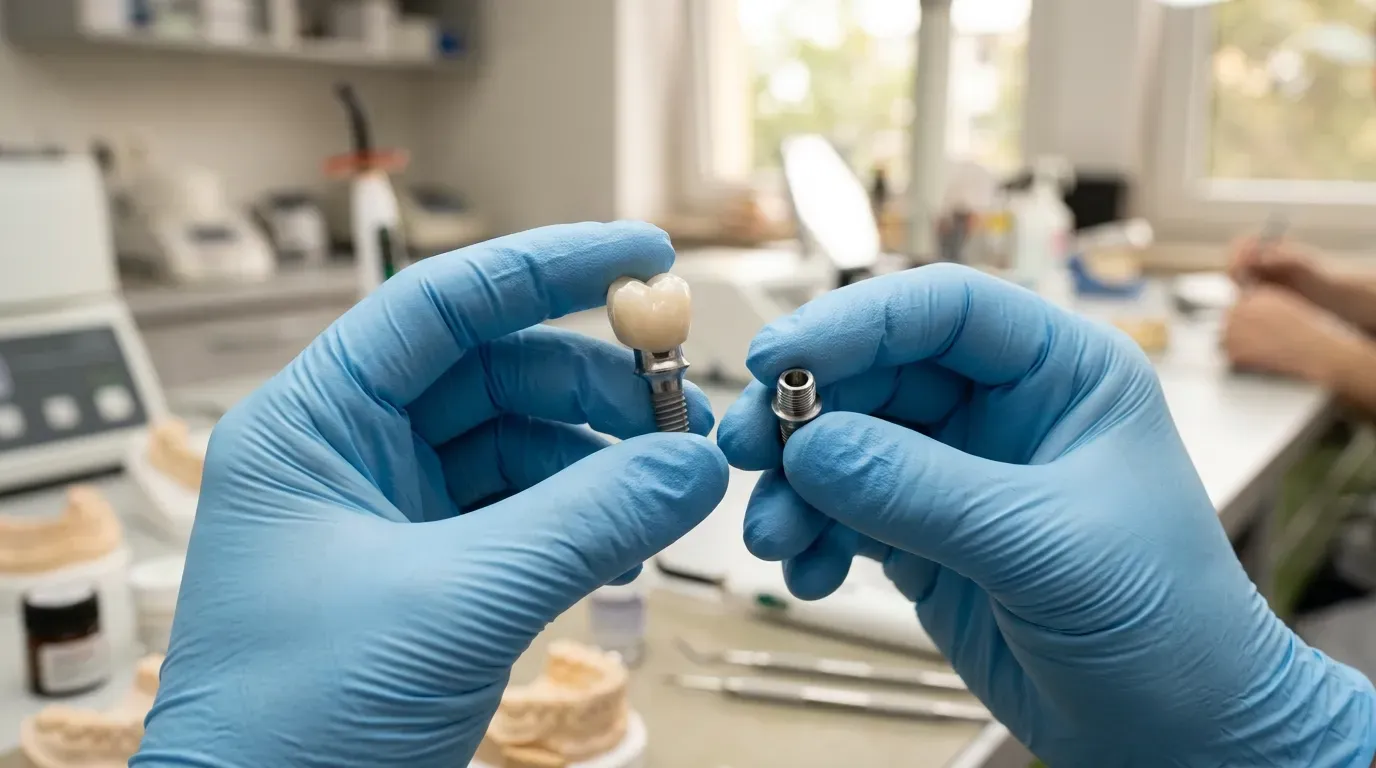
Once osseointegration is complete, the temporary bridge is removed, and high-precision digital scans are taken of the matured gum line. A master dental laboratory technician crafts your permanent full-arch prosthesis using premium materials such as monolithic zirconia or porcelain fused to titanium. The final bridge is securely screwed onto the implant abutments, fine-tuned for bite alignment, and polished to perfection.
For localized missing teeth where a full-arch restoration is not required, single or multi-unit options from various types of implants can be utilized to restore individual missing teeth seamlessly.
Material Options for Full-Arch Fixed Prostheses
The longevity, weight, and aesthetic naturalism of your restoration depend significantly on the prosthetic material chosen for your permanent bridge.
1. Monolithic Zirconia Bridges
Monolithic zirconia represents the pinnacle of modern dental restorative materials. Milled from a single solid block of computer-designed ceramic, zirconia bridges offer incredible flexural strength (exceeding 1000 MPa), exceptional chip resistance, and natural light translucency that perfectly mirrors human tooth enamel. Zirconia is also non-porous, making it highly resistant to staining from coffee, tea, or tobacco.
2. Porcelain-Fused-to-Titanium (PFM)
This traditional restoration features a strong, lightweight milled titanium framework layered with aesthetic dental porcelain. While PFM offers excellent aesthetics and custom color shading, the outer porcelain layer carries a minor risk of surface chipping over years of heavy occlusal force compared to solid zirconia.
3. Metal-Reinforced PMMA (Composite Hybrids)
Consisting of a rigid inner metal framework wrapped in high-density dental acrylic and composite resin teeth, hybrid bridges offer a soft, cushioned bite feel. They are lighter in weight and easier to repair in-office, making them a suitable budget-friendly option, though they require routine polishing and periodic tooth replacement over long-term wear.
Why Choose Turkey and Istanbul for Full Mouth Implant Treatment?
Over the past two decades, Turkey—and its cultural capital, Istanbul—has earned an unrivaled global reputation as the top destination for medical and dental tourism. Each year, over a million international patients from the United Kingdom, Western Europe, North America, Australia, and the Middle East travel to Turkey specifically for complex oral surgery and full mouth implant treatment.
Exceptional Medical Infrastructure and Dental Expertise
Turkey boasts some of the most technologically advanced dental hospitals and oral surgery centers in the world. Leading clinics in Istanbul are equipped with modern surgical suites, direct in-house CAD/CAM dental laboratories, 3D CBCT imaging devices, dynamic surgical navigation systems, and dedicated studios for digital dentistry and smile design. Furthermore, Turkish oral surgeons and prosthodontists undergo rigorous academic training, with many holding international board certifications, academic positions, and active memberships in prestigious European and American dental associations.
Substantial Savings Without Compromising Quality
The primary driver behind international dental travel to Istanbul is the dramatic cost efficiency. Due to lower operational overheads, favorable foreign exchange dynamics, and competitive medical infrastructure, premier clinics in Turkey offer top-tier full mouth implant treatment at prices 60% to 70% lower than in the UK, United States, or Western Europe. Importantly, these cost savings do not imply a compromise in clinical quality; clinics routinely use identical premium, internationally certified implant brands (such as Straumann, Nobel Biocare, and Megagen) alongside top-grade European zirconia materials.
An Unforgettable Travel Experience in Historic Istanbul
Choosing Istanbul for your dental care allows you to combine world-class medical treatment with an unforgettable cultural vacation. Straddling two continents, Istanbul offers a rich tapestry of history, grand architecture, world-renowned hospitality, and vibrant culinary traditions. Patients can spend their healing days exploring iconic landmarks such as the Hagia Sophia, the Blue Mosque, Topkapı Palace, and the Grand Bazaar, or taking relaxing cruises along the scenic Bosphorus strait.
Leading Turkish dental health centers cater comprehensively to international patients by providing seamless VIP medical packages, which typically include:
- Dedicated private airport, hotel, and clinic VIP transfers in air-conditioned luxury vehicles.
- Accommodations at partner 4-star or 5-star hotels situated in prime locations across Istanbul.
- Personal multilingual patient coordinators guiding you through every appointment in your native language.
- Complete transparent pricing structures with zero hidden fees or unexpected charges.
Global Cost Comparison: Full Mouth Implant Treatment
Understanding the international price landscape underscores why traveling to Istanbul for full-arch reconstruction is a financially smart decision.
|
Region / Country |
Average Cost per Single Arch |
Average Cost for Full Mouth (Both Arches) |
Typical Included Package Services |
|
United States |
$18,000 – $32,000 |
$36,000 – $65,000 |
Surgical placement only (Prosthetics & labs billed extra) |
|
United Kingdom |
£12,000 – £19,000 |
£24,000 – £36,000 |
Basic surgery and temporary acrylic bridge |
|
Germany / EU |
€14,000 – €22,000 |
€28,000 – €42,000 |
Surgical procedure and standard PFM bridge |
|
Australia |
AU$20,000 – AU$35,000 |
AU$40,000 – AU$68,000 |
Consultation and basic implant placement |
|
Turkey (Istanbul) |
€3,500 – €7,000 |
€7,000 – €13,000 |
All-Inclusive: VIP Transfers, Hotel, CBCT, Zirconia Bridge |
Long-Term Maintenance and Care for Full-Arch Implants
While titanium implants and solid zirconia restorations cannot develop dental decay, maintaining excellent oral hygiene and healthy gum tissue is essential to prevent peri-implantitis—an inflammatory condition caused by bacterial plaque accumulation that can lead to bone loss around implants. Appropriate gum treatment and maintenance routines help ensure long-term stability.
Daily Hygiene Best Practices
- Water Flossers (Oral Irrigators): A water flosser is the single most important tool for fixed bridge maintenance. Using a targeted stream of water flushes out hidden food particles and debris lodged underneath the prosthetic bridge and around implant abutments.
- Super Floss and Interdental Brushes: Utilizing specialized floss with stiffened ends allows you to thread the floss underneath the bridge, gently cleaning around each titanium post. Rubber-coated interdental brushes clear plaque without scratching titanium components.
- Low-Abrasive Toothpaste: Use a non-abrasive fluoride toothpaste paired with a soft-bristled manual or sonic toothbrush to clean the prosthetic surfaces gently without dulling the polished zirconia glaze.
- Antimicrobial Oral Rinses: Alcohol-free mouthwashes containing chlorhexidine (used short-term post-op) or essential oils help maintain low oral bacterial counts.
For comprehensive information about implant treatment, see our main guide.
Implant GuideDoctor Profile
Author and Medical Review
Dr. Melike KENTKURANOral and Maxillofacial Surgery Specialist
View ProfileThis content has been evaluated in accordance with Hospitadent Medical Publication Board standards for medical accuracy, currency and patient information.
Our Awards
See All ›2019 – 2020
Health Tourism Champion
Since its founding, Hospitadent has provided oral and dental care to patients travelling from every continent for health tourism. In the Service Exporters' Association research of 2019 and 2020, we ranked first in the Dental Health Services category. Within the same report we placed 15th among all healthcare institutions in 2019 and moved up to 10th in 2020. With uncompromising customer satisfaction, Hospitadent remains the healthcare institution that treats the highest number of international oral and dental patients.
2013
TEMOS International Quality Certificate
Guided by dedicated international departments, Hospitadent welcomes patients from abroad without any language barriers, offering assistance with accommodation, city and Bosphorus tours, concierge guidance, treatment logistics and medication support to keep satisfaction at its peak. With the goal of carrying the same quality standards to both Turkish and foreign patients, we received the TEMOS "International Quality in Dental Care" certificate in 2013—an accreditation granted by the organization that evaluates and certifies worldwide patient service quality based on the "Made in Germany" quality seal.
2020
Turquality Brand Support Program
For 16 years, the Turquality Brand Support Program has helped Turkish products build and promote their image abroad. Dental Group Hospitadent earned the right to join this initiative, taking an important step on its branding journey. Being the first dental healthcare group in a program that includes only five hospitals from the healthcare sector proves not only the quality image we project, but also the high standards we uphold.
2018
Stevie Awards – Most Innovative Customer Service
The Stevie Awards, recognized worldwide for honoring outstanding organizations and leaders, is the only international business awards program. In 2018, Hospitadent became the first hospital in Turkey to win a Stevie Award by receiving the "Most Innovative Customer Service of the Year" prize. Signature experiences such as Smiling Center, Digital Smile Design and Dental SPA played a decisive role in earning this accolade.
2019 – 2020
Service Exporters Association Award
Serving dental tourists from all over the world since its foundation, Hospitadent was honored by the Service Exporters' Association in the Champions of Service Exports program, which celebrates the rising value of Turkey's service industries. Thanks to its contribution to the national economy, Hospitadent received a certificate of achievement and ranked 15th among general healthcare institutions in 2019 and 10th in 2020, continuing to lead oral and dental treatments with an unwavering focus on patient satisfaction.
2021
Great Place To Work® Certified
Based on the employee experience and satisfaction survey completed by our teams, GPTW Turkey evaluated Hospitadent and awarded us the "Great Place To Work® Certified" distinction. As the first and only dental hospital holding this leading workplace culture certificate, Hospitadent continues its journey toward many more achievements.
Patient Reviews
Experiences of our patients
Alastair Innes
Outstanding care From the very srart, all of the staff were kind, friendly and professional, after the consultation and plan , there was no pressure selling only good advie , the dental work was spread over several days with a day off in the middle I had 1 x implant, 1x bone graft, 4 replacement crowns, 1 x root extraction and a filling At all times the dentists and surgeons were calm , kind, gentle and proffessional The hospital / clinic is very modern , better than my local denist
Dmytro
Review for Hospitadent Dental Clinic – Istanbul, Turkey I had my dental treatment at Hospitadent Dental Clinic in Istanbul, Turkey, where I received 21 crowns and 4 dental implants with 4 crowns placed on them. The entire experience was handled at the highest professional level from start to finish. Unlike my previous dental treatment experience in Ireland, I had almost no pain after the procedures. There was only mild discomfort for about 30 minutes, and I did not take a single painkiller. Everything healed perfectly. I would especially like to thank patient assistant Sinan for his support, coordination, and attention throughout the entire process. His help made everything smooth and stress-free. Special thanks as well to Dr. Berk Aksoy, Prosthodontics Specialist, for his precise and highly professional work, and to implant surgeon Dr. Ismail Eser Bolat for performing the implant procedures at an exceptional level. The service, quality of treatment, professionalism, and patient care at Hospitadent are outstanding. I am truly grateful for the results and highly recommend Hospitadent to anyone looking for top-quality dental treatment in Istanbul.
Катя Руденшвартс
The best I want to say thank you! This is a wonderful place Hospitadent Mecidiyeköy Diş Hastanesi. You can be calm. The doctor will tell you everything about your smile, make a treatment plan. Very good price - everything is discussed before the start of treatment, you can choose different payment methods, pay in advance or in parts. It is very comfortable. An interpreter (if necessary) will be with you every minute in the hospital and always in touch on the phone. Special thanks to Sheroz and Dildar for their care and warmth! I have 1 implant and wisdom teeth extraction. I am very happy! It doesn't hurt at all and it's not scary! And my husband made himself a gorgeous smile. A dream smile. Now I want my mom to come here!
Nara Taijanova
Surgery is good It was my first visit & I had to put 1 implant with surgery Esmail Eser. Once he opened the gengiva & started working he saw very thin bone, which means he can’t put implant, so immediately he explained me in English situation, risks, further plan & prices. Once I agreed he adjusted the bone. I did that operation before in my country & was so upset that my stay in Istanbul will be destroyed because of such operation, but surprisingly already same evening I was feeling absolutely perfect, little pain & swelling, no blood and common staff after dental operation. Painkillers I stopped taking same day of operation, so felt like no operation in the mouth 😃 All sterile, surgery & all the staff are caring & accurate. I would like also remark job of translator Heba, she was so kind & caring, it’s really much nicer when you are hosted with someone like she. Definitely recommend this clinic for surgery issues & will be back again
Mofida
Allez y sans aucune hésitation ! De retour à Istanbul 1 an après ma pose d implant pour simplement un contrôle je suis ravie d avoir retrouvé Zeinep la meilleure des traductrices je la remercie encore pour sa rapidité a répondre à diverses demandes son dévouement toujours a l’écoute de nos demandes 👍🏼 je remercie aussi le Docteur Tugce pour son professionnalisme, sa patience et ses bons conseils pour l’utilisation des fils dentaires etc etc 🤗 Je recommande vivement ce groupe dentaire 👏👏
All reviews are from our real patients.