Single Tooth Implant: Costs, Procedure & Care
Learn about single tooth implant treatment, including the procedure, benefits, recovery, candidacy, materials, and cost for a natural-looking smile.
Losing a single tooth due to decay, trauma, periodontitis, or congenital absence can significantly impact your oral health, confidence, and facial aesthetics. Modern restorative dentistry provides several options to address tooth loss, but choosing a single tooth implant treatment offers a permanent and aesthetically pleasing solution that restores complete dental functionality without compromising adjacent healthy teeth. Unlike conventional bridges that require grinding down neighboring natural teeth or removable partial dentures that can feel unstable, a single tooth implant replaces the missing tooth from the root to the crown.
In this comprehensive guide, we will explore the science, step-by-step clinical procedure, key benefits, candidate criteria, cost comparisons, and post-operative care associated with a single tooth implant treatment. Furthermore, we will examine why international patients increasingly choose Turkey and Istanbul as premier global destinations for advanced restorative dental care.
What is a Single Tooth Implant Treatment?
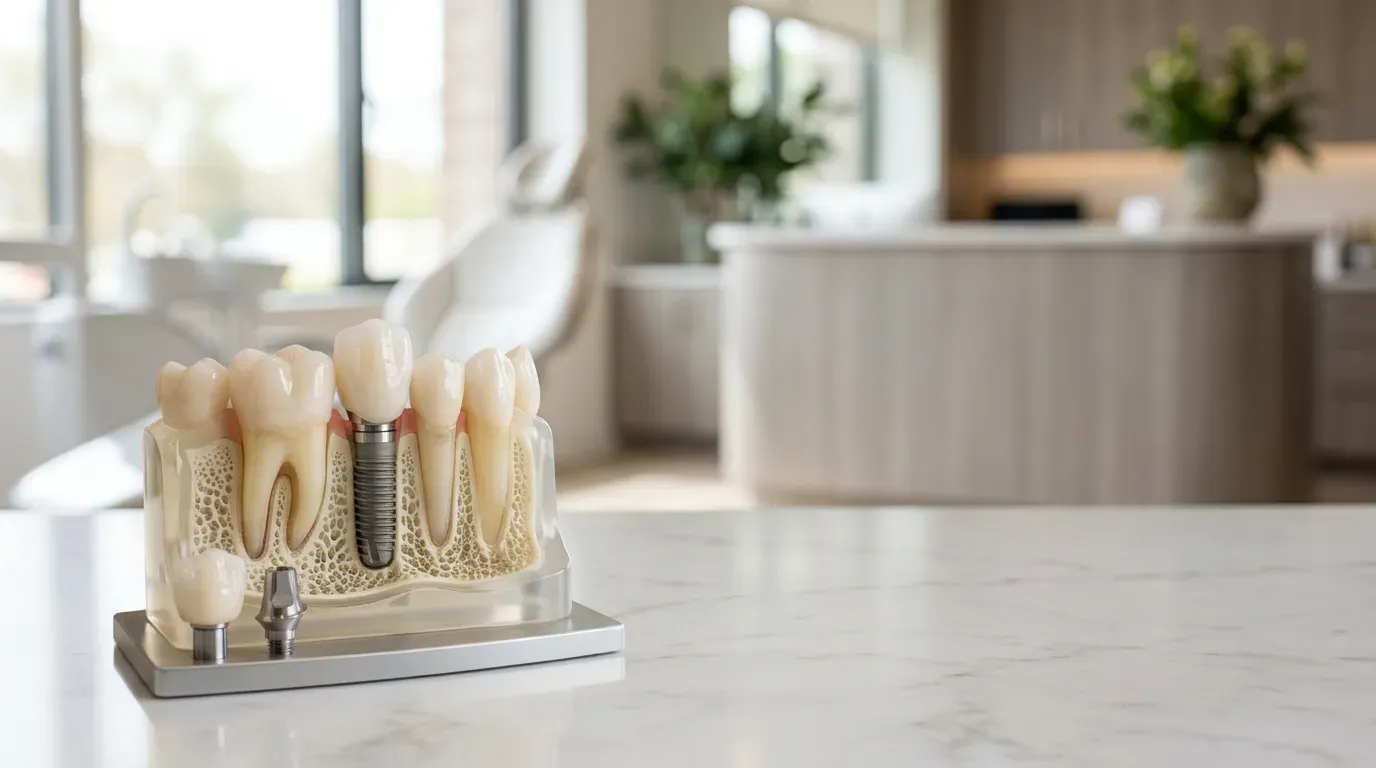
To appreciate why immediate and long-term satisfaction rates are so high, understanding the biomechanics behind a single tooth implant treatment helps clarify how modern prosthetics mimic natural dental anatomy. A dental implant in Turkey does not merely sit on top of the gums; it integrates directly into the jawbone, serving as an artificial root.
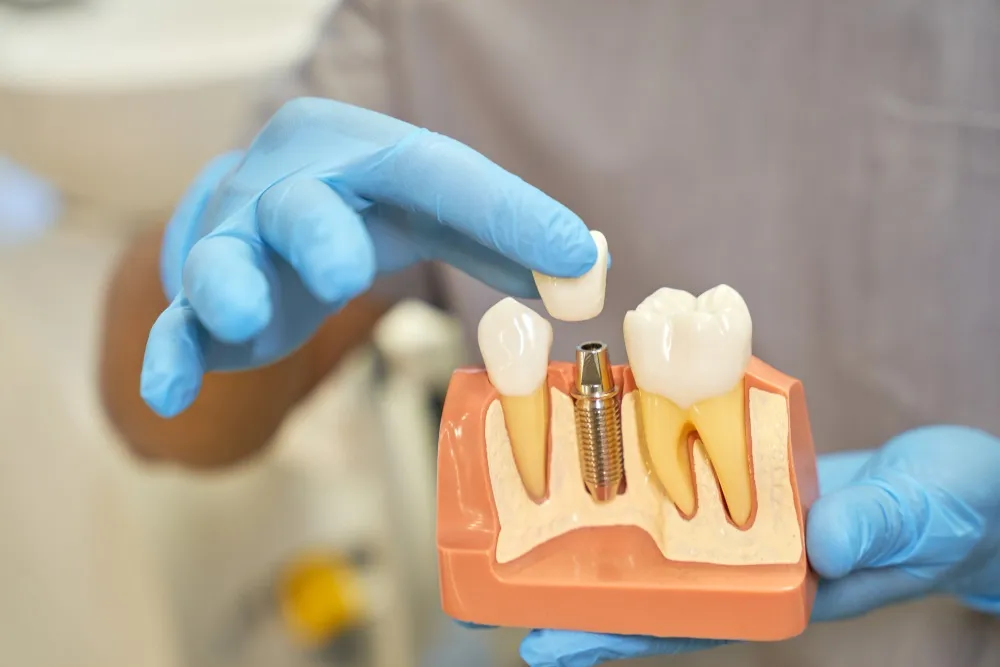
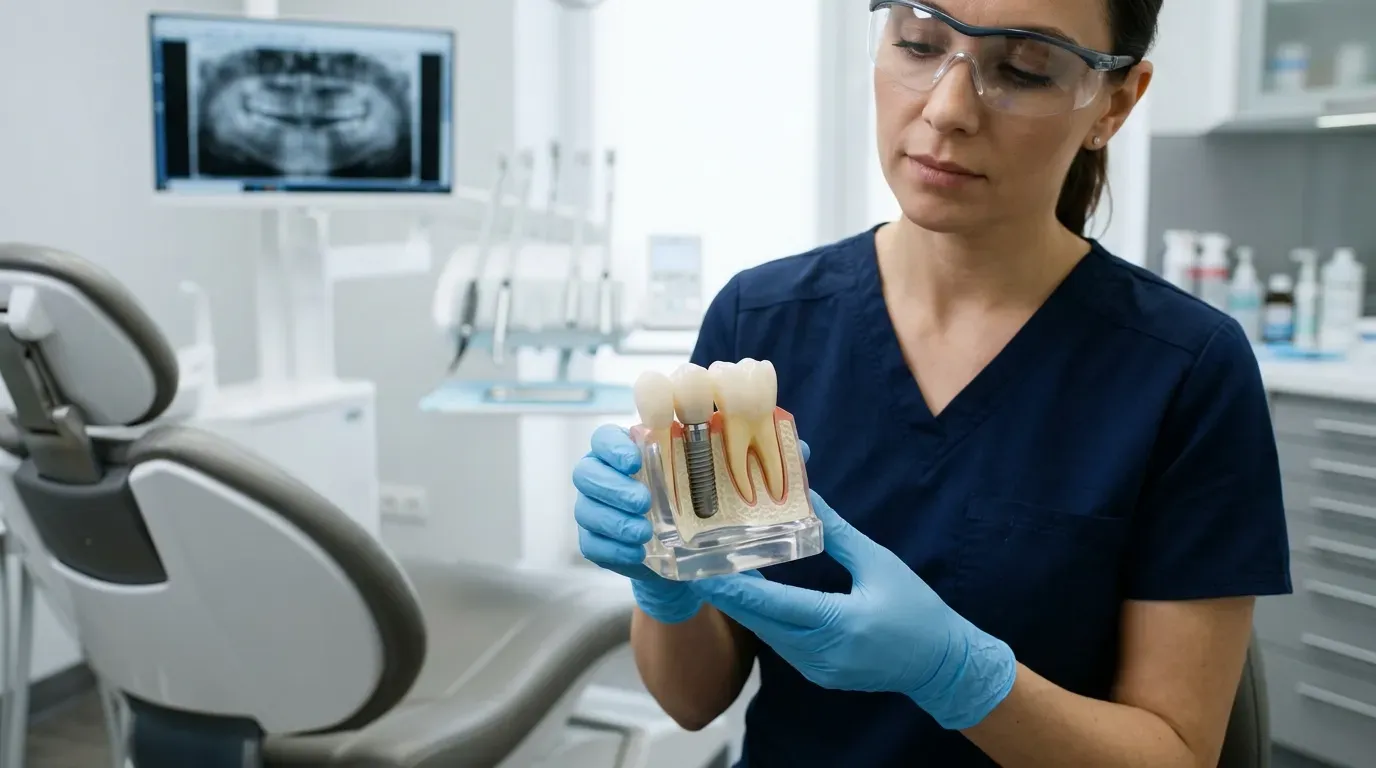
A single tooth implant treatment restoration consists of three primary components:
- The Implant Post (Fixture): A small screw crafted from biocompatible titanium or ceramic (zirconia) that is surgically placed into the maxilla (upper jaw) or mandible (lower jaw). Over time, this post fuses with the surrounding bone tissue through a biological process known as osseointegration.
- The Abutment: A specialized connector piece attached to the top of the implant post once initial bone healing occurs. The abutment projects above the gum line to securely support the final artificial crown.
- The Custom Crown: The visible portion of the new tooth, meticulously crafted from high-grade ceramic, porcelain fused to metal, or solid zirconia. The crown is color-matched and shaped to blend seamlessly with surrounding natural teeth.
When selecting materials for a single tooth implant treatment, dental surgeons primarily choose between grade-5 titanium and zirconia (ceramic) implants based on clinical indicators, tissue thickness, and patient preference.
Comparison of Primary Implant Materials
|
Feature / Property |
Titanium Implants |
Zirconia (Ceramic) Implants |
|
Material Composition |
Biocompatible Titanium Alloy |
Pure Zirconium Oxide Ceramic |
|
Allergy & Reactivity Risk |
Extremely rare (<0.6%) |
Zero metallic reactivity (100% hypoallergenic) |
|
Aesthetic Advantage |
Excellent; dark shade may show through thin gums |
Superior; white material prevents dark shadows near gum line |
|
Structural Flexibility |
Two-piece design (screw-retained or cemented) |
Available in both one-piece and two-piece designs |
|
Long-Term Track Record |
50+ years of extensive clinical data |
15+ years of clinical use |
|
Osseointegration Speed |
High bone-to-implant contact rate (3–4 months) |
High bone-to-implant contact rate (3–4 months) |
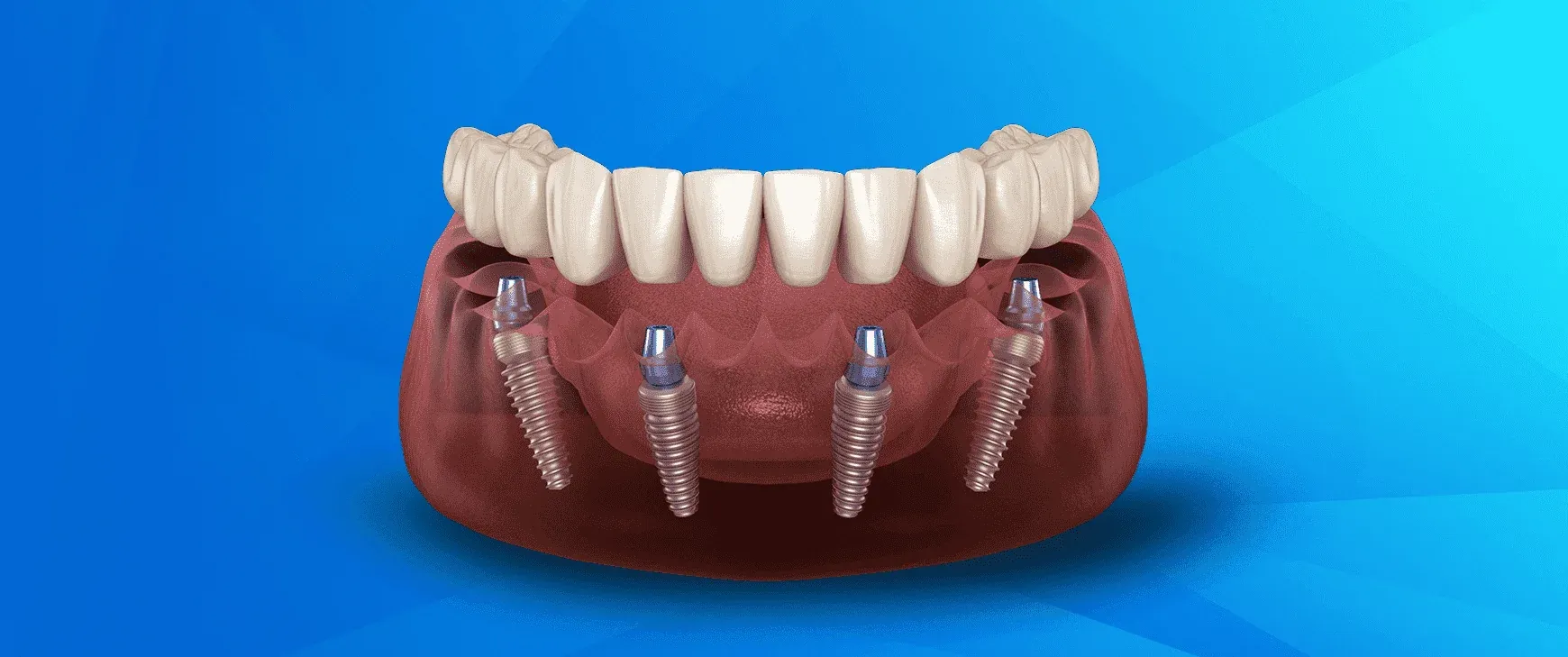
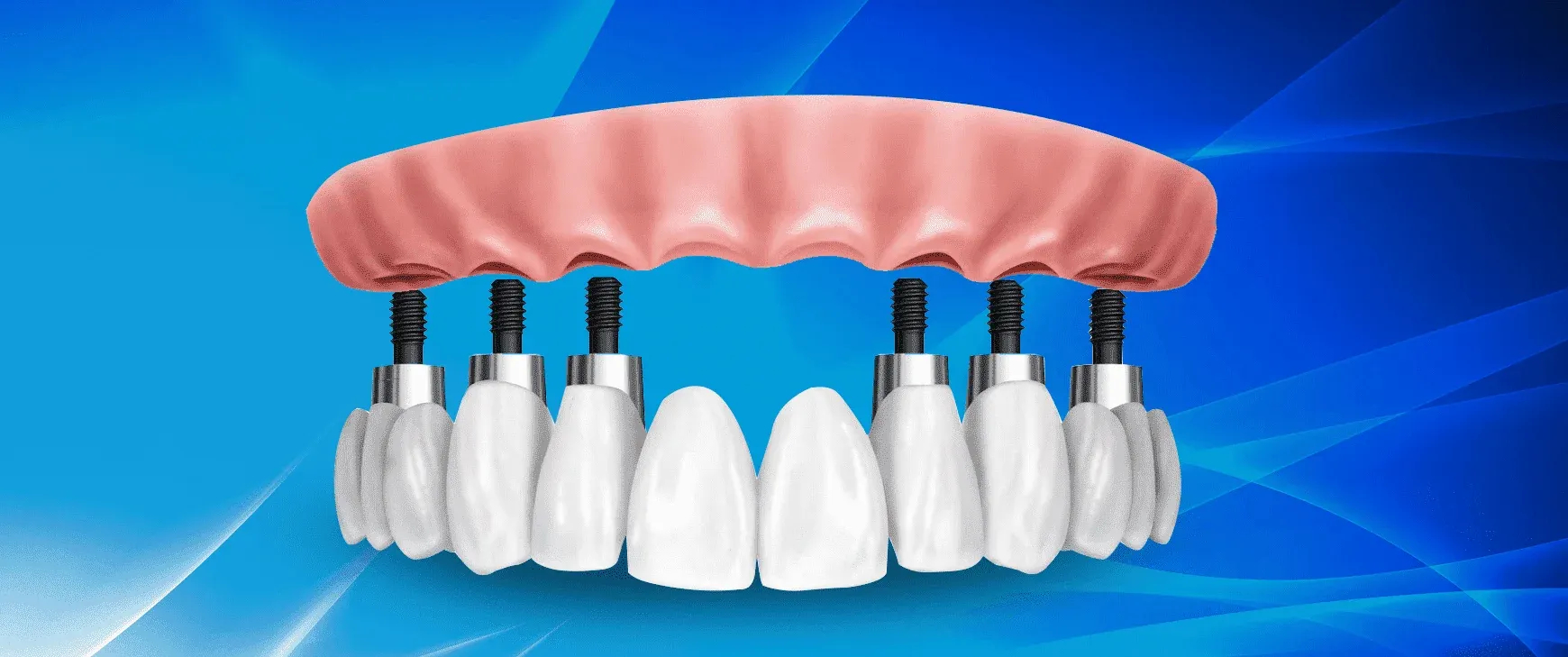
When evaluating full-arch loss versus single tooth restoration, patients suffering from extensive tooth loss may look into comprehensive solutions like All-on-4 dental implants or standard dental implant treatment protocols. However, for isolated tooth replacement, a single tooth implant treatment remains the gold standard.
Key Advantages of Single Tooth Implant Treatment
Choosing a single tooth implant treatment provides numerous anatomical, functional, and psychological advantages compared to alternative restorative options such as tooth-supported dental bridges or removable partial dentures.
- Preservation of Healthy Adjacent Teeth In a traditional three-unit dental bridge, the healthy teeth on either side of the missing gap (abutment teeth) must be substantially filed down and fitted with crowns to anchor the replacement pontic tooth. This irreversible removal of healthy enamel can weaken those teeth over time and leave them vulnerable to decay or nerve damage. A single tooth implant treatment stands independently, requiring zero modification or alteration of neighboring teeth.
- Prevention of Bone Resorption When a natural tooth root is lost, the underlying jawbone no longer receives mechanical stimulation during chewing. As a result, the body begins to reabsorb bone tissue in that area, leading to localized jaw atrophy and changes in facial contours over time. A single tooth implant treatment acts like a natural root, transmitting masticatory forces into the bone and stimulating ongoing cell turnover to preserve jawbone volume and structure.
- Superior Aesthetic and Functional Integration Because the implant crown emerges directly from the gumline, a single tooth implant treatment replicates the appearance, texture, and profile of a natural tooth. It often forms an essential foundation for comprehensive aesthetic transformations, such as a Hollywood Smile in Turkey. Patients can bite, chew, and speak with complete confidence, knowing the restoration will not slip, shift, or cause discomfort.
- Long-Term Durability and Cost-Effectiveness While traditional dental bridges typically require replacement every 7 to 15 years due to recurrent decay under the crowns or cement failure, a well-maintained titanium fixture in a single tooth implant treatment can last a lifetime. This longevity makes a single tooth implant treatment a highly cost-effective long-term investment.
Step-by-Step Procedure of Single Tooth Implant Treatment
Undergoing a single tooth implant treatment involves a series of carefully planned clinical stages to ensure structural stability, aesthetic harmony, and long-term clinical success.
Stage 1: Initial Examination and Digital Diagnostics
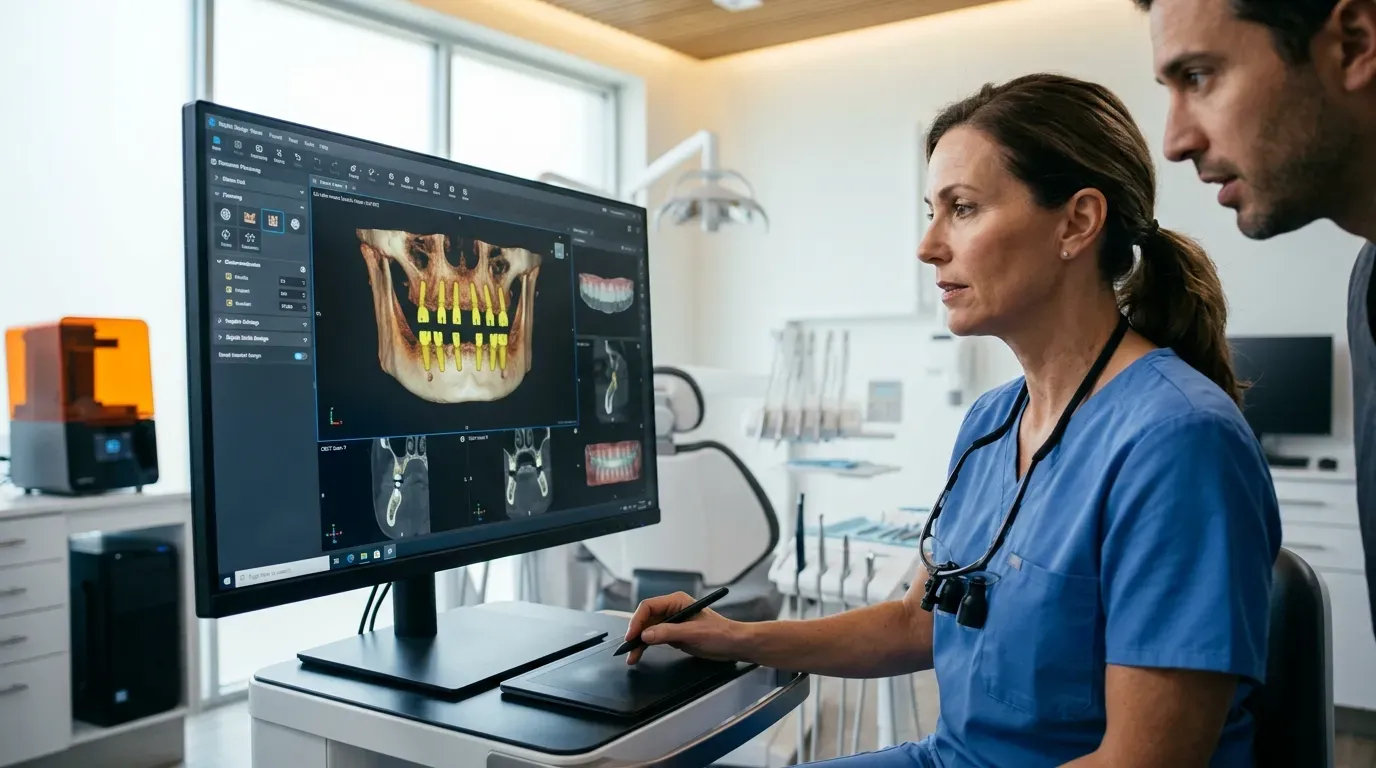
The single tooth implant treatment process begins with a comprehensive oral evaluation. The clinician performs a thorough visual exam, evaluates periodontic health, and takes high-resolution 3D Cone Beam Computed Tomography (CBCT) scans. These detailed images allow the oral surgeon to measure bone density, identify nerve pathways, assess sinus cavity locations, and digitally map the precise angle and depth for implant positioning.
Stage 2: Surgical Placement
On the day of surgery, local anesthesia is administered to ensure complete comfort. Conscious sedation options may also be offered for anxious patients. The surgeon makes a small incision in the gum tissue to expose the jawbone, drills a small pilot hole using precision tools, and gently inserts the titanium post into place during the single tooth implant treatment. A protective healing cap or temporary cover screw is secured over the implant, and the gum tissue is sutured closed.
Stage 3: Osseointegration Phase
During the next 3 to 6 months of a single tooth implant treatment, the jawbone undergoes osseointegration. Osteoblasts (bone-forming cells) grow into the microscopic grooves and surface features of the titanium post, locking it rigidly into the jaw. During this healing period, a temporary aesthetic tooth can be worn if the gap is in a visible smile zone.
Stage 4: Abutment Placement and Digital Impressions
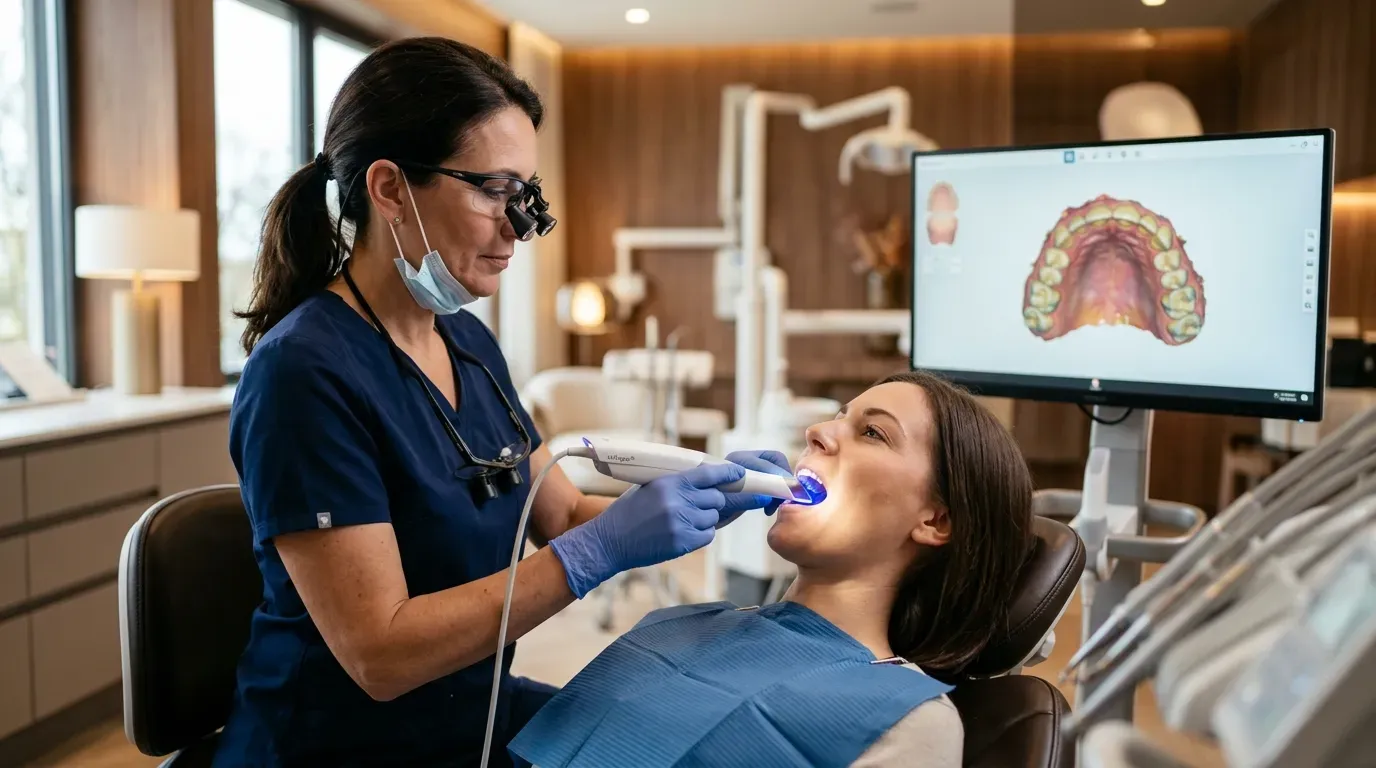
Once osseointegration is complete and verified through X-rays, a minor second stage of the single tooth implant treatment is performed under local anesthesia. The cover screw is removed, and the permanent abutment is attached to the implant post. Intraoral digital scanners capture precise 3D images of the abutment and surrounding teeth, sending the digital files to the dental laboratory.
Stage 5: Custom Crown Fabrication and Final Fitting
In the dental lab, CAD/CAM technology crafts a custom crown designed to match your natural enamel color, translucency, and bite alignment. Once ready, the clinician tests the crown for fit, contact points, and bite occlusion before permanently screwing or cementing it onto the abutment, completing your single tooth implant treatment.
Detailed Comparison: Single Tooth Implant vs. Alternative Restorative Options
Understanding how a single tooth implant treatment compares to other common dental restorations helps patients make informed decisions about their oral health.
|
Criteria / Feature |
Single Tooth Implant |
3-Unit Tooth-Supported Bridge |
Removable Partial Denture |
|
Preservation of Neighboring Teeth |
Excellent (No reduction required) |
Poor (Adjacent teeth must be reshaped) |
Good (Minimal tooth modification) |
|
Jawbone Preservation |
Prevents bone loss by stimulating bone |
Does not prevent bone loss under pontic |
Does not prevent bone loss; may accelerate it |
|
Expected Lifespan |
Lifetime (Implant post); 15+ years (Crown) |
7 to 15 years |
5 to 8 years |
|
Aesthetic Result |
Highly natural (Emerges from gumline) |
Good, but gum line may recede over time |
Moderate (Visible metal clasps possible) |
|
Chewing Efficiency |
100% natural chewing force |
70% - 80% natural force |
30% - 50% natural force |
|
Hygiene Maintenance |
Standard brushing & flossing |
Requires specialized bridge flossers |
Must be removed daily for cleaning |
|
Risk of Recurrent Decay |
Zero risk to implant fixture |
Risk of decay in anchor teeth |
Risk of decay around anchor clasps |
Recovery Timeline and Post-Treatment Guidelines
Following a single tooth implant treatment, understanding what to expect during each recovery phase ensures a smooth transition to full healing.
|
Recovery Phase |
Clinical Focus |
Allowed Diet |
Oral Hygiene Protocol |
|
Days 1 – 2 |
Clot formation & swelling management |
Cold liquids, smoothies, yogurts, cool broths |
Gentle saltwater rinses after 24 hrs; no direct brushing on site |
|
Days 3 – 7 |
Soft tissue healing & suture care |
Mashed potatoes, scrambled eggs, soft pasta, fish |
Soft-bristled brush on natural teeth; avoid surgical site |
|
Weeks 2 – 6 |
Sub-surface gingival integration |
Soft solid foods, well-cooked vegetables, tender meats |
Regular brushing; gentle interdental cleaning away from implant |
|
Months 2 – 6 |
Osseointegration (Bone fusing) |
Return to normal diet; avoid cracking hard shells or ice |
Normal brushing and flossing routines |
|
Post-Crown Placement |
Long-term functional maintenance |
Unrestricted natural chewing diet |
Standard flossing, brushing, and bi-annual cleanings |
Candidate Eligibility for Single Tooth Implant Treatment
While a single tooth implant treatment boasts a success rate of over 95% to 98%, clinical suitability depends on specific anatomical and biological criteria.
Essential Candidate Criteria
- Adequate Bone Density: There must be sufficient jawbone height and width to support the titanium screw during a single tooth implant treatment. If bone loss has occurred due to long-term tooth absence, bone grafting or sinus lift procedures can build the necessary volume prior to placement.
- Healthy Periodontal Tissues: The patient must be free of active periodontal (gum) disease. Surrounding tissue infections can compromise implant integration and cause peri-implantitis in a single tooth implant treatment.
- Good General Health: Systemic conditions such as controlled diabetes or hypertension are generally manageable, but unmanaged systemic diseases can impair healing following a single tooth implant treatment.
- Non-Smoker or Willingness to Quit: Nicotine restricts micro-blood flow to oral tissues, increasing the risk of early implant failure. Non-smokers experience significantly higher success rates during a single tooth implant treatment.
For patients who suffer from multiple missing teeth or full-arch tooth loss rather than single gaps, alternative full-arch solutions such as All-on-6 dental implants offer complete arch restoration anchored on six strategic posts.
Essential Aftercare and Recovery Protocol
Proper home maintenance following a single tooth implant treatment guarantees rapid healing and protects your investment over the long term.
Immediate Post-Surgical Phase (First 48 Hours)
- Manage Swelling: Apply an ice pack externally over the cheek near the surgical site for 15 minutes on, 15 minutes off after your single tooth implant treatment.
- Dietary Adjustments: Stick to cool, soft foods such as yogurt, lukewarm soups, smoothies, and mashed potatoes. Avoid extremely hot, spicy, or hard foods.
- Avoid Suction: Do not drink through a straw, spit vigorously, or smoke, as suction forces can disturb blood clot formation over the single tooth implant treatment site.
- Medication Adherence: Take all prescribed antibiotics and analgesic pain relievers strictly according to your surgeon's instructions following a single tooth implant treatment.
Osseointegration Phase (Months 1 through 6)
- Maintain consistent oral hygiene by brushing with a soft-bristled toothbrush.
- Avoid chewing hard items (such as ice, hard candy, or nuts) directly on the temporary restoration area during your single tooth implant treatment healing phase.
- Rinse gently with non-alcoholic antibacterial chlorhexidine mouthwash if prescribed by your dentist.
Long-Term Maintenance for Permanent Crowns
Once your permanent custom crown is attached in a single tooth implant treatment:
- Brush twice daily using non-abrasive fluoride toothpaste.
- Floss daily around the implant crown using regular dental floss or specialized implant tape.
- Schedule bi-annual dental check-ups and professional hygiene cleanings to monitor peri-implant tissue health after a single tooth implant treatment.

Why Turkey and Istanbul Are Leading Destinations for Dental Tourism
Over the past two decades, Turkey—and its historic metropolis, Istanbul—has earned an international reputation as the premier global capital for advanced dentistry, cosmetic smile makeovers, and restorative procedures. Every year, hundreds of thousands of patients from the UK, Western Europe, North America, and the Middle East travel to Istanbul to receive a single tooth implant treatment alongside complex full-mouth rehabilitations.
1. State-of-the-Art Clinical Infrastructure
Istanbul is home to modern, ultramodern dental centers equipped with cutting-edge technology, including 3D intraoral scanners, computer-guided implant planning software, and digital CAD/CAM milling units. Top Turkish clinics performing a single tooth implant treatment maintain strict adherence to international sterilization and safety protocols, matching or exceeding standards found in top Western European practices.
2. Globally Recognized Oral Surgeons
Dental specialists in Turkey undergo rigorous academic training and clinical residency. Many oral surgeons and prosthodontists active in Istanbul hold international certifications, participate in global implantology research, and possess extensive experience executing complex immediate load and single tooth implant treatment cases.
3. Exceptional Value and All-Inclusive VIP Services
The financial advantages of seeking a single tooth implant treatment in Turkey are substantial. Lower operational overheads and favorable exchange rates allow clinics in Istanbul to offer premium tier implants (crafted by top Swiss, German, or American manufacturers) at a fraction of Western prices. Furthermore, international clinics routinely provide all-inclusive logistics packages for a single tooth implant treatment that include:
- Private airport transfers in luxury vehicles.
- Accommodations at 4-star or 5-star partner hotels.
- Dedicated multi-lingual patient coordinators and interpreters.
- Pre-operative 3D CBCT diagnostic imaging and post-operative medications.
4. Combining Dental Care with World-Class Tourism
Undergoing a single tooth implant treatment in Istanbul transforms a medical trip into an extraordinary holiday experience. Patients can spend their healing days exploring world-renowned historical landmarks such as the Hagia Sophia, Topkapi Palace, Blue Mosque, and Grand Bazaar, or enjoying fine dining along the picturesque Bosphorus Strait.
Choosing a single tooth implant treatment is the most effective, aesthetically superior, and durable solution for replacing a missing tooth. By preserving your surrounding natural teeth, preventing jawbone loss, and providing an identical look and feel to natural enamel, a single tooth implant treatment restores both oral health and long-term smile confidence.
Whether you require a single restoration or are evaluating broader treatment avenues, consulting with experienced dental professionals ensures a personalized care plan crafted to your anatomical needs. By taking advantage of global dental hubs like Istanbul, patients can receive a world-class single tooth implant treatment, state-of-the-art diagnostic technology, and luxury hospitality at a fraction of international prices.
For comprehensive information about implant treatment, see our main guide.
Implant GuideDoctor Profile
Author and Medical Review
Dr. Melike KENTKURANOral and Maxillofacial Surgery Specialist
View ProfileThis content has been evaluated in accordance with Hospitadent Medical Publication Board standards for medical accuracy, currency and patient information.
Our Awards
See All ›2019 – 2020
Health Tourism Champion
Since its founding, Hospitadent has provided oral and dental care to patients travelling from every continent for health tourism. In the Service Exporters' Association research of 2019 and 2020, we ranked first in the Dental Health Services category. Within the same report we placed 15th among all healthcare institutions in 2019 and moved up to 10th in 2020. With uncompromising customer satisfaction, Hospitadent remains the healthcare institution that treats the highest number of international oral and dental patients.
2013
TEMOS International Quality Certificate
Guided by dedicated international departments, Hospitadent welcomes patients from abroad without any language barriers, offering assistance with accommodation, city and Bosphorus tours, concierge guidance, treatment logistics and medication support to keep satisfaction at its peak. With the goal of carrying the same quality standards to both Turkish and foreign patients, we received the TEMOS "International Quality in Dental Care" certificate in 2013—an accreditation granted by the organization that evaluates and certifies worldwide patient service quality based on the "Made in Germany" quality seal.
2020
Turquality Brand Support Program
For 16 years, the Turquality Brand Support Program has helped Turkish products build and promote their image abroad. Dental Group Hospitadent earned the right to join this initiative, taking an important step on its branding journey. Being the first dental healthcare group in a program that includes only five hospitals from the healthcare sector proves not only the quality image we project, but also the high standards we uphold.
2018
Stevie Awards – Most Innovative Customer Service
The Stevie Awards, recognized worldwide for honoring outstanding organizations and leaders, is the only international business awards program. In 2018, Hospitadent became the first hospital in Turkey to win a Stevie Award by receiving the "Most Innovative Customer Service of the Year" prize. Signature experiences such as Smiling Center, Digital Smile Design and Dental SPA played a decisive role in earning this accolade.
2019 – 2020
Service Exporters Association Award
Serving dental tourists from all over the world since its foundation, Hospitadent was honored by the Service Exporters' Association in the Champions of Service Exports program, which celebrates the rising value of Turkey's service industries. Thanks to its contribution to the national economy, Hospitadent received a certificate of achievement and ranked 15th among general healthcare institutions in 2019 and 10th in 2020, continuing to lead oral and dental treatments with an unwavering focus on patient satisfaction.
2021
Great Place To Work® Certified
Based on the employee experience and satisfaction survey completed by our teams, GPTW Turkey evaluated Hospitadent and awarded us the "Great Place To Work® Certified" distinction. As the first and only dental hospital holding this leading workplace culture certificate, Hospitadent continues its journey toward many more achievements.
Patient Reviews
Experiences of our patients
Hot Tub
I had 6 top and bottom implants I had 6 top and bottom implants Had a great experience Well looked after from arrival to being dropped back to airport Zeynap coordinated for me and was very helpful and attentive. I would recommend this denticed.
Maarouff
Excellent Dental Implant Experience I had a dental implant treatment with Hospitadent and I’m very satisfied with my experience. The staff were friendly and professional from the beginning, and the clinic was clean and modern. The dentist explained everything clearly, which helped me feel comfortable and confident. The procedure was smooth and not as painful as I expected. I’m very happy with the final result—it looks natural and feels great. I would definitely recommend Hospitadent to anyone considering dental treatment. Special thanks to Mr. Sinan, who assisted us from the UK all the way to Turkey, arranging airport transfers both ways and booking an excellent hotel. I would also like to thank the doctor who carried out my implant, along with the team for the general cleaning and excellent overall care.
Niat Nuguse
Recommend I have been in the dentist chair more times than I care to count, and finally decided to go ahead with full treatment including fillings, crowns, and one implant. I also wanted to make it as cost-effective as possible. After meeting Sinan, the patient assistant in London, and having a full consultation and review of the treatments I needed, my mind was completely put at ease and I decided to move forward. Sinan was amazing—from his infectious smile to his outstanding hospitality. Aya, who was my translator, made everything run smoothly and even kept me company in the waiting room, which really meant a lot. A huge thank you to Dr. Necip for doing such an amazing job and for working hard and staying extra late to make sure everything was done perfectly. Happy with the care and result.
Ben S.
Ideal for sceptical and careful tourists Perfect for tourists and foreigners in Istanbul (as I am). This is the 4th dental clinic in Istanbul I went to (one was too expensive, one closed, the other one was fishy) and finally found the one where I'll stay. From the very first contact, up until some post-treatment adjustments I wanted, they have been focused on service and being helpful and not on maximizing the money they can make - that's a dentist you call trustworthy. I needed a molar extraction with immediate German implant and tooth placement 4 months later. I had specialists for each step of that process and was always in the most capable hands. All of it was around EUR. Checkups, pre-surgery x-ray and consultation was all free, as were later adjustments. One of the key selling points for me was their price transparency. I asked for the price and they readily told me beforehand and didn't change it later on. They have German and English translators on-site and on WhatsApp (more languages as well), that are very friendly, helpful, communication was flawless throughout the entire stay. As a foreigner I never felt lost. I've recommended this place to a few people already and will continue to do so. Also just to clarify: I wasn't paid for this review, nor do I get any discount for it
All reviews are from our real patients.