Multiple Dental Implant Treatment: Multi-Unit Systems & Costs
What is a multiple dental implant procedure and how does it replace several teeth? Learn about the process, materials, bone grafting, and long-term care.
The loss of several teeth in a row or across different quadrants of the mouth presents a severe physiological challenge that extends far beyond cosmetic concerns. When multiple teeth are missing, the structural integrity of the entire dental arch is compromised. The remaining teeth naturally begin to drift, tilt, and shift into the vacant spaces, disrupting the alignment of the bite and causing localized jaw joint dysfunction. Traditional treatment options, such as partial removable dentures or multi-unit dental bridges, have historically been used to manage this issue. However, these conventional solutions often introduce chronic complications, including the painful grinding down of healthy neighboring anchor teeth and accelerated bone loss due to a lack of deep tissue stimulation. Modern restorative dentistry solves this problem through advanced biomechanical systems designed to anchor prosthetics firmly into the jawbone, fully restoring multi-unit biting forces and long-term oral health.
What Exactly Is a Multiple Dental Implant Procedure?
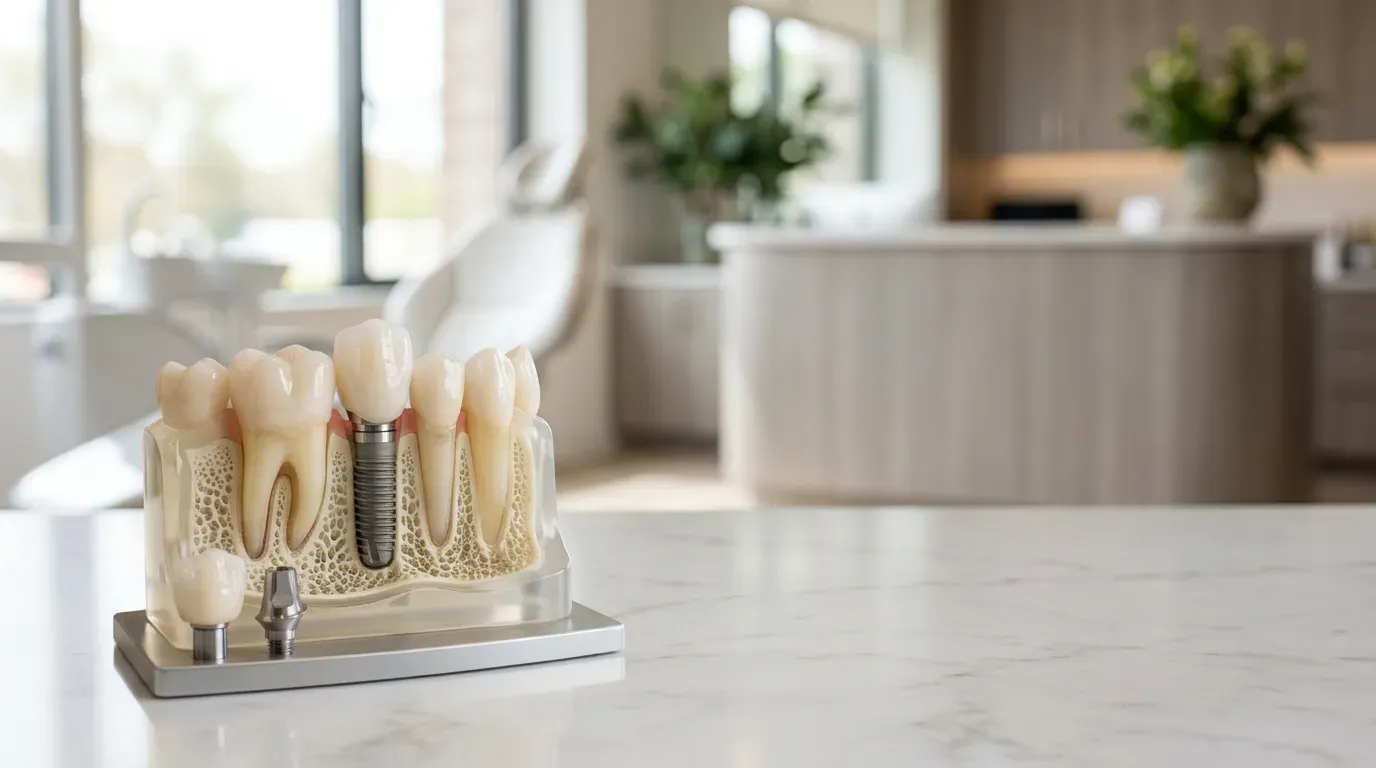
In advanced restorative dentistry and oral surgery, a multiple dental implant treatment refers to the surgical placement of two or more titanium screws to replace several missing teeth in the same jaw. This specialized method is highly adaptive; it does not mechanically require an individual titanium screw for every single missing crown. Instead, clinicians utilize strategic positioning to support multi-unit bridges or implant-supported partial prosthetics.
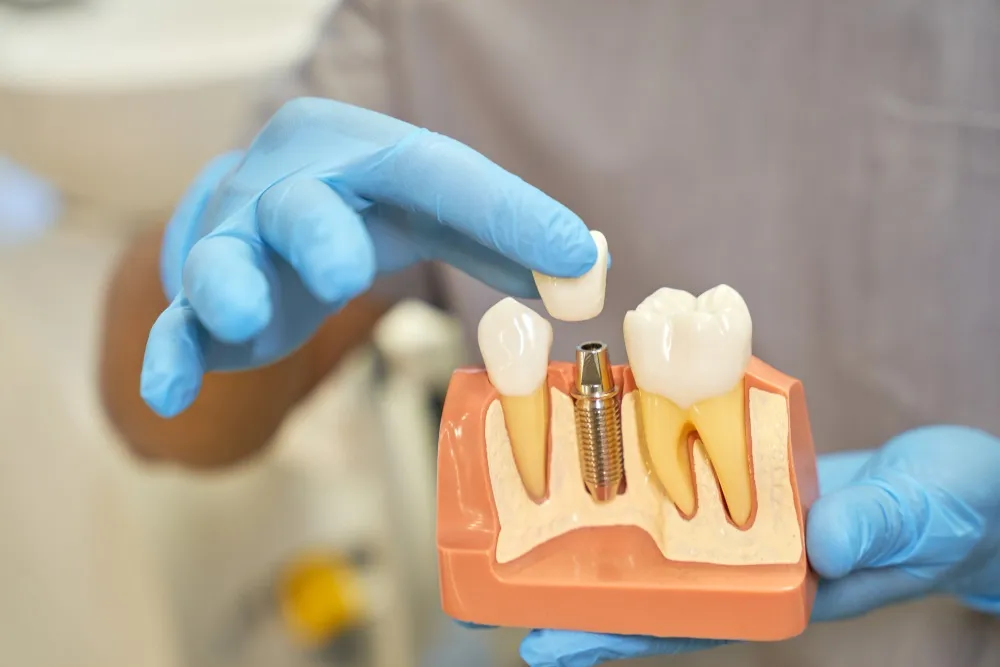
The titanium posts are placed directly into the bone, where they serve as biocompatible artificial roots. Over a period of several months, the surrounding bone fuses completely with the micro-grooved surface of the screws through a process called osseointezration. Once this solid biological foundation is established, custom connectors (abutments) are attached to the posts, allowing a master technician to install a fixed porcelain or zirconia bridge that spans the entire gap, providing a secure and long-lasting alternative to traditional removable options.
When Do Patients Need a Multiple Dental Implant Treatment?
Determining whether a patient requires a multi-unit tooth replacement involves a comprehensive clinical evaluation. Oral surgeons and periodontists prioritize a multiple dental implant approach under specific conditions:
- When a patient has lost three or four consecutive teeth in a single quadrant due to localized trauma, deep decay, or failed root canals.
- Cases where a patient exhibits scattered missing teeth across both sides of the jaw, making a single fixed bridge impossible.
- When advanced periodontal disease has structurally destabilized a cluster of adjacent teeth, requiring their strategic removal and replacement.
- When a patient currently wears a removable partial denture but struggles with continuous gum irritation, shifting, or a severe gag reflex.
- When a patient has enough healthy bone density in specific spots to safely support a multi-unit framework without needing total arch extractions.
Why Is a Multiple Dental Implant System Better Than a Bridge?
Choosing between a traditional fixed dental bridge and an implant-supported structure has long-term consequences for a patient's remaining dentition. The structural and biological advantages of multi-unit implants are backed by decades of clinical studies:
1. Absolute Protection of Neighboring Healthy Teeth
A traditional fixed bridge requires the teeth on either side of the gap to act as physical anchors. To place the bridge, the dentist must irreversibly grind down the enamel of these healthy neighbor teeth to fit the supportive crowns. If these anchor teeth develop decay or structural fractures years later, the entire bridge fails. A multiple dental implant system stands entirely on its own, leaving adjacent healthy teeth completely untouched and preserved.
2. Prevention of Localized Jawbone Atrophy
When teeth are extracted, the alveolar bone that once held the roots loses its primary biological purpose. Without the physical pressure of chewing, the body naturally resorbs and shrinks the bone tissue in that specific area. Traditional bridges do nothing to stop this erosion. In contrast, multiple titanium posts mimic natural tooth roots, transferring chewing forces directly into the deep bone cells and signaling the jawbone to maintain its density, height, and volume.
3. Superior Aesthetic and Hygienic Integration
An implant-supported multi-unit bridge emerges directly from the natural gum tissue, mimicking the appearance of real teeth. Because it does not feature a floating pontic (the suspended crown of a traditional bridge), there is no open gap underneath where food particles and plaque can easily become trapped, drastically simplifying daily home hygiene care.
What Are the Main Structural Variations of the Treatment?
Depending on the location of the missing teeth and the patient's unique bone profile, dentists utilize different engineering frameworks to restore structural balance to the mouth.
- Implant-Supported Fixed Bridges: Ideal for replacing three or four missing teeth in a row. Instead of using four individual screws, the surgeon places two implants—one at each end of the gap—and connects them with a solid three or four-unit bridge crown.
- Splinted Multi-Unit Replacements: Used when multiple individual implants are placed next to each other and connected (splinted) by a single continuous porcelain or zirconia restoration, distributing heavy biting forces more evenly across the jaw.
- Implant-Supported Partial Dentures: Designed for patients missing several teeth across an arch who prefer a removable option; the partial denture snaps securely onto two or three strategic implants, eliminating shifting and sliding.
How Many Titanium Posts Are Required for a Multiple Dental Implant Plan?
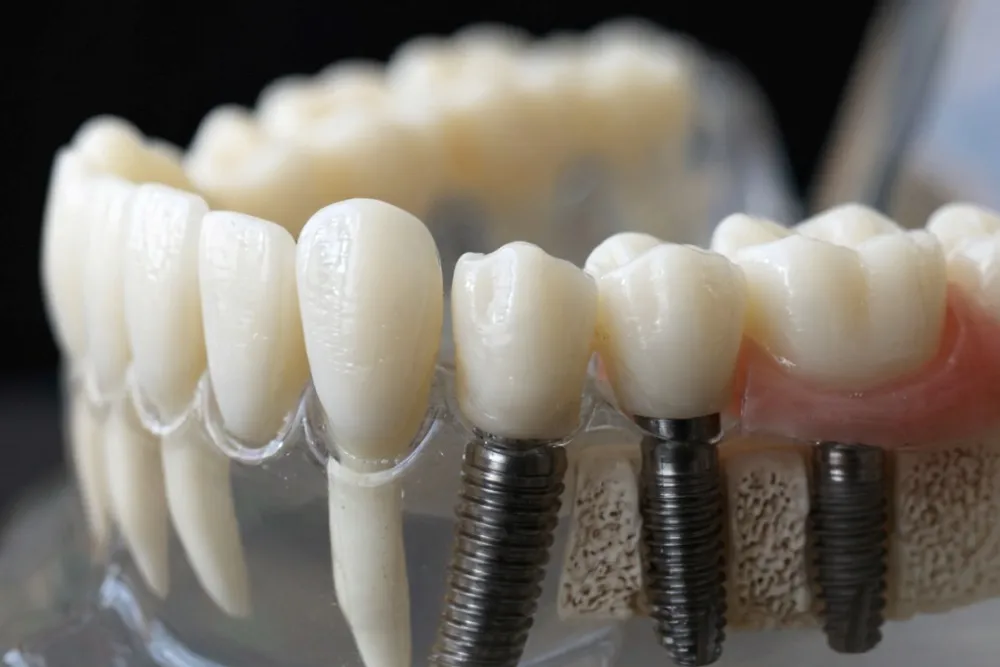
A common misconception among patients is the belief that replacing four missing teeth automatically requires four separate dental implant screws. In modern oral engineering, the rule of thumb is to place the minimum number of posts needed to achieve absolute structural stability, thereby preserving natural bone and minimizing tissue trauma. For example, a gap left by three missing teeth can be perfectly restored using just two implants supporting a three-unit bridge.
However, if a patient is missing five or six teeth scattered across an entire jaw, the clinician may choose to place three or four posts to distribute the mechanical load safely. The final number of screws is determined using detailed 3D digital x-rays, evaluating the patient's individual bite force, the density of the jawbone, and whether the teeth being replaced are in the high-pressure back molar region or the lower-pressure front incisor region.
What is the Step-by-Step Clinical Process of the Procedure?
Undergoing a multi-unit tooth restoration is a structured, highly predictable medical process that balances precise surgical installation with advanced laboratory craftsmanship.
1. Advanced 3D Diagnostic Mapping
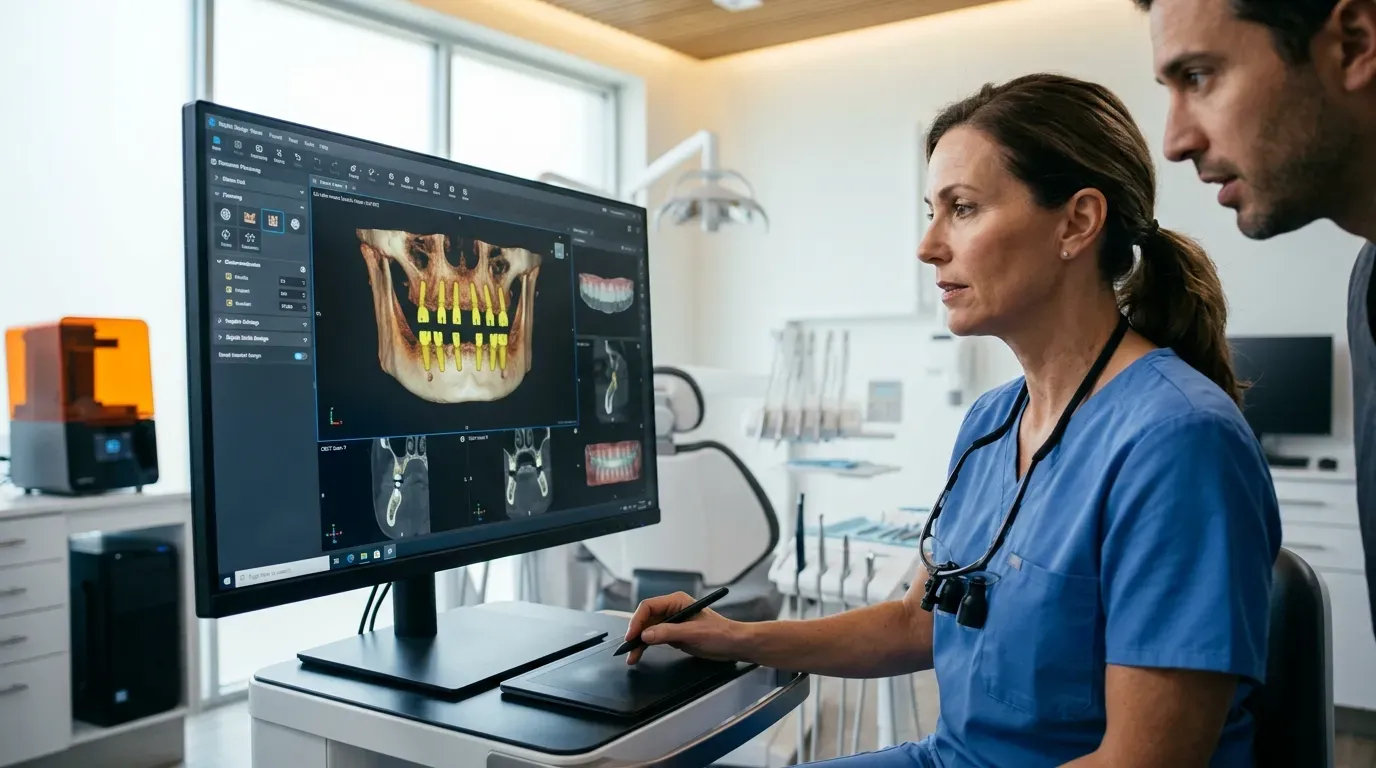
The process always begins with a high-resolution 3D digital scan of the patient's skull. The surgeon uses specialized computer software to analyze the exact shape of the bone, locate the paths of major facial nerves, and plan the entry angle of each screw down to the millimeter. A custom surgical guide template is then printed to ensure the plan matches the clinical execution.
2. Surgical Installation and Temporary Loading
Under local anesthesia or conscious sedation, the surgeon uses the custom guide template to place the multiple titanium posts into the bone. If any non-restorable teeth need to be extracted, this is often done in the same session. Once the implants are locked into place, a lightweight temporary bridge is attached to protect the healing tissues and restore aesthetics immediately.
3. Final Master Bridge Integration
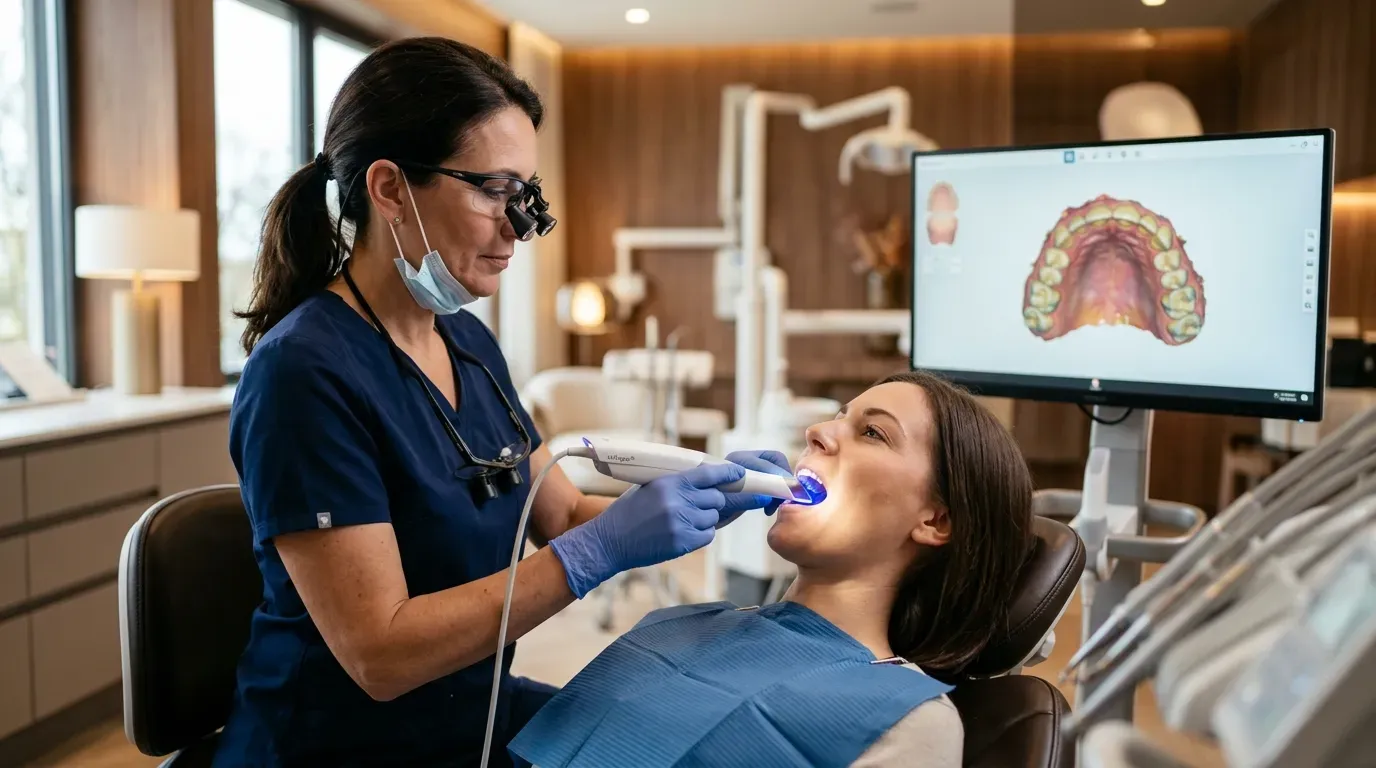
Over the next 3 to 6 months, the implants undergo osseointegration, fully locking into the jaw bone. Once this healing phase is complete, the temporary bridge is removed, and high-precision digital scans are taken of the stable gum tissues. The laboratory mills the permanent final master bridge from premium materials, which is then securely bolted or cemented onto the implants.
How Does a Multiple Dental Implant Plan Compare to a Full-Arch Option?
While both options utilize titanium screws to replace missing teeth, they cater to entirely different clinical situations and levels of tissue degeneration. A multiple dental implant treatment is a localized intervention designed for patients who still possess a significant number of healthy, stable natural teeth that must be preserved. The implants are integrated seamlessly into the existing dental arch, filling specific gaps.
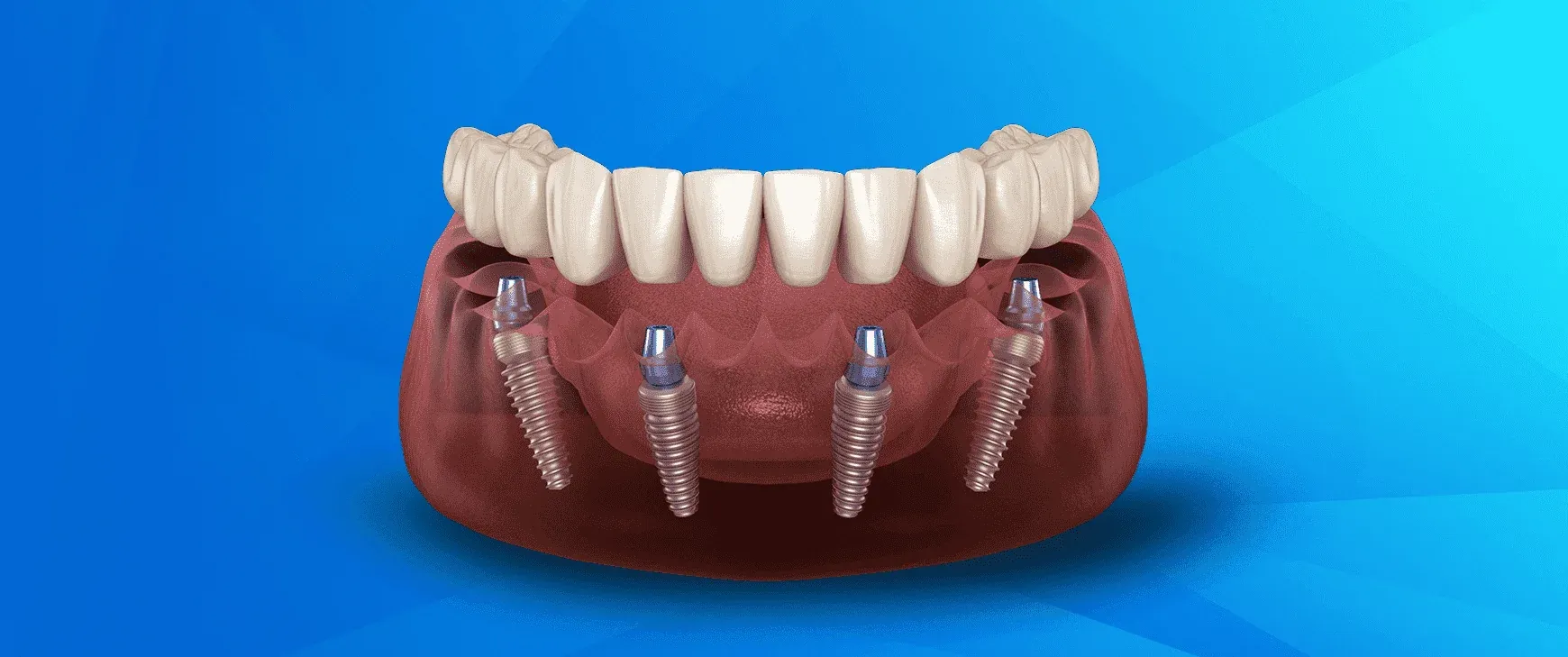
Conversely, a full mouth implant treatment is a comprehensive rehabilitation chosen when a patient is entirely toothless or when their remaining teeth are completely ruined by terminal gum disease. In a full-arch scenario, all teeth in that jaw are removed, and four to eight implants are strategically placed to support a single, monolithic bridge containing twelve to fourteen teeth. Multi-unit implants focus on filling the gaps within a healthy foundation, whereas full-mouth procedures completely replace the entire foundation.
Is a Bone Graft or Sinus Lift Necessary for Multi-Unit Cases?
When multiple teeth have been missing for several years, the surrounding bone tissue naturally thins out and shrinks due to a lack of mechanical chewing stimulation. In the upper back molar region, this bone loss is often accelerated because the maxillary sinus cavities naturally expand downward into the empty spaces left by the missing roots. If a patient requires a multiple dental implant treatment in this specific zone, there may not be enough vertical bone height to safely hold a standard titanium screw without risking puncturing the sinus membrane.
To solve this issue, the surgeon will perform a sinus lift or a localized bone graft before or during the implant surgery. During a sinus lift, the thin membrane lining the sinus cavity is gently lifted upward, and the newly created space is packed with sterile bone graft material. This material acts as a biological scaffold, encouraging the body to grow new, dense bone cells around it. Once healed, it provides a deep, sturdy foundation that allows the multiple implants to lock into place with maximum structural stability.
Is the Surgical Process for Multi-Unit Implants Painful?
The idea of having multiple titanium screws inserted into the jawbone can easily trigger dental anxiety in many patients. However, thanks to major advancements in modern anesthesia and micro-surgical techniques, the actual clinical procedure is entirely pain-free. The operation is performed under a highly potent local numbing block that completely shuts down all localized nerve signals. For patients dealing with severe anxiety or those undergoing complex multi-unit extractions, conscious IV sedation can be used to induce a state of deep relaxation, allowing the patient to sleep comfortably through the entire appointment.
Once the anesthesia wears off a few hours after surgery, patients will experience a dull ache, minor bruising, and localized swelling of the gums or cheek. This discomfort is a perfectly natural sign of the body's acute healing response and is easily managed with prescribed anti-inflammatory pain relievers and antibiotics. Within 3 to 5 days, the swelling subsides completely, and most patients are pleasantly surprised by how smooth the recovery process was.
How Do Materials Like Zirconia and Porcelain Affect Your Final Bridge?
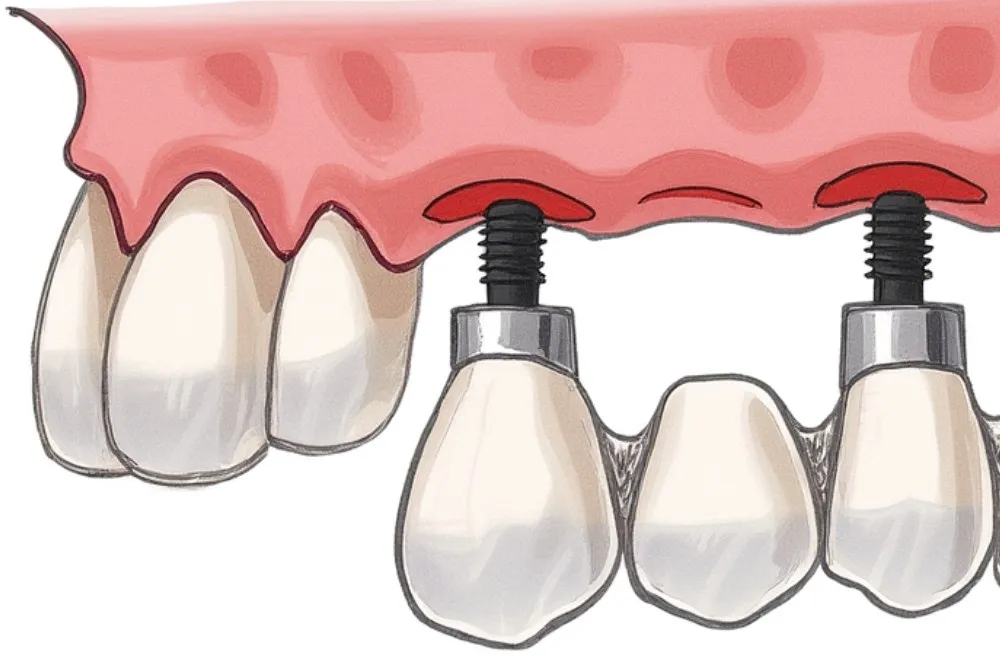
When the healing phase is complete and the multiple implants are anchored in the jawbone, patients collaborate with their clinical team to choose the material for their permanent final bridge. The choice of material impacts the final cost, aesthetics, and long-term durability of the teeth.
- Monolithic Zirconia Bridges: Milled out of a solid block of medical-grade ceramic using high-precision CAD/CAM technology, zirconia is virtually indestructible and highly resistant to chipping or cracking. It reflects light identically to natural enamel, providing an incredibly vibrant, lifelike look. Additionally, zirconia has an ultra-smooth surface that makes it very difficult for bacterial plaque to attach to, significantly lowering the risk of gum disease around the implants.
- Porcelain-Fused-to-Metal (PFM) Bridges: This time-tested design features a strong cobalt-chromium or titanium metal core covered with layers of dental porcelain hand-crafted by a master ceramist. PFM bridges offer excellent structural strength and durability at a slightly lower cost than full zirconia. The minor downside is that over decades of heavy chewing, the thin outer porcelain layer can occasionally chip, and they lack the deep translucent light dynamic found in pure ceramic.
- Composite-Verblendete Bridges: Often used as long-term temporary solutions, these feature a metal sub-structure covered with high-impact composite resins. They are highly budget-friendly and easy to repair in the mouth, but they wear down faster and are prone to surface staining over time compared to ceramic options.
What Are the Potential Risks and Complications of the Procedure?
While the success rate of standard implant dentistry consistently exceeds 95% over a ten-year period, it remains a surgical intervention that introduces minor clinical risks. Short-term postoperative complications can include minor wound infection, localized hematomas (blood blisters), or temporary nerve irritation that can cause a tingling sensation in the lip or chin. These immediate issues are easily controlled with proper medications and expert surgical placement.
The primary long-term threat to a multiple dental implant framework is an inflammatory disease known as peri-implantitis. Peri-implantitis occurs when bacterial plaque is allowed to accumulate around the necks of the implants due to poor home brushing habits. The bacteria trigger a chronic inflammatory response that systematically destroys the surrounding bone cells holding the screw. If ignored, the bone loss can cause the implants to loosen and fail, emphasizing why keeping the biological environment completely clean is essential.
How Should Patients Clean and Maintain Multi-Unit Implants at Home?
Because an implant-supported bridge is permanently fixed in the mouth, it cannot be removed for cleaning, meaning a detailed daily hygiene routine is essential to protect the supporting tissues. The narrow gap beneath the bridge is a prime target for food retention and plaque accumulation. Patients must incorporate specialized cleaning tools into their daily routine:
- Sonic or Soft-Bristled Brushing: Clean all visible surfaces of the bridge and natural teeth at least twice a day using a non-abrasive gel toothpaste to prevent scratching the restoration material.
- Specialized Implant Floss (Superfloss): Thread a thick, flauschig implant floss into the gap under the bridge once a day, moving it gently around each titanium post to clear away soft plaque.
- Interdental Micro-Brushes: Use plastic-coated proxy brushes to clean the tight vertical spaces between the bridge framework and the neighboring natural teeth where bacteria gather.
- Adjustable Oral Water Flosser: Incorporate an oral irrigator on a low-to-medium setting to power-flush loose food particles out from beneath the bridge after meals.
Why Is a Professional Cleaning Every Six Months Mandatory?
While a disciplined home hygiene routine provides an excellent foundation, it is physically impossible for a patient to clear away hard, calcified tartar deposits from the deep sub-gingival spaces entirely on their own. Over time, these mineralized deposits build up around the implant heads, acting as a breeding ground for destructive bacteria. For this reason, returning to the clinic for a professional dental maintenance visit every six months is a mandatory medical requirement.
During these specialized appointments, the hygienist uses custom, scratch-free carbon or plastic instruments to scale away all tartar without damaging the smooth titanium components. The dentist checks the mechanical integrity of the bridge and evaluates the health of the surrounding bone using low-dose digital x-rays. In some instances, the dentist will completely unscrew the bridge, clean and desinfect it outside the mouth, and reinstall it with a precise torque wrench, ensuring the multiple dental implant remains healthy and stable for decades.
How Is the Total Investment Calculated for a Dental Implant Cost?
The total financial investment required for a multi-unit tooth replacement cannot be determined with a single flat fee, as every treatment plan is entirely customized to the patient's biological requirements. Several key elements directly dictate the final dental implant cost:
- The exact number of titanium posts needed to safely support the bridge framework (e.g., placing two implants for a three-tooth gap versus three implants for a wider space).
- The prestige of the implant manufacturer brand (premium global brands with decades of long-term research versus smaller, value-tier alternatives).
- The material selected for the final arch (e.g., high-end monolithic zirconia versus a traditional porcelain-fused-to-metal bridge).
- The clinical necessity of pre-surgical interventions, such as a sinus lift, tooth extractions, or bone grafting.
- The choice of anesthesia during the surgical phase, with conscious sedation adding separate clinic fees compared to standard local numbing.
Why Do International Patients Choose Advanced Clinics in Turkey?
When a patient requires extensive multi-unit dental work, the accumulative specialist fees can become a major financial obstacle in Western countries. This financial barrier has turned international dental tourism into a highly popular, world-class healthcare alternative.
Choosing to travel for complex dental procedures allows patients to access state-of-the-art dental hospitals that feature advanced in-house CAD/CAM laboratories and fully equipped surgical suites. Turkish oral surgeons and prosthodontists have an immense amount of clinical experience due to the high volume of complex multi-unit cases they manage every year. International patients receive care that adheres to strict global sterilization standards, all while enjoying premium hospitality and full-service logistics management.
For comprehensive information about implant treatment, see our main guide.
Implant GuideDoctor Profile

Author and Medical Review
Dr. Melike KENTKURANOral and Maxillofacial Surgery Specialist
View ProfileThis content has been evaluated in accordance with Hospitadent Medical Publication Board standards for medical accuracy, currency and patient information.
Our Awards
See All ›2019 – 2020
Health Tourism Champion
Since its founding, Hospitadent has provided oral and dental care to patients travelling from every continent for health tourism. In the Service Exporters' Association research of 2019 and 2020, we ranked first in the Dental Health Services category. Within the same report we placed 15th among all healthcare institutions in 2019 and moved up to 10th in 2020. With uncompromising customer satisfaction, Hospitadent remains the healthcare institution that treats the highest number of international oral and dental patients.
2013
TEMOS International Quality Certificate
Guided by dedicated international departments, Hospitadent welcomes patients from abroad without any language barriers, offering assistance with accommodation, city and Bosphorus tours, concierge guidance, treatment logistics and medication support to keep satisfaction at its peak. With the goal of carrying the same quality standards to both Turkish and foreign patients, we received the TEMOS "International Quality in Dental Care" certificate in 2013—an accreditation granted by the organization that evaluates and certifies worldwide patient service quality based on the "Made in Germany" quality seal.
2020
Turquality Brand Support Program
For 16 years, the Turquality Brand Support Program has helped Turkish products build and promote their image abroad. Dental Group Hospitadent earned the right to join this initiative, taking an important step on its branding journey. Being the first dental healthcare group in a program that includes only five hospitals from the healthcare sector proves not only the quality image we project, but also the high standards we uphold.
2018
Stevie Awards – Most Innovative Customer Service
The Stevie Awards, recognized worldwide for honoring outstanding organizations and leaders, is the only international business awards program. In 2018, Hospitadent became the first hospital in Turkey to win a Stevie Award by receiving the "Most Innovative Customer Service of the Year" prize. Signature experiences such as Smiling Center, Digital Smile Design and Dental SPA played a decisive role in earning this accolade.
2019 – 2020
Service Exporters Association Award
Serving dental tourists from all over the world since its foundation, Hospitadent was honored by the Service Exporters' Association in the Champions of Service Exports program, which celebrates the rising value of Turkey's service industries. Thanks to its contribution to the national economy, Hospitadent received a certificate of achievement and ranked 15th among general healthcare institutions in 2019 and 10th in 2020, continuing to lead oral and dental treatments with an unwavering focus on patient satisfaction.
2021
Great Place To Work® Certified
Based on the employee experience and satisfaction survey completed by our teams, GPTW Turkey evaluated Hospitadent and awarded us the "Great Place To Work® Certified" distinction. As the first and only dental hospital holding this leading workplace culture certificate, Hospitadent continues its journey toward many more achievements.