When evaluating human dental alignment and facial harmony, one of the most common malocclusions encountered by dental professionals is the presence of buck teeth. Scientifically classified as an increased overjet or Class II malocclusion, buck teeth occur when the upper front teeth extend noticeably outward past the lower teeth. While many people view buck teeth purely as an aesthetic issue that impacts confidence, this condition can also influence oral function, speech, chewing efficiency, and long-term dental health.
Addressing buck teeth requires a clear understanding of why they develop, how they affect overall dental physiology, and what modern orthodontic treatments are available to correct them. Whether caused by genetic factors, childhood oral habits, or underlying jaw misalignments, buck teeth can be successfully diagnosed and treated at virtually any age. In this detailed guide, we will explore the underlying causes of buck teeth, their potential physical and psychological impacts, the full spectrum of correction methods, and how modern dentistry helps patients achieve healthier, more balanced smiles.
What Are Buck Teeth? Understanding Malocclusion
In orthodontic terminology, buck teeth refer to a prominent protrusion of the maxillary incisors (the top front teeth) relative to the mandibular incisors (the bottom front teeth). To understand buck teeth fully, it helps to distinguish between two frequently confused terms: overjet and overbite.
Overjet vs. Overbite
- Overjet: This is the horizontal distance between the upper and lower front teeth. When the upper front teeth project forward at an excessive horizontal angle, this creates the characteristic appearance of buck teeth.
- Overbite: This is the vertical overlap of the upper teeth over the lower teeth. A normal overbite means the upper teeth cover about 1 to 2 millimeters of the lower teeth. An excessive overbite means the upper teeth cover too much of the lower teeth vertically, sometimes entirely hiding them.
While a person can experience both an increased overjet and a deep overbite simultaneously, buck teeth are primarily defined by an exaggerated horizontal overjet.
Dental Malocclusion vs. Skeletal Malocclusion
When diagnosing buck teeth, specialists divide the condition into two structural types:
- Dental Buck Teeth: The upper jaw and lower jaw are positioned correctly relative to the skull, but the upper front teeth themselves are angled forward due to crowding, spacing, or habits.
- Skeletal Buck Teeth: The underlying jaw bones are misaligned. This can happen if the upper jaw (maxilla) is oversized or positioned too far forward, or if the lower jaw (mandible) is underdeveloped, undersized, or positioned too far back.
In many patients, buck teeth are caused by a combination of both dental and skeletal factors, requiring a tailored treatment plan to address both teeth alignment and jaw positioning. Patients often wonder about the anatomical nature of their dental arches and ask are teeth bones, which helps clarify how distinct dental structures interact with the underlying skeletal jawbone.
Primary Causes of Buck Teeth
The development of buck teeth rarely stems from a single factor. Instead, buck teeth usually result from a blend of inherited genetic traits, developmental influences, and behavioral habits during childhood.
1. Genetic Factors and Jaw Size
Genetics play a foundational role in shaping facial architecture, jaw size, and tooth dimension. If parents or close relatives have protruding upper teeth or a small chin, offspring are statistically more likely to inherit similar features leading to buck teeth. Common inherited causes include:
- Jaw Size Discrepancies: A child may inherit a small lower jaw from one parent and large teeth from the other, leaving insufficient space for teeth to sit straight and causing buck teeth.
- Arch Width: Narrow upper dental arches can force the front teeth to tilt forward as they erupt, generating visible buck teeth.
2. Childhood Oral Habits
Prolonged childhood habits exert continuous pressure against developing teeth and soft jaw bones, frequently creating or worsening buck teeth:
- Thumb Sucking: Sucking on thumbs or fingers past the age of 3 or 4 applies forward force to the back of upper front teeth and backward force to lower front teeth, encouraging buck teeth.
- Pacifier Use: Extended pacifier use beyond toddlerhood alters upper arch shape and can push front teeth outward into buck teeth.
- Tongue Thrusting: Normally, the tongue rests against the roof of the mouth during swallowing. In tongue thrusting, the tongue pushes forward against the back of the front teeth during every swallow, gradually nudging them into buck teeth.
For children exhibiting early signs of protruding teeth due to these habits, timely intervention through pediatric orthodontics can guide jaw growth, break destructive habits, and prevent mild buck teeth from becoming severe skeletal issues later in life.
3. Airway Obstructions and Mouth Breathing
Chronic allergies, enlarged tonsils, or adenoid inflammation can force children to breathe through their mouth rather than their nose. Persistent mouth breathing lowers the natural resting position of the tongue, removing the tongue's internal counter-pressure against the cheeks. Over time, the upper jaw becomes narrow and V-shaped, forcing the front teeth forward into buck teeth.
4. Overcrowding, Extra Teeth, and Missing Teeth
Structural irregularities inside the dental arch can push teeth out of position:
- Severe Overcrowding: When there is insufficient space along the jawbone, emerging front teeth have nowhere to move except outward, resulting in buck teeth.
- Hyperdontia (Extra Teeth): Impacted or extra teeth can displace neighboring incisors, pushing them forward.
- Premature Loss of Primary Teeth: Losing primary teeth too early without space maintainers can allow remaining teeth to shift, causing upper front teeth to protrude into buck teeth.
Health and Psychological Impacts of Buck Teeth
While buck teeth are often discussed in terms of facial aesthetics, leaving buck teeth unaddressed can lead to a variety of functional and biological complications over time.
Increased Risk of Dental Trauma
Protruding upper teeth lack the natural protection offered by the lips and lower teeth. Individuals with prominent buck teeth are significantly more vulnerable to chipping, cracking, or knocking out their front teeth during sports, falls, or accidental impacts. If severe physical trauma compromises the internal pulp and nerve supply of an exposed tooth, a dead tooth can develop, necessitating root canal therapy or restoration.
Speech Difficulties
Correct speech production relies on precise contact between the tongue, teeth, and lips. Pronouncing certain consonant sounds—such as "s," "z," "f," and "v"—requires controlled airflow across front teeth. Severe buck teeth can cause lisping, whistling, or unclear articulation.
Chewing and Digestion Issues
Efficient mastication requires proper contact between opposing teeth. When buck teeth prevent the front teeth from meeting correctly, biting into food becomes difficult. This places extra pressure on back molars, leading to uneven tooth wear and potentially affecting early digestive breakdown.
Increased Risk of Enamel Decay and Sensitivity
Because buck teeth often prevent the lips from closing fully over the front teeth, the mouth can become chronically dry. Saliva plays a crucial protective role by washing away food debris and neutralizing bacterial acids. A dry oral environment caused by buck teeth increases the risk of enamel erosion and tooth decay. To protect exposed or weakened enamel on protruding teeth, professional fluoride varnish can strengthen the outer enamel matrix and reduce sensitivity until orthodontic alignment is achieved.
Temporomandibular Joint (TMJ) Strain
Misaligned teeth force the jaw to shift into unnatural positions to achieve chewing contact. This abnormal bite alignment caused by buck teeth can strain the temporomandibular joints, leading to jaw pain, facial fatigue, chronic headaches, and clicking sounds during jaw movement.
Psychological and Social Factors
The visual appearance of buck teeth can impact self-esteem, particularly during formative adolescent years. Individuals with noticeable buck teeth may feel self-conscious about smiling, talking, or having their photograph taken, which can influence social interactions and personal confidence.
Comprehensive Comparison of Treatments for Buck Teeth
Modern dentistry offers several effective options to correct buck teeth, depending on the patient's age, the severity of the protrusion, and whether the underlying cause is dental or skeletal.
|
Treatment Method |
Ideal Candidate |
Primary Function |
Average Duration |
Key Advantage |
|
Traditional Braces |
Children, teens, adults with mild to severe buck teeth |
Uses brackets and wires to pull protruding teeth inward |
12 to 30 months |
Highly effective for complex dental and skeletal buck teeth |
|
Clear Aligners |
Teens and adults with mild to moderate buck teeth |
Custom removable plastic trays that incrementally reposition teeth |
9 to 18 months |
Discreet, removable, comfortable for daily routines |
|
Palatal Expanders |
Growing children with narrow upper jaws causing buck teeth |
Widens the upper jaw arch to create space for front teeth |
6 to 12 months |
Directs skeletal growth early to avoid adult jaw surgery |
|
Surgical Orthodontics |
Adults with severe skeletal jaw misalignments |
Repositions the upper or lower jawbone surgically |
12 to 24 months (includes braces) |
Corrects severe structural jaw discrepancies permanent alignment |
|
Restorative Dentistry |
Adults with minor tooth protrusion or damaged front teeth |
Uses veneers, crowns, or implants to alter visible alignment |
2 to 4 weeks |
Fast aesthetic transformation for mild cosmetic buck teeth |
 Step-by-Step Treatment Options for Buck Teeth
Correcting buck teeth involves a structured, diagnostic approach tailored to the individual patient's anatomical needs.
1. Orthodontic Braces
Traditional metal or ceramic braces remain one of the most reliable and precise solutions for correcting buck teeth. Brackets attached to the front of each tooth are connected by a flexible archwire.
- How Braces Fix Buck Teeth: The orthodontist periodically adjusts the archwire to apply continuous, gentle pressure. Elastic rubber bands are often attached between the upper and lower brackets to pull protruding upper teeth backward while encouraging proper jaw orientation.
- Ceramic Options: For patients concerned about visibility, tooth-colored ceramic braces provide the same structural strength as metal braces while blending in with natural tooth enamel.
2. Clear Aligner Therapy
For patients seeking a less noticeable method to treat buck teeth, clear aligner systems offer a highly popular alternative.
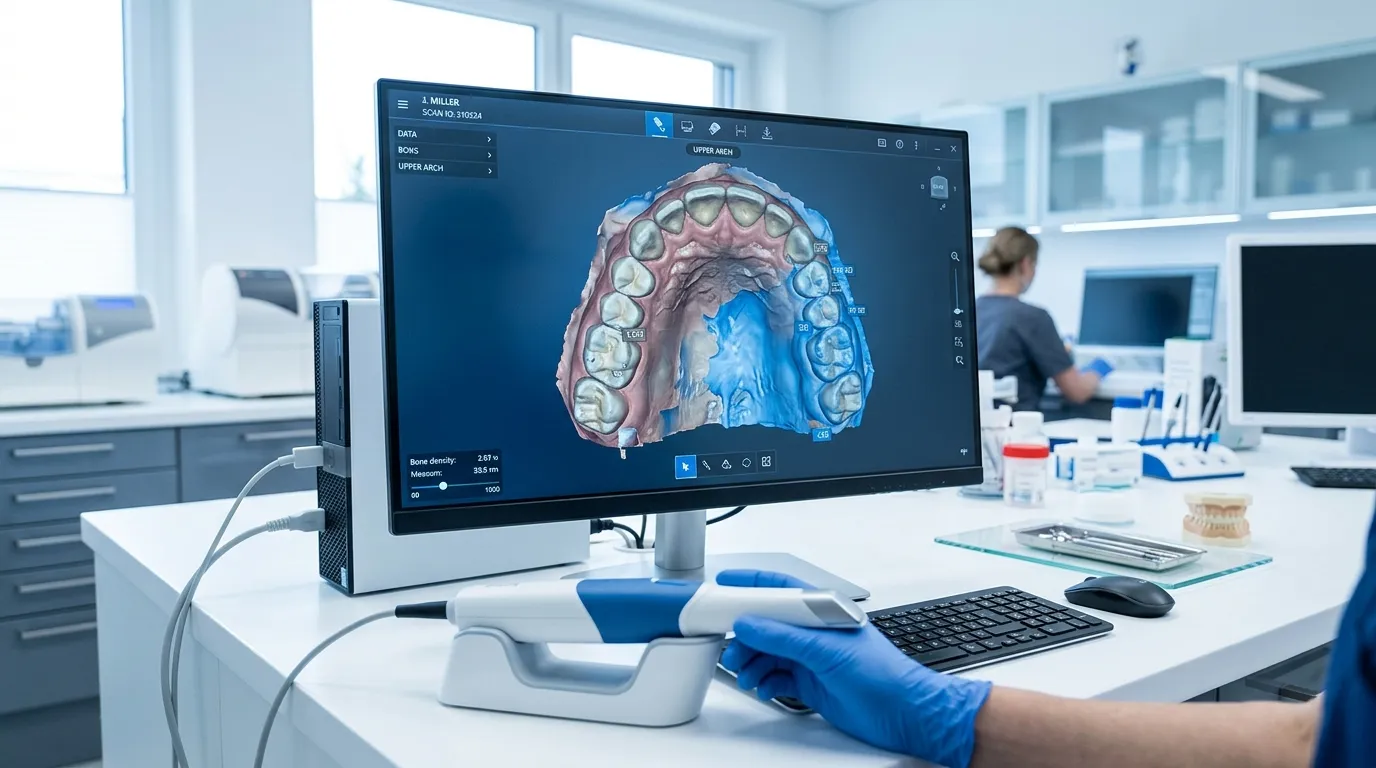
- Custom Trays: Using 3D digital scans, a series of custom-fitted, clear thermoplastic aligners are manufactured. Each set of trays applies calculated micro-forces to shift buck teeth into aligned positions.
- Lifestyle Benefits: Clear aligners can be removed during meals and oral hygiene routines, making it easier to maintain clean teeth throughout the duration of buck teeth treatment.
3. Early Interventional Orthodontics for Children
Treating buck teeth in children while their jaw bones are still growing offers significant clinical advantages.
- Functional Appliances: Devices like headgear, Herbst appliances, or twin block appliances can be used to regulate jaw growth. They can either slow down the forward growth of the upper jaw or encourage forward growth of a deficient lower jaw.
- Preventing Adult Surgery: Addressing skeletal buck teeth early often eliminates the need for invasive jaw surgery or tooth extractions during adulthood.
4. Surgical Orthodontics (Orthognathic Surgery)
When severe skeletal buck teeth are diagnosed in fully grown adults, orthodontic movement alone may not be sufficient to pull the upper front teeth into a healthy bite position.
- Surgical Realignment: An oral surgeon works alongside an orthodontist to physically reposition the maxilla (upper jaw) or mandible (lower jaw).
- Combined Process: Patients typically wear braces for several months prior to surgery to align individual dental arches, followed by surgery to align the jaws, and finished with a short phase of post-surgical orthodontic fine-tuning.
5. Restorative Solutions and Tooth Replacement
In cases where buck teeth are accompanied by physical tooth loss, decay, or trauma from accidental impact, restorative dentistry plays an important role. For example, if a protruding front tooth suffers severe damage or must be removed, a permanent dental implant treatment can replace the missing tooth root with a bio-compatible titanium post topped with a custom crown, restoring full structural function and natural smile balance alongside orthodontic corrections.
Preventing and Managing Buck Teeth Progression
While genetically inherited buck teeth cannot be prevented, taking proactive steps during early child development can significantly reduce the severity of environmental buck teeth.
Managing Childhood Habits
Parents can help prevent habit-induced buck teeth by:
- Encouraging children to stop thumb sucking and pacifier use by age 3.
- Seeking early evaluation from a pediatric dentist if tongue thrusting or mouth breathing is noticed.
- Consulting an ear, nose, and throat (ENT) specialist if chronic nasal congestion causes persistent mouth breathing.
Maintaining Oral Hygiene During Buck Teeth Correction
Whether wearing braces, clear aligners, or expanders to treat buck teeth, keeping teeth and gums clean is essential. Misaligned and protruding teeth create hard-to-reach pockets where plaque and food particles accumulate easily. Incorporating specialized care sessions like a therapeutic dental spa treatment allows patients undergoing orthodontic correction for buck teeth to receive deep cleaning, plaque removal, and gum nourishment in a relaxing, stress-free clinical setting.
 Turkey and Istanbul: World-Class Destination for Orthodontic and Dental Care
For international patients searching for high-quality, comprehensive orthodontic care, smile design, and advanced dental treatments to address buck teeth, Turkey has firmly established itself as a top-tier global destination for medical tourism. Celebrated worldwide for combining state-of-the-art dental technologies with highly trained clinical specialists, Turkey offers world-class oral care that meets rigorous international standards.
At the center of this medical excellence lies Istanbul, a breathtaking metropolis where rich historic heritage meets cutting-edge healthcare infrastructure. Patients traveling to Istanbul for buck teeth treatment receive exceptional care inside modern, fully accredited clinical facilities while enjoying the city's legendary hospitality, historic architecture, and vibrant culture. Choosing Istanbul allows patients to transform their dental health and correct buck teeth seamlessly while experiencing an unforgettable international journey.