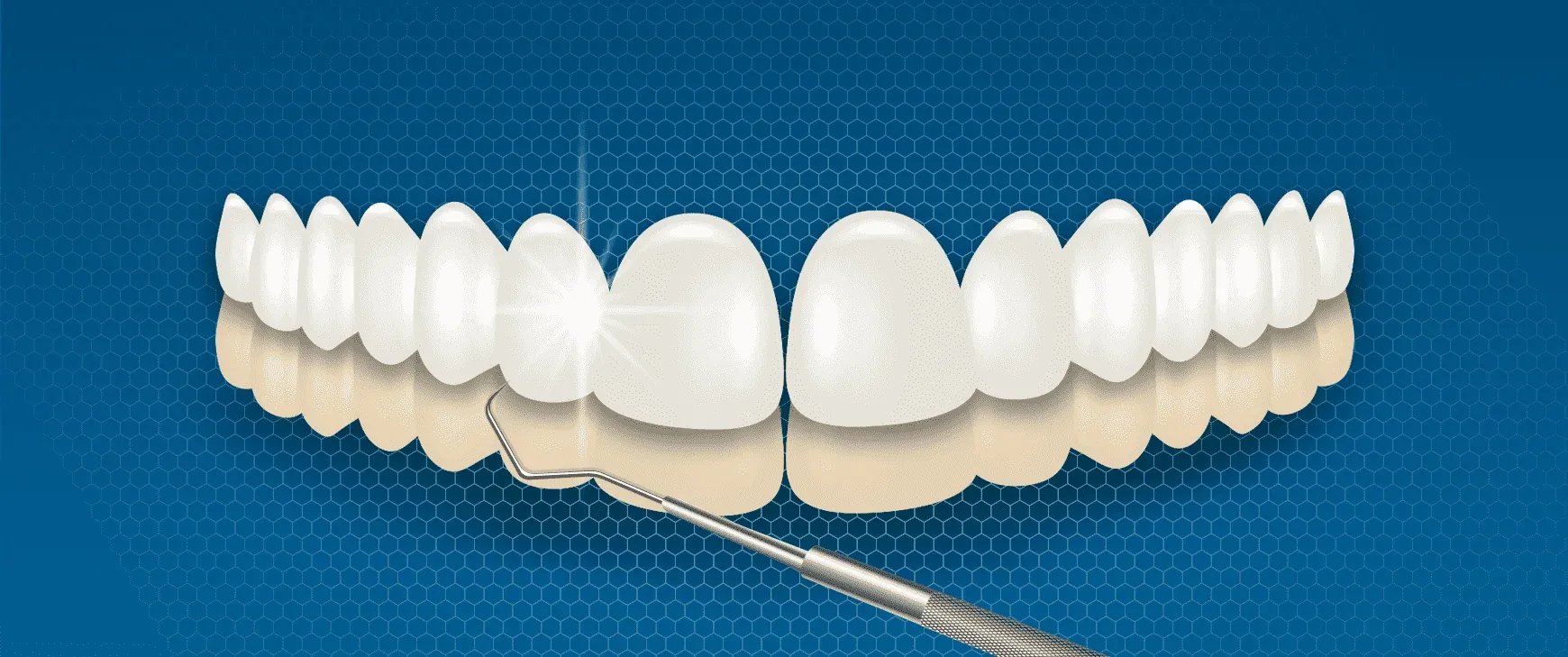
What is 10x10 Examination? What Does It Include?
10x10 examination enables systematic oral screening for early detection of cancer, lesions, and hidden diseases, supporting preventive dental care.
10x10 examination is a comprehensive clinical approach designed to evaluate intraoral tissues in a systematic and structured manner. This method ensures that not only the teeth, but also the gums, tongue, buccal mucosa, and the floor of the mouth are carefully examined. Early detection is extremely important because many oral diseases do not present symptoms in their initial stages. For this reason, the 10x10 examination provides a preventive and diagnostic advantage.
Oral health is closely connected to overall systemic health. When systematic evaluation is not performed, small lesions can easily be overlooked. Precancerous changes, in particular, may remain unnoticed without structured examination. Establishing a habit of regular oral assessment significantly improves early diagnosis outcomes.
This examination method is valuable not only for diagnosis but also for preventive dentistry. It helps patients become more aware of oral hygiene and potential risks. Early identification of abnormalities allows timely intervention and prevents disease progression. The details of this method are explained below under specific headings.
What Is the 10x10 Examination and How Is It Performed?
The 10x10 examination refers to a systematic evaluation of all intraoral tissues using a structured protocol. During the procedure, each anatomical area is examined carefully and consistently. The teeth, gum margins, tongue surfaces, inner cheeks, and floor of the mouth are all inspected in detail. This structured approach improves diagnostic accuracy and ensures that no abnormalities are missed.
The procedure typically involves visual inspection combined with gentle palpation. Dental professionals may use enhanced lighting or magnification tools to improve visibility. These tools help detect subtle tissue changes such as discoloration, thickening, or irregular textures. Early identification of these changes improves treatment success rates.
Regular implementation of this examination provides preventive benefits. Even if the patient does not report symptoms, early-stage abnormalities can be detected. This makes the 10x10 examination an essential part of comprehensive oral care. Systematic evaluation provides more reliable results than routine visual checks.
Which Conditions Can Be Detected Early with the 10x10 Examination?
The 10x10 examination plays a critical role in detecting oral cancer at an early stage. Oral cancer often begins as small red or white lesions that may not cause discomfort. Because these early signs are painless, patients may not notice them. Systematic examination enables early diagnosis and intervention.
In addition to cancer detection, fungal infections and chronic mucosal irritation can also be identified. Early signs of gum disease such as inflammation, bleeding, or recession may become visible during detailed examination. Detecting these problems early allows for less invasive treatment.
Early diagnosis significantly simplifies treatment. Small lesions can often be treated quickly and effectively. However, delayed detection may require more complex procedures. This highlights the importance of regular structured examination.
Why Is the 10x10 Examination Important for Oral Cancer Risk?
Oral cancer often develops without noticeable symptoms in the early stages. Minor tissue changes such as color variation or surface irregularities may seem insignificant. The 10x10 examination ensures that these subtle abnormalities are evaluated thoroughly. Early detection significantly improves treatment success.
Individuals who smoke or consume alcohol face a higher risk of oral cancer. Regular screening is especially important for these individuals. Systematic examination helps detect suspicious lesions before they progress into serious conditions.
Certain areas, including the sides of the tongue and the floor of the mouth, are particularly vulnerable. These regions require careful and detailed inspection. Structured evaluation ensures early identification and better preventive care.
Who Should Receive the 10x10 Examination More Frequently?
The 10x10 examination is particularly important for individuals in high-risk groups. Tobacco users, alcohol consumers, and individuals with a family history of oral cancer require more frequent screening. These individuals have a higher risk of developing oral abnormalities.
Patients with weakened immune systems are also more vulnerable to oral infections and tissue changes. Regular examination allows early detection and management of these conditions. Preventive monitoring reduces the risk of complications.
Patients who use dental prostheses should also undergo systematic examination regularly. Chronic friction from prosthetic devices can lead to tissue irritation. Routine evaluation ensures early identification and proper management.
How Long Does the 10x10 Examination Take and Is It Uncomfortable?
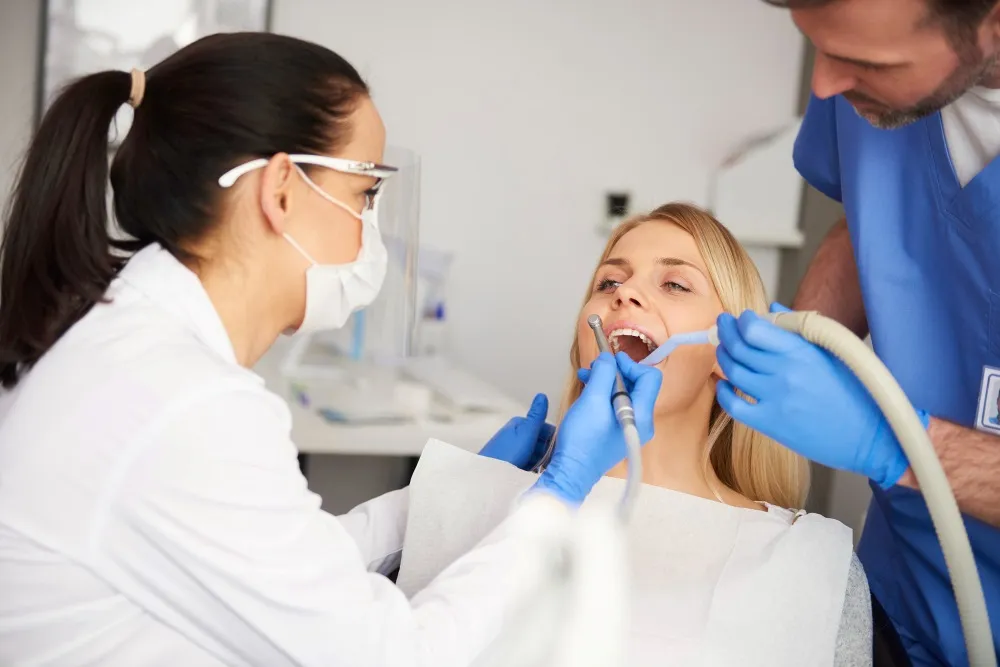
The 10x10 examination is usually completed within a short period while still providing a thorough evaluation. On average, the procedure takes approximately 10 to 15 minutes. During this time, all intraoral regions are examined systematically. This ensures comprehensive assessment without unnecessary delay.
The examination is generally painless and non-invasive. It involves visual inspection and gentle tissue evaluation. Patients typically do not experience discomfort during the procedure. It does not interfere with daily activities.
Despite its short duration, the examination provides significant diagnostic value. Early detection of abnormalities allows timely intervention. This helps prevent serious oral health complications.
Importance of Systematic Oral Examination for Early Diagnosis
Early diagnosis is one of the most important factors in maintaining oral health. Many oral diseases develop silently without causing pain. Systematic examination allows early detection of these hidden conditions. Early intervention improves treatment outcomes.
Chronic irritation areas require careful monitoring. Sharp tooth edges, poorly fitting prostheses, and repeated trauma can lead to tissue changes. Regular examination ensures that these changes are identified early.
Early intervention reduces treatment complexity and cost. Preventive care protects long-term oral health. Systematic examination plays a key role in preventive dentistry.
Is the 10x10 Examination Necessary for Children and Young Individuals?
The 10x10 examination is important not only for adults but also for children and young individuals. Although oral cancer risk is lower in younger populations, other oral conditions can occur. Viral infections, mucosal lesions, and developmental abnormalities can be detected early. This allows timely intervention.
Oral habits such as cheek biting and teeth grinding can also affect oral tissues. Early detection prevents long-term complications. Regular examination supports healthy oral development.
Young individuals undergoing orthodontic treatment also benefit from systematic examination. Orthodontic appliances can cause tissue irritation. Early identification allows appropriate management.
What Signs Are Evaluated During the 10x10 Examination?
During the 10x10 examination, tissue color changes, ulcers, and abnormal growths are carefully evaluated. White patches, red lesions, or persistent sores require attention. These changes may indicate underlying health issues. Early detection is essential.
The tongue surface and floor of the mouth are also carefully examined. Tissue firmness and texture are evaluated. Chronic irritation signs are monitored. Structured examination improves diagnostic accuracy.
Patients are also educated on self-examination techniques. Awareness helps patients recognize abnormal changes early. Preventive awareness improves oral health outcomes.
How Often Should Systematic Oral Examination Be Performed?
The frequency of examination depends on individual risk factors. For most individuals, annual examination is recommended. High-risk individuals may require more frequent evaluation. Regular monitoring ensures early detection.
Routine examination also helps monitor gum health and prosthetic fit. Early identification of issues prevents complications. Preventive care reduces long-term health risks.
Consistent examination habits support overall oral health. Preventive evaluation improves quality of life. Regular monitoring is essential for long-term oral wellness.
What Is the Difference Between the 10x10 Examination and Routine Oral Checkups?
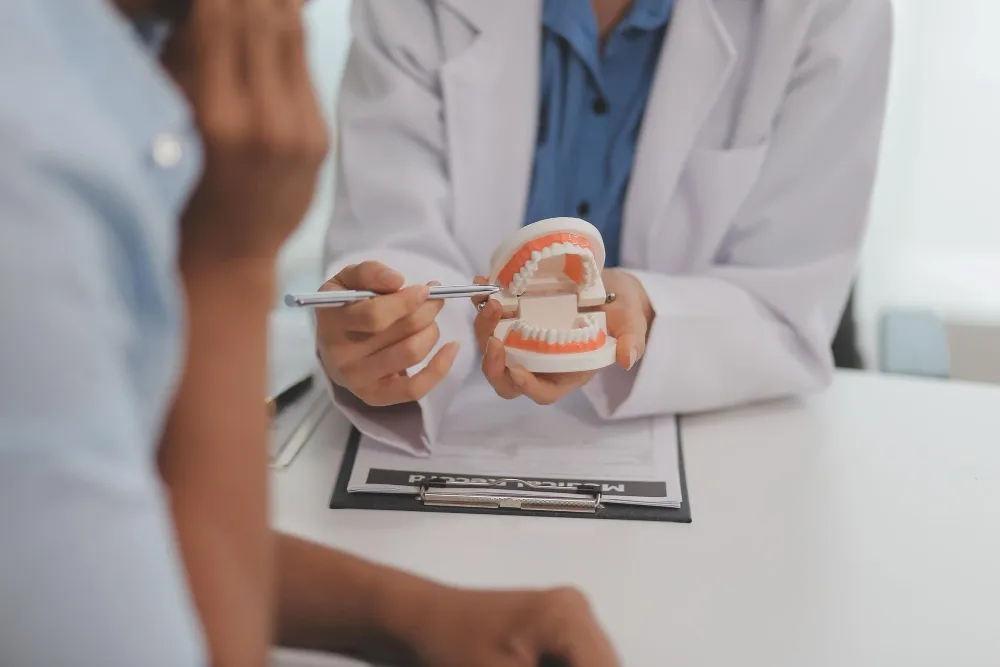
Routine dental checkups focus primarily on teeth and gum health. The 10x10 examination evaluates all oral tissues systematically. This approach provides a more comprehensive assessment. It improves diagnostic accuracy.
Structured evaluation reduces the risk of missing abnormalities. Early detection allows timely treatment. Preventive care improves overall health outcomes.
Systematic examination supports long-term oral health. It provides greater diagnostic reliability. Comprehensive evaluation is essential for preventive dentistry.
Why Should Persistent Oral Lesions Be Taken Seriously?
Oral lesions that do not heal within two weeks require professional evaluation. Persistent lesions may indicate underlying health conditions. Early diagnosis improves treatment outcomes. Delayed treatment increases complications.
Small lesions can develop into serious conditions if ignored. Professional examination ensures proper diagnosis. Early intervention prevents disease progression.
Preventive evaluation protects long-term oral health. Awareness improves early detection. Timely care improves overall health outcomes.
For your information --> Zirconium Crowns
Why Is the 10x10 Examination Important in Preventive Dentistry?
The 10x10 examination plays a key role in preventive dental care. It helps identify abnormalities before symptoms develop. Early intervention improves treatment success. Preventive care protects long-term oral health.
This approach also improves patient awareness. Patients learn to recognize early warning signs. Preventive education improves health outcomes.
Regular examination ensures long-term oral stability. Preventive care reduces treatment complexity. Systematic evaluation is essential for comprehensive oral health management.
For those who are interested --> Root Canal Treatment
Does the 10x10 Examination Help Detect Systemic Diseases?
The 10x10 examination does not only focus on oral conditions; it may also provide early clues about systemic diseases. Many systemic disorders manifest initial symptoms inside the mouth before other parts of the body are affected. For example, certain vitamin deficiencies, autoimmune disorders, and blood-related diseases can cause mucosal changes, ulcers, or unusual bleeding patterns. A structured oral evaluation increases the likelihood of identifying these early warning signs.
Changes in gum health, unusual tongue appearance, or persistent oral dryness may indicate underlying medical conditions. For instance, uncontrolled diabetes can lead to recurrent infections and delayed healing in oral tissues. Similarly, autoimmune diseases may present with chronic ulcers or mucosal inflammation. Detecting these patterns during routine evaluation allows timely referral for medical assessment.
This broader diagnostic perspective highlights the importance of comprehensive oral screening. Dentists are often among the first healthcare professionals to notice subtle systemic indicators. A systematic approach strengthens interdisciplinary healthcare collaboration. Early identification of systemic signs improves overall patient outcomes.
Click to learn --> implant
How Does the 10x10 Examination Support Long-Term Oral Health Planning?
The 10x10 examination plays an essential role in long-term oral health management. By documenting tissue conditions at regular intervals, clinicians can monitor changes over time. This structured comparison allows early identification of progressive conditions. Continuous monitoring strengthens preventive care strategies.
Tracking minor mucosal changes helps determine whether they remain stable or show signs of progression. Early-stage abnormalities can be re-evaluated and monitored instead of immediately treated, reducing unnecessary interventions. This evidence-based approach supports personalized dental care. Long-term planning becomes more precise and data-driven.
Additionally, regular structured examination enhances patient engagement. When patients understand the importance of consistent monitoring, they become more proactive in maintaining oral hygiene. Preventive care reduces the risk of advanced disease development. Over time, systematic evaluation contributes significantly to sustained oral health and improved quality of life.
It may interest you --> Hollywood Smile Turkey
Doctor Profile

This content has been evaluated in accordance with Hospitadent Medical Publication Board standards for medical accuracy, currency and patient information.
Our Awards
See All ›2019 – 2020
Health Tourism Champion
Since its founding, Hospitadent has provided oral and dental care to patients travelling from every continent for health tourism. In the Service Exporters' Association research of 2019 and 2020, we ranked first in the Dental Health Services category. Within the same report we placed 15th among all healthcare institutions in 2019 and moved up to 10th in 2020. With uncompromising customer satisfaction, Hospitadent remains the healthcare institution that treats the highest number of international oral and dental patients.
2013
TEMOS International Quality Certificate
Guided by dedicated international departments, Hospitadent welcomes patients from abroad without any language barriers, offering assistance with accommodation, city and Bosphorus tours, concierge guidance, treatment logistics and medication support to keep satisfaction at its peak. With the goal of carrying the same quality standards to both Turkish and foreign patients, we received the TEMOS "International Quality in Dental Care" certificate in 2013—an accreditation granted by the organization that evaluates and certifies worldwide patient service quality based on the "Made in Germany" quality seal.
2020
Turquality Brand Support Program
For 16 years, the Turquality Brand Support Program has helped Turkish products build and promote their image abroad. Dental Group Hospitadent earned the right to join this initiative, taking an important step on its branding journey. Being the first dental healthcare group in a program that includes only five hospitals from the healthcare sector proves not only the quality image we project, but also the high standards we uphold.
2018
Stevie Awards – Most Innovative Customer Service
The Stevie Awards, recognized worldwide for honoring outstanding organizations and leaders, is the only international business awards program. In 2018, Hospitadent became the first hospital in Turkey to win a Stevie Award by receiving the "Most Innovative Customer Service of the Year" prize. Signature experiences such as Smiling Center, Digital Smile Design and Dental SPA played a decisive role in earning this accolade.
2019 – 2020
Service Exporters Association Award
Serving dental tourists from all over the world since its foundation, Hospitadent was honored by the Service Exporters' Association in the Champions of Service Exports program, which celebrates the rising value of Turkey's service industries. Thanks to its contribution to the national economy, Hospitadent received a certificate of achievement and ranked 15th among general healthcare institutions in 2019 and 10th in 2020, continuing to lead oral and dental treatments with an unwavering focus on patient satisfaction.
2021
Great Place To Work® Certified
Based on the employee experience and satisfaction survey completed by our teams, GPTW Turkey evaluated Hospitadent and awarded us the "Great Place To Work® Certified" distinction. As the first and only dental hospital holding this leading workplace culture certificate, Hospitadent continues its journey toward many more achievements.