Dental Bridge Treatment: Types, Application Process & Costs
What is a dental bridge and how does it replace missing teeth? Explore the traditional, cantilever, and Maryland types, application steps, and care tips.
The stability and function of the human dentition depend entirely on the continuity of the dental arch. When one or more teeth are lost due to deep decay, severe periodontal disease, or sudden trauma, it leaves behind a physical gap that threatens the biomechanics of the entire mouth. For decades, the most reliable and time-tested fixed method used by restorative clinicians to close these gaps has been a multi-unit prosthetic restoration designed to literally span the empty space. This prosthetic framework hooks onto the remaining natural teeth, establishing a continuous chewing plane, preventing the migration of adjacent teeth, and restoring natural facial proportions. While modern implant technology has grown significantly, this traditional fixed restoration remains an essential, quick, and highly aesthetic solution for millions of patients looking to regain their oral function and smile confidence.
What Exactly Is a Dental Bridge and How Does It Work?
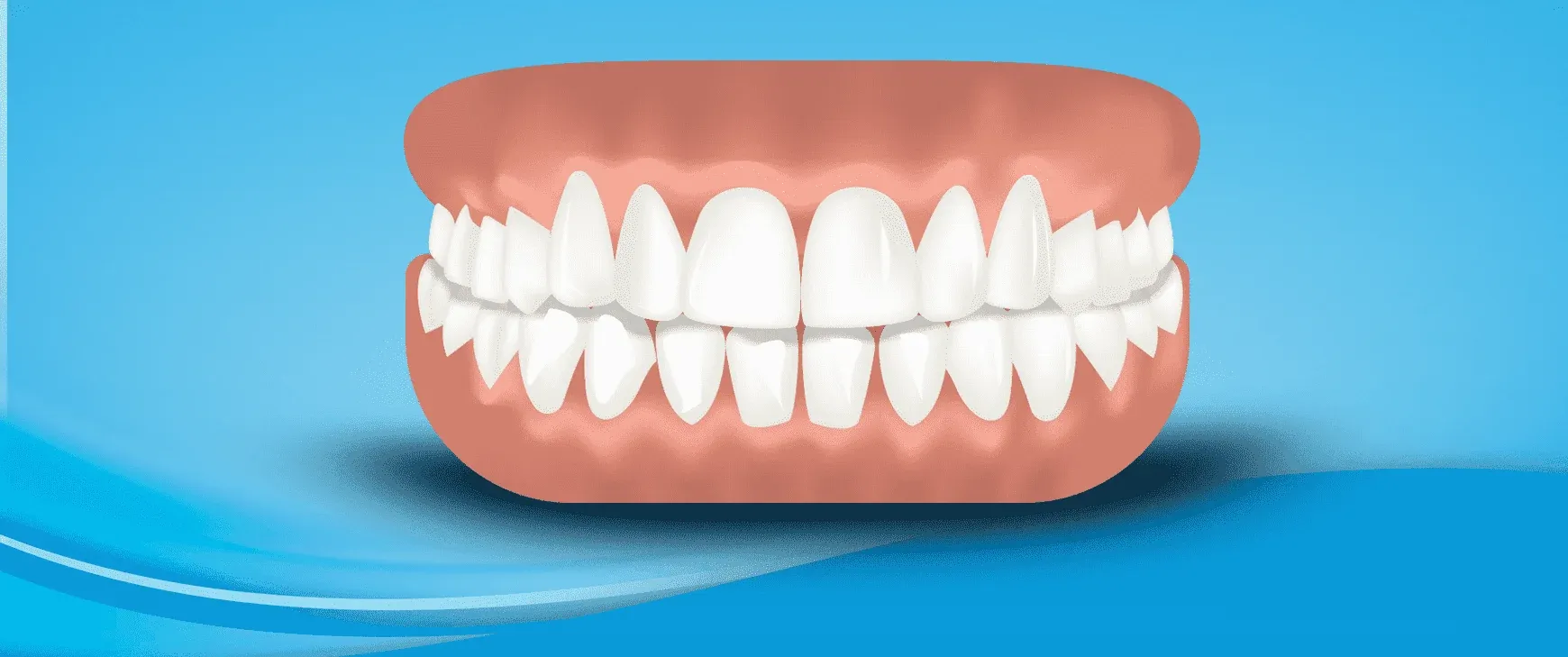
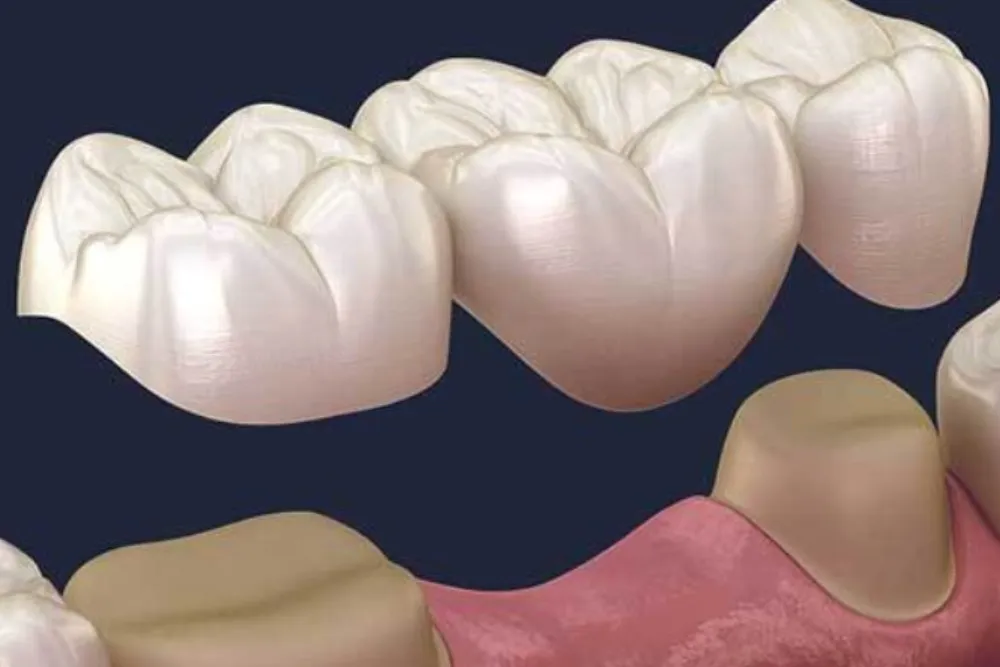
In clinical restorative dentistry, a dental bridge is a fixed, non-removable prosthetic appliance engineered to replace one or several consecutive missing teeth. The structural design of this device follows basic architectural principles, consisting of two primary components: the abutments and the pontics.
The abutments are the anchoring elements, which are custom-milled caps cemented directly onto the natural teeth flanking either side of the empty gap. The pontics are the artificial floating crowns suspended in the middle, which physically occupy the empty space and rest gently against the soft gum tissue. By permanently anchoring the floating teeth to the prepared natural teeth, the entire unit creates a rigid, unified structure. This structure successfully withstands the immense vertical and horizontal mechanical forces generated during daily chewing, providing a seamless and highly comfortable alternative to removable options.
What Are the Main Structural Types of Bridges Available?
Modern dental materials and engineering have allowed prosthodontists to design multiple variations of this classic restoration. The choice of blueprint depends entirely on the location of the missing tooth, the strength of the neighboring teeth, and the overall bite force of the patient.
Traditional Fixed Bridge
This is the most common variation used in global dentistry. It consists of one or more floating pontics held in place by full contour crowns cemented onto the natural teeth on both sides of the gap. This design offers maximum structural rigidity and is the preferred approach for high-pressure zones like the back molars, provided the neighboring anchor teeth have adequate bone support.
Cantilever Restorations
A cantilever structure is chosen when there is a healthy anchor tooth on only one side of the missing tooth gap. The floating pontic is suspended and supported by a crown on just one end. Because this configuration creates a heavy leverage effect on the anchoring root during chewing, it is strictly used in low-pressure areas, such as replacing a single front incisor, where mechanical forces are minimized.
Maryland Bonded Bridge
Commonly used as a highly conservative or temporary solution for missing front teeth in teenagers and young adults, this design does not require the heavy grinding down of healthy teeth. Instead of full crowns, the floating pontic is held in place by thin metal or porcelain wings that are micromechanically bonded onto the hidden, interior back surfaces of the adjacent teeth, completely preserving the natural enamel structure.
Why Should You Replace a Missing Tooth Immediately?
Choosing to completely ignore an empty space in your mouth out of fear or procrastination is a serious medical mistake that can lead to severe, irreversible structural damage over time. The human dentition operates on a delicate balance of physical touch and equalized structural pressure. When an isolated tooth is extracted, the surrounding teeth lose their natural lateral support.
Within a matter of months, the teeth on either side of the gap will naturally begin to tilt, lean, and slide inward into the empty space under the daily pressure of biting. Simultaneously, the opposing tooth in the opposite jaw will begin to over-erupt, growing vertically outward into the gap because there is no counter-force to stop it. This chain reaction completely destroys the natural alignment of your bite, creating hard-to-clean geometric spaces that trigger widespread gum infections, accelerated decay on the remaining healthy teeth, and chronic jaw joint pain (TMJ dysfunction) that is significantly more complex and expensive to fix down the road.
Is a Dental Bridge Better Than Removable Dentures?
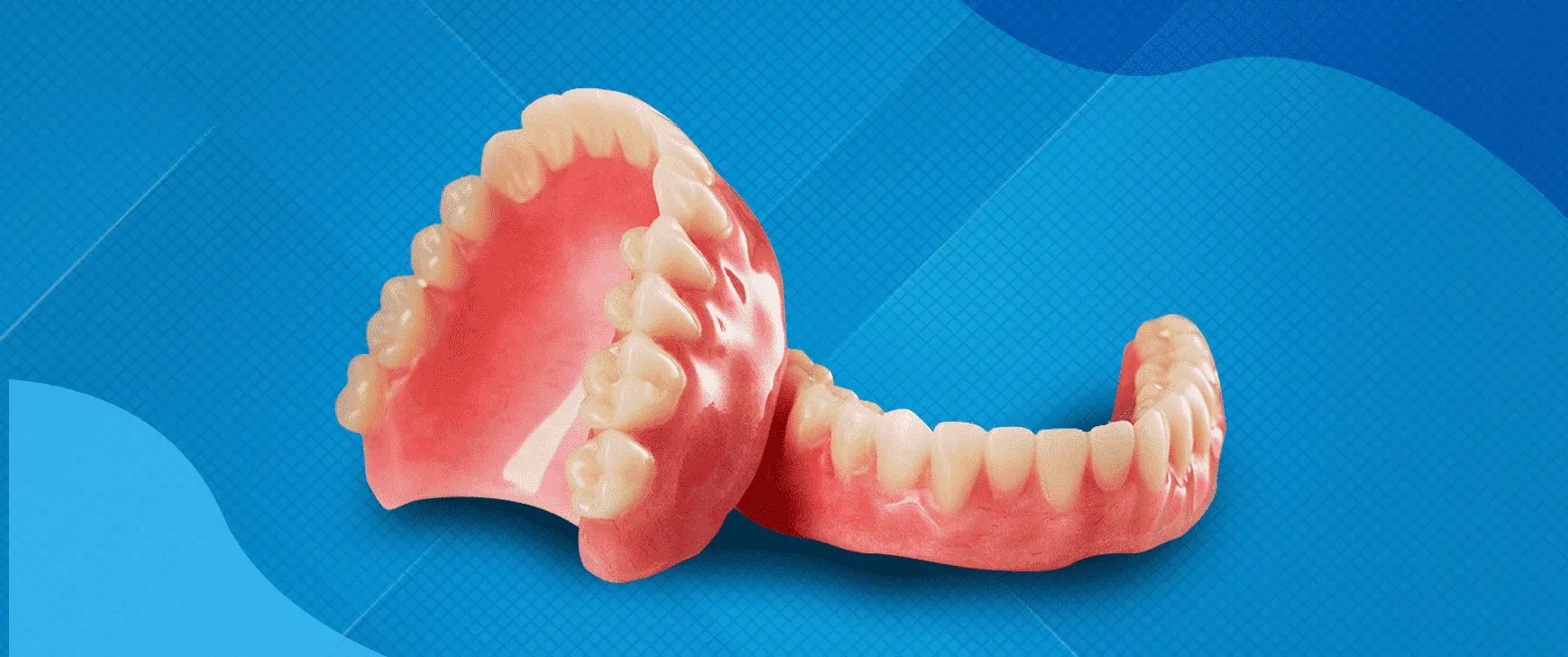
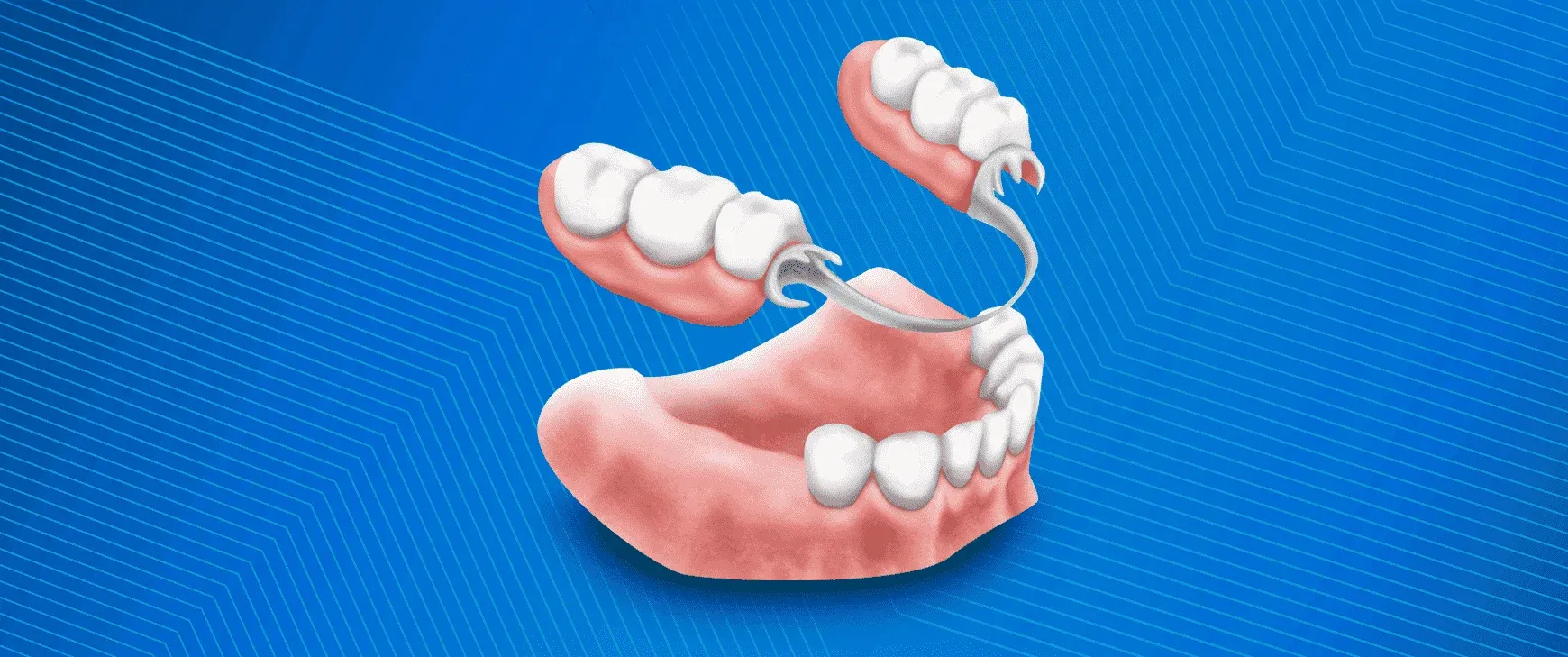
When deciding how to replace multiple missing teeth across a dental arch, patients frequently compare fixed tooth-supported bridges with partial dentures. While removable partial prosthetics can cover large areas of missing teeth economically, they introduce a distinct set of physical limitations. Removable options rely on metal clasps that hook around natural teeth, creating high mechanical friction that can loosen the anchor teeth over time. They also sit superficially on top of the soft gums, leading to slippage during speech and painful mouth sores.
A fixed prosthetic bridge, however, is permanently cemented in place, completely eliminating the risk of moving or clicking while eating or speaking. It restores a significantly higher percentage of your natural biting force and eliminates the psychological anxiety associated with removing your teeth at night. For patients seeking a high-quality, seamless experience that looks and feels like natural teeth, a fixed bridge is vastly superior to removable alternatives.
How Does a Dental Bridge Compare to a Dental Implant?
While both procedures are designed to permanently fill an empty tooth gap, they solve the problem using entirely opposite biological philosophies. A dental implant is an independent tooth-replacement system where a titanium screw is surgically inserted into the jawbone, acting as an artificial root that stands entirely on its own without touching the adjacent teeth.
A traditional fixed bridge, conversely, requires the dentist to use a high-speed drill to permanently grind away a significant portion of the healthy protective enamel from the neighboring teeth to make room for the anchoring caps. If those healthy neighbor teeth develop deep decay or nerve infections years down the road, the entire bridge structure will fail. However, a bridge holds a distinct clinical advantage in terms of speed and accessibility; it requires absolutely zero surgical bone grafting or months of healing, providing a complete, non-invasive restoration within a single week.
What is the Step-by-Step Fitting Process for the Treatment?
Fabricating a high-precision, custom tooth-supported bridge is a systematic, multi-stage process split across two primary clinical appointments. The success of the final prosthesis depends heavily on the meticulous craftsmanship of the dental team:
- Abutment Tooth Preparation: During the initial appointment, the dentist applies local anesthesia to completely numb the area. Using a high-speed diamond bur, the clinician carefully resizes and shapes the natural teeth on either side of the gap, removing the outer layer of enamel to create a smooth, tapered core that will perfectly fit the new anchoring crowns.
- High-Resolution Digital Impressions: Once the anchor teeth are prepared, the dentist uses a modern intraoral 3D scanner or a soft physical tray material to take an exact optical mold of the upper and lower arches. This digital blueprint registers the precise margins of the teeth and the details of the patient's bite, which is then sent directly to a specialized laboratory.
- Temporary Bridge Placement: Because the prepared natural teeth are now exposed and can be highly sensitive to hot and cold temperatures, the dentist fabricates a temporary acrylic bridge in the office and cements it with a soft, temporary adhesive to protect the roots and maintain aesthetics while the final piece is being made.
- Laboratory Milling and Final Cementation: Over the course of a few days, a master technician utilizes CAD/CAM technology to mill the final bridge structure. At the second appointment, the temporary acrylic unit is removed, the natural teeth are thoroughly sterilized, and the dentist checks the fit, margins, and color of the final bridge. Once the bite is perfectly aligned, the bridge is permanently locked onto the anchor teeth using a strong, biocompatible glass ionomer cement.
Which Materials Offer the Absolute Best Esthetics?
The type of material selected for your fixed bridge plays an integral role in determining the final longevity, mechanical strength, and translucent beauty of your new smile. Modern prosthodontics offers highly advanced options tailored to specific zones of the mouth.
- Monolithic Zirconia Bridges: Milled out of a single block of high-grade industrial ceramic, zirconia is the premium choice in modern dentistry. It is virtually indestructible, making it ideal for the back molar regions where chewing forces are highest. Furthermore, zirconia possesses an advanced translucent quality that mimics the natural reflection of human enamel, ensuring the bridge blends seamlessly into the smile.
- Lithium Disilicate (E-Max) Ceramics: Universally favored for front smile reconstructions, E-max ceramics offer unparalleled aesthetic depth, allowing master ceramists to match the exact shade gradients, characteristics, and textures of your natural incisors and canines.
- Porcelain-Fused-to-Metal (PFM) Structures: A traditional, time-tested material combination featuring a cast metal sub-structure covered with hand-stacked layers of dental porcelain. While highly durable and cost-effective, PFM restorations can occasionally develop an unsightly dark metal line at the gumline over time as the tissues naturally recede, which is why pure ceramics are preferred for front smile zones.
How Many Years Can a High-Quality Bridge Last?
With an uncompromised standard of daily home care and regular professional evaluations, a custom fixed bridge can easily provide a healthy, fully functional lifespan of 10 to 15 years, or even longer. The ceramic and zirconia materials used to construct the crowns are completely biokompatibel and naturally immune to developing dental cavities.
However, the primary vulnerability that determines the real lifespan of the treatment is the health of the underlying natural anchor teeth beneath the porcelain caps. If a patient allows bacterial plaque to accumulate along the margins where the crown meets the gum tissue, the bacteria can seep underneath the margins, triggering a hidden cavity on the root of the supporting tooth. If the natural root becomes structurally decayed or soft, it can no longer support the bridge, leading to the collapse of the entire prosthesis.
How to Properly Clean and Maintain a Dental Bridge at Home?
Because a fixed bridge features a floating pontic suspended directly over an empty socket, it creates a unique oral hygiene challenge. Food particles, sticky plaque, and bacteria can easily glide underneath the floating crown, turning it into a chronic reservoir for bad breath and gum inflammation if left unaddressed. Patients must commit to a specialized daily cleaning routine:
- Detailed Brushing Twice a Day: Brush all surfaces of the bridge and the adjacent natural teeth at least twice a day using a soft-bristled toothbrush or a modern sonic brush paired with a non-abrasive gel toothpaste to prevent scratching the glaze.
- The Use of Specialized Bridge Floss: Because a standard piece of dental floss cannot pass vertically through the connected crowns, patients must use a specialized implant floss (Superfloss) equipped with a stiff plastic threader tip. The stiff tip is threaded horizontally through the open gap directly under the floating tooth, allowing the thick, fluffy section of the floss to sweep out trapped debris.
- Incorporate Plastic-Coated Proxy Brushes: Use tiny interdental micro-brushes to gently scrub the tight vertical junctions where the anchoring crowns meet the natural gums, clearing out bacterial colonies.
- Utilize an Adjustable Water Flosser: Incorporate an oral irrigator on a medium setting to power-flush loose food particles out from underneath the suspended bridge after heavy meals.
Why Is a Six-Month Professional Maintenance Appointment Mandatory?
While maintaining a strict home hygiene routine is an excellent foundation, it is physically impossible for a patient to clear away hard, calcified tartar deposits from the sub-gingival margins entirely on their own. Over time, these mineralized deposits build up around the margins of the bridge, acting as a permanent sanctuary for destructive bacteria. For this reason, visiting the clinic for a professional dental cleaning every six months is a mandatory requirement.
During these specialized appointments, the dental hygienist uses custom, scratch-free instruments to scale away tartar all around the anchoring teeth without scratching the smooth porcelain finish. The dentist checks the mechanical integrity of the cement seal and evaluates the health of the supporting bone structure using low-dose digital x-rays, ensuring any signs of hidden root decay are caught in their absolute infancy before they can compromise the entire restoration.
What Are the Immediate Post-Treatment Risks and Side Effects?
Undergoing a multi-unit tooth preparation is a major structural event for the oral tissues, and patients should expect a minor, temporary adjustment period immediately following their cementation appointment. The most common post-treatment side effect is a mild to moderate sensitivity to hot and cold temperatures or sweet foods. Because the natural teeth were ground down to fit the anchoring crowns, the underlying microscopic dentin tubules can be temporarily irritated by the chemical composition of the new cement.
This sensitivity is completely normal and fades away within a couple of weeks as the nerve adapts. Additionally, the patient's bite may feel slightly "high" or strange for the first 24 to 48 hours as the jaw muscles adjust to the new chewing plane. If this sensation persists, a quick trip back to the clinic allows the dentist to use an articulating paper and a micro-polisher to smooth down any high spots within a matter of minutes.
Why Seek Affordable Dental Care in Turkey for Restorative Dentistry?
When a patient requires extensive multi-unit dental restorations—such as combining multiple porcelain bridges with root canals, deep cleanings, or cosmetic smile designs—the accumulative fees can become an overwhelming financial obstacle in Western countries. This high economic barrier has motivated thousands of international patients annually to seek alternative healthcare pathways abroad.
By choosing to secure affordable dental care in Turkey, parents and adults can access elite dental networks that feature state-of-the-art diagnostic technologies and fully integrated CAD/CAM laboratories. Turkish restorative specialists manage an immense volume of complex structural cases every year, providing an unmatched level of clinical routine and safety. International patients can receive top-tier, custom-milled zirconia bridges utilizing premium global materials at a fraction of the cost found in the US or UK, allowing them to completely restore their oral health without financial compromise.
How Does a Tooth-Supported Bridge Compare to an Implant-Supported One?
When an empty tooth gap is incredibly wide—such as missing three or four teeth in a row—a traditional tooth-supported bridge may no longer be a viable option because spanning such a massive distance places a destructive amount of mechanical leverage and stress onto just two natural anchor roots, causing them to fracture. To solve this dilemma, clinicians combine bridge technology with advanced implantology to create an implant-supported bridge.
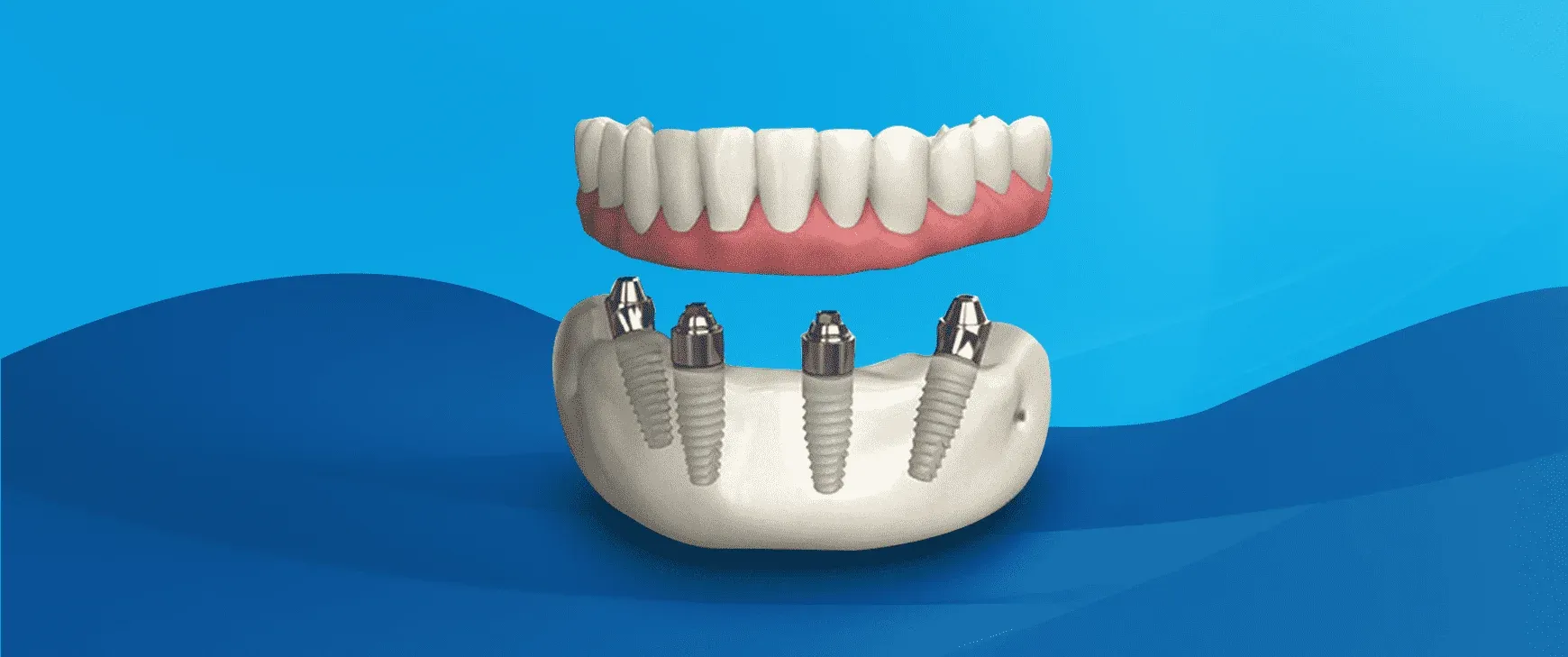
Instead of preparing your natural teeth, the oral surgeon places two titanium screws directly into the bone at each end of the empty gap. Once integrated, these artificial roots act as the physical abutments, and a multi-unit bridge is securely bolted straight onto the implants. This configuration provides a remarkably stiff, sturdy, and independent framework that can easily bridge massive gaps across the mouth without sacrificing or overloading a single natural tooth structure.
What Is the Real Financial Difference to a Dental Implant Cost?
When evaluating the long-term budget for tooth replacement, patients must weigh the immediate cost of a multi-unit bridge against the long-term investment of a dental implant cost. On a purely immediate basis, a three-unit fixed dental bridge is frequently more budget-friendly than a single independent implant setup because it avoids the costs associated with surgical room fees, specialized oral surgeons, and advanced 3D surgical guide templates.
However, when looking at the lifetime value of your mouth, an implant often proves to be more cost-effective. A dental bridge will likely need to be completely replaced after 10 to 15 years due to normal material wear or localized root decay on the anchor teeth, meaning you will face the replacement cost all over again. A titanium implant screw, conversely, is engineered to last a lifetime, requiring only the replacement of the simple top crown if it ever chips, making it a highly valuable, permanent solution for your oral health.
Are There Any Cons or Structural Disadvantages to Consider?
While a fixed prosthetic bridge is a fast, beautiful, and highly successful method for closing an empty tooth gap, it does introduce a few distinct clinical disadvantages that patients must carefully consider before starting treatment. The primary drawback is the mandatory biological sacrifice of the neighboring teeth; grinding down completely healthy, cavity-free enamel to serve as anchor pillars is an irreversible process that permanently alters those teeth for the rest of your life.
Additionally, because a bridge floats superficially over the empty gap, it does nothing to stop the natural process of bone resorption within the jawbone where the tooth was lost. Over decades, the bone beneath the floating pontic will continue to slowly shrink, creating a larger visible gap between the artificial tooth and the gums, which can occasionally cause minor aesthetic challenges or speech lisps if the area is not monitored during routine checkups.
Doctor Profile
Author and Medical Review
Dr. Jonathan CAN ATALAYProsthetic Dental Treatment Specialist
View ProfileThis content has been evaluated in accordance with Hospitadent Medical Publication Board standards for medical accuracy, currency and patient information.
Our Awards
See All ›2019 – 2020
Health Tourism Champion
Since its founding, Hospitadent has provided oral and dental care to patients travelling from every continent for health tourism. In the Service Exporters' Association research of 2019 and 2020, we ranked first in the Dental Health Services category. Within the same report we placed 15th among all healthcare institutions in 2019 and moved up to 10th in 2020. With uncompromising customer satisfaction, Hospitadent remains the healthcare institution that treats the highest number of international oral and dental patients.
2013
TEMOS International Quality Certificate
Guided by dedicated international departments, Hospitadent welcomes patients from abroad without any language barriers, offering assistance with accommodation, city and Bosphorus tours, concierge guidance, treatment logistics and medication support to keep satisfaction at its peak. With the goal of carrying the same quality standards to both Turkish and foreign patients, we received the TEMOS "International Quality in Dental Care" certificate in 2013—an accreditation granted by the organization that evaluates and certifies worldwide patient service quality based on the "Made in Germany" quality seal.
2020
Turquality Brand Support Program
For 16 years, the Turquality Brand Support Program has helped Turkish products build and promote their image abroad. Dental Group Hospitadent earned the right to join this initiative, taking an important step on its branding journey. Being the first dental healthcare group in a program that includes only five hospitals from the healthcare sector proves not only the quality image we project, but also the high standards we uphold.
2018
Stevie Awards – Most Innovative Customer Service
The Stevie Awards, recognized worldwide for honoring outstanding organizations and leaders, is the only international business awards program. In 2018, Hospitadent became the first hospital in Turkey to win a Stevie Award by receiving the "Most Innovative Customer Service of the Year" prize. Signature experiences such as Smiling Center, Digital Smile Design and Dental SPA played a decisive role in earning this accolade.
2019 – 2020
Service Exporters Association Award
Serving dental tourists from all over the world since its foundation, Hospitadent was honored by the Service Exporters' Association in the Champions of Service Exports program, which celebrates the rising value of Turkey's service industries. Thanks to its contribution to the national economy, Hospitadent received a certificate of achievement and ranked 15th among general healthcare institutions in 2019 and 10th in 2020, continuing to lead oral and dental treatments with an unwavering focus on patient satisfaction.
2021
Great Place To Work® Certified
Based on the employee experience and satisfaction survey completed by our teams, GPTW Turkey evaluated Hospitadent and awarded us the "Great Place To Work® Certified" distinction. As the first and only dental hospital holding this leading workplace culture certificate, Hospitadent continues its journey toward many more achievements.