What is Fixed Denture? How Does It Work?
What is a fixed denture? How is it done? Is fixed denture is a good option when compared to removable alternatives? What are its advantages? Click and learn.
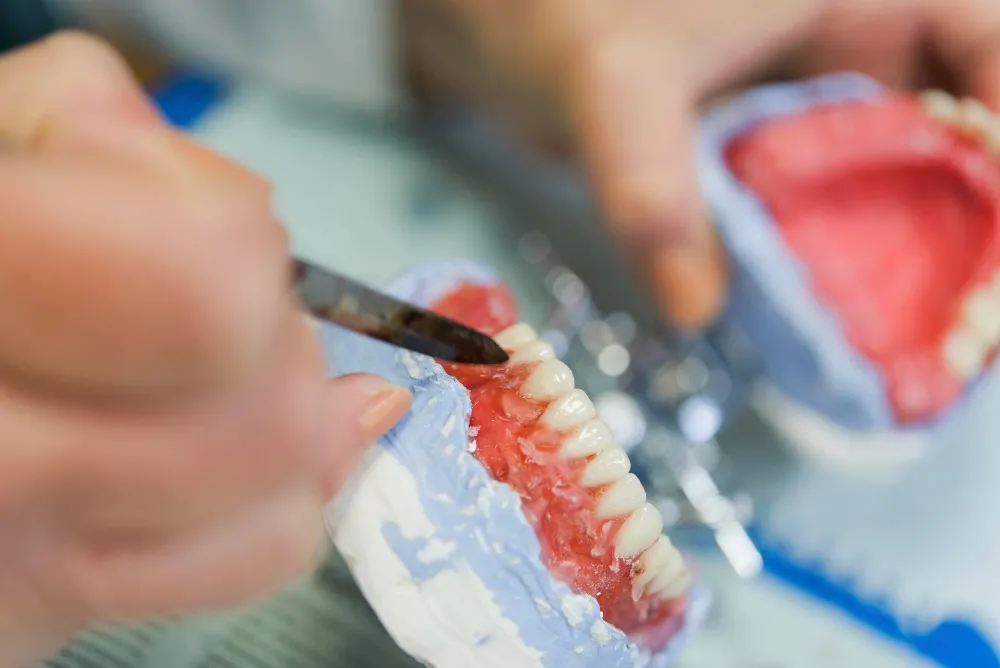
Fixed denture treatments are designed to restore missing teeth with stable, non-removable solutions that closely mimic natural teeth in both function and appearance. Unlike removable alternatives, fixed restorations remain securely in place, allowing patients to speak, chew, and smile with confidence. Advances in materials and techniques have made fixed dental solutions a popular choice for individuals seeking long-term comfort, durability, and aesthetic harmony. Proper planning and case selection play a key role in achieving successful and lasting outcomes.
What Is a Fixed Denture and How Does It Work?
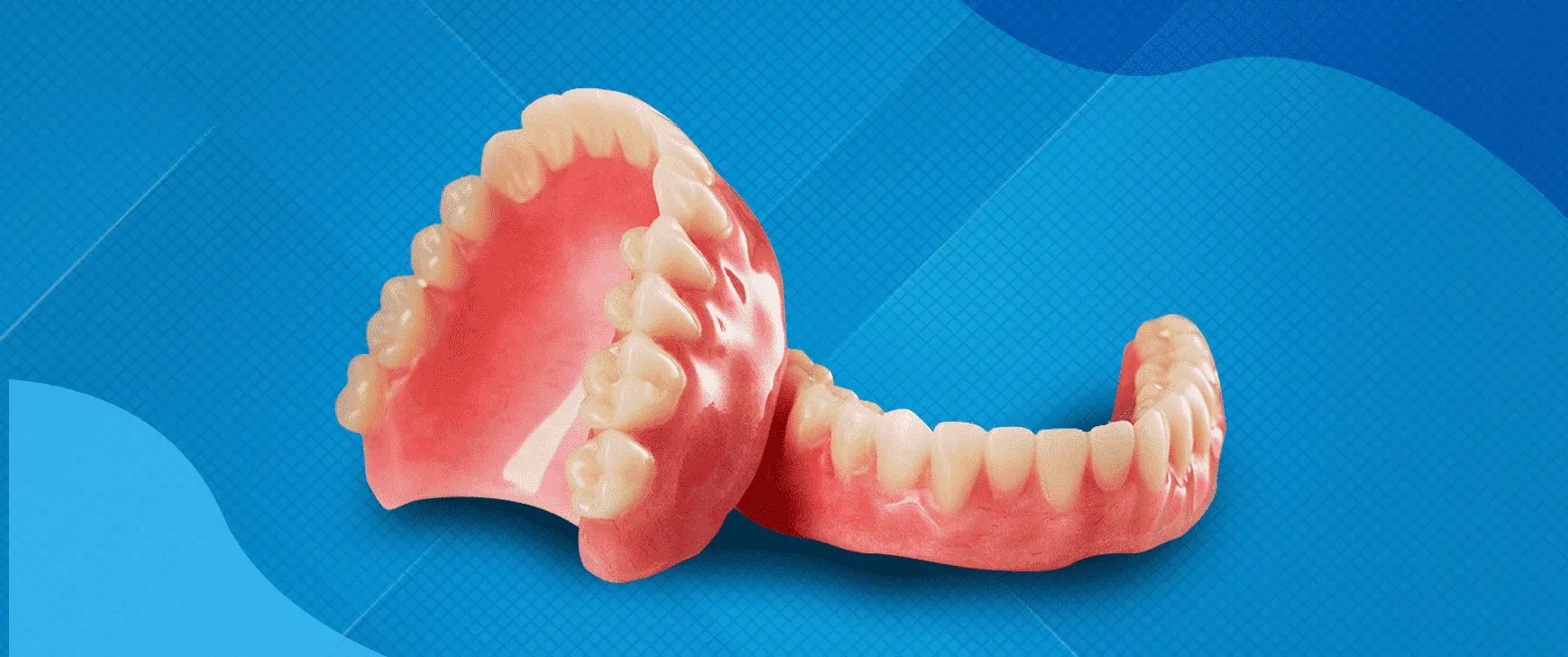
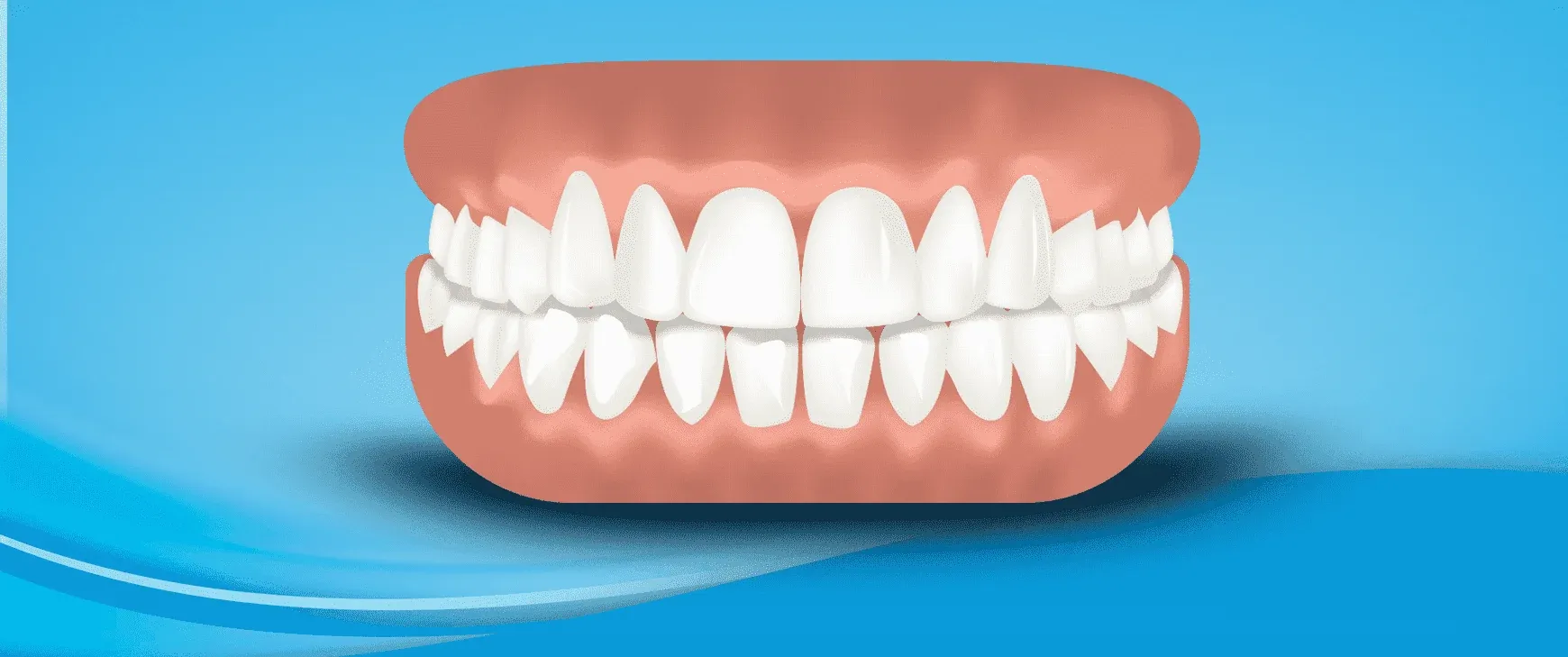
A fixed denture is a dental restoration that replaces one or more missing teeth and is permanently attached inside the mouth. It is supported by natural teeth or dental implants, which provide the necessary stability for daily use. Because it does not need to be removed, this type of restoration allows for a more natural experience compared to removable options.
The design of a fixed denture focuses on restoring proper bite function and maintaining facial structure. By distributing chewing forces evenly, it helps protect remaining teeth and supporting tissues. This approach supports long-term oral health while improving overall comfort during everyday activities.
Fixed Denture Solutions Compared to Removable Alternatives
Choosing between fixed and removable dental solutions often depends on comfort, stability, and lifestyle expectations. Fixed options offer a significant advantage in terms of security, as they remain firmly in place during eating and speaking. This stability can greatly improve confidence in social and professional settings.
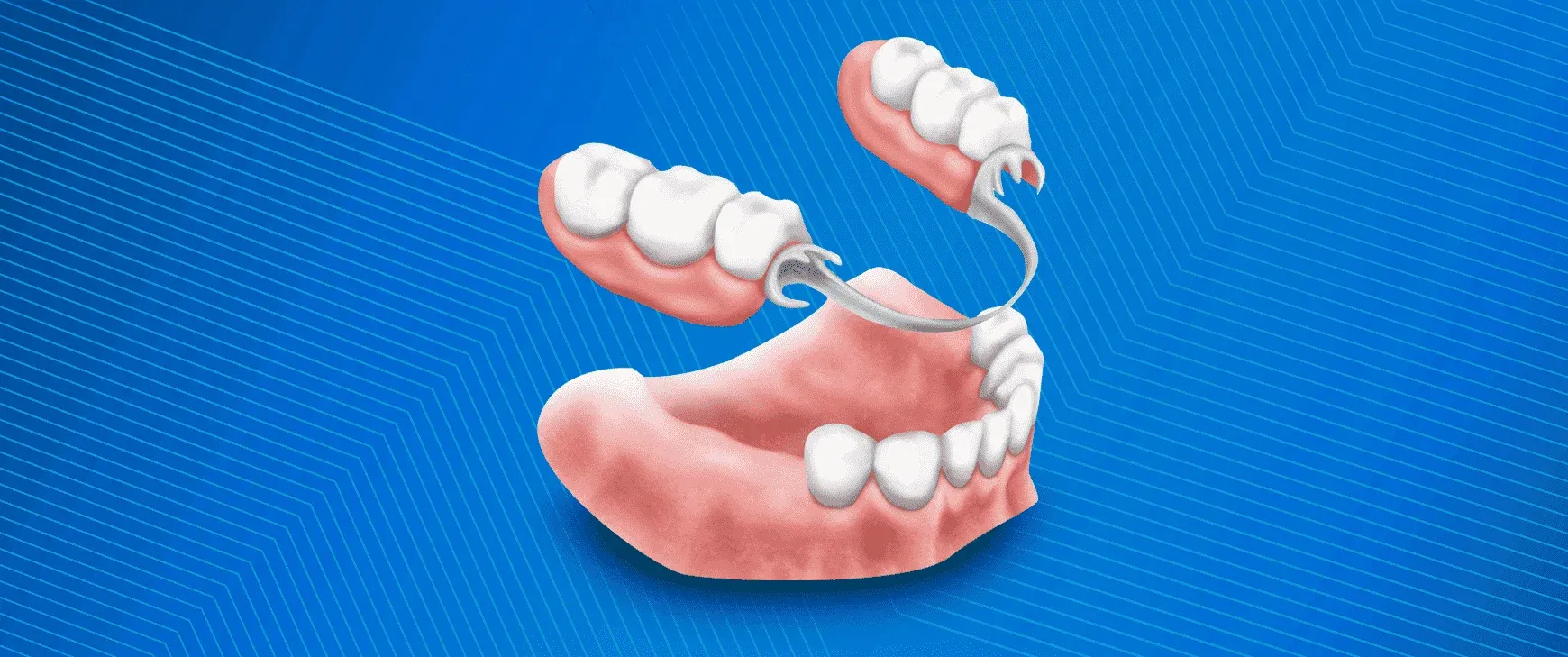
Removable alternatives, while suitable in some cases, may shift during use and require regular removal for cleaning. Fixed restorations eliminate these concerns and provide a more seamless integration with natural teeth. For many patients, this difference plays a decisive role in treatment preference.
Who Is a Suitable Candidate for Fixed Denture Treatment?
Suitability for fixed denture treatment depends on several factors, including oral health, bone support, and the condition of remaining teeth. Individuals with healthy gums and sufficient support structures are often good candidates for this type of restoration. A detailed evaluation is essential to determine whether fixed solutions are appropriate.
In some cases, preparatory treatments may be required before proceeding. These steps help ensure that the foundation for the restoration is stable and capable of supporting long-term use. Personalized assessment allows treatment planning to align with both functional needs and aesthetic goals.
Fixed Denture Benefits for Chewing and Speech Function
One of the key advantages of fixed denture solutions is their positive impact on chewing efficiency and speech clarity. Because the restoration is firmly secured, it allows for natural biting forces and clear pronunciation of words. Patients often report a quicker adaptation period compared to removable options.
Improved chewing function supports better digestion and dietary flexibility. At the same time, stable restorations reduce the risk of speech disruptions caused by movement or instability. These functional improvements contribute significantly to overall quality of life.
Materials Commonly Used in Modern Fixed Dental Restorations
Modern fixed dental restorations are created using advanced materials designed for strength, durability, and aesthetics. These materials are selected to blend naturally with surrounding teeth while withstanding daily functional demands. Their biocompatibility supports long-term comfort and oral health.
Material choice is influenced by factors such as bite forces, aesthetic expectations, and individual oral conditions. Selecting the appropriate option helps ensure that the restoration performs reliably over time while maintaining a natural appearance.
Fixed Denture Treatment Process Step by Step
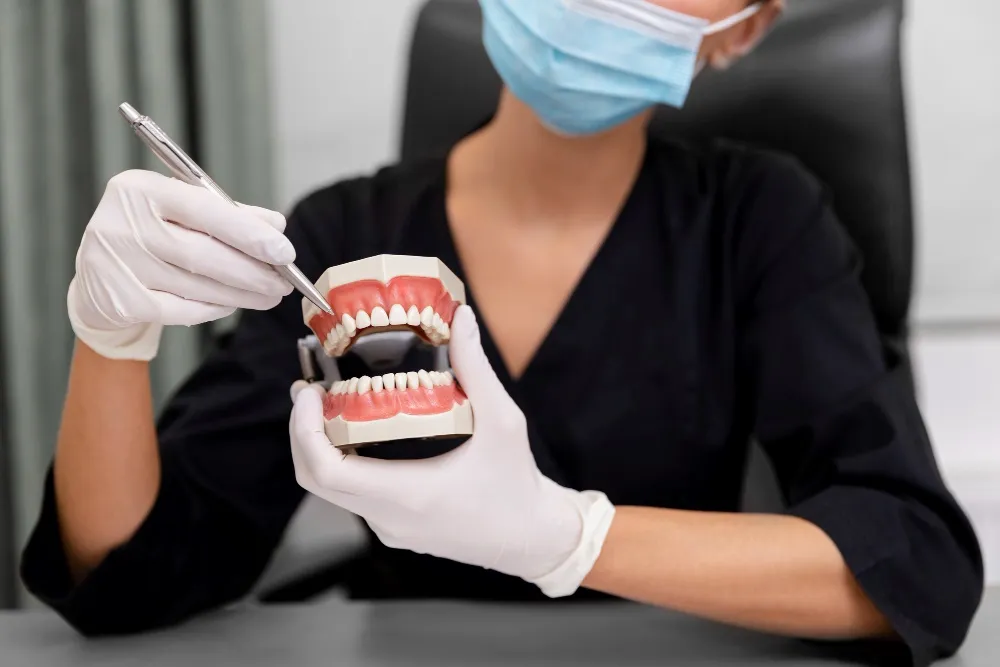
The fixed denture treatment process begins with a comprehensive oral examination to evaluate the condition of the remaining teeth, gums, and supporting bone structure. This initial assessment allows the dental team to determine whether a fixed solution is appropriate and to plan the most effective approach for long-term stability.
Once suitability is confirmed, the supporting teeth or implants are carefully prepared to receive the restoration. Precision is essential at this stage, as the foundation directly influences comfort and durability. Advanced imaging and impression techniques help ensure that the final restoration fits accurately and functions naturally.
The final placement is performed after careful verification of bite alignment and aesthetics. Because the restoration is permanently secured, patients can begin using it immediately without the adjustment period often associated with removable options.
How Fixed Dental Restorations Improve Long-Term Comfort
Comfort is one of the most important factors influencing patient satisfaction with dental restorations. Fixed solutions are designed to feel like natural teeth, eliminating the sensation of movement or looseness. This stability allows patients to eat, speak, and smile without constant awareness of the restoration.
Over time, fixed restorations integrate seamlessly into daily routines. There is no need for removal, adhesives, or special handling, which reduces both physical and psychological discomfort. This sense of normalcy contributes significantly to long-term acceptance and confidence.
By maintaining a stable bite and balanced pressure distribution, fixed restorations also help minimize irritation to surrounding tissues, supporting ongoing oral comfort.
Fixed Denture vs Dental Implants: Understanding the Differences
Fixed denture solutions and dental implants are often discussed together, yet they serve different roles in tooth replacement planning. Fixed restorations may be supported by natural teeth or implants, whereas implants themselves act as artificial tooth roots placed within the bone.
Understanding this distinction helps patients make informed decisions. In some cases, a fixed restoration can be anchored to existing teeth, while in others it may rely on implants for support. Each option carries unique considerations related to bone health, treatment duration, and overall complexity.
Clarifying these differences allows treatment plans to align more closely with patient expectations and clinical needs, ensuring optimal outcomes.
Maintenance and Oral Hygiene for Fixed Dental Solutions
Maintaining oral hygiene is essential for the longevity of any fixed dental restoration. While fixed solutions do not require removal, they still demand careful daily cleaning to protect surrounding teeth and gum tissue. Proper hygiene helps prevent plaque accumulation and supports overall oral health.
Patients are encouraged to follow consistent brushing and cleaning routines that address both the restoration and adjacent areas. Special attention to gum margins and contact points helps preserve the integrity of the supporting structures.
Routine professional check-ups further ensure that the restoration remains functional and that any potential issues are addressed early, supporting long-term success.
Fixed Denture Longevity and Factors That Influence Durability
The lifespan of a fixed denture depends on several factors, including material selection, bite forces, oral hygiene practices, and overall dental health. When properly planned and maintained, fixed restorations can provide reliable function for many years.
Daily habits such as chewing patterns, grinding, or clenching may influence durability. Identifying and managing these factors helps protect the restoration from excessive stress. Regular monitoring allows adjustments to be made if necessary.
Durability is not solely determined by materials alone but by the combination of professional planning and patient care. Together, these elements support lasting and predictable results.
Fixed Denture and Its Role in Preserving Facial Structure

A fixed denture plays an important role in maintaining facial balance after tooth loss. Missing teeth can lead to gradual changes in facial appearance, including sunken cheeks and a shortened lower face height. By restoring proper support to the lips and surrounding tissues, fixed restorations help preserve a natural facial profile.
Maintaining facial structure is not only an aesthetic concern but also a functional one. Proper support contributes to balanced muscle activity and comfortable jaw movement. When teeth are securely restored, the facial muscles can function more naturally, reducing strain and fatigue over time.
This supportive effect makes fixed solutions an important consideration for patients seeking both functional stability and long-term aesthetic harmony.
It may interest you --> Denture
How Fixed Dental Restorations Affect Bite Alignment
Bite alignment is a critical element of oral health, influencing chewing efficiency and jaw comfort. Fixed dental restorations are designed to integrate precisely with existing teeth, ensuring that biting forces are distributed evenly across the dental arch. This balance helps reduce excessive pressure on individual teeth.
Improper bite alignment can contribute to uneven wear, sensitivity, and jaw discomfort. Fixed restorations are carefully adjusted to support a harmonious bite relationship, promoting smoother jaw movement during everyday activities. This alignment supports both comfort and durability.
Accurate bite correction is one of the key reasons fixed restorations are valued for long-term functional success.
For those who are interested --> All on 4
Fixed Denture Options for Multiple Missing Teeth
When several teeth are missing, fixed denture options offer a stable and efficient solution for restoring function. These restorations are designed to replace multiple teeth in a single structure, reducing the need for individual replacements while maintaining a cohesive appearance.
By anchoring the restoration securely, patients benefit from improved chewing ability and a more natural feel. Fixed solutions help eliminate the inconvenience often associated with removable appliances, allowing for uninterrupted daily routines.
This approach provides a practical and reliable alternative for patients seeking comprehensive tooth replacement with lasting comfort.
For your information --> All on 6
Long-Term Oral Health Benefits of Fixed Dental Solutions
Fixed dental solutions contribute to long-term oral health by supporting stable tooth positioning and healthy bite function. When missing teeth are replaced promptly, the risk of neighboring teeth shifting out of position is reduced. This stability helps maintain overall alignment and prevents secondary complications.
In addition, fixed restorations encourage consistent use of normal chewing patterns, which supports jaw health and muscle balance. The ability to chew efficiently also promotes better digestion and dietary flexibility, contributing to overall well-being.
By reinforcing structural balance within the mouth, fixed solutions support both immediate comfort and long-term oral stability.
Click to learn --> implant
Choosing the Right Fixed Denture Approach for Individual Needs
Selecting the most appropriate fixed denture approach requires careful evaluation of personal needs, oral health status, and lifestyle expectations. Each patient presents unique considerations that influence treatment planning, from bite dynamics to aesthetic goals.
A personalized approach ensures that the chosen solution aligns with both functional requirements and long-term comfort. Factors such as durability, maintenance preferences, and overall oral condition are all considered during planning.
Thoughtful decision-making helps ensure that fixed restorations deliver reliable performance and lasting satisfaction, supporting confidence in daily life.
Doctor Profile

Author and Medical Review
Dr. Jonathan CAN ATALAYProsthetic Dental Treatment Specialist
View Profile
This content has been evaluated in accordance with Hospitadent Medical Publication Board standards for medical accuracy, currency and patient information.
Our Awards
See All ›2019 – 2020
Health Tourism Champion
Since its founding, Hospitadent has provided oral and dental care to patients travelling from every continent for health tourism. In the Service Exporters' Association research of 2019 and 2020, we ranked first in the Dental Health Services category. Within the same report we placed 15th among all healthcare institutions in 2019 and moved up to 10th in 2020. With uncompromising customer satisfaction, Hospitadent remains the healthcare institution that treats the highest number of international oral and dental patients.
2013
TEMOS International Quality Certificate
Guided by dedicated international departments, Hospitadent welcomes patients from abroad without any language barriers, offering assistance with accommodation, city and Bosphorus tours, concierge guidance, treatment logistics and medication support to keep satisfaction at its peak. With the goal of carrying the same quality standards to both Turkish and foreign patients, we received the TEMOS "International Quality in Dental Care" certificate in 2013—an accreditation granted by the organization that evaluates and certifies worldwide patient service quality based on the "Made in Germany" quality seal.
2020
Turquality Brand Support Program
For 16 years, the Turquality Brand Support Program has helped Turkish products build and promote their image abroad. Dental Group Hospitadent earned the right to join this initiative, taking an important step on its branding journey. Being the first dental healthcare group in a program that includes only five hospitals from the healthcare sector proves not only the quality image we project, but also the high standards we uphold.
2018
Stevie Awards – Most Innovative Customer Service
The Stevie Awards, recognized worldwide for honoring outstanding organizations and leaders, is the only international business awards program. In 2018, Hospitadent became the first hospital in Turkey to win a Stevie Award by receiving the "Most Innovative Customer Service of the Year" prize. Signature experiences such as Smiling Center, Digital Smile Design and Dental SPA played a decisive role in earning this accolade.
2019 – 2020
Service Exporters Association Award
Serving dental tourists from all over the world since its foundation, Hospitadent was honored by the Service Exporters' Association in the Champions of Service Exports program, which celebrates the rising value of Turkey's service industries. Thanks to its contribution to the national economy, Hospitadent received a certificate of achievement and ranked 15th among general healthcare institutions in 2019 and 10th in 2020, continuing to lead oral and dental treatments with an unwavering focus on patient satisfaction.
2021
Great Place To Work® Certified
Based on the employee experience and satisfaction survey completed by our teams, GPTW Turkey evaluated Hospitadent and awarded us the "Great Place To Work® Certified" distinction. As the first and only dental hospital holding this leading workplace culture certificate, Hospitadent continues its journey toward many more achievements.