What Are Dentures and Who Needs Them?
What are dentures? What are the advantages and disadvantages of dentures? Who needs to use them? Click and learn.
Tooth loss can dramatically reshape daily life by complicating basic oral functions, diminishing chewing efficiency, impairing speech clarity, and undermining personal self-esteem. As a tried-and-true restorative solution in modern prosthodontics, dentures serve as custom-made removable dental prostheses designed to replace missing natural teeth and rehabilitate the soft and hard tissues of the oral cavity. Whether tooth loss stems from severe periodontal disease, extensive dental caries, genetic conditions, physical trauma, or natural physiological aging, these oral appliances re-establish occlusal harmony across the upper and lower dental arches. Beyond mere aesthetic restoration, modern dentures rebuild the supportive structural framework needed to preserve facial symmetry, maintain proper lip fullness, and prevent the sunken facial collapse that commonly follows alveolar bone loss. For individuals seeking a non-invasive, dependable, and highly adaptable path to dental rehabilitation, custom dental prostheses remain a foundational clinical option that restores daily comfort, nutritional health, and lasting personal confidence.
What Are Dentures and How Do They Function in Modern Dentistry?
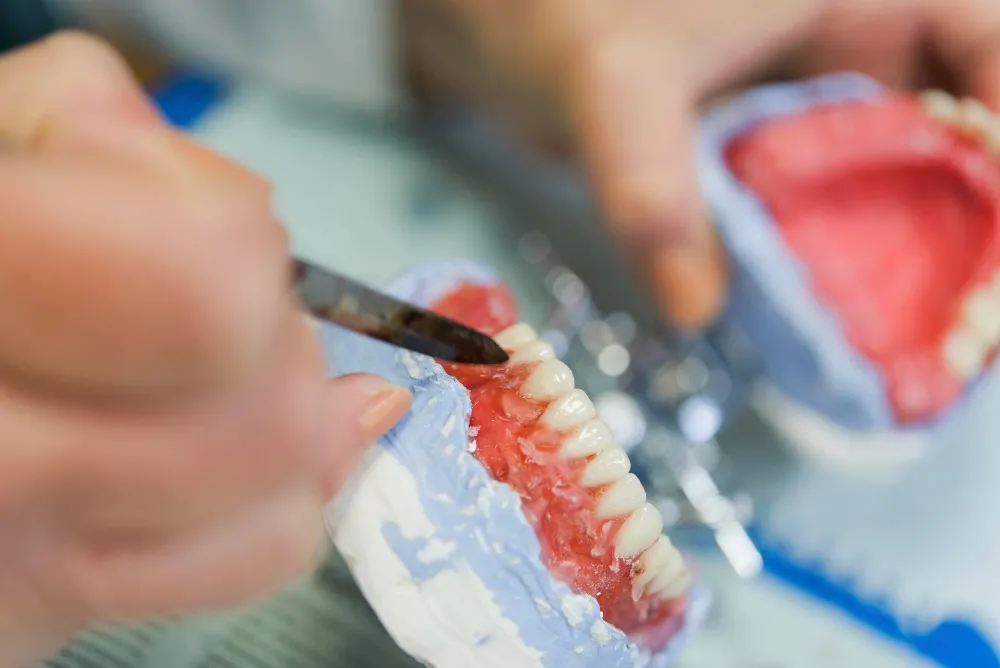
In contemporary dental science, removable dental prostheses function as sophisticated biomechanical devices engineered to replicate the aesthetics and functionality of natural dentition. Fabricated from advanced acrylic resins, flexible polymers, or cast metal frameworks paired with lifelike composite teeth, these appliances are custom-molded to match the unique contours of the oral mucosa. When a patient wears custom dentures, the chewing forces generated during mastication are distributed evenly across the alveolar ridges, mucosal tissues, and remaining natural abutment teeth, preventing localized mechanical strain and mucosal ulceration.
Beyond surface-level tooth replacement, these prosthetic appliances serve as functional stabilizers within the oral cavity. When natural teeth are lost, the surrounding dentition tends to drift, tilt, or supra-erupt into the vacant spaces, leading to misaligned bite dynamics, premature wear, and chronic temporomandibular joint tension. Wearing dentures bridges these gaps, preserving arch integrity and maintaining vertical dimension of occlusion. By providing artificial tooth crowns and supportive pink acrylic bases, modern prosthetics simulate natural anatomy with remarkable precision, delivering reliable chewing stability, phonetic support, and a natural, healthy smile.
What Are the Main Types of Dentures Available for Tooth Loss?
Complete or Full Arch Prostheses
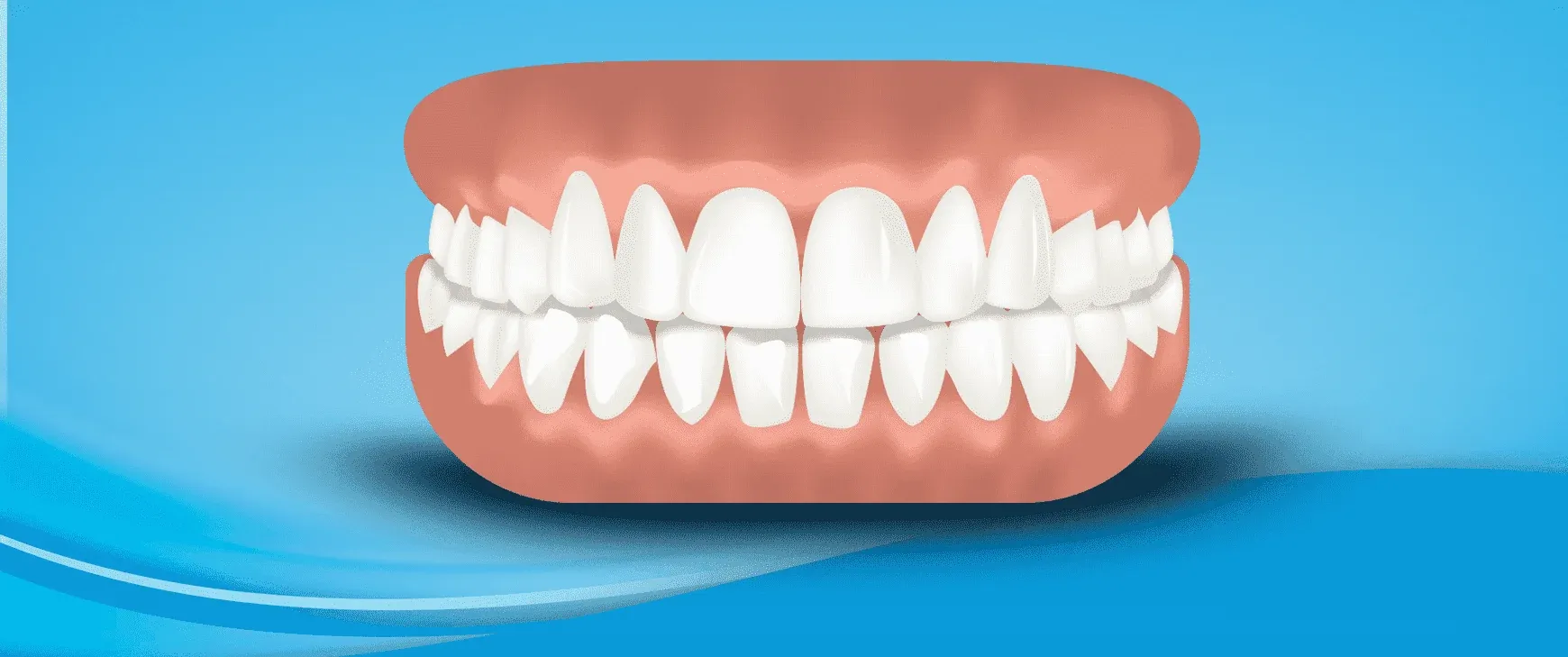
Full arch appliances are fabricated when an individual experiences complete edentulism in either the maxilla (upper jaw) or mandible (lower jaw). An upper appliance relies on peripheral seal suction across the broad palate, whereas a lower appliance is crafted in a horseshoe configuration to accommodate the tongue, resting directly on the remaining alveolar ridge.
Removable Partial Dental Appliances
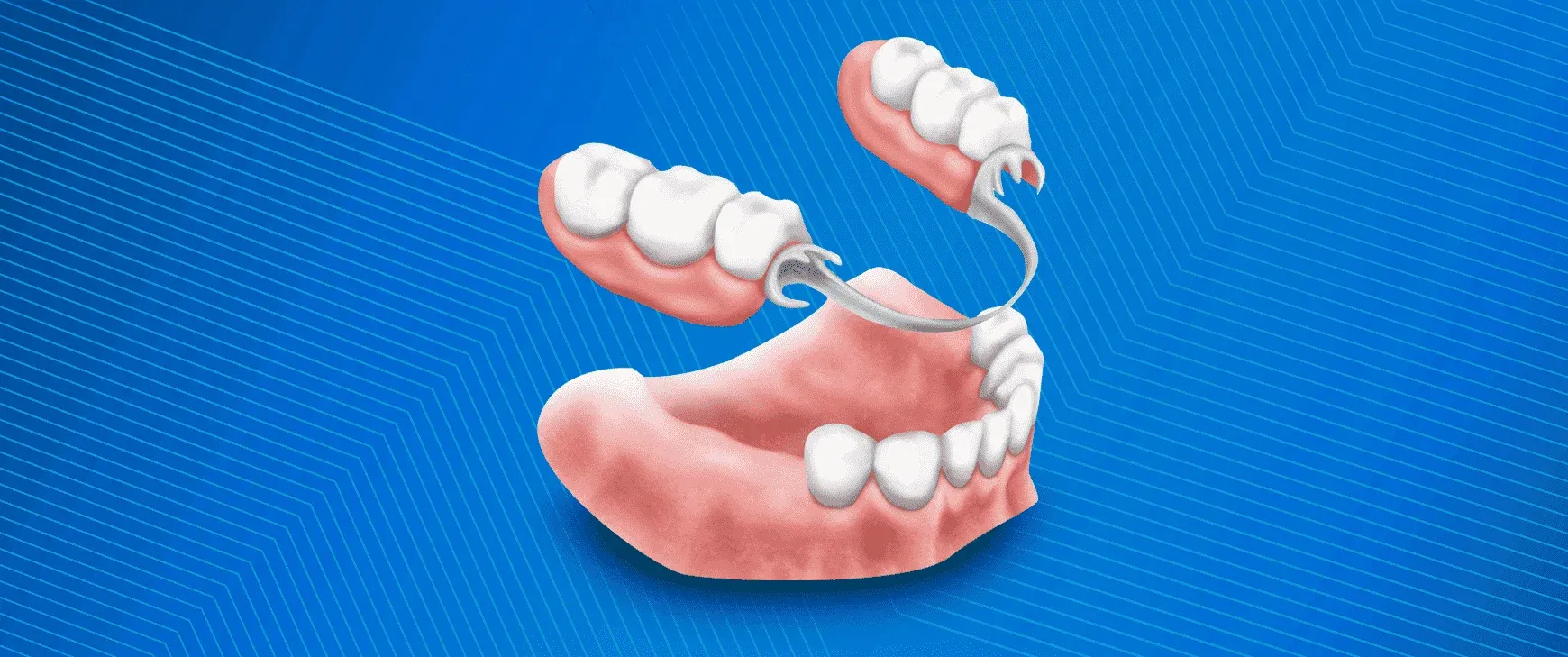
Partial appliances are designed for patients who retain one or more healthy natural teeth within the dental arch. These prostheses consist of artificial replacement teeth embedded in an acrylic or flexible polymer base, secured to neighboring natural anchor teeth via precise metal or tooth-colored clasps to prevent shifting during functional movements.
Immediate Post-Extraction Prosthetics
Immediate appliances are fabricated prior to surgical extractions and placed immediately into the oral cavity once the teeth are removed. While they ensure that the patient never leaves the clinic without teeth, they serve primarily as interim devices that require ongoing tissue conditioning and eventual relining as the underlying bone resorbs.
Who Is an Ideal Candidate for Removable Dentures?
- Patients with Extensive Edentulism: Individuals who have lost multiple teeth or an entire dental arch due to untreated periodontal disease, decay, or facial trauma.
- Individuals with Compromised Bone Density: Patients who lack sufficient alveolar ridge height or bone volume for surgical implants and prefer to avoid bone grafting procedures.
- Medically Compromised Individuals: Patients with systemic health conditions, such as unmanaged diabetes or cardiovascular issues, where invasive surgical operations present unnecessary clinical risks.
- Cost-Conscious Restorative Patients: Those looking for an economical, practical, and highly adaptable alternative to complex multi-unit reconstructive dental procedures.
- Temporary Rehabilitation Candidates: Patients undergoing staged restorative dental treatments who require a functional and aesthetic interim solution while awaiting final tissue maturation.
How Do Dentures and Facial Appearance Interact to Prevent Aging?
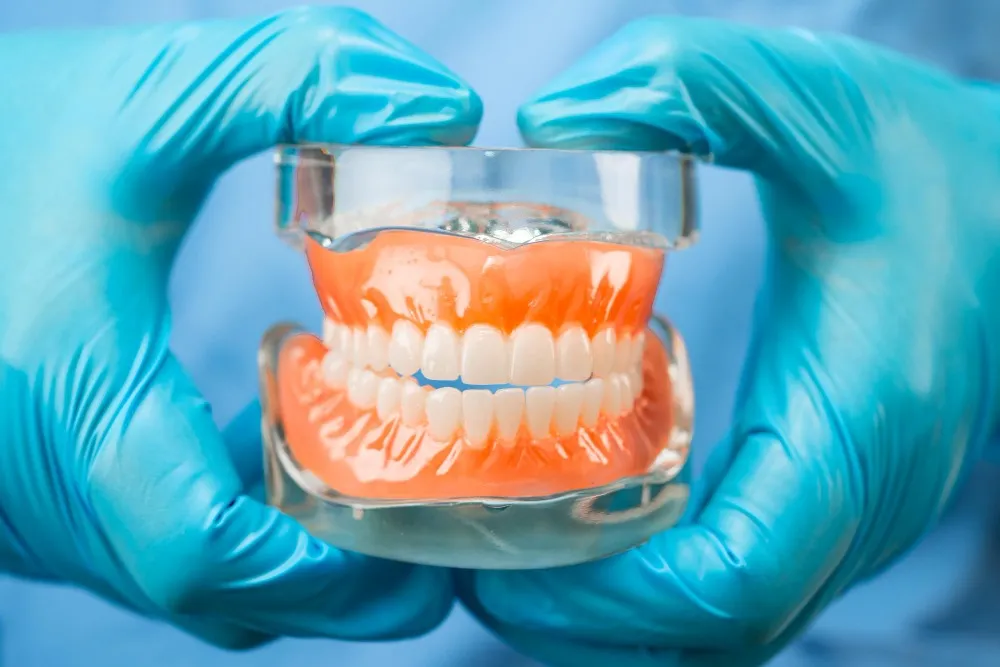
Tooth loss initiates a biological cascade known as residual ridge resorption, where the alveolar bone that once anchored the tooth roots naturally atrophies over time due to a lack of functional biomechanical stimulation. As jawbone height diminishes and the vertical dimension of occlusion collapses, the soft tissues of the lower third of the face begin to fold inward. This structural breakdown results in deeply furrowed nasolabial folds, thinning lips, drooping mouth corners, and a hollowed facial profile that prematurely ages an individual's appearance.
Well-engineered prosthetic appliances solve this aesthetic and structural issue by re-establishing the biological support system of the facial musculature. By providing artificial tooth contours and precisely measured labial flanges, custom dentures plump up sunken lips, lift sagging cheeks, and restore natural facial proportions. For patients missing only a small segment of dentition who still retain strong adjacent natural teeth to preserve facial balance, a fixed dental bridge can also serve as an effective alternative to restore occlusal contours and muscular support.
How Do Dentures Restore Chewing Efficiency and Clear Speech?
Eating a nutritious, balanced diet requires the mechanical breakdown of fibrous, solid, and textured food items through incising, tearing, and crushing forces. When posterior molars or anterior incisors are missing, mastication becomes painful and inefficient, forcing many individuals to eliminate fresh fruits, vegetables, nuts, and meats from their daily meals. Well-fitted dentures restore balanced chewing dynamics across the dental arches, enabling patients to pulverize diverse food groups, which significantly improves gastrointestinal digestion and nutritional intake.
Phonetic articulation relies heavily on the precise coordination of the tongue, lips, and hard palate against the incisal edges of the upper teeth. The absence of teeth frequently leads to lisping, whistling, and slurred pronunciation of linguodental and labiodental sounds like s, z, f, and v. Modern custom dentures provide the stable palatal contour and incisal boundaries necessary for crisp, distinct speech articulation. While a brief period of linguistic retraining is normal, patients quickly regain the ability to speak clearly and converse with ease.
What Is the Step-by-Step Clinical Process for Getting Dentures?
Comprehensive Examination and Preliminary Impressions
The clinical journey begins with a comprehensive diagnostic evaluation, including digital panoramic radiographs and an assessment of mucosal health, jaw relations, and bone ridges. The clinician takes preliminary alginate impressions to create detailed diagnostic stone casts of the oral anatomy.
Custom Trays and Definitive Border Molding
Custom-fabricated impression trays are utilized alongside elastomeric impression materials to capture the dynamic muscle movements of the oral periphery. This border molding process records functional tissue boundaries, ensuring maximum peripheral seal, suction, and prosthetic stability.
Jaw Relation Records and Aesthetic Wax Try-In
The dentist uses wax occlusion rims to establish the patient's vertical dimension, centric relation, and smile line. Artificial teeth of selected shade and mold are set in wax, allowing the patient and clinician to evaluate facial aesthetics, speech, and bite alignment before final laboratory processing.
How Do Dentures Compare to Modern Surgical Restorations?
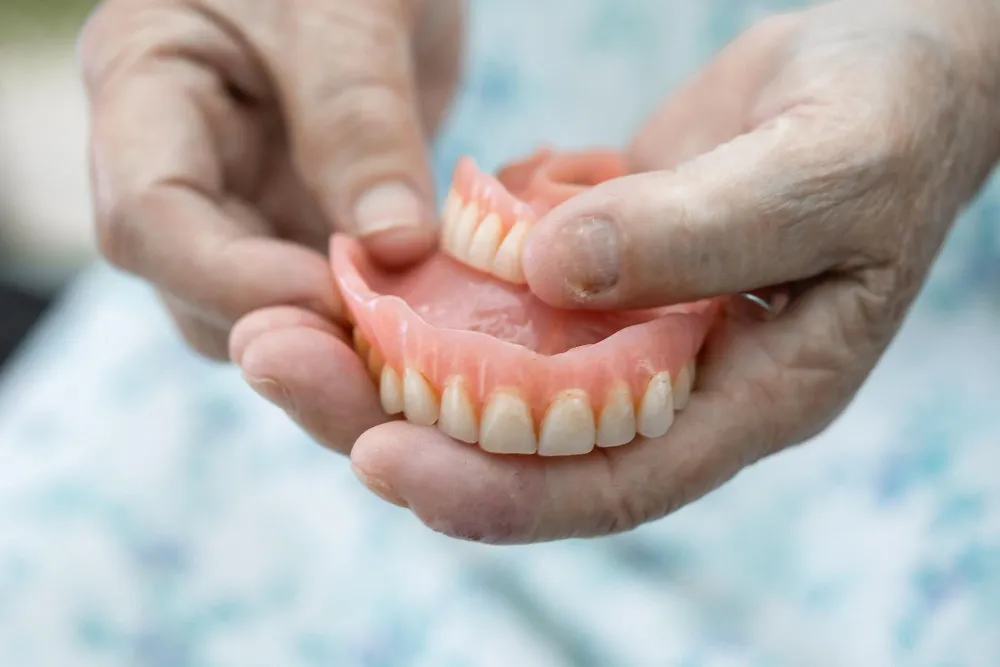
When assessing long-term restorative care, patients often compare removable dental appliances with fixed surgical alternatives. While traditional prostheses sit directly on the mucosal tissue, individuals looking to halt ongoing bone resorption and restore near-natural biting forces frequently seek specialized dental implants Turkey packages that offer permanent screw-retained solutions. Modern implantology provides remarkable stability, eliminating the natural rocking movements often associated with full lower plastic baseplates.
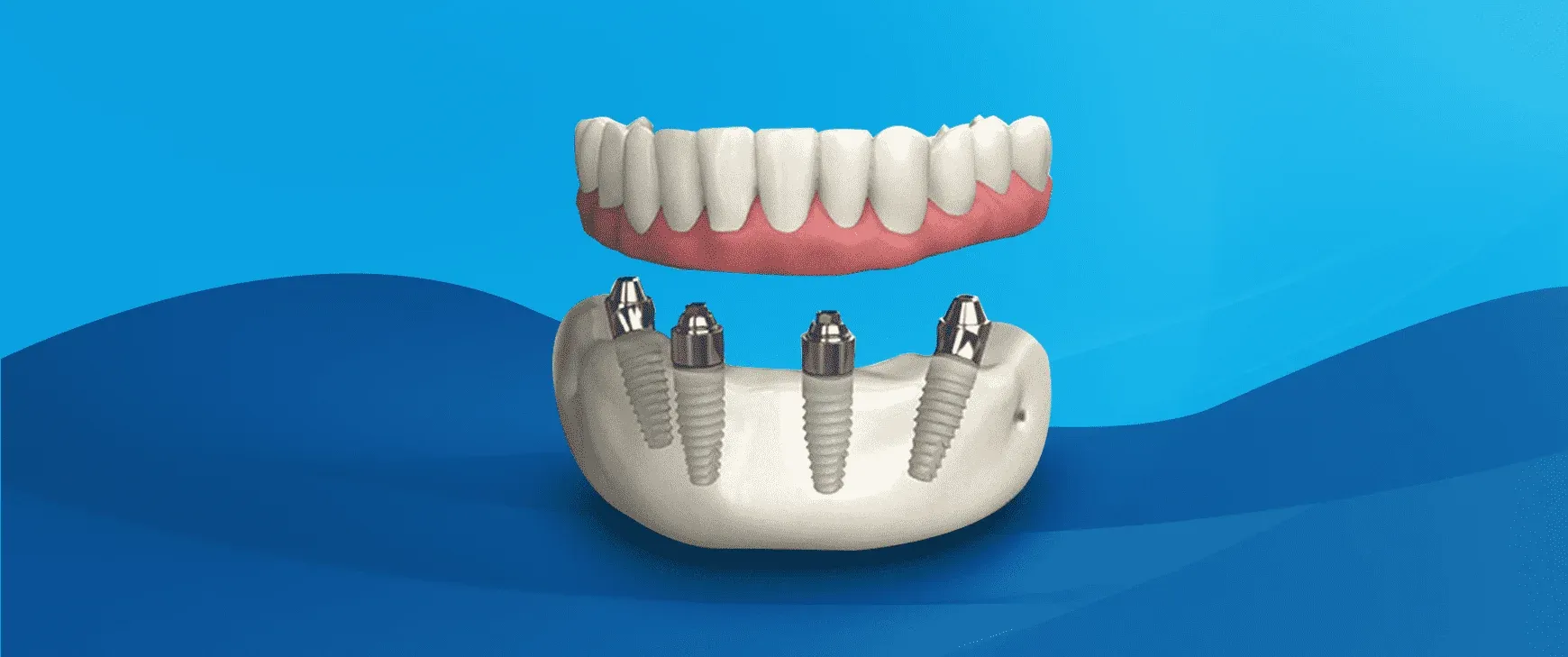
The clinical decision between surgical and non-surgical care hinges heavily on bone availability, budget, and systemic medical history. For patients who cannot undergo multiple surgical phases or lack the bone density required for extensive single-tooth restorations, conventional acrylic options remain highly practical. However, for those with severe atrophy who still desire a fully fixed arch, the transformative All-on-4 technique provides a stable bridge anchored on just four strategically placed titanium posts. Weighing these treatments ensures each patient selects the most suitable restorative path.
How Much Do Dentures Cost and How Do Treatment Prices Compare?
The cost of restorative prosthetics depends on several clinical variables, including whether the appliance is partial or complete, the quality of acrylic resins or metal alloys utilized, and the level of laboratory customization required. International patients frequently travel abroad to take advantage of advanced digital fabrication workflows at substantially lower out-of-pocket expenses. The table below outlines average price ranges for restorative options across key regions:
|
Prosthetic / Restorative Treatment |
Average Cost in the UK |
Average Cost in the USA |
Average Cost in Turkey |
|
Standard Full Acrylic Arch |
£650 - £1,400 |
$1,200 - $2,500 |
£250 - £500 |
|
Precision Cast Metal Partial |
£850 - £1,800 |
$1,500 - $3,000 |
£350 - £650 |
|
Flexible Valplast / Nylon Partial |
£700 - £1,500 |
$1,300 - $2,600 |
£300 - £550 |
|
Implant-Supported Overdenture (2 Implants) |
£3,000 - £5,500 |
$5,000 - $9,500 |
£1,200 - £2,200 |
|
Full Arch Fixed All-on-4 System |
£8,500 - £14,000 |
$14,000 - $26,000 |
£3,000 - £5,000 |
Are Dentures Comfortable to Wear on a Daily Basis?
Modern dental prosthetics are crafted from refined, high-impact polymers and tissue-friendly acrylics engineered to contour smoothly against delicate mucosal surfaces. During the initial insertion phase, minor localized discomfort, mild muscle soreness, and increased salivation are standard biological responses as the mouth adapts. The tongue, cheek muscles, and perioral tissues must develop coordinated neuromuscular control to stabilize the new appliances during daily chewing and speaking.
Long-term prosthetic comfort depends directly on initial fit precision and ongoing professional care. As oral tissues undergo natural physiological remodeling over time, minor pressure spots can develop beneath the acrylic base. Periodic clinical check-ups enable the dental practitioner to relieve localized high spots and refine occlusal contacts. When patients commit to proper insertion techniques and maintain routine dental evaluations, modern prostheses remain exceptionally comfortable, stable, and practical functional aids for daily living.
What Are the Best Daily Care and Maintenance Practices for Dentures?
- Rinse Thoroughly After Every Meal: Remove the appliance after eating and run it under cool or lukewarm tap water to dislodge loose food debris and prevent plaque accumulation.
- Brush Daily with a Soft-Bristled Brush: Clean all surfaces of the appliance once daily using a specialized prosthetic brush and non-abrasive cleanser; avoid standard abrasive toothpastes that can scratch polished acrylic.
- Soak in Cleansing Solutions Overnight: Submerge the appliance in water or an effervescent dental soaking solution during sleep to maintain material hydration, eliminate stubborn bacteria, and preserve dimensional stability.
- Clean Oral Soft Tissues Daily: Use a soft toothbrush or damp gauze to gently clean the palate, tongue, cheeks, and remaining alveolar ridges every morning before inserting the prosthesis.
- Avoid High Temperatures and Boiling Water: Never expose dental appliances to hot or boiling liquids, as extreme thermal stress can warp acrylic bases and permanently destroy the clinical fit.
Why Do Dentures Become Loose Over Time and Require Adjustments?
Continuous Alveolar Bone Remodeling
Following natural tooth loss, the alveolar jawbone naturally atrophies due to the absence of stimulation previously supplied by natural tooth roots. This slow, continuous bone resorption changes the underlying ridge architecture, causing once-snug acrylic bases to gradually lose surface contact and become unstable.
Soft Tissue Thinning and Mucosal Changes
As individuals grow older, oral mucosa becomes thinner, less vascularized, and less elastic. These natural tissue alterations reduce mucosal resilience and suction retention, increasing vulnerability to friction, minor mucosal slippage, and sore spots beneath the baseplate.
Material Wear and Occlusal Imbalances
Years of repetitive mastication wear down the occlusal surfaces of artificial acrylic teeth. As artificial cusps flatten, chewing efficiency drops and bite balance shifts, causing uneven forces that destabilize the appliance during normal oral function.
What Is the Difference Between Denture Relining and Replacement?
When a dental prosthesis begins to lose retention, rock on the alveolar ridge, or cause recurring localized irritation, professional intervention is necessary to restore stability. A dental reline is a targeted clinical procedure where the existing artificial teeth and structural framework are preserved while new acrylic resin is added to the tissue-contacting surface of the baseplate. Hard laboratory relines and soft silicone-based relines re-establish an intimate seal against remodeled mucosal tissues, extending the functional lifespan of the appliance without requiring a new build.
In contrast, full prosthetic replacement becomes essential when the structural materials exhibit extensive structural fatigue, deep cracks, severe acrylic staining, or flattened occlusal surfaces that compromise the patient's bite. In general, dental organizations recommend replacing full removable prostheses every five to seven years. Periodic replacement ensures that the artificial teeth maintain an ideal vertical dimension, provide optimal facial profile support, and safeguard remaining soft tissues from chronic friction and irritation.
What Are the Practical Eating Strategies When Adapting to Dentures?
- Start with a Soft-Food Diet: Begin the adaptation period by consuming soft, nutrient-dense foods like pureed soups, scrambled eggs, yogurt, cooked oatmeal, and tender steamed vegetables.
- Cut Solid Food into Small Portions: Dice food items into bite-sized pieces to minimize the incising force required by the front teeth and prevent dislodging the front seal.
- Distribute Chewing Forces Bilaterally: Chew slowly and distribute food evenly on both sides of the mouth simultaneously; this balances pressure and keeps the appliance stable on the ridge.
- Avoid Sticky and Overly Chewy Foods: Steer clear of taffy, chewing gum, caramel, and tough dried fruits that can pull the prosthetic base away from the mucosal tissues.
- Exercise Caution with Hard and Crunchy Items: Avoid biting directly into raw carrots, hard crusty breads, uncracked nuts, or hard candies that can crack acrylic bases and fracture artificial teeth.
When Should You Visit a Dental Professional for Your Dentures?
Consistent, proactive professional dental care is just as critical for edentulous individuals as it is for those with full sets of natural teeth. Routine check-ups allow dental clinicians to perform comprehensive oral cancer screenings, examine the tongue, palate, and alveolar ridges for signs of denture stomatitis or candidiasis, and evaluate bone resorption rates. Patients should never attempt home repairs with commercial superglues or try adjusting bent clasps themselves, as improper chemicals and uncalibrated bending can cause oral toxicity and ruin the appliance.
Immediate dental attention should be sought whenever a patient experiences persistent soreness, bleeding, visible tissue ulcerations, localized numbness, or audible clicking sounds during conversation. Experiencing frequent prosthetic slippage while speaking or eating indicates that the baseplate has lost retention and requires professional relining or occlusal rebalancing. Through routine maintenance and open communication with your prosthodontic professional, modern dentures provide a dependable, comfortable, and aesthetically pleasing smile for years to come.
Doctor Profile
This content has been evaluated in accordance with Hospitadent Medical Publication Board standards for medical accuracy, currency and patient information.
Our Awards
See All ›2019 – 2020
Health Tourism Champion
Since its founding, Hospitadent has provided oral and dental care to patients travelling from every continent for health tourism. In the Service Exporters' Association research of 2019 and 2020, we ranked first in the Dental Health Services category. Within the same report we placed 15th among all healthcare institutions in 2019 and moved up to 10th in 2020. With uncompromising customer satisfaction, Hospitadent remains the healthcare institution that treats the highest number of international oral and dental patients.
2013
TEMOS International Quality Certificate
Guided by dedicated international departments, Hospitadent welcomes patients from abroad without any language barriers, offering assistance with accommodation, city and Bosphorus tours, concierge guidance, treatment logistics and medication support to keep satisfaction at its peak. With the goal of carrying the same quality standards to both Turkish and foreign patients, we received the TEMOS "International Quality in Dental Care" certificate in 2013—an accreditation granted by the organization that evaluates and certifies worldwide patient service quality based on the "Made in Germany" quality seal.
2020
Turquality Brand Support Program
For 16 years, the Turquality Brand Support Program has helped Turkish products build and promote their image abroad. Dental Group Hospitadent earned the right to join this initiative, taking an important step on its branding journey. Being the first dental healthcare group in a program that includes only five hospitals from the healthcare sector proves not only the quality image we project, but also the high standards we uphold.
2018
Stevie Awards – Most Innovative Customer Service
The Stevie Awards, recognized worldwide for honoring outstanding organizations and leaders, is the only international business awards program. In 2018, Hospitadent became the first hospital in Turkey to win a Stevie Award by receiving the "Most Innovative Customer Service of the Year" prize. Signature experiences such as Smiling Center, Digital Smile Design and Dental SPA played a decisive role in earning this accolade.
2019 – 2020
Service Exporters Association Award
Serving dental tourists from all over the world since its foundation, Hospitadent was honored by the Service Exporters' Association in the Champions of Service Exports program, which celebrates the rising value of Turkey's service industries. Thanks to its contribution to the national economy, Hospitadent received a certificate of achievement and ranked 15th among general healthcare institutions in 2019 and 10th in 2020, continuing to lead oral and dental treatments with an unwavering focus on patient satisfaction.
2021
Great Place To Work® Certified
Based on the employee experience and satisfaction survey completed by our teams, GPTW Turkey evaluated Hospitadent and awarded us the "Great Place To Work® Certified" distinction. As the first and only dental hospital holding this leading workplace culture certificate, Hospitadent continues its journey toward many more achievements.