What is Full Mouth Teeth? Who Can Benefit from It?
What is full mouth teeth treatment? What are its advantages? How is it different from fixed or snap-on denture treatments? Is full mouth treatment comfortable? Click and learn.
Full mouth teeth restoration refers to comprehensive dental treatment designed to rebuild or replace all teeth in the upper jaw, lower jaw, or both. This approach is typically considered when extensive tooth loss, severe wear, or long-term oral health issues affect both function and aesthetics. By addressing the entire mouth as a unified system, treatment planning focuses on restoring proper bite balance, chewing efficiency, speech clarity, and facial harmony. A full-mouth approach allows dental solutions to be customized for durability, comfort, and long-term stability rather than treating individual teeth in isolation.
What Does Full Mouth Teeth Restoration Involve?
Full mouth teeth restoration involves a carefully planned sequence of treatments aimed at restoring all missing or damaged teeth. Rather than focusing on a single area, this approach evaluates how every tooth, jaw structure, and bite relationship works together. The goal is to rebuild the mouth as a functional and balanced system.
Treatment planning typically considers chewing forces, jaw movement, and facial proportions. Each restoration is designed to complement the others, ensuring that the final result feels natural and performs efficiently. This comprehensive planning helps prevent uneven pressure and supports long-term oral comfort.
Full Mouth Teeth Treatment for Extensive Tooth Loss
Extensive tooth loss can significantly affect daily life, from eating and speaking to facial appearance and confidence. Full mouth teeth treatment provides a structured solution for individuals who have lost multiple teeth over time or due to advanced oral conditions. Restoring all teeth together helps reestablish proper bite alignment.
By replacing missing teeth across the entire mouth, this approach reduces the risk of remaining teeth shifting or becoming overloaded. A balanced restoration supports stable chewing function and helps preserve jaw health. Treating extensive tooth loss comprehensively often leads to more predictable and lasting results.
Who Is a Candidate for Full Mouth Teeth Rehabilitation?
Not every patient requires full mouth rehabilitation, but certain conditions may indicate the need for this comprehensive approach. Individuals with widespread tooth damage, multiple missing teeth, or long-term bite problems may benefit from evaluating full-mouth options. A detailed assessment helps determine suitability.
Candidacy depends on factors such as oral health status, jaw structure, and overall treatment goals. Some patients may require preparatory procedures before proceeding. Personalized evaluation ensures that treatment aligns with both functional needs and aesthetic expectations.
How Bite Alignment Is Restored in Full Mouth Treatments
Bite alignment is a central focus of full mouth dental treatment. When teeth are missing or worn unevenly, bite relationships can become unbalanced, leading to discomfort or strain on the jaw. Restoring alignment requires precise planning and adjustment.
Each restoration is positioned to distribute chewing forces evenly across the mouth. This balanced approach supports smoother jaw movement and reduces excessive stress on individual teeth. Proper bite alignment plays a key role in long-term comfort and restoration durability.
Full Mouth Teeth Solutions and Their Impact on Daily Function
Restoring all teeth has a profound effect on daily activities such as eating, speaking, and smiling. Full mouth teeth solutions are designed to allow patients to return to normal chewing patterns and enjoy a wider range of foods. Improved function supports overall well-being.
Speech clarity often improves as proper tooth positioning and bite support are restored. In addition, facial support provided by comprehensive restorations can enhance natural appearance. Together, these functional improvements contribute to increased confidence and quality of life.
Full Mouth Teeth Planning and the Importance of Comprehensive Evaluation

Successful full mouth teeth treatment begins with a comprehensive evaluation that considers the mouth as a complete functional system. This assessment goes beyond identifying missing or damaged teeth and focuses on how the jaws, bite relationship, and facial structure interact. A thorough evaluation helps create a treatment plan that supports both function and long-term stability.
During planning, factors such as jaw movement, chewing patterns, and existing bite discrepancies are carefully analyzed. These details influence how restorations are designed and positioned. Without this holistic approach, isolated restorations may lead to imbalance or discomfort over time.
Comprehensive planning ensures that each component of the treatment supports the others, resulting in a more predictable and comfortable outcome.
How Full Mouth Rehabilitation Improves Chewing Efficiency
Chewing efficiency is often significantly reduced when multiple teeth are missing or damaged. Full mouth rehabilitation aims to restore balanced chewing function by rebuilding the dental arches in harmony with natural jaw movement. This balanced approach allows food to be processed more effectively.
When chewing forces are distributed evenly, patients experience less strain on individual teeth and jaw joints. This reduces fatigue during meals and allows for a more natural chewing rhythm. Over time, improved efficiency can positively influence digestion and overall comfort.
Restoring efficient chewing is a key goal of full-mouth treatment, as it directly affects daily quality of life.
Full Mouth Teeth Restoration and Facial Support
Teeth play a crucial role in supporting facial structure. When several teeth are lost, the face may appear sunken or aged due to reduced support for the lips and cheeks. Full mouth teeth restoration helps restore this support, contributing to a more balanced facial appearance.
By rebuilding the dental arches, the vertical dimension of the face can be reestablished. This improves not only aesthetics but also jaw function and comfort. Facial muscles are better supported, reducing unnecessary tension during speaking and chewing.
Facial support is an important yet often overlooked benefit of comprehensive dental restoration.
Managing Jaw Comfort During Full Mouth Dental Treatment
Jaw comfort is an essential consideration in full mouth dental treatment. When the bite is unbalanced, excessive strain can be placed on the jaw joints and surrounding muscles. Addressing these issues during treatment planning helps reduce the risk of discomfort or tension.
Careful adjustment of bite height and tooth positioning allows the jaw to function in a more natural and relaxed manner. This approach supports smoother movement during chewing and speaking. Over time, improved jaw comfort can help reduce fatigue and strain-related symptoms.
Managing jaw comfort is key to achieving lasting satisfaction with full-mouth restorations.
Full Mouth Teeth Treatment and Long-Term Oral Stability
Long-term oral stability is one of the primary objectives of full mouth teeth treatment. Replacing all teeth together allows for coordinated planning that supports consistent bite forces and proper alignment. This reduces the likelihood of future shifting or uneven wear.
Stability also depends on maintaining healthy supporting tissues. By restoring balanced function, stress on gums and bone structures is minimized. This supportive environment contributes to the longevity of the restorations.
A stable oral foundation helps ensure that the benefits of full-mouth treatment are preserved over time.
Full Mouth Teeth Restoration and Its Effect on Speech Clarity
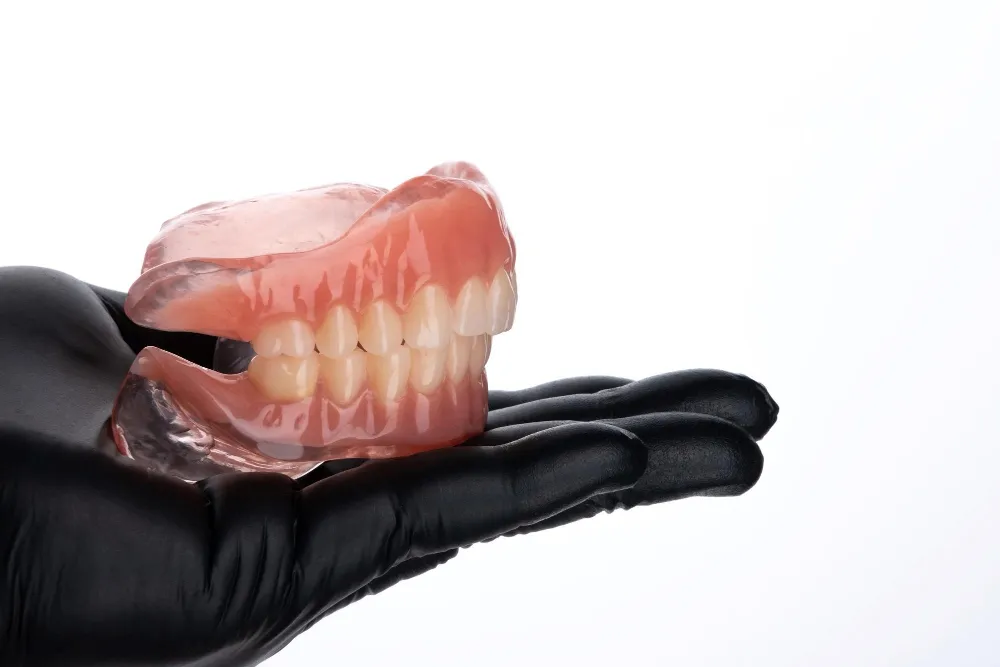
Speech clarity is closely connected to tooth position, bite alignment, and tongue movement. When teeth are missing or unevenly worn, pronunciation can become unclear, and certain sounds may be difficult to articulate. Full mouth teeth restoration helps reestablish proper tooth placement, allowing the tongue and lips to move more naturally during speech.
By restoring consistent spacing and alignment across the dental arches, airflow is directed correctly during speaking. This often leads to noticeable improvements in pronunciation and overall speech confidence. Patients frequently report feeling more comfortable speaking in social and professional environments after comprehensive restoration.
Improved speech clarity is an important functional benefit that contributes significantly to daily communication and self-assurance.
For those who are interested --> Dental Bridge
Long-Term Durability Expectations in Full Mouth Dental Treatments
Durability is a central concern for patients considering full mouth dental treatment. Because the entire mouth is restored as a unified system, materials and designs are selected to withstand daily functional demands over extended periods. Proper planning helps ensure that restorations work together rather than placing excessive stress on individual components.
Long-term durability depends on factors such as bite balance, material selection, and oral habits. When chewing forces are evenly distributed, restorations are less likely to experience premature wear. Regular monitoring helps maintain performance and address minor issues before they affect longevity.
With appropriate care and professional follow-up, full-mouth restorations can deliver reliable function for many years.
It may interest you --> Snap-on Denture
Full Mouth Teeth Treatment and Lifestyle Improvements
Restoring all teeth has a profound impact on everyday lifestyle. Patients often regain the ability to eat a wider variety of foods comfortably, supporting better nutrition and enjoyment of meals. This functional freedom contributes to overall physical well-being.
Beyond eating, confidence in speaking and smiling improves social interactions. Knowing that teeth are secure and functional reduces self-consciousness and anxiety in public settings. These changes often lead to a more active and engaged lifestyle.
The cumulative effect of improved function and confidence makes full-mouth treatment a transformative experience for many individuals.
For your information --> Denture
Psychological Benefits of Comprehensive Dental Restoration
The psychological impact of tooth loss and oral dysfunction is often underestimated. Full mouth restoration addresses not only physical limitations but also emotional well-being. Regaining a complete and functional smile can significantly enhance self-esteem.
Patients frequently report feeling more confident in personal and professional interactions after treatment. Reduced anxiety about appearance or dental discomfort allows individuals to focus more fully on daily activities. This emotional relief contributes to an overall sense of well-being.
By restoring both function and appearance, comprehensive dental treatment supports mental and emotional health alongside physical outcomes.
Click and learn --> Fixed Denture
Choosing a Personalized Full Mouth Teeth Treatment Approach
Every patient’s needs and expectations are unique, making personalization essential in full mouth teeth treatment. A tailored approach considers oral health status, functional goals, aesthetic preferences, and lifestyle factors. This individualized planning helps ensure that the final result aligns with long-term expectations.
Open communication during treatment planning allows priorities to be clearly defined. Whether the focus is durability, appearance, or comfort, aligning treatment decisions with personal goals improves satisfaction. Adjustments can be made throughout the process to respond to evolving needs.
A personalized approach helps ensure that full-mouth restoration delivers lasting benefits and supports confidence in daily life.
Doctor Profile

Author and Medical Review
Dr. Jonathan CAN ATALAYProsthetic Dental Treatment Specialist
View Profile
This content has been evaluated in accordance with Hospitadent Medical Publication Board standards for medical accuracy, currency and patient information.
Our Awards
See All ›2019 – 2020
Health Tourism Champion
Since its founding, Hospitadent has provided oral and dental care to patients travelling from every continent for health tourism. In the Service Exporters' Association research of 2019 and 2020, we ranked first in the Dental Health Services category. Within the same report we placed 15th among all healthcare institutions in 2019 and moved up to 10th in 2020. With uncompromising customer satisfaction, Hospitadent remains the healthcare institution that treats the highest number of international oral and dental patients.
2013
TEMOS International Quality Certificate
Guided by dedicated international departments, Hospitadent welcomes patients from abroad without any language barriers, offering assistance with accommodation, city and Bosphorus tours, concierge guidance, treatment logistics and medication support to keep satisfaction at its peak. With the goal of carrying the same quality standards to both Turkish and foreign patients, we received the TEMOS "International Quality in Dental Care" certificate in 2013—an accreditation granted by the organization that evaluates and certifies worldwide patient service quality based on the "Made in Germany" quality seal.
2020
Turquality Brand Support Program
For 16 years, the Turquality Brand Support Program has helped Turkish products build and promote their image abroad. Dental Group Hospitadent earned the right to join this initiative, taking an important step on its branding journey. Being the first dental healthcare group in a program that includes only five hospitals from the healthcare sector proves not only the quality image we project, but also the high standards we uphold.
2018
Stevie Awards – Most Innovative Customer Service
The Stevie Awards, recognized worldwide for honoring outstanding organizations and leaders, is the only international business awards program. In 2018, Hospitadent became the first hospital in Turkey to win a Stevie Award by receiving the "Most Innovative Customer Service of the Year" prize. Signature experiences such as Smiling Center, Digital Smile Design and Dental SPA played a decisive role in earning this accolade.
2019 – 2020
Service Exporters Association Award
Serving dental tourists from all over the world since its foundation, Hospitadent was honored by the Service Exporters' Association in the Champions of Service Exports program, which celebrates the rising value of Turkey's service industries. Thanks to its contribution to the national economy, Hospitadent received a certificate of achievement and ranked 15th among general healthcare institutions in 2019 and 10th in 2020, continuing to lead oral and dental treatments with an unwavering focus on patient satisfaction.
2021
Great Place To Work® Certified
Based on the employee experience and satisfaction survey completed by our teams, GPTW Turkey evaluated Hospitadent and awarded us the "Great Place To Work® Certified" distinction. As the first and only dental hospital holding this leading workplace culture certificate, Hospitadent continues its journey toward many more achievements.