What is Snap-On Denture? How Is It Done?
What is a snap-on denture? How does it work? Who can benefit from snap-on denture? What are its advantages over fixed denture? Is it comfortable? Click and learn.
Snap-on denture solutions offer a removable yet stable alternative for individuals seeking improved comfort, aesthetics, and functionality compared to traditional dentures. Designed to fit securely over existing teeth or dental implants, snap-on systems provide enhanced retention while remaining easy to place and remove. With growing demand for flexible and minimally invasive tooth replacement options, snap-on dentures have become a popular choice for patients looking for balance between stability and convenience. Proper evaluation and planning are essential to ensure optimal fit and long-term satisfaction.
What Is a Snap-On Denture and How Does It Function?
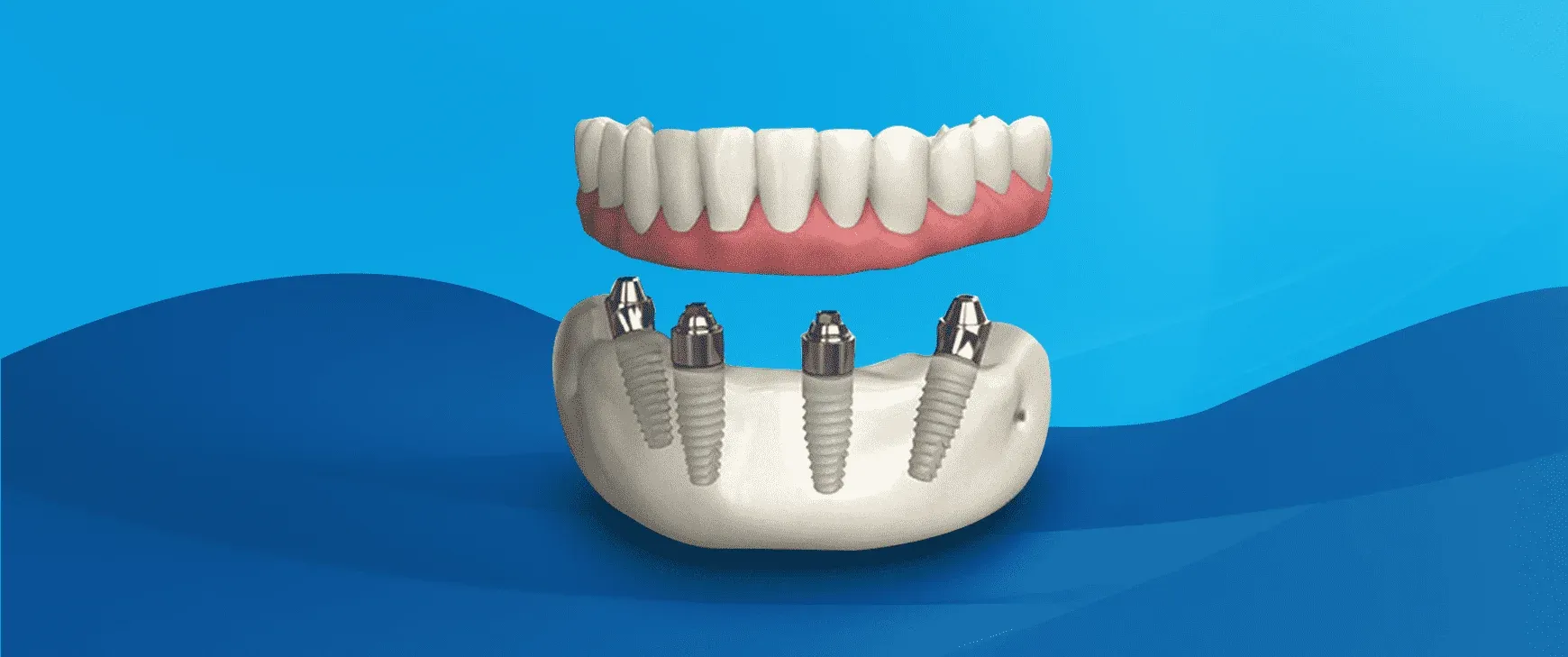
A snap-on denture is a removable dental prosthesis that attaches securely to underlying support structures, such as dental implants or natural tooth foundations. Its design allows the denture to “snap” into place, providing improved stability compared to conventional removable dentures.
This secure attachment helps reduce movement during speaking and chewing, allowing for a more confident and natural experience. At the same time, the denture can be easily removed for cleaning, offering practical daily maintenance without compromising comfort.
Snap-On Denture Compared to Traditional Removable Dentures
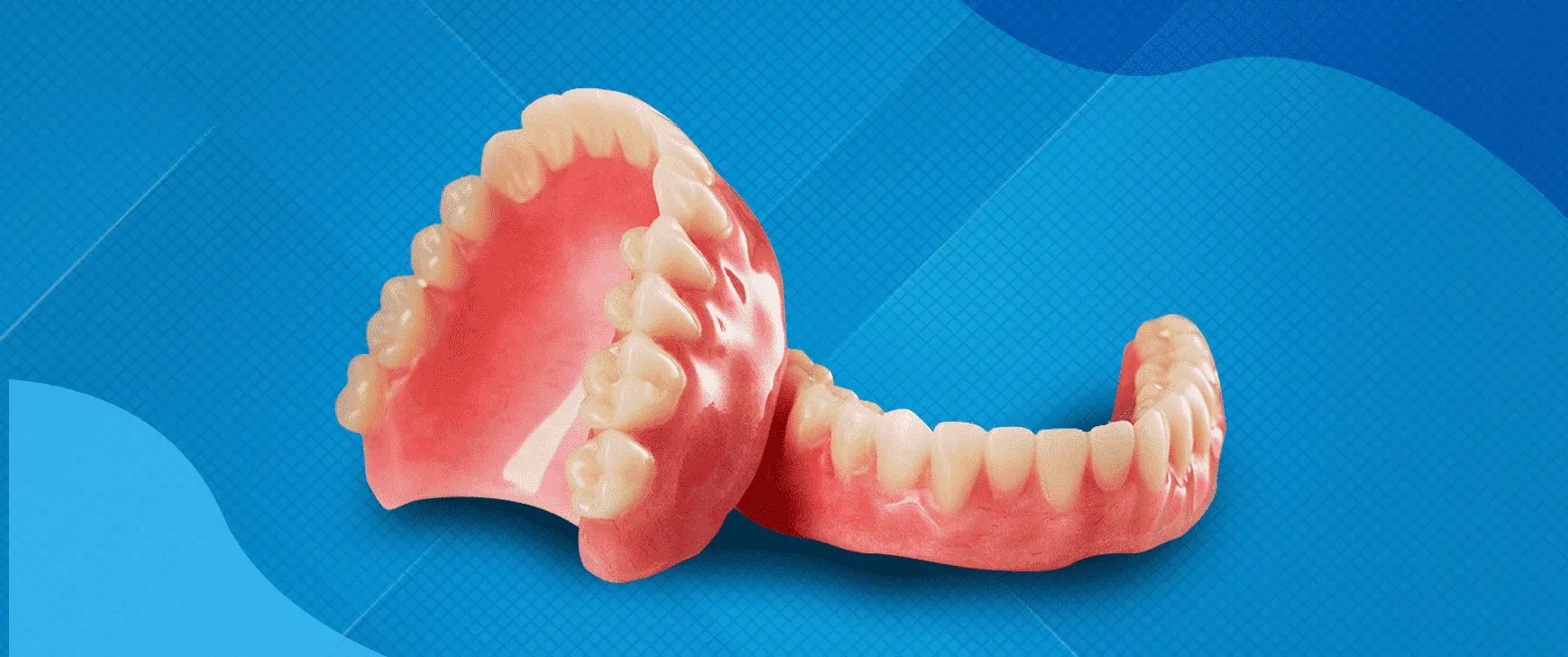
When comparing snap-on dentures to traditional removable dentures, stability is one of the most noticeable differences. Traditional dentures may rely primarily on suction or adhesives, which can result in movement or discomfort during daily use. Snap-on systems provide a more secure fit by anchoring the denture to a stable base.
This increased stability often leads to better chewing efficiency and clearer speech. Patients also report greater confidence in social situations, as the denture remains firmly in place throughout the day. These advantages make snap-on options appealing to those dissatisfied with conventional removable solutions.
Who Is a Suitable Candidate for Snap-On Denture Treatment?
Suitability for snap-on denture treatment depends on several factors, including oral health, bone support, and the presence of suitable anchoring structures. Individuals with adequate support for attachments are often good candidates for this type of restoration.
A comprehensive assessment helps determine whether the snap-on approach aligns with functional needs and expectations. In some cases, preparatory treatments may be recommended to ensure proper support and long-term success.
Snap-On Denture Benefits for Comfort and Daily Use
Comfort is a major advantage of snap-on denture systems. The secure attachment reduces pressure points and minimizes irritation to the gums, which can be common with loose-fitting dentures. This improved fit allows for more natural movement during eating and speaking.
Daily use is simplified by the ease of placement and removal. Patients can maintain oral hygiene routines effectively while enjoying a stable and comfortable restoration throughout the day. This balance of convenience and security contributes to higher overall satisfaction.
Materials Commonly Used in Snap-On Dental Prosthetics
Modern snap-on dental prosthetics are crafted using advanced materials selected for durability, aesthetics, and biocompatibility. These materials are designed to withstand daily functional demands while blending naturally with surrounding teeth.
Material selection plays an important role in comfort and longevity. By choosing appropriate components, the restoration can maintain its appearance and performance over time, supporting both functional reliability and aesthetic appeal.
Snap-On Denture Stability Compared to Other Removable Solutions

Snap-on denture systems provide a noticeably higher level of stability when compared to conventional removable dentures. Traditional removable options often rely on suction, soft tissue contact, or denture adhesives, which may lead to movement during eating or speaking. This instability can affect comfort and confidence, particularly in social settings.
By contrast, snap-on systems attach securely to underlying support structures, allowing the denture to remain firmly in place throughout daily activities. This secure retention minimizes shifting and reduces the risk of accidental dislodgement. As a result, patients can chew a wider range of foods with greater ease and experience fewer speech interruptions.
Improved stability also contributes to more even pressure distribution across the supporting structures. This helps reduce localized stress on the gums and can enhance long-term comfort, making snap-on systems a preferred option for many patients seeking dependable removable solutions.
How Snap-On Denture Systems Improve Chewing Efficiency
Chewing efficiency is directly influenced by how securely a dental prosthesis remains in position during use. Snap-on denture systems allow for more controlled biting and chewing movements by maintaining consistent contact with opposing teeth. This stability supports more natural chewing patterns.
When a denture moves during function, patients may subconsciously limit their chewing force, which can affect food breakdown and digestion. Snap-on systems help eliminate this hesitation by providing reliable retention. Patients often report feeling more comfortable applying normal chewing pressure without fear of displacement.
Improved chewing efficiency also supports dietary variety. Being able to chew confidently allows individuals to enjoy a broader range of textures, contributing to better nutrition and overall quality of life.
Snap-On Denture Attachment Mechanisms Explained
The effectiveness of snap-on denture systems depends largely on their attachment mechanisms. These components are designed to create a secure connection between the denture and its supporting base while still allowing easy removal when needed. The attachment design balances retention and convenience.
Attachment mechanisms are engineered to withstand repeated daily use without compromising performance. Their precise fit helps ensure consistent stability over time. At the same time, they are designed to release smoothly when the denture is intentionally removed for cleaning or maintenance.
Understanding how these attachment systems function helps patients appreciate why snap-on dentures feel more secure than traditional removable options while still offering flexibility in daily care.
Maintenance Requirements for Snap-On Dental Appliances
Although snap-on dentures are designed for ease of use, proper maintenance is essential to preserve their performance and longevity. Daily cleaning helps prevent buildup around attachment areas and supports overall oral health. Because the denture is removable, thorough hygiene routines can be maintained more effectively.
Regular professional check-ups are also important to monitor the condition of both the denture and its supporting structures. Over time, normal wear may occur, and periodic adjustments help ensure continued comfort and retention. Proactive care helps prevent minor issues from becoming more significant concerns.
With consistent maintenance, snap-on dental appliances can remain comfortable, functional, and aesthetically pleasing for extended periods.
Snap-On Denture Adaptation Period: What Patients Can Expect

Adjusting to a snap-on denture typically involves a short adaptation period as the mouth becomes accustomed to the new prosthesis. Initially, patients may notice increased awareness of the denture during chewing or speaking. This sensation usually diminishes as muscle coordination adjusts.
Speech patterns may require brief adjustment, especially during the first few days of use. As confidence increases and stability becomes familiar, most patients report a rapid return to normal speech and comfort. Chewing also becomes more natural as coordination improves.
Understanding that adaptation is a normal part of the process helps set realistic expectations. With time and consistent use, snap-on systems often feel like a natural extension of the oral structure.
Snap-On Denture and Its Effect on Long-Term Oral Comfort
Snap-on denture systems are designed to provide sustained comfort over long periods of use. Because the denture remains securely attached during daily activities, patients experience less friction against the gum tissue compared to loose-fitting removable options. This reduction in movement plays a significant role in minimizing soreness and irritation.
Long-term comfort is also influenced by how evenly chewing forces are distributed. Snap-on systems help balance pressure across the supporting structures, reducing strain on specific areas of the mouth. This balanced force distribution supports healthier soft tissues and contributes to a more comfortable daily experience.
As comfort improves, patients are more likely to wear their dentures consistently, which supports better oral function and overall satisfaction.
It may interest you --> Dental Bridge
Lifestyle Advantages of Snap-On Denture Solutions
Snap-on denture solutions offer notable lifestyle benefits, particularly for individuals seeking a balance between stability and flexibility. The secure attachment allows patients to speak, laugh, and eat without constant concern about denture movement. This sense of reliability can significantly improve social confidence.
Because the denture can be removed when needed, daily cleaning routines remain simple and effective. Patients can maintain proper oral hygiene without complex procedures, supporting long-term oral health. This convenience makes snap-on systems appealing to individuals with active lifestyles.
The combination of stability during use and flexibility during maintenance helps integrate the denture seamlessly into everyday life.
For your information --> Denture
Snap-On Denture Durability and Factors That Influence Longevity
The durability of a snap-on denture depends on multiple factors, including material quality, attachment design, oral habits, and maintenance routines. High-quality materials are selected to withstand daily functional demands while maintaining their appearance over time.
Patient habits such as chewing patterns, grinding, or clenching can influence wear. Identifying and managing these habits helps protect both the denture and its attachment components. Regular professional evaluations allow early detection of wear and timely adjustments.
With proper care and monitoring, snap-on systems can provide reliable performance for many years, supporting consistent comfort and function.
Click to learn --> implant
How Removable Stability Supports Jaw And Bite Health
Stable removable restorations contribute positively to jaw and bite health by promoting balanced function. When a denture remains secure, the jaw can move naturally without compensatory adjustments that may lead to discomfort or fatigue. This stability supports smoother chewing cycles.
Consistent bite alignment reduces uneven stress on jaw joints and surrounding muscles. Over time, this balanced function helps prevent discomfort associated with unstable dental appliances. Stability also supports clearer speech and more confident oral movements.
By maintaining reliable positioning during function, stable removable solutions contribute to overall oral harmony.
For those who are interested --> Fixed Denture
Choosing a Snap-On Denture Based on Individual Needs And Expectations
Selecting a snap-on denture involves evaluating personal priorities such as comfort, aesthetics, maintenance preferences, and lifestyle demands. Each patient presents unique expectations that influence treatment planning. A personalized approach helps ensure the chosen solution aligns with long-term goals.
Understanding the benefits and limitations of snap-on systems supports informed decision-making. Patients who value stability but prefer removability often find this option well suited to their needs. Open communication during planning helps match expectations with realistic outcomes.
Thoughtful selection based on individual circumstances supports lasting satisfaction and confidence in daily life.
Doctor Profile

Author and Medical Review
Dr. Jonathan CAN ATALAYProsthetic Dental Treatment Specialist
View Profile
This content has been evaluated in accordance with Hospitadent Medical Publication Board standards for medical accuracy, currency and patient information.
Our Awards
See All ›2019 – 2020
Health Tourism Champion
Since its founding, Hospitadent has provided oral and dental care to patients travelling from every continent for health tourism. In the Service Exporters' Association research of 2019 and 2020, we ranked first in the Dental Health Services category. Within the same report we placed 15th among all healthcare institutions in 2019 and moved up to 10th in 2020. With uncompromising customer satisfaction, Hospitadent remains the healthcare institution that treats the highest number of international oral and dental patients.
2013
TEMOS International Quality Certificate
Guided by dedicated international departments, Hospitadent welcomes patients from abroad without any language barriers, offering assistance with accommodation, city and Bosphorus tours, concierge guidance, treatment logistics and medication support to keep satisfaction at its peak. With the goal of carrying the same quality standards to both Turkish and foreign patients, we received the TEMOS "International Quality in Dental Care" certificate in 2013—an accreditation granted by the organization that evaluates and certifies worldwide patient service quality based on the "Made in Germany" quality seal.
2020
Turquality Brand Support Program
For 16 years, the Turquality Brand Support Program has helped Turkish products build and promote their image abroad. Dental Group Hospitadent earned the right to join this initiative, taking an important step on its branding journey. Being the first dental healthcare group in a program that includes only five hospitals from the healthcare sector proves not only the quality image we project, but also the high standards we uphold.
2018
Stevie Awards – Most Innovative Customer Service
The Stevie Awards, recognized worldwide for honoring outstanding organizations and leaders, is the only international business awards program. In 2018, Hospitadent became the first hospital in Turkey to win a Stevie Award by receiving the "Most Innovative Customer Service of the Year" prize. Signature experiences such as Smiling Center, Digital Smile Design and Dental SPA played a decisive role in earning this accolade.
2019 – 2020
Service Exporters Association Award
Serving dental tourists from all over the world since its foundation, Hospitadent was honored by the Service Exporters' Association in the Champions of Service Exports program, which celebrates the rising value of Turkey's service industries. Thanks to its contribution to the national economy, Hospitadent received a certificate of achievement and ranked 15th among general healthcare institutions in 2019 and 10th in 2020, continuing to lead oral and dental treatments with an unwavering focus on patient satisfaction.
2021
Great Place To Work® Certified
Based on the employee experience and satisfaction survey completed by our teams, GPTW Turkey evaluated Hospitadent and awarded us the "Great Place To Work® Certified" distinction. As the first and only dental hospital holding this leading workplace culture certificate, Hospitadent continues its journey toward many more achievements.