Achieving a bright, confident smile is one of the most common aesthetic goals for adults today, which is why interest in Professional Teeth Whitening continues to grow globally. A brilliant smile not only boosts self-esteem but also serves as a visual indicator of health and vitality. However, with countless treatments on the market ranging from over-the-counter strips to advanced clinical lasers, understanding how tooth shade alteration works can feel overwhelming.
Many individuals struggle with persistent staining caused by dietary choices, natural aging, or underlying dental conditions, wondering if their discolored enamel can truly be restored. At the same time, maintaining overall oral hygiene is essential—issues like persistent staining are often addressed alongside other foundational care, such as bad breath treatment, to ensure your smile is as healthy as it is bright.
This guide explores the science behind tooth discoloration, evaluates modern bleaching modalities, provides expert advice, and answers key questions about obtaining and preserving a luminous smile.
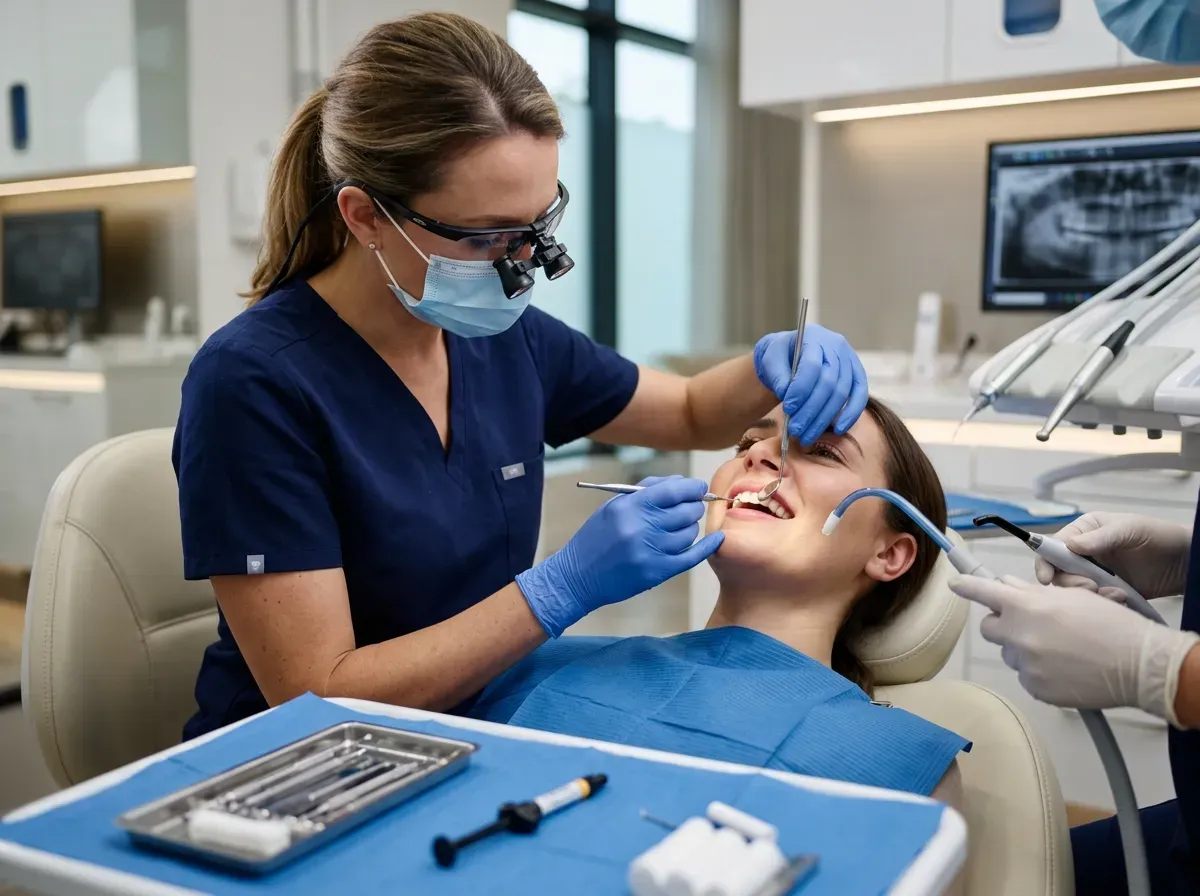
Tooth Discoloration: Causes & Treatment
Tooth discoloration is a multifaceted dental issue that affects millions of people worldwide. To address discolored enamel effectively, one must first distinguish between the two primary classifications of dental staining: extrinsic discoloration and intrinsic discoloration.
Extrinsic vs. Intrinsic Staining
- Extrinsic Discoloration: This occurs when the outer layer of the tooth, known as the enamel, absorbs pigments from external substances. Common sources include pigmented foods, dark beverages, tobacco smoke, and poor oral hygiene habits. Extrinsic stains respond favorably to surface cleaning, scaling, polishing, and topical whitening gels.
- Intrinsic Discoloration: This type of staining originates within the inner structure of the tooth, known as the dentin. Intrinsic yellowing or graying can stem from trauma during tooth development, excessive fluoride intake during childhood (fluorosis), certain medications such as tetracycline antibiotics, or natural age-related enamel thinning. Treating intrinsic discoloration typically requires professional-grade whitening agents that penetrate deep into the tooth structure, or restorative procedures such as a composite dental filling, cosmetic bonding, or porcelain veneers.
Major Causes of Tooth Color Changes
|
Primary Cause |
Discoloration Type |
Staining Depth |
Recommended Treatment Modalities |
|
Red Wine, Coffee, & Tea |
Extrinsic |
Enamel Surface |
Dental hygiene cleaning, whitening strips, in-office whitening |
|
Smoking & Tobacco |
Extrinsic / Mixed |
Enamel & Micro-fissures |
Professional scaling, air polishing, high-concentration peroxide |
|
Age-Related Enamel Thinning |
Intrinsic |
Outer Enamel & Dentin |
Custom dentist-supervised bleaching trays, in-office gel application |
|
Tooth Decay & Enamel Lesions |
Intrinsic / Structural |
Deep Dentin & Enamel |
Dental fillings, root canal treatment, dental crowns |
|
Tetracycline Staining |
Intrinsic |
Deep Dentin Layers |
Long-term supervised bleaching, cosmetic veneers, bonding |
|
Excessive Fluoride Intake |
Intrinsic |
Enamel Matrix |
Microabrasion, composite bonding, porcelain veneers |
Dental discoloration rarely happens overnight; rather, it is the cumulative result of lifestyle factors, biological processes, and oral health conditions:
- Dietary Pigments: Consuming deeply pigmented foods and drinks regularly causes chromogens—color compounds with a high affinity for tooth enamel—to deposit onto the surface.
- Tobacco Use: Tar and nicotine in cigarettes, cigars, and smokeless tobacco create stubborn brown and yellow surface stains that bind tightly to micro-fissures in enamel.
- Aging Process: As teeth age, the hard outer enamel wears down naturally from chewing and brushing, exposing the underlying dentin, which is naturally yellower in hue.
- Tooth Decay and Structural Damage: Tooth decay can cause teeth to turn dark brown, gray, or black as bacteria destroy enamel and underlying dentin structures. Early-stage decay may also manifest as chalky white spots before turning yellow or dark. Addressing underlying bacterial buildup and seeking targeted bad breath treatment alongside restorative care is essential to restoring overall oral health before undergoing cosmetic whitening.
- Genetics: Baseline enamel thickness and natural dentin shade vary significantly from person to person due to inherited genetic traits.
- Medications and Medical Treatments: Direct exposure to antihistamines, high blood pressure medications, chemotherapy, and head or neck radiation can darken teeth over time.
Top 10 Teeth-Staining Foods and Beverages
Professional whitening should always begin with a thorough oral examination. Untreated cavities, gum disease, or leaking restorations should be addressed first to ensure both patient safety and long-lasting whitening results.
Dietary habits play a dominant role in maintaining bright enamel. Understanding which foods contribute to yellowing allows individuals to make informed daily choices without entirely sacrificing their favorite delicacies.
The 10 Most Common Staining Agents
- Red Wine: Rich in polyphenols and tannins, red wine is one of the most potent causes of dark enamel discoloration.
- Coffee: Packed with chromogens and high in acidity, dark coffee penetrates microscopic pores in enamel.
- Black Tea: Contains high levels of tannins, which often stain teeth even more aggressively than coffee.
- Dark Berries: Blueberries, blackberries, and pomegranates contain deep pigments that bind to tooth surfaces.
- Tomato-Based Sauces: Bright red pasta sauces are both acidic and highly pigmented, making enamel vulnerable to staining.
- Soy Sauce and Balsamic Vinegar: Dark, concentrated liquids easily leave lingering discoloration on tooth surfaces.
- Curry: The bright yellow spice turmeric in curry dishes can stain natural enamel and dental restorations rapidly.
- Carbonated Soft Drinks: Dark colas contain dark colorings combined with phosphoric and citric acids that erode enamel.
- Fruit Juices: Cranberry, grape, and cherry juices combine intense color with natural sugars and high acidity.
- Beets: Highly concentrated natural dyes in beets adhere quickly to porous enamel surfaces.

How to Avoid Red Wine Teeth and Daily Stains
Enjoying red wine and deeply pigmented foods does not require accepting permanently stained teeth. Implementing simple protective strategies can minimize pigment accumulation:
- Rinse with Water Immediately: Swishing water around the mouth after consuming dark beverages helps flush away remaining acid and tannins before they bond to enamel.
- Use a Straw: Drinking iced coffee, tea, soft drinks, or dark juices through a straw reduces contact between pigmented liquids and the front surfaces of teeth.
- Maintain the 30-Minute Rule: Avoid brushing teeth immediately after consuming acidic foods like red wine or citrus, as enamel is temporarily softened. Wait 30 minutes for saliva to remineralize the enamel surface before brushing.
- Eat Crunchy Vegetables: Fibrous foods such as apples, celery, and carrots stimulate saliva production and act as natural abrasive scrubbers, gently cleansing teeth while eating.
- Incorporate Dairy Products: Consuming cheese or milk alongside wine provides calcium and casein protein, which help coat enamel and buffer acidic damage.
While these preventive habits effectively shield your enamel from daily discoloration, advanced options in digital dentistry and smile design can fully evaluate, preview, and restore your smile if persistent staining or aesthetic concerns already exist.
Teeth Whitening Methodologies: Clinical In-Office vs. Over-the-Counter
When selecting a whitening path, patients must evaluate the trade-offs between rapid clinical treatments and convenient home solutions. Both approaches utilize active peroxide agents—primarily hydrogen peroxide or carbamide peroxide—to break down organic stain molecules via oxidation.
In-Office Professional Whitening
In-office whitening procedures are performed directly by dental healthcare professionals. The dentist applies a high-concentration hydrogen peroxide gel (typically 25% to 40%) to the teeth while protecting the sensitive gums with a light-cured isolation barrier. In many cases, specialized LED or laser lights are applied to accelerate the peroxide oxidation reaction.
- Key Advantages: Delivers immediate, dramatic results (often 5 to 8 shades lighter) in a single 60-to-90-minute session. Performed under full clinical supervision, ensuring soft tissue safety and minimal risk of burn injuries.
- Considerations: Higher upfront cost compared to home kits; may induce transient post-treatment temperature sensitivity.
Dentist-Prescribed Custom Trays
This middle-ground approach involves taking physical or digital impressions of the patient's teeth to fabricate custom-fitted plastic trays. The dentist provides professional-grade carbamide peroxide or hydrogen peroxide gel for home application over 10 to 14 consecutive days.
- Key Advantages: Custom trays ensure precise gel contact with tooth enamel while preventing active ingredients from leaking onto vulnerable gum tissue. Provides controlled, long-lasting shade adjustments with lower risk of acute sensitivity.
Over-the-Counter Whitening Strips
|
Attribute |
Clinical In-Office Treatment |
Custom Dentist Trays |
Over-the-Counter Whitening Strips |
|
Active Ingredient |
25% – 40% Hydrogen Peroxide |
10% – 22% Carbamide Peroxide |
3% – 10% Hydrogen Peroxide |
|
Treatment Time |
Single 60–90 minute session |
30–60 mins daily for 1–2 weeks |
30 mins daily for 2–4 weeks |
|
Shade Improvement |
5 to 8 shades lighter |
4 to 7 shades lighter |
2 to 4 shades lighter |
|
Gum Protection |
Gingival barrier applied by dentist |
Custom trimmed tray edges |
None (strip rests on gums) |
|
Enamel Adaptation |
Full direct clinical application |
Perfect custom molded fit |
Generic uniform flat strip |
|
Cost Range |
Moderate to High |
Moderate |
Low |
Whitening Strips are thin, flexible plastic strips coated with a mild layer of hydrogen peroxide (usually 3% to 10%). Users apply these strips directly across their teeth once or twice daily for two to four weeks.
- Key Advantages: Highly affordable, accessible without a prescription, and easy to integrate into a daily hygiene routine.
- Considerations: Generic flat strip designs may fail to make contact with uneven tooth surfaces or recessed gaps, resulting in patchy whitening. Gel can also migrate onto gum tissue, causing localized irritation.
Deep-Dive Questions and Specific Clinical Concerns
Can Yellow Teeth Go White Again? Dentists Reveal the Truth
Yes, in the vast majority of cases, yellow teeth can return to a noticeably whiter shade. Yellowing occurs primarily when outer enamel absorbs surface pigments or thins over time, exposing the naturally yellow dentin underneath. Modern peroxide formulations penetrate through microscopic enamel pores to oxidize organic stain molecules, neutralizing pigments and restoring a lighter appearance. However, the ultimate level of brightness depends on the underlying cause of the discoloration, baseline enamel thickness, and the chosen whitening method.
Why Are My Teeth Yellow After Whitening?
Experiencing yellowing shortly after completing a whitening treatment can be frustrating. Several clinical factors explain this phenomenon:
- Dehydration Relapse: During clinical whitening, teeth undergo minor temporary dehydration, making them look artificially bright immediately after the session. As teeth reabsorb moisture from saliva over the next 24 to 48 hours, the shade re-stabilizes to its true lightened color, which may appear slightly darker than the initial post-treatment look.
- Exposed Dentin at the Cervical Margin: The enamel layer is naturally thinner near the gumline. If gums have receded slightly, the exposed root dentin will remain yellow because peroxide acts differently on cementum than on thick enamel.
- Consumption of Pigmented Foods During the Open Pore Window: Bleaching opens microscopic pores in tooth enamel. Consuming dark foods, coffee, or red wine within 48 hours of treatment allows deep pigments to absorb rapidly into the open enamel matrix.
- Uneven Gel Application: Over-the-counter strips or poorly fitting trays may not distribute active peroxide gel evenly, leaving recessed areas or crevices looking distinctly yellower than flat surfaces.
Can Teeth That Are Genetically Yellow Be Whitened?
Teeth that are genetically predisposed to a yellow tone can still be lightened, but they present unique considerations. Genetic factors determine both the density of the underlying dentin and the natural thickness and translucency of the outer enamel layer. Individuals with naturally thinner enamel will display more of the warm yellow dentin hue regardless of surface cleanliness.
While professional peroxide treatments can brighten the surface enamel and lighten the underlying dentin by several shades, individuals with naturally thin enamel may reach an aesthetic plateau. In these cases, comprehensive cosmetic solutions—such as a tailored Hollywood Smile Turkey makeover utilizing high-grade porcelain veneers or bonding—can achieve the desired brilliant white shade by providing an aesthetic porcelain shield over the natural tooth structure.
How to Remove Yellow Stains from Teeth?
Removing yellow stains effectively requires matching the treatment method to the type and depth of discoloration:
- Step 1: Professional Dental Hygiene Cleaning: Schedule a professional scaling and polishing session. Dental hygienists use ultrasonic instruments and prophylactic polishing pastes to scrub away hard calculus, plaque buildup, and stubborn surface stains.
- Step 2: Air Polishing for Recessed Stains: For intricate grooves or bracket areas, air polishing systems use a controlled stream of sodium bicarbonate or glycine powder mixed with water to gently wash away deep surface pigments without damaging enamel.
- Step 3: Applied Peroxide Bleaching: For deeper extrinsic and mild intrinsic stains, apply professional-grade carbamide or hydrogen peroxide gel using custom dental trays or an in-office laser procedure.
- Step 4: Daily Oral Hygiene Maintenance: Brush twice daily with an ADA-approved fluoride toothpaste, floss daily to remove plaque between teeth, and use non-abrasive whitening toothpaste containing low concentrations of silica or polyphosphates to maintain results.
Achieving a radiant smile through Professional Teeth Whitening is both an art and a science. By understanding the root causes of Tooth Discoloration: Causes & Treatment options, individuals can choose the method best suited to their lifestyle and budget. Whether opting for clinical in-office whitening or dentist-supervised custom trays, maintaining long-term results requires consistent oral hygiene, smart dietary management, and routine dental care. Rinsing after dark beverages, avoiding tobacco, and utilizing periodic touch-ups ensure that your investment in a brighter, healthier-looking smile lasts for years to come.
Doctor Profile
This content has been evaluated in accordance with Hospitadent Medical Publication Board standards for medical accuracy, currency and patient information.
Our Awards
See All ›2019 – 2020
Health Tourism Champion
Since its founding, Hospitadent has provided oral and dental care to patients travelling from every continent for health tourism. In the Service Exporters' Association research of 2019 and 2020, we ranked first in the Dental Health Services category. Within the same report we placed 15th among all healthcare institutions in 2019 and moved up to 10th in 2020. With uncompromising customer satisfaction, Hospitadent remains the healthcare institution that treats the highest number of international oral and dental patients.
2013
TEMOS International Quality Certificate
Guided by dedicated international departments, Hospitadent welcomes patients from abroad without any language barriers, offering assistance with accommodation, city and Bosphorus tours, concierge guidance, treatment logistics and medication support to keep satisfaction at its peak. With the goal of carrying the same quality standards to both Turkish and foreign patients, we received the TEMOS "International Quality in Dental Care" certificate in 2013—an accreditation granted by the organization that evaluates and certifies worldwide patient service quality based on the "Made in Germany" quality seal.
2020
Turquality Brand Support Program
For 16 years, the Turquality Brand Support Program has helped Turkish products build and promote their image abroad. Dental Group Hospitadent earned the right to join this initiative, taking an important step on its branding journey. Being the first dental healthcare group in a program that includes only five hospitals from the healthcare sector proves not only the quality image we project, but also the high standards we uphold.
2018
Stevie Awards – Most Innovative Customer Service
The Stevie Awards, recognized worldwide for honoring outstanding organizations and leaders, is the only international business awards program. In 2018, Hospitadent became the first hospital in Turkey to win a Stevie Award by receiving the "Most Innovative Customer Service of the Year" prize. Signature experiences such as Smiling Center, Digital Smile Design and Dental SPA played a decisive role in earning this accolade.
2019 – 2020
Service Exporters Association Award
Serving dental tourists from all over the world since its foundation, Hospitadent was honored by the Service Exporters' Association in the Champions of Service Exports program, which celebrates the rising value of Turkey's service industries. Thanks to its contribution to the national economy, Hospitadent received a certificate of achievement and ranked 15th among general healthcare institutions in 2019 and 10th in 2020, continuing to lead oral and dental treatments with an unwavering focus on patient satisfaction.
2021
Great Place To Work® Certified
Based on the employee experience and satisfaction survey completed by our teams, GPTW Turkey evaluated Hospitadent and awarded us the "Great Place To Work® Certified" distinction. As the first and only dental hospital holding this leading workplace culture certificate, Hospitadent continues its journey toward many more achievements.