What Is Bonding Treatment? How Is It Done?
Learn what bonding treatment is, how it’s done, benefits, durability, and whether it’s right for improving chips, gaps, and discoloration.
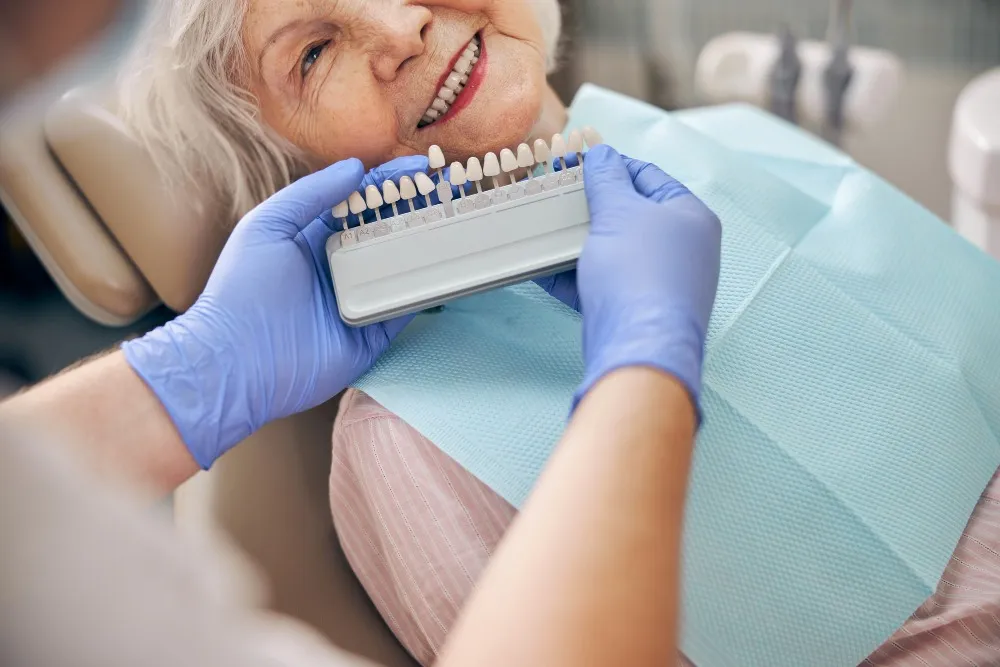
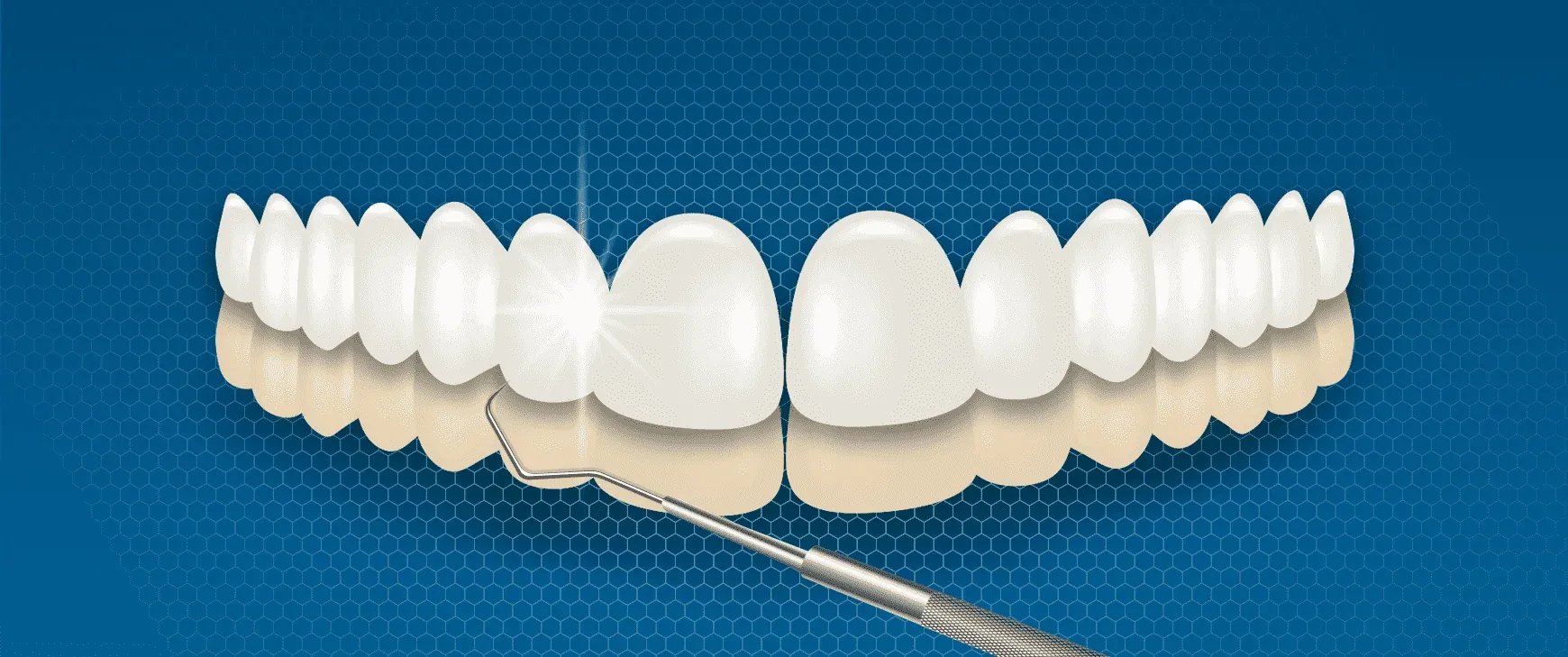
Bonding treatment is a minimally invasive cosmetic dental procedure designed to improve the appearance of teeth using tooth-colored composite resin. It is commonly used to repair chipped, cracked, discolored, or slightly misaligned teeth. Unlike more complex restorative methods, this technique usually requires little to no removal of natural tooth structure. Because of its conservative approach, bonding treatment has become a popular choice for patients seeking quick aesthetic enhancement.
Modern dentistry prioritizes preserving natural enamel whenever possible. This procedure aligns with that philosophy by enhancing shape and color without aggressive preparation. The resin material is carefully sculpted to match the surrounding teeth. When performed correctly, the results look natural and harmonious.
What Is Bonding Treatment and Why Is It Used?
Bonding treatment is a cosmetic and restorative dental procedure that involves applying composite resin directly to the tooth surface. The material is shaped and hardened to improve the tooth’s form, size, or color. It is frequently recommended for minor imperfections that do not require crowns or veneers. The primary objective is aesthetic improvement while maintaining structural integrity.
This procedure is commonly used to repair small chips or cracks. It can also close minor gaps between teeth without orthodontic intervention. Additionally, it helps mask discoloration that does not respond to whitening treatments. Its versatility makes it suitable for various cosmetic concerns.
Because the technique is conservative, it is often completed in a single visit. There is typically no need for anesthesia unless decay is present. Patients appreciate the simplicity and immediate visual improvement. The combination of speed and effectiveness makes it highly appealing.
How Is Bonding Treatment Performed Step by Step?
Bonding treatment begins with surface preparation of the affected tooth. The enamel is lightly roughened to enhance adhesion. A conditioning liquid is then applied to create a stronger bond between the resin and natural tooth structure. Proper preparation is essential for long-term durability.
After conditioning, the composite resin is carefully applied in layers. The dentist sculpts the material to achieve the desired shape and contour. Precision is important to ensure symmetry and natural aesthetics. The resin is then hardened using a special curing light.
Once the material is fully set, the tooth is polished to achieve a smooth and natural finish. The final result blends seamlessly with surrounding teeth. This careful shaping and finishing process contributes significantly to aesthetic success. Patients leave the clinic with immediate visible improvement.
Who Is a Good Candidate for Bonding Treatment?
Bonding treatment is ideal for individuals with minor cosmetic concerns. Patients with small chips, slight discoloration, or small gaps often benefit most from this procedure. It is not typically recommended for severely damaged teeth that require structural reinforcement. Proper case selection ensures satisfactory results.
Candidates should have good overall oral health. Healthy gums and stable enamel are important for long-term success. Individuals who grind their teeth excessively may need additional protective measures. The dentist evaluates functional habits before recommending treatment.
Realistic expectations are also essential. While the results can be impressive, the procedure is best suited for subtle improvements. Patients seeking dramatic transformations may require alternative treatments. Careful consultation ensures alignment between goals and achievable outcomes.
How Long Does Bonding Treatment Last?
The longevity of bonding treatment depends on oral habits and maintenance. On average, composite bonding can last between five and ten years. Proper care significantly extends its lifespan. Avoiding excessive biting pressure helps maintain integrity.
Unlike ceramic restorations, composite resin is slightly more prone to staining over time. Regular professional cleaning helps preserve its appearance. Good oral hygiene reduces discoloration and marginal breakdown. Maintenance plays a key role in durability.
Routine dental visits allow early detection of wear or minor fractures. Small repairs can often be completed easily if addressed promptly. Preventive care ensures long-term aesthetic stability. Responsible habits protect both natural teeth and restorations.
Does Bonding Treatment Damage Natural Teeth?

Bonding treatment is considered one of the most conservative cosmetic procedures available. It typically requires minimal alteration of the natural enamel. In many cases, no drilling is needed unless minor reshaping is required. This preserves the structural integrity of the tooth.
Because enamel removal is limited, the procedure is often reversible. If a patient decides to pursue a different cosmetic option in the future, alternative treatments can still be considered. This flexibility makes it appealing for younger patients. Preservation of natural tissue remains a key advantage.
What Are the Advantages of Bonding Treatment Compared to Veneers?
Bonding treatment offers several advantages when compared to porcelain veneers. One of the most significant benefits is its conservative nature. Veneers typically require enamel reduction, whereas bonding often preserves most of the natural tooth structure. This makes it a less invasive option for patients seeking aesthetic improvement.
Another advantage is cost and time efficiency. Veneers often require laboratory fabrication and multiple appointments. In contrast, bonding treatment is usually completed in a single visit. This convenience appeals to patients who prefer quicker results without extensive procedures.
Flexibility is also a key factor. Composite resin can be adjusted, reshaped, or repaired easily if necessary. Veneers, once placed, are more permanent and less modifiable. This adaptability makes bonding an attractive solution for minor cosmetic corrections.
Can Bonding Treatment Fix Gaps Between Teeth?
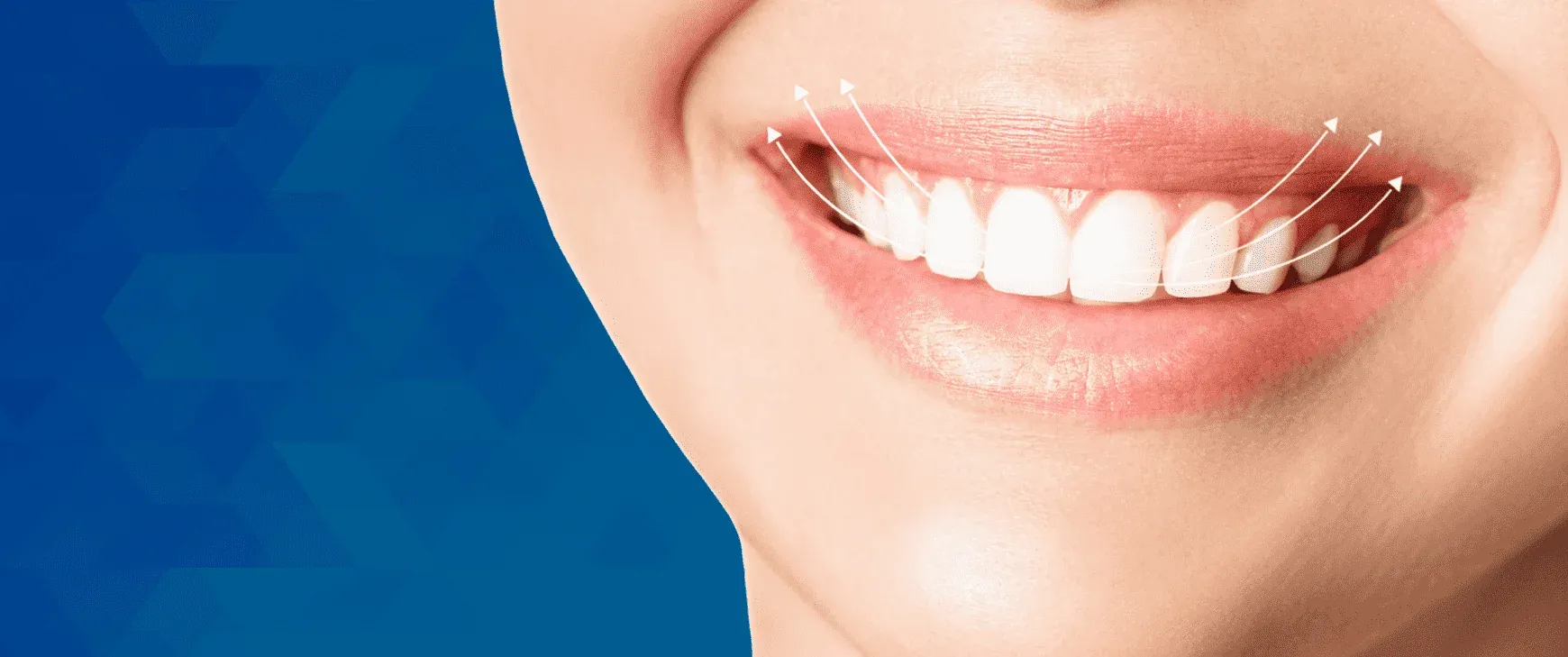
Bonding treatment is frequently used to close small gaps between teeth without orthodontic intervention. By carefully adding composite resin to the sides of adjacent teeth, the dentist can reduce visible spacing. The result is a more uniform and aesthetically pleasing smile. Proper shaping ensures natural proportions are maintained.
This method works best for minor spacing issues. Large orthodontic gaps may still require braces or aligners for optimal results. However, in suitable cases, bonding treatment provides immediate improvement. The transformation can be noticeable while remaining subtle and natural.
Precision in contouring is essential when closing gaps. Overbuilding the tooth can create an unnatural appearance. Careful measurement and symmetry ensure that the final result blends harmoniously with the surrounding teeth. Balanced proportions are key to aesthetic success.
How Should You Care for Teeth After the Procedure?
Post-treatment care plays an important role in maintaining results. Patients should brush twice daily with a non-abrasive toothpaste. Flossing regularly prevents plaque buildup around restoration margins. Good hygiene habits extend the lifespan of composite resin.
Avoiding habits such as biting fingernails or chewing hard objects reduces the risk of chipping. Composite material is durable but not as strong as natural enamel. Excessive force may compromise its structure. Protective measures such as night guards may be recommended for teeth grinders.
Routine dental visits are essential for long-term maintenance. Professional polishing helps maintain surface smoothness and brightness. Early detection of wear allows minor repairs before major damage occurs. Consistent care ensures lasting aesthetic stability.
Does Bonding Treatment Stain Over Time?
Composite resin used in bonding treatment can stain over time, particularly when exposed to coffee, tea, or tobacco. Unlike porcelain, composite is slightly more porous. This makes it more susceptible to discoloration if oral hygiene is neglected. However, proper care significantly minimizes staining.
Regular professional cleanings help maintain brightness. Polishing can remove surface stains and restore shine. Avoiding excessive consumption of staining beverages also protects appearance. Simple lifestyle adjustments can prolong aesthetic quality.
In some cases, minor discoloration can be corrected with refinishing or partial repair. The ability to adjust and polish the material is one of its advantages. With attentive maintenance, long-term appearance can remain satisfactory. Preventive care remains essential.
Is Bonding Treatment Suitable for Front Teeth?
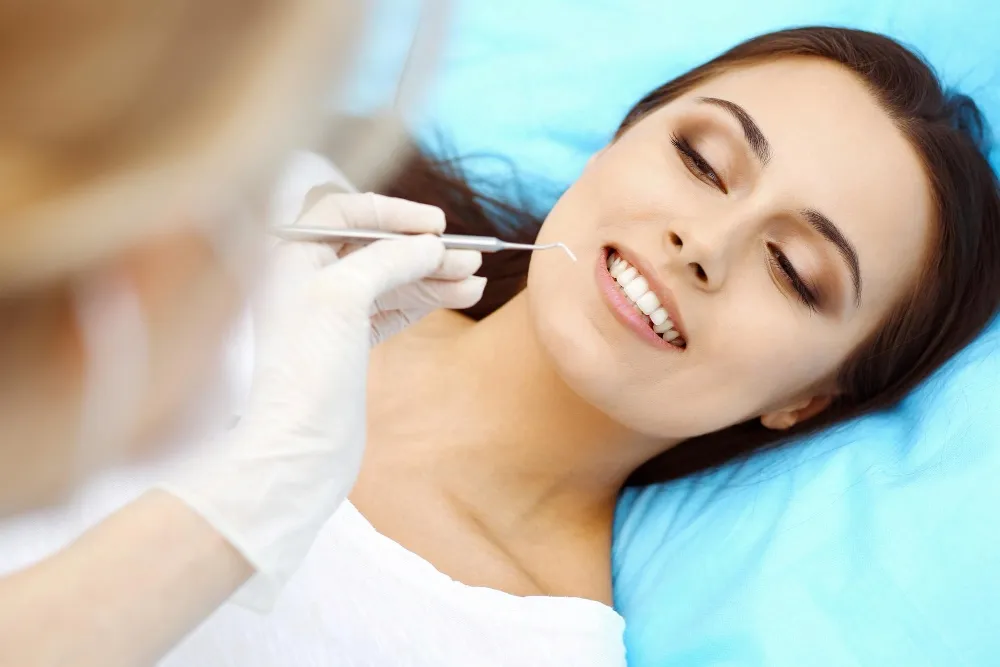
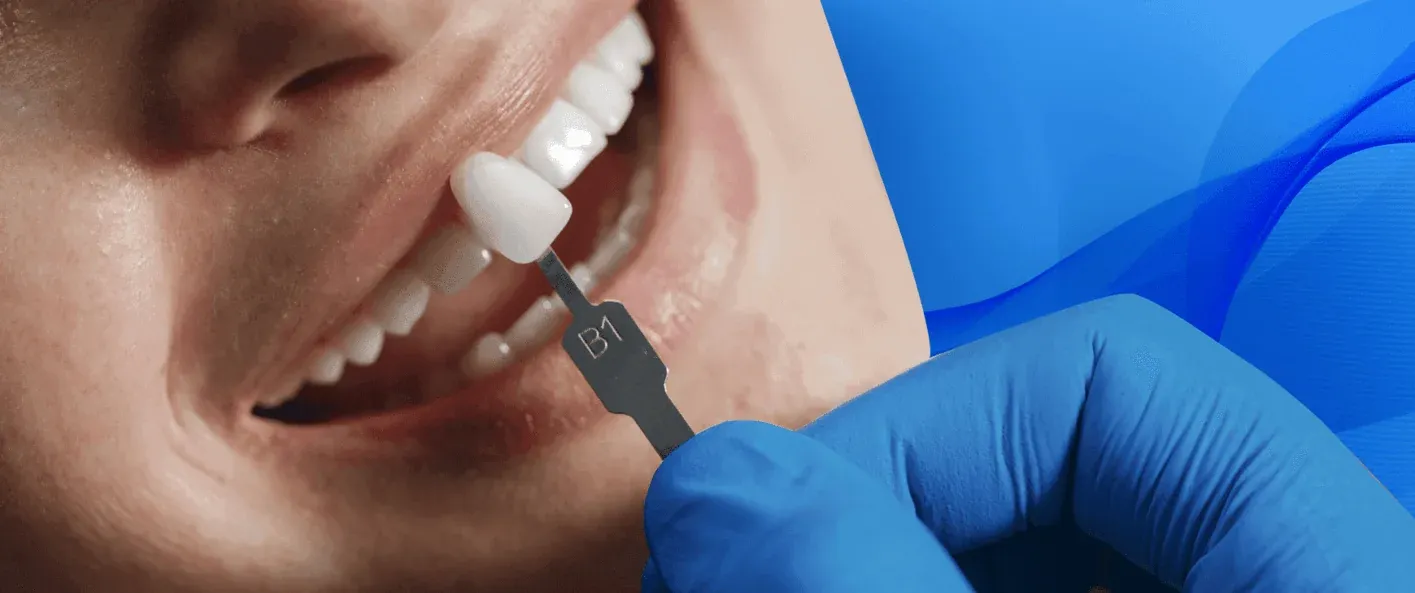
Bonding treatment is particularly popular for front teeth because of its aesthetic flexibility. Composite resin can be color-matched precisely to surrounding enamel. This makes it ideal for repairing small chips or correcting uneven edges. The results often appear natural and seamless.
Front teeth require careful shaping and artistic skill. Light reflection and translucency must be considered to ensure realism. Skilled application enhances both symmetry and brightness. The outcome depends heavily on technique and experience.
When properly maintained, bonded front teeth can remain attractive for many years. Avoiding excessive biting pressure protects the restoration. Regular monitoring ensures early intervention if needed. With proper care, front tooth bonding provides a reliable cosmetic solution.
How Much Does Bonding Treatment Cost?
Bonding treatment is generally considered one of the most affordable cosmetic dental procedures. The cost varies depending on the number of teeth treated, the complexity of the case, and the geographic location of the clinic. Minor reshaping of a single tooth will naturally cost less than multiple aesthetic corrections. Because it is usually completed in one appointment, laboratory expenses are minimal.
Compared to veneers or crowns, bonding treatment is significantly more budget-friendly. This makes it accessible to patients who want aesthetic enhancement without committing to higher-cost restorations. However, expertise and material quality still play a major role in the final result. Choosing a skilled dentist is more important than focusing solely on price.
Patients should view the procedure as an investment in their smile. Although it may require occasional maintenance over the years, its initial affordability remains a strong advantage. A transparent consultation ensures that expectations and costs are clearly understood. Planning ahead helps patients make confident decisions.
Can Bonding Treatment Be Repaired If It Chips?
One of the practical advantages of bonding treatment is that it can usually be repaired easily if minor damage occurs. Small chips or surface wear can often be corrected without removing the entire restoration. The dentist simply roughens the surface and applies additional composite resin. This makes maintenance relatively simple and conservative.
Composite material bonds well to itself, allowing seamless repairs. Unlike ceramic restorations, which may require complete replacement if damaged, bonding treatment offers flexibility. This adaptability contributes to its popularity for minor cosmetic corrections. Early intervention prevents further structural compromise.
Regular checkups help detect small fractures before they worsen. Addressing minor defects promptly preserves both function and aesthetics. With proper care and timely repair, longevity can be extended. Preventive monitoring ensures sustained performance.
It may interest you --> Dental Filling
Is the Procedure Safe for Teenagers?
This cosmetic procedure can be suitable for teenagers in specific cases, particularly when minor chips or developmental imperfections are present. Because it preserves natural tooth structure, it is often considered conservative. However, growth and ongoing dental development must be evaluated carefully. A professional assessment determines appropriateness.
Teenagers involved in sports may benefit from restorative correction of small fractures. Protective measures such as mouthguards should also be recommended. Maintaining enamel integrity remains a priority at this stage of development. Any aesthetic treatment must align with long-term oral health goals.
Parental guidance and realistic expectations are essential. Cosmetic procedures should be pursued for personal confidence rather than social pressure. Proper evaluation ensures that the treatment supports both functional and aesthetic needs. Responsible planning protects future dental stability.
For those who are interested --> Braces Treatment
How Long Does the Procedure Take?
Bonding treatment is typically completed within a single appointment, making it one of the most time-efficient cosmetic options. Depending on the number of teeth involved, the procedure may take between thirty minutes to an hour per tooth. The absence of laboratory fabrication significantly shortens the process. Patients often appreciate the immediate results.
Preparation is minimal compared to other restorative procedures. Because anesthesia is rarely required, the visit tends to be comfortable and straightforward. The dentist carefully shapes and polishes the resin during the same session. This eliminates the need for temporary restorations.
Time efficiency does not compromise quality when performed properly. Attention to detail during shaping and finishing ensures natural aesthetics. The convenience of same-day results makes bonding treatment appealing to busy individuals. Quick improvement without multiple visits is a key advantage.
For your information --> implant
Is Bonding Treatment Worth It for Smile Enhancement?
Bonding treatment can be highly rewarding for individuals seeking subtle yet meaningful smile improvements. It enhances tooth shape, corrects minor imperfections, and restores symmetry without aggressive intervention. Many patients experience a noticeable boost in confidence after treatment. The psychological benefit often extends beyond aesthetics.
However, suitability depends on the extent of the cosmetic concern. For severe discoloration or structural damage, alternative treatments may provide better results. A thorough consultation ensures appropriate case selection. Clear communication between dentist and patient supports realistic expectations.
When performed conservatively and maintained properly, bonding treatment offers an excellent balance between affordability, aesthetics, and preservation of natural tooth structure. It provides visible enhancement without irreversible changes. Thoughtful planning and professional expertise determine long-term satisfaction. Balanced improvement ensures natural-looking results.
When performed correctly, the procedure does not weaken the tooth. However, improper technique may compromise durability. Choosing an experienced professional reduces risks. Proper application ensures both safety and aesthetics.
Click to learn --> Dental Bridge
Doctor Profile

This content has been evaluated in accordance with Hospitadent Medical Publication Board standards for medical accuracy, currency and patient information.
Our Awards
See All ›2019 – 2020
Health Tourism Champion
Since its founding, Hospitadent has provided oral and dental care to patients travelling from every continent for health tourism. In the Service Exporters' Association research of 2019 and 2020, we ranked first in the Dental Health Services category. Within the same report we placed 15th among all healthcare institutions in 2019 and moved up to 10th in 2020. With uncompromising customer satisfaction, Hospitadent remains the healthcare institution that treats the highest number of international oral and dental patients.
2013
TEMOS International Quality Certificate
Guided by dedicated international departments, Hospitadent welcomes patients from abroad without any language barriers, offering assistance with accommodation, city and Bosphorus tours, concierge guidance, treatment logistics and medication support to keep satisfaction at its peak. With the goal of carrying the same quality standards to both Turkish and foreign patients, we received the TEMOS "International Quality in Dental Care" certificate in 2013—an accreditation granted by the organization that evaluates and certifies worldwide patient service quality based on the "Made in Germany" quality seal.
2020
Turquality Brand Support Program
For 16 years, the Turquality Brand Support Program has helped Turkish products build and promote their image abroad. Dental Group Hospitadent earned the right to join this initiative, taking an important step on its branding journey. Being the first dental healthcare group in a program that includes only five hospitals from the healthcare sector proves not only the quality image we project, but also the high standards we uphold.
2018
Stevie Awards – Most Innovative Customer Service
The Stevie Awards, recognized worldwide for honoring outstanding organizations and leaders, is the only international business awards program. In 2018, Hospitadent became the first hospital in Turkey to win a Stevie Award by receiving the "Most Innovative Customer Service of the Year" prize. Signature experiences such as Smiling Center, Digital Smile Design and Dental SPA played a decisive role in earning this accolade.
2019 – 2020
Service Exporters Association Award
Serving dental tourists from all over the world since its foundation, Hospitadent was honored by the Service Exporters' Association in the Champions of Service Exports program, which celebrates the rising value of Turkey's service industries. Thanks to its contribution to the national economy, Hospitadent received a certificate of achievement and ranked 15th among general healthcare institutions in 2019 and 10th in 2020, continuing to lead oral and dental treatments with an unwavering focus on patient satisfaction.
2021
Great Place To Work® Certified
Based on the employee experience and satisfaction survey completed by our teams, GPTW Turkey evaluated Hospitadent and awarded us the "Great Place To Work® Certified" distinction. As the first and only dental hospital holding this leading workplace culture certificate, Hospitadent continues its journey toward many more achievements.